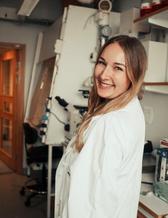
Stina Börchers is a doctoral researcher at the University of Gothenburg , affiliated with the Department of Physiology . Her work centers on the neurobiology of feeding behavior , energy expenditure , and emotionality , with a particular emphasis on sex differences in rodent models. Education: M.Sc. in Neurosciences, University of Bremen, Germany B.Sc. in Biology, University of Bremen, Germany Research Focus: Investigates gut-brain axis mechanisms (e.g., GLP-1, amylin, ghrelin, oxytocin) Analyzes sex-specific responses in neural circuits governing feeding, motivation, and anxiety Studies metabolic disturbances and their behavioral implications Active in science communication beyond academic work Key Publications: 2025: GLP-1/amylin interactions in brain activity 2025: Amylin's role in amygdala-mediated behavior 2024: Astrocyte regulation of feeding in lateral parabrachial nucleus 2023: Oxytocin's differential effects on food intake 2022: Ghrelin axis sex differences in rodent anxiety
Sahib Khalsa, M.D., Ph.D. is an Associate Professor in Residence in the Department of Psychiatry & Biobehavioral Sciences at the David Geffen School of Medicine, University of California, Los Angeles (UCLA). He serves as the Director of Anxiety Disorders Research and is an Associate Member at the institution. Dr. Khalsa's educational background includes both medical (M.D.) and doctoral (Ph.D.) degrees, though specific institutions are not detailed in the provided text. His research focuses on understanding the pathophysiological basis of interoception —the process by which the nervous system senses internal body signals to regulate homeostasis. He investigates neuroscience-informed clinical applications of interoceptive interventions for disorders affecting physical and mental health. His interdisciplinary expertise spans pharmacology, cognitive neuroscience, functional neuroimaging, electroencephalography, computational psychiatry, and behavioral clinical trials. Dr. Khalsa's work aims to develop better methods for assessing interoception and to answer basic and clinical questions in individuals with psychiatric disorders (including anxiety and eating disorders) and medical conditions (including cardiac arrhythmias). He integrates numerous methods to interrogate cardiovascular, respiratory, and gastrointestinal interoception across psychiatric and medical conditions, including pharmaco-fMRI, EEG with computational modeling, and non-pharmacologic interventions like floatation-REST. His research projects have been NIH-funded at the principal investigator level at every career stage (F31, R01 supplement, K23, R34, R01, and P20 subproject), as well as by private foundation and industry grants. Over the past nine years, he served as Director of Clinical Operations at the Laureate Institute for Brain Research (LIBR), supervising numerous NIH and industry-sponsored clinical trials. Research Interests: Interoception and its role in psychiatric disorders Neuroscience-informed clinical interventions Functional neuroimaging and electroencephalography Computational psychiatry Behavioral clinical trials Cardiac arrhythmias and their psychiatric comorbidities Funding and Grants: NIH grants: F31, R01 supplement, K23, R34, R01, P20 subproject Private foundation grants Industry-sponsored research Clinical Leadership: Director of Clinical Operations at Laureate Institute for Brain Research (LIBR) Supervised numerous NIH and industry-sponsored clinical trials Ensured participant safety and successful data collection
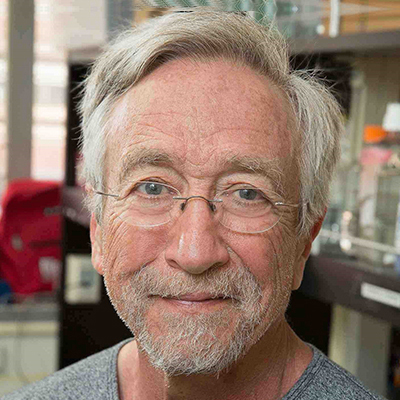
Jack Feldman is Distinguished Professor of Neurobiology at the David Geffen School of Medicine, University of California, Los Angeles (UCLA). He leads research on respiratory neurobiology from his laboratory at CHS, Los Angeles, focusing on the preBötzinger complex and its role in breathing rhythm generation. Research Focus: Respiratory rhythmogenesis, neural circuits, opioid/nicotine effects on breathing, sighing mechanisms, and neurophysiological plasticity Lab: PreBötzinger Complex Research Laboratory, CHS, UCLA His scientific contributions include discovering fundamental neural mechanisms for respiratory control, with recent work examining synchronization in microcircuits and clinical implications for disorders like congenital central hypoventilation syndrome. Publications span high-impact journals in Neuroscience , Nature , Science , and The Journal of Physiology . Major Scientific Awards: NIH MERIT Award (1991-2001) NIH Outstanding Investigator Award (2017-2023) Hodgkin Huxley Katz Prize (2016) UCLA Faculty Research Lecture (2018) David Geffen School of Medicine Chair in Neuroscience (2022---)
Emeran Mayer is a distinguished Professor at the University of California, Los Angeles, with dual appointments in Psychology and Physiology. He serves as Director of the UCLA Gail and Gerald Oppenheimer Family Center for Neurobiology of Stress and Co-Director of the CURE: Digestive Diseases Research Center. His research focuses on the brain-gut-microbiome axis , particularly in irritable bowel syndrome (IBS) , stress-related disorders, and sex differences in pain processing. He has pioneered neuroimaging studies linking gut microbiota to brain structure/function and investigated microbial contributions to conditions like obesity , pelvic pain syndromes , and autism spectrum disorder . Scientific Contributions include over 200 publications on topics such as: Multi-omics analysis of IBS subtypes Neurobiological mechanisms of visceral pain Microbial mediation of stress responses Sex-specific brain alterations in chronic pain His work has significantly advanced understanding of gut microbiome-brain interactions , stress-induced immune-neural alterations, and neighborhood disadvantage's biological impacts. Current projects explore estrogen recycling via gut microbiota, dietary interventions for IBS, and machine learning models integrating metabolomics with brain imaging.
Dr. Huda Yahya Zoghbi is a Professor at Baylor College of Medicine , holding appointments in the Departments of Molecular and Human Genetics, Pediatrics - Neurology and Developmental Neuroscience, Neuroscience , and other programs. She serves as an Investigator at the Howard Hughes Medical Institute and as Director of the Jan and Dan Duncan Neurological Research Institute at Texas Children's Hospital. Her research spans neurogenetics, neurodegenerative diseases, and neurodevelopmental biology. Education: MD, Meharry Medical College (1979) BS, American University of Beirut (1976) Post-Doctoral Fellowship, Baylor College of Medicine (1985) Research Interests: Dr. Zoghbi's work focuses on the pathogenesis of neurodegenerative diseases like spinocerebellar ataxia type 1 (SCA1) and Rett syndrome , using genetic and biochemical approaches to understand disease mechanisms. Her lab investigates Ataxin-1 in polyglutamine diseases, Atoh1 in neurodevelopment, and MECP2 regulation in neurological disorders. She explores therapeutic strategies including antisense oligonucleotides and deep brain stimulation . Notable Awards: Kavli Prize in Neuroscience (2022) Breakthrough Prize in Life Sciences (2017) National Academy of Sciences (2004) Shaw Prize in Life Science and Medicine (2016) Canada Gairdner International Award (2017) Honorary Doctorates from Yale, Meharry, and Middlebury (2007-2014) Laboratory: The Zoghbi Laboratory at Baylor College of Medicine investigates genetic mechanisms in neurological disorders , collaborating with institutions like the Howard Hughes Medical Institute and Texas Children’s Hospital. The lab employs mouse models , CRISPR tools , and single-cell sequencing to study neuronal differentiation and disease vulnerability.
Perchtold-Stefan Corinna is an Associate Professor at the Institute of Psychology, Faculty of Natural Sciences, University of Graz. She investigates the interplay between creativity, psychopathology, and cognitive-affective mechanisms using EEG/fMRI methodologies. Research areas: Malevolent creativity, dark traits, emotion regulation, neurocognitive pathways Affiliations: Member of 'Complexity of Life' profile area and 'Brain and Behavior' research network Her research reveals connections between physical activity and creativity, interoceptive brain signatures, and gender-specific neurocognitive strategies. Recent work examines organizational power dynamics, true crime fascination, and creativity in sports contexts. Scientific Awards : 2025 Josef Krainer Appreciation Award in Psychology 2024 Best Speaker Award (Marconi Institute of Creativity) 2019 Women's Prize of Faculty of Natural Sciences Graz She contributes to understanding creativity's dual nature through empirical studies involving neuroimaging, ambulatory monitoring, and comparative analyses across diverse populations.
Christian Rominger is a Senior Lecturer at the Institute of Psychology , Faculty of Natural Sciences, University of Graz. His research focuses on the intersection of creativity, psychophysiology, and interoception, particularly examining relationships between physical activity, heart rate variability (HRV), and cognitive performance. Current project: Investigating dose-response relationship between physical activity and creativity Methodological expertise: Ambulatory monitoring, EEG alpha power analysis Research trends in his publications include: Psychophysiological mechanisms underlying creativity HRV as biomarker for stress and interoceptive awareness Development of just-in-time adaptive interventions (JITAI) for mental health
Dr. Otto Muzik is an Associate Professor in the Department of Pediatrics at Wayne State University School of Medicine . His research focuses on PET imaging and Pediatric imaging , with specific interests in Epilepsy , Brown Adipose Tissue (BAT) , and brain network connectivity using PET and fMRI methodologies. Key research themes include: Understanding neural mechanisms in human thermoregulation Developing automated AI-driven solutions for motion correction in total-body PET/CT Optimizing dose reduction strategies in PET/MR epilepsy imaging Translating novel radiotracers like [18F]FETrp for clinical cancer imaging Advancing theranostic approaches in nuclear medicine Exploring predictive processing models in brain function He actively teaches graduate courses in Nuclear Medicine Physics and Imaging Physics , and collaborates with Vaibhav Diwadkar on neuroimaging research. His work appears in journals like Wiley Interdisciplinary Reviews: Cognitive Science and Journal of Nuclear Medicine .
Professor Marcin Szwed serves at the Department of Psychophysiology within the Faculty of Philosophy at Jagiellonian University in Kraków, Poland. His office is located at Ingardena 6, room 6.11, with contact email m.szwed@uj.edu.pl and phone number 12 663 24 40. His research focuses on brain plasticity mechanisms , particularly investigating cross-modal reorganization in sensory-deprived populations (blind and deaf individuals) and environmental impacts on neurodevelopment. His work spans multiple domains including tactile reading (Braille), interoception in blindness, auditory processing in deafness, and the effects of air pollution on children's cognitive development through the NeuroSmog project. His publication record shows consistent research output since 2000, with recent work increasingly focusing on environmental neuroscience (air pollution effects) while maintaining his core interest in sensory substitution and brain plasticity. His 2023-2025 publications demonstrate a strong emphasis on methodological rigor with advanced neuroimaging techniques and large-scale cohort studies. Prof. Szwed actively supervises research through the Szwed Lab, which is currently recruiting two PhD students for October 2025 to work on NeuroSmog project data using machine learning and advanced statistical methods for analyzing critical periods of smog exposure.
Janette Watkins is an Assistant Professor in the Department of Kinesiology at Penn State University, with an affiliate appointment at the Child Study Center. Her research focuses on community-based interventions for youth physical activity and digital wellness, integrating neuroscience and kinesiology methodologies. Dual-Ph.D. (2025) - Human Performance & Neural Sciences, Indiana University M.Ed. (2021) - Kinesiology, University of Virginia B.A. (2020) - Neuroscience, Transylvania University Watkins specializes in: Community-based, co-designed interventions for youth health Family dynamics influencing child self-regulation Interdisciplinary methods combining eye tracking (neuroscience) and accelerometry (kinesiology) Psychosocial/environmental factors affecting screen time and well-being Her recent publications examine screen time anxiety in youth, strength training feasibility, and inclusive sports practices. She collaborates with the Social Science Research Institute and focuses on implementation strategies for rural school environments.
Delphine Rommel is a Lecturer in Clinical Psychology and Psychopathology at the University of Nantes, affiliated with the UFR Psychology and the Psychology Laboratory of Pays de la Loire (UR 4638). Her academic career spans over 15 years with consistent contributions to the understanding of emotional processes in eating disorders and obesity. Dr. Rommel's primary research focuses on emotional regulation processes in eating disorders, with special attention to awareness, differentiation, and regulation of emotional states. She investigates alexithymia and interoceptive awareness using experimental measurement tools, examining cognitive disorders involved in emotional state regulation. Her work also explores the involvement of the autonomic nervous system, particularly the parasympathetic nervous system, in emotional regulation processes. While she has developed several research projects on anorexia nervosa and bulimia nervosa, her interests extend to emotional processes in compulsive eating and obesity. Her publication record shows consistent output since 2007, with recent work examining cognitive restriction, emotional eating, dissociative experiences in obesity, and impulsivity related to food stimuli. Her research often employs psychophysiological measurements, particularly heart rate variability analysis, to assess autonomic nervous system functioning in relation to emotional regulation. Dr. Rommel has received recognition for her work, including an award from G.R.O.S. (Groupe de Recherche sur l'Obésité et les Surpoids) in 2014 for her research on dissociative phenomena in obesity. Her collaborative work demonstrates engagement with both clinical and research communities across France and internationally. In addition to her research, Dr. Rommel teaches Clinical Psychology and Psychopathology from undergraduate through master's levels. Her teaching likely integrates her research expertise on emotional processes in clinical conditions, providing students with insights into the psychological mechanisms underlying eating disorders and obesity. Her research activities include numerous conference presentations and invited talks on emotional regulation in eating disorders, demonstrating her active engagement in knowledge dissemination within both academic and professional communities.
Dr. Samira Bouyagoub is a Research Fellow II at the Clinical Imaging Sciences Centre (CISC) within Brighton and Sussex Medical School (BSMS) and holds an affiliation with the School of Psychology at the University of Sussex. She is part of the MRI Physics group led by Prof. Mara Cercignani and has been at BSMS since February 2015. Dr. Bouyagoub's research focuses on quantitative MRI, particularly diffusion MRI which measures microstructural properties of tissue. She develops multimodal tissue modeling approaches by combining diffusion MRI and relaxometry to better understand changes in brain tissue properties. Her publication record shows expertise in applying these techniques to various neurological conditions including dementia, multiple sclerosis, ALS, and Tourette syndrome. Recent work (2023-2025) spans from microstructural changes in ALS patients to cerebral function parameters in HIV patients with insomnia. She is actively involved in research funding, currently participating in the CLIMB-ALS study funded by the Motor Neurone Disease Association and a study on anxiety in joint hypermobility funded by MQ TRANSFORMING MENTAL HEALTH. Her technical expertise extends to providing software and hardware support for fMRI research equipment at CISC. Dr. Bouyagoub contributes to teaching through student-selected components in Neuroscience and Behaviour, Academic Skills for first-year students, and an Anatomy and Physics module in the MSc Clinical Radiology program, demonstrating her commitment to training the next generation of medical professionals and researchers.
Professor Sarah Garfinkel is an Honorary Professor of Clinical and Affective Neuroscience at the Brighton and Sussex Medical School, University of Sussex, affiliated with the Department of Psychiatry. Her research program centers on body-brain interactions, with a focus on interoception (the perception of internal bodily states) and its role in emotion, cognition, and psychiatric disorders including autism, anxiety, PTSD, and schizophrenia. Her integrative approach combines: Functional MRI (fMRI) with cardiovascular monitoring Beat-to-beat blood pressure analysis Carotid baroreceptor stimulation Psychophysiological assessments Key research themes include: Dissociable dimensions of interoception (accuracy, sensibility, awareness) Heart-brain interactions in fear/threat processing Neural correlates of interoceptive deficits in clinical populations Impact of autonomic states on decision-making and emotion regulation Professor Garfinkel currently advises PhD students, including Georgina Heron, and collaborates extensively with researchers such as Hugo Critchley (ERC grant on cardiac timing), Dora Duka (alcohol-interoception interactions), and Marco Bozzali (carotid stimulation/fMRI).
Susan Tapert, PhD, is a Distinguished Professor of Psychiatry at the University of California, San Diego School of Health Sciences. She directs groundbreaking longitudinal studies including the Adolescent Brain Cognitive Development (ABCD) study and National Consortium on Alcohol and Neurodevelopment in Adolescence-Adulthood (NCANDA-A), where she serves as Associate Director/Site PI and Co-Director/Site PI respectively. Previously, she held leadership as Vice Chair of Academic Affairs (2019-2024) in her department. Her NIH-funded research program examines neural risk factors and consequences of adolescent substance use through advanced neuroimaging and neuropsychological methods. Key focus areas include: Impact of alcohol, cannabis, and polysubstance use on developing brain systems Neurocognitive predictors of addiction trajectories Adolescent brain maturation in typical and high-risk populations Pandemic effects on youth mental health and behavior Her 275+ publications demonstrate consistent focus on substance use neurobiology, adolescent development, and methodological innovation. Recent work (2024-2025) emphasizes multimodal brain imaging, wearable technology validation, digital phenotyping, and machine learning approaches to predict risk. Major honors include: Research.com 2022 Best Female Scientist Award American College of Neuropsychopharmacology’s Julius Axelrod Mentorship Award (2022) American Academy of Child & Adolescent Psychiatry Outstanding Mentor Award (2021, 2016) Research Society on Alcoholism Marlatt Mentorship Award (2019) She leads federally funded investigations including ABCD ($34M+), NCANDA ($26M+), and predictive modeling grants. Her mentorship extends through NIH training grants and leadership roles in national consortia.
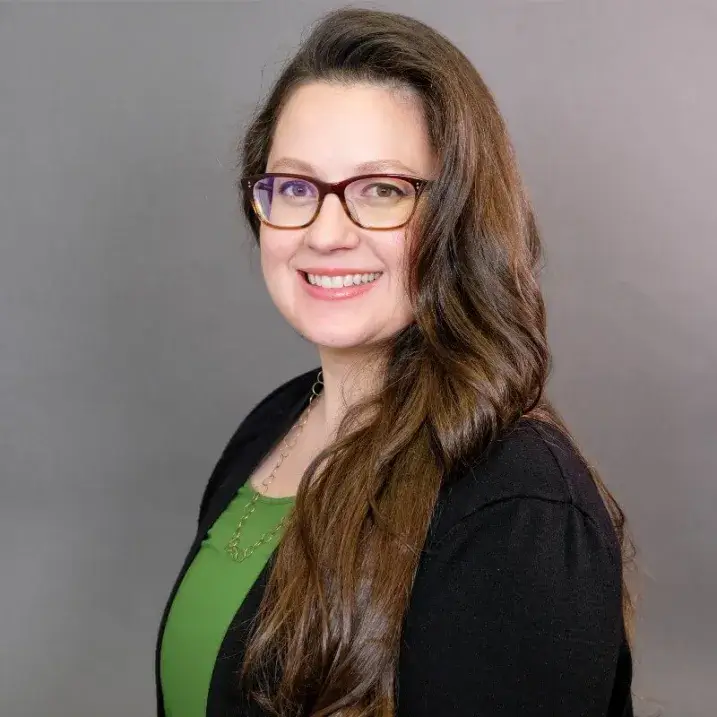
Dr. Carissa Wengrovius is an Assistant Professor in the Department of Rehabilitation and Movement Science at the University of Vermont's College of Nursing and Health Sciences. Her academic journey includes a B.A. in Psychology (University of Colorado Boulder), D.P.T. (Regis University), Ph.D. in Movement Science (University of Michigan), and a post-professional faculty residency at the University of Colorado Anschutz Medical Campus. Her research investigates mind-body interventions—particularly yoga—to enhance physical, mental, and social well-being in pediatric populations. Key focuses include the role of interoception in regulating sleep, physical activity, and behavioral self-regulation, with an emphasis on creating scalable health programs for diverse community settings. She has received notable recognition including: Christine Kahan Black Scholar Award (2021) Young Investigator Award, IAYT Symposium on Yoga Research (2019) Emerging Leader Award, APTA Academy of Pediatric Physical Therapy (2016) With over a decade of clinical experience as a pediatric physical therapist and yoga instructor, she bridges academic research with practical healthcare applications.