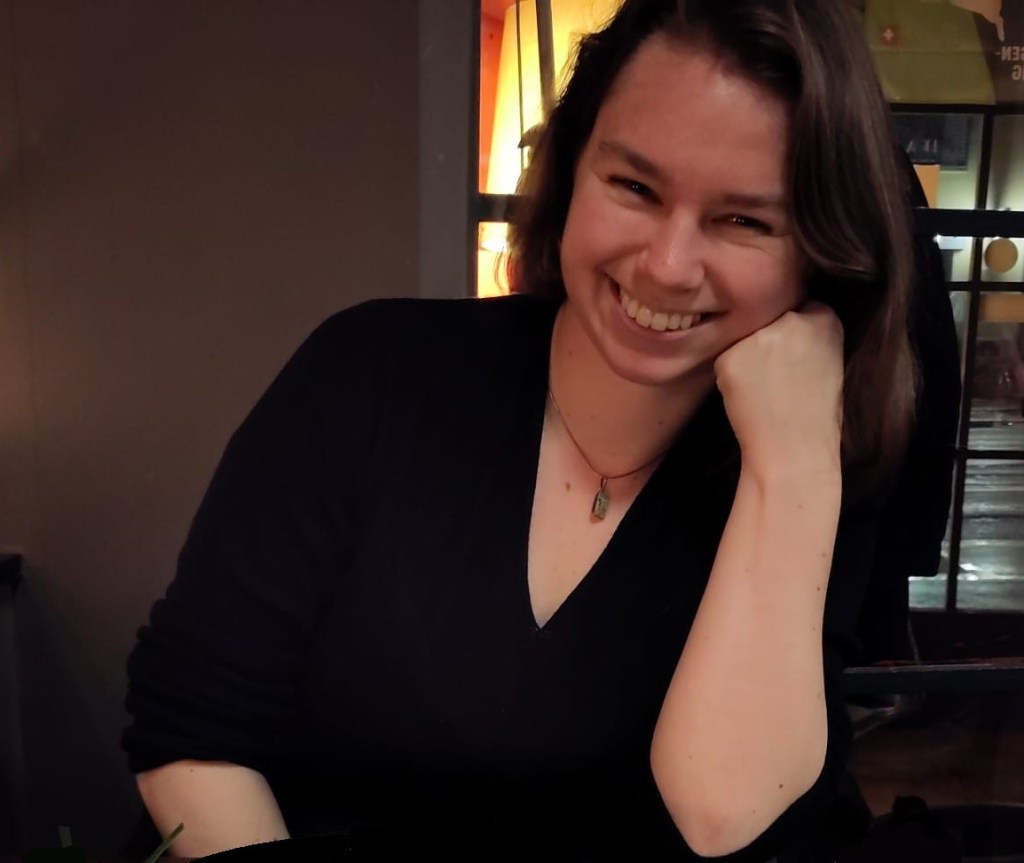
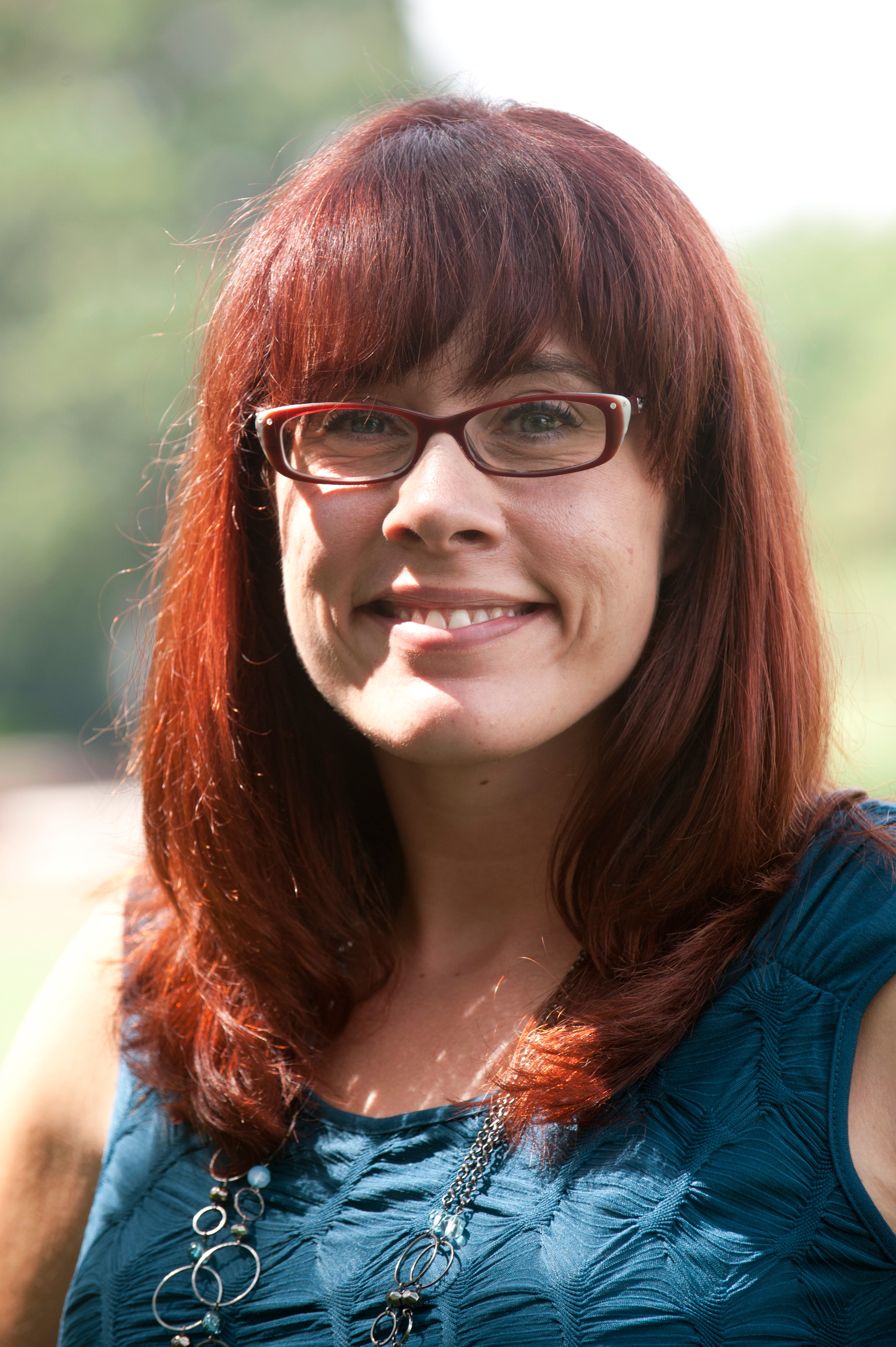
Dr. Siri Driessen is Professor specializing in Historical Memory and Transformative Justice, with research focusing on post-conflict societies and knowledge production. Her work examines how historical narratives shape contemporary justice processes. Research interests include: War sites and memory culture Military discourses and veteran experiences Gendered dimensions of historical knowledge production Transformative justice mechanisms in post-conflict societies Her publications demonstrate a consistent focus on Bosnia conflict legacy, with recent work exploring veteran-survivor encounters and gendered research methodologies.
Aidan Doyle is a Researcher at the Yale Center for Emotional Intelligence (YCEI) and affiliated with the Child Study Center at Yale School of Medicine. He joined YCEI in 2023, providing research support in data management, analysis, and scientific dissemination for the Well-being team. Previously, he worked at Worcester Polytechnic Institute’s Social Psychology Inquiry Lab, contributing to studies on pregnancy stigma, workplace bias interventions, and social tuning. Doyle holds a B.A. in Psychological Sciences from the University of Connecticut, where he also served as an Academic Coach, supporting students’ academic strategies and holistic success. Education: B.A. in Psychological Sciences, University of Connecticut Research Interests: Doyle focuses on emotion understanding, social psychology, and bias reduction. His work explores mechanisms like social tuning, perspective taking, and cultural influences on emotional and social dynamics. He develops tools such as the Core Relational Themes of Emotion (CORE) test to measure emotion comprehension abilities. His research bridges theoretical insights with practical applications, such as interventions to mitigate workplace bias and enhance well-being. Key Contributions: His 2023 publications include validating the CORE test and examining how affiliative motivations shape social tuning behaviors. Collaborative projects address gender and racial bias through perspective-taking interventions. Recent work highlights the role of cultural context in collective emotional responses and group dynamics. Labs & Affiliations: Doyle is embedded in the YCEI, a multidisciplinary hub for emotion science, and contributes to initiatives at the Child Study Center. His work aligns with Yale’s broader efforts in mental health, education, and community well-being.
Dr. Aneta Czernatowicz-Kukuczka is an Assistant Professor at the Department of Psychology of Religion within the Faculty of Philosophy at Jagiellonian University. She specializes in socio-cognitive approaches to religiosity, focusing on motivational determinants and intergroup relations. Her work explores how beliefs about God influence risk-taking behaviors across moral and non-moral domains. She leads multiple research projects including NCN-funded studies on divine perceptions and risk, and collaborates on EU grants examining bioethical uncertainties. Active in international organizations like the Association for Psychological Science, her research appears in journals such as European Journal of Social Psychology and Frontiers . She also contributes to experimental philosophy laboratories and has authored/co-authored chapters on religion's social implications. Education: Doctor of Psychology Research Affiliations: Centre for Social Cognitive Studies (Kraków), International Society of Political Psychology Key Projects: NCN Sonata Grant: 'Percepcja boga a skłonność do podejmowania ryzyka' ERC Starting Grant: 'Deep uncertainty in bioethics' Jagiellonian University-funded: 'Czy bóg sprzyja ryzykantom?' Her research highlights how religious beliefs act as cognitive frameworks managing uncertainty, influencing social judgments and intergroup attitudes. By analyzing dogmatism, fear, and narrative networks, she reveals mechanisms linking religiosity to prejudice reduction or exacerbation. Recent work emphasizes crisis responses, showing how fear and normative pressures shape humanitarian aid behaviors during wars and pandemics. Publications span cognitive closure effects, moral decision-making, and prosocial behavior barriers in crises. She maintains active involvement in both Polish and international academic communities through conferences, guest lectures, and editorial collaborations.
Kai Qin Chan is an Associate Professor in the Department of Psychology at James Cook University (Singapore campus), with additional affiliations at Radboud University Nijmegen (Netherlands) and Ashoka University (India). Their research spans social and cognitive psychology, focusing on emotion, decision making, and social interactions. With 17 publications from 2012-2025, Chan has established a significant research profile across multiple international institutions. Dr. Chan's research interests center on how emotions, particularly disgust, influence cognitive processes and decision making. Their work explores the relationship between emotional states and sensory perception, especially olfaction, demonstrating that disgust lowers olfactory thresholds across both positive and negative scents. Additional research examines how disgust functions as a mechanism for risk assessment, revealing sex differences in disgust propensity and its correlation with risk-taking behaviors. Analysis of Dr. Chan's publication record shows a strong focus on experimental social psychology with methodological diversity including eyetracking, text mining, and meta-analysis. Their work bridges theoretical frameworks from evolutionary psychology with empirical investigations of human behavior, particularly examining how emotional states modulate perception, social cognition, and decision processes. Recent publications indicate expanding interests into educational psychology and developmental issues. NWO grant number 404-10-078 supported research on olfactory thresholds Extensive international collaboration across multiple continents
Melissa-Sue John, Ph.D., is an Assistant Professor of Psychology at the University of Saint Joseph (USJ), where she joined in 2022. Her research focuses on intergroup behavior, diversity in STEM education, and children’s literature representation. She holds a Ph.D. from the University of Connecticut, with prior roles as a lecturer at multiple institutions and a Research Associate at Worcester Polytechnic Institute. Dr. John’s work includes developing the Seeds of STEM curriculum to teach preschoolers engineering concepts and participating in the Many Labs 2 replication initiative. She co-founded Lauren Simone Publishing House to promote diverse voices in children’s literature, highlighted in the Fall 2024 Outlook magazine. Her teaching spans courses like Introduction to Psychology and Social Psychology. She is affiliated with organizations such as the American Psychological Association and Children’s Book Council. Her research emphasizes reducing bias, enhancing STEM accessibility, and fostering inclusive narratives in education and publishing.
Laura Taylor is an Associate Professor in the School of Psychology at University College Dublin (UCD), where she conducts research at the intersection of developmental psychology, peace studies, and intergroup relations. Her work focuses on children and youth in conflict-affected and post-conflict societies, including Northern Ireland, Colombia, Croatia, and Kosovo. Education: PhD in Psychology and Peace Studies, University of Notre Dame MA, University of Notre Dame MA, University of San Diego BA, Haverford College Certificate in Continuing Professional Development (CPD) in University Teaching and Learning, UCD Post-Graduate Certificate in Higher Education Teaching (PGCHET), Queen's University Belfast Her research centers on risk and resilience processes in youth exposed to political violence, using a developmental psychopathology approach. She investigates how intergroup contact, identity formation, religious cognition, and family dynamics influence prosocial behavior, civic engagement, and peacebuilding. Her projects include longitudinal studies on youth in Belfast, research on European identity in divided societies, and participatory interventions in Colombia. Her recent publications reveal trends in cross-national prosocial behavior during the pandemic, the role of spatial environments in intergroup contact, and the development of religious and national identities in children. These works span developmental, social, and educational psychology, with strong implications for policy and intervention design. Scientific Awards: Student International Research Award – APA Division 52 (International Psychology) Outstanding Early Career Professional Award – APA Division 52 Ed Cairns Early Career Award – APA Division 48 (Society for the Study of Peace and Conflict) Shaheen Award for Top Graduate Student – University of Notre Dame Laura Taylor has secured funding from the Spencer Foundation, British Academy, Horizon Europe, and others. She mentors students and involves them in sensitive, community-engaged research. She also leads the Developing Belief Network and has conducted program evaluations in public and academic sectors. Labs and Teams: Developing Belief Network (international consortium) Helping Kids! research project (cross-cultural prosocial behavior) YouthLEAD (marginalized youth in the U.S.) Peacebuilding interventions in Colombia (Artesanos de Paz)
Anthony F. Lemieux is a Professor of Communication at Georgia State University and Founding co-Director of the Atlanta Global Studies Center. He specializes in the psychology of terrorism, media analysis, and health behavior change. His research focuses on understanding radicalization, strategic communication by terrorist groups, and the role of music in promoting/countering extremism. He leads interdisciplinary projects funded by the U.S. Department of Defense Minerva Initiative and Department of Homeland Security. He earned his Ph.D. from the University of Connecticut and B.A. from Boston College. Key roles include Principal Investigator of the Mobilizing Media project analyzing terrorist propaganda and co-PI on a National Resource Center grant with Georgia Tech. He has taught courses like Psychology of Terrorism and Social Psychology. His work bridges social psychology with real-world applications in global security and public health.
Dr. Julian Scheffer is an Assistant Professor in the Department of Psychology at the University of Western Ontario, affiliated with the Motivational Influences and Social Cognition (MISC) Lab. His research focuses on socioemotional processes such as empathy and compassion, examining their role in building interpersonal and intergroup connections. Specific interests include how mental effort perceptions, neural damage, and neurodegeneration affect empathetic capacity, particularly in contexts like caregiving for neurodegenerative disease patients, political rivalries, and allyship in social justice movements. Education: HBSc (University of Toronto Scarborough), MA (University of Iowa), PhD (Pennsylvania State University), Postdoctoral Fellowship (University of California Berkeley). Research Interests: Socioemotional processes in challenging social contexts Neurodegenerative disease caregiving dynamics Cognitive costs of compassion Political and intergroup empathy Lab Activities: Active in training graduate students (SPDP, CDBS, CSP programs) and undergraduates. Recent studies include randomized control trials on assistive technology for dementia caregivers and investigations into empathy's role in addressing social injustices. Affiliations: Member of the University of Western Ontario's Department of Psychology, associated with the Faculty of Social Science.
Dr. Magdalena Rychlowska is a Lecturer in Experimental Social Psychology at Queen's University Belfast. She holds a PhD in Social and Cognitive Psychology from Clermont Auvergne University (2014). Her employment history includes roles as an Honorary Fellow at the University of Wisconsin-Madison (2011-2021), Postdoctoral Research Associate at Cardiff University (2014-2017), and Queen's University Belfast (2017-2019). Her research focuses on facial expression dynamics, cultural influences on emotion perception, and friendship styles, funded by the British Academy/Leverhulme, British Council, and France's Ministry for Europe and Foreign Affairs. Education: PhD in Social and Cognitive Psychology, Clermont Auvergne University (2014) Research Interests: Role of facial muscle activity in emotion understanding Cultural and group membership effects on facial expression interpretation Individual differences in friendship styles Teaching: Module Coordinator for PSY3133: Introduction to Cultural Psychology Teaches PSY1009: Methods in Psychology, PSY1011: Using Psychology in Everyday Life, and others Awards: School of Psychology ICARE Award (2023) Supervision: Principal supervisor of 1 PhD graduate (Philip Howlett, 2023) Current students: Katie McDade, Jodie McGoldrick, Glenda Preston (DClin) Her research spans over 46 publications, with notable works on facial mimicry, cultural differences in smiling, and friendship habits. She actively collaborates internationally and contributes to policy-relevant discussions on emotion expression and social behavior.
Dr. K.M. Bijlsma-Frankema is a Senior Researcher at the Faculty of Economics and Business, University of Groningen. Their primary affiliations include the HRM & OB — Management department. Contact information includes +31 50 36 34288 and office location at Nettelbosje 2, Room 5411-0314 in Groningen. Research interests span Organization Studies, Interdisciplinary Social Sciences, and Quantitative Methods. Core themes include distrust dynamics in organizational contexts, supervisory control mechanisms, team performance, and knowledge sharing barriers. Their work emphasizes process-based analyses of trust erosion and institutional distrust patterns. Publications focus on distrust mechanisms in supervision, legal institutions, and team environments. Recent work (2025) explores how control actions engender distrust, while earlier studies (2014-2015) analyzed peer control effects and knowledge-sharing challenges. The 2012 contribution evaluates methodological standards in trust research. No formal academic awards are listed. Advising history remains unspecified, though research collaborations with scholars like Sitkin, Täuber, and Cardinal are evident. No dedicated labs or teams are explicitly mentioned in the profile.
Liga Klavina is a Lecturer at the University of Groningen's Faculty of Behavioural and Social Sciences, specializing in Psychology. Her work bridges intergroup processes and educational innovation, focusing on inclusion, diversity, and student well-being. She coordinates courses like Academic Skills and oversees bachelor/master thesis supervision. Klavina's research explores topics such as intergroup prejudice, collective action, and intercultural competence. She is affiliated with the Academic Development and Skills team and actively contributes to educational initiatives like learning communities and peer mentoring programs. Education Background: Holds a PhD from the University of Groningen (2012 thesis: 'They steal our women: Outgroup members as romantic rivals'). Research Interests: Her work spans evolutionary psychology (e.g., intergroup jealousy, mating competition) and social psychology (e.g., collective action against injustice, intercultural education). She applies these insights to improve academic environments through initiatives like AI-driven inclusion strategies and teacher professional development. Recent publications highlight her contributions to AI in education equity (2025) and peer mentorship for student transitions (2024). Earlier work includes foundational studies on outgroup threats (2013/2012) and evolutionary drivers of jealousy (2011-2008). Teaching & Advising: Leads modules on academic skills, research practicum, and interpersonal relations. Supervises student theses and designs teaching programs in learning communities. No specific grants or awards are listed. Labs/Teams: Collaborates within the Teaching Academy Groningen's Communities of Practices and contributes to the Academic Development and Skills team.
Caroline Andrews is a Marie Skłodowska-Curie Research Fellow at the University of Oxford's Faculty of Linguistics, Philology and Phonetics. Previously, she held a postdoctoral position at the University of Zurich's Department of Comparative Language Science. She completed her doctorate in Linguistics at the University of Massachusetts Amherst and a BA in Linguistics at the University of California, Santa Cruz. Her research focuses on understudied languages, particularly in South America and Europe, with a specialization in psycholinguistics, syntax, and cognitive processes. She has been supported by grants including the Fulbright Scholar Award (2023–2024) and an Early Career Research grant from the Leading House for the Latin America region. Her work examines ergative case processing in Shipibo-Konibo, syntactic memory in sentence processing (via priming and interference paradigms), and switch reference constructions in Peruvian languages. She has also contributed to cross-linguistic studies of Basque and investigated primate cognition's role in event comprehension. Recent publications explore neural correlates of case processing in children and adults, animacy effects in Basque, and comparative visual tracking of event roles in humans and apes. Key awards include the Marie Skłodowska-Curie Fellowship and grants enabling fieldwork in Peru. She has advised on postdoctoral hiring initiatives and collaborates with teams at Oxford and international institutions. Current projects include studies on intergroup relations, linguistic diversity in academic conferences, and multilingual eye-tracking research.
Dr. Anita Atwell Seate is an Associate Professor in the Department of Communication at the University of Maryland, part of the Arts, Humanities & Social Sciences (ARHU) school. She holds a Ph.D. from the University of Arizona and specializes in intergroup communication and public relations, focusing on how social identities influence communication processes and behavioral outcomes. Her research explores identity-based factors like emotions and social identity importance, particularly in contexts involving race, ethnicity, age, gender, and sexual orientation. Dr. Seate leads a NOAA-funded VORTEX-SE Program grant, collaborating with the National Weather Service to develop risk communication toolkits validated through public experiments. Her work bridges social science and critical theory, including a monograph on intergroup threat construction through discourse. Key projects include analyzing tornado warning decision-making factors and developing social norms messages to enhance disaster preparedness. Her research employs a mix of experimental design, content analysis, and ethnography. Notable contributions include studies on humorous vs. non-humorous weather messages and citizen scientist roles in government forecasting. She emphasizes practical applications of communication strategies to improve public safety and organizational relationships.
Associate Professor Chan Kai Qin is a social psychologist specializing in emotions and disgust at James Cook University's Singapore campus. He holds a PhD from Radboud University Nijmegen and has held academic roles including founding and leading Ashoka University's Psychology Department. His research explores disgust's impact on health behaviors, decision-making, and novel food perceptions. He teaches courses in research methods, social psychology, and emotions. Education: PhD (Radboud U, 2011-2015), MSc (NUS, 2009-2011), BSc (NUS, 2005-2009). Research collaborations include institutions like UC, Ocean University of China, and Radboud University. Grants include National Council for Problem Gambling and Centre for Social and Behavioral Change Communication funding. Notable awards include the 2019 3MT Winner and 2009 Outstanding Undergraduate Research Award. He advises doctoral students on topics like Buddhist Religiosity and news consumption biases. Labs/Teams: Part of interdisciplinary groups studying behavioral science, disgust mechanisms, and social cognition. Consultancies include Singapore's Home Team agencies for behavioral research.
Ankica Kosić is an Associate Professor at the Department of Psychology of Developmental and Socialization Processes at Sapienza University of Rome. Her research focuses on multiculturalism, immigrant and refugee integration, intergroup relations (specifically prejudice and stereotypes), post-conflict reconciliation processes, and moral foundations theory. She has conducted extensive studies on the psychological mechanisms underlying prejudice toward migrants, the role of moral reasoning in conflict resolution, and resilience in marginalized populations. Her work integrates cultural, social, and clinical psychology perspectives, with notable contributions to understanding how socio-institutional contexts influence health-related behaviors during crises like the COVID-19 pandemic. She has led projects such as 'The impact of virtual reality on prejudice towards migrants' and 'Morality in everyday life and its implications.' Key research themes include: Multicultural policies and their effectiveness Risk factors for prejudice and strategies for its reduction Rights and resilience of displaced populations Moral psychology's role in intergroup relations Her publications span over 15 years, with recent work emphasizing pandemic-related societal challenges and long-term projects addressing reconciliation in post-conflict regions like Croatia and Northern Ireland.