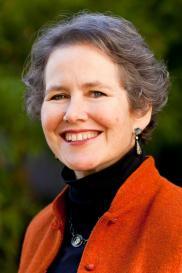
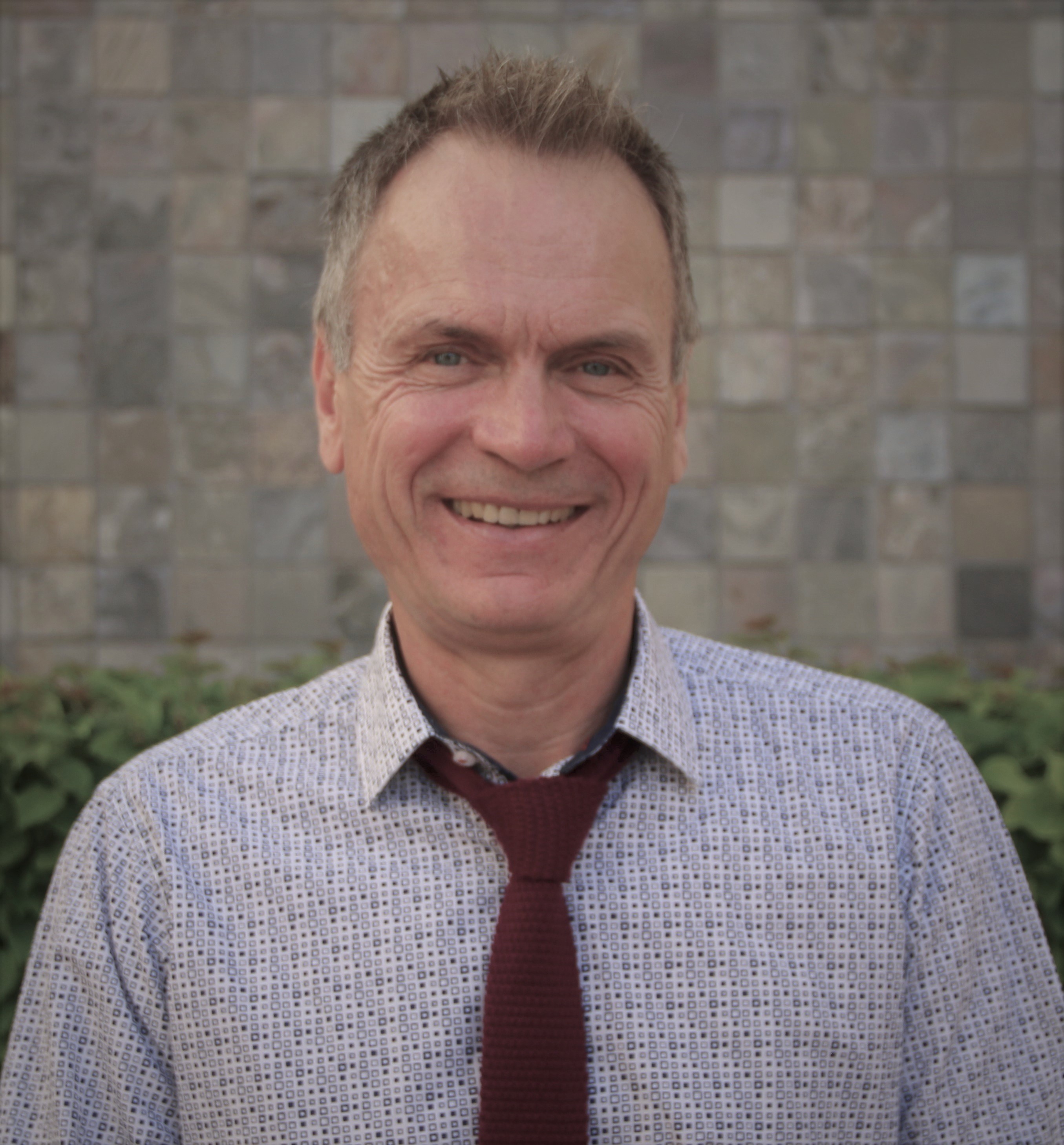
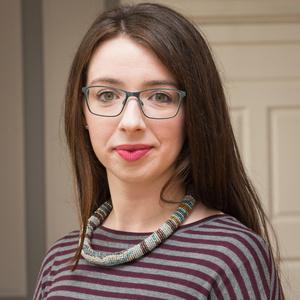
Rebecca Hains is a Professor of Media and Communication at Salem State University. Her research focuses on children's media culture, gender representation, and marketing to children through critical/cultural studies. Ph.D. in Mass Media and Communication from Temple University (2007) Graduate Certificate in Women's Studies from Temple University (2007) M.S. in Mass Communication from Boston University (2000) B.A. in English/Communication Arts from Emmanuel College (1998) Her work has been featured in major news outlets like BBC, The New York Times, and NPR. She has authored two monographs: The Princess Problem (2014) and Growing Up with Girl Power (2012), and co-edited three collections on children's media and toys. Recent publications analyze: Barbie's body politics and diversity marketing Gendered marketing in LEGO toys Intersectional analysis of media's impact on children Critical perspectives on youth media consumption She actively engages in public scholarship through RebeccaHains.com , social media, and media commentary. Key research trends show: Continuity in examining gendered consumer culture Evolution from girl power narratives to contemporary princess culture Increasing focus on intersectional analyses of race, gender, and class Interdisciplinary approach combining media studies, sociology, and gender studies Her teaching includes courses like: MCO 222 How Advertising Works MCO 303 Media and Race MCO 475 Critical Analysis of Media and Culture MCO 330 UX Research in Digital Media
Mariane C. Ferme is a Professor in the Department of Anthropology at the University of California, Berkeley. Her research focuses on sociocultural dynamics in West Africa, particularly Sierra Leone, with expertise in political anthropology, legal studies, and material culture. She holds a PhD in Anthropology from the University of Chicago and has taught at prestigious institutions including the University of Cambridge and École des Hautes Études en Sciences Sociales. Education : PhD in Anthropology (University of Chicago), MA in Political Science (University of Milano), BA in Anthropology (Wellesley College). Ferme’s research spans the political imagination in conflict zones, agrarian transformations, and the interplay between humanitarian law and local justice systems. Her work has been supported by major grants from the National Science Foundation and the France-Berkeley Fund. She has published extensively on Sierra Leone’s post-war societies and the socio-cultural dimensions of the Ebola outbreak. Scientific awards include funding from the National Science Foundation, Hellman Family Faculty Fund, France-Berkeley Fund, Harvard Academy for International and Area Studies, and the Carter Woodson Institute for African and African-American Studies.
Brett Laursen is a Professor of Psychology at Florida Atlantic University's Charles E. Schmidt College of Science, with additional Docent Professor appointments in Educational Psychology at the University of Helsinki and in Social Developmental Psychology at the University of Jyväskylä in Finland. His research focuses on developmental psychology, particularly adolescent development, peer relationships, and social dynamics. Dr. Laursen earned his Ph.D. and M.A. in Child Psychology from the Institute of Child Development at the University of Minnesota and his B.A. in Psychology from Nebraska Wesleyan University. He also holds an Honorary Ph.D. from Örebro University in Sweden. His research program examines influence within close relationships, with particular focus on peer relationships during childhood and adolescence. Current projects include longitudinal studies of elementary and middle school children in Florida, Lithuanian youth transitioning from middle to secondary school, and child characteristics affecting parent engagement in literacy activities. His work consistently explores how social dynamics shape development, with special attention to friendship formation, dissolution, and influence processes. Analysis of his recent publications reveals a strong focus on peer relationships, social status, and developmental transitions. His research employs sophisticated longitudinal and genetically informed designs to examine how social contexts shape development across childhood and adolescence, with particular emphasis on the mechanisms through which peer influence operates. Fellow, American Psychological Association (Division 7, Developmental; Division 8, Social) Fellow and Charter Member, Association for Psychological Science Fellow, International Society for the Study of Behavioural Development Distinguished Alumnus, College of Education and Human Development, University of Minnesota Florida Atlantic University Scholar of the Year (2023-24 and 2016-17) Dr. Laursen has mentored numerous doctoral and master's students who have gone on to successful careers in academia and research. His research has been supported by major funding sources including the US National Institute of Child Health and Human Development, the US National Institute of Mental Health, the US National Science Foundation, Trygfonden, the Jacobs Foundation, and the European Social Fund. As Editor-in-Chief of Merrill Palmer Quarterly and Founding Editor of Cambridge Elements in Research Methods for Developmental Science, he plays a significant role in shaping the field's scholarly discourse. The Laursen Lab operates as a collaborative research team involving current students, alumni, and international collaborators including Professors Goda Kaniušonytė and Rita Žukauskienė of Mykolas Romeris University in Lithuania. The lab regularly presents research at major conferences including the Society for Research on Child Development.
Dr. Bahar Baser is a Professor in Politics and International Relations at Durham University's School of Government and International Affairs, where she joined in 2021. She is also a member of the Institute for Middle Eastern and Islamic Studies. Previously, she served as Associate Professor at Coventry University's Centre for Trust, Peace and Social Relations, leading the "Peacebuilding and Conflict Transformation Research Group," and was a postdoctoral research fellow at the University of Warwick. Dr. Baser completed her PhD in Social and Political Sciences at the European University Institute in Florence, Italy. During her doctoral studies, she was a Visiting Research Fellow at multiple institutions including Humboldt University in Berlin, REMESO in Sweden, and the Instituto de Ciencias Sociais in Lisbon. Dr. Baser is an expert in diaspora studies, peacebuilding, and conflict transformation with a regional focus on the Middle East. Her research examines diaspora engagement in peace processes, post-conflict reconstruction, and state-building in the Global South. She has extensively studied stateless diaspora activism in Europe, particularly regarding host states' counterterrorism policies, radicalization of diaspora members, and transnationalization of homeland conflicts. Her recent publications demonstrate a strong focus on Kurdish diaspora studies, diaspora governance by authoritarian states, intergenerational trauma in diaspora communities, and peacebuilding processes. Her work spans multiple disciplines including political science, international relations, migration studies, and Middle Eastern studies, with particular attention to how diasporas interact with homeland conflicts and host state policies. Dr. Baser serves as editor of the Kurdish Studies Series published by Lexington Books and co-editor of the Diasporas and Transnationalism Series published by Edinburgh University Press. She is also a senior associate research fellow at the Security Institute for Governance and Leadership in Africa (SIGLA), Stellenbosch University, South Africa, and a visiting professor at Tampere Peace Research Institute, Tampere University, Finland. Dr. Baser has supervised multiple doctoral students including Abdullah Al-Khonaini, Mengqi Sun, Nannan Li, and Shorooq Al Zaabi. She has secured numerous research grants including projects funded by the British Academy, Academy of Finland, Allan and Nesta Ferguson Trust, and Horizon 2020 Marie Curie Fellowship. Her research projects span topics such as diaspora engagement in peace processes, youth violence and conflict transformation, and diasporic identity formation. Dr. Baser is actively involved with the Institute for Middle Eastern and Islamic Studies at Durham University, contributing to research initiatives focused on the Middle East and Islamic studies. Her multilingual capabilities (Turkish, English, Italian, Spanish, French, Portuguese, Azerbaijani) support her extensive fieldwork and collaborative research across multiple countries.
Dr. Anna Bagnoli is a Tutor and Director of Studies for Human Social and Political Sciences (HSPS) at Wolfson College, University of Cambridge. She is affiliated with the Department of Sociology and contributes to methodological training in qualitative and visual research methods. Her research bridges social sciences and arts, focusing on identity processes, migration, and gender. Alma Mater: PhD from University of Cambridge (2001) Research: Methodological innovation, narrative analysis, migration of Southern Europeans Her methodological expertise includes creative arts-based methods , visual research , and autobiographical narratives . She has led projects like Picturing Identities and Wolfson’s Worlds , exploring migration, belonging, and cultural capital reconstruction. Anna’s recent publications emphasize gendered migration experiences , arts-based research , and identity construction through visual methods . Key topics include the interplay of migration with science career aspirations, narrative ethics, and longitudinal youth studies. Scientific Awards EC Marie Curie TMR Fellowship (1998-2000) ESRC Postdoctoral Fellowship (2002-2003) Nuffield Foundation Grant (2010) She supervises doctoral students in migration, gender, and narrative research, with a focus on participatory and arts-driven approaches. Anna is also involved in the Cambridge Migration Research Network (Cammigres).
Marcel Lubbers is a Professor of Interdisciplinary Social Science: Relations between groups and cultures at Utrecht University's Faculty of Social and Behavioural Sciences. He leads the European Research Centre on Migration and Ethnic Relations (ERCOMER) and serves as a board member of the Interuniversity Center for Social Science Theory and Methodology (ICS). As associate editor of the European Sociological Review (ESR), he significantly influences academic discourse in migration and political sociology. His work represents Utrecht University in the focus area Migration and Societal Change, connecting research with broader societal implications. Professor Lubbers' research program centers on migration's societal impacts, particularly examining how immigration influences nationalism, Euroscepticism, and voting behavior. His work adopts both macro-level perspectives on societal cohesion and micro-level analyses of immigrant integration processes. Recent publications reveal his focus on political extremism, interethnic relations, and the psychological mechanisms behind public attitudes toward migration. His methodology combines large-scale survey analysis, comparative European studies, and longitudinal approaches to track attitude changes over time. Lubbers' scholarly output shows consistent engagement with contemporary political challenges, including analyses of radical right voting patterns, the workplace as a setting for interethnic contact, and the impact of national nostalgia on political attitudes. His research demonstrates methodological sophistication through meta-analyses, mixed-methods approaches, and innovative survey designs like the Dutch Parliamentary Election Study and Dutch Ethnic Minority Election Study. Through web publications on platforms like Stukroodvlees.nl and contributions to the Migration Advisory Council, Lubbers actively bridges academic research and public policy debates. His work provides evidence-based insights on migration policy, electoral behavior, and societal integration that inform both scholarly and policy discussions in the Netherlands and beyond.
Martha Stiegman is an Associate Professor at the Faculty of Environmental and Urban Change, York University. Her research integrates Indigenous knowledge, food sovereignty, and arts-based methodologies to address issues of social, environmental, and disability justice. She is actively engaged in community-based research and public scholarship in Toronto and Mi’kma’ki (Nova Scotia). Her educational background includes a PhD from Concordia University’s Special Individualized Program and a BA in English Literature & Political Science from McGill University. This interdisciplinary foundation supports her work at the intersection of activism, research, and art. Stiegman’s research focuses on three interconnected domains: Indigenous/settler treaty relations, food sovereignty and justice movements, and participatory video and arts-based research. She emphasizes decolonizing methodologies and community-led knowledge production. Her work explores how arts-based approaches can deepen dialogues across communities and strengthen collective action for justice. Her recent publications and multimedia projects demonstrate a strong trend toward interdisciplinary, community-engaged scholarship that bridges Indigenous epistemologies, environmental justice, and disability justice. She frequently uses film, digital storytelling, and public art to mobilize knowledge and challenge colonial narratives. Co-creator of A Treaty Guide for Torontonians (2022) Lead on the Polishing the Chain project exploring Toronto’s treaty relationships Editor of the forthcoming Anti Colonial Food Systems (Routledge) Active collaborator with Indigenous scholars and artists including Dr. Sherry Pictou, Ange Loft, and Elder Kerry Prosper Stiegman has been involved in significant research grants such as the Atlantic Aboriginal Health Research Program. While specific advisees are not listed, her collaborative projects suggest active mentorship and supervision. She does not appear to lead a formal lab but works within research collectives and community partnerships.
Professor Helen Finch (University of Leeds) is a leading scholar in German Literature , with a focus on Holocaust Studies , Queer Memory , and German-Jewish Cultural Production . Affiliated with the School of Languages, Cultures and Societies and the Centre for Jewish Studies , she co-leads the LCS Queer Area Studies Network and contributes to equality initiatives through the LGBT+ staff network . Research: Holocaust representation in German works, queer identity in postwar literature, transnational memory studies, curriculum design in German studies Awards: Fellow of the Higher Education Academy (2014) Academic Output : Her 15 most recent publications span Holocaust poetics , queer life writing , translation ethics , and Sebaldian intertextuality , with a particular focus on intersections between trauma , identity , and intergenerational testimony . Supervision : Currently guides PhD research on topics including transnational transphobia , queer art practices , and LGBTQ+ cross-cultural representation . Her students explore areas from German exile photography to postcolonial queer narratives .
Dr. Anouk Smeekes is an Associate Professor at Utrecht University's Department of Interdisciplinary Social Science, within the Faculty of Social and Behavioural Sciences. She leads research in the Youth Studies chairgroup, focusing on youth responses to societal challenges like climate change, populism, and colonial legacies. Her teaching spans the MERM Research Master (Ethnic Prejudice course), YDSC Master (thesis coordination), and ISS bachelor programs, while also serving on the Faculty's Exam Committee. Her research explores social/political psychology mechanisms through thematic pillars: Emotional responses of youth to societal disruptions National nostalgia's role in shaping political attitudes Intergroup relations in multicultural societies Climate anxiety and civic engagement pathways Recent publications demonstrate strong emphasis on collective nostalgia, identity politics, and youth psychology. Works frequently examine how historical narratives influence contemporary intergroup conflicts and radicalization, with increasing focus on climate-related anxieties (2020-2024). Methodologically, she employs cross-cultural comparisons across 27+ countries. Awards & Recognition: Rae and Dr. Dan Landis Outstanding Dissertation Award (2015) Research Leadership: CONCILIARE Horizon Europe project co-leader (2024-2027): Examining Europe's colonial heritage transitions Principal investigator: Youth climate anxiety/hope dynamics study (Faculty-funded) Supervises 10+ Master's theses annually in Migration/Ethnic Relations programs
Prof Paul Standish serves as Chair of Philosophy of Education at the UCL Institute of Education, University College London, where he is affiliated with the Education, Practice & Society department. He concurrently holds the position of Visiting Research Scholar and Distinguished Visiting Professor at Kyoto University since April 2015 with an indefinite tenure through January 2100. His research spans multiple interconnected domains including: Philosophy of Education as foundational to understanding knowledge transmission History and Philosophy of Education examining conceptual evolution Applied Ethics in educational contexts addressing moral dilemmas Literary Studies intersecting with pedagogical theory Education Policy, Sociology, and Philosophy analyzing institutional frameworks Analysis of his recent publications reveals a sustained engagement with Wittgensteinian philosophy, language theory, and educational ethics. His work demonstrates consistent exploration of knowledge forms, cultural transmission, and responses to global crises through philosophical lenses. The research trajectory shows deepening focus on planetary crisis responses, testimony ethics, and cross-cultural educational dialogue since 2020. His academic leadership extends through editorial roles and international collaborations, particularly with East Asian philosophical traditions as evidenced by translations of his work in Korean academic circles.
Nora Waitkus is a Professor of Sociology at Heidelberg University's Max-Weber Institute of Sociology and an Assistant Professorial Research Fellow at the London School of Economics' International Inequalities Institute. Her research focuses on socio-economic stratification, wealth inequality, class dynamics, housing inequalities, and economic elites. She holds a PhD in Sociology from the University of Bremen, an M.A. in Political Science from Freie Universität Berlin, and a B.A. in Political Science from the University of Hamburg. Key research areas include: wealth concentration mechanisms, institutional drivers of inequality, cross-national comparative analysis, and media portrayals of economic elites. She employs methods like longitudinal household surveys, media data analysis, and survey experiments. Her recent work emphasizes how redistribution policies moderate income-wealth linkages, the role of inheritance in wealth legitimacy, and gender disparities in wealth accumulation across occupational classes. Awards: RC28 Significant Scholarship Award, Aleida Hagenaars Memorial Award, NWO Talent Grant (VENI) Grants: VENI project on Varieties of Wealth , Wealth Conflicts within Families (TiU Grant) She leads the Chair of Comparative Social Stratification at Heidelberg University and maintains active collaborations with institutions like Tilburg University and the University of Michigan.
Dr. Julieta Chaparro-Buitrago is a Wellcome Trust Early Career Fellow in the Department of Sociology at the University of Cambridge, specializing in decolonial approaches to reproductive justice across Latin America. Her work bridges anthropology, gender studies, and environmental sociology through critical examinations of colonial power structures. Her educational foundation includes a PhD from the University of Massachusetts Amherst, where she received the Oriol Pi-Sunyer Dissertation Prize and multiple research awards recognizing her groundbreaking work on forced sterilization in Peru. Chaparro-Buitrago's research centers on how colonial legacies and extractive industries shape reproductive experiences of indigenous and peasant women. She develops innovative frameworks like Reproductive Extractivism to analyze connections between land exploitation, environmental contamination, and bodily sovereignty, challenging Western-centric reproductive rights paradigms through decolonial feminist methodologies. Her publication trajectory reveals expanding scope from Peru-focused ethnography to transnational comparisons (US, China) and environmental dimensions, consistently centering peasant epistemologies while critiquing state violence and repro-normative hierarchies. Her scientific recognition includes: Wellcome Trust Early Career Award (2022) Oriol Pi-Sunyer Dissertation Prize (2021) Armelagos-Swedlund Graduate Research Award (2018) Richard B. Woodbury Award (2015) Pre-Dissertation Research Award (2013) Her Wellcome-funded project on reproduction in Peru's extractive zones drives interdisciplinary collaboration with Cambridge Reproduction and the Cambridge Lactation Network, generating policy interventions for environmental reproductive justice amid climate crisis. She actively shapes discourse through the Cambridge Reproduction Forum and Reading Group, fostering cross-departmental dialogue on decolonizing reproduction research while mentoring emerging scholars in critical feminist methodologies.
Dr. Caoimhe Nic Lochlainn holds the rank of Professor at Dublin City University's Fiontar & Scoil na Gaeilge, the university's School of Irish and Celtic Studies. She earned her BA Joint Honours in Irish and French, MA in Irish, and PhD in Irish at Queen's University Belfast. Her research focuses on translation methodologies, children's literature, and cultural history with a particular emphasis on Irish-language texts. Her academic contributions include co-editing major volumes such as Laethanta Gréine & Oícheanta Sí (2013) and Thar an Tairseach (2014), as well as publishing extensively on children's literary culture and folklore adaptation. She has also authored children's books like Scéalta le hInsint don Ghealach (2018). Recent publications explore representation in Irish-language YA fiction (2025), Scottish cultural depictions in Irish prose (2023), and Gaelic translation challenges (2022). Awards include the 2025 Research Ally designation and 2019 IBBY Honour List recognition. Current supervision includes three PhD candidates: Dara De Poire, Eilis Neary, and Mohamed Yazjeen. She actively participates in academic committees such as the Irish Association for the Study of Children's Literature (EASCL) and serves on Rádio na Life's board.
Claire Mouflard is an Associate Professor of French at Hamilton College , specializing in contemporary French and francophone literature, culture, and film. Her teaching and research focus on immigrant identities, postcolonial theory, digital humanities, and intersectional feminism. Department: German, Russian, Italian, and Arabic Areas of Study Academic Rank: Associate Professor Email: cmouflar@hamilton.edu Research Interests include: Immigrant representation in French cinema and literature Digital humanities and new media Postcolonial feminisms Twentieth and twenty-first-century Francophone narratives Scientific Awards include the Dean’s Scholarly Achievement Award (Hamilton College, 2021) and Andrew W. Mellon Foundation Grant (Union College, 2016). Selected Publications analyze intersectionality in French cinema, digital authority in Francophone texts, and postcolonial diasporic literature.
Katrin Bromber is a German Researcher at the Centre for Modern Oriental Studies in Berlin, where she has led the research group "Progress and its Discontents: Ideas, Practices, Materiality" since 2014. Her career spans senior research roles at ZMO and academic teaching positions at the University of Vienna. Nationality: German. Language skills: Native German, fluent English/Swahili, moderate Amharic, good reading knowledge in French/Russian, basic Tigrinya. Habilitation (2009–): African Studies, University of Vienna PhD (1993): African Linguistics, University of Leipzig MA (1988): Swahili Studies, University of Leipzig Katrin Bromber's research interrogates intersections of body politics , sports history , Swahili linguistics , and Ethiopian modernity . Her work traces how physical culture, media representation, and colonial/imperial narratives shape national identities across Africa and Asia. Current focus: "Progress" as contested concept in Ethiopian and Gulf urbanism. Key article trends reflect her translocal methodology: 2017 studies on Ethiopian stadiums and fitness culture ; 2014-2013 publications analyzing East African military press , sports branding in the Gulf , and Swahili poetry ; 2007-2000 works on colonial linguistic politics , Indian Ocean slavery , and German colonial Swahili promotion . Recurring sub-fields: body as political text, translocal modernity, media historiography. Scientific Awards: Research Grant of the Berlin City Council (1999-2000): Gendered Slavery study Service to the Scientific Community: Chairwoman, Academic Association for Horn of Africa Studies (2012–) Editorial Advisory Board - Stichproben. Vienna Journal of African Studies (2015–) Editorial Advisory Board - Studies of Department of African Languages and Cultures (2015–) Teaching Experience: Textlinguistics, Mediacommunication, African Linguistics, Swahili (elementary/advanced), Swahili Literature, Swahili in Arabic Script at Leipzig, Humboldt-Berlin, Free Berlin, and Vienna universities Anthropology of the Body at Mekelle University Summer School Field Research: Tanzania (1993-2003): Swahili Poetry, Intellectual History Kenya (2005): Indian Ocean WW2 UAE/Bahrain (2009): Sports and Body Cultures Ethiopia (2009-2015): Sports, Body Politics