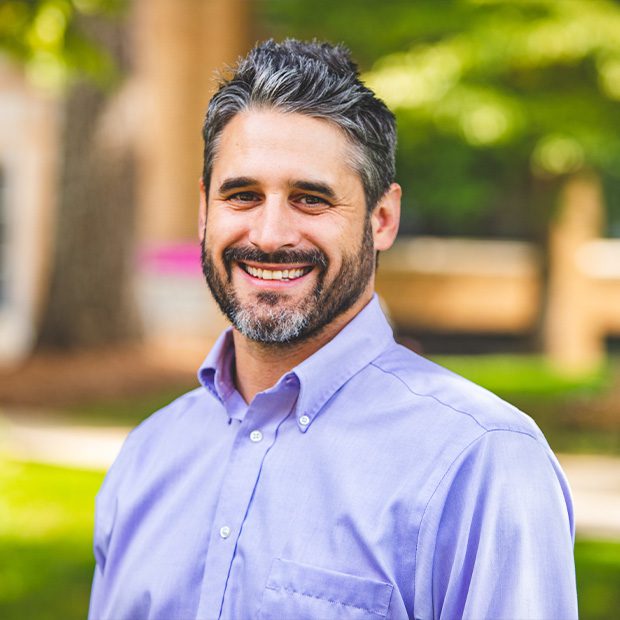
Timothy J. Veling is an Academic Director of Fine Arts and Senior Lecturer in Photography at the University of Canterbury's School of Fine Arts within the Faculty of Arts. Born in 1980, he lives and works in Christchurch, Aotearoa New Zealand, where he has established himself as a significant figure in documentary and fine art photography. His research consists of longitudinal projects exploring psychological and social-cultural landscapes of place in relation to collective understandings of home, belonging, family, and community in Ōtautahi Aotearoa. Veling's practice is rooted in the mode of 'Critic and Conscience of Society,' acting as mirror, vital dialogue, and critique of principles fundamental to a progressive, free-thinking, and inclusive society. Veling's extensive publication history reveals a consistent focus on place, memory, and transformation, particularly in relation to Christchurch's post-earthquake landscape. His work often privileges minute shifts in detail, with significance grasped through deep attunement to subjects. His most significant publication is 'Dad, Pete, Opa,' which exemplifies his autoethnographic approach to documenting family in relation to broader societal issues. Ethel Susan Jones Fine Arts Travelling Scholarship Creative New Zealand Funding for 'Dad, Pete, Opa' DGArtes Funding Portugal for 'Dad, Pete, Opa' Veling serves as director and administrator of the Place in Time: The Christchurch Documentary Project, fostering long-term documentation of the city's transformation. His current work focuses on photographing Ōtautahi's central city toward a publication marking the 20th anniversary of the Canterbury Earthquakes, alongside the Pūharakekenui Styx River project utilizing tri-color separation photography techniques.
Amanda Kentner, PhD is a Professor of Psychology at Massachusetts College of Pharmacy and Health Sciences (MCPHS) in the School of Arts and Sciences. Her research focuses on understanding how early developmental exposures to infection and stress impact long-term brain and behavioral functioning, with particular emphasis on sex differences and potential protective interventions. Dr. Kentner received her academic training at the University of Ottawa, Canada: PhD in Experimental Psychology, University of Ottawa BA in Psychology, University of Ottawa Dr. Kentner directs the ENRICHED Neurodevelopmental Brain & Behavior Laboratory (Environmental Neuroprotection from Immune Challenges in Early Development), which examines how exposure to infection during early development imparts long-term disruptions in social and cognitive functioning. Her laboratory investigates factors that offer protective or rehabilitative potential against early-life adversity, including environmental enrichment, maternal care, and pharmacological agents. Using rodent models, her team assesses behavioral performance through various translational tasks including sociability metrics, prepulse inhibition, and touchscreen technology, while evaluating neuroendocrine and neurobiological correlates using ELISA, western blotting, immunochemistry, and qPCR. Her research has significant implications for understanding neurodevelopmental disorders and developing intervention strategies. Analysis of Dr. Kentner's publication record reveals a consistent trajectory of high-impact research focused on maternal immune activation models and their long-term consequences. Her work demonstrates how environmental enrichment can serve as a protective factor against early life adversity across multiple domains including behavior, neuroendocrine function, and neural circuitry. Her research spans neuroscience, immunology, developmental psychology, and endocrinology, with a strong emphasis on methodological rigor, reproducibility, and sex-specific analyses that have become increasingly important in the field. Dr. Kentner has received numerous awards and honors recognizing both her research excellence and mentorship: 2022 MCPHS University-Wide Faculty Scholarship Award 'Discovery' for Best Published Research Paper 2018 Gail P. and Edward A. Bucher Trustees' Award for Excellence in Student-Faculty Research Collaboration Multiple Summer Undergraduate Research Fellowship Faculty Mentor Awards (2016, 2014, 2013) National Institute of Mental Health R15 AREA grants (2022, 2018) Dr. Kentner is an accomplished mentor who has received multiple MCPHS Excellence in Research Mentorship awards. Her laboratory is supported by continuous funding from the National Institute of Mental Health, including a current R15 AREA grant. She actively involves undergraduate and graduate students in her research program, providing hands-on training in behavioral neuroscience techniques. Beyond her institutional responsibilities, Dr. Kentner serves in leadership roles including as a Member of the Board of Directors of the PsychoNeuroImmunology Research Society (PNIRS), Member of the Animal Research Committee of the American College of Neuropsychopharmacology (ACNP), and Editorial Board Member of the journal Brain, Behavior, and Immunity. The ENRICHED Neurodevelopmental Brain & Behavior Laboratory maintains active collaborations with researchers across multiple institutions and continues to evolve its methodological approaches to include advanced techniques for evaluating neural circuit adaptations. Dr. Kentner's work has positioned her as a leader in the field of developmental neuroimmunology, with particular expertise in translating findings from animal models to potential clinical applications for neurodevelopmental disorders.
Dr. Ryssa Moffat is a Lecturer in the Department of Humanities, Social and Political Sciences at ETH Zürich. Her research focuses on social neuroscience, cognitive science, and behavioral psychology, with an emphasis on interpersonal alignment, movement synchrony, and embodied cognition. She employs advanced neuroimaging techniques like functional near-infrared spectroscopy (fNIRS) to study neural mechanisms underlying social interactions, including dance coordination, peer influence, and human-robot interactions. Her recent work explores how mutual gaze and movement synchrony enhance social perception and enjoyment, as well as the cortical responses to vocal emotions. She also investigates how children perceive and interact with robotic companions, emphasizing the role of sentience attribution in educational settings. Key Research Areas: Interpersonal synchrony, embodied cognition, social perception, fNIRS neuroimaging, human-robot interaction. Techniques: Mobile neuroimaging, behavioral experiments, mixed-methods analysis. Ryssa's publications highlight trends in understanding implicit social coordination mechanisms and their neural underpinnings. She has contributed to studies on self-monitoring under peer observation, intergenerational synchrony, and the cognitive processing of vocal cues in emotion recognition.
Dr. Sarah Gray is an Associate Professor in the Department of Psychological Sciences at the University of Connecticut. She earned her Ph.D. in 2013 from the University of Massachusetts Boston. As a licensed clinical psychologist, Dr. Gray directs the Child and Family Lab, where she investigates developmental psychopathology and early childhood mental health through integrated behavioral, physiological, and narrative methodologies. Her research program centers on intergenerational trauma transmission, parent-child relationships under stress, and preventive interventions for vulnerable families. Dr. Gray's research examines multilevel pathways of risk and resilience across generations, with emphases on: Developmental consequences of early trauma/adversity Biological embedding of stress through psychophysiological mechanisms (e.g., respiratory sinus arrhythmia) Cultural and contextual influences on family processes Adaptation of attachment-based interventions to telehealth formats Analysis of her recent publications reveals dominant themes in: COVID-19's impact on family stress and child behavioral outcomes Physiological synchrony in caregiver-child dyads Protective effects of emotion-focused parenting practices Intergenerational transmission of trauma in marginalized communities Telemental health adaptations of evidence-based interventions The Child and Family Lab employs multimodal assessment strategies to understand how adult caregivers support children's stress regulation. Current work explores neurobiological mechanisms linking maternal early adversity to child outcomes, culturally responsive intervention models, and pandemic-related family adaptation.
Samuel Norris is an Assistant Professor at the University of British Columbia, specializing in economics with a focus on education, crime, and labor economics. His research examines the societal impacts of criminal justice policies, incarceration effects, and public policy outcomes. He collaborates frequently with institutions like CAHOOTS and has contributed to high-impact studies on topics such as school start times and refugee decision consistency. His work bridges empirical analysis with real-world policy implications, addressing issues like tax filing behavior, mortality rates among incarcerated populations, and consumption inequality. Notable research includes analyzing the effectiveness of mobile crisis intervention teams in policing and investigating how parental incarceration affects children. His methodologies span econometrics, causal inference, and policy evaluation. Media coverage of his work has appeared in outlets like The Economist and The Atlantic . Norris’s publications span leading journals such as American Economic Review , Review of Economic Studies , and Econometrica . His research portfolio reflects a commitment to understanding systemic social and economic challenges through rigorous quantitative analysis.
Dr. Bernd Riedstra is a Lecturer in the Department of Biology at the University of Groningen's Faculty of Science and Engineering. His research focuses on evolutionary biology, endocrinology, and ecology, with an emphasis on maternal effects, behavioral laterality, and developmental plasticity in animals. He investigates how environmental and hormonal factors influence offspring behavior, physiology, and survival across species such as sticklebacks, birds, and voles. Key research projects include studying the impact of parental predator exposure on offspring boldness, the role of maternal androgens in embryonic development, and the effects of light exposure on laterality in fish. His work bridges basic and applied research, addressing issues like feather pecking in poultry and the ecological implications of temperature shifts on vole populations. Research Themes: Behavioral ecology, developmental endocrinology, maternal effects, laterality evolution, and animal welfare. Recent Focus: Yolk androgen dynamics in birds, cognitive biases linked to personality traits, and population-level adaptations to environmental change. Dr. Riedstra collaborates extensively with international teams and has published widely in journals like Animal Behaviour , Behavioral Ecology , and Journal of Endocrinology . He contributes to both theoretical frameworks in evolutionary biology and practical solutions in applied animal science.
Dr. Julie Poehlmann is the Dorothy O'Brien Professor of Human Ecology in the Department of Human Development and Family Studies at the University of Wisconsin-Madison's School of Human Ecology. A nationally recognized child clinical psychologist, she specializes in facilitating social justice for high-risk infants and young children, particularly those with incarcerated parents, raised by grandparents, or born preterm, through resilience-focused research and intervention design. Her educational background includes a BA in Psychology and History from Marquette University (with Berlin language studies), an MS and PhD in Clinical Psychology from Syracuse University, and a post-doctoral fellowship at UW-Madison's Waisman Center. She maintains active affiliations with the Center for Healthy Minds and Institute for Research on Poverty. Dr. Poehlmann's research examines intergenerational transmission of risk and resilience using mixed-methods approaches, including naturalistic observation and physiological measures. She designs interdisciplinary interventions for criminal justice contexts and mindfulness-based programs to reduce family stress, with current projects including the HEALthy Brain and Child Development Study and Enhanced Visits Program. Her work emphasizes equity in studying diverse populations affected by incarceration and preterm birth. Recent publications reveal strong thematic trends: 60% focus on parental incarceration's developmental impacts (with growing emphasis on racial disparities and remote visitation), 25% on preterm birth outcomes, and 15% on mindfulness interventions. Key subfields consistently include equity frameworks, physiological stress markers, and community-engaged methodology across all publications. She actively translates research into practice through advisory roles with Sesame Street (Emmy-nominated initiative), PBS Wisconsin, and community organizations like JustDane and Camp Reunite. Dr. Poehlmann serves on leadership teams for the International Coalition for Children with Incarcerated Parents and Wisconsin Alliance for Infant Mental Health, while teaching community-based early childhood education courses and supervising in the Waisman Center's Autism Clinic.
Christophe Lesschaeve is a Postdoctoral Researcher at the Department of Social Sciences, Faculty of Humanities, Education and Social Sciences, University of Luxembourg, where he has been affiliated since October 2017. His research examines political representation, voter-elites issue congruence, and the enduring effects of war on electoral behavior, particularly in Southeast European contexts. He earned his PhD in Political Science from the University of Antwerp in 2016, where his dissertation investigated inequality in opinion congruence between privileged and underprivileged voters in Belgium. During doctoral studies, he participated in the PartiRep-Project funded by the Belgian Science Policy and conducted research at the University of Leiden supported by the Fonds voor Wetenschappelijk Onderzoek (FWO). Lesschaeve's scholarly focus bridges theoretical and applied political science, analyzing how war experiences shape party choices, voter attitudes toward veterans, and pandemic-related political behaviors. His work extends to practical democratic innovation through contributions to voting advice applications (Stemtest and Test Électoral) for Belgian elections, now utilized in educational settings to familiarize students with political parties. Recent publications demonstrate methodological diversity across Southeast European case studies, examining war legacies through survey experiments, social network analysis, and comparative electoral data. Key thematic clusters include conflict-induced voting patterns, pandemic policy trade-offs, gender dynamics in postwar elections, and measurement innovations for representation inequality. He currently leads research within the ERC-funded "Electoral Legacies of War" project while maintaining collaborations from prior Belgian Science Policy funding. His non-academic engagement includes designing civic education tools that translate complex political science concepts into accessible voter resources. Lesschaeve operates within the Department of Social Sciences research ecosystem, contributing to Luxembourg's growing expertise in comparative electoral studies and conflict legacy analysis through data collection initiatives like the ELWar Expert Survey and BiHCorp parliamentary corpus.
Dae Young Kim is an Associate Professor of Sociology in the Department of Sociology and Anthropology at George Mason University. He directs the MA program and the Immigration Studies minor, focusing on transnational communities, racialization, and the sociocultural dynamics of immigrant populations. His research emphasizes the role of digital technologies in maintaining cross-border connections and the globalization of Korean popular culture. Dr. Kim holds a B.A. in Sociology and Spanish from SUNY Binghamton and a Ph.D. in Sociology from the CUNY Graduate Center. His work bridges multiple disciplines, including analyses of transnational media usage among Korean immigrants and studies on the post-college experiences of second-generation college students. His research interests center on Asian American studies, immigration integration processes, and the reception of K-pop and Korean pop culture in North America. Recent projects include a large-scale study of K-pop fans in the U.S., analyzing how diverse racial groups engage with Korean cultural products through digital platforms. Publications consistently address transnationalism, racial identity formation, and cultural globalization. His work highlights technological mediation of diasporic communities and the evolving sociocultural landscapes of immigrant populations in urban centers. He has supervised multiple doctoral dissertations focusing on identity negotiation, immigrant experiences, and educational pathways. His teaching includes courses on globalization, sociological research methods, and immigration policies.
Phoebe Ho is an Assistant Professor at the University of North Texas, Department of Sociology. Her work focuses on social inequalities experienced by racial/ethnic minority and immigrant youth, particularly how early educational disparities influence life outcomes. She holds a Ph.D. from the University of Pennsylvania (2019). Research interests include race/ethnicity, immigration, sociology of education, and social stratification. Key works include the 2022 book 'Diversity and the Transition to Adulthood in America' (UC Press) and studies on immigrant family acculturation and teacher perceptions of minority parents. She teaches courses on childhood, adolescence, race, immigration, and education. Her recent research explores multicultural policy impacts on demographic beliefs, college enrollment barriers for immigrant students, and Asian American residential patterns. Articles address topics such as supplementary education participation and family dynamics in mixed-nativity households. No awards explicitly listed. Active in publishing since 2018 across journals like Journal of Marriage and Family and Social Science Research .
Sebastian Schirner is a postdoctoral researcher at the ifo Institute in Munich since 2025, affiliated with the ifo Center for Migration and Development Economics. Previously, he served as a research assistant at Ruhr University Bochum (2021–2024) and an economist at the German Economic Institute (IW Köln, 2020). He holds a PhD in Economics from Ruhr University Bochum (2024), an M.Sc. in Economics from the University of Cologne (2020), and a B.A. in International Economics and Development from the University of Bayreuth (2017). He also completed a semester abroad at Kasetsart University, Bangkok (2015). His research focuses on political economy, migration, and development, employing micro-econometric methods to address questions like public spending priorities of politicians, immigration shocks, and refugee policies. Notable work includes studies on the effects of political age demographics on fiscal policies and the societal impacts of migration. He has presented at conferences such as the Annual Conference on Immigration in OECD Countries (2024) and the European Public Choice Society meetings (2022–2024). Proficient in Stata, R, Python, QGIS, and LaTeX, Schirner also contributes to policy analysis, including co-authoring reports on skilled labor shortages and migration economics. His academic interests bridge empirical research with policy applications, emphasizing causal inference in political and development contexts.
Dr. Gregory Neocleous is an Associate Professor in the Department of Social Sciences at the University of Nicosia, Cyprus, specializing in Social Work. He holds a faculty position within the School of Humanities and Social Sciences, focusing on aging, social policy, and conflict resolution. His research explores social insurance for older populations, nursing home quality of life, substance abuse prevention, and human sexuality education in social work. He is actively involved in designing programs for vulnerable groups, including asylum seekers and older adults, and has pioneered courses in human sexuality in Cyprus. Dr. Neocleous has led initiatives such as training older adults in ICT use through virtual communities and conducting studies on happiness in nursing homes. He co-founded a bicommunal social work group to bridge divides in Cyprus, promoting social work values through conferences, seminars, and collaborative projects. His work addresses contemporary challenges like pandemic impacts on families and financial stress on human service professionals, reflecting a commitment to both academic research and practical interventions. Key Contributions: First human sexuality course in Cyprus, ICT empowerment for seniors, asylum seeker living conditions studies. Teaching: Courses on social work with older adults and human sexuality, integrating theoretical and applied perspectives. Collaborations: Cross-border social work initiatives and international research on peacebuilding and conflict-sensitive social work education. His interdisciplinary approach spans historical policy analysis (e.g., labor movements in Cyprus) and modern challenges like ageism and post-war recovery. Dr. Neocleous’ work aligns with UN Sustainable Development Goals, particularly those addressing quality education, reduced inequalities, and peace.
Virginia Dignum is Professor of Responsible Artificial Intelligence and Director of the AI Policy Lab at Umeå University's Department of Computing Science. She serves as senior advisor for AI policy to the Wallenberg Foundations and is an active member of the UN High Level Advisory Body on AI. Her institutional affiliations include the Faculty of Technology Policy and Management at Delft University of Technology. Her research centers on the complex interdependencies between people, organizations, and technology. Key interests include: Responsible AI: Moral/ethical issues in autonomous agent teams and regulatory frameworks Social interaction formalization: Developing computational architectures for agent deliberation based on social practices Human-agent teamwork: Investigating negotiation, trust, and collaboration dynamics in socio-technical environments Her work bridges theoretical AI foundations with real-world policy implementation. Analysis of her recent publications reveals strong focus on AI governance frameworks, explainability mechanisms, and fairness operationalization. Key trends include development of context-sensitive ethical assessment tools, regulatory sandbox implementations, and formal models for human-AI coevolution. Her research increasingly addresses planetary-scale AI impacts and children's rights in digital environments. Major recognitions include: Election to Swedish Royal Academy of Engineering Sciences (IVA), 2020 Fellowship in European Artificial Intelligence Association (EURAI), 2018 Veni Fellowship from NWO for agent-based organizational frameworks, 2006 AI Ethics Professional of the Year award, 2022 Dignum actively shapes global AI policy through leadership roles in the UN High Level Advisory Body, Global Partnership on AI (GPAI), and World Economic Forum Council on AI. She chairs major conferences including AAMAS'24 and serves as Ethics Chair for AAAI'24. Her advisory work extends to the European Commission, IEEE Global Initiative, and UNESCO AI Ethics Recommendation implementation. Current initiatives include the Vatican lecture series on AI ethics and regional AI policy development in Västerbotten. She directs Umeå University's AI Policy Lab, focusing on translating ethical principles into actionable governance frameworks. The lab develops tools for regulatory compliance assessment and stakeholder engagement in AI deployment. Recent projects address digital contact tracing governance and AI's impact on democratic processes.
Jetro Tuulari is an Associate Professor and Docent in the Department of Clinical Medicine at the University of Turku, where he also serves as Research Manager in Clinical Neurosciences and Doctoral Researcher in the Department of Computing. He is the Principal Investigator of the FinnBrain Neuroimaging Lab and Head of Neuroimaging at the InterLearn Centre of Excellence. He is affiliated with the Centre for Eudaimonia and Human Flourishing at the University of Oxford and part of the international Lifespan consortium developing human brain growth charts. His research focuses on how early life exposures, genetics, and environmental factors shape brain structure and function, influencing long-term health and wellbeing. Using advanced neuroimaging techniques such as MRI, fMRI, dMRI, PET, and EEG, his team investigates developmental cognitive neuroscience, with emphasis on maternal health, childhood adversity, obesity, and intergenerational effects. His work bridges clinical medicine, computing, and population neuroscience, contributing to large-scale cohort studies like FinnBrain, ABCD, and the Developing Human Connectome Project. His recent publications (2024–2025) reflect a strong trend in population neuroscience, neonatal brain development, epigenetics, and methodological innovation in neuroimaging. Key themes include maternal BMI and brain development, prenatal stress and child outcomes, transgenerational epigenetic inheritance, and AI-driven analysis of neuroimaging data in conditions like Long COVID. Finnish Medical Foundation Emil Aaltonen Foundation Sigrid Juselius Foundation Signe and Ane Gyllenberg Foundation Hospital District of Southwest Finland State Research Grants Alfred Kordelin Foundation Juho Vainio Foundation Orion Research Foundation He supervises a vibrant research team of post-doctoral fellows, doctoral students, and undergraduates within the FinnBrain Neuroimaging Lab. He has played a key role in launching the Human Neuroscience Master’s Programme at the Turku Brain and Mind Center and coordinates courses on neuroimaging methods. His international collaborations include researchers at Oxford, Cambridge, KCL, Charité – Universitätsmedizin Berlin, and the University of California, Irvine. He leads the FinnBrain Neuroimaging Lab, which conducts multimodal neuroimaging analyses within the FinnBrain Birth Cohort. The lab is part of broader initiatives like InterLearn and the Lifespan consortium, focusing on synergistic data analysis, brain network modelling, and population-level neuroscience.
Daniel Gleason is a Professor of English and current Chair of the English Department at Bryan College in Dayton, Tennessee. He serves as Poet in Residence and has held academic roles since at least 2010, when he defended his dissertation on William Faulkner at the University of Tennessee at Chattanooga. Ph.D. in English from Indiana University of Pennsylvania M.A. in English Literary Study from University of Tennessee, Chattanooga B.A. in English from Bryan College Dr. Gleason's research focuses on 20th-century American Literature, contemporary poetry, and trauma theory. His creative writing explores faith-infused poetics through publications in journals like Rappahannock Review and Dappled Things , often intersecting with religious themes and personal identity. His scholarly work shows strong engagement with Southern literature (Mary Oliver, Natasha Trethewey, William Faulkner), trauma's impact on narrative structure, and theological dimensions in contemporary poetry. Conference presentations at events like Theology on Tap and the Conference on Christianity and Literature demonstrate his interdisciplinary approach. As department chair and Poet in Residence, Dr. Gleason bridges academic leadership with creative practice, having coached soccer and worked in diverse educational settings including public schools and online programs.