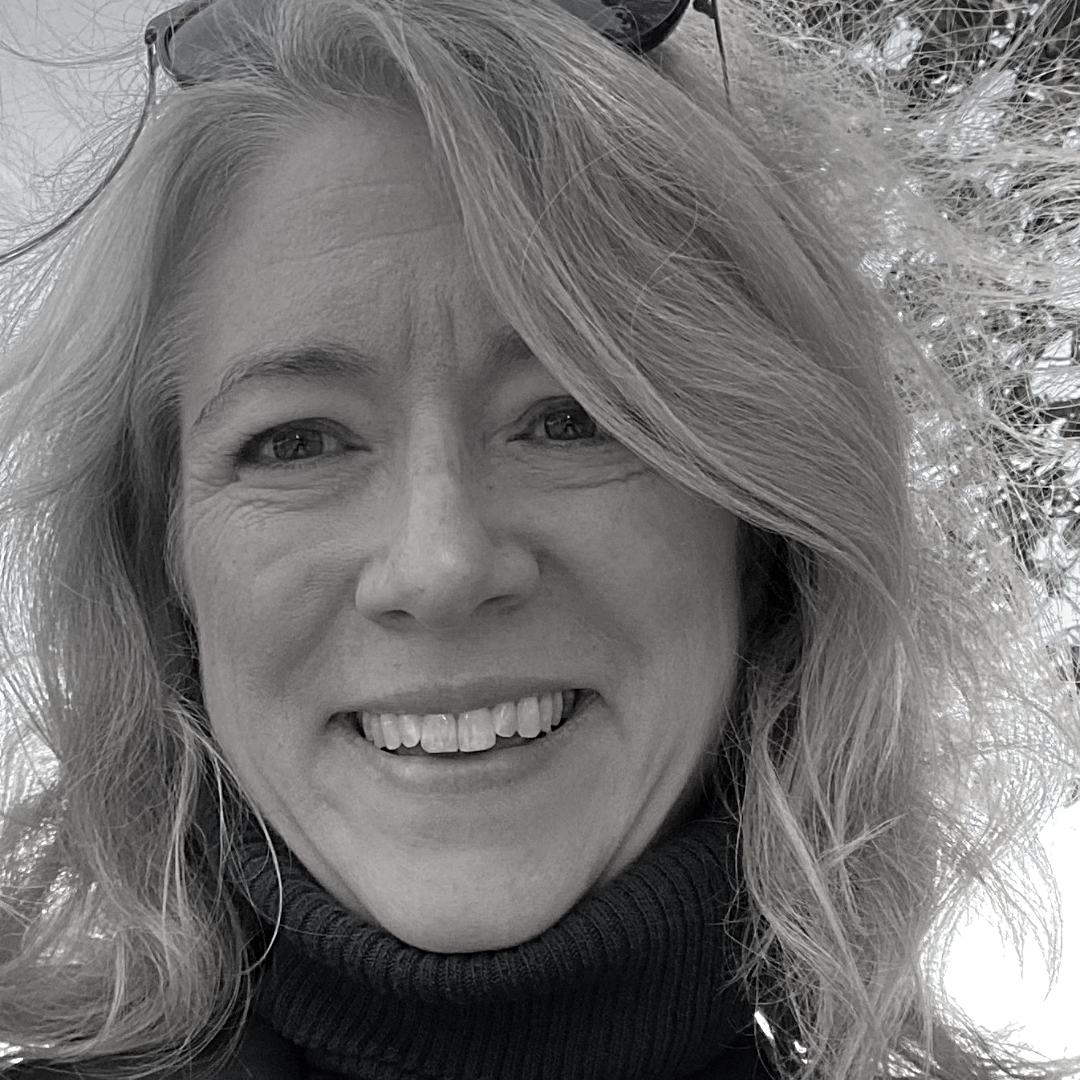
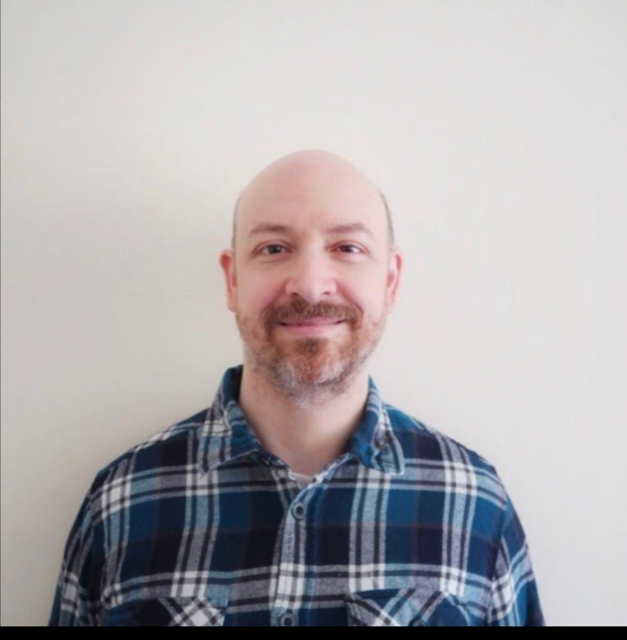
Lisa Woolfork is an Associate Professor of English at the University of Virginia, affiliated with the Women, Gender, and Sexuality (WGS) program. Her academic work bridges literary analysis with feminist theory and cultural studies. Education: B.A. from Simmons College, M.A. and Ph.D. from University of Wisconsin-Madison Research Focus: Her scholarship explores intersections of African American literature, motherhood in academia, and gender dynamics through contemporary cultural frameworks. She has published works examining racial trauma, feminist pedagogy, and work-life balance challenges for marginalized scholars. Contact: Office in Bryan Hall 102B; email lw5y@virginia.edu
Dr. Elisabeth (Lies) Wesseling is an Associate Professor in the Department of Literature and Art at the Faculty of Arts and Social Sciences, Maastricht University. She serves as Director of the Centre for Gender and Diversity and leads the international research network PLACIM (Platform for a Cultural History of Children's Media). Her interdisciplinary work bridges literature, cultural history, and the humanities' engagement with science and identity. Her educational background includes MA degrees in English Language and Literature and Comparative Literature (both cum laude) and a PhD in Comparative Literature, all from Utrecht University. Dr. Wesseling’s research focuses on the cultural construction of childhood, particularly through narrative forms in fiction, life writing, and film. She investigates how global adoption narratives forge kinship across cultural boundaries, drawing on postcolonial theory, literary anthropology, and life writing studies. Her work critically examines implicit cultural assumptions about parenthood, orphanhood, and identity, aiming to enrich ethical discourse on transnational adoption. Her recent publications (2020–2023) reflect a strong trajectory in children’s literature, narrative theory, and cultural critique, with a particular emphasis on mermaid myths, adoption memoirs, and postcolonial family formations. These works span edited volumes and journals, demonstrating sustained scholarly engagement. She is actively involved in academic service as congress convenor of the 21st Biennual IRSCL Conference and board member of the International Research Society for Children's Literature. She also belongs to several learned societies including the International Society for Cultural History and the Society for Literature, Science, and Art. Dr. Wesseling has supervised multiple PhD candidates and coordinates research programs funded by the Dutch Science Foundation (NWO). Her teaching spans BA, MA, and MPhil levels, focusing on arts and culture, postcolonialism, and problem-based learning. She has led major educational innovation projects such as ForUM and TAC, enhancing pedagogical practices across institutions. She leads the externally funded research program Emergent Cultural Literacy: Assimilating Children's Literature and directs the Centre for Gender and Diversity, fostering interdisciplinary collaboration on gender, identity, and cultural inclusion within the faculty.
Natalia Molina is a Distinguished Professor and Dean’s Professor of American Studies and Ethnicity at the University of Southern California, where she is a leading scholar in U.S. history, Latinx studies, immigration, race, and public health. She is Vice President and President-Elect (2028) of the Organization of American Historians and a 2020 MacArthur Fellow, recognized for her transformative work on racial formation. Her education includes a B.A. in History and Women’s Studies from UCLA, and an M.A. and Ph.D. in U.S. History from the University of Michigan, Ann Arbor. Molina’s research centers on the interconnected histories of race, place, gender, and citizenship. She is best known for her theory of racial scripts , which explains how racial categories are constructed relationally across groups and time. Her work spans public health history, foodways, and immigrant placemaking, with a deep commitment to community-centered storytelling and public engagement. Her recent publications explore Latinx cultural identity through food, sports, and media, reflecting a shift toward personal and public narratives that connect historical scholarship with contemporary life. Her books have received numerous accolades, including a James Beard Award nomination and the PROSE Award finalist status. MacArthur Fellowship (2020) James Beard Award Media Nominee (2023) PROSE Awards Finalist (2023) Pacific Coast Branch of the AHA’s Norris & Carol Hundley Award Susanne M. Glasscock Humanities Book Prize LA Times Essential Book New York Times Best Books About California Molina is a dedicated mentor and public intellectual, having advised university diversity initiatives and served on the boards of the Huntington Library and the Library of Congress Scholars Council. She has held leadership roles at UC San Diego, including Associate Vice Chancellor for Faculty Diversity and Equity. Her current research focuses on the immigrant workers who built and sustained the Huntington Library, reclaiming their overlooked contributions. She is also a Distinguished Lecturer for the Organization of American Historians and has been a fellow at the Huntington Library and the National Endowment for the Humanities. Her public writing in outlets like the Los Angeles Times , Washington Post , and Inside Higher Ed demonstrates her commitment to bridging academic scholarship with broader societal conversations.
John Finn serves as Associate Professor and Department Chair of the Department of Sociology, Social Work and Anthropology at Christopher Newport University's College of Arts and Sciences. He holds joint appointments with the Honors Program, Center for Crime Equity and Justice Research and Policy, and Center for Sustainability in Education. PhD in Geography, Arizona State University MA in Geography, University of Missouri BA in International Studies, University of Missouri Finn's research examines the socioeconomic, environmental, and health consequences of persistent racial segregation in the United States, with particular focus on Hampton Roads, Virginia and Latin American contexts including Cuba and Brazil. His work integrates urban geography, environmental justice, and human-environment interaction through field research methods. His 2024 solo exhibition 'Living Apart: Geography of Segregation in the 21st Century' at the Virginia Museum of Contemporary Art demonstrates his innovative approach to translating academic research into public engagement. Finn's recent publications reveal strong thematic focus on urban renewal impacts, environmental justice mapping, and Latin American geographies, with increasing emphasis on climate gentrification and spatial epidemiology. 2024 SCHEV Outstanding Faculty Award (Virginia's highest faculty honor) 2021 Alumni Society Award for Teaching and Mentoring 2020 Faculty Excellence Award in Scholarship Class of 2013 Faculty Development Award (2019) Finn has secured over $200,000 in research funding and delivered more than 100 invited lectures across North America, Latin America, and Europe. His work bridges academic research and practical applications through partnerships with medical schools, planning associations, and environmental organizations. He maintains active research teams focused on mapping segregation patterns and analyzing environmental health disparities in coastal Virginia.
Travis Robbins is an Assistant Professor of Biology at the University of Nebraska Omaha's College of Arts and Sciences. His research focuses on ecological and evolutionary adaptations in reptiles, particularly lizards, emphasizing thermal biology, epigenetics, and responses to environmental stressors such as invasive species. He holds a Ph.D. in Biology and has published extensively on topics including latitudinal clines in lizard physiology, predator-prey dynamics, and the effects of temperature on developmental and metabolic processes. Key research interests include understanding how lizards adapt to thermal environments, the role of epigenetic mechanisms in phenotypic plasticity, and the impacts of invasive species on native populations. His work integrates field observations with controlled laboratory studies to explore questions at the interface of ecology, physiology, and evolution. Recent studies investigate the physiological stress responses in lizards exposed to novel predators and the transgenerational effects of environmental challenges. Dr. Robbins' publications highlight trends in thermal adaptation, behavioral plasticity, and the ecological consequences of anthropogenic changes. His work on Sceloporus lizards has been particularly influential in elucidating mechanisms underlying latitudinal variation in body size, growth rates, and reproductive strategies. He has also examined how invasive species like fire ants affect predator-prey interactions and immune function in reptiles. No scientific awards are explicitly mentioned in the text, but his contributions include significant grants likely tied to fieldwork and laboratory research. He advises students in experimental ecology and conservation biology, though specific advisee names are not listed here. His research extends to habitat restoration and citizen science initiatives, emphasizing community engagement in ecological monitoring and conservation efforts. Dr. Robbins is affiliated with UNO's Biology Department and collaborates with institutions like the University of South Florida on projects involving epigenetic markers in herpetofauna. His lab focuses on translating ecological epigenetics into actionable insights for species conservation under climate change scenarios.
Beth C. Rubin serves as Professor of Education and Professor of Social Studies Education in the Department of Arts and Humanities at Teachers College, Columbia University. Her work centers on youth civic identity formation within contexts marked by historical and contemporary inequalities, with particular focus on post-conflict societies like Guatemala. As Principal Investigator of the Civically Engaged Districts Project, she bridges research and practice through curriculum design and pedagogical innovation. Her educational background includes a Ph.D. in Social and Cultural Studies in Education from the University of California, Berkeley (2001), an M.A.T. in Social Studies Education from Brown University (1992), and a B.A. in Government and Third World Studies from Oberlin College (1989). Rubin's research explores critical intersections of civic learning, historical memory, and citizenship formation, emphasizing ethnographic approaches to understanding how young people navigate belonging in unequal societies. Her scholarship advocates for 'critically relevant civics' that centers youth voice and addresses structural inequities through social design research methodologies. Analysis of her 15 most recent publications reveals consistent focus on post-conflict civic education (particularly Guatemala), youth participatory action research, and decolonizing social studies curricula. Her work increasingly examines how historical memory shapes contemporary citizenship education while addressing urban civic opportunity gaps through teacher education reform. Selected Honors: Fulbright Scholar Award National Academy of Education/Spencer Postdoctoral Fellowship Big Ten Academic Alliance Department Executive Officers Program Fellow Mary Hepburn Lectureship in Social Studies Education Rubin leads multiple funded initiatives including the Civically Engaged Districts Project (Maher Charitable Foundation), Spencer Foundation grants on socially transformative design, and international collaborations with Universidad del Valle, Guatemala. Her service includes co-directing Rutgers GSE's Urban Teaching Fellows Program and advising on the Excellence and Equity in Remote Learning Series. Through the Civically Engaged Districts Project and partnerships with New Brunswick and Edison school districts, Rubin develops practical frameworks for integrating youth civic voice into district-level decision making, creating models for sustainable democratic engagement in education systems.
Hsiao-Wen Liao is an **Assistant Professor of Psychology** in the **Adult Development and Aging program** at the **Georgia Institute of Technology**. She holds a Ph.D. in Developmental Psychology from the University of Florida (2017) and completed postdoctoral training at Stanford University’s Center on Longevity. Her research focuses on **autobiographical memory**, **episodic future thinking**, and **meaningful aging**, leveraging **VR and NLP methods** to explore how life experiences shape adult development. She investigates how memory processes interact with sociocultural contexts to foster resilience and continuity across the lifespan. **Research Interests**: Autobiographical memory functions, cognitive aging, intergenerational connectivity, and the role of technology (VR/NLP) in memory reconstruction. Current projects examine VR applications for recollection enhancement and NLP analysis of life narratives. **Awards & Grants**: ISSI Mini Research Grant (2024), College of Sciences Travel Grant (2025), APS Travel Assistance (2025), and ImmerseGT Hackathon Best Use of Omniverse Track (2023). **Lab Members**: Supervises graduate students (DaEun Kim, Sarah Kim, Liam Hart) and collaborates with interdisciplinary teams in HCI and machine learning. Undergraduate assistants focus on neuroscience and psychology interfaces. **Lab Activities**: Janus Lab emphasizes mixed-methods approaches, combining qualitative content analysis with experimental designs. Recent projects address aging well, resilience, and technology-mediated memory interventions.
Professor Caoimhe McAvinchey holds the position of Professor of Socially Engaged and Contemporary Performance at Queen Mary University of London (QMUL), within the School of English and Drama. She specializes in applied theatre and socially engaged performance, with a focus on prison systems, criminal justice, and intergenerational arts practices. Her academic journey includes a BA (Double Hons) in English and Drama from Manchester University, an MA in Performance Studies from New York University, and a PhD from QMUL. Her research explores the intersection of performance with marginalized communities, particularly women in prison and criminal justice contexts. Key projects include leading the AHRC-funded Women/Theatre/Justice (2019–2023), examining Clean Break theatre’s impact, and co-authoring Phakama: Making Participatory Theatre (2018). She has supervised numerous PhD students and served as an external examiner for UK drama programs. Teaching includes undergraduate modules like Performance and Community and postgraduate courses on cultural industries. Her public engagement spans exhibitions, seminars, and collaborative projects like Globe , exploring migration and belonging. She actively contributes to academic journals, conferences, and arts policy discussions, advocating for socially engaged performance’s role in societal change. Education: BA Double Hons in English and Drama (Manchester University) MA in Performance Studies (NYU Tisch School) PhD (QMUL) Research Themes: Applied theatre, prison performance, criminal justice advocacy, intergenerational arts, cultural policy evaluation. Grants: £303k AHRC grant (2019–2023) for Women/Theatre/Justice . Labs/Teams: Principal Investigator for Women/Theatre/Justice ; collaborator with Clean Break, People’s Palace Projects, and Magic Me.
Gaston Bacquet is a Lecturer in Education Studies at the University of Glasgow's School of Education, specializing in Culture, Literacies, Inclusion & Pedagogy. A Chilean teacher trainer and educator based in Scotland, he also holds qualifications as a meditation and yoga instructor. With extensive international teaching experience across K-12 and higher education systems in Chile, Japan, Saudi Arabia, Myanmar, the US, and UK, his work bridges practical pedagogy and theoretical innovation. His educational background includes a DipTESOL from Trinity College London, an MA in TESOL from the Institute of Education (UCL), and a PhD in Education from the University of Glasgow. Bacquet currently teaches in the MSc/MEd Education Studies program and leads the undergraduate Asian Religions course, while supervising dissertation students across the School of Education. Research interests center on nonviolence as transformative educational practice, with emphases on decolonial approaches, contemplative pedagogy, and inclusion of minoritized groups. His work integrates Buddhist philosophy, indigenous wisdom traditions, and international perspectives to challenge Western epistemological dominance. Key methodological commitments include participatory action research and qualitative approaches that prioritize community voices. Recent publications reveal evolving trajectories from language education toward decolonial nonviolence frameworks, with increasing focus on Global South contexts, indigenous knowledge systems, and teacher preparation. His 2024-2025 work shows intensified engagement with Buddhist-Christian dialogue, indigenous contributions to peace education, and practical applications of nonviolence in classroom power structures. As a supervisor, Bacquet mentors Master's students in inclusion, nonviolence, and educational ethics, welcoming PhD proposals aligned with his research interests. His professional activities span editorial roles with Cogent Arts and Humanities and SAGE Open , alongside active participation in international scholarly networks including the Comparative and International Educational Society and the European Network for Buddhist-Christian Studies. Professional affiliations reflect his interdisciplinary reach: British Educational Research Association (2021-present), American Educational Research Association (2022-present), International Society for Contemplative Research (2023-present), and the International Society for the Scholarship of Teaching and Learning (2025-present). His conference presentations consistently address nonviolence pedagogy, decolonial curriculum development, and participatory research ethics across global contexts from Chile to New Zealand.
Yoshiko Matsumoto is the Yamato Ichihashi Professor in Japanese History and Civilization and Professor of East Asian Languages and Cultures at Stanford University, with a courtesy appointment in Linguistics. She has been a faculty member at Stanford since 1992, progressing from Assistant Professor to her current distinguished position. Matsumoto also serves as coordinator of the Japanese Language Program and has held significant administrative roles including Chair of the Department of Asian Languages (2003-2005) and Interim Chair of the Department of East Asian Languages and Cultures (2016). Matsumoto earned her Ph.D. in Linguistics from the University of California, Berkeley (1989), following M.A. degrees in Linguistics from UC Berkeley and General and Applied Linguistics from the University of Tsukuba, an M.I.A. in American Studies from the University of Tsukuba, and a B.A. in English Language & Literature from Japan Women's University. Professor Matsumoto's research focuses on linguistic pragmatics from cross-linguistic perspectives, with particular expertise in Japanese language. Her work spans structural and sociocultural aspects of language in use, including noun-modifying clause constructions, honorifics, discourse markers, and the intersection of language with gender and aging. She has pioneered research on conversational narratives of older adults, examining how ordinary framing strategies help individuals navigate difficult experiences. Her current projects explore intergenerational communication through haiku, communicative abilities of people with dementia, and noun-modifying constructions across Eurasian languages. Matsumoto's scholarship consistently bridges theoretical linguistics with practical applications for understanding human communication in diverse social contexts. Matsumoto's recent publications reveal a growing focus on practical applications of linguistic research for social benefit, particularly in intergenerational communication and dementia care. Her work increasingly integrates arts-based approaches, especially haiku poetry, to bridge generational divides and enhance communication with elderly populations. The research shows a consistent trajectory from theoretical linguistic frameworks toward applied, human-centered language studies that address real-world challenges in aging societies, with particular attention to how ordinary language practices help individuals navigate life transitions and difficult experiences. Dean's Award for Distinguished Teaching, School of Humanities and Sciences, Stanford University (2000) Richard E. Guggenhime Faculty Scholar, Stanford University (2000-2003) Violet Andrews Whittier Fellow, Stanford Humanities Center (2019-2020) Faculty Research Fellow, Michelle R. Clayman Institute for Gender Research (2014-2015) Research Fellow, Japan Foundation (2002) Internal Fellow, Stanford Humanities Center (2005-2006) Presidential Fund for Innovation in the Humanities, Stanford University (2009-2011) Professor Matsumoto has mentored numerous students through her teaching in Japanese language and linguistics courses, including specialized offerings on language and aging, points in Japanese grammar, and haiku-based communication. Her research has been supported by prestigious grants from the National Endowment for the Humanities, the Japan Foundation, and Stanford's Presidential Fund for Innovation in the Humanities. She has served on multiple editorial boards including the Journal of Pragmatics since 1992, demonstrating long-standing leadership in her field. Matsumoto has also advised students through individual studies and thesis projects in East Asian Languages and Cultures. Matsumoto leads several collaborative research initiatives including the 'Sharing Conversations' project which examines intergenerational communication through haiku, and research on communicative abilities of people with dementia. Her work often involves interdisciplinary teams spanning linguistics, gerontology, and creative arts, with fieldwork conducted in both Japan and the United States. The 'Noun-Modifying Constructions in Languages of Eurasia' project represents a major international collaboration examining linguistic structures across cultural boundaries. She also directs the 'Language, Old Age and Gender in Japan' project supported by the Stanford University/Japan Foundation, and the 'Difficult Conversations Continue: Memories of the 3.11 Disaster and Bereavement Narratives' project focused on post-disaster communication.
Dr. Laurel Young is a Professor in the Department of Creative Arts Therapies at Concordia University, specializing in music therapy with a focus on gerontology, palliative care, and neurodiverse populations. She holds certifications in the Bonny Method of Guided Imagery and Music (FAMI) and has over 23 years of clinical experience across geriatrics/dementia, oncology, HIV care, and developmental disabilities. Her roles have included Professional Leader of Creative Arts Therapies at Sunnybrook Health Sciences Centre and teaching positions at Wilfrid Laurier University and Temple University. Dr. Young’s research spans multicultural competence in therapy, ethical frameworks, and the intersection of music with health and well-being. Key themes include end-of-life care for dementia patients, singing groups for autistic adults, and bereavement support through music. She has published extensively in peer-reviewed journals and books, including editorial leadership for Barcelona Publishers’ Qualitative Inquiries in Music Therapy Monograph Series (2012–2013). Her work emphasizes bridging research and clinical practice, with a focus on marginalized groups such as older adults, individuals with disabilities, and those facing chronic illnesses. Awards include the 2014 CAMT Research & Publications Award and teaching accolades from Wilfrid Laurier and Temple Universities. Current projects explore AI-assisted therapeutic technologies and community-based music interventions.
Rita Wilson is Professor of Translation Studies in the School of Languages, Literatures, Cultures and Linguistics at Monash University and Founding Director of the Monash Intercultural Lab (MIL). She has been a faculty member since 2005 and has previously taught at the University of the Witwatersrand and the University of Melbourne. Her research centers on the interplay between translation, migration, and cultural identity. Key areas include transcultural narrative practices, self-translation, women's writing, and intercultural competence. Her work addresses themes such as language, mobility, citizenship, and social inclusion in migratory contexts. She contributes to the growing field of migration and translation studies, emphasizing the role of language in settlement and representation. Her recent publications span crisis translation, urban translation, and community-based interpreting. The 15 most recent articles reflect a strong trend in applying translation theory to real-world issues such as public health communication, volunteer interpreter training, and multicultural policy, often with a focus on Australia and transnational communities. Faculty of Arts Dean’s Award for Excellence in Graduate Research Supervision (2015) Faculty of Arts Dean's Award for Research Impact (2017) Victoria’s Multicultural Awards for Excellence (2010) Rita Wilson has successfully supervised over 40 postgraduate students in Italian Studies and Translation Studies. She has led and participated in numerous research grants, including projects funded by Caritas Australia and the Department of Education (Australia), focusing on community translation, social cohesion, and crisis communication. Her editorial roles include co-editing The Translator , a leading journal in the field. She is a key figure in the Monash Intercultural Lab, which fosters interdisciplinary research on cultural contact and exchange. She also collaborates with institutions such as Goldsmiths, University of London, and engages in national and international academic networks through seminars, lectures, and editorial responsibilities.
Chandra L. Muller is a Professor at the University of Texas at Austin, holding the Alma Cowden Madden Centennial Professorship and Ashbel Smith Professorship within the Department of Sociology in the College of Liberal Arts. She earned her Ph.D. from the University of Chicago and maintains an active research and teaching profile at UT Austin, with her office located in RLP 2.408G (campus mail code: G1800). Professor Muller's research program focuses on how schools and education shape life course outcomes, particularly examining inequalities in work, health, and cognitive aging. Her work centers on diversity in educational experiences and disparities according to gender, race and ethnicity, social class, disability status, and immigration or language minority status. She has a specific focus on STEM (science, technology, engineering and math) preparation and careers across the lifespan. Her recent publications reveal a strong concentration on educational effects on midlife cognitive functioning, using data from the High School and Beyond (HS&B) and National Longitudinal Study of the Class of 1972 (NLS-72) cohorts. These studies examine how school context, educational quality, and timing of educational attainment influence health outcomes, cognitive aging, and socioeconomic status in midlife. Her research increasingly incorporates biomarker data, physical measurements, and neurocognitive assessments to understand the mechanisms linking education to long-term outcomes. Professor Muller leads the Education and Transition to Adulthood Research Group (ETAG) and teaches courses including SOC 387J (Fundamentals of Research Methods) and SOC 321L/AFR 321L/WGS 345 (Sociology of Education). Her work is closely affiliated with the Population Research Center at UT Austin, which provides infrastructure for population-level research on social problems and human well-being.
Prof. Dr. Julia Bernstein is a Professor of Discrimination and Inclusion in Immigration Society at Frankfurt University of Applied Sciences (since 2015), affiliated with the Department of Social Work and Health. Her academic background includes a B.A. in Sociology, Cultural Anthropology, and Art History (1992–1995), an M.A. in Sociology and Cultural Anthropology (1996–2000) from the University of Haifa, Israel, and a Ph.D. in Cultural Anthropology from Goethe University Frankfurt (2009). She leads the research area Social Legacy of National Socialism and coordinates international projects on antisemitism prevention. Bernstein's research examines discrimination through interdisciplinary lenses, focusing on: Antisemitism in institutional and everyday contexts Migration, identity, and transnationalism among Russian-speaking Jews Stereotyping mechanisms and racialization processes Holocaust memory and its societal repercussions Food sociology as a marker of cultural identity Her recent publications (2020–2022) demonstrate a strong focus on antisemitism in educational settings, analyzing victim perspectives, teacher training gaps, and pedagogical counter-strategies. She frequently addresses media representations of Jewish communities and the normalization of Israel-related antisemitism. Honors include the Barbara-und-Piergiuseppe-Scardigli-Preis for her dissertation (2011) and nomination for the WISAG-Preis (2010). Bernstein directs federally funded projects like Mach mal keine Judenaktion! (2017–2019) and collaborates with institutions including the German Federal Anti-Discrimination Agency, Anne Frank Educational Center, and Tel Aviv University's Kantor Center. At Frankfurt UAS, she teaches courses on antisemitism, social inequality, and Holocaust legacy in Bachelor of Social Work and Master of Diversity and Inclusion programs. She mentors emerging scholars through the Ernst Ludwig Ehrlich Studienwerk and co-leads the Frankfurt meets Haifa academic exchange initiative.
John G. Hansen is an Associate Professor in the Sociology Department at the University of Saskatchewan, specializing in Indigenous Justice, Crime and Society, and Restorative Justice. His work emphasizes Indigenous knowledge systems and justice as a process of healing rather than punishment. A member of the Opaskwayak Cree Nation, he has published extensively on topics such as Indigenous recovery, environmental stewardship, and urban Indigenous experiences. Education: PhD in Indigenous Justice (2011), University of Regina, College of Education Master of Education in Educational Foundations (2002), University of Saskatchewan Bachelor of Education in Indigenous Education (1998), University of Regina Bachelor of General Studies in Sociology/Native Studies (1992), Brandon University Research Interests: Dr. Hansen's research spans Indigenous justice frameworks, addiction recovery models rooted in Cree teachings, land-based education, and the role of storytelling in decolonization. His work frequently addresses systemic inequalities, climate change through traditional knowledge, and urban Indigenous community resilience. Article Trends: His publications since 2014 focus on Cree elders' perspectives, urban Indigenous recovery programs, and intersections between Indigenous justice and environmental sustainability. Key themes include decolonization, cultural mediation, and trauma-informed approaches to social exclusion. Scientific Awards: Story Warriors Award (2014) Shawane Dagosiwin Honoring Our Scholars (2010) YMCA Peace Medal (2002) Nominated for USU Teaching Excellence Award (2015-2016) Advising & Grants: Supervised two MA theses on restorative justice and crime prevention. Served on committees for five graduate students in sociology, geography, and Indigenous studies. Secured over $50,000 in research funding from SSHRC, UAKN, and forensic science centers for projects on addiction recovery, tribal justice, and urban Indigenous quality of life. Professional Contributions: Presented at 12 international conferences, including keynote addresses on Cree youth futures and Swampy Cree justice. Authored three books: Urban Indigenous People (2020), Walking With Indigenous Philosophy (2019), and Swampy Cree Justice (2019). Co-edited Exploring Indigenous Social Justice (2014).