Amy Wilesمشاهده پروفایل
دانشیار
- Genetics
- Molecular Biology
- Bioinformatics
- +۵ مورد دیگر
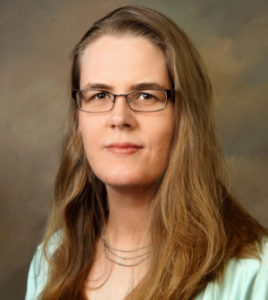
Dr. Amy Wiles serves as Associate Professor of Biology in the Department of Biology at Mercer University's College of Liberal Arts and Sciences. She teaches core courses including Genetics (BIO 310), Bioinformatics (BIO 415), Eukaryotic Cell Biology (BIO 460), and Biochemistry I (BMB 465), alongside interdisciplinary offerings like Among Gods and Heroes (GBK 101). Her educational foundation includes: B.S. in Biology from Mississippi College Ph.D. in Biochemistry and Cellular and Molecular Biology from The University of Tennessee, Knoxville Postdoctoral Fellowship in Systems Biology at the Greehey Children’s Cancer Research Institute, UT Health Science Center at San Antonio Specializing in Genetics, Molecular Biology, and Bioinformatics, Dr. Wiles investigates cellular nutrient response mechanisms through integrated computational and experimental approaches. Her work leverages protein-protein interaction networks (interactomes) and cross-species comparative genomics to elucidate pathways linking nutrient metabolism to disease—particularly how sulfur metabolism defects impact liver function and nitrogen metabolism disruptions affect amino acid synthesis. She employs Saccharomyces cerevisiae for wet-lab validation while conducting in silico analyses across diverse species. Publication trends from 2001-2010 reveal consistent focus on bioinformatics methodology development (RNAi screening validation, interactome analysis) and nutrient transporter biology across kingdoms. Her research bridges computational genomics with experimental molecular biology to address fundamental questions in cellular nutrient sensing. Dr. Wiles actively mentors students through hands-on research opportunities spanning bench work and computational analysis in her laboratory. Her program emphasizes skill development in both classical molecular techniques and modern bioinformatics approaches within the context of nutrient response pathways. Her laboratory environment integrates wet-lab experimentation with computational genomics, creating collaborative spaces where students investigate protein networks and nutrient biology using yeast models and cross-species comparative frameworks.