- Information Theory
- Machine Learning
- Fairness in AI
- +۶ مورد دیگر
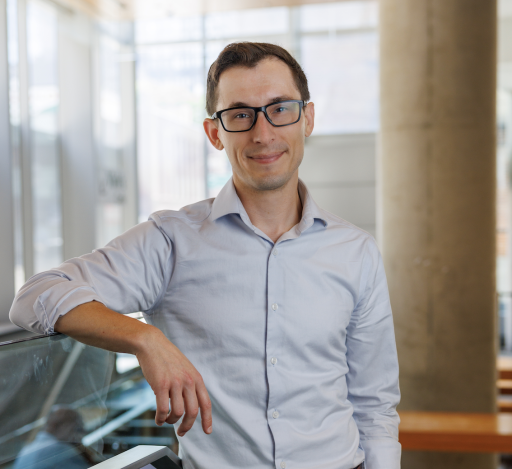
Changho Suh is a Professor in the Department of Electrical Engineering at Korea Advanced Institute of Science and Technology (KAIST), College of Engineering. His research spans information theory, machine learning, and data science with significant contributions to matrix completion, fairness in AI, and network communications. Dr. Suh's research interests focus on the theoretical foundations of information processing and machine learning. He has pioneered work in matrix completion with graph side information, developing efficient algorithms that leverage hierarchical structures and similarity graphs. His recent work emphasizes fairness in machine learning systems, addressing correlation shifts and developing methods for fair training and generative modeling. He has also made significant contributions to information theory, particularly in interference channels, network coding, and quantum key distribution. Analysis of his recent publications reveals a strong trend toward addressing fairness challenges in AI systems while maintaining theoretical rigor. His work bridges information theory with practical machine learning applications, particularly in recommender systems and community detection. Suh's research demonstrates how graph structures can enhance data recovery and how theoretical insights from information theory can improve modern machine learning systems. Dr. Suh has received recognition for his scholarly contributions through numerous publications in top-tier venues including IEEE Transactions on Information Theory, NeurIPS, ICML, and AAAI. His work has influenced both theoretical understanding and practical implementations in data science. As an academic advisor, Suh has mentored numerous graduate students who have gone on to publish significant research in their own right. His collaborative approach is evident in the diverse range of co-authors across his publications, indicating strong research partnerships both within KAIST and internationally. His laboratory work appears to focus on information-theoretic approaches to machine learning problems, with particular emphasis on structured data analysis, fairness considerations, and efficient algorithm design for large-scale data processing tasks.