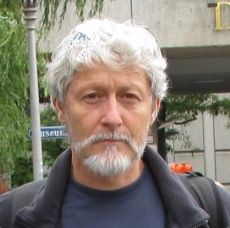
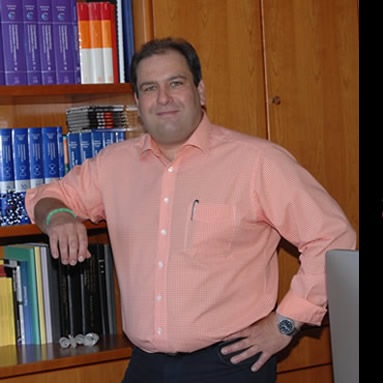
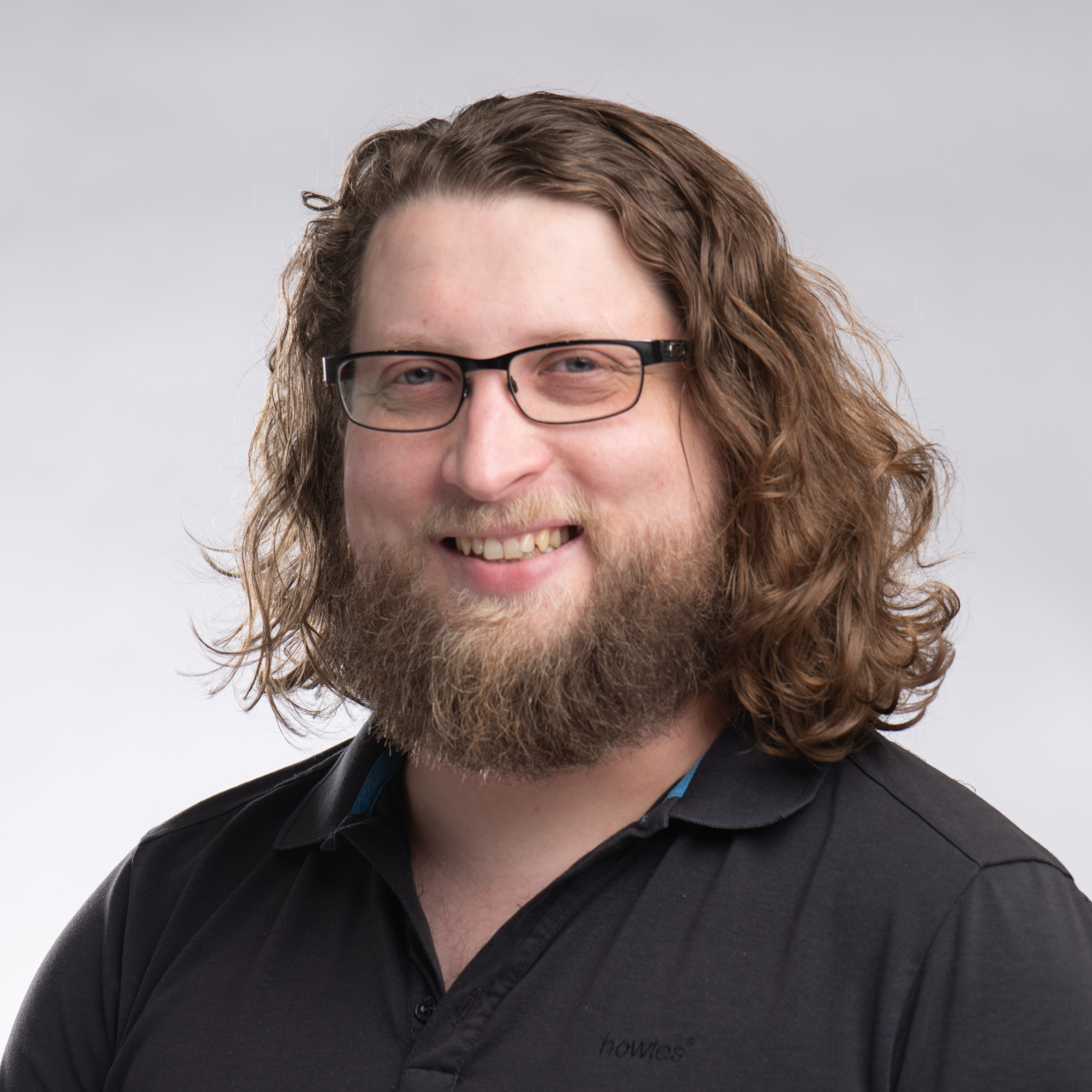
Marco Pierini is a Full Professor at the Department of Pharmaceutical Chemistry and Technology within the School of Pharmacy and Medicine at Sapienza University of Rome . He teaches Organic Chemistry and Chemistry of Natural Organic Substances in the Pharmacy degree program. His research focuses on stereochemical lability and molecular interactions , particularly through supramolecular chemistry and dynamic HPLC studies . Research areas: Supramolecular Chemistry, Stereochemistry, Computational Chemistry Techniques: Enantioselective HPLC, NMR and UV-Visible Spectroscopy, Molecular Docking His recent publications emphasize chiral separations and stereochemical stability of pharmaceutical compounds, with applications in drug development and analytical methodologies. Key trends include enantioselective catalysis , chiral electroanalysis , and supramolecular nano-aggregates . Scientific Awards National Scientific Qualification (Abilitazione Scientifica Nazionale) for the 03/C1 sector (Organic Chemistry) in 2017 Winner of competitive procedures for associate professor (2001) and full professor (2021) at Sapienza University
Prof. Dr. Karsten Meyer is a Professor at Friedrich-Alexander University Erlangen-Nuremberg (FAU), leading the Chair of Inorganic and General Chemistry (ACII) within the Department of Chemistry and Pharmacy. His research group is based in Room A 3.4 at Egerlandstr. 1, 91058 Erlangen, Germany, with contact information including phone +49 9131 85-27360 and email karsten.meyer@fau.de. Dr. Meyer's research spans classical coordination chemistry with supramolecular, organometallic and bioinorganic chemistry. His laboratory specializes in synthesizing custom-tailored ligand architectures and their transition and actinide metal coordination complexes. These complexes exhibit unprecedented coordination modes and unusual electronic structures, resulting in enhanced reactivities toward small molecules such as H 2 O, O 2 , CO, CO 2 , NO, N 2 O, and organic azides. His work encompasses the relatively unexplored uranium chemistry, transition-metal-based catalysts in ionic liquids and liquid crystals, and platforms for charge and light-driven catalytic processes relevant to sustainable energy cycles. Analysis of Dr. Meyer's recent publications (2021-2025) reveals a strong emphasis on actinide chemistry (particularly uranium), iron complexes across multiple oxidation states, small molecule activation mechanisms, and catalytic applications in sustainable energy systems. His research demonstrates expertise in molecular geometry manipulation, redox chemistry, and the design of novel ligand systems for metal coordination. The work frequently bridges fundamental molecular chemistry with potential applications in energy conversion and catalysis. Dr. Meyer's laboratory employs a comprehensive suite of spectroscopic and magneto-chemical methods including EPR and Mössbauer spectroscopy, SQUID magnetometry, and single-crystal X-ray diffractometry. The research combines synthetic and physical inorganic chemistry with modern computational methods (geometry optimization, reaction profile and electronic structure calculations) to elucidate electronic structures and reactivity mechanisms. The laboratory environment is described as collaborative and team-oriented, providing training in diverse inorganic and organic synthetic techniques as well as various spectroscopic and computational methods. The ultimate long-term objectives of Dr. Meyer's research include developing efficient catalysts for metal-assisted conversion of abundant natural substrate resources and discovering renewable energy sources. His work on small molecule activation and atom or group transformation aims to functionalize important organic precursor molecules, with potential applications across multiple chemical industries.
Stephen Martin is Professor of Economics at Purdue University's Krannert School of Management . His research spans industrial organization, antitrust policy, and sustainability, with a focus on market failure, strategic behavior, and interdisciplinary applications in materials science and healthcare. Research Interests : Industrial Organization and Antitrust Policy Sustainability in Higher Education and Environmental Systems Membrane Technology and Polymer Science for Water Treatment Publication Trends : Recent work examines spatial competition models (Hotelling Line), antitrust enforcement, and membrane-based water purification systems. Earlier research includes anticoagulant therapy outcomes and sustainability frameworks for universities.
Kendra Erk serves as Associate Professor of Materials Engineering at Purdue University's West Lafayette campus, with offices in both the Engineering Administration (ARMS 2313) and Materials Engineering (ARMS 2315) buildings. She holds dual unit affiliations in Materials Engineering and Sustainability Engineering, while actively participating in the College of Engineering Safety Committee and Environmental Engineering initiatives. Her research program integrates polymer science with civil infrastructure challenges, specializing in three interconnected domains: (1) superabsorbent polymers for concrete internal curing to enhance durability, (2) rheological characterization of complex fluids including dense suspensions and surfactant systems, and (3) biomass processing for sustainable biofuel production. This interdisciplinary approach bridges fundamental materials science with practical engineering applications in sustainable construction and energy systems. Analysis of her 15 most recent publications (2023-2025) reveals dominant thematic clusters: concrete technology (53%), rheology of complex fluids (33%), and biomass processing (14%). Key methodological trends include advanced rheometric techniques, microstructural characterization of cementitious systems, and quantitative modeling of transport phenomena. Her work demonstrates consistent translation of fundamental polymer physics to solve industry-relevant problems in construction materials and biorefining. Dr. Erk has secured significant research funding through competitive grants, including an NSF CAREER award (2015) for developing water-based gels for high-performance concrete curing and an NSF GOALI grant (2021) investigating structure-property relationships in concentrated surfactant solutions. While specific graduate students aren't listed in the provided materials, her active publication record suggests ongoing mentorship within Purdue's Materials Engineering program. She leads a research group focused on experimental and computational materials engineering, with facilities supporting rheological testing, concrete materials characterization, and biomass processing. Her work maintains strong industry connections through RILEM committee collaborations (TC 260-RSC) and applied research addressing real-world challenges in sustainable infrastructure and energy systems.
David Anthony is a researcher at Imperial College, affiliated with the London Centre for Nanotechnology (LCN). His work focuses on advanced materials characterization, electrochemistry, and mechanical behavior of composites, as detailed in his research themes. Research Interests: David's research spans Nanotechnology , Composite Materials , and Electrochemistry , with emphasis on structural supercapacitors, carbon nanotube-based composites, and nanomaterial synthesis. His techniques include optical/electron microscopy, spectroscopy, and multifunctional device fabrication, contributing to fields like green energy and industrial materials. Labs & Collaborations: He is actively involved with the LCN and the MetaHUB research hub, advancing metamaterials for energy and healthcare applications.
Audrey Soric is a Professor at Centrale Marseille, specializing in process and bioprocess engineering. She is affiliated with the Water and Waste Treatment team, focusing on innovative solutions for wastewater management and sustainable energy production. Biological treatment of wastewater Biohydrogen production Aerobic and anaerobic biofilm reactors Biocalorimetry applications Chemical-microbial hybrid systems Her research spans wastewater remediation, hydrogen production, and reactor modeling. Recent publications highlight advancements in milli-channel irrigation design, glyphosate degradation, and biofilm dynamics under hydrodynamic stress. She contributes to experimental and computational studies in bioreactor efficiency. Audrey Soric collaborates with interdisciplinary teams and co-authors like Olivier Boiron, Nicolas Roche, and Jean-Henry Ferrasse. Her work bridges fluid dynamics, biocatalysis, and environmental engineering, addressing challenges in industrial and agricultural water systems.
Karin Zojer is an Associate Professor at the Institute of Solid State Physics, Graz University of Technology (TU Graz). Her research spans organic electronics, charge transport modeling, and porous materials analysis, with a focus on physics-informed computational approaches. Research interests include Interfacial engineering in organic semiconductors Computational modeling of charge/volatile transport μ-CT-based material characterization Kinetic Monte Carlo simulations Pore structure-property relationships Recent work emphasizes Physics-informed neural networks for transport phenomena Green hydrogen purification materials Multi-scale analysis of paper porosity Reactive diffusion in cellulose systems Quantification of descriptor correlations in porous media Her publications from 2020-2025 highlight interdisciplinary methods bridging theoretical physics, computational modeling, and industrial applications.
Masahiro Kunimoto is a Japanese Associate Professor at Waseda University's Faculty of Science and Engineering and Global Center for Science and Engineering , specializing in composite materials , electroless deposition , and surface-enhanced Raman spectroscopy (SERS) . He holds a Doctor of Engineering degree from Waseda University (2012) and has published extensively on electrode interfaces and nanoscale reaction mechanisms.
Katarina Dimic-Misic is a Visitor (Faculty) at Aalto University, affiliated with the Department of Chemical and Metallurgical Engineering within the School of Chemical Engineering. Her research is centered on advanced materials processing, particularly in the areas of nanocellulose, rheology, and composite materials. Doctoral Degree in Engineering and Technology, Aalto University (2014) Her research interests span Materials Science , Chemical Engineering , and Sustainable Technologies , with a focus on experimental investigation of material behavior under processing conditions. Key areas include Large Amplitude Oscillatory Shear (LAOS) rheology , immobilization and consolidation , nanocellulose applications , and dewatering processes . She also explores interdisciplinary topics such as the use of natural dyes in printing and blockchain integration for sustainable electric vehicle ecosystems. The most recent publications (2025) reflect a strong trend toward sustainable and functional materials, including high-performance nanocellulose-based supercapacitor separators, enhancement of cellulose foams with ceramic nanofibers, and novel applications in green chemistry and circular economy. These works demonstrate a consistent focus on material performance optimization, interfacial interactions, and sustainability-driven innovation. Katarina Dimic-Misic has not been listed with any scientific awards in the provided text. There is no explicit information on student advising or research grants in the provided content. However, her extensive publication record and collaborations with senior researchers suggest active participation in funded research projects and mentorship activities. She is associated with research in Materials Processing and Powder Metallurgy at Aalto University, contributing to a broader network focused on sustainable materials, rheology, and industrial applications of nanocellulose and composites.
Ahmet Kusoglu is a Staff Scientist in the Energy Conversion Group at Lawrence Berkeley National Laboratory, where he conducts research on ionomers and functional materials for hydrogen technologies and electrochemical energy applications. His work spans fundamental aspects of ion-conductive materials and soft-hard interfaces for electrochemical systems, as well as related chemical-mechanical phenomena aimed at enhancing performance and durability in applied energy technologies. Dr. Kusoglu's educational background includes: PhD in Mechanical Engineering, University of Delaware (2005-2010) B.S. in Mechanical Engineering, Istanbul Technical University (2000-2004) His research focuses on understanding the structure-stability-function interplay in electrochemical systems to develop durable materials for energy technologies including fuel cells, water-splitting electrolyzers, flow batteries, and CO2-reduction systems. Dr. Kusoglu's approach involves chemical-mechanical interrogation of functional materials, merging data-driven systematic investigations with multi-modal measurements to capture material-system environment and morphological characterization through advanced X-ray techniques at the Advanced Light Source (ALS). His team has made significant contributions to understanding PFSA membranes, confinement effects, and interfacial phenomena in electrochemical systems. Analysis of Dr. Kusoglu's recent publications reveals a strong emphasis on ionomer membrane science with particular focus on structure-property relationships, water management, and mechanical stability. His work bridges fundamental materials science with practical applications in hydrogen technologies, showing increasing sophistication in characterization techniques and multi-scale modeling approaches. Dr. Kusoglu has received numerous prestigious awards recognizing his contributions to energy research: Presidential Early Career Award for Scientists and Engineers (PECASE) in 2025 S.Srinivasan Young Investigator Award of the Energy Technology Division of the Electrochemical Society ECS Toyota Fellowship (2017-2018) Best Poster Paper Award at the 2012 Fuel Cell Science and Technology Grove Conference Dr. Kusoglu has secured significant funding through multiple DOE consortia including M2FCT (Million Mile Fuel Cell Truck), HydroGEN, H2NEW, and CIWE. He serves as communication officer for the M2FCT consortium, overseeing outreach and education efforts related to fuel cells in transportation. He regularly contributes to scientific discourse through invited presentations at major conferences and webinars including the Electrochemical Society and H2IQ. As a contributing editor for Electrochemical Interface, he bridges technical research with science communication. Dr. Kusoglu's research group at Lawrence Berkeley National Laboratory operates at the intersection of materials science, electrochemistry, and mechanical engineering. They maintain strong connections with the Advanced Light Source facility for cutting-edge X-ray characterization and collaborate extensively with industry partners to translate fundamental discoveries into practical energy technologies. The team's work continues to advance the scientific understanding of ion-conductive materials critical to the hydrogen economy.
Shaik Mohammed Zakeeruddin is a senior research scientist at the Laboratory of Photonics and Interfaces (LPI), École polytechnique fédérale de Lausanne (EPFL), where he has been a current and active member for decades. His work is central to advancing solar energy technologies, particularly in dye-sensitized and perovskite solar cells. He collaborates extensively with Prof. Michael Grätzel, a pioneer in photovoltaics, and contributes to high-impact research in energy materials. His research interests span Materials Chemistry , Photovoltaics , Solar Energy Conversion , Dye-Sensitized Solar Cells , Perovskite Solar Cells , and Electrolyte Engineering . His work emphasizes molecular design, interface engineering, and device stability to improve solar cell efficiency and longevity. The analysis of his recent publications reveals a strong focus on interfacial modification, charge transport optimization, and stability enhancement in next-generation solar cells. His research trends include the development of novel hole-transport materials, redox mediators, and scalable fabrication techniques, positioning him at the forefront of sustainable energy materials research. Scientific Awards and Recognition: No specific awards mentioned in the provided text. Advising and Grants: While formal students are not listed, Dr. Zakeeruddin has likely mentored numerous researchers through collaborative projects. His work has been supported by prestigious funding bodies including the Swiss National Science Foundation (FNS), the European Union (H2020), the National Natural Science Foundation of China, and the China Scholarship Council, indicating strong grant acquisition and project leadership. Laboratories and Research Teams: He is a key member of the Laboratory of Photonics and Interfaces (LPI) at EPFL, a world-leading center for photovoltaic research. The lab focuses on developing innovative materials and devices for solar energy conversion, with a strong emphasis on sustainability and commercial viability.
Professor David Penney is a distinguished academic in the Faculty of Science and Engineering at Swansea University, specializing in Materials Science and Engineering. With extensive experience bridging industry and academia, he holds the position of Professor and serves as co-director of the £15 million Materials and Manufacturing Academy (M2A). Penney's research focuses on metallurgy, galvanizing processes, metallic coatings, and corrosion mechanisms, with particular expertise in zinc-aluminum alloys and stainless steel applications. His work has significant industrial relevance, especially in the iron and steel sector. Over his career, he has secured more than £30 million in grant funding to support collaborative industry-academia initiatives. Analysis of his recent publications reveals a strong emphasis on Zn-Mg-Al coating systems, corrosion mechanisms, alloy development, and industrial manufacturing processes. His research combines experimental work with computational approaches to solve practical engineering challenges in the steel and automotive industries. Frank Fitzgerald award from the IOM3 (2016) for personal contribution to the Iron and Steel industry Penney actively supervises numerous PhD and EngD students through the Materials and Manufacturing Academy (M2A), with over 140 students expected to graduate from the program in the next four years. His supervision spans topics including corrosion protection, metallic coatings, and advanced manufacturing techniques. He also co-created the Materials Work-Based Learning, Education, Training and Learning (METaL) program to upskill the existing workforce through flexible short courses. His laboratory work focuses on the Materials and Manufacturing Academy (M2A), which incorporates the EPSRC-funded COATED2 Doctoral Training Center and maintains strong industry partnerships for research and training initiatives.
Professor Adrian Rennie is affiliated with Uppsala University , where he works in the Department of Chemistry . His research spans soft matter physics, colloidal systems, and interfacial phenomena, with particular emphasis on protein-based materials and environmental chemistry. He also holds a Visiting researcher position at the Department of Medicinal Chemistry (Pharmaceutical Physical Chemistry), demonstrating interdisciplinary engagement. Department of Chemistry, Uppsala University Visiting researcher, Medicinal Chemistry, Uppsala University His research explores Soft Condensed Matter through neutron and X-ray scattering techniques, focusing on: Colloidal particle interactions in biological and synthetic systems Self-assembly processes at interfaces Rheological behavior of complex fluids Adsorption mechanisms from solution Surface modification with natural proteins Environmental impacts of atmospheric pollutants Recent publications highlight trends in food colloids (pea protein emulsions), environmental applications (Moringa seed proteins for water purification), and advanced characterization methods (operando scattering, neutron reflectometry). He has secured funding from VR (Swedish Research Council) and SSF (Swedish Foundation for Strategic Research) . Professor Rennie contributes to instrumentation development (sample cells for interface studies) and scientific collaboration , with extensive publications in journals like Langmuir , Soft Matter , and Advances in Colloid and Interface Science .
Martin Haase is an Associate Professor at the Faculty of Science , Utrecht University , where he leads research in Physical and Colloid Chemistry . His work focuses on non-equilibrium soft matter structures , utilizing interfacial self-assembly of materials to advance understanding of molecular behavior at interfaces and develop novel materials. Key Affiliations : Utrecht University (Van't Hoff Laboratory, Debye Institute for Nanomaterials Science) and Rowan University (Department of Chemical Engineering) Current Funding : ERC-Starting Grant '3D-FABRIC' and NWO Vidi Grant 'Bijel templated membranes for molecular separations' (Utrecht); American Chemical Society (Rowan) His research bridges colloid and interface science with transport processes, chemical synthesis, and fluid mechanics. Recent publications explore bijel membranes, solvent transfer methods, and pH-responsive materials, reflecting his expertise in soft matter engineering and nanoparticle-stabilized systems . Grants from major organizations underscore the significance of his work in materials design and industrial applications. Scientific Awards : While no explicit honors are listed, his research is supported by prestigious grants including the ERC-Starting Grant and NWO Vidi Grant , highlighting recognition in his field. Collaborative Labs : Haase's group operates at Utrecht's Van't Hoff Laboratory and Rowan's Chemical Engineering labs, combining physical chemistry and engineering approaches. His teaching includes courses like Physical Chemistry of Life Sciences and Thesis Projects , mentoring future researchers in soft matter and sustainability.
Muhammad Junaid Anjum is a Researcher in the Department of Materials, focusing on advanced materials science with a specialization in corrosion protection, nanocomposite coatings, and sustainable surface engineering. His work integrates electrochemistry, nanotechnology, and environmental sustainability to develop innovative solutions for metallic alloy degradation. He holds a Doctor of Philosophy from the Department of Materials. His research interests include layered double hydroxide (LDH) coatings, self-healing materials, graphene oxide-based nanocomposites, and eco-friendly corrosion inhibitors. He explores applications in aerospace, biomedical implants, and infrastructure protection. Anjum’s articles highlight advancements in corrosion-resistant coatings for magnesium alloys (AZ31, AZ91D), steel substrates, and nanocomposite designs. His work emphasizes pH-dependent coating performance, intercalation chemistry, and green materials development. Recent studies (2022-2025) address self-healing mechanisms, smart nanocontainers, and hybrid coatings for enhanced durability. While no awards or grants are explicitly mentioned, his contributions to LDH-based corrosion solutions and smart materials have advanced the field. He collaborates on projects involving surface modification techniques, electroless deposition, and in-situ intercalation methods.