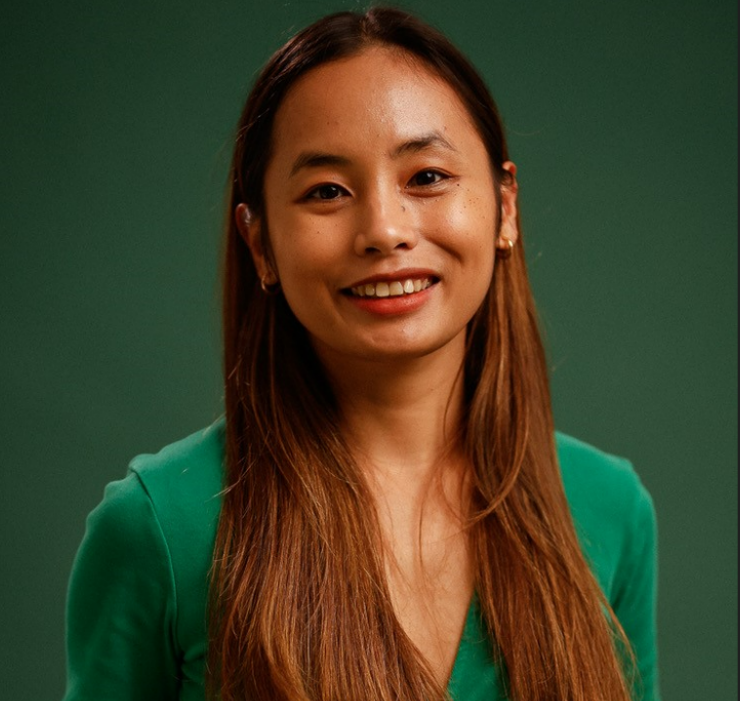
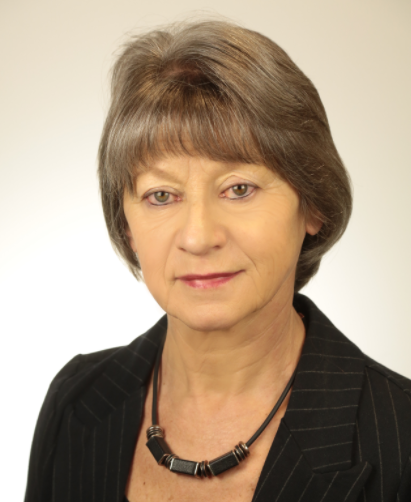
Princess Stephanie Llanos is a Full Researcher at Aalto University , specializing in electrochemical energy conversion. Her work focuses on enhancing battery technologies through advanced material coatings, interfacial stability analysis, and synthesis of Ni-rich cathodes for both lithium- and sodium-ion systems. Recent publications highlight collaborations with interdisciplinary teams in Finland. Research Interests Leveraging atomic layer deposition (ALD), gradient doping, and thin-film engineering, her research addresses critical challenges in energy storage materials, particularly for next-generation batteries. Keywords include electrochemistry, materials science, and solid-state battery interfaces. Publications Her recent work spans lithium-ion, sodium-ion, and all-solid-state battery systems, with a focus on improving cathode performance, interfacial stability, and high-voltage cycling through innovative coating strategies. Contact Email: princessstephanie.llanos@aalto.fi
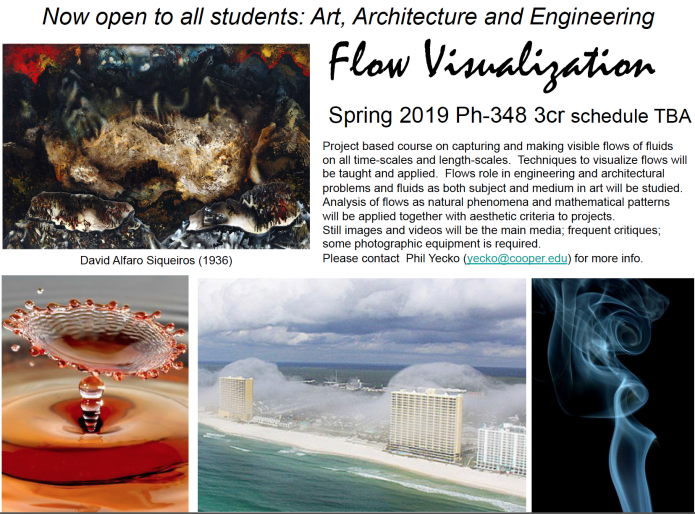
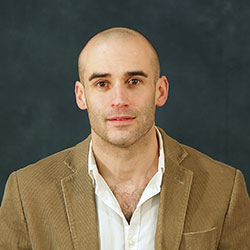
Philip Yecko is Professor and Chair of the Physics Department at The Cooper Union for the Advancement of Science and Art, within the Albert Nerken School of Engineering. He holds a Ph.D. in Astronomy from Columbia University and an S.B. in Physics from MIT. His academic journey includes faculty positions at Montclair State University, Columbia University, and Trinity College Dublin. Columbia University: MA, MPhil & Ph.D. Astronomy (1995) Massachusetts Institute of Technology: S.B. Physics (1988) Jewish Theological Seminary: M.A. Rabbinic Literature & Culture (expected 2025) Professor Yecko's research spans fluid dynamics with focus on astrophysical, biological, geophysical, magnetic and multi-phase systems. His work examines flows of accretion disks, atomization and sprays, bubbles, droplets, ocean vortices, stellar convection, and magnetic drug delivery. His research methodology combines mathematical and theoretical approaches with computational modeling and laboratory experiments, including an ongoing program at Argonne National Lab's Advanced Photon Source. His recent publications reveal a strong focus on magnetic fluids and computational methods, with significant contributions to ferrofluid dynamics, multiphase flow simulation, and transport phenomena in complex systems. The research shows increasing integration of machine learning techniques with traditional fluid dynamics approaches, particularly in geophysical applications. Scientific recognition includes: Multiple invitations to the Woods Hole Oceanographic Institute's Geophysical Fluid Dynamics program Invited Scientist positions at the Aspen Center for Physics An H-index of 17 according to Google Scholar Professor Yecko actively mentors students through research projects and has supervised numerous master's theses in applied mathematics and mechanical engineering. His research is supported by multiple NSF grants including the Fluid-Structure Interactions for Control in Geophysical Flows project (NSF CMMI-2121923) and the 3D Multiphysics Simulation of Multi-phase Magnetic Fluids project (NSF DMS-1620158). He directs the Complex Fluid Physics and Engineering (CoFPhE) Lab, which provides experimental, computational and theoretical research opportunities for students at both graduate and undergraduate levels. The lab collaborates with researchers internationally, including institutions in Italy, France, and multiple U.S. universities.
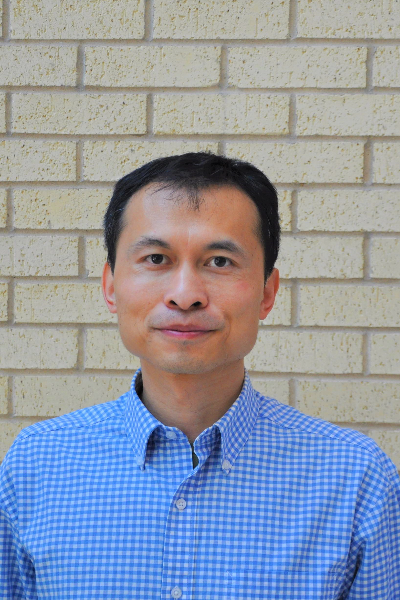
Dr. Kui Tan is a Research Associate Professor at the University of North Texas, specializing in Materials Chemistry. He holds a Ph.D. (2014) and M.S. (2011) in Materials Science and Engineering from the University of Texas at Dallas. Research Focus His work centers on designing functional metal-organic frameworks (MOFs) for critical applications: Gas Separation: Developing porous materials for efficient hydrocarbon (C2H4/C2H6, propyne/propylene) and CO₂ separation Environmental Remediation: Creating adsorbents for removing PFAS, uranium, pertechnetate, and selenium from nuclear waste/water Advanced Materials: Engineering MOFs with tailored porosity, stability, and functionality for sensors, LEDs, and catalysis Recent Publication Trends (2023-2025) Analysis of 15 recent articles reveals dominant themes: Optimization of MOF interfaces/structure for contaminant capture (PFAS, radionuclides) Thermodynamic/dynamic studies of gas adsorption in nanopores Novel separation mechanisms (temperature-dependent sieving, valence matching) Hybrid materials for energy/optical applications Laboratory & Contact Dr. Tan operates from CHEM 371 at UNT. Contact: Kui.Tan@unt.edu , 940-369-5386.
Riccardo Funari is an Assistant Professor at the Institute of Mechanical Intelligence, Scuola Superiore Sant'Anna, Pisa, Italy, since 2024. Previously, he held an assistant professor position at the University of Bari 'Aldo Moro' (2021-2024) and conducted post-doctoral research at the Okinawa Institute of Science and Technology (2017-2021), Jülich Forschungszentrum (2015-2017), and the University of Naples 'Federico II,' where he earned his Ph.D. in Industrial Engineering (2015) after a degree in Molecular and Industrial Biotechnology (2011). His research focuses on photonic and microfluidic biosensing for medical diagnostics, environmental monitoring, and food safety. Key areas include antibody immobilization strategies , nanoplasmonic sensor design , and biofilm dynamics characterization . His work spans applications such as prostate cancer detection COVID-19 vaccine analysis toxin and pesticide quantification real-time microbial monitoring Patents include methods for memory cell production and smart accumulator systems . His technical expertise encompasses femtosecond laser micromachining , UV-based functionalization , and X-ray scattering for biomolecular characterization.
Zhiliang Zhang is a Professor of Mechanics and Materials at the Department of Structural Engineering, Norwegian University of Science and Technology (NTNU) . He is renowned for his contributions to fracture mechanics and material science, serving as Editor-in-Chief of Engineering Fracture Mechanics and recipient of the Griffith Medal from the European Structural Integrity Society (ESIS). His research focuses on damage mechanics, hydrogen embrittlement, and anti-icing materials, utilizing experimental and computational approaches. Education: BSc and MSc in Structural Engineering, Tongji University (1985, 1988) PhD in Mechanical Engineering, Lappeenranta University of Technology (1994) Research Interests span damage and fracture mechanics , additive manufacturing (AM) , hydrogen embrittlement , and anti-icing surface development . His work integrates multiscale computational modeling with nanomechanical experiments , addressing challenges in energy, structural integrity, and material design. Publication Trends highlight his expertise in hydrogen embrittlement , gas hydrate adhesion , anti-icing surfaces , and additive manufacturing . His articles in journals like Chemical Reviews and Advanced Materials emphasize predictive modeling , nanoscale characterization , and sustainable material solutions . Scientific Awards include Griffith Medal (2024, ECF24) ESIS Fellow (2014) Norwegian Academy of Technological Sciences membership Academic Service involves external doctoral examinations at institutions like Paris Tech and National University of Singapore, and faculty review roles at Imperial College and University of Michigan. He founded the NTNU Nanomechanical Lab in 2006 and has led 14 externally funded projects totaling over €12 million.
Kumar Ankit is an Associate Professor of Materials Science and Engineering (MSE) and Graduate Program Chair in the School for Engineering of Matter, Transport and Energy at Arizona State University. His research focuses on computational materials science with emphasis on phase-field modeling of microstructural evolution in materials. He leads the 4D ICE (Laboratory for 4D Interface Control & Engineering) research group, which develops computational tools for discovering efficient processing routes for advanced materials synthesis. Education: Ph.D. (Dr.-Ing.) Summa Cum Laude, Mechanical Engineering, Karlsruhe Institute of Technology, Germany (2015) Integrated Dual Degree (B.Tech/M.Tech) Metallurgical Engineering, Indian Institute of Technology-BHU (2010) Dr. Ankit's research spans multiple domains of computational materials science, with particular expertise in quantitative phase-field modeling. His work integrates computational approaches with machine learning to address fundamental challenges in microstructure science and engineering. His group investigates phenomena including solidification, solid-state transformations, grain coarsening in multicomponent alloys, electromigration-induced damage, and self-organization in polymers and vapor-deposited films. A growing emphasis in his recent work involves developing data-driven emulators that can predict complex microstructural evolution more efficiently than traditional simulation methods. Analysis of Dr. Ankit's recent publications reveals a strong trend toward integrating machine learning with traditional computational materials science methods. His work increasingly focuses on developing data-driven approaches to model complex microstructural evolution, particularly in electromigration and phase separation phenomena. The research spans multiple disciplines including materials science, computational physics, and machine learning, with applications in semiconductor manufacturing, microelectronics reliability, and advanced materials processing. Scientific Awards: 2024 Wenner-Gren Fellow (Sweden) 2022 NSF Early Career Award (CAREER) 2022 Editors' choice award, Journal of Phase Equilibria and Diffusion 2018 Robert W. Cahn prize of Springer Nature and the Journal of Materials Science 2016 Early Career Investigator Award of the German Research Foundation (DFG) Dr. Ankit has successfully secured significant research funding including a $560,000 NSF CAREER award for studying pearlite discontinuities in eutectoid microstructures, a $5 million DOE Earthshots grant as co-PI for carbon-free steelmaking technology, and multiple NSF grants focused on electromigration and materials characterization. He mentors several PhD students who work on diverse research projects spanning computational modeling of electromigration, nanostructural self-assembly, and capillary-mediated interface phenomena. Dr. Ankit co-founded the MateriAlZ Seminar series with collaborators at ASU and the University of Arizona to promote student engagement and increase the visibility of Arizona universities in Materials Science and Engineering. Dr. Ankit directs the 4D ICE research laboratory, which focuses on developing computational tools for rapid discovery of time-, energy-, and cost-efficient processing routes for materials with tailored functionality. The lab's work lies at the intersection of phase-field modeling, machine learning, and high-performance computing. Current projects include investigating capillary-mediated solid-liquid interface energy fields (funded by NASA), electromigration-induced defects in electronic materials (funded by NSF), and nanostructural self-assembly in vapor-deposited films (funded by ASU College of Engineering). The lab maintains strong collaborations with researchers at national laboratories and in industry.
Wu Longhua is a researcher and doctoral supervisor at the Nanjing Institute of Soil Science, Chinese Academy of Sciences. He serves as Deputy Director of the National Research Center for Soil Nutrient Management and Pollution Remediation. Dr. Wu is a recipient of the National Outstanding Youth Fund, a national candidate for the "Million Talents Project," and recipient of the State Council Special Government Allowance. Dr. Wu graduated from the Department of Pedology and Agricultural Chemistry at Zhejiang Agricultural University (now Zhejiang University) in 1991, and received his master's and doctoral degrees from the Institute of Applied Ecology, Chinese Academy of Sciences, in Shenyang, in 1994 and 1997, respectively. He has conducted collaborative research on soil pollution and remediation mechanisms at Hong Kong Baptist University, the University of Melbourne and La Trobe University in Australia, Rothamsted Experiment Station in the UK, and iThemba Laboratory in South Africa. Dr. Wu's research focuses on interfacial processes and phytoremediation in contaminated heavy metal soils. His work systematically investigates heavy metal contamination characteristics, biological effects on plants, soil animals, and microorganisms, and pollution source identification. He has made significant contributions to identifying cadmium hyperaccumulation mechanisms, developing cadmium hyperaccumulator uptake remediation technology, and establishing "agri-photovoltaic complementary technology" combining phytoremediation with photovoltaic power generation. His research spans soil chemistry, plant physiology, and environmental remediation technologies. Analysis of Dr. Wu's recent publications reveals a consistent focus on zinc and cadmium uptake mechanisms, sustainable phytoextraction methods, and the role of soil microorganisms in enhancing remediation efficiency. His work integrates environmental chemistry, soil science, and plant physiology to develop practical solutions for heavy metal contaminated soils. Second Prize of Jiangsu Science and Technology Award (Natural Science Research Category) in 2012 First Prize of National Environmental Protection Science and Technology Award in 2008 First Prize of China Soil Science Society Science and Technology Award in 2014 Dr. Wu has secured substantial research funding including multiple National Natural Science Foundation projects and leads a research team that has demonstrated soil remediation technology on a large scale across multiple Chinese provinces. His current projects focus on heavy metal migration mechanisms and remediation technologies for metal-contaminated sites, with significant practical applications for agricultural soil management. Dr. Wu's research laboratory integrates laboratory investigations with large-scale field demonstrations, bridging fundamental scientific understanding with practical environmental remediation applications. His work on Sedum plumbizincicola and other hyperaccumulator plants has established important principles for sustainable soil remediation.
Fabio Priante is a Postdoctoral Researcher at the Department of Chemistry and Materials Science , Aalto University , specializing in Atomic Force Microscopy (AFM) , Molecular Dynamics (MD) , and Machine Learning . His research focuses on nanoscale surface interactions, particularly in lignocellulosics , chitin interfaces , and ice-water systems . Active in UN Sustainable Development Goals (SDGs) related to renewable materials and surface science. Key collaborations with RCF Academy Project , HACMAT , and LIBER Sammalkorpi II . Research Trends include: Structure determination of biomolecules on 2D nanomaterials (2025). AFM and MD simulations for hydration layer analysis (2024). Application of machine learning to AFM imaging (2024). Adsorption dynamics of lignocellulosic molecules (2023). Historical work on graphene and MoS2 exfoliation (2017-2021). His work appears in Small , ACS Nano , and Journal of Chemical Theory and Computation , with datasets hosted on Zenodo .
Professor Aurora Cruz Cabeza is a leading academic in the Department of Chemistry at Durham University , specializing in molecular crystals and crystallization . Her work bridges materials chemistry and pharmaceutical science, focusing on polymorphism, crystal engineering, and mechanochemical processes. Her recent publications highlight cutting-edge research in drug crystallization challenges, additive effects on crystal morphology, and proton transfer polymorphism. She supervises a team of postgraduate researchers, including Amy Woods-Ryan Fragkoulis/Frank Theodosiou Henry Holleb Louis Jones Ross Young . Scientific Contributions: Over 13 journal articles (2023-2025) on topics like PROTACs crystallization, guanine crystal doping, and carbamazepine polymorphism. Key collaborations include experts in crystal growth (Davey, Vetter) and pharmaceutical materials (Steed, Blundell).
Edgar J. Acosta is a Professor at the Faculty of Applied Science and Engineering, University of Toronto. His research focuses on surfactant-based systems for diverse applications including formulation engineering, drug delivery, environmental remediation, and biomedical solutions. B.Sc. from Universidad del Zulia (Venezuela) M.A.Sc. and Ph.D. from the University of Oklahoma Research Interests: Specializing in the thermodynamics and formulation of surfactant-oil-water systems, Acosta investigates: Development of the net-average curvature model as an expert system for surfactant formulation properties Low surface tension films for hydrophobic coatings and dewatering agents Lecithin-based microemulsions as drug delivery vehicles Lung surfactant replacement therapy with biocompatible polymers Publication Trends: Recent work emphasizes surfactant applications in pharmaceuticals (2014), environmental engineering (2014), and biomedical systems (2010-2014), with a focus on predictive modeling and green formulation strategies. Professional Memberships: American Oil Chemists' Society (AOCS) American Chemical Society (ACS) Contact: Room WB131, Tel: 416-946-0742, Email: edgar.acosta@utoronto.ca
Professor Krystyna Prochaska is a distinguished academic at the Poznań University of Technology, Faculty of Chemical Technology, Institute of Chemical Technology and Engineering. She holds the academic title of Professor of Chemical Sciences, awarded in 2011, following her habilitation in 1999 and PhD in 1986, all from the Poznań University of Technology. Currently serving as Deputy Director of the Doctoral School and Head of Doctoral Studies, she also manages the ISD NanoBioTech project under the Knowledge Education Development operational program. Her research focuses on surface phenomena at phase boundaries, biomimetic systems, membrane separation techniques, and bioprocess engineering. Professor Prochaska has developed expertise in Langmuir and Langmuir-Blodgett techniques for studying interfacial phenomena, with applications spanning pharmaceutical development, biomaterials, and bioproduct recovery. Her work bridges fundamental surface science with practical applications in food technology, pharmaceuticals, and environmental engineering. Analysis of her recent publications reveals a strong focus on membrane processes, particularly forward osmosis applications for concentrating bioactive compounds from fermentation broths, pectin recovery from apple pomace, and development of natural surfactants as alternatives to combat antibiotic resistance. Her research demonstrates consistent innovation in membrane technology and interfacial phenomena across multiple disciplines. Professor Prochaska has received recognition through her leadership roles in various academic committees, including membership in the Scientific Council of the Department of Chemical Sciences at the Faculty of Physics of the Polish Academy of Sciences, and participation in numerous disciplinary councils and program committees at her institution. She has successfully supervised 19 doctoral students, with recent dissertations focusing on membrane processes for bioproduct recovery, biomimetic systems, and mucoadhesive polymers. Her collaborative network extends to institutions including Poznań University of Medical Sciences, Jagiellonian University, Adam Mickiewicz University, and international partners in Bulgaria and Australia.
Rodrigo de Miguel is a Professor in the Department of Teacher Education at the Norwegian University of Science and Technology (NTNU) in Trondheim, Norway. His research bridges theoretical physics and science education, with a focus on thermodynamics and statistical mechanics applied to nanosystems. He is currently active in the department (though planning to be on leave during 2025/2026) and serves as a supervisor for master's students in science education. Professor de Miguel's research interests center on the theoretical foundations of thermodynamics, particularly as applied to small systems where classical thermodynamic frameworks break down. His work spans nanothermodynamics , strong coupling effects , non-extensive systems , and statistical mechanics at the nanoscale . He has made significant contributions to understanding how traditional thermodynamic principles must be modified when dealing with systems that are too small for classical thermodynamics but too large for quantum mechanical descriptions. His research has important implications for nanotechnology, molecular physics, and the teaching of modern physics concepts in educational settings. Analysis of his recent publications reveals a consistent trajectory exploring the boundaries of thermodynamic theory. His work demonstrates how systems at the nanoscale exhibit non-extensive and non-additive properties, challenging conventional thermodynamic paradigms. The research shows increasing sophistication in modeling thermophilic motion, surface properties at nanoscales, and the statistical mechanics of finite systems. His publications span prestigious journals including Physical Review Letters, Journal of Chemical Physics, and Nanomaterials, reflecting the interdisciplinary nature of his work which bridges physics, chemistry, and engineering. Professor de Miguel has been vocal about academic standards in teacher education, particularly criticizing what he terms 'self-accreditation' practices where faculty without proper subject didactics credentials supervise master's theses. He has argued that the mandatory master's thesis requirement for all primary school teachers in Norway may not be serving its intended purpose, as many supervisors lack the necessary academic credentials in specific subject didactics. As a supervisor, de Miguel offers master's projects focused on describing small systems, particularly examining how nanoscale phenomena challenge classical physics paradigms taught in schools. His current project description emphasizes the need to modernize science curricula to incorporate emerging understandings of nanosystems and their seemingly anomalous properties. He requires students to have strong backgrounds in quantum, statistical, and thermal physics before undertaking these advanced projects.
Max Wolff is a Professor in Materials Physics at Uppsala University , Sweden. His research applies neutron scattering to investigate structure-dynamics-property relationships in soft matter , magnetic materials , and hydrogen storage systems . He actively develops advanced neutron instrumentation and ion beam analysis techniques. Key Research Areas: Soft Matter, Magnetism, Hydrogen in Metals, Scattering Techniques Technical Expertise: Polarized Neutron Scattering, Grazing Incidence Methods, Quasielastic Neutron Scattering Publications (2025-2023) reveal focus on hydrogen diffusion in nanoscale metals, photochromic material engineering , and interfacial self-assembly of magnetic colloids. Notable work includes strain effects in vanadium hydrides and neutron instrument optimization. Collaborations span institutions like Ruhr-University Bochum and Institute Laue-Langevin. He has contributed to ion beam analysis tool development (SIGMA setup) and neutron optics innovations (SuperADAM reflectometer).
Paul Prentice is a Senior Lecturer in the Department of Systems, Power and Energy within the School of Engineering at the University of Glasgow. His research focuses on acoustic cavitation phenomena driven by ultrasound, employing ultra-fast framing cameras and acoustic detection methods to study bubble dynamics in liquids and tissues. His primary research interests include developing fundamental understanding of cavitation for medical applications (such as drug delivery and blood-brain barrier modulation) and industrial processes (including materials processing, metal recycling, and sustainable manufacturing). Recent work demonstrates significant contributions to ultrasonic recycling of photovoltaic modules, critical metal recovery from e-waste, and nanoparticle-based therapeutic delivery systems. The publication trends reveal a strong emphasis on interdisciplinary applications: 40% of recent articles focus on medical ultrasound applications (blood-brain barrier, drug delivery), 35% on sustainable materials processing (metal recycling, battery electrode delamination), and 25% on fundamental cavitation dynamics (bubble synchronization, shock wave physics). Key collaborations exist with researchers in Chemistry (Abbott, Ryder), Biomedical Engineering (Cochran, Lucas), and Physics (Cammarano). As Deputy Director of the Centre for Medical and Industrial Ultrasonics (C-MIU), Prentice leads strategic research directions. His supervision portfolio includes 4 active PhD students and multiple PDRAs, with graduated students now holding positions at institutions like Queensland Brain Institute and Theraclion. Major grants include Horizon Europe APOLLO (€3.5M), EPSRC Sustainable Manufacturing (£1.2M), and ERC Starting Grant TheraCav (€1.45M). Teaching responsibilities include convening Advanced Imaging and Therapy 5 (ENG5285) and Advanced Ultrasonics (ENG5316), plus mentoring Integrated System Design projects. His work bridges fundamental physics with real-world industrial and medical challenges through the C-MIU center.
Dr. Gerko Oskam is a full professor at Pablo de Olavide University (UPO), Spain, affiliated with the Department of Physical, Chemical and Natural Systems. He leads research at the Centro de Nanociencia y Tecnologías Sostenibles (CNATS) within the FÍSICA ESTADÍSTICA DE LÍQUIDOS research group. His work focuses on semiconductor physics, renewable energy materials, and electrochemistry. Research Interests: Dr. Oskam investigates charge dynamics in metal oxide semiconductors, solar energy conversion systems, and nanomaterials for photovoltaics and photocatalysis. His research spans dye-sensitized solar cells (DSSCs), perovskite solar cells, and solar thermal collectors, emphasizing material synthesis, stability enhancement, and interfacial charge transfer mechanisms. Publication Trends: Recent work highlights innovations in perovskite solar cell stability via plasma polymer passivation WO3 nanomaterials for water splitting carbon-doped TiO2 photoanodes self-assembled monolayer interfaces low-cost solar collector coatings charge transport modeling . Laboratory & Collaborations: As principal investigator at CNATS, he contributes to doctoral programs in Molecular Simulation of Complex Systems and Chemical & Materials Technology, advancing sustainable nanoscience and environmental applications.