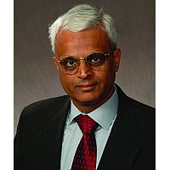
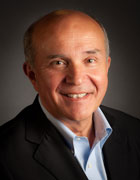
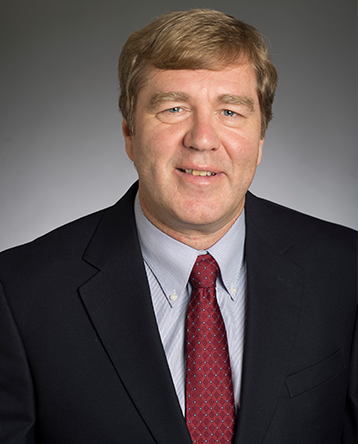
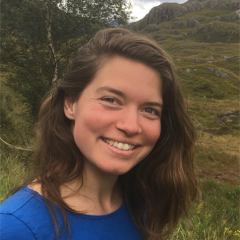
Assoc Prof Ng Teng Yong is an Associate Professor at the School of Mechanical & Aerospace Engineering (NTU), specializing in numerical modeling and simulation. With a background as Research Manager at A*STAR Institute of High Performance Computing, his work spans materials science, nanotechnology, and aerospace engineering. Current focus on graphene-based desalination membranes Expertise in molecular dynamics simulations Investigates nanoscale fluid mechanics and structural dynamics Recent publications highlight advancements in energy-efficient electrodialysis, smart robotics, and nonlinear vibration analysis. His interdisciplinary approach integrates computational methods with experimental validation in additive manufacturing and soft material mechanics.
N.K. Anand is a Distinguished Professor of Mechanical Engineering at Texas A&M University, holding the James J. Cain III Regents Professorship. He leads research in advanced computational methods and thermal-hydraulic systems, with affiliations to Multidisciplinary Engineering and Nuclear Engineering programs. His work focuses on physics-informed machine learning, finite volume methods, and aerosol transport in nuclear reactor contexts. Education: PhD (Mechanical Engineering, Purdue University, 1983), M.S. (Kansas State University, 1979), and B.E. (Bangalore University, 1978). Awards include the ASME James Harry Potter Gold Medal (2020) and multiple teaching/administrative excellence awards from Texas A&M. Research emphasizes fluid dynamics modeling (e.g., PINNs for periodic flows, turbulent deposition studies), heat pipe systems, and nuclear reactor thermal-hydraulics. His Versatile Test Reactor (VTR) contributions include cartridge loop designs and aerosol transport experiments. Active in high-temperature reactor safety, with facilities studying pebble beds, helical coil exchangers, and HTGR upper plenum dynamics. Publications span physics-informed ML applications, finite volume techniques, and nuclear thermal systems. Grants supported development of advanced CFD tools and reactor safety infrastructure. His lab collaborates on international nuclear energy projects and emerging AI-driven simulation methodologies.
Prof. Johannes A. Lercher is a retired professor (as of April 2023) at the Technical University of Munich (TUM), holding the Chair of Chemical Technology II within the Department of Chemistry. His research focuses on heterogeneous catalysis, particularly understanding catalytic processes at solid-liquid and solid-gas interfaces, with applications in sustainable energy production, CO₂ conversion, and catalytic upcycling of polymers. He has held academic positions at the University of Twente (Netherlands) and the Pacific Northwest National Laboratory (USA), and has been Editor-in-Chief of the Journal of Catalysis . His honors include the Alwin Mittasch Prize (2021), ENI Award (2016), and Kozo Tanabe Prize (2013). His recent work emphasizes low-temperature polymer upcycling, methane activation, and bioinspired catalyst design, leveraging advanced spectroscopic and operando techniques. Despite retirement, his contributions to catalysis research remain impactful. Education: PhD (1980) and Habilitation (1985), Vienna University of Technology Visiting Lecturer, Yale University (1982) Research Interests: Heterogeneous catalysis, catalytic interfaces, sustainable energy carriers, CO₂ valorization, and polymer waste upcycling. Key areas include: Design of catalysts for selective hydrocarbon synthesis Mechanistic studies using advanced spectroscopy Development of scalable catalytic processes for industrial applications Recent Trends in Publications: Focus on low-temperature polymer recycling (e.g., PVC and polyolefin upcycling), methane activation via novel catalysts (e.g., Co 2+ in ZSM-5), and bioinspired catalytic strategies. His work bridges fundamental catalysis with industrial relevance, emphasizing sustainability and energy efficiency. Awards and Recognition: Member, Academia Europaea and US National Academy of Engineering Recipient of multiple international catalysis awards (see full list above) Grants and Labs: Led the Institute for Integrated Catalysis (Pacific Northwest National Lab, 2011–present). His research groups have pioneered studies on zeolite-confined reactions and interfacial catalysis, with collaborations spanning academia and industry. Labs/Teams: Active in the TUM Department of Chemistry and international networks focused on catalytic innovation for a carbon-neutral economy.
Ivan C. Christov is an Associate Professor of Mechanical Engineering at Purdue University's School of Mechanical Engineering in West Lafayette, Indiana. His research focuses on fluid dynamics, non-Newtonian fluid mechanics, and multiphase processes, with applications in biomedical engineering, micro/nanotechnology, and advanced materials. He leads the Transport: Modeling, Numerics & Theory laboratory. Education: Ph.D., Northwestern University, 2011 M.S., Northwestern University, 2008 M.S., Texas A&M University, 2007 S.B., Massachusetts Institute of Technology, 2005 Research Interests: Soft hydraulics, computational science, scientific machine learning, nonlinear waves, and fluid-structure interactions. His work spans theoretical modeling, numerical simulation, and experimental validation in complex fluid systems. Publications: Recent work includes studies on flow-rate pressure-drop relations in deformable microchannels, physics-informed neural networks for particle dynamics, and fluid-structure interaction in cerebral aneurysms. Themes include microfluidics, elastohydrodynamics, and rheological characterization of soft materials. Awards: Fulbright U.S. Scholar (2022) Outstanding Engineering Instructor (multiple recognitions) Richard P. Feynman Distinguished Postdoctoral Fellowship (2013) Labs/Teams: Directs the Transport laboratory at Purdue, focusing on interdisciplinary research in fluid mechanics and computational methods. Collaborates on biomedical fluid dynamics and advanced materials characterization.
Prof. Marc Koper is a Professor of Catalysis and Surface Chemistry at Leiden University, affiliated with the Leiden Institute of Chemistry (LIC) . His research focuses on sustainable energy and chemistry, particularly electrocatalytic redox reactions of carbon, nitrogen, and oxygen compounds. He leads a dynamic research group with 17 current PhD candidates, including Ariba Adnan, Karen van den Akker, and others. Koper’s work bridges experimental, theoretical, and catalyst design principles to advance energy transition technologies. His research interests span catalysis , electrochemistry , and surface chemistry , with a focus on CO 2 reduction , nitrate reduction , and electrochemical water oxidation . Recent studies emphasize solvent effects, cation roles in catalysis, and nanostructured electrode design to enhance reaction selectivity and efficiency. Notable achievements include the Antwerp Honorary Doctorate (2024) for contributions to sustainable energy research. His publications explore topics like platinum hydride formation, double-layer capacitance measurement challenges, and the mechanisms of electrochemical CO 2 reduction on metal surfaces. Koper’s work also addresses industrial-scale applications, such as optimizing gas bubble detachment during hydrogen evolution and designing bipolar membranes for CO 2 electrolysis. Advisor to over 38 former PhD students, Koper’s teaching spans Electrochemistry (MSc) and Chemical Energy Transition (Minor). He collaborates widely, with projects funded by initiatives like the ANION Gravitation Program and the ELCOREL EU Horizon 2020 Project .
Professor Chunsheng Lu is a faculty member at Curtin University's School of Civil and Mechanical Engineering within the Faculty of Science and Engineering. He currently holds the position of Professor and serves as Editor-in-Chief of Mechanical Engineering Advances . His research focuses on fracture mechanics, multi-scale modeling, energy materials, nonlinear dynamics, and natural disaster risk analysis. Lu is actively involved in HDR (Masters/PhD) supervision, offering projects on advanced materials modeling and simulations. His research interests include mechanics of energy materials, multi-scale modeling, and fracture statistics. He has contributed to over 200 publications, with recent work emphasizing piezoelectric semiconductors, nanomaterials, and energy storage systems. Lu's teaching spans materials engineering, solid mechanics, and numerical methods.
Professor Hala Zreiqat AM is a leading biomedical engineer at The University of Sydney , serving as the Director of the ARC Training Centre for Innovative BioEngineering . A Fellow of all major Australian academies (AAS, ATSE, FAHMS, FRSN), she develops 3D printed bioceramics for bone regeneration while championing diversity through initiatives like the IDEAL Society and BIOTech Futures mentorship program. Her work bridges academia, clinical practice, and industry in musculoskeletal research . Research Focus: Her lab creates synthetic bone scaffolds that mimic natural bone architecture, strength, and porosity, enabling non-rejected bone regeneration via patient-matched implants. Key applications include orthopaedic, dental, and maxillofacial repair , with over $18M in competitive funding and multiple patents. Current projects explore AI-driven scaffold performance prediction and anti-senescence strategies for aging-related bone loss. Scientific Trends: Recent publications highlight 3D printed nanovoxelated ceramics , antisenescence biomaterials , and multifunctional theranostic platforms . Her team integrates machine learning for scaffold design, atom probe tomography for interface analysis, and two-photon imaging for cellular monitoring in 3D environments. 2021-2022 Fulbright Senior Scholar 2018 NSW Premier's Woman of the Year 2019 Eureka Prize for Innovative Use of Technology Fellow of Australian Academy of Science (2021) Over $18M in research funding Teaching & Leadership: She designed core courses like Tissue Engineering and Nanomaterials in Medicine , mentoring 158 students in 2020 alone. As Chair of CAAR (2020-2023), she strengthens Australia-Arab collaborations. Her lab trains early-career researchers , with alumni now in academia and industry.
Jack Beuth is a Professor of Mechanical Engineering at Carnegie Mellon University (CMU), affiliated with the College of Engineering. He has been on the faculty since 1992 and leads the NextManufacturing Center, focusing on additive manufacturing (AM) research. His work emphasizes process mapping for AM, material science, and machine learning integration in manufacturing processes. Key affiliations include the Engineering Research Accelerator and the Manufacturing Futures Institute. Education: Ph.D. in Engineering Sciences, Harvard University (1992) M.S. in Engineering Sciences, Harvard University (1989) M.S. in Engineering Science and Mechanics, Virginia Tech (1987) B.S. in Engineering Science and Mechanics, Virginia Tech (1984) Research Interests: Additive Manufacturing (process modeling, material characterization, and defect analysis) Melt pool dynamics and thermal modeling Machine learning for process optimization and quality control Advanced materials for AM (e.g., Ti-6Al-4V, Inconel 718) His research has led to innovations like 'process map' approaches for AM, enabling better control over variables such as melt pool geometry and microstructure. Awards and Recognition: Ralph R. Teetor Educational Award (1998) George Tallman and Florence Barrett Ladd Development Professorship (2000) ASME Curriculum Innovation Award (2005) Benjamin Richard Teare Teaching Award (2009) Grants and Collaborations: $3.5M cooperative agreement with the U.S. Army Combat Capabilities Development Command’s Army Research Laboratory (ARL) for AI-driven AM process optimization. Collaborations with Westinghouse Electric Company on 3D-printed nuclear components, such as spacer grids for pressurized water reactors. Labs and Teams: NextManufacturing Center: A research hub for AM innovation, emphasizing industrial partnerships and applied research. Beuth’s Additive Lab: Specializes in melt pool analysis, process mapping, and material behavior under AM conditions.
Zoran Cenev holds a Tenure Track Assistant Professor position within the Mechatronics and Dynamics section of the Department of Mechanical and Production Engineering at the School of Engineering, Aarhus University. His primary institutional affiliation is with AU Engineering, and contact details include email zoran.cenev@mpe.au.dk and telephone +45 20 64 75 44, with office location Aarhus N, 5128-140. Research interests focus on interdisciplinary applications of magnetic and robotic systems: Robotic micromanipulation via electromagnetic needles Ferrofluid-based biofabrication for skeletal muscle engineering Laser-induced photothermal droplet control Theoretical modeling of particle dynamics at fluid interfaces Surface engineering for underwater metallic stability Nanostructure formation through ion bombardment His recent publications (2023-2025) reveal a dominant trend in adapting ferrofluids for biomedical automation, particularly 3D bioprinting of magnetically responsive tissues and droplet manipulation on engineered surfaces. This work bridges mechanical engineering with regenerative medicine, emphasizing practical implementations of theoretical models for microscale precision. Scientific awards are not documented in the provided information. As a faculty member, Dr. Cenev likely mentors graduate students and pursues research grants, though specific advisees or funding details are absent. Departmental laboratories and workshops support his experimental work in mechatronics, with emphasis on magnetic manipulation systems and surface characterization.
LIN Meng is an Associate Professor at the Department of Mechanical and Energy Engineering , Southern University of Science and Technology (SUSTech) . He holds a Ph.D. in Mechanical Engineering from Swiss Federal Institute of Technology in Lausanne (EPFL) (2018) and has held postdoctoral positions at Caltech's Joint Center for Artificial Photosynthesis (2018-2019). Research Interests include solar thermal/thermochemical/(photo)electrochemical energy conversion devices , CO2 capture and utilization , and multi-scale modeling and simulation . His work focuses on optimizing energy systems through advanced computational models and cross-disciplinary integration of physics. Recent Publications highlight his contributions to solar fuel processing, CO2 conversion technologies, and hybrid electrochemical systems, with articles in Nature Communications , Joule , and Energy & Environmental Science . His research emphasizes scalable solutions for sustainable energy and carbon management. Scientific Awards ASME Graduate Student Award (2018) Outstanding Reviewer of Solar Energy (2018, 2015) Swiss National Science Foundation Postdoc Fellowship (2017) Shanghai Outstanding Master Thesis (2016) Shanghai Jiao Tong University Outstanding Graduate (2013)
Kumar Varoon Agrawal is an Associate Professor at École Polytechnique Fédérale de Lausanne (EPFL), holding the Gaznat Chair for Advanced Separations. He is affiliated with the School of Basic Sciences (SB), the Institute of Chemical Sciences and Engineering (ISIC), and the Laboratory of Advanced Separations (LAS) in Sion, Switzerland. Additionally, he contributes to the Swiss Doctoral School in Chemical and Bioengineering (SCGC) and serves as Vice President of the Confédération des Chimistes et des Génie Chimique (CCE). Research Focus: Material Chemistry & Engineering at the Ångström scale for high-performance inorganic and hybrid membranes, emphasizing energy-efficient molecular separations. Teaching: Courses include Fundamentals of separation processes , Diffusion and mass transfer , and Chemical engineering product design . Scientific Contributions: His 15 most recent publications (2025-2020) span topics like graphene pore engineering , 2D material synthesis , carbon capture , and gas separation membranes , with keywords such as Nanotechnology , Materials Science , and Molecular Transport . Subfields include Atomic-Scale Pores , Membrane Stability , and Industrial Scalability . Students and Collaborations: He advises 10 current PhD students and has mentored 9 past PhD candidates in areas like graphene membranes , ion separation , and MOF films . He is an Academic Referent for the EPFL Carbon Team and a committee member for the EDCH Doctoral Program in Chemistry and Chemical Engineering.
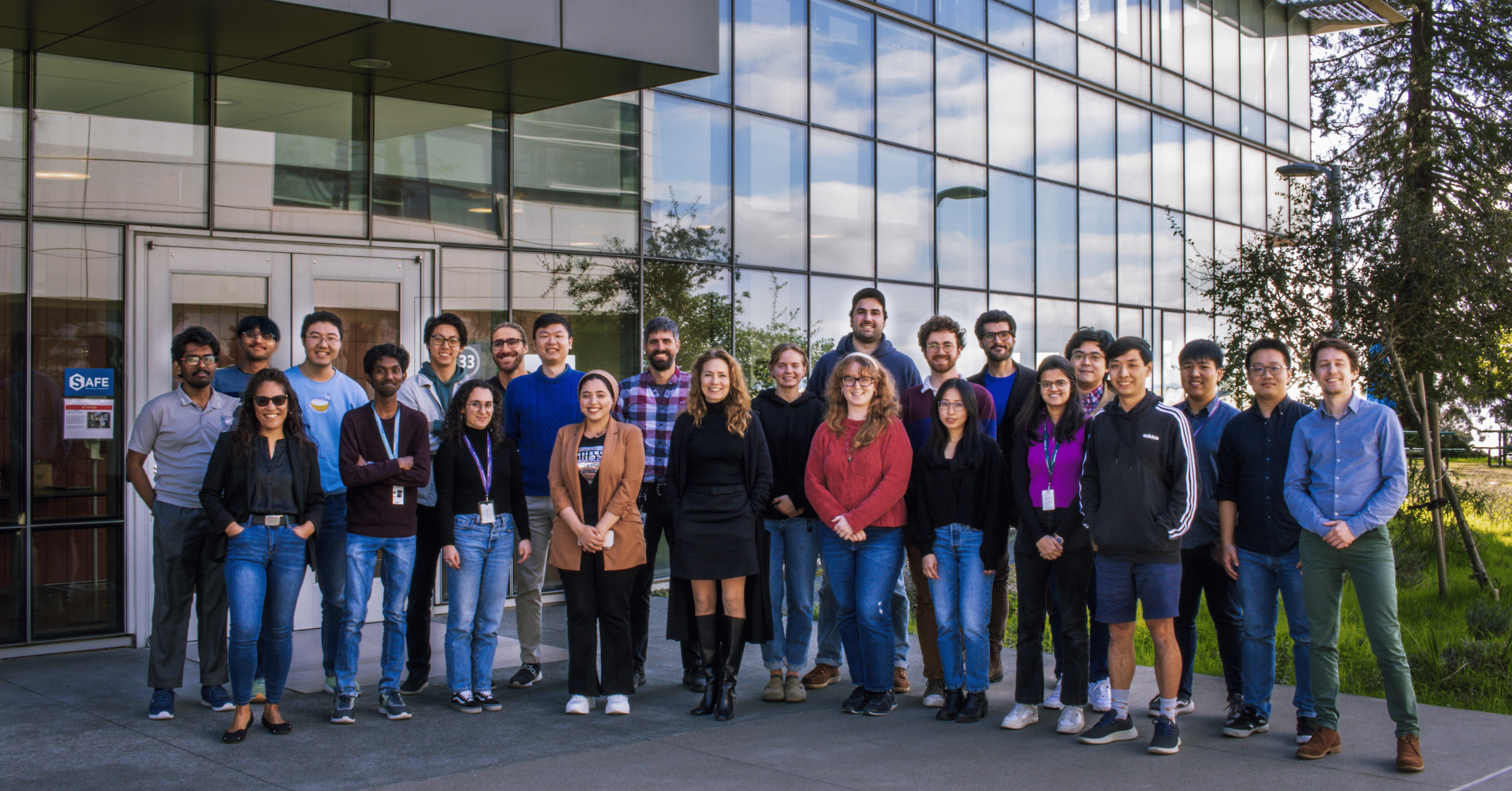
Dr. Kristin A. Persson is a Professor and Daniel M. Tellep Distinguished Professor in Engineering at the University of California, Berkeley's Department of Materials Science and Engineering. She leads the Persson Group at Lawrence Berkeley National Laboratory (LBNL), focusing on atomistic computational methods for energy materials. As director of the Materials Project, she pioneers high-throughput computing and data-driven approaches to accelerate material discovery for clean energy applications, including batteries, electrolytes, and photocatalysts. Her research spans lithium-ion and multivalent batteries, with a focus on electrolyte design, interfacial chemistry, and sustainable materials. Persson has directed the Materials Project since its inception, a global initiative to computationally predict material properties and provide open-access data. She holds affiliations with LBNL’s Energy Sciences Area and collaborates with industry and academia on projects like the Electrolyte Genome and piezoelectric materials databases. Key achievements include election to the National Academy of Engineering (2025), Royal Swedish Academy of Sciences (2024), and Fellowships from the AAAS (2022) and APS (2021). Her group’s work has produced over 200 publications, with recent highlights on disordered cathodes, ML-driven material predictions, and circular polymers. Persson advises a dynamic team of ~50 graduate students, postdocs, and staff, fostering interdisciplinary innovation in energy storage and materials informatics. Awards include DOE’s Distinguished Scientist Fellowship (2024), Cyril Stanley Smith Award (2022), and Web of Science Highly Cited Researcher recognition (2020). Her lab’s infrastructure supports projects from computational workflows to experimental collaborations, with a focus on translating theory into real-world energy solutions.
Angela Pitenis is an Associate Professor in the Department of Materials at the University of California, Santa Barbara (UCSB), within the College of Engineering. Her research focuses on interfacial phenomena in soft materials, particularly friction, adhesion, wear, and deformation of complex surfaces ranging from living cells to polymer nanocomposites. She employs advanced experimental techniques such as microscopy, spectroscopy, and interferometry to study these interfaces under extreme conditions and within buried environments. Her work has direct applications in healthcare, energy sustainability, and engineering design. Prof. Pitenis holds a Ph.D., M.Sc., and B.S. in Mechanical Engineering from the University of Florida. Her research group investigates biomaterials, hydrogel lubrication, and bioinspired materials, with recent studies addressing implant-associated inflammation, tumor cell dynamics in 3D microgels, and pH-responsive hydrogel friction. She is affiliated with the Materials Research Lab at UCSB and contributes to interdisciplinary projects at the intersection of materials science and biology. Notable research trends in her work include the development of biocompatible lubricious surfaces, understanding friction-induced biological responses, and designing smart materials with tunable mechanical properties. Her studies on photoresponsive hydrogels and superlubricious materials highlight innovations in responsive and adaptive material systems. Pitenis emphasizes in situ experimental methods and has pioneered techniques for analyzing dynamically evolving material interfaces. Her research also extends to marine biomaterials, such as the mechanical resilience of sessile tunicates, and explores applications in medical implants, bioreactors, and energy systems. While specific awards are not listed here, her contributions reflect a commitment to advancing soft matter tribology and biomaterials science.
Dr. Yi Shen is a Senior Lecturer at the School of Chemical and Biomolecular Engineering, The University of Sydney, and Chair of RACI Women in Chemistry. She is also affiliated with multiple research institutes including Sydney Institute of Agriculture, Sydney Southeast Asia Centre, The Centre for Drug Discovery Innovation, and The University of Sydney Nano Institute. PhD in Soft Materials from ETH Zurich Postdoctoral research at University of Cambridge and Harvard University Her research focuses on protein phase behavior and functional biomaterials development, utilizing soft matter approaches and microfluidic techniques to address challenges in neurodegenerative diseases, sustainable materials, and biomedical engineering. She has published extensively in top journals like Nature Nanotechnology and PNAS, with a particular emphasis on: Protein liquid-liquid phase separation mechanisms Biomaterials from protein nanofibrils Microfluidic manipulation of biological systems Biodegradable bioplastics development Shear force effects on biomolecular systems Pathological protein aggregation dynamics Key scientific achievements include: 2022 ARC DECRA Fellowship 2022 Sydney Nano Frontier award 2018 ETH Zurich Spark Award (for Fe delivery system invention) 2012 Princeton Grand Challenges Program 2 patents pending 2 Nature Nanotechnology cover articles As an educator, she coordinates CHNG2802 Chemical Engineering Modelling and Analysis, co-teaches CHNG3804 Biochemical Engineering and CHNG5605 Bio-products: Laboratory to Marketplace, and guest lectures across biomedical and nanotechnology programs. Her lab actively collaborates with institutions in Switzerland (ETH Zurich), UK (Cambridge), and US (Harvard, Princeton), focusing on transforming biomolecular understanding into real-world applications in health, industry, and environmental sustainability.
Dr. Julia W.P. Hsu is a Professor and Texas Instruments Distinguished Chair in Nanoelectronics at the University of Texas at Dallas (UT Dallas), affiliated with the Erik Jonsson School of Engineering and Computer Science. She holds leadership roles, including Director of the MaSTeR facility and former Associate Head of the Materials Science and Engineering Department. Previously, she served at Sandia National Laboratories (2003–2010), Bell Laboratories (1999–2003), and the University of Virginia (1993–2001). Education: PhD in Physics (Stanford, 1991), MS in Physics (Stanford, 1987), BSE in Chemical Engineering (Princeton, 1985). Research: Focuses on nanomaterials, photovoltaics, interfacial phenomena, and semiconductor nanostructures. Key areas include solution-synthesized materials, low-temperature processing, and device physics. Her work bridges experimental techniques like scanning probe microscopy and industry-relevant applications in energy materials. Notable achievements include pioneering studies on organic-inorganic hybrid systems and contributions to nanofabrication. Awards and Honors: MRS Fellow (2011) APS Fellow (2001) AAAS Fellow (2007) Simons Foundation Pivot Fellow (2023) Advising and Leadership: Supervised over 15 PhD and MS students. Directed the Light Institute of Texas and UT Dallas’ MaSTeR facility, emphasizing interdisciplinary research and industry collaboration. Labs/Teams: Leads the MaSTeR facility for material characterization and collaborates with the Light Institute for optoelectronics research.