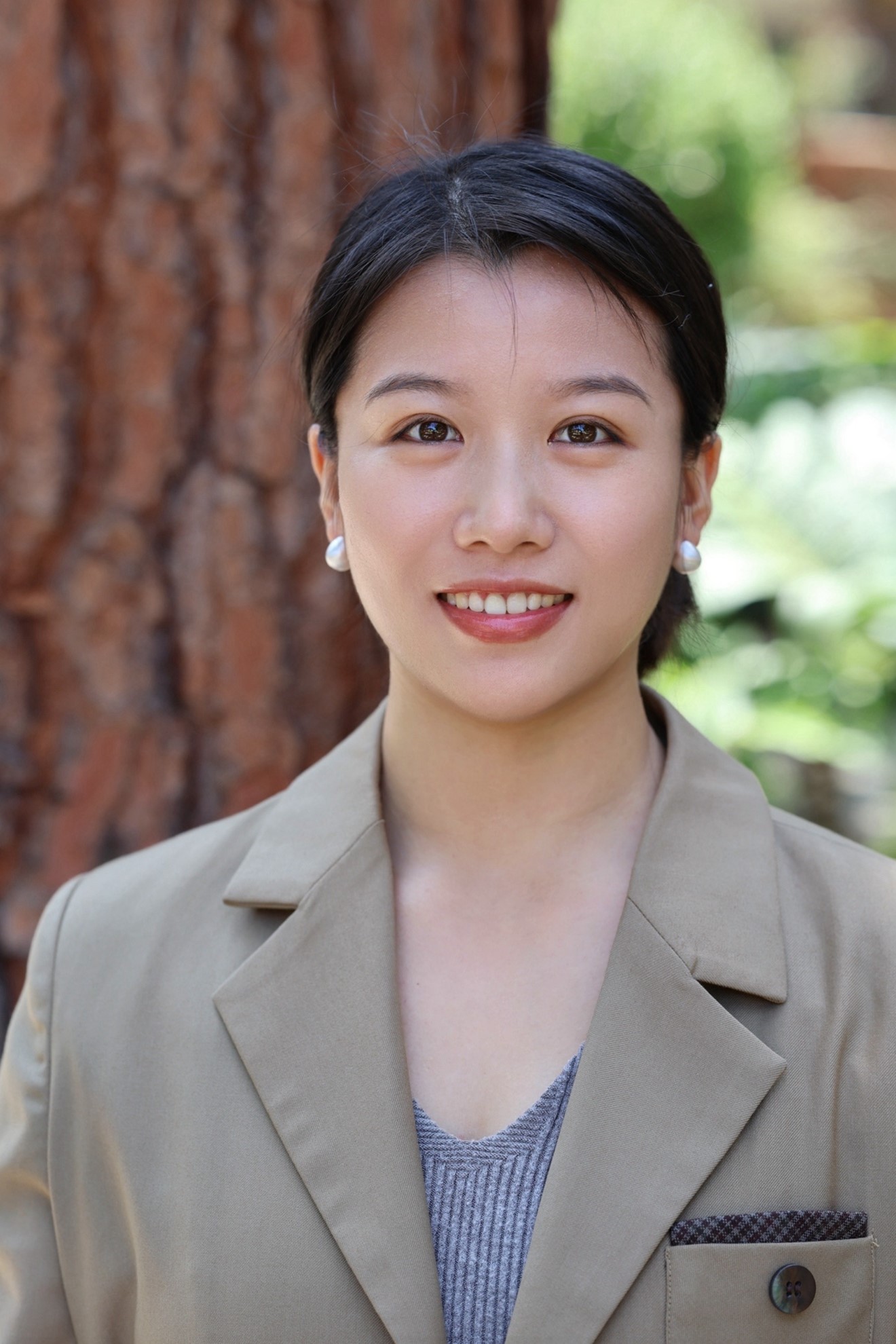
Ulrich Pöschl is Director of the Multiphase Chemistry Department at the Max Planck Institute for Chemistry and Professor in the Department of Chemistry, Pharmacy and Geosciences at Johannes Gutenberg University (JGU) in Mainz, Germany. He has held leadership roles at MIT, the Max Planck Society, and the Technical University of Munich, and is a globally recognized expert in atmospheric and multiphase chemistry. Education: PhD (Doctor technicae) in Chemistry, Technical University of Graz (1995) Habilitation in Geochemistry, JGU Mainz (2007) Habilitation in Chemistry, Technical University of Munich (2006) Research Interests: His research centers on multiphase processes at the interface of atmosphere, biosphere, and hydrosphere. Key areas include aerosol chemistry, climate interactions, oxidative stress, protein modification, and the health impacts of air pollution. His work integrates field observations, laboratory experiments, and modeling. Publication Trends: His recent research spans atmospheric new particle formation in the Amazon, health effects of air pollution, open access science, and the role of bioaerosols in disease transmission. The work is highly interdisciplinary, bridging environmental science, chemistry, public health, and climate science. Scientific Awards: Highly Cited Researcher (Web of Science, 2014–2024) AGU Union Fellow (2023) Copernicus Medal (2015) Pius XI Gold Medal (2012) EGU Union Service Award (2005) Advising and Grants: Pöschl has mentored numerous PhD and postdoctoral researchers, many of whom now hold senior academic positions worldwide. He leads major international collaborations and has secured significant research funding. He is a strong advocate for open science, having founded the journal Atmospheric Chemistry and Physics and co-leading the OA2020 initiative. Labs and Teams: He leads the Multiphase Chemistry Department at MPIC, overseeing a large interdisciplinary team conducting cutting-edge research on aerosols, climate, and health. His group collaborates globally and uses advanced analytical, experimental, and computational methods.