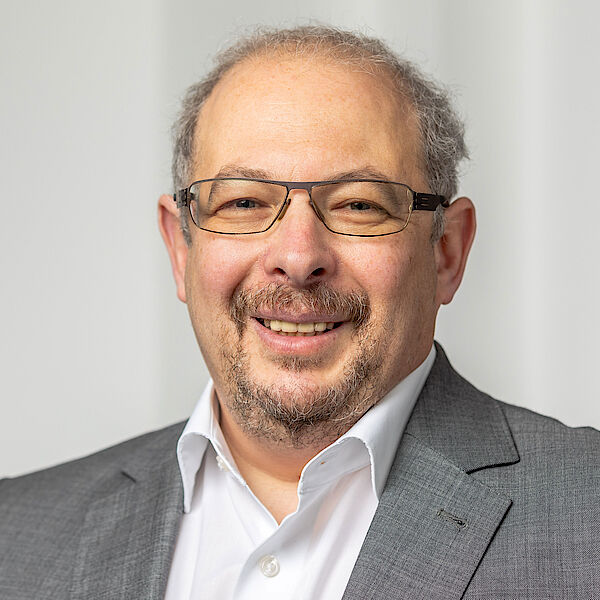
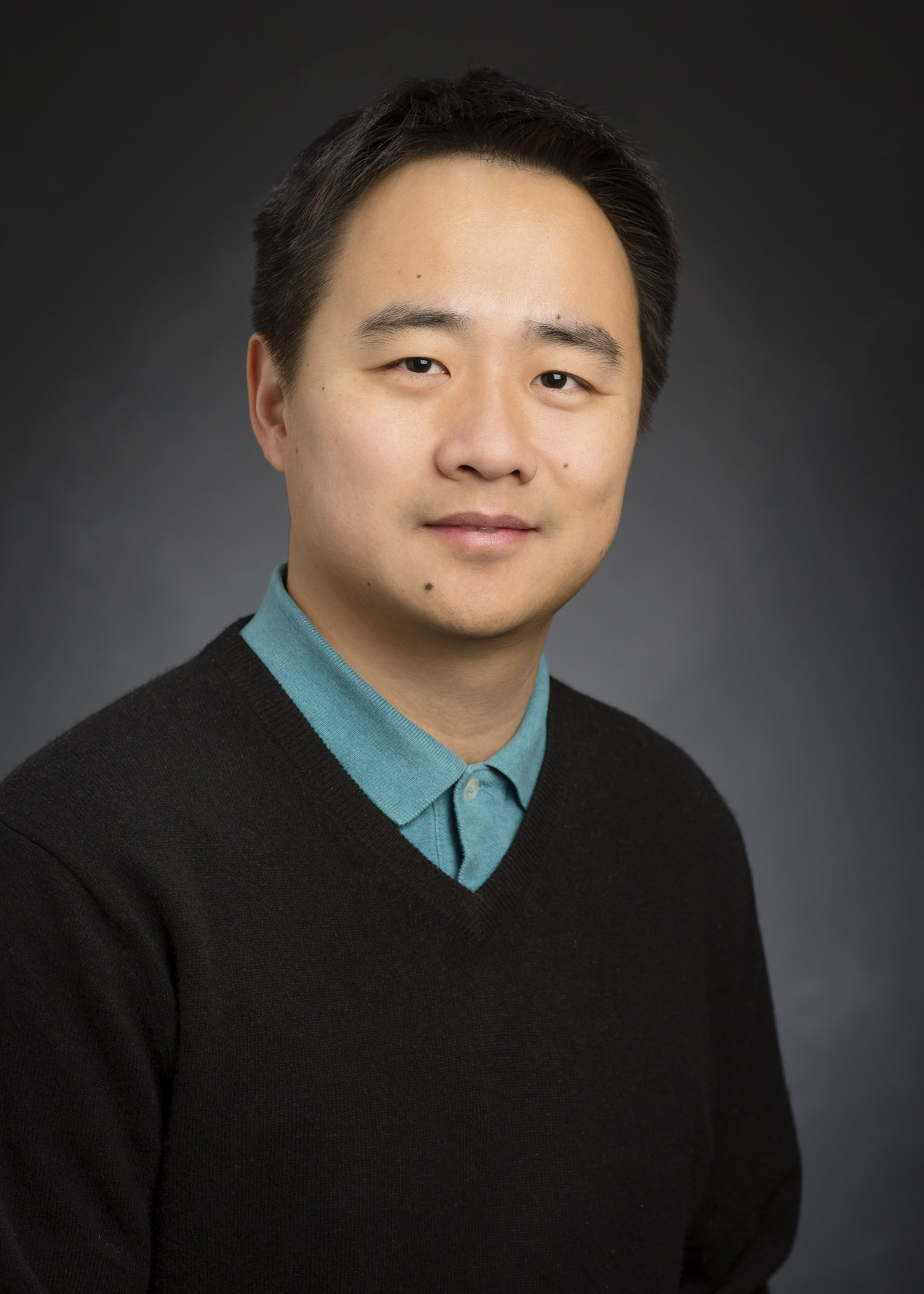
Leonid Goubergrits is a Professor of Cardiovascular Modeling and Simulation at the Einstein Center Digital Future and Charité – Universitätsmedizin Berlin . With a background in applied mathematics and physics from the Moscow Institute of Physics and Technology, he has dedicated his career to applying computational fluid dynamics (CFD) to cardiovascular medicine since immigrating to Germany in 1995. His work bridges fundamental research and clinical applications, aiming to integrate numerical models into everyday medical practice to enhance diagnostics and reduce invasiveness. Doctorate at Technische Universität Berlin (2000) Habilitation at Technische Universität Berlin (2016) His research spans blood flow modeling in coronary vessels, cerebral aneurysms, heart valves, and the aorta, alongside artificial organ development and blood damage modeling . He leads a research group at Charité and the German Heart Center Berlin, focusing on patient-specific simulations and their translation to clinical settings. Recent publications highlight his work on deep learning integration for hemodynamic analysis, 4D Flow MRI validation , and medical device optimization using computational models. His team’s research includes virtual therapy planning for aortic valve replacements, hemolysis modeling , and pulmonary artery pressure sensors . Leonid actively contributes to education, redesigning TU Berlin’s Fluid Mechanics in Medicine curriculum and fostering interdisciplinary collaboration between engineers, physicians, and computer scientists. His vision emphasizes the digital transformation of medicine through computational modeling and simulation.
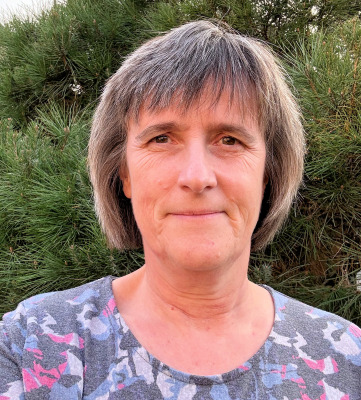
Professor Steffi Krause serves as Professor of Electroanalytical Systems and Director of Academic Standards at Queen Mary University of London's School of Engineering and Materials Science. She leads the Electrochemical Sensors Group and maintains an active research program in electrochemical imaging and sensor development. Her academic career began with a PhD from Humboldt-University of Berlin in 1994, followed by postdoctoral research at Newcastle and Glasgow Universities. She served as Lecturer and EPSRC Advanced Research Fellow at Sheffield University's Chemistry Department from 1997-2004 before joining Queen Mary's Materials Department. Professor Krause's research focuses on photoelectrochemical imaging with high spatiotemporal resolution for functional imaging of living cells. Her group has developed advanced Light-Addressable Potentiometric Sensors (LAPS) and Scanning Photo-induced Impedance Microscopy (SPIM) techniques capable of measuring local changes in surface potential and impedance. Recent work demonstrates applications in cellular imaging, particularly for monitoring cardiomyocyte action potentials, calcium ion detection, and cell surface charge mapping with submicron resolution. Her publication record spans over three decades with recent high-impact work showing a clear trajectory toward increasingly sophisticated biomedical applications. The research demonstrates strong interdisciplinary integration of materials science, electrochemistry, and biomedical engineering principles. Professional distinctions include: Member of the Royal Society of Chemistry (MRSC) Member of the International Society of Electrochemistry Fellow of the Higher Education Academy (FHEA) Professor Krause actively mentors PhD students and has successfully guided numerous doctoral candidates to completion. Her current research is supported by significant funding from EPSRC, EU Horizon 2020, and industry partners including McGowan Sensor Labs Limited. She serves as module organizer for Clinical Sensors and Measurements courses (EMS706P/EMS706U) and delivered her inaugural lecture 'Sensing to seeing: an electrochemical approach' on March 5, 2025. The Electrochemical Sensors Group maintains strong industry and international collaborations, with research directions focused on developing next-generation sensor technologies for biomedical diagnostics and environmental monitoring applications.
Troy McDaniel is an Assistant Professor at Arizona State University's School of Manufacturing Systems and Networks, specializing in haptic interfaces and assistive technologies for people with disabilities. With over 50 peer-reviewed publications and two authored books, his work bridges engineering, computer science, and healthcare to develop innovative rehabilitation solutions. Ph.D. from Arizona State University His research focuses on haptic perception and human augmentation through wearable technologies, with emphasis on assistive devices for motor and cognitive rehabilitation. Key areas include vibrotactile communication systems, social robotics for elderly care, and machine learning applications for activity recognition. His work prioritizes user-centered design for real-world disability challenges. Recent publications (2023-2025) demonstrate strong trends in haptic neuro-spatial rehabilitation, executive function therapy apps, and social robot companionship systems. His research increasingly integrates privacy-preserving AI for smart city health applications while maintaining clinical validity through partnerships with institutions like Mayo Clinic. Multiple Top 5% teaching awards for faculty at the Ira A. Fulton Schools of Engineering Dr. McDaniel advises graduate students in manufacturing systems and robotics through dissertation committees (MFG 799, CSE 799), with recent projects spanning haptic training simulations to PERACTIV activity monitoring systems. His research funding includes significant NSF grants like the IGERT program on person-centered technologies for disabilities and collaborations with Intel Corp on smart stadium applications. He contributes to ASU's Smart Living Research initiative, developing haptic neuro-spatial rehabilitation devices and social robotics frameworks within interdisciplinary teams focused on translating lab innovations to community health solutions.
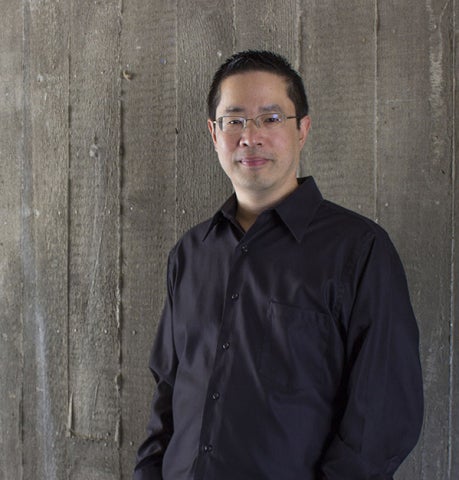
Patrick Lin is a Professor in the Philosophy Department at California Polytechnic State University (Cal Poly), where he serves as Director of the Ethics + Emerging Sciences Group, a non-partisan organization established at Cal Poly in 2007 to focus on the risk, ethical, and social impact of emerging sciences and technologies. He is frequently quoted in national publications on topics including ethics of autonomous vehicles, artificial intelligence, robotics, outer space, Arctic frontiers, military and policing applications, virtual and augmented reality, and smart cities. Lin received his Ph.D. and M.A. from the University of California, Santa Barbara, and his B.A. from the University of California, Berkeley. His academic appointments include Affiliate Scholar at Stanford Law School's Center for Internet and Society, Fulbright Specialist at the University of Iceland's Centre for Arctic Policy Studies (2018), and Visiting Senior Research Fellow at the Centre for Applied Philosophy and Public Ethics in Australia (2010-2016). Lin's research spans technology ethics broadly, with specific expertise in AI ethics, robotics ethics, autonomous vehicle ethics, space ethics, cybersecurity ethics, and military ethics. His work bridges philosophical theory with practical application, examining how emerging technologies challenge traditional ethical frameworks. His research demonstrates consistent themes across different technological domains: examining risk assessment methodologies, developing ethical frameworks for emerging technologies, analyzing social and political implications of technological adoption, and providing practical guidance for developers, policymakers, and users. His publication record shows a progression from early work on nanotechnology ethics to current focus areas including space cybersecurity, AI kitchens, and ethical frameworks for autonomous systems. The articles reflect his interdisciplinary approach, combining insights from philosophy, law, engineering, and policy studies to address complex ethical challenges in emerging technologies. Cal Poly/Academic Senate, Distinguished Scholarship Award (2017) American Philosophical Association's Public Philosophy Op-Ed Award (2015) Cal Poly/College of Liberal Arts, Outstanding Scholarship Award (2009) Lin has secured significant grant funding from organizations including the National Science Foundation, US Department of Defense, and Canadian Institute for Advanced Research for research on military AI risk assessment, AI kitchens and robot cooks, outer space cybersecurity, and autonomous vehicles. He has advised numerous students through his teaching and research activities at Cal Poly, where he teaches courses including Philosophy of Technology, Ethics of Science and Technology, and Introduction to Philosophy. Lin directs the Ethics + Emerging Sciences Group at Cal Poly, which serves as a hub for interdisciplinary research on technology ethics. He also participates in several other research initiatives including his role as Research Director for the Consortium for Emerging Technologies, Military Operations, and National Security (CETMONS) and as a member of the Emerging Technologies of National Security and Intelligence initiative at the University of Notre Dame.
Maria Virvou serves as Professor and Chair of the Department of Informatics at the University of Piraeus, where she also directs the Graduate Program in Informatics and leads the Research Laboratory 'Software Technology'. She holds significant institutional leadership roles including membership in the University Senate and has chaired the Department of Informatics for multiple terms. As Editor-in-Chief of Springer book series 'Learning and Analytics in Intelligent Systems' and 'Artificial Intelligence-Enhanced Software and Systems Engineering', she maintains substantial academic influence across international scholarly platforms. Dr. Virvou earned her PhD in Computer Science and Artificial Intelligence from the University of Sussex with a scholarship from the State Scholarships Foundation, a Master of Science in Computer Science from University College London, and her undergraduate degree from the Department of Mathematics at the National and Kapodistrian University of Athens. Her educational background in both mathematics and computer science has provided a strong foundation for her interdisciplinary research approach. Professor Virvou's research spans Software Technology, Artificial Intelligence, Educational Software and Games, User Modeling, and Human-Computer Interaction. She has pioneered work in personalized interactive software systems, applying fuzzy logic and machine learning techniques to create adaptive educational environments. Her recent work demonstrates a strategic expansion into AI applications for healthcare, with significant contributions to medical diagnostics using large language models and multimodal AI systems. She has also made notable advances in smart tourism applications through personalization techniques. With over 400 publications to her name, Professor Virvou's scholarly output shows a clear progression from foundational work in user modeling toward increasingly sophisticated AI applications across multiple domains. Her publication trends reveal a strategic focus on explainable AI, multimodal systems, and practical implementations that bridge theoretical advances with real-world applications, particularly in healthcare and education sectors. Ranked #1 worldwide in 'User Modelling' publications (147,450 total publications) according to Scopus Ranked #1 worldwide in 'Educational Software' publications according to both Scopus and Microsoft Academic Search Recognized among the top 2% of most influential Artificial Intelligence scientists worldwide by Stanford University General Co-Chair at the 14th IISA Conference 2023 Invited Keynote Speaker at the 35th IEEE International Conference on Software Engineering Education and Training (CSEE&T 2023) As Director of the Research Laboratory 'Software Technology', Professor Virvou has built a robust research team focused on AI applications across multiple domains. She co-founded and co-chairs the IEEE Intelligent Information Systems and Applications international conference series, creating a significant platform for scholarly exchange. Her leadership extends to editorial roles with major academic publishers and active participation in international research collaborations that have secured substantial funding for innovative projects in AI and software engineering.
Tina Basak, MD, serves as a Clinical Assistant Professor in the Department of Radiology & Imaging Sciences with board certification from the American Board of Radiology in Diagnostic Radiology. Her clinical and academic work focuses on advanced imaging applications in orthopedic surgery, particularly musculoskeletal disorders requiring precise diagnostic interpretation. Her educational background includes: M.D. from Keck School of Medicine of University of Southern California Residency in Diagnostic Radiology at Loma Linda University Medical Center Fellowship in Musculoskeletal Radiology at Cedars-Sinai Medical Center Internship in Transitional Year at Harbor-UCLA Medical Center B.A. in Biology & Social Science - Economics from University of Southern California Dr. Basak specializes in Musculoskeletal Radiology with deep expertise in foot and ankle imaging, where she integrates emerging technologies like 3D printing to enhance surgical planning and outcome analysis. Her research bridges radiological diagnostics with orthopedic biomechanics, emphasizing practical applications for complex anatomical corrections. This interdisciplinary approach demonstrates her commitment to translating imaging innovations into tangible clinical improvements for musculoskeletal pathologies. Her publication record reveals a focused trajectory in orthopedic radiology with emphasis on quantitative surgical assessment. The 2018 study on calcaneal osteotomies exemplifies her methodology of using 3D-printed models to objectively compare surgical techniques, highlighting a consistent interest in evidence-based validation of orthopedic procedures. This work reflects broader trends toward personalized surgical planning and technology-driven efficacy measurement in musculoskeletal interventions. Information regarding Dr. Basak's mentorship of students, research grant acquisitions, and laboratory affiliations is not documented in the available materials, though her academic position suggests involvement in clinical education and departmental research initiatives within radiology.
Lou J. Soslowsky is the Fairhill Professor at the University of Pennsylvania, serving as Director of Orthopaedic Research, Director of Basic Science Research for the Shoulder and Elbow Service, and Vice Chair for Research in the Department of Orthopaedic Surgery at the Perelman School of Medicine. He was reappointed to the Vice Chair position in 2024, demonstrating his continued leadership role. Dr. Soslowsky is also the Founding Director of the Penn Center for Musculoskeletal Disorders (designated as a Type 1 center in 2008) and an Associate Dean for Research Integration at the Perelman School of Medicine. Dr. Soslowsky earned his B.S. (1986), M.S. (1987), M.Phil (1989), and Ph.D. (1991) in Engineering Mechanics from Columbia University, with doctoral research mentored by Van C. Mow. He later obtained a certificate in Academic Medicine Leadership from the Wharton School of the University of Pennsylvania in 2008. Dr. Soslowsky's research focuses on the biomechanics of tendons and ligaments, particularly in the shoulder and elbow. His laboratory investigates the structural, functional, and molecular properties of musculoskeletal tissues, examining how these tissues respond to injury, healing, and aging. Current projects examine collagen organization (particularly Collagen V and XI), the role of decorin and biglycan in tendon healing, exercise effects on tendon adaptation, and advanced imaging techniques for monitoring tissue changes. His work integrates engineering principles with biological approaches to understand tissue mechanics and develop therapeutic strategies for musculoskeletal disorders. His recent publications (2024-2025) demonstrate a strong focus on tendon biology and biomechanics, with particular attention to molecular regulation of tendon healing, collagen organization, and the effects of aging and mechanical loading. His research spans from basic molecular mechanisms to translational applications, often utilizing murine models to investigate tendon development, injury, and repair processes. The interdisciplinary nature of his work bridges engineering, biology, and clinical orthopaedics. Founding Director, Penn Center for Musculoskeletal Disorders (Type 1 center designation, 2008) Fellow, Institute of Aging, University of Pennsylvania Executive Committee, Department of Bioengineering, University of Pennsylvania As Director of the McKay Orthopaedic Research Laboratory, Dr. Soslowsky oversees an active research program with publications spanning from 1987 to 2025 (274 PubMed-listed publications). His laboratory serves as a hub for interdisciplinary research in orthopaedic biomechanics and tissue engineering, bringing together engineers, biologists, and clinicians to address fundamental questions in musculoskeletal science. His work has significant translational implications for understanding and treating tendon injuries, which are common clinical problems affecting millions of people.
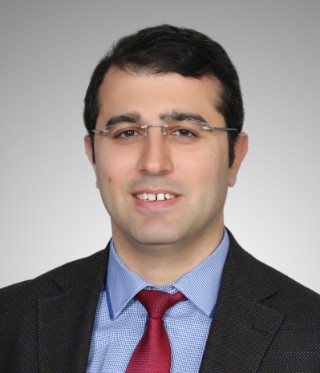
Hüsnü Dal is a Professor at Middle East Technical University (METU) in Ankara, Turkey, specializing in computational mechanics of materials. His research bridges engineering and biomedical applications through advanced computational modeling techniques. Education: Bachelor's Degree, Middle East Technical University, 2001 Master's Degree, University of Stuttgart, 2005 PhD, Dresden University of Technology, 2011 Research Focus: Prof. Dal's work centers on computational micromechanics, multiscale and multifield problems, and materials theory. He investigates fracture in multiphysics media with applications in lithium-ion batteries and tissue mechanics, developing novel constitutive models for complex material behaviors under extreme conditions. His research integrates thermomechanical coupling, viscoplasticity, and data-driven approaches to solve engineering challenges in both synthetic polymers and biological systems. Publication Trends: Recent publications (2023-2025) reveal a dominant focus on data-driven constitutive modeling and phase-field fracture methods. His work spans rubber mechanics, polymeric foams, biological tissues, and battery materials, characterized by strong interdisciplinary connections between materials science, biomechanics, and computational engineering. Key themes include anisotropic hyperelasticity, thermo-viscoplastic fracture, and spatial property variations in additively manufactured materials.
Dr. Amir K. Miri is an Assistant Professor in the Department of Biomedical Engineering at New Jersey Institute of Technology (NJIT) and Director of the Advanced Biofabrication Lab. His work focuses on additive manufacturing for biomedical applications, particularly bioprinting technologies for tissue regeneration and disease modeling. After receiving his PhD in Mechanical Engineering from McGill University (2013) and completing postdoctoral training at the MIT-Harvard Division of Health Sciences and Technology, he began his academic career at Rowan University before joining NJIT. PhD, Mechanical Engineering, McGill University (2013) MSc, Mechanical Engineering, Sharif University of Technology (2007) BSc, Mechanical Engineering, Iran University of Science and Technology (2005) Dr. Miri's research spans advanced bioprinting platforms, including multi-axial extrusion, handheld printers, and digital light projection systems. His work emphasizes the development of biomimetic models for cancer, vocal fold tissue, and vascular systems, with a particular focus on microfluidic integration and material optimization for bioprinting. He has pioneered low-cost prototyping solutions for resource-limited settings and explored the role of extracellular matrix mechanics in cellular behavior. Key trends in his publications include 3D bioprinting for tumor modeling, microfluidic device applications in drug screening, and the use of hydrogels like GelMA in cancer research. His group has also advanced acoustic metasurface technology for biomedical wave manipulation and investigated the interplay between biomaterial rheology and bioprinting resolution. Dr. Miri leads a research team at NJIT focused on biofabrication and microfluidics, though specific student advisees are not listed in the provided information. His lab emphasizes interdisciplinary collaboration, particularly in the development of multi-material and multi-scale tissue constructs.
Melanie Baljko is an Associate Professor in the Department of Electrical Engineering and Computer Science at York University's Lassonde School of Engineering. She directs the Practices in Enabling Technologies (PiET) Lab and participates in graduate programs in Science & Technology Studies, Critical Disability Studies, Digital Media, and Interdisciplinary Studies. Research Focus: Human-centered computing, participatory design, maker methods, assistive technology, augmentative communication, and computer-supported speech therapy Teaching: Graduate courses in critical technical practice and human-computer interaction; undergraduate courses in user interfaces, human-computer interaction, and computer science projects Publications highlight her work in accessible technology for Parkinson's patients, DIY assistive technologies in Kenya, and participatory design frameworks. She collaborates with the University Health Network – Toronto Rehabilitation Institute as an Affiliate Scientist. Key Themes: Accessibility, equity in technical design, and empowering marginalized communities through technology. Recent work examines transit app accessibility, disability inclusion in clinical education, and mixed reality teaching tools.
Nick Cheney is an Associate Professor in the Department of Computer Science at the University of Vermont, leading the UVM Neurobotics Lab. He also serves as Graduate Program Director and is affiliated with the Vermont Complex Systems Center, an interdisciplinary hub for data-rich complex systems research. PhD in Computational Biology and Biological Statistics from Cornell University Advised by Hod Lipson and Steve Strogatz His research focuses on bio-inspired machine learning algorithms, particularly in evolutionary computation, deep learning, and reinforcement learning. Key applications span robotics, healthcare diagnostics, and environmental science. The lab's interdisciplinary work has been recognized with prestigious awards including the NSF CAREER Award and SIGEVO Impact Award . Recent publications highlight advancements in morphological computation, continual learning, and cross-domain applications of machine learning. His team develops algorithms for soft robots, medical diagnostics using wearable sensors, and sustainable agriculture systems, often publishing in venues like the Nature Scientific Reports , GECCO , and Soft Robotics . Scientific Awards : NSF CAREER Award SIGEVO Impact Award The lab actively mentors graduate students in Complex Systems and Data Science, with alumni securing positions at institutions like Harvard, UC Berkeley, and Medidata. Collaborative grants with biomedical and environmental researchers demonstrate the lab's commitment to societal impact through machine learning applications.
Edwin H.F. van Asseldonk is an Associate Professor at the TechMed Centre , University of Twente. His work bridges Biomechatronics and Rehabilitation Technology , focusing on integrating robotics and artificial intelligence to enhance mobility and autonomy in neurological patients. Key Research Areas: Exoskeleton development, motion control algorithms, gait analysis, neuromuscular modeling, and AI applications in rehabilitation. Recent Article Trends: Research emphasizes AI-driven exoskeletons for gait stability, biofeedback systems, and open data initiatives in biomechanics. Scientific Awards Best Paper Award at BioRob 2024 Best Poster at Dutch Biomedical Engineering Conference (2017) Best Student Paper Finalist (2018) Labs & Collaborations: Active in the TechMed Centre and 4TU.ResearchData, with international collaborations in Spain and beyond. Regular invited speaker on exoskeletons and rehabilitation robotics.
Jian Peng is an Associate Professor and Willett Faculty Fellow at the University of Illinois at Urbana-Champaign with primary appointment in the Department of Computer Science and courtesy appointments in the College of Medicine. He holds affiliate positions at the Institute of Genomic Biology, Cancer Center at Illinois, and National Center for Supercomputing Applications. His research integrates computational biology and machine learning, focusing on functional genomics, cancer genomics, neurodegenerative diseases, deep learning architectures, and reinforcement learning applications in biological domains. His work bridges algorithmic development with real-world biomedical challenges. Analysis of recent publications (2020-2021) reveals strong emphasis on machine learning applications in drug design, protein engineering, and computational biology. Key technical themes include generative modeling for molecular structures, reinforcement learning advancements, causal inference frameworks, and novel computer vision approaches. The work demonstrates consistent interdisciplinary innovation across computational and biological domains. Major Scientific Awards: Donald Biggar Willett Faculty Fellow (2020) Overton Prize - ISCB (2020) Dean's Award for Excellence in Research (2020) C.W. Gear Junior Faculty Award (2019) NSF CAREER Award (2017-2022) Sloan Research Fellowship (2016) He leads significant research initiatives including co-directing the NSF AI Institute's Molecular Maker Lab and an ASAP collaborative grant for Parkinson's disease research. His students have secured faculty positions at leading institutions including Georgia Tech and University of Washington.
Paul Major is Professor and Chair of the School of Dentistry, Senior Associate Dean (Dental Affairs), and ACFD Project Lead at the University of Alberta's Faculty of Medicine & Dentistry. He leads the Orthodontic Biomechanics Research Group and co-founded the Inter-disciplinary Airway Research Clinic (I-ARC), driving innovation across dental academia and clinical practice. His educational background includes a Doctorate of Dental Surgery (DDS) from the University of Alberta (1980) followed by MSc and Orthodontic Specialty training at the same institution (1988). He joined the academic staff in 1989 and served as Director of the TMD/Orofacial Pain Program (1991-2001) and Orthodontic Graduate Program (2001-2010). Dr. Major's research centers on Orthodontic Biomechanics , 3D Craniofacial Imaging , and Ultrasound Imaging . His Orthodontic Biomechanics Research Group developed the OSIM system for 3D force measurement on dental appliances, while his imaging work pioneers reconstruction of craniofacial structures and periodontal ultrasound diagnostics. Through the I-ARC, he leads interdisciplinary studies on pediatric sleep-disordered breathing, examining craniofacial morphology and orthodontic interventions. Analysis of his 190+ publications reveals consistent innovation in biomechanical analysis of orthodontic appliances, machine learning for dental image processing, and hydrogel development for intraoral imaging. Recent work bridges dentistry with engineering through projects on dental aerosols, clear aligner mechanics, and airway measurement software. Dr. Major has supervised over 75 graduate students while maintaining clinical teaching duties despite administrative leadership roles. His research is supported by grants enabling the OSIM system development and interdisciplinary I-ARC projects. He directs the Orthodontic Biomechanics Research Group's experimental biomechanics work and the I-ARC's clinical research team, which integrates pediatric ENT, pulmonology, radiology, and biomedical engineering specialists to advance treatment of pediatric sleep apnea through craniofacial analysis and innovative imaging techniques.
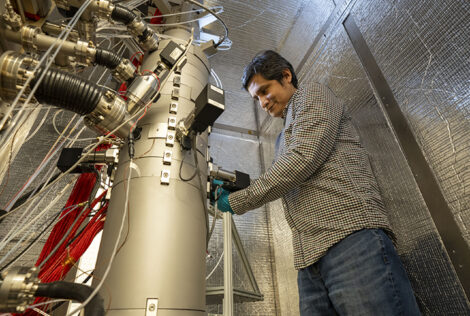
Dr. Maureen Joel Lagos is an Associate Professor in the Department of Materials Science and Engineering at McMaster University. He holds the Canada Research Chair (Tier 2) in Imaging and Spectroscopy of Advanced Nanomaterials using Electron Microscopy and serves as Associate Scientific Director of the Canadian Centre for Electron Microscopy (CCEM). His research focuses on advanced material characterization using electron microscopy techniques, particularly electron energy-loss spectroscopy (EELS) and in-situ transmission electron microscopy (TEM), to study phonons, plasmons, and excitons in nanomaterials for applications in infrared photonics, quantum materials, and energy systems. Dr. Lagos' academic background includes a Ph.D. from The State University of Campinas, followed by postdoctoral research at the University of Antwerp and Rutgers University. He has received notable awards such as the Microscopy Society of Canada Early Career Investigator Award (2022) and NSERC Early Career Research Award (2019). His work emphasizes interdisciplinary approaches, combining nanotechnology with photonics engineering, smart materials, and micro-nano systems. His research group develops novel methodologies for nanoscale material characterization, including nanothermal analysis and real-time TEM studies. Key projects involve designing ultra-quiet environments for advanced electron microscopes and investigating nanoscale heat transfer mechanisms. Dr. Lagos teaches graduate courses MATLS 4G03 (Characterization of Nanomaterials) and MATLS 6FF3 (Synthesis and Applications of Nanomaterials), emphasizing practical applications in energy storage, environmental impact, and biomedical engineering. Recent publications highlight breakthroughs in coupled plasmon-phonon modes, nanoscale temperature measurements, and vibrational spectroscopy techniques. His lab (ABB 429) collaborates widely, contributing to national initiatives like the Canada Foundation for Innovation-funded projects. Dr. Lagos is actively recruiting undergraduate and graduate students for research in nanomaterials and microscopy-driven material science.