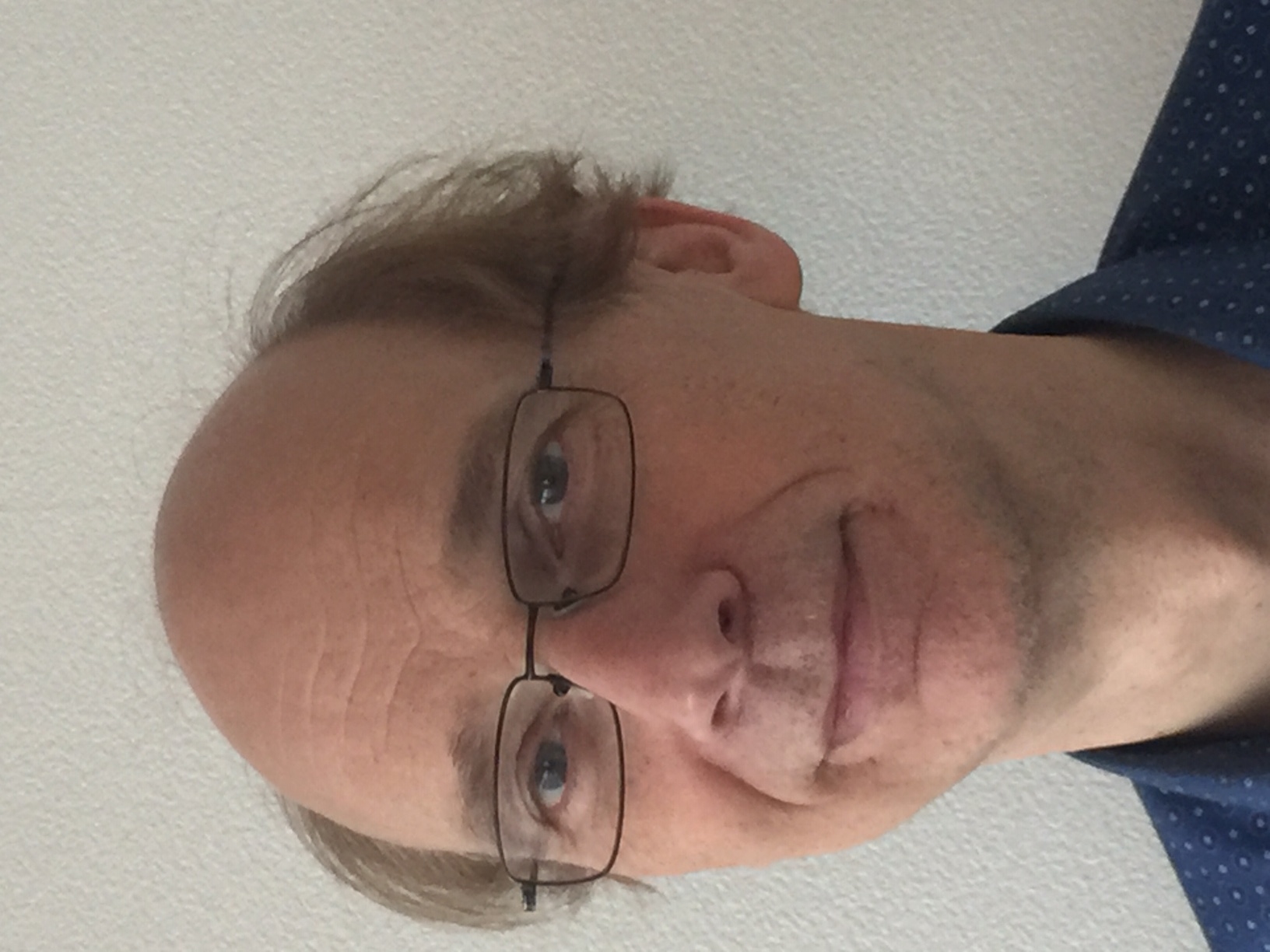
Paul Boersma is a Professor of Phonetic Sciences at the University of Amsterdam within the Faculty of Humanities. His research explores how phonetic, phonological, and morphological phenomena emerge through computational modeling using artificial neural networks and Optimality Theory, with a focus on multi-level constraint interactions and distributional learning. University of Amsterdam Faculty of Humanities Phonetic Sciences Key research areas include: Computational Modeling : Simulations of phonological category emergence from phonetic data Optimality Theory : Gradual Learning Algorithm applications BiPhon Framework : Parallel bidirectional phonology/phonetics models Statistical Learning : Cross-situational and distributional learning mechanisms Recent publications emphasize: 2025: Inclusive speech recognition systems using Whisper model 2025: F0 ratio analysis for creaky voice diagnostics 2024: Prosodic clitics in child speech and checked tones in Shanghai Chinese 2023: Distributional learning in developmental language disorder contexts 2022: Substance-free phonological features and ghost segment phenomena He has also contributed extensively to the Praat software for phonetic analysis, with continuous updates since 1993.
Anna Abrahams is a Senior Programmer Artist Film and Artistic XR at Eye Filmmuseum in Amsterdam and teaches Moving Image at the Royal Academy of Art, The Hague, within the Photography department. She has been active in experimental film since 1989 as a co-founder of Rongwrong, an independent production foundation. Education: Studied film theory at the University of Amsterdam. Her research and practice focus on experimental film, virtual reality (XR), and moving image art. She bridges traditional film techniques (35mm, 16mm) with digital innovations, emphasizing immersive storytelling and artistic exploration of landscapes, urban spaces, and sociocultural themes. The films she has directed or co-directed, spanning 1995–2022, explore topics like psychogeography, counterculture, and digital experimentation. Her 2022 VR work Angels of Amsterdam highlights her engagement with extended reality technologies. As a co-author, she contributed to publications including Warhol Films , mm2. Experimental Film in the Netherlands , and film³ [kyü-bik film] , documenting avant-garde film practices and theoretical frameworks.
Thijs Weststeijn is a Professor of Art History at Utrecht University's Department of History and Art History (Humanities). He specializes in early modern European art, particularly Dutch Golden Age art and global cultural exchanges. His research focuses on cross-cultural interactions between Europe, China, and Asia, with notable projects like the 'Histories of Global Netherlandish Art, 1550-1750.' Weststeijn holds a PhD from Amsterdam University Press (2008) and has held fellowships at institutions like the Getty Research Institute and the Max Planck Institute. He is a founding editor of History of Humanities and contributed to exhibitions such as Barbaren en Wijsgeren . His recent media engagements include discussions on climate change impacts on cultural heritage (2023) and re-evaluations of Rembrandt's global influences. Key publications include Art and Antiquity in the Netherlands and Britain (2015) and Foreign Devils and Philosophers (2020).
Andrea Prosperetti is a Full Professor at the University of Twente's Physics of Fluids department within the MESA+ Institute. His research focuses on multiphase flow dynamics, bubble behavior, and fluid mechanics, contributing to Sustainable Development Goals through advanced fluid dynamics studies. He has published extensively with over 224 research outputs and 70 h-index. Key research areas include fluid instabilities, interfacial phenomena, and numerical simulations of complex flows. Recent work explores particle-resolved convection, Taylor bubble dynamics, and hydraulic jumps on conical surfaces. His collaborations span international institutions, emphasizing computational modeling and experimental validation. Prosperetti has delivered numerous presentations on particulate flow simulations and fluid dynamics, and has held editorial and committee roles in organizations like the Institute for Cavitation Research and Deutsche Forschungsgemeinschaft (DFG).
Geke Dina Simone Ludden serves as Full Professor of Interaction Design at the University of Twente's TechMed Centre within the Faculty of Electrical Engineering, Mathematics and Computer Science. Her interdisciplinary work bridges human-computer interaction, health technology, and behavioral design. Her research focuses on behavior change through digital interventions , particularly in health contexts. Key areas include cognitive health for aging populations , wearable stress management technologies , and human-building-technology interactions in healthcare environments. She employs co-design methodologies and user-centered approaches to develop tools supporting wellbeing and aging-in-place solutions. Recent publications reveal strong trends in applied health informatics (62% of 2023-2025 output), with significant emphasis on Dutch aging populations and cross-cultural healthcare comparisons . Her work consistently integrates mediation theory and socio-technical frameworks to analyze technology adoption barriers. Ludden actively supervises academic work, having examined 6 doctoral theses since 2020 on topics ranging from hand rehabilitation devices to biodiversity UX implementations. She directs the TechMed Centre's research initiatives focused on translating interaction design principles into clinical applications, particularly through the MattPod sensory dining project and cognitive health toolkits.
Prof. Wouter Roos is a Professor at the University of Groningen's Faculty of Science and Engineering, affiliated with the Molecular Biophysics department at the Zernike Institute for Advanced Materials. His research focuses on viral dynamics, membrane assemblies, and protein mechanics, utilizing advanced techniques like High Speed Atomic Force Microscopy (HS-AFM) and optical tweezers. Education: Studied Physics at the Universiteit van Amsterdam, earned a PhD from the Universität Heidelberg under Joachim Spatz. Conducted postdoctoral research at Max-Planck-Institut, Institut Curie, and Vrije Universiteit before joining Groningen in 2015. Research Interests: Physical Virology (viral material properties and dynamics), membrane biophysics (synthetic cells and lipid interactions), and molecular motor systems. His work bridges physics, chemistry, and biology to understand nanoscale biological processes. Recent Article Trends: Studies on hybrid membranes for synthetic cells, leukemic cell mechanics, and antibiotic-membrane interactions highlight his interdisciplinary approach. Key techniques include HS-AFM and single-particle tracking. Awards: Received a VIDI grant and multiple national/international grants. His lab leads the oLife Co-Fund consortium and participates in the MOSBRI research infrastructure. Grants & Leadership: Coordinates the oLife Fellowship Programme and chairs the Molecular Biophysics Lab. Active in steering committees for EU-funded initiatives. Labs/Teams: Heads the Molecular Biophysics Lab, focusing on viral dynamics and membrane systems. Collaborates globally on projects like ESCRT-III polymerization and antibiotic mechanisms.
Lesley G.A. de Putter-Smits is an Assistant Professor and teacher educator at the Eindhoven School of Education (ESoE), affiliated with Eindhoven University of Technology . Her work focuses on STEM education , teacher education , and continuing teacher professional development with an emphasis on student-centred learning environments and social scientific issues. Education : MSc in Chemistry (Utrecht University, 2000), PDEng in Process and Product Design (TU/e, 2003) Roles : Physics teacher (2003-2012), Chemistry teacher educator (2012-present), Assistant Professor (2014-present), Manager ESA (2019-2022) Her research explores engaging science learning environments , leveraging generative AI , virtual reality , and inquiry-based learning . Recent publications analyze PhET simulations , student-generated drawings , and interdisciplinary science projects . She has contributed to chemistry courses for Radboud University Nijmegen and is active in editorial work for European Journal of STEM Education . Scientific Awards : 3e Prijs 'Beste artikel VELON tijdschrift' (2019)
Dr. Rong-Hao Liang is an Assistant Professor at Eindhoven University of Technology (TU/e), affiliated with both the Future Everyday Group (Department of Industrial Design) and the Signal Processing Systems Group (Department of Electrical Engineering). His research bridges intelligent sensing systems and user interface technology for ubiquitous computing and embodied human-computer interaction . He co-organized international ACM conferences (CHI, UIST, DIS) and has over 70 peer-reviewed publications and 10 patents. PhD in Computer Science (2014) and MSc in Electrical Engineering (2010) from National Taiwan University Founded GaussToys Inc. in 2015, focusing on magnetic-field sensors Cross-appointed to Electrical Engineering in 2021 His research explores intelligent sensing systems , tangible user interfaces , and physiological sensors for real-world challenges. Key trends in his work include ubiquitous health monitoring (e.g., preterm infants), wearable technology , and innovative interaction design . Articles like GaussBits and NFCStack demonstrate his focus on magnetic and RFID-based tangible systems . Scientific awards include the ACM CHI 2013 Best Paper Award , 2014 Honorable Mentions , and the ACM SIGGRAPH Asia 2012 Emerging Technologies Prize . He mentors passion-driven projects in user interface design and embedded systems , emphasizing technical rigor and creativity. His STRAP project (2020–2025) addresses heart disease prevention via big data and AI . Labs and teams include the Future Everyday Group and Signal Processing Systems Group , with collaborations across healthcare , education , and technology startups . His work aligns with UN Sustainable Development Goals , particularly good health and well-being .
Florian Muijres is an Associate Professor and Chairholder at the Experimental Zoology Group, Wageningen University & Research, where he leads the Animal Flight Lab. His research focuses on the biomechanics, aerodynamics, and flight control of natural flyers such as insects, birds, and bats, with applications in bio-inspired robotics and ecological solutions like mosquito traps and flapping-wing drones. He holds a PhD from Lund University (Sweden) and conducted postdoctoral research at the Dickinson Lab, University of Washington (USA). Research Interests: Merging experimental and computational methods, his work explores primary research on flight mechanics (e.g., mosquito evasion, butterfly gliding) and applied studies (e.g., drone design, pollinator behavior in greenhouses). His lab uses advanced videography and robotic models to study flight dynamics under real-world conditions. Labs & Teams: The Animal Flight Lab collaborates with biologists, physicists, and engineers to investigate flight adaptations in mosquitoes, bumblebees, and pied flycatchers. Projects include developing high-efficiency traps and analyzing flight performance in complex environments.
Rob van Beers is an Assistant Professor at the Faculty of Behavioural and Movement Sciences at Vrije Universiteit Amsterdam, with affiliations to Neurocontrol, IBBA, and AMS - Sports. His research focuses on human motor control, spatial perception, and computational modeling using Bayesian approaches to understand sensory-motor integration under uncertainty. He holds ancillary roles as a Researcher at Radboud University (Nijmegen) since 2015 and serves on the Editorial Board of the Journal of Neurophysiology since 2015. His work contributes to UN Sustainable Development Goals related to health and well-being. Key research interests include motor learning dynamics, sensorimotor adaptation, and the neural basis of spatial orientation. Recent studies explore Alzheimer’s impacts on motor adaptation and Bayesian inference in vestibular path integration. Teaching responsibilities include courses on linear systems dynamics, physical measurement techniques, and motor systems regulation. His work spans 42 peer-reviewed articles, with datasets published on platforms like Dryad and Zenodo.
Prof. Gabrielle van den Berg is a Professor of Cultural History of Iran and Central Asia at Leiden University's Institute for Area Studies (LIAS). She leads the NWO VICI-funded project analyzing imperial ideology in Central Eurasia through texts and territories. Her expertise spans Persian literature, Central Asian history, and the intersection of culture and power in pre-modern contexts. Affiliations: Member of NISIS (Netherlands Interuniversity School for Islamic Studies) and LUCIS (Leiden University Centre for the Study of Islam and Society) Her research focuses on classical Persian literature's role in historical narratives, particularly the Shahnama epic's portrayal of cross-cultural interactions. Recent work includes analysis of Sino-Iranian dynamics through literary and artistic sources. Publications emphasize interdisciplinary approaches, combining textual analysis with historical and cultural geography. Her VICI grant (2016) has supported collaborative projects on Turkic and Persian cultural production. Awards: NWO VICI Grant (2016) Advises PhD candidates researching topics such as Central Asian identity, Persian literary heritage, and Silk Road cultural exchange. Active in curating exhibitions highlighting lesser-known Silk Road regions.
Professor David Abbink is a Full Professor of Haptic Human-Robot Interaction at Delft University of Technology, holding a joint appointment between the Department of Cognitive Robotics in the Faculty of Mechanical Engineering and Industrial Design Engineering since November 2023. He founded the Delft Haptics Lab and co-founded the Cognitive Robotics Department in 2017. Abbink leads the transdisciplinary research and innovation centre FRAIM, which was awarded the prestigious NWO Stevin Premie (Dutch Nobel Prize equivalent) in June 2024. Trained as a mechanical engineer specializing in biomechanics, Abbink's research focuses on human behavior adaptations when interacting with autonomous systems. He has published over a hundred scientific articles on human-robot interaction, haptics, shared control, tele-operation, driver assistance systems, and sensorimotor control. His research has been funded by industry partners (Nissan, Boeing, Renault), RVO (Brightsky project 2022-2026), and the Dutch Science Foundation NWO through personal grants (VENI 2010-2014, VIDI 2015-2019). Abbink's recent work centers on worker-robot relations as an academic focus, collaborating with organizations like Erasmus Medical Centre for nursing work, Schiphol and KLM for baggage handling, and KLM Engine Repair Services for maintenance work. He also serves as scientific director for the Centre for Meaningful Human Control, launched in October 2024. His work bridges engineering, social sciences, and practical applications to responsibly shape the future of work with emerging robotic capabilities. NWO Stevin Premie (2024) Best IEEE SMC journal paper on Cybernetics (2019) Top 25 scientific talents according to New Scientist (2015) Best teacher of Faculty 3mE (2013, 2014) Best teacher of Department of BioMechanical Engineering (seven consecutive years) Abbink has supervised over 110 MSc students and 11 PhD students. His educational contributions include developing the Master Programme in Robotics at TU Delft and receiving international recognition for his course 'The Human Controller.' He is also a prominent science communicator, featured on national television, radio, and major Dutch newspapers, and has delivered lectures at venues like The Royal Institution and Lowlands Festival. Despite his academic commitments, Abbink maintains a drummer persona, having recorded four albums and performed over 400 shows across three continents between 1999-2014.
Sible Andringa is Professor of Second Language Pedagogy at the University of Amsterdam's Faculty of Humanities, officially inaugurated on June 16, 2023. Dr. Andringa serves as Academic Director of the Institute for Dutch Language Education (INTT), Coordinator of the Language Learning, Literacy and Multilingualism research group, and Coordinator of the Master's program in Dutch as a Second Language and Multilingualism. Dr. Andringa's research focuses on second language acquisition and bilingualism, specifically investigating the added value of explicit instruction, how input distribution affects language learning outcomes, and the role of awareness in language learning trajectories. Key ongoing projects include the Meta-LLL project examining how literacy shapes language learning, the SLA4All initiative for reproducing SLA research with non-academic samples, and the OASIS project creating accessible research summaries for practitioners. Previously, Dr. Andringa led Project MIND studying bilingual daycare effects and contributed to the Stilis project on listening proficiency. As General Editor of the Dutch Journal of Applied Linguistics (DuJAL), Dr. Andringa promotes open science principles in language research. Recent publications demonstrate a focus on addressing sampling biases in SLA research, open access publishing ethics, and practical applications of language acquisition research for educational settings. Academic Director, Institute for Dutch Language Education (INTT) Coordinator, Language Learning, Literacy and Multilingualism research group Coordinator, Master's program Dutch as a Second Language and Multilingualism General Editor, Dutch Journal of Applied Linguistics (DuJAL) Member, Mastery Team for Modern Foreign Languages Member, OASIS project team Member, IRIS database advisory group Dr. Andringa supervises PhD candidates including Kyra Hanekamp and Darlene Keydeniers, particularly in research related to bilingual daycare environments and language development. The research program has received funding from the Dutch ministry of Social Affairs for Project MIND and continues to secure support for ongoing projects examining language learning mechanisms. Dr. Andringa leads the Language Learning, Literacy, and Multilingualism research group which investigates language and literacy acquisition across the lifespan, with emphasis on how language skills are learned, maintained, and used in educational contexts. The group meets weekly to discuss projects, plans, funding opportunities, and research topics while promoting collaboration, methodological innovation, and open science principles.
Dina Danish (b. 1981, Paris) is an Egyptian-Danish artist and educator working at the intersection of language, historical reinterpretation, and conceptual practice. She holds a Lecturer position at the Fine Arts department of KABK in The Hague and serves as a teaching mentor at the Rietveld Academy, Amsterdam . Guest teaching roles include the Sandberg Institute and American University in Cairo . Education : BA from American University in Cairo; MFA from California College of the Arts (San Francisco) Residencies : Rijksakademie Amsterdam, Spinola Banna Italy, PiST/// Istanbul, A.i.R. Dubai, Affiliated Fellow at American Academy in Rome Her research explores humor, mistranslation, and overlooked historical moments , often through video art, performance, and text-based installations . Key themes include linguistic structures, cultural memory, and Dadaist methodologies . Recent projects examine ancient motifs in contemporary art (e.g., Jean-Baptiste Maitre) and political commentary through playful abstraction . Notable exhibitions at SFMOMA, Stedelijk Museum Schiedam, and Kunsthall Oslo highlight her focus on translation errors, sound poetry, and archival interventions . Volkskrant Award finalist Abraaj Art Prize nominee Illy Present Future Prize recipient Celeste Award nominee Barclay Simpson Award nominee Dina collaborates with institutions like Hotel Maria Kapel and De Nederlandsche Bank , and co-curated a Rijksakademie anniversary exhibition. Her work is represented by galleries in Amsterdam, Milan, and Zurich.
Himanshu Verma is an Assistant Professor at the Knowledge and Intelligence Design Group within the Faculty of Industrial Design Engineering at Delft University of Technology. His research focuses on Human-AI Collaboration, Cognitive Empathy, and designing AI systems attuned to human needs. Prior to TU Delft, he held postdoctoral roles at the University of Fribourg, EPFL, and HES-SO Valais-Wallis, Switzerland. Education: PhD in Computer Science (EPFL, Switzerland), focusing on collaborative group interactions and shared environments. Postdoctoral research in Human-Computer Interaction and Ubiquitous Computing. Research Interests: Empathy-Centric Design for inclusive technologies. Social Signal Processing in human-AI interactions. Health, well-being, and accessibility in AI systems. Key Projects: Co-leads the PERISCOPE (H2020) research project. Designs tools like EmpathiCH and COCTEAU for empathy-driven decision-making. Teaching: Design Analytics (2023–2024). Empirical Design Research (2024). Labs & Teams: Active in the Knowledge and Intelligence Design Group, focusing on AI ethics, hybrid workspaces, and empathetic systems.