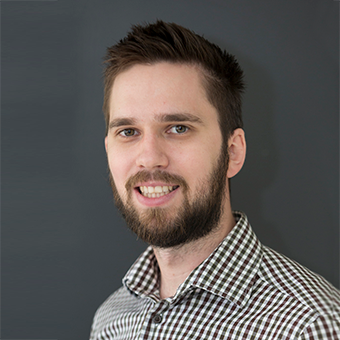
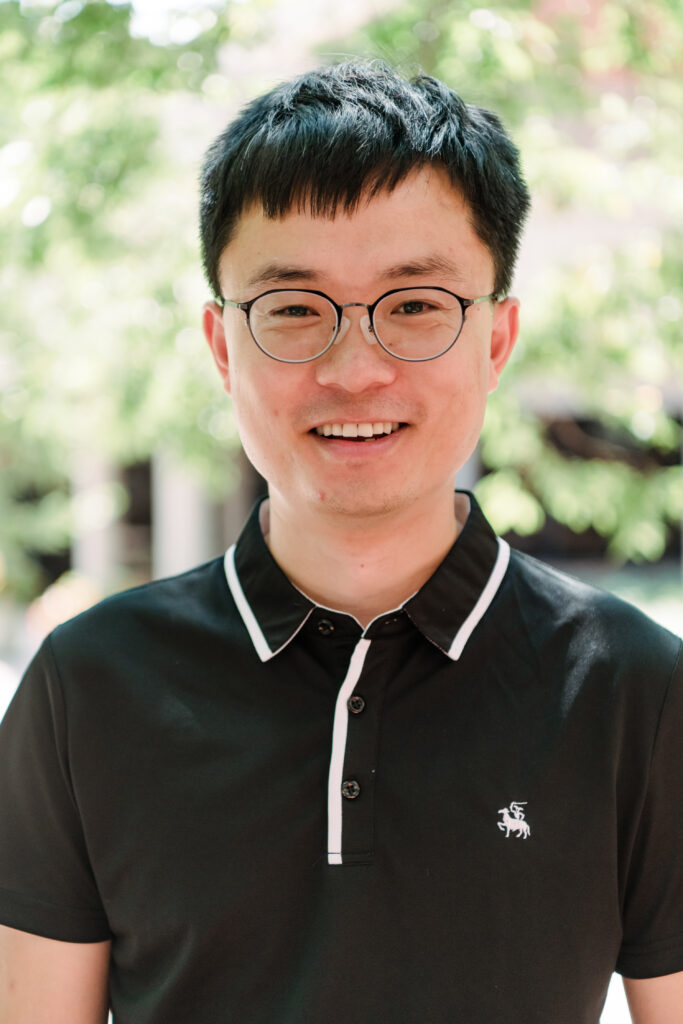
Martin Dahlمشاهده پروفایل
پژوهشگر
- Marine Ecology
- Seagrass Ecology
- Blue Carbon
- +۷ مورد دیگر
Martin Dahl is a researcher at the Department of Ecology, Environment and Plant Sciences, Stockholm University, Sweden. He is actively engaged in marine ecological research with a focus on seagrass ecosystems, carbon cycling, and the impacts of grazing and environmental stressors on coastal habitats. His work integrates field observations, experimental studies, and literature synthesis to address critical knowledge gaps in blue carbon dynamics and ecosystem services. University: Stockholm University Department: Department of Ecology, Environment and Plant Sciences Email: martin.dahl@sh.se ORCID: 0000-0003-2016-4857 His research interests include marine ecology, seagrass physiology, sediment stability, carbon sequestration, hydrodynamic exposure, and the cascading effects of overgrazing by herbivores such as sea urchins and green turtles. He investigates how disturbances impact blue carbon storage, greenhouse gas emissions, and coastal protection functions of seagrass meadows. His studies span temperate, subtropical, and tropical regions, contributing to global understanding of seagrass resilience and vulnerability. The analysis of Martin Dahl’s recent publications reveals a strong thematic focus on the interplay between biological disturbances (especially grazing) and physical factors (hydrodynamics, sediment type) in determining carbon sink capacity and sediment stability. His work frequently employs experimental manipulations and meta-analyses to quantify erosion, carbon loss, and ecosystem recovery trajectories. A recurring emphasis is placed on policy-relevant outcomes for coastal management and climate change mitigation. Scientific awards and honors are not mentioned in the provided text. Martin Dahl has contributed to significant research on seagrass ecosystem functioning, often in collaboration with Mats Björk and Martin Gullström. He has secured research funding and played key roles in study design, data analysis, and manuscript preparation. While no formal advising relationships or student names are listed, his leadership in research projects suggests mentorship activities. His work supports broader efforts in marine conservation and blue carbon accounting. He is involved in research conducted at field sites across Europe, the Caribbean, and East Africa, particularly focusing on Zostera marina and Thalassia testudinum meadows. His team utilizes flume experiments, sediment coring, and remote sensing to assess ecological impacts. Future research priorities include defining spatial and temporal scales of carbon erosion, assessing belowground biomass degradation, and estimating greenhouse gas emissions following seagrass loss.