- Marine Ecology
- Conservation Biology
- Fisheries Science
- +۱۳ مورد دیگر
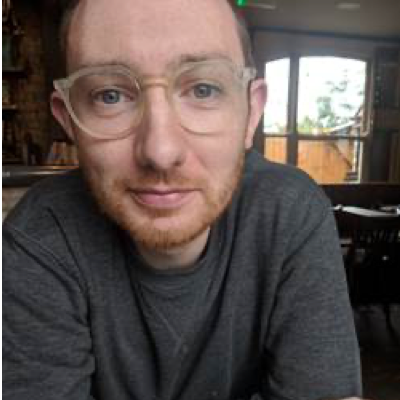
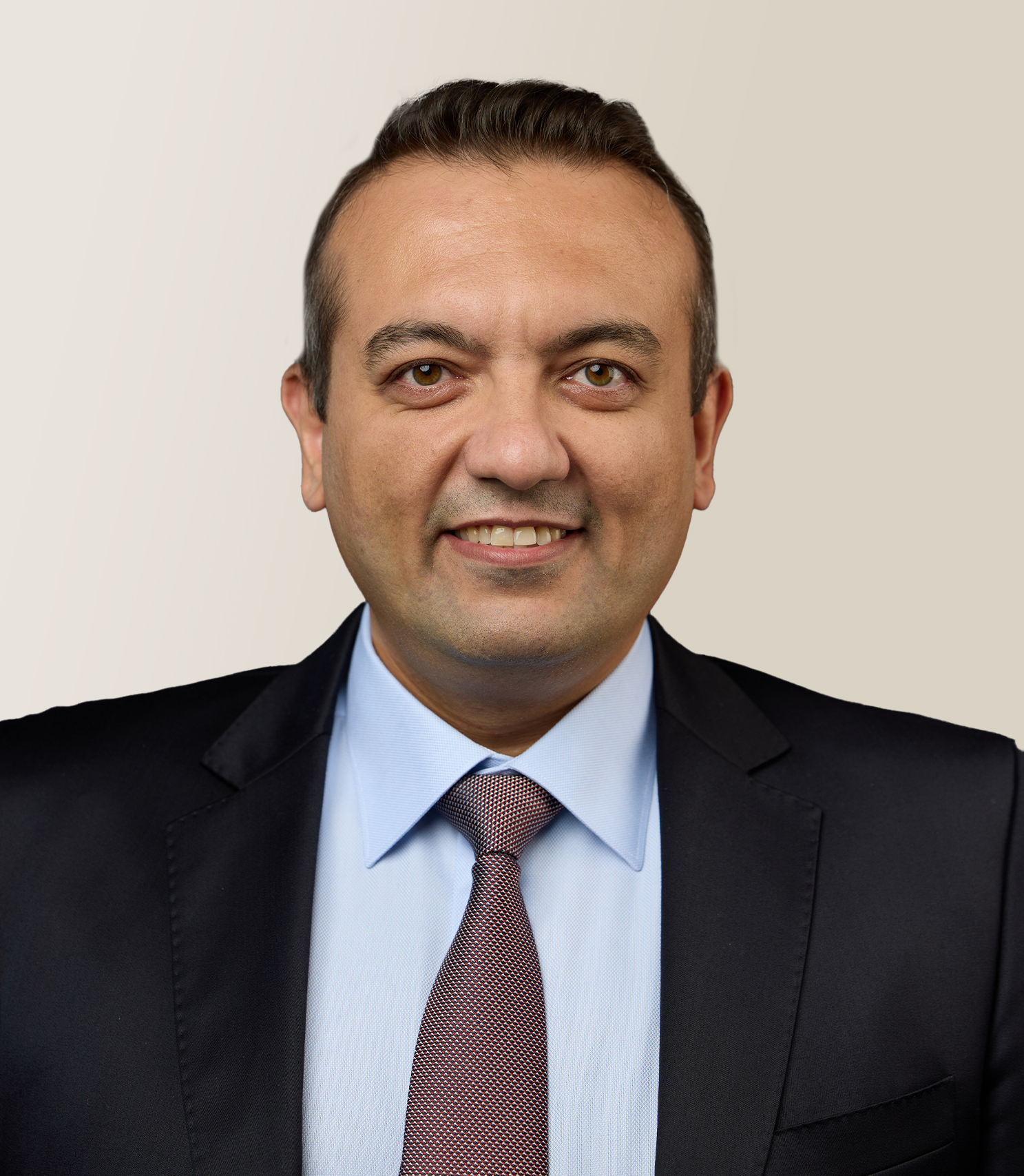
Selina Heppell is a Professor and Department Head in the Department of Fisheries, Wildlife, and Conservation Sciences at Oregon State University, College of Agricultural Sciences. She holds an adjunct appointment and is based in Nash Hall, Corvallis, OR. Her research focuses on marine ecology, conservation biology, and fisheries science, particularly on long-lived marine species such as sea turtles, sharks, sturgeon, and rockfish. She leads the Heppell Lab, which conducts interdisciplinary research across global ecosystems. Education: BSc in Zoology, University of Washington (1991) MSc in Zoology, North Carolina State University (1993) PhD in Zoology, Duke University (1998) Her research interests center on population ecology, climate change impacts, habitat assessment, and human perturbations on marine species. She uses computer models and simulations to guide conservation and management policy, with a focus on recovery strategies for threatened species. Her lab integrates biological organization levels—from cells to ecosystems—in rigorous conservation science. The 15 most recent publications reflect a strong emphasis on sea turtle ecology, fisheries modeling, marine protected areas, and interdisciplinary conservation. Key themes include climate effects on sex ratios, growth modeling, telemetry studies, and policy-relevant science for fisheries and marine species management. Scientific Awards and Honors: President, Faculty Senate, OSU (2021) Aldo Leopold Leadership Program Scholar (2006) Roy G. Arnold Leadership Award (2017) Fishery Worker of the Year, Oregon AFS (2016) Multiple awards for student advising and teaching excellence Editorial roles at Ecological Applications and ESA She has mentored 8 PhD and 14 MSc students. She teaches courses including FW 320 (Intro Pop Dyn), FW 520 (Ecology and Mgmt of Marine Fishes), and FW 524 (Stock Assess Fish Mgrs). She has received grants and led projects with NOAA, USFWS, and the Lenfest Ocean Program. She collaborates internationally and with Indigenous communities, emphasizing inclusive science. The Heppell Lab fosters collaborative, enthusiastic science, with members working from Oregon to the Caribbean and beyond. The lab addresses local to global conservation challenges, emphasizing applied research and policy engagement.




.jpg)