Lokukaluge Prasad Perera is a Professor in Maritime Technology at UiT The Arctic University of Norway and a Senior Research Scientist in Smart Data at SINTEF Digital . He holds a BSc in Mechanical Engineering from Oklahoma State University (1999), MSc in Systems & Controls from the same institution (2001), and a PhD in Naval Architecture and Marine Engineering from Technical University of Lisbon (2012). His research focuses on Maritime and Offshore Systems , Advanced Data Analytics , Autonomous Navigation , Energy Efficiency , and Digital Twin Applications . He has published over 100 peer-reviewed papers and was recognized in the World's Top 2% Scientists (2021-2022) by Stanford University. Key professional experiences include roles at SINTEF Ocean (2014–2017), Center for Marine Technology and Engineering in Portugal (2008–2012), and Wärtsilä Finland (2012–2014). He has also held academic positions at Naval & Maritime Academy and Ocean University of Sri Lanka . His work addresses challenges in emission reduction , renewable energy integration , and safety-critical systems for maritime operations. Current projects emphasize trustworthiness of autonomous ships and data-driven decision frameworks for energy efficiency.
Jan Emblemsvåg is a Professor at NTNU’s Department of Ocean Space Operations and Civil Engineering in Ålesund, Norway. He has held senior industry roles including Shipyard Director at Vard, SVP Ship Design & Systems at Rolls-Royce Marine, and Managing Director at Midsund Bruk. His academic positions span BI Norwegian Business School, Ålesund University College, and NTNU since 2006. Emblemsvåg’s expertise bridges engineering and management, focusing on sustainable development through rigorous analytical frameworks. Education: PhD from Georgia Institute of Technology (1999), MSc (1995), and Civil Engineering degree from Norwegian Institute of Technology (1994). R&D focuses on six core areas: 1) Product/process development with Lean methodologies, 2) Life-Cycle Costing/Analyses (integrating cost, environmental, and social dimensions), 3) Risk management and uncertainty analysis using Monte Carlo methods, 4) Operations/General management under Lean principles, 5) Project management with Lean integration, and 6) Renewable energy (especially nuclear power’s role in maritime and industrial sectors). Publications emphasize energy policy critiques, nuclear propulsion feasibility, and sustainable shipping. Recent work highlights nuclear energy’s potential as a cost-effective, low-emission solution for maritime transport and industrial needs. Active in policy debates advocating evidence-based energy strategies. Labs/Teams: Leads NTNU’s research initiatives on nuclear propulsion for merchant ships (NuProShip project) and collaborates internationally on maritime safety and evacuation modeling.
Heidi Johansen-Berg is Pro-Vice Chancellor (Strategic Initiatives) at the University of Oxford and Associate Head (Research and Innovation) in the Medical Sciences Division. She holds a Professorship in Cognitive Neuroscience and a Wellcome Principal Research Fellowship at the Nuffield Department of Clinical Neurosciences, where she leads the Plasticity Group at the Oxford Centre for Functional MRI of the Brain (FMRIB). Her research centers on neuroplasticity mechanisms in the sensorimotor system, with emphasis on white matter plasticity, activity-dependent myelination, and implications for stroke rehabilitation and age-related brain decline. She integrates multimodal neuroimaging with behavioral studies to investigate how the brain adapts to learning, experience, and damage, translating findings into therapeutic interventions for neurological conditions. Recent publications reveal strong thematic trends in sleep-motor interactions post-stroke, exercise-induced neuroprotection in aging and adolescence, and experience-dependent white matter remodeling. Her work demonstrates how physical activity modulates brain structure-function relationships across the lifespan, with direct applications for neurorehabilitation protocols. Scientific recognition includes: Fellow of the Royal Society (FRS) Fellow of the Academy of Medical Sciences (FMedSci) Wellcome Principal Research Fellowship Professor Johansen-Berg directs the WIN Plasticity Group and co-leads the WIN Neuroplastics Network and Oxford University Centre for Integrative Neuroimaging (OxCIN). Her research program drives translational initiatives in stroke recovery and brain health maintenance, with ongoing projects examining digital sleep therapies, myelin dynamics, and exercise neuroscience through large-scale clinical trials and advanced imaging methodologies.
Tae Eun Kim is an Associate Professor in Maritime Safety Management at UiT The Arctic University of Norway, working within the Department of Technology and Security. Her research, teaching, and industrial collaboration focus on maritime safety and human factors, with particular expertise in maritime safety management, accident analysis, Maritime Autonomous Surface Ships (MASS), and human factors in maritime operations. Dr. Kim's research spans four interconnected domains: maritime safety management and leadership, maritime accident and casualty analysis, Maritime Autonomous Surface Ships (MASS), and human factors in maritime operations. She has developed assessment instruments like the Safety Leadership Self-Efficacy Scale (SLSES) and conducted STAMP-based causal analyses of maritime accidents. Her work on MASS addresses safety challenges in mixed navigational environments and examines leadership competencies for autonomous shipping operations. Her human factors research explores how technological advancements impact navigators' performance, crew dynamics, and safety outcomes, including gender parity issues in the maritime industry. Dr. Kim's publication record reveals a strong focus on the intersection of maritime safety, technology, and human performance. Her recent work increasingly addresses autonomous shipping technologies, with numerous publications on AI decision transparency, learning analytics in maritime simulator training, and multi-modal data analysis for nautical skill development. She has conducted systematic reviews on simulator training approaches and scenario design, contributing significantly to methodology development in maritime education and training. Her research demonstrates a clear trajectory toward integrating emerging technologies with traditional maritime safety practices as the industry transitions toward greater automation. Dr. Kim is actively involved in several significant research projects, including the i-MASTER EU Horizon Europe Research and Innovation Project, the REFRAME project, and the SPRICE project (Multidisciplinary approach for spray icing modelling). She is a member of both the Advanced Maritime Ship Operations research group and the Maritime Safety Science (MARSCI) Research Group, demonstrating her commitment to collaborative research in maritime safety science. Dr. Kim teaches several specialized courses at UiT, including SVF-3206 Safety Management and Accident Investigation, TEK-3014 Navigation Technology, MFA-2100 Maritime Digitalization, MFA-8010 Maritime HTO (Human-Technology-Organisation) and Innovation, and MFA-2018 Maritime Administration and Leadership. Her teaching portfolio reflects the interdisciplinary nature of her expertise, bridging engineering, safety science, and organizational behavior in maritime contexts.
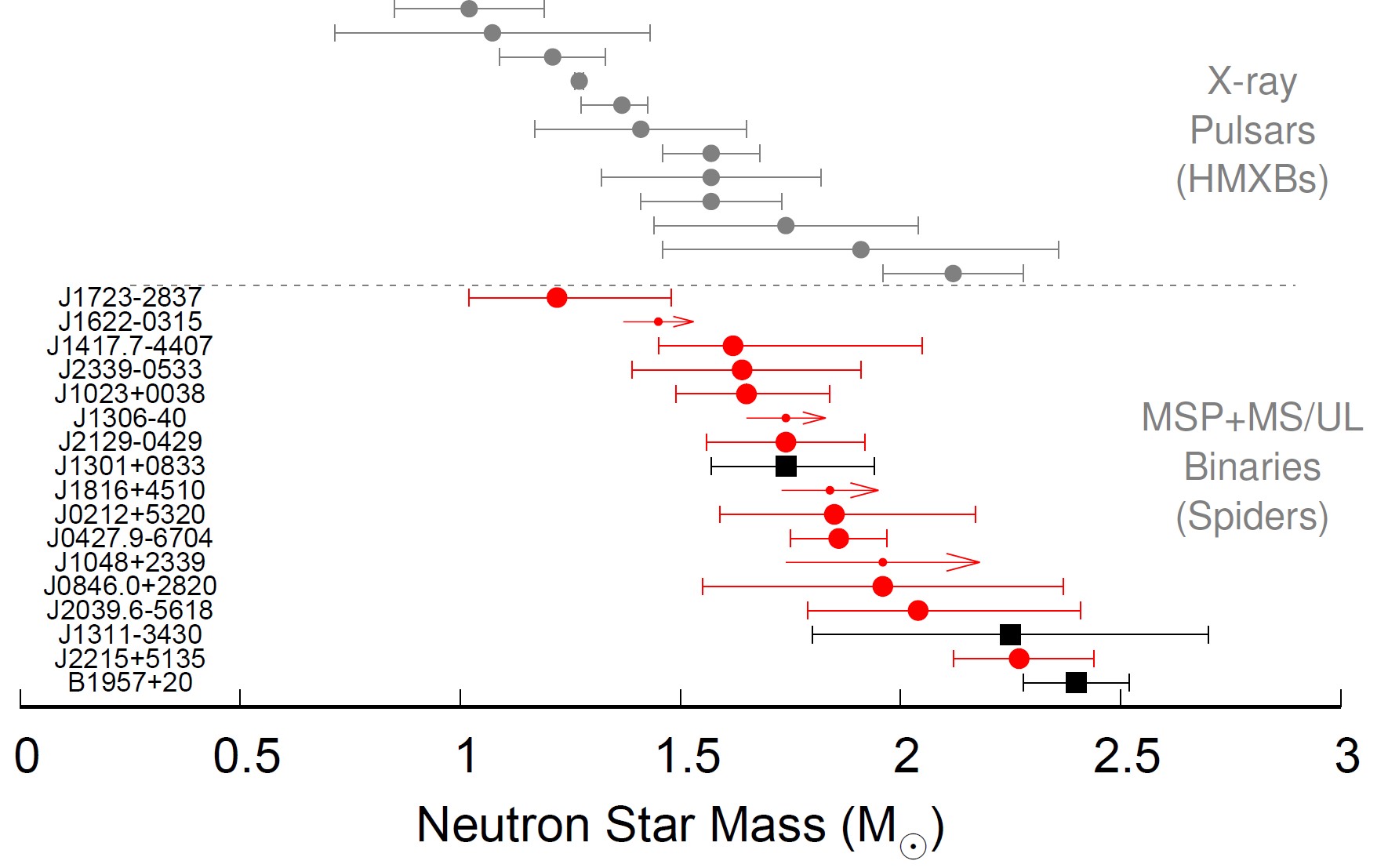
Manuel Linares Alegret is a Professor in the Department of Physics at the Norwegian University of Science and Technology (NTNU) in Trondheim, Norway, where he has been employed since September 2021. He also holds an Associate Professor position at the Polytechnic University of Catalonia (UPC) in Barcelona, Spain, since 2018. His research focuses on high-energy astrophysics with particular emphasis on neutron stars, black holes, white dwarfs, and compact objects in binary systems. Dr. Linares earned his Physics Degree from Universitat de Barcelona (1998-2004) followed by a PhD in Astronomy from Universiteit van Amsterdam (2004-2009). His subsequent career includes prestigious fellowships including Rubicon Fellow at MIT (2009-2012), IAC Fellow (2012-2017), and Marie Curie Fellow at UPC (2017-2018). His research interests primarily center on compact binary systems, particularly millisecond pulsars known as 'spiders' (including black widows and redbacks), neutron star physics, accretion flows, thermonuclear bursts, and the search for super-massive neutron stars. His work combines observational astronomy with theoretical modeling to understand extreme physics in these systems. He leads the LOVE-NEST project, which investigates compact binary millisecond pulsars to find the most massive neutron stars and understand the interaction between accretion flows, pulsar winds, and neutron star magnetospheres. An analysis of his recent publications reveals a strong focus on spider pulsar systems, with particular attention to mass measurements, orbital dynamics, irradiation effects, and the relationship between accretion and rotation-powered states. His work spans multiple observational wavelengths including optical, X-ray, and radio, often utilizing data from major telescopes and space observatories. ERC Consolidator Grant for LOVE-NEST project Marie Curie Fellow IAC Fellow Rubicon Fellow Dr. Linares has supervised numerous students at various levels, including PhD candidates, Master's students, and undergraduate research projects. He currently leads a substantial research team under the LOVE-NEST project, which has received 2M EUR in funding. His group includes multiple postdoctoral fellows and PhD candidates working on various aspects of compact object astrophysics. He teaches Observational Astrophysics (FY3215) at NTNU and has previously taught Quantum Physics and Physics I at UPC. He is the principal investigator of the LOVE-NEST (Looking for Super-Massive Neutron Stars) research group at NTNU, which focuses on compact binary millisecond pulsars. This team conducts research using multiple observational facilities worldwide and collaborates with international groups including those at the Instituto de Astrofísica de Canarias and the University of Manchester.
Dr. Danesh Tarapore is an Associate Professor at the University of Southampton specializing in robotics and AI. He focuses on human-robot interaction, swarm intelligence, and autonomous systems. His current research involves developing resilient robotic teams and optimizing learning algorithms for constrained environments. He supervises 6 PhD students in the iPhD MINDS and Computer Science programs. Dr. Tarapore's work bridges theoretical advancements with practical applications in autonomous navigation, multimodal dataset creation, and quality-diversity optimization. His publications span conferences like HRI and journals in robotics and AI. He collaborates with institutions like the University Hospital Southampton and the Boldrewood Innovation Campus. Research Interests: Human-robot collaboration, swarm systems, machine learning, and adaptive control Key Contributions: HRI-SENSE dataset, evolutionary subset selection algorithms, forest navigation frameworks Grants and Funding: Active projects in multi-agent systems and resilient robotics Dr. Tarapore maintains active roles in the robotics community through conference participation and interdisciplinary collaborations.
Silje Endresen Reme is a Professor of Health Psychology at the Department of Psychology, University of Oslo. She also serves as a clinical psychologist at the Department of Pain Management and Research, Oslo University Hospital (OUS). Her academic journey includes postdoctoral work at Harvard School of Public Health and visiting research roles at King’s College London. She holds a PhD in Psychology from the University of Bergen. Her research focuses on chronic pain mechanisms, stress and coping strategies, occupational rehabilitation, and the psychology of religion. Key grants include a 2023 Research Communication Prize, a 2018 Norwegian Cancer Society grant for breast cancer surgery interventions, and a 2013 Research Council of Norway grant for youth disability prevention. Reme has authored over 100 peer-reviewed articles. Recent work addresses postsurgical pain management, partner dynamics in chronic pain, and psychological interventions for medically unexplained symptoms. She leads projects on Individual Placement and Support (IPS) for patients with chronic pain and mental health conditions. Her awards highlight contributions to both clinical practice and academic rigor. Ongoing projects include evaluations of hypnotic interventions for brain injury rehabilitation and the role of perceived injustice in chronic pain recovery.
Oscar Amundsen is a Professor of Organization Studies at the Department of Education and Lifelong Learning within the Faculty of Social and Educational Sciences at NTNU. His research focuses on organizational change, employee-driven innovation (EDI), leadership, and organizational culture. He teaches in Master’s programs in 'Learning in Work Life and Society' and 'Management and Organisation', as well as the PhD program in Educational Science. His research emphasizes practical application of academic knowledge to improve organizations across public, private, and voluntary sectors. Key themes include fostering innovation through cultural transformation, leadership practices, and employee engagement. His recent book How to Become a Dream Organization (2025) outlines strategies for leaders to cultivate innovative and attractive workplaces. Amundsen has led research groups such as COOL (Conditions for Learning and Innovation in Higher Education and Work), COIN (Collaboration and Innovation), and LAS (Learning in Work Life and Society). His work bridges theory and practice, with publications in journals like International Journal of Learning and Change and Journal of Knowledge Management . He has authored multiple books on organizational change, innovation management, and leadership, many translated into Danish and Swedish. His outreach activities include media contributions (articles in Aftenposten , Adresseavisen , etc.), podcasts, and collaborative projects with organizations. He emphasizes translating academic insights into actionable strategies for real-world organizational challenges.
Tor Helge Aas is a Professor at the Department of Management and Innovation, School of Business and Law, University of Agder, and holds a part-time position as Professor II at Kristiania University College. He is the Director of the Executive MBA program at UiA and actively contributes to research and teaching in innovation management. His affiliations include the Research Centre for Studies of Innovation for Sustainable Transition (RIST) and the ISPIM Scientific Panel. His research interests focus on innovation management , particularly in digital servitization, service innovation, innovation processes, collaboration for innovation, and management control. He examines how organizations in manufacturing and service sectors transition to service-oriented business models through digital platforms and ecosystem collaboration. The recent publications highlight a strong trend in digital servitization , platform-based innovation , and human-technology interaction in Industry 5.0. His work spans business model innovation, legitimacy in smart services, and coopetition in R&D projects, with a consistent focus on organizational transformation and sustainable innovation. Scientific Awards and Recognitions: No explicit awards mentioned in the text. Advising and Grants: He has supervised Master’s and PhD students (implied through academic roles). Actively involved in Horizon 2020 projects: OpenInnoTrain (Work Package Manager) and REDI program. Research funded by EU frameworks, indicating competitive grant acquisition. Labs and Research Teams: Member of RIST – Research Centre for Studies of Innovation for Sustainable Transition . Active in ISPIM (International Society for Professional Innovation Management) Scientific Panel. Collaborates extensively with researchers like Anne-Laure Mention, Katja Maria Hydle, and Karl Joachim Breunig.
Martin Mayer serves as Associate Professor at the University of Inland Norway within the Faculty of Applied Ecology, Agricultural Sciences and Biotechnology and the Department of Forestry and Outback Studies. Based at the Evenstad study location, his research focuses on large mammal ecology in human-dominated landscapes across Scandinavia and Europe. His primary research interests center on Wildlife Ecology and Large Mammal Conservation , with particular emphasis on human-wildlife conflict resolution, road ecology, and carnivore management. Mayer investigates how species like moose, deer, and beavers adapt to anthropogenic landscapes through habitat selection, movement patterns, and population dynamics. His work integrates cutting-edge methodologies including GPS telemetry, drone surveillance, and citizen science data to address conservation challenges in agricultural and urban settings. Analysis of Mayer's recent publications reveals strong trends in using roadkill data for population monitoring, examining spatial constraints on wildlife movement, and developing mitigation strategies for human-wildlife conflicts. His research increasingly incorporates cross-border European perspectives on wildlife management while maintaining a strong foundation in Scandinavian field ecology. Mayer actively contributes to the LARGE research group (ecology of large animals), which conducts field studies on ungulate behavior, predator-prey dynamics, and landscape-scale conservation planning in Norway's boreal ecosystems.
Prof. Chong-Yu Xu is a Professor of Hydrology at the University of Oslo's Department of Geosciences, affiliated with the Section for Geography and Hydrology (GeoHyd). He has held this position since 2005, having previously served as an Associate Professor at Uppsala University (1998–2005) and Assistant Professor (1994–1998). His research focuses on hydrological modeling, climate change impacts, regional evapotranspiration, and uncertainty analysis. He teaches courses such as GEO4310 (Stochastic Methods in Hydrology) and GEO4320 (Hydrological Modelling). Education: BSc in Hydrology (Nanjing University, 1978–1982), MSc in Regional Hydrological Modeling (Free University Brussels, 1986–1988), and PhD in Hydrological Modelling (Free University Brussels, 1988–1992). He has been honored with prestigious awards, including the NHF Lifetime Achievement Award (2022) and IWA Publishing Award (2022). He serves as an honorary professor at institutions like Hohai University and is a doctoral supervisor at multiple universities. His research spans global, regional, and local hydrological modeling, with a focus on climate change adaptation and water resource management. He leads projects such as the NORHED-II initiative on climate change and ecosystem management in Malawi and Tanzania. His work bridges theoretical hydrology with practical applications, including flood risk reduction and hydropower optimization. Publications highlight advancements in hydrological extremes, non-stationary drought assessment, and AI-driven flood prediction. Collaborative efforts with international networks like the Nordic Hydrological Association underscore his global impact in hydrological sciences.
Eirin Olaussen Ryeng is a Professor at the Department of Civil and Environmental Engineering, Norwegian University of Science and Technology (NTNU). Her work focuses on transportation engineering, road safety, and human behavior in urban and rural mobility contexts. Key research themes: winter road conditions, autonomous vehicles, cyclist/pedestrian safety, route familiarity, and sustainable transport infrastructure Active in transnational studies and multidisciplinary collaborations Recent publications analyze pedestrian gait in winter, cargo bike efficiency, driver risk perception, and geometric road design impacts. She employs advanced methodologies like sensor technology, survey analysis, and crash-based modeling. Teaching includes courses on road engineering, traffic safety, and transport infrastructure. She has presented at major European Transport Conferences and Nordic Traffic Safety Academy seminars.
Professor Yngve Karl Frøyen works at the Department of Architecture and Planning, Faculty of Architecture and Design, Norwegian University of Science and Technology (NTNU). With expertise in sustainable transport solutions, urban spatial modeling, and GIS applications for planning, he has taught and supervised urban and regional planning topics since 2010. His work spans multiple master programs and involves improving transport modeling tools for walking, transit, and bicycling modes. Research Focus: Sustainable urban transport (walking, bicycling, public transit), urban density, GIS methods, land use-transport interactions, and urban logistics. Teaching: Courses in GIS methods, land use-transport integration, regional planning, and master thesis supervision. Publications: 15+ works on transport modeling, urban density impacts, bicycle infrastructure, and planning methodology. Outreach: Regularly presents at conferences and seminars on topics like urban logistics, walking modeling, and transport policy. His academic career spans from 1981 civil engineer graduation to current professorship, with prior roles at Norwegian Institute of Urban and Regional Research (NIBR) and SINTEF. He combines technical GIS proficiency with policy-oriented planning expertise.
Hakan Basarir is a Professor in the Department of Mining Engineering at the Norwegian University of Science and Technology (NTNU), Trondheim, Norway. His research and teaching focus on mining rock mechanics, rock mass characterization, underground support systems, and the application of soft computing methods in mining engineering. PhD in Mining Engineering (2002) 20+ years of research and teaching experience 60+ publications in journals and conferences Research Interests include rock mass property prediction using measurement while drilling (MWD) techniques, numerical modeling of mining structures, optimization of mine support systems, and sustainable material development. His work integrates machine learning and computational methods to address challenges in mining geomechanics and backfill design. Recent Publications highlight advancements in AI-driven lithology prediction, eco-concrete formulation, and backfill mixture optimization. He has also contributed to tunnel stability analysis and seismic rock slope modeling. Teaching includes advanced courses in mining engineering, mineral production modeling, and specialization projects in geotechnology.
Hans Jonas Fossum Moen is an Associate Professor with a 20% appointment at the Department of Technology Systems, University of Oslo (UiO), and holds a 100% position as a researcher at the Norwegian Defence Research Establishment (FFI). His primary affiliation is with the Section for Autonomous Systems and Sensor Technologies. He is based at the Kjeller campus, with a visiting address at Gunnar Randers Road 19 and a postal address at Postboks 70. His research focuses on advancing autonomous systems and sensor technologies, particularly in the domains of swarm robotics, multi-agent coordination, and optimization algorithms. Key areas include UAV navigation, distributed localization in IoT networks, radar detection enhancement, and adaptive control systems for multi-functional swarms. He emphasizes the integration of biological principles into robotic systems, as evidenced by his participation in the ICRA 2018 Workshop on Swarms. His publications consistently highlight contributions to swarm intelligence, with a focus on improving data quality and efficiency in robotics applications. He has collaborated extensively with colleagues such as Kyrre Glette, Oleg Yakimenko, and Jan Dyre Bjerknes, exploring topics ranging from task allocation in multi-agent systems to evolutionary algorithms for filter optimization. His work bridges theoretical computer science with practical engineering challenges in autonomous systems. No scientific awards have been explicitly mentioned in the provided texts. Moen’s advising and grants narrative indicates no listed advisees or active grant projects, though his 20% UiO position suggests potential involvement in academic supervision. His primary research activities are embedded within FFI and the Autonomous Systems section at UiO, contributing to interdisciplinary efforts in sensor technologies and robotic systems.




/hjmoen/j.png)