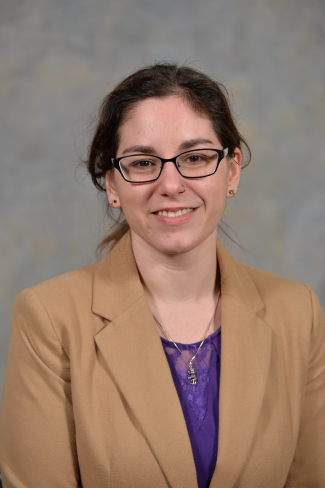
Chih-Ying Li is an Associate Professor in the Department of Occupational Therapy at the University of Texas Medical Branch (UTMB) School of Health Professions and holds an adjunct appointment in the Department of Population Health and Health Disparities. She serves as the Interim Level II Fieldwork Coordinator and is a NIH-supported career development awardee (K01HD101589). Dr. Li leads the IMPACT Lab, focusing on health services research in post-acute rehabilitation. Education: Bachelor of Science and Master of Science in Occupational Therapy from National Taiwan University; PhD in Health and Rehabilitation Science from Medical University of South Carolina. Research Interests: Health services research, learning health systems, and value-based care in post-acute rehabilitation. The IMPACT Lab emphasizes: Value-Based Care: Optimizing care quality while reducing costs. Precision Medicine: Tailoring interventions to patient-specific needs. Learning Health System: Leveraging real-world data for clinical decision-making. Scientific Awards: 2021 Early Career Research Excellence Award (American Occupational Therapy Foundation) 2022 Elite Reviewer (Archives of Physical Medicine and Rehabilitation) 2024 Honorary Member, Nu Chapter of Pi Theta Epsilon (Occupational Therapy Honor Society) Grants: Principal Investigator for NIH, American Occupational Therapy Foundation, and UTMB RCMAR grants examining functional trajectories, home health OT intensity, and cognitive demand in aging populations. Labs & Collaborations: The IMPACT Lab integrates Medicare claims, EHR data (e.g., TriNetX), and patient engagement to inform clinical practice and healthcare policy. Prospective students can participate in empirical studies using quantitative/qualitative methods or systematic reviews.
Dr. Jennifer M. Olenik serves as a Clinical Assistant Professor in the Department of General Internal Medicine at the University of Pennsylvania , where she practices as a hospitalist across Penn Medicine's major facilities including the Hospital of the University of Pennsylvania, Penn Presbyterian Medical Center, and Penn Medicine Rittenhouse Long-Term Acute Care Hospital. She provides comprehensive care for adult inpatients and accepts new patient consults. Her educational journey includes medical training at the University of Pennsylvania School of Medicine followed by residency and fellowship at UCSF Medical Center . Dr. Olenik's clinical expertise spans hospital medicine with specialized focus in palliative care integration, particularly addressing opioid use disorder and chronic pain management in complex medical patients. Her research program emphasizes clinical reasoning and medical education innovation , evidenced by the RISE collaborative learning framework and systematic approaches to goals of care documentation. Recent publications (2019-2020) in the Journal of Palliative Medicine address critical gaps in managing substance use disorders within palliative contexts and ethical dimensions of chronic pain treatment. As a clinician-educator, Dr. Olenik actively contributes to trainee development through conference presentations at the Society of General Internal Medicine and American Academy of Hospice and Palliative Medicine, focusing on making clinical reasoning visible and developing practical tools for complex care scenarios.
Dr. Sam Cacace serves as an Assistant Professor in the Department of Epidemiology and Community Health within the College of Health and Human Services at the University of North Carolina at Charlotte. She holds dual affiliation as Core Faculty with the UNC Charlotte Violence Prevention Center, where she leads research on stigma and suicide prevention in military and veteran populations through interdisciplinary team science approaches. Her academic credentials include: Ph.D. in Experimental Psychology from Washington State University (2018) M.A. in General Psychology from North Carolina Central University (2012) B.A. in Psychology & Sociology from North Carolina State University (2010) A.A. from Wake Technical Community College (2008) Dr. Cacace's research program centers on ecological and psychosocial perspectives of stigma among vulnerable groups, with specialized focus on military service members and veterans. She pioneers advanced analytical methodologies including latent variable modeling, structural equation modeling, item response theory, and differential item functioning to develop measurement tools for suicide prevention and cultural competency assessment. Her work bridges epidemiological frameworks with clinical psychology to address barriers in help-seeking behaviors and wellness outcomes. Analysis of her 11 publications (2020-2025) reveals consistent methodological innovation in psychometrics applied to military health, correctional settings, and geographic risk mapping. Key thematic clusters include validation of instruments for hate-motivated behavior and moral psychology, geographic identification of suicide risk at neighborhood levels, and latent profile analysis of self-injury correlates in incarcerated populations. Her research demonstrates strong translational impact through partnerships with NC DHHS and RTI International. Her recognition includes: 2019 APA Division 19 Challenge Coin Awardee Dr. Cacace directs significant grant-funded research through the Violence Prevention Center, with active collaborations spanning Team Red White and Blue, Consortium for Health and Military Performance, and NCServes. Her advising extends to graduate students through courses including Healthcare Data Analysis (HCIP 6102) and Introduction to Quantitative Methods (HLTH 8201/HSRD 8206), where she integrates her expertise in measurement invariance and intensive longitudinal analysis. As Core Faculty of the Violence Prevention Center, she co-leads interdisciplinary teams developing culturally competent interventions for military communities. Her prior work at NC State University's Center for Family and Community Engagement established foundational partnerships with campus military services, demonstrating her commitment to community-engaged research that bridges academic theory and veteran wellness practice.
Samantha Miadich, Ph.D., serves as Assistant Professor in the Department of Psychology within the College of Fine Arts, Humanities and Social Sciences at the University of Massachusetts Lowell. Based in Coburn Hall Room 370F with contact number 978-934-3941, she specializes in pediatric health psychology using advanced methodologies to examine childhood chronic conditions including asthma and sleep disorders through risk/resilience frameworks. Her academic credentials include: Postdoctoral Fellowship in Developmental Psychology and Behavior Genetics, Arizona State University (Tempe, AZ) Ph.D. in Health Psychology, Virginia Commonwealth University (2017) M.A. in Clinical Psychology, Ball State University (2010) B.A. in Psychology, University of Dayton (2008) Dr. Miadich's research program integrates behavior genetics with ecological momentary assessment to investigate genetic and environmental contributions to pediatric health outcomes. Her work focuses on objective measurement of sleep, pain, and asthma management in community and urban populations, emphasizing intervention targets through longitudinal modeling. Key methodological approaches include twin studies, actor-partner interdependence modeling, and real-time data collection techniques. Analysis of her 15 publications (2015-2024) reveals consistent investigation of pediatric chronic conditions through genetic-environmental interaction lenses. Her work demonstrates increasing methodological sophistication with emphasis on objective sleep measurement, urban health disparities, and family-level influences on child health outcomes. The research trajectory shows progression from asthma management studies toward integrated models examining sleep-pain relationships and genetic contributions to health behaviors. Her scientific recognition includes: NHLBI Fellowship for Effects of Cumulative Risk on Asthma Outcomes in Urban Children and Adolescents (2015) Dr. Miadich currently leads two major funded projects: the NIH Loan Repayment Program award (2023-2025) for Pediatric Lung Function and Asthma in the Broader Health Context, and the Society of Pediatric Psychology Targeted Research Grant (2023-2024) for the Health Advancement and Wellbeing in Kids (HAWK) Study. These projects examine asthma outcomes through comprehensive health frameworks and develop wellbeing interventions for pediatric populations. She directs the HARP Research Lab (Health, Asthma, and Resilience in Pediatric populations), which employs innovative assessment tools including ecological momentary assessment and objective physiological measures. The lab maintains strong collaborations with Arizona State University's research teams, particularly through the Arizona Twin Project examining developmental psychopathology and health resilience mechanisms.
Maren Karine Olsen serves as Professor of Biostatistics and Bioinformatics at Duke University, affiliated with the Division of Biostatistics and the Biostatistics, Epidemiology, and Research Design (BERD) Methods Core. Her methodological expertise drives innovative health services research across clinical domains including palliative care, oncology, and chronic disease management. Education: Ph.D., Pennsylvania State University (1999) Dr. Olsen's research integrates advanced statistical methodologies with pressing clinical questions, focusing on longitudinal data analysis, missing data techniques, and health disparities. Her work bridges biostatistics with real-world applications in palliative care for advanced cancer, resilience in chronic kidney disease, racial equity in shared decision-making, and behavioral interventions for weight management and insomnia. Methodological rigor remains central to her investigations of complex patient populations, particularly veterans and older adults. Analysis of her 236+ publications reveals a dominant focus on NIH-funded randomized controlled trials (65% of recent work), with growing emphasis on telehealth delivery systems (28% increase 2022-2025) and racial health equity interventions (40% of 2024-2025 studies). Her biostatistical innovations frequently address missing data challenges in longitudinal symptom tracking and develop novel analytical frameworks for patient-centered outcomes research. Active Grants: ICUconnect primary palliative care RCT (NIH 2024-2029) PROMOTE/TEACH Equity for obstetric health (NIH 2024-2029) Engage telehealth intervention for advanced cancer (NIH 2024-2029) Racial disparities in acute respiratory failure decision-making (NHLBI 2022-2027) Log2Lose weight management trial (NHLBI 2020-2026) Meaning-Centered Pain Coping Skills Training (American Cancer Society 2022-2026) She currently leads 30 active NIH and foundation grants totaling $52.7M, with significant collaborations through the Veterans Affairs system and Duke's Clinical and Translational Science Institute. Her mentoring extends to junior faculty across biostatistics and clinical departments, emphasizing rigorous trial design and health equity frameworks. As a core member of Duke's BERD Methods Core, Dr. Olsen directs statistical collaboration for 200+ annual studies, specializing in complex longitudinal designs and missing data solutions. Her team partners with national consortia including the Palliative Care Research Cooperative and the VA Health Services Research & Development Service to translate methodological advances into clinical practice improvements.
Dr. Derek Crawford is an Associate Professor of Exercise Science at the University of Central Missouri (UCM) within the College of Health, Science, and Technology. He collaborates closely with UCM Athletics teams and coaches to enhance athlete performance and safety through motion capture and workload data analysis. Dr. Crawford earned his Master’s in Health & Exercise Science and PhD in Rehabilitation Science from the University of Oklahoma, with post-professional work at Kansas State University. His research spans High-intensity functional training (HIFT) Heart rate variability (HRV) applications Interlimb asymmetry analysis Combat readiness assessment Position-specific athletic conditioning He actively contributes to organizations like the American College of Sports Medicine (ACSM) and the National Strength and Conditioning Association (NSCA). Recent publications highlight trends in Predictive modeling for sports performance Physiological adaptations to HIFT Individualized training methodologies Military fitness evaluation Movement competency in educational settings His work bridges academic research with practical applications for athletes and military cadets.
Galina Evgenievna Besstremyannaya serves as Professor at the Faculty of Economic Sciences, Department of Applied Economics, and Senior Research Fellow at the International Laboratory of Macroeconomic Analysis at the National Research University Higher School of Economics (HSE). She joined HSE in 2011 and brings 22 years of scientific and teaching experience to her roles. Her academic journey spans multiple prestigious institutions, including previous work at the Center for Economic and Financial Research and Development at the Russian Economic School from 2010-2019. 2023: Doctor of Economics, National Research University Higher School of Economics 2010: PhD, Keio University, major: Economics 2005: Candidate of Economic Sciences, Central Economics and Mathematics Institute of the Russian Academy of Sciences 2001: Master's degree, Russian Economic School, specialty "Economics" 1998: Bachelor's degree, Lomonosov Moscow State University, specialty "Regional Studies" Dr. Besstremyannaya's research program centers on economic growth, innovations, corporate finance, and advanced econometric methods with particular focus on structural and applied econometrics. Her expertise in quantile regression techniques allows her to analyze heterogeneity in economic phenomena across diverse contexts including healthcare systems, innovation dynamics, and Japanese economic development. She has developed sophisticated methodological approaches for examining how policy interventions affect different segments of the population or economy, revealing nuanced insights that traditional mean-based approaches might overlook. Her work bridges theoretical econometric methods with practical applications in public sector economics and international economic systems. Analysis of her publication record reveals a consistent trend toward developing and applying advanced econometric techniques to understand heterogeneity in economic outcomes. Her recent work demonstrates increasing sophistication in quantile regression methods, latent class modeling, and panel data analysis. She has made significant contributions to understanding innovation dynamics in emerging markets, healthcare financing reforms, and Japanese economic development. Her interdisciplinary approach spans economics, finance, health policy, and computational methods, with publications appearing in high-impact journals across these domains. A distinctive feature of her research is the application of complex statistical methods to real-world policy questions, particularly in healthcare systems and innovation economics. Gratitude from the Faculty of Economic Sciences of HSE (February 2024) Gratitude from the International Laboratory of Macroeconomic Analysis (April 2020) Rector's personal allowance (2019–2020) Additional payment for doctoral dissertation defense (2023–2026) Bonus for List B journal publications (2023–2024) Bonus for List A journal publications (2024–2025) Bonuses for international peer-reviewed publications (2020-2022) Dr. Besstremyannaya actively supervises graduate students at HSE across economics and finance programs, overseeing numerous final qualification works. She serves as a reviewer for prestigious journals including European Journal of Operational Research, Applied Financial Economics, and Health Economics. Her methodological expertise has led to invitations to serve on scientific committees for major conferences including the World Congress of the International Health Economics Association and European Economic Association meetings. She has presented her research at numerous international conferences including the Econometric Society meetings and delivered invited talks at institutions such as Stanford University, Kyushu University, and the University of Duisburg-Essen. As a Senior Research Fellow at the International Laboratory of Macroeconomic Analysis, Dr. Besstremyannaya contributes significantly to the laboratory's research agenda focusing on macroeconomic modeling and policy analysis. Her work connects closely with the Department of Applied Economics, where she teaches advanced courses including Innovation and Growth, Methodological Research Seminar, and Behavioral Finance. Her research team frequently collaborates with international scholars, particularly with researchers from Japan, reflecting her specialized expertise in the Japanese economy. She maintains active professional relationships with institutions including Keio University and Hitotsubashi University in Japan.
Marwan N Baliki, PhD, is an Assistant Professor in the Department of Physical Medicine and Rehabilitation at the Feinberg School of Medicine, Northwestern University. He is a core faculty member of the Center for Translational Pain Research, dedicated to advancing non-addictive chronic pain treatments through interdisciplinary collaboration between Northwestern Medicine and the Shirley Ryan AbilityLab. Education: PhD in Neuroscience, Northwestern University (2009) Postdoctoral Fellowship, Northwestern University (2012) Dr. Baliki's research centers on neural mechanisms of chronic pain using advanced neuroimaging (fMRI, structural MRI) to investigate pain perception, placebo analgesia, and acute-to-chronic pain transition. His work demonstrates that brain anatomy—not initial injury—determines chronic pain risk, identifies brain regions for placebo response, and explores long-term opioid effects on cognition and emotion. Recent studies integrate aphasia rehabilitation with neural network analysis, revealing distinct language and attention network roles in recovery. Analysis of his 2021-2025 publications shows evolving focus from basic pain mechanisms toward translational applications: multi-receptor brain adaptations in opioid therapy, exercise-affect-pain interactions, and big data approaches for personalized pain management. His work spans chronic back pain, osteoarthritis, and post-stroke aphasia, emphasizing corticostriatal reorganization and network topology changes. Dr. Baliki serves as an active member of the Organization for Human Brain Mapping (2010–present) and previously edited the journal Pain (2018–2019). He leads research within the Center for Translational Pain Research, directing studies on brain network disruptions in chronic pain and developing biomarkers for treatment response prediction through interdisciplinary teams of neuroscientists, clinicians, and data scientists.
Walter Bierbauer, Dr. phil., is a postdoctoral researcher in the Department of Psychology – Applied Social and Health Psychology at the University of Zurich, Faculty of Arts and Social Sciences. He is also an active member of the interdisciplinary Digital Society Initiative (DSI) Community Health cluster at the same university. His research centres on motivational and volitional determinants of health behaviour change among individuals living with chronic conditions. Employing intensive longitudinal designs, digital monitoring tools, and advanced statistical modelling, he investigates how psychological factors such as self-efficacy, social support, and illness perceptions translate into day-to-day variations in physical activity, medication adherence, and coping behaviours. Recent work focuses on cardiac rehabilitation, long-COVID, and breast-cancer survivors undergoing adjuvant endocrine therapy. Across 29 peer-reviewed publications (2015-2024), Bierbauer has advanced the Health Action Process Approach, uncovered differential impacts of depression and anxiety on rehabilitation outcomes, and highlighted the moderating roles of self-reliance preferences and social stigma. These contributions bridge clinical psychology, behavioural medicine, and digital-health methodologies. Labs & Collaborations: Applied Social and Health Psychology group, University of Zurich Digital Society Initiative (DSI) Community Health Contact: walter.bierbauer@psychologie.uzh.ch
Geri A. Moore, MA, is an Instructor in the Department of Exercise Science and Pre-Health Professions at Creighton University’s College of Arts and Sciences. Located in Criss III 470E on the Omaha campus, she teaches coursework that blends exercise physiology with pre-health professional preparation and has been an active scholar in sports nutrition and wellness research since the late 1990s. Education: MA – Exercise Science (details not specified in source) Research & Teaching Interests: Moore’s work centers on evidence-based applications of exercise physiology and sports nutrition. She has investigated creatine supplementation protocols, body-composition assessment technologies, GI responses to dehydration, and workplace wellness programming. Her teaching emphasizes practical, research-backed approaches that prepare students for health-professional careers. Across more than two decades of peer-reviewed articles and national presentations, Moore has co-authored studies on ergogenic aids (notably creatine), anaerobic performance testing, and interprofessional diabetes-prevention initiatives. This corpus reflects a sustained focus on translating laboratory findings into real-world fitness and clinical practice. Professional & Outreach Activities: Beyond the classroom, Moore delivers community and employee wellness workshops, including Creighton’s “CU on the Scale” weight-loss challenge and women’s heart-health seminars. She routinely mentors student research showcased at St. Albert’s Day and regional ACSM meetings, underscoring her commitment to experiential learning.
Stéphanie M. van den Berg is an Associate Professor at the University of Twente , affiliated with the Digital Society Institute and TechMed Centre . Her research spans interdisciplinary domains including Psychology , Genetics , Statistics , and Artificial Intelligence , with a focus on educational achievement, mental health assessment, and data-driven methodologies. Key Themes : Heritability analysis, machine learning applications, educational technology, longitudinal data modeling, and personalized medicine. Recent Work : In 2025, she investigated measurement invariance in child behavior phenotypes, while 2024 saw her contribute to personalized medicine through intensive longitudinal data. Methodologies : Expertise in item response theory, text mining, and statistical model selection, as demonstrated in her 2017 publications. She actively collaborates across disciplines, with recent work involving biomedical informatics and behavioral genetics. Her research outputs (97 total) reflect a sustained focus on integrating data science with psychological and health-related applications.
William Murrah is an Associate Professor in the Department of Educational Foundations, Leadership, and Technology at Auburn University's College of Education. His research explores the interplay between cognitive and motor skill development, longitudinal data analysis, and the impact of out-of-school programs on academic and occupational performance. He co-founded the Quantitative Methods in Educational Research (QMER) learning community to enhance graduate student training in STEM skills and research methodology. Ph.D., Educational Psychology, University of Virginia Postdoctoral Fellow and Research Scientist at University of Virginia Former counselor in alternative schools and clinical settings Murrah's research bridges educational psychology with applied physiology, focusing on how physical fitness influences cognitive performance in esports, firefighter tasks, and academic achievement. His work emphasizes intervention design in educational and occupational contexts, with a strong focus on quantitative methods and motor learning dynamics. Recent publications highlight collaborations in sports biomechanics, aging research, and health-informed pedagogy. Key trends in his 15 most recent articles include: (1) Investigating exercise-induced physiological changes in high-stakes occupational settings like firefighting, (2) Optimizing cognitive-motor integration in esports, (3) Quantitative methodological advancements for educational research, (4) Longitudinal analyses of school readiness indicators, and (5) Interdisciplinary applications of motor control theory to learning sciences. Murrah maintains a research methods website (www.statistical-thinking.com) and advocates for expanded quantitative training in educational research through the QMER community. His work involves partnerships with institutions studying Core Knowledge charter schools, military training, and clinical populations like those with essential tremor.
Whitney Moore serves as an Associate Professor in the Department of Kinesiology within the College of Health and Human Performance at East Carolina University. Previously, she held faculty positions as an Assistant Professor at the University of North Texas and an Associate Professor at Wayne State University. Her academic journey began with a B.S. in Exercise Physiology from West Virginia University, followed by an M.S. in Health & Exercise Science from Colorado State University, and culminated in a Ph.D. in Psychology of Health & Physical Activity from the University of Kansas. Member of Association for Applied Sport Psychology (2008-present) Member of European Congress of Sport Psychology (2023) Member of National Strength & Conditioning Association (2000-present) Certified Strength & Conditioning Specialist with Distinction Dr. Moore's research centers on sport psychology with particular emphasis on motivational climates in physical activity settings, applying John Nicholls' Achievement Goal Perspective Theory. Her work explores the psychological and physiological aspects of athletic performance, with recent focus on college athlete mental health, body image issues, and the impacts of the COVID-19 pandemic on sports. She has developed specialized assessment tools including the Ownership in Exercise and Empowerment in Exercise Scales, and has expanded her methodological expertise to include advanced quantitative techniques such as mixture modeling (LCA, LPA, LTA, GMM). Analysis of her recent publications reveals a strong interdisciplinary focus bridging sport psychology, clinical psychology, and quantitative methodology. Her research portfolio demonstrates particular attention to vulnerable populations including international student-athletes, female athletes, and athletes from diverse racial and ethnic backgrounds. The pandemic period significantly shaped her recent work, with numerous studies examining mental health impacts on collegiate athletes. AASP Fellow (2025) Best Paper Award from Academy of Management (2022) Outstanding Reviewers of the Year (2022) Faculty Service Award from WSU College of Education (2020) Division E Distinguished Research Article Award from AERA (2019) Dr. Moore maintains an active research program with multiple funded projects including the ECU Site: Best Food Forward project awarded by California State University San Marcos, and research on motivational climate conditions for Army cadet shooters funded by the Association for Applied Sport Psychology. She serves as a reviewer for numerous prestigious journals including the International Journal of Behavioral Development, Journal of Teaching in Physical Education, and Sport, Exercise & Performance Psychology. Her collaborative work spans physical education, nutrition science, positive youth development, and other health-related fields.
Jesús Guodemar Pérez is a Professor at Camilo José Cela University (UCJC), teaching in the Double Degree in Physical Activity and Sports Sciences and Physiotherapy, and the Double Degree in Nursing and Physiotherapy. He previously served as Director of the Department of Communication and Marketing (2005-2014) and Deputy Director of the Physiotherapy Degree (1999-2005), demonstrating sustained institutional leadership. His academic credentials include: Doctor of Pharmaceutical Sciences – Camilo José Cela University (2013) Professional SEO/SEM Master – Kschool.com (2013-2014) Master's Degree in Research Methodology in Health Sciences – Camilo José Cela University (2010-2011) Doctoral candidate in Information and Communication Technologies – UNED (2004) Bachelor of Arts in Journalism – Antonio de Nebrija University (2001-2004) Diploma in Physiotherapy – Camilo José Cela University (1998-2001) Diploma in Human Nutrition and Dietetics – University of Barcelona (1995-1998) Professor Guodemar Pérez's research program centers on translational physiotherapy, with three interconnected pillars: clinical techniques (massage therapy, instrumental physiotherapy, liver pumping methods), sports epidemiology (injury patterns in football, triathlon, and women's sports), and health education models. His work consistently bridges laboratory findings with clinical applications, as evidenced by studies on asthma treatment techniques and hepatic viscoelasticity changes. The research demonstrates strong regional engagement through Madrid-based athlete studies while maintaining international relevance through conference participation in Bern and London. His publication trajectory from 2014-2017 reveals evolving specialization from broad sports injury epidemiology toward targeted clinical interventions, with increasing focus on respiratory and hepatic physiotherapy techniques. This progression reflects deepening clinical expertise alongside sustained interest in sports medicine applications. As an academic supervisor, Professor Guodemar Pérez leverages his dual roles as university coordinator and clinical practitioner to provide students with integrated learning pathways. His management of FISIOMED center creates direct clinical training opportunities, while his editorial board positions with Biociencias journal and the Professional College of Physiotherapy magazine offer students exposure to academic publishing and professional discourse. This ecosystem supports student development from theoretical learning through clinical application to professional contribution.
Joseph DiCara, MD, MPH is an Assistant Professor in the Department of Pediatrics (Hospital-Based Medicine) at Northwestern University's Feinberg School of Medicine. He provides clinical care at Ann & Robert H. Lurie Children's Hospital of Chicago and Northwestern Memorial Hospital, specializing in neonatal intensive care for premature and critically ill infants while training medical students and hospitalists. His educational background includes: MD from Northwestern University Feinberg School of Medicine (1986) MPH from University of Illinois, Chicago (1996) Pediatrics Residency at Northwestern University, McGaw Medical Center (1989) Dr. DiCara's research spans neonatal care mastery and community health, with particular focus on economically disadvantaged youth through his leadership of Chicago Youth Programs, Inc. His clinical expertise in neonatal procedures informs both bedside practice and medical education. Analysis of his publications reveals sustained scholarly engagement in long-term outcomes of youth development initiatives, particularly examining health, education, and economic trajectories among Black youth through community-based interventions. His work bridges clinical pediatrics with public health frameworks, evolving from 1990s violence prevention research to contemporary longitudinal studies on systemic inequities. His awards reflect exceptional community impact: Alpha Omega Alpha Medical Honor Society (2018) Jonas Salk Physician Leadership Award and Physician of the Year (March of Dimes, 2014) Daniel Hale Alumni Award (Feinberg School of Medicine, 2010) Benjamin Gingess Award (Bright Promises Foundation, 2007) William D. Reynolds Award (University of Notre Dame, 2004) Chicago Volunteer of the Year (2003) Community Health Leadership Award (Robert Wood Johnson Foundation, 1998) John Cook Public Health Award (1995) Dr. Martin Luther King Award (Northwestern Memorial Hospital, 1995) As Founder and President of Chicago Youth Programs, Inc., he directs comprehensive initiatives for at-risk youth while maintaining active clinical teaching. His grant-funded work demonstrates consistent commitment to addressing social determinants of health through structured community partnerships and evidence-based program development. His leadership extends to Chicago Youth Programs, Inc., where he develops holistic approaches for economically disadvantaged youth, integrating clinical insights with community-based intervention models to address systemic health disparities.