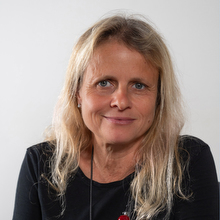
Monica Mordonini is an Associate Professor in the Department of Computer Engineering at the Faculty of Engineering, University of Parma, where she has been a faculty member since 1999. She teaches courses across multiple programs including Computer Engineering, Engineering Management, Civil and Environmental Engineering, and Law, with a focus on Artificial Intelligence, Software Engineering, and Information Systems. Her research interests lie primarily in Artificial Intelligence , with emphasis on visual sensors, unconventional vision algorithms for autonomous systems, and applications in video surveillance. More recently, her work extends to information extraction from distributed multimedia databases, semantic web applications, and ontology design for smart environments. She is actively involved in interdisciplinary research, particularly in healthcare technology, including patient tracking and operating room optimization using IoT and digital twin technologies. The most recent publications reflect a strong trend toward applied AI in healthcare and intelligent systems. Her work integrates computer vision, real-time data processing, and system modeling to improve clinical workflows and service delivery. Themes such as digital twins, location-based services, and simulation-based optimization are central to her current research trajectory. Scientific Awards: No scientific awards mentioned in the provided text. Advising and Grants: There is no explicit information about PhD or Master’s students she has advised. Similarly, no grants or funded projects are detailed in the text, though her collaborative publications suggest involvement in research initiatives, particularly in healthcare and intelligent systems. Labs and Research Teams: While specific lab affiliations are not mentioned, Monica Mordonini collaborates extensively with researchers in healthcare, engineering, and computer science, particularly in projects involving patient tracking, operating room systems, and digital libraries. Her work appears to be conducted within interdisciplinary teams at the University of Parma, likely connected to intelligent systems and applied AI laboratories.