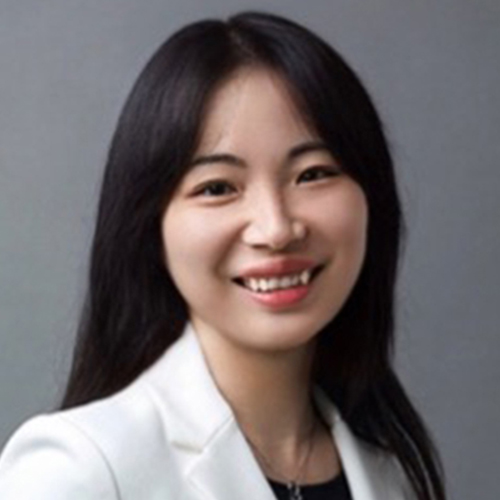
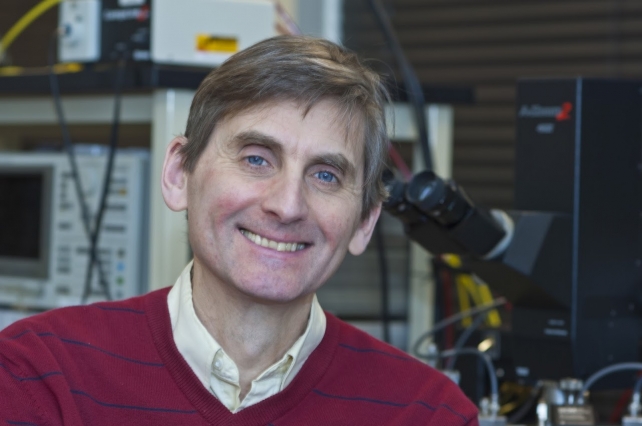
Dr. En Cheng is an Associate Professor in the Department of Computer Science at The University of Akron, affiliated with the College of Engineering and Polymer Science. She joined the university in 2012 and specializes in research areas such as Data Integration, Big Data Management, Database Systems, Mobile Applications, Business Intelligence, and Bioinformatics. Her work bridges theoretical computer science with practical applications, including educational mobile games and business productivity tools. Dr. Cheng’s education includes a Ph.D. from Case Western Reserve University and advanced degrees from Huazhong University of Science and Technology, China. Her research emphasizes innovative solutions in database systems and interdisciplinary applications like bioinformatics. Notable publications include studies on mobile game integration, web content extraction libraries, and business intelligence optimization. Her recent work explores supramolecular assembly, material science, and nanostructure engineering, reflecting a shift toward interdisciplinary collaboration. Over 30 publications since 2014 highlight her contributions to both computer science and materials research. Dr. Cheng teaches courses such as Data Integration, Database Management, and NoSQL systems. She maintains an active research lab and collaborates on projects funded by institutional grants. Her office is located in CAS 229, and she can be reached via echeng@uakron.edu or her website.
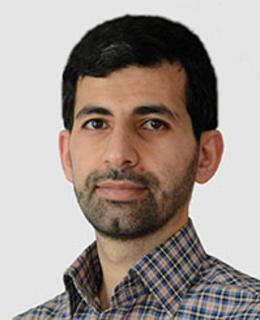
Dr. Amir Sanati Nezhad is a Full Professor in the Department of Biomedical Engineering and Mechanical and Manufacturing Engineering at the University of Calgary's Schulich School of Engineering. He leads the BioMEMS and Bioinspired Microfluidic Laboratory and holds memberships in the Hotchkiss Brain Institute, Snyder Institute for Chronic Diseases, and Arnie Charbonneau Cancer Institute. With a PhD in Mechanical Engineering from Concordia University (2013) and postdoctoral training at Harvard and McGill, he specializes in bioinspired microfluidics, tissue engineering, biosensors, and organ-on-chip technologies. His research focuses on developing point-of-care devices for cancer, brain injury, and infectious disease diagnostics, alongside bioinspired microdevices for disease modeling. He has published over 350 peer-reviewed works and holds prestigious awards like the Canada Research Chair and Governor General’s Gold Medal. His educational background includes degrees from Isfahan University of Technology (B.S., 2006), Amirkabir University (M.S., 2009), and Concordia University (PhD, 2013). Research interests include biosensing, microfluidics, and digital health technologies. Recent articles highlight innovations in wearable biosensors, molecularly imprinted polymers, and self-powered microfluidic systems. His awards reflect contributions to both research and teaching excellence. Grants and collaborations include licensing technologies to diagnostic companies. His lab emphasizes translational research, integrating microfluidics with AI for healthcare applications. He teaches advanced biomedical engineering courses and oversees interdisciplinary projects in organ-on-chip and biomaterials.
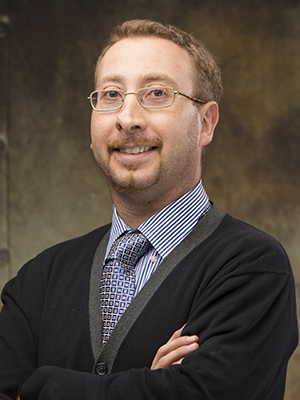
Dr. Mohammad Naraghi is a Professor and Associate Department Head for Academics in the Department of Aerospace Engineering at Texas A&M University. He leads the Nanostuctured Materials Lab , focusing on advanced nanomaterials for aerospace applications. His work integrates material science principles to develop lightweight, high-performance materials for structural, energy storage, and smart textile systems. Education: Ph.D., Aerospace Engineering (2009), University of Illinois at Urbana-Champaign M.S., Civil Engineering (2004), Sharif University of Technology B.S., Civil Engineering (2004), Sharif University of Technology Research Interests: Graphitic carbon nanomaterials, bio-inspired composites, experimental nanomechanics, and polymer nanofiber processing. His lab explores multifunctional materials for aerospace applications, including self-healing polymers, structural batteries, and sustainable carbon fiber recycling. Publications: Dr. Naraghi has authored over 150 peer-reviewed articles, with recent work focusing on carbon nanomaterial synthesis, self-healing vitrimers, and all-electric aircraft sustainability . His studies bridge nanoscale mechanics and macroscale applications, emphasizing scalability and industrial relevance. Awards: Best Paper Award (2009) for nano viscoelastic composites research Roger A. Strehlow Memorial Award (2009) for outstanding research First Place in Sandia MEMS Design Competition (2007) Advising & Grants: Leads NSF-funded projects on sustainable materials and structural energy storage. Advises graduate students in aerospace and materials engineering. Collaborates with Sandia National Labs and industry partners on advanced composite development. Labs & Facilities: Directs the Nanostuctured Materials Lab, equipped with advanced nanomechanical testing systems, electrospinning setups, and characterization tools for nanoscale materials analysis.
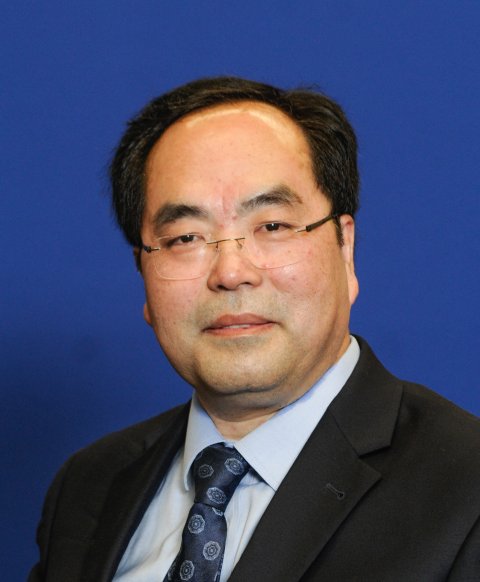
Professor Chen Xiaodong is a Distinguished University Professor at Nanyang Technological University (NTU), Singapore, holding primary appointment in the School of Materials Science & Engineering with courtesy appointments in the Lee Kong Chian School of Medicine and School of Chemistry, Chemical Engineering and Biotechnology. He serves as Deputy Director of the Institute for Digital Molecular Analytics and Science (IDMxS) and Director of both the Innovative Centre for Flexible Devices (iFlex) and Max Planck-NTU Joint Lab for Artificial Senses. His research spans mechanomaterials science and engineering, flexible electronics, sense digitalization, cyber-human interfaces and systems, and carbon-negative technology. Professor Chen's work focuses on developing methods for controlling materials architecture at 1-100 nm scale to solve fundamental and applied problems in energy, environment, and healthcare. His group integrates expertise from materials science, chemistry, biology, physics, and engineering to create innovative solutions. His scientific contributions have been recognized through numerous prestigious awards including the Singapore President's Science Award, National Research Foundation Investigatorship and Fellowship, Friedrich Wilhelm Bessel Research Award, Dan Maydan Prize in Nanoscience and Nanotechnology, and election to multiple national academies including Singapore National Academy of Science, Academy of Engineering Singapore, and German National Academy of Sciences Leopoldina. Professor Chen serves as Editor-in-Chief of ACS Nano and sits on editorial boards of numerous prestigious journals including Advanced Materials, Chemical Reviews, and Matter. He has mentored numerous PhD students and research fellows who have gone on to faculty positions at institutions worldwide. His laboratory develops cutting-edge technologies in flexible electronics, bio-inspired materials, and nano-bio interfaces, with strong industry collaborations and translational research focus.
Daniel Paul Armstrong is a Doctoral Assistant at the Laboratory of Artificial Chemical Intelligence (LIAC) within the Institute of Chemical Sciences and Engineering (ISIC) at École polytechnique fédérale de Lausanne (EPFL). He is concurrently enrolled as a doctoral student in the Doctoral Program in Chemistry and Chemical Engineering (EDCH) at EPFL, indicating an active research and academic trajectory in the domain of chemistry and advanced materials. His academic training and research are situated within the School of Basic Sciences, focusing on the integration of artificial intelligence with chemical discovery and materials design. The interdisciplinary environment of LIAC suggests a strong emphasis on computational modeling, machine learning for molecular systems, and innovation in functional chemical materials. Although no publications authored by Daniel Paul Armstrong are listed in the provided data, the research output of the broader group includes significant contributions in organic semiconductors, perovskite materials, electrochemical transistors, and advanced polymer systems. These areas reflect the likely thematic context of his doctoral work, particularly at the intersection of AI-driven chemical design and electronic materials. No scientific awards or recognitions are mentioned in the available information. As a doctoral researcher, he is likely involved in collaborative projects, possibly advising or mentoring junior students indirectly, though no formal advisees are listed. There is no mention of independent grants, but he may be supported through institutional or group-level funding associated with the LIAC laboratory. The Laboratory of Artificial Chemical Intelligence (LIAC) serves as his primary research environment, promoting innovation in intelligent systems for chemical synthesis, materials optimization, and molecular engineering, aligning with EPFL’s leadership in interdisciplinary science and technology.
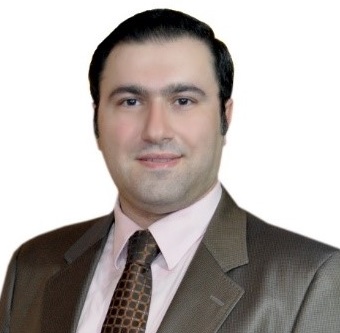
Dr. Mohammad Yazdani-Asrami is a Lecturer in Electrically Powered Aircraft and Operations at the Autonomous Systems & Connectivity (ASC) division of the James Watt School of Engineering, University of Glasgow. He leads research in electrification and cryo-electrification of transportation, particularly in aviation, leveraging applied superconductivity and AI techniques. His research interests span the Electrification and cryo-electrification of power and transportation systems Design of superconducting components (machines, cables, fault current limiters) for aviation Application of AI, machine learning, and big data in engineering and superconductivity Hydrogen electrolysis, production, and integration in aerospace and power networks His recent publications demonstrate a strong trend toward intelligent modeling and AI-driven solutions in superconducting technologies, with a focus on electric aircraft, fault protection, and thermal management using cryogenic fluids. Dr. Yazdani-Asrami has received notable scientific recognition, including: UK Royal Academy of Engineering Global Talent (2021) Young Professional of the Year, Cryogenic Society of America (2023) He actively supervises PhD students and hosts visiting researchers. His advising portfolio includes Alireza Sadeghi, Kerr Smith, Dedao Yan, Giacomo Russo, and Fábio Gregório. He has secured funding from the EPSRC, University of Glasgow, and CSC for PhD students. He also supports postdoctoral fellowships from the Royal Academy of Engineering, Leverhulme Trust, and Marie Skłodowska-Curie actions. He is involved in several research groups and collaborations, particularly within the Aerodynamics, Propulsion and Electrification group. His editorial roles include serving on the boards of Superconductor Science and Technology , World Journal of Engineering , Aerospace Systems , and others. He regularly contributes to major conferences such as the Applied Superconductivity Conference and the International Conference on Magnet Technology.
Cecilia Persson is a Professor at Uppsala University in the Department of Materials Science and Engineering; Biomedical Engineering. She leads the BioMaterial Systems (BMS) research group within the Division of Biomedical Engineering, focusing on the development of new biomaterials through additive manufacturing. She also directs a Competence Centre in Additive Manufacturing for the Life Sciences and the national Research Technology Platform WISE Additive. 2018, Professor in Materials Science, Uppsala University 2015, Docent (Assoc. Prof.) in Engineering Science with Specialization in Materials Science, Uppsala University 2009, PhD in Mechanical Engineering, University of Leeds 2004, MSc in Materials Engineering, European degree (EEIGM) with triple diploma Persson's research focuses on biomaterials, biomechanics, materials science, and additive manufacturing. Her work takes an integrated approach to solving clinical and sustainability problems, combining materials science, mechanical and biological engineering with new technologies like 3D printing and machine learning. Key research areas include magnesium-based alloys for bone substitutes, titanium-based alloys for permanent implants, and machine learning methods to enhance manufacturing efficiency. Analysis of her recent publications shows a strong emphasis on additive manufacturing of biomaterials, particularly magnesium and titanium alloys. Her work explores microstructure control, mechanical properties optimization, antibacterial properties, and patient-specific implant design. The research demonstrates a clear trajectory toward more sustainable, patient-adapted medical solutions using advanced manufacturing techniques. Persson has received funding from prestigious organizations including the Swedish Research Council (VR), the Knut and Alice Wallenberg Foundation (KAW), the Swedish Foundation for Strategic Research (SSF), Sweden's Innovation Agency (VINNOVA), and the EU. As an academic leader, Persson has served as Section Dean of Engineering (2020-2023), President of the Scandinavian Society of Biomaterials (2019-2023), and Coordinator of EU Innovative Training Network NU-SPINE (2019-2023). Her BioMaterial Systems research group takes an integrated approach to solving clinical and sustainability problems, bridging fundamental scientific mechanisms with high societal relevance.
Heidi Ottevaere is a Professor at the Faculty of Engineering of the Vrije Universiteit Brussel (VUB) since October 1, 2009. She serves as the head of the Instrumentation and Metrology platform at the Photonics Innovation Center and leads the 'biophotonics' research unit of the Brussels Photonics Team (B-PHOT), which is chaired by Prof. Hugo Thienpont. Her work focuses on the design, fabrication, and characterization of photonic components and systems for diverse applications in medical diagnostics, environmental monitoring, and industrial processes. Dr. Ottevaere earned her Electrotechnical Engineering degree with majors in Photonics from Vrije Universiteit Brussel in 1997 and completed her PhD in Applied Sciences at the same institution in 2003. Her doctoral research focused on 'Refractive microlenses and micro-optical structures for multi-parameter sensing: a touch of micro-photonics.' Professor Ottevaere's research spans multiple cutting-edge areas of photonics with particular emphasis on biophotonics, micro-optics, and optical metrology . Her work bridges fundamental science with practical applications, developing novel photonic components and systems that address real-world challenges. She has pioneered research in miniaturized optical systems for medical diagnostics, environmental monitoring, and industrial applications. Her current research focuses on advancing lab-on-a-chip technologies, microfluidic optical sensors, and novel optical fiber systems for biomedical applications. She has developed microminiaturized, integrated plastic detection units for absorbance and laser-induced fluorescence measurements in microfluidic channels, enabling portable, robust, and disposable diagnostic systems. Her recent publications demonstrate a strong trend toward integrated optical sensing systems with applications in medical diagnostics and environmental monitoring. There's a clear progression from fundamental optical component design to complete system integration, with increasing emphasis on artificial intelligence for data analysis and computational imaging techniques. Her work bridges photonics with biomedical engineering, materials science, and data science, reflecting the interdisciplinary nature of modern photonics research. Dr. Ottevaere has been recognized with several prestigious awards: Best Application award (2008) Educational award - Bronze (2019) MOC09 Contribution Award Winners (2009) As an educator and mentor, Professor Ottevaere has promoted 9 PhD students and supervised numerous master's theses. She has secured substantial research funding from diverse sources including the Fund for Scientific Research Flanders (FWO), the Institute for the Promotion of Innovation by Science and Technology in Flanders (IWT), and multiple European Framework Programs. Her current portfolio includes projects on miniaturized biosensors for drinking water screening, precision manufacturing, and photonics education initiatives in Uzbekistan. She has coordinated multiple strategic research and networking projects with regional, national, and international funding bodies. Professor Ottevaere leads the biophotonics research unit within the Brussels Photonics Team (B-PHOT), one of Europe's leading photonics research groups. Her team includes researchers working on optical metrology, micro-optics fabrication, and biophotonic applications. She collaborates extensively with industry partners including Melexis, Umicore, and Anteryon, as well as academic institutions across Europe through various EU-funded projects. She has been instrumental in developing the interuniversity engineering curriculum 'Master in Photonics' which received the EC Erasmus Mundus quality label in 2006, and continues to be the driving force behind photonics education at VUB.
Robert Heinemann is a Senior Lecturer in the Department of Mechanical and Aerospace Engineering at the University of Manchester, affiliated with the School of MACE. His work focuses on advanced machining, tool condition monitoring, and sustainable manufacturing processes. He holds a PhD from the University of Manchester Institute of Science and Technology (2004) and has extensive research experience in drilling technology, carbon-based coatings, and environmental benign machining. Education: Diplom Ingenieur (Dipl.-Ing. FH) in Mechanical Engineering, University of Paderborn, Germany (1999) MSc in Electronic Engineering and Engineering Management, University of Paderborn/Bolton University (2001) PhD in Mechanical Engineering, University of Manchester Institute of Science and Technology (2004) Research interests include: Drilling and reaming technology for minimally invasive surgery Development of diamond-like carbon coatings for cutting tools Process and tool optimization for aerospace and biomedical applications Environmental sustainability in manufacturing design His research outputs emphasize adaptive drilling strategies, deep learning applications in process monitoring, and sustainable manufacturing practices aligned with UN SDGs. He leads the Laser Processing Research Centre (LPRC), focusing on laser-based machining innovations. Scientific achievements include a Leverhulme Trust Early Career Fellowship (2010) and contributions to over 40 peer-reviewed articles. He advises 9 postgraduate research students and collaborates on multi-disciplinary projects addressing industrial challenges in composites and precision engineering.
Patrick Kluth is a Professor at the Research School of Physics, Australian National University, leading a research group focused on swift heavy ion-modified materials and nanopore technology. His work bridges materials science, physics, and biomedical applications. Education : Dipl. Phys. from Düsseldorf, Germany; PhD in Physics from RWTH Aachen, Germany (2002, summa cum laude). Research Interests center on: Ion track technology for solid-state nanopore fabrication Advanced materials characterization (SAXS, X-ray absorption spectroscopy) Defect engineering in semiconductors and superconductors Nano-fabrication and semiconductor processing methods Bio-sensor development and ion separation technologies Recent Research Trends show a focus on: Developing affordable microcontroller-assisted nanopore fabrication platforms Enhancing flux pinning in superconductors via ion irradiation Engineering nanomaterials for space applications (carbon-fibre composites) Exploring radiation effects on perovskite solar cells and graphene-enhanced composites Combining machine learning with nanopore sensing for biomarker detection Scientific Awards : Feodor-Lynen Fellowship Borcherts-Medal for PhD excellence Three ARC Fellowships (Postdoctoral, Research, Future) Leadership Roles : Head of Department (2018-2020), Associate Director HDR (2020-2023). His projects include collaborations on Alzheimer's detection sensors and carbon-fibre additive manufacturing for space applications.
Dr. Tian-Bing Xu is a Professor of Mechanical & Aerospace Engineering at Old Dominion University (ODU), affiliated with the Batten College of Engineering and Technology. He previously held a 16.5-year tenure at NASA Langley Research Center via the National Institute of Aerospace (NIA), focusing on smart materials and aerospace device development. His research expertise includes piezoelectric materials, energy harvesting systems, cryogenic actuators, and advanced sensors. Dr. Xu has secured over $13M in grants from agencies like NASA, DoD, and ONR, and leads multidisciplinary teams in aerospace innovation. Education: M.S. in Electrical Engineering (1999) and Ph.D. in Materials Sciences and Engineering (2002) from Pennsylvania State University. He was an ONR Global Summer Senior Faculty Fellow at NIWC Atlantic (2019). Research Interests: Smart materials for aerospace applications, piezoelectric energy harvesting, cryogenic actuators, synthetic jet actuators, and multifunctional composites. He has pioneered energy harvesting systems for space and terrestrial use, winning multiple awards including the 2011 and 2015 Best Energy Harvesting Awards, and the 2016 R&D 100 Finalist. His work emphasizes practical applications in aerospace, defense, and renewable energy. Awards: Over 45 honors including Top 2% Global Influential Scientists (2020s), multiple NASA and NIA recognitions, and 11 U.S. patents (3 licensed) in energy harvesters, pressure sensors, and plasma actuators. Grants & Leadership: Secured $13M+ in grants for projects ranging from cryogenic actuators to nanocomposite sensors. His lab collaborates with NASA Langley, universities, and industries to address energy harvesting challenges. He has developed 9 smart materials characterization methods and holds 15 pending patents. Labs & Teams: Lead of the Smart System and Renewable Energy Lab. Collaborates with institutions like NCSU, Virginia Tech, and industry partners on piezoelectric innovations. His research bridges material science, mechanical engineering, and aerospace systems for sustainable solutions.
Dr. Minliang Yang is an Assistant Professor in Food Sustainability at North Carolina State University's Department of Food, Bioprocessing & Nutrition Sciences. Her research focuses on system-level analyses (TEA, LCA, machine learning) to advance food sustainability, particularly through plant-based foods, cellular agriculture, and greenhouse gas mitigation strategies. She holds a B.S. in Food Science from Henan University of Technology (2012), M.S. and Ph.D. in Agricultural and Biosystems Engineering from Iowa State University (2014/2018), and a postdoctoral fellowship at Lawrence Berkeley National Laboratory (2022). Her work spans biofuel production, bioproduct valorization, and sustainable biorefinery systems. Key contributions include optimizing biomass pretreatment methods (e.g., low-moisture anhydrous ammonia), developing plant-based platforms for human milk oligosaccharides, and evaluating the economic viability of carbon-negative fuels. Dr. Yang's interdisciplinary approach integrates engineering, biology, and economics to address global food system challenges. Recent publications emphasize co-processing agricultural residues, machine learning-driven process modeling, and cost-benefit analyses of bio-based materials. Her research highlights the potential of integrating plant biotechnology with advanced analytics to create scalable, sustainable solutions for food and energy systems.
Dr. Elizabeth Lipke is the Mary and John H. Sanders Professor of Chemical Engineering at Auburn University’s Samuel Ginn College of Engineering. Her lab focuses on tissue engineering, particularly in cancer and cardiovascular systems, with a focus on 3D in vitro models for drug screening and disease mechanisms. She leads interdisciplinary research combining biomaterials, microfluidics, and stem cell technologies to model complex biological systems. Education & Affiliations: PhD in Chemical Engineering (assumed based on role) Director of the Lipke Lab at Auburn University Collaborator with Dr. Arnold (cancer biology) and Dr. Mistriotis (biomedical engineering) Research Interests: Engineered cancer models to study obesity-related colorectal cancer progression Cardiac tissue engineering using pluripotent stem cells Microfluidic platforms for scalable production of hydrogel microspheres Drug efficacy testing in vascularized tumor models Awards & Recognition: 2024 AIMBE College of Fellows Inductee (top 2% in medical/biological engineering) NSF Grant ($621,934) for cardiac tissue manufacturing research (2018) Alabama Launchpad $25,000 award for Vivosphere technology (2023) Lab Highlights: Developed tumor-mimetic microvascular platforms for anti-cancer drug screening Engineered insulin-sensitive/insulin-resistant colorectal cancer models Pioneered scalable production of cardiac tissue microspheres from hiPSCs Grants & Funding: NSF RECODE Grant (2021) LAUNCH Innovation Grant (2023) Labs/Teams: Lipke Lab at Auburn University Collaborations with Arnold Lab (cancer biology) and Mistriotis Lab (biomedical engineering)
Aurélien Bornet is a Lecturer at École Polytechnique Fédérale de Lausanne (EPFL) in the School of Basic Sciences (SB), specifically within the Institute of Chemical Sciences and Engineering (ISIC). He serves as the Platform Leader for the Nuclear Magnetic Resonance Platform at EPFL, where he oversees advanced NMR facilities and research. Dr. Bornet's research focuses on Nuclear Magnetic Resonance (NMR) and Dynamic Nuclear Polarization (DNP) techniques. His work spans several key areas including hyperpolarization methodologies, development of NMR instrumentation, and applications in both chemistry and biomedical fields. His research has led to significant advancements in dissolution DNP, long-lived nuclear spin states, and hyperpolarized metabolite imaging. His recent publication record demonstrates strong activity in developing new NMR techniques and applications, with particular emphasis on hyperpolarization methods that dramatically enhance NMR sensitivity. His work bridges fundamental physics with practical applications in medical imaging and materials science. The research outputs include numerous high-impact publications in journals like Nature Communications, Journal of the American Chemical Society, and Physical Chemistry Chemical Physics, as well as several patents related to NMR technology. Dr. Bornet has received recognition through multiple patents for his innovations in NMR technology, including patents related to polarizing agents, dissolution DNP methods, and NMR instrumentation. His work has important implications for biomedical imaging, particularly in the development of hyperpolarized metabolic imaging for cancer diagnostics and other medical applications. As an educator, Dr. Bornet teaches courses on Basic and Advanced NMR at multiple levels (Level 1 A, Level 1 B, and Level 2) at EPFL and in Sion. His teaching focuses on both theoretical and experimental aspects of NMR, providing students with hands-on experience with modern NMR spectrometers. His academic journey includes completing his PhD at EPFL in 2015 with a thesis on hyperpolarized protons for enhancing NMR sensitivity, advised by G. Bodenhausen and S. Jannin. Prior to this, he completed earlier research on long-lived states as probes of protein stability in 2010 under the supervision of G. Bodenhausen and P. Vasos.
Jesús del Alamo serves as the Donner Professor of Science within MIT’s Department of Electrical Engineering and Computer Science, leading cutting-edge research in semiconductor device physics with applications spanning logic, high-frequency, and power electronics. His work bridges fundamental materials science with practical device engineering to address next-generation computing challenges. Academic Credentials: PhD, Stanford University MS, Stanford University Research Focus: Professor del Alamo’s expertise centers on transistor physics and semiconductor device innovation, particularly III-V compound semiconductors (InGaAs, GaN) and diamond MOSFETs. Current investigations target reliability mechanisms in GaN transistors for RF/power applications, novel analog computing architectures, and electrochemical ionic synapses for neuromorphic hardware. His group pioneers atomic-scale fabrication techniques like thermal atomic layer etching for sub-5nm devices while exploring quantum confinement effects in vertical nanowires. Publication Evolution: Recent work (2023-2025) demonstrates a strategic shift toward neuromorphic computing, with 60% of publications focusing on electrochemical synapses and ferroelectric memories for AI acceleration. This builds upon decades of transistor scaling research, now converging with materials innovations in HfZrO 2 ferroelectrics and protonic conductors to enable energy-efficient analog deep learning hardware. Award Recognition: Louis D. Smullin Award for Excellence in Teaching Amar Bose Award for Excellence in Teaching Intel Outstanding Researcher Award Semiconductor Research Corporation Technical Excellence Award Semiconductor Industry Association-Semiconductor Research Corporation University Researcher Award Collaborative Leadership: He directs research within MIT’s Microsystems Technology Laboratories (MTL), collaborating with faculty including Bilge Yildiz (electrochemical systems) and Ju Li (computational materials). Current projects integrate device physics with neuromorphic algorithms, supported by semiconductor industry partnerships focused on translating fundamental discoveries into practical AI hardware solutions. Research Infrastructure: His group operates within MIT’s MTL cleanroom facilities, utilizing advanced characterization tools for in-situ device analysis and leveraging partnerships with industry leaders in semiconductor manufacturing to prototype novel transistor architectures.