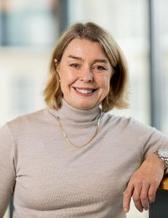
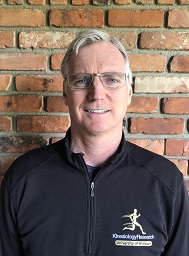
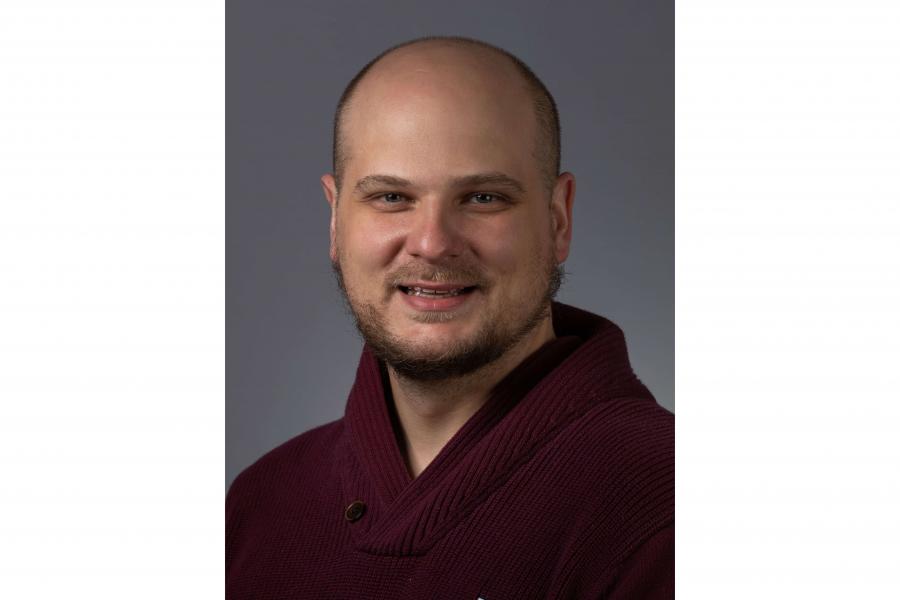
Malin Broberg is a Professor in Psychology and the current Vice-Chancellor (since 2023) and President of the University of Gothenburg. She was previously Dean of the Faculty of Social Sciences at the same institution. Educated at Umeå University, she is a licensed psychologist with a clinical background in child and youth habilitation. Her research focuses on: Welfare systems for families with disabled children Stress coping mechanisms Neurodevelopmental impacts of brain damage in children Augmentative and Alternative Communication (AAC) Parental well-being and resilience Recent publications (2024-2023) highlight her work in neuropsychology, health-promoting learning environments, and AAC interventions for children with profound disabilities. She has collaborated with researchers in Sweden and the USA, and her work appears in journals like Child Neuropsychology and Disability and Rehabilitation-Assistive Technology . Malin Broberg has supervised doctoral and Master’s theses in developmental psychology and disability research. She has also served as General Secretary of the International Association for the Scientific Study of Intellectual and Developmental Disabilities (IASSIDD).
Karrie A. Shogren is the Ross and Marianna Beach Distinguished Professor at the University of Kansas. Her work focuses on self-determination for individuals with intellectual and developmental disabilities, emphasizing educational outcomes, policy, and inclusive practices. She holds a Ph.D. in Disability and Education from KU, an M.A. in Psychology from the University of Dayton, and a B.S. in Psychology from The Ohio State University (summa cum laude). Her research spans self-determination interventions, special education policy, and the intersection of disability and citizenship. Key areas include improving IEP goal attainment, evaluating technology-delivered interventions, and co-designing inclusive environments with disability communities. She advocates for supported decision-making alternatives to guardianship and has published extensively on measurement tools for self-determination. Dr. Shogren’s awards include the distinguished professorship, recognizing her contributions to advancing equity in education for marginalized groups. She collaborates internationally, adapting interventions across cultural contexts while prioritizing anti-racism and anti-ableism in transition services. Her work intersects with museum accessibility, telehealth mindfulness programs for adolescents with disabilities, and policy reforms to reduce educational segregation. She emphasizes practitioner partnerships, developing teacher coaching models to implement self-determination practices in inclusive classrooms.
Camille Owens is an Assistant Professor in the Department of English at McGill University, affiliated with the Faculty of Arts. Her research focuses on race, childhood, disability, and archival methodologies, with a particular emphasis on African American literature and Black feminisms. She holds a Ph.D. from Yale University and a B.A. from Harvard University, where she graduated summa cum laude. Owens’ work challenges historical narratives about childhood’s universality by centering Black children’s experiences and contributions. Her book Like Children: Black Prodigy and the Measure of the Human in America (2024) rethinks the intersections of race, developmental schemas, and ableism in 19th-century America. Education Ph.D., M.Phil., M.A., Yale University (African American Studies and American Studies) B.A., summa cum laude, Harvard University (History & Literature and Women, Gender, Sexuality Studies) Awards & Honors Junior Fellow, Harvard Society of Fellows (2020–2023) 1921 Prize in American Literature (2022) Ralph Henry Gabriel Dissertation Prize (2020) Sylvia Ardyn Boone Dissertation Prize (2020) Owens teaches courses on Black studies, Indigenous literatures, disability studies, and archival theory. Her research bridges literary analysis with historical critique, emphasizing marginalized voices in archives and cultural production.
Katsuhito Yasuno is a Research Scientist in the Department of Neurosurgery at Yale School of Medicine. He works within the Gunel Lab, focusing on neurogenetic research related to brain disorders, vascular conditions, and tumors. His work involves genomic analyses and molecular studies to understand the genetic basis of various neurological conditions. Education: Postdoctoral Fellow, Japan Science and Technology Corporation (2008) Postdoctoral Fellow, Japan Biological Informatics Consortium (2006) Postdoctoral Fellow, Tokai University School of Medicine (2004) PhD in Theoretical Physics, Tokyo Institute of Technology (2002) MS in Theoretical Physics, Tokyo Institute of Technology (1999) BS in Physics, Tokyo Metropolitan University (1997) Dr. Yasuno's research spans multiple areas of neurogenetics and molecular neuroscience. His primary interests include epidemiologic factors and methods related to brain tumors (particularly glioblastoma and meningioma), intracranial aneurysms, nervous system diseases and malformations, and vascular diseases. His physics background contributes to sophisticated analytical approaches in genetic research. His publication record shows consistent contributions to understanding the genetic mechanisms underlying neurological disorders, with recent work focusing on meningioma genetics, brain malformations, and vascular disorders. The research demonstrates a progression from basic genetic discovery to translational applications, with particular emphasis on molecular pathways that could serve as therapeutic targets. Dr. Yasuno collaborates extensively with leading researchers in the field, most notably with Dr. Murat Günel (28 common publications) and Dr. Kaya Bilguvar (34 common publications). His work involves both computational analysis and laboratory validation of genetic findings. As part of the Gunel Lab, Dr. Yasuno contributes to the lab's three major research interests: developmental neurogenetic disorders, neurovascular disorders, and brain tumor biology. The lab utilizes advanced genomics techniques and bioinformatic analysis for gene discovery followed by functional studies.
Stuart Carroll is an Associate Professor of Elementary Education and Co-Chair of the Department of Elementary and Early Childhood Education at The College of New Jersey's School of Education. He also serves as Faculty Director of Global Graduate Programs, demonstrating his commitment to international education experiences. Dr. Carroll earned his Ph.D. in Teaching and Curriculum from Syracuse University (1999), an MEd in Teaching ESL from Trenton State College (1995), a Bed in Elementary Education from the University of Manitoba (1987), a J.D. from the University of Manitoba (1983), and a B.A. in History from the University of Manitoba (1981). Carroll's research focuses on inclusive education, particularly for students with intellectual disabilities, teacher preparation programs, global education experiences, and ESL teaching methods. His work examines how preservice teachers develop through experiences with diverse learners, especially those with disabilities, and how these experiences shape their professional identities. He has extensively studied the impact of inclusive classroom experiences on teacher development and has developed innovative approaches to teacher education that emphasize compassion and care, particularly in the post-pandemic educational landscape. His recent publications show a clear trajectory toward examining teacher preparation in challenging contexts, including the Ukrainian refugee crisis and pandemic recovery. His work consistently emphasizes the importance of inclusive practices, compassionate teaching, and global perspectives in teacher education. Dr. Carroll has received numerous honors including The College of New Jersey School of Education's Teacher of the Year (2015) and the Northeastern Association of Graduate Schools Graduate Teaching Award (2007). The College of New Jersey School of Education's Teacher of the Year (2015) Northeastern Association of Graduate Schools Graduate Teaching Award (2007) Dissertation award, Syracuse University (1999) Berj Harootunian Award for Outstanding Dissertation Proposal (1997) Carroll has coordinated the MAT Program (2002-2008) and the Global Student Teaching Program (2001-2007), demonstrating his leadership in teacher preparation. He has secured significant grant funding including a $96,000 grant from the Developmental Disabilities Council of the State of New Jersey (2008-2009) and participation in a federal TPSID grant with Bergen Community College (2018-2019). His service includes numerous committee memberships related to faculty excellence, certification, departmental awards, and curriculum development. Through his leadership of the Career and Community Studies Program and his extensive research on inclusive education, Carroll has established TCNJ as a leader in inclusive postsecondary education for students with intellectual disabilities. His work bridges theory and practice, creating meaningful opportunities for preservice teachers to learn alongside peers with disabilities.
Professor Monica Cuskelly is a leading academic and researcher in the field of disability studies and special education at the University of Tasmania. She serves as Director of Research at the Applied Research Centre for Disability and Wellbeing (ARCDW), part of the Faculty of Education under the College of Arts, Law and Education (CALE). Her work focuses on intellectual disability, ageing psychology, and health psychology, with a strong emphasis on policy development and service delivery improvements. Professor Cuskelly has supervised numerous doctoral and masters students, contributing to research on topics such as inclusive education, disability policy implementation, and the social experiences of individuals with disabilities. Her research portfolio includes over 170 publications, with recent work addressing restrictive practices in disability care, maternal stress factors, and the impact of sibling relationships on developmental outcomes in children with disabilities. She has secured significant funding for projects such as the National Disability Insurance Scheme (NDIS) impact analysis, interventions for psychotropic medication reduction, and curriculum adjustments for students with intellectual disabilities. Notably, her work explores the intersections of policy, practice, and lived experiences to advance equitable outcomes for marginalized populations. Professor Cuskelly’s contributions extend to collaborative initiatives like the Australia-ASEAN Academics Forum and evaluations of early intervention programs for children with cerebral palsy. Her leadership in the ARCDW drives applied research aimed at improving quality of life for people with developmental, intellectual, or cognitive disabilities. Current projects investigate loneliness reduction strategies, criminal justice system supports for individuals with disabilities, and the role of siblings in developmental trajectories. Her academic career spans decades, with grants dating back to the 1990s, reflecting her sustained commitment to advancing disability research. She actively engages in policy discussions, serving as a conduit between academic findings and real-world applications. Professor Cuskelly’s interdisciplinary approach combines psychological insights with educational and healthcare perspectives, making her a pivotal figure in disability advocacy and research.
Simo Vehmas is Professor of Special Education at Stockholm University's Department of Special Education. He is currently on research leave for the academic year 2024-2025 at the Paris Institute for Advanced Study, with plans to resume departmental activities from July 2025. His academic work spans theoretical and empirical approaches to disability studies, with particular focus on profound intellectual and multiple disabilities. Professor Vehmas's research interests center on theoretical and ethical issues related to disability, examining the ontological formation as well as the moral and political significance of disability. His work bridges philosophical inquiry with practical educational concerns, particularly regarding persons with profound intellectual and multiple disabilities. Recent publications demonstrate his commitment to exploring the intersection of language, identity, and rights within disability contexts. His scholarship engages deeply with questions of personhood, moral status, and the social construction of disability, while also addressing practical implications for education and policy. Analysis of Vehmas's recent publications reveals a consistent thematic trajectory exploring the philosophical foundations of disability while increasingly incorporating empirical research methods. His work spans multiple disciplines including philosophy, ethics, linguistics, education, and social policy, with particular attention to Swedish disability contexts. The publications demonstrate growing engagement with interdisciplinary approaches to disability studies, moving from purely theoretical frameworks toward more applied research on music therapy, educational interventions, and everyday experiences of people with profound intellectual disabilities. Vehmas has made significant contributions through book publications including 'Narrowed Lives: Meaning, Moral Value, and Profound Intellectual Disability' (2021), 'Vaikeasti kehitysvammaisten arki ja ihmisyys' (2022), and co-editing the 'Routledge Handbook of Disability Studies: Second Edition' (2020). His scholarly output reflects deep engagement with both international disability scholarship and specifically Nordic approaches to disability. While specific grant information is not provided in the available materials, Professor Vehmas's research leave at the Paris Institute for Advanced Study indicates active engagement with international research networks. His collaborative work with researchers like Riitta Mietola suggests participation in research teams focused on profound intellectual disabilities. His publications suggest ongoing work in developing pedagogical interventions and theoretical frameworks for understanding disability experiences.
Paola Venuti is a Full Professor at the Department of Psychology and Cognitive Sciences, University of Trento, and currently serves as Vice-Rector for Teaching. She holds academic roles in the Faculty of Cognitive Sciences and oversees the Interdepartmental Center for Medical Sciences (CISMED). Her research focuses on child development, autism spectrum disorders, and clinical psychology, with a particular emphasis on early diagnosis and intervention. She has led international projects, including the NIH-NICHD study on mother-infant relationships, and pioneered observational methods for assessing developmental disorders. Education: Laurea in Psychology (1980, University of Padua), PhD in Social and Developmental Psychology (1987), and postdoctoral research (1992–1994). She has held academic positions at the University of Padua and the Second University of Naples before joining the University of Trento in 2002. Research interests span developmental psychology, clinical interventions for neurodevelopmental disorders, and cross-cultural studies on parenting. She coordinates the Observation and Functional Diagnosis Laboratory and supervises clinical teams in rehabilitation and educational settings. Grants and Projects: Coordinated national and international projects, including the PRIN-funded study on early autism indicators and NIH-NICHD collaborations. She has authored numerous articles in journals like Developmental Psychology and Child Development , focusing on parent-child interaction, autism screening, and cognitive development. Labs/Teams: Leads the Observation and Functional Diagnosis Lab, collaborating with institutions like the Stella Maris Research Institute (Pisa) and rehabilitation centers in Trentino. Supervises postdocs, doctoral students, and researchers in cognitive and developmental studies.
Professor Andy Byford is a Professor and Director of Research at Durham University’s School of Modern Languages and Cultures. His work focuses on the history of science, education, and human-animal relations in Russia and the USSR. He leads research projects on Soviet primate studies, child science, and the intelligentsia’s role in academic institutions. His research spans interdisciplinary topics such as the historical construction of animal mentality, the rise of child studies in Russia, and the intersection of science with socio-political changes. He has authored books like *Science of the Child in Late Imperial and Early Soviet Russia* and edited volumes on transnational Russian studies. Publications highlight his expertise in Soviet-era pedagogy, child welfare policies, and the legacy of repressed sciences like pedology. Recent work addresses the implications of Russia-Ukraine tensions on academic fields. He supervises PhD students in Russian history and culture, emphasizing topics like human-animal relations and Soviet-era education systems. His contributions include over 30 journal articles and book chapters, exploring themes such as eugenics, Cold War science, and migrant communities. While no formal awards are listed, his extensive scholarly output underscores his influence in Russian studies.
Christopher J. Lemons, Ph.D., serves as Associate Professor of Special Education in Stanford University's Graduate School of Education, focusing on improving academic outcomes for children with intellectual, developmental, and learning disabilities through evidence-based reading interventions, particularly for individuals with Down syndrome. His educational background includes: Bachelor of Arts in Psychology, University of Texas at Austin (1996) Bachelor of Science in Applied Learning and Development (Special Education), University of Texas at Austin (1999) Master of Arts in Special Education, University of Texas at Austin (2000) Doctor of Philosophy in Education and Human Development (Special Education), Peabody College of Vanderbilt University (2008) Lemons' research spans 18 critical areas including Literacy and Language, Data-Based Individualization, Intervention-Related Assessment, and Professional Development. His recent work emphasizes complex reading instruction for learners with disabilities and training paraeducators for inclusive classrooms, with findings covered in Stanford News including January 2025 research on advanced reading techniques for disabled learners. His distinguished honors include: Presidential Early Career Award for Scientists and Engineers (PECASE) from President Obama (2016) Pueschel-Tjossem Research Award from National Down Syndrome Congress (2016) Distinguished Early Career Research Award from CEC Division for Research (2017) Article of the Year in Assessment for Effective Intervention (2014) Lemons secures major funding from the Institute of Education Sciences, Office of Elementary and Secondary Education (U.S. Department of Education), and National Institutes of Health. He serves as Senior Advisor for the National Center on Intensive Intervention and Progress Center at American Institutes of Research, chairs the Pacific Coast Research Conference Executive Committee, and is President-Elect of the Council for Exceptional Children's Division of Research. His doctoral advisees include Wanjing Anya Ma (Dissertation Reader) and Bonnie Hallman/Megumi Takada (Dissertation Advisors). Prior to academia, he taught in special education settings including preschool autism units, elementary inclusion programs, and middle school life skills classrooms. He currently teaches courses such as EDUC 285D: Dis/ability and Access in Elementary Classrooms and EDUC 152Q: Improving Inclusive Higher Education for Students with Down Syndrome.
Dr. Sean Horton is a Professor at the Faculty of Human Kinetics , University of Windsor , specializing in skill acquisition, aging studies, and adapted physical exercise. His work bridges expert performance maintenance across the lifespan with social determinants of physical activity in seniors. Ph.D., Queen’s University (2007) M.A., Queen’s University (2003) B.A., Queen’s University (1992) His research focuses on three core areas: lifelong skill maintenance (particularly in older athletes), age-related stereotypes affecting physical activity engagement, and adapted exercise programming for individuals with intellectual/developmental disabilities. Recent publications analyze pandemic impacts on caregiving systems and policy challenges in youth sports. Dr. Horton's collaborative work with Chad Sutherland and Community Living Essex County has produced the APEX program (Adapted Physical Exercise), addressing physical activity disparities for disabled populations. His 2018-2024 publications reveal interdisciplinary exploration of aging dynamics, social comparison, and policy frameworks. Email: hortons@uwindsor.ca | Office: H.K. Building, Room 110
Vaishnav Krishnan, M.D., Ph.D., is an Associate Professor at Baylor College of Medicine with joint appointments in the Department of Neurology, Neuroscience, and Psychiatry and Behavioral Sciences . He also holds an Adjunct Associate Professor position in Electrical and Computer Engineering at Rice University. As a physician-scientist, he leads the Laboratory of Epilepsy and Emotional Behavior , focusing on the neurobiological mechanisms linking epilepsy to psychiatric comorbidities. Education: BS in Neuroscience and Chemistry, New York University (2003) MD-PhD in Behavioral Neuroscience and Molecular Neuroplasticity, UT Southwestern Medical Scientist Training Program (2010) Internship and Residency in Internal Medicine and Adult Neurology, Parkland Memorial Hospital (2011) and Beth Israel Deaconess Medical Center (2014) Postdoctoral Fellowship in Seizures and Autism-Related Behavior, Beth Israel Deaconess Medical Center (2016) His research employs genetically valid mouse models and home-cage behavioral monitoring to study interictal behavioral derangements, using EEG and wearable devices to translate findings to humans. His work has been supported by grants from NINDS , the American Epilepsy Society , Gulf Coast Center for Precision Health , and the Mike Hogg Fund . He has received awards such as the NINDS K08 Career Development Award and American Epilepsy Society Fellow . The Krishnan Lab has published extensively on epilepsy spectrum disorders , circadian and ultradian rhythms , and seizure prediction algorithms , with recent studies in Journal of Comparative Neurology , Brain Communications , and Epilepsia . He collaborates with epilepsy-focused labs, including those of Dr. Jeffrey Noebels and Dr. Berge Minassian. Scientific Awards and Recognitions: Outstanding Resident Teaching Award (Harvard Medical School, 2013) NINDS R25 Award (2014-2015) Clinical Research Training Fellowship in Epilepsy (American Academy of Neurology, 2016-2018) Mentored Clinical Scientist Research Career Development Award K08 (NINDS, 2019-2024) Junior Investigator Award (American Epilepsy Society, 2020-2021) Mike Hogg Fund Award (2021-2022) Gulf Coast Center for Precision Health Pilot Award (2022-2023) Fellow of the American Epilepsy Society (2022) Lab Members and Trainees: The lab includes current researchers like Medical Students Vanuli Arya and Anna Norman , Research Technician Saifina Karedia , and Postdoctoral Associate Arindam Mazumder . Former trainees include Paarth Kapadia (MD, BCM 2023) and Anney Tuo (Rice B.S., now in medical school), among others pursuing careers in medicine, research, and engineering.
Keith Anderson is a Professor and Chair of the Department of Social Work at the University of Mississippi, holding dual appointments in the School of Applied Sciences and the Department of Public Health. His work focuses on aging, caregiver support, and innovative community-based services for older adults. He earned a B.A. in Liberal Arts from Dickinson College (1987), an M.S.W. from Virginia Commonwealth University (2000), and a Ph.D. in Gerontology from the University of Kentucky (2007). His research emphasizes technology-enhanced interventions, green care farms, and dementia care, with a strong focus on improving quality of life through nature-based and virtual programs. Key research interests include Alzheimer’s disease, caregiver burden reduction, and the implementation of evidence-based practices in adult day services. He has pioneered initiatives such as the Adult Day Services Plus program and the Virtual Care Farm concept, aiming to combat social isolation and enhance cognitive health. His work has been recognized through fellowships from the Hartford Foundation and the Gerontological Society of America. Dr. Anderson’s contributions extend to editorial roles at journals like The Gerontologist and Journal of Applied Gerontology. His recent studies explore the efficacy of nature-focused livestreams, 3D-printed reminiscence tools, and interventions for older adults with autism. He advocates for standardized outcome measures in adult day services and integrates community advisory boards into research design to ensure practical applicability. His awards include the Hartford Doctoral Fellowship and Hartford Faculty Scholarship, reflecting his commitment to advancing gerontological education and practice. Current projects investigate technology’s role in aging, including virtual care farms and AI-driven caregiver support systems.
Hilary Johnson is an Adjunct Associate Professor at the Living with a Disability Research Centre, La Trobe University, and has taught part-time in the School of Allied Health. Her academic and clinical work centers on improving communication access for individuals with complex communication needs, including those with aphasia, intellectual disabilities, and developmental conditions. Adjunct Associate Professor, Living with a Disability Research Centre Part-time teaching, School of Allied Health, La Trobe University Extensive collaboration with Scope and other disability organizations Hilary holds a PhD, MA (Ed), B Ed, and Dip Sp Th, reflecting a strong interdisciplinary background in speech pathology, education, and disability studies. Diploma in Speech Therapy (Dip Sp Th) Bachelor of Education (B Ed) Master of Arts in Education (MA Ed) Doctor of Philosophy (PhD) Her research is deeply committed to enhancing the lives of people with little or no speech through Augmentative and Alternative Communication (AAC), saliva control, and inclusive communication practices. She investigates communication access in healthcare, legal, transport, and community settings, aiming to foster dignity, autonomy, and social inclusion. Analysis of her recent publications reveals a consistent focus on participatory research, accessibility standards, and the development of practical tools and training for frontline workers. Her work spans qualitative studies, intervention evaluations, and policy-oriented research, often employing co-design and community-based methodologies. Her scientific contributions have been recognized through widespread citation, media pickup, and policy references, though formal awards are not listed in the provided text. Keynote speaker at national and international conferences Multiple publications in high-impact journals such as Disability and Rehabilitation and Journal of Intellectual and Developmental Disabilities Research cited in policy and news outlets Hilary actively mentors students and collaborates across disciplines, though specific advisees are not named. Her work is supported through institutional and organizational partnerships, including Scope, and emphasizes capacity building in both professional and community contexts. She is involved in developing and evaluating digital tools like the Aphasia App and communication access networks, reflecting a forward-looking approach to leveraging technology for inclusion.
Dr. Paul Marcogliese is an Assistant Professor in the Department of Biochemistry & Medical Genetics at the University of Manitoba’s Max Rady College of Medicine. He leads the Marcogliese Lab, focused on understanding the molecular and cellular mechanisms underlying neurological disorders such as autism, Parkinson’s disease, and rare conditions like NEDAMSS. His work employs Drosophila melanogaster and mouse models to assess genetic variants and develop therapeutic strategies. Dr. Marcogliese holds a PhD in Neuroscience from the University of Ottawa and completed postdoctoral training at Baylor College of Medicine, where he studied neurodegenerative disease mechanisms. His research integrates functional genomics, disease modeling, and drug screening to identify genetic drivers of neurological disorders and potential treatments. Key research interests include: Functional assessment of human disease variants using Drosophila and murine models Role of Wnt signaling in neurodegeneration and neurodevelopmental disorders Identification of novel therapeutic targets for rare and common neurological conditions Dr. Marcogliese is affiliated with the Children’s Hospital Research Institute of Manitoba (CHRIM) and co-leads the ENRRICH and MGM research groups. He currently accepts Master’s and PhD students. His lab has secured grants from Brain Canada and the Manitoba Medical Service Foundation, among others. Recent achievements include the 2023 Shaun Lamoureux Legacy Award for grant writing and the 2024 Brain Canada Future Leaders award. His work has been published in Genome , Neurobiology of Disease , and other high-impact journals.