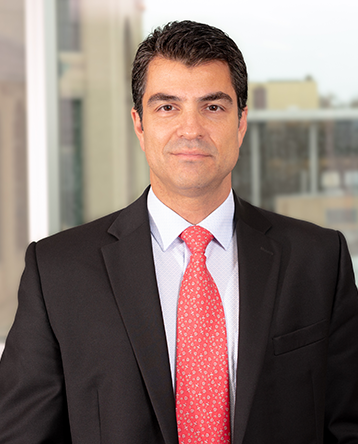
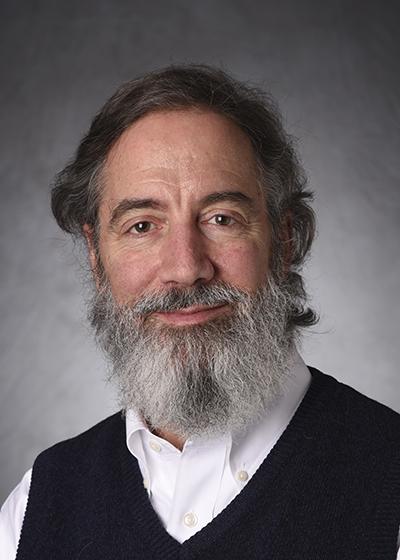
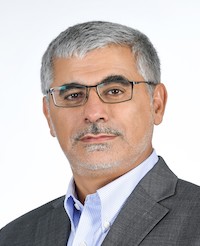
Ranjan Singh is a Professor at the Division of Physics, Nanyang Technological University (NTU) Singapore, specializing in terahertz photonics and metamaterials. He holds an elected fellowship from OPTICA (OSA) for pioneering work in ultrafast terahertz photonics, active metamaterials, and sensors. His research focuses on hybrid THz-electronic-photonic technologies for 6G communications, topological photonics, spintronics, quantum materials, and high-Tc superconductors. Education: B.Eng. in Telecommunications (Bangalore University, 2001); M.Tech in Photonics (Cochin University, 2004); Ph.D. in Photonics (Oklahoma State University, 2009). Postdoctoral research at Los Alamos National Laboratory (2009–2013). Research emphasizes on-chip THz topological photonics for next-gen communication systems, with notable achievements including a $7M grant for TERACOMM (on-chip THz topological photonics). His work integrates AI-driven beamforming, reconfigurable metasurfaces, and phase-change materials for adaptive THz systems. Key awards include the 2020 Web of Science 'Top 1% Highly Cited Researcher' distinction. His lab, TeraX Labs (founded 2013), develops cutting-edge technologies like THz brain-computer interfaces, quantum emitters, and spintronic sensors. Over $12M in competitive grants has fueled innovations in THz integrated circuits, tunable optical coatings, and ultra-sensitive biosensors. Advancing 6G/XG wireless, Singh's team designs topological beamformers, intelligent reflecting surfaces (IRS), and terahertz metamaterials for multi-link systems. His work bridges theoretical physics and applied engineering, with a focus on energy-efficient, reconfigurable photonic systems.
Burak Ozdoganlar is a Ver Planck Endowed Chair Professor of Mechanical Engineering at Carnegie Mellon University (CMU) and Associate Director of the Engineering Research Accelerator. He holds courtesy faculty positions in Biomedical Engineering and Materials Science and Engineering. Ozdoganlar earned his Ph.D. in Mechanical Engineering from the University of Michigan (1999), M.S. degrees from Ohio State University (1993, 1995), and a B.S. in Aeronautical Engineering from Istanbul Technical University (1991). Ph.D., Mechanical Engineering, University of Michigan (1999) MS, Mechanical Engineering, Ohio State University (1995) MS, Aeronautical and Astronautical Engineering, Ohio State University (1993) BS, Aeronautical Engineering, Istanbul Technical University (1991) Ozdoganlar’s research focuses on multi-scale manufacturing processes (macro/micro/nano), precision engineering , structural dynamics , and modal testing , with applications in biomedical device fabrication , microneedle arrays , soft electronics , and 3D ice printing for vascular networks. His work bridges computational modeling with experimental validation. Recent scientific awards include the 2023 AIMBE College of Fellows induction, ASME Fellow (2019), and NSF CAREER Award (2006). He served as interim CTO of the Advanced Robotics for Manufacturing (ARM) Institute and chaired the ASME-MED Manufacturing Equipment Technical Committee. Ozdoganlar leads projects in scalable manufacturing for implantable medical devices , bioelectric medicine , and wearable robotics . His lab develops 3D ice-printed vascular templates for tissue engineering and liquid metal circuits for soft electronics, funded by institutions like the Manufacturing Futures Institute and ARPA-H.
Manoj Sachdev is a Professor in the Department of Electrical and Computer Engineering at the University of Waterloo, Faculty of Engineering. His research focuses on semiconductor devices, low-power electronics, and secure hardware systems. He leads projects in flexible electronics, nanotechnology, and radiation-hardened circuits, with applications in displays, memory technologies, and biomedical sensors. His work integrates advanced materials science with circuit design to address challenges in energy efficiency and security. Education: Not explicitly stated in provided text. Research interests span thin-film transistors (TFTs), resistive switching memories, neuromorphic computing, and physically unclonable functions (PUFs). Recent efforts include developing low-power circuits for flexible substrates and secure microprocessors. His contributions to semiconductor device physics and integration techniques have advanced applications in wearable electronics and medical diagnostics. Publications highlight innovations in low-power flip-flops, energy-efficient display drivers, and memristor-based systems. He collaborates on interdisciplinary projects combining photonics, nanoelectronics, and biomedical engineering. Awards: None explicitly listed in provided text. Grants and advising: Advises on semiconductor fabrication, secure hardware design, and radiation effects in electronics. Leads research groups focused on next-generation memory technologies and flexible integrated systems. Labs/Teams: Active in the University of Waterloo's semiconductor and flexible electronics research clusters, contributing to both academic and industry partnerships.
Ralph H. Colby serves as Professor of Materials Science and Engineering and Chemical Engineering at Pennsylvania State University's College of Earth and Mineral Sciences, holding the Corning Faculty Fellowship. His research focuses on molecular-level dynamics in complex fluids, particularly polymers, ionomers, and liquid crystalline systems. With over 130 publications and authorship of the textbook Polymer Physics (2003), he directs an active research program examining structure-property relationships in soft matter. B.S. in Materials Science and Engineering, Cornell University (1979) M.S. in Chemical Engineering, Northwestern University (1983) Ph.D. in Chemical Engineering, Northwestern University (1985) Professor Colby's research spans polymer physics, rheology, and materials for energy applications. His group employs mechanical rheology, dielectric spectroscopy, and scattering techniques to investigate ion transport in single-ion conductors for batteries, dynamics of glass-forming liquids, and self-assembly in polyelectrolyte systems. Current work emphasizes structure-property relationships in ionomers, liquid crystalline polymers, and branched architectures. Analysis of recent publications reveals consistent focus on ionomer membranes for energy applications, processing-structure relationships in advanced polymers, and fundamental dynamics of complex fluids. Key trends include increasing integration of computational modeling with experimental characterization, expansion into sustainable materials processing, and growing emphasis on applications in battery technology and biomedical materials. Penn State Faculty Scholar Medal for Outstanding Achievement (2022) Bingham Medal, Society of Rheology (2012) American Chemical Society Fellowship Corning Faculty Fellowship in Materials Science and Engineering Professor Colby leads multiple federally funded projects including NSF's 'Fundamental Studies of Flow-Induced Polymer Crystallization' and DOE's 'Conduction mechanisms and structure of ionomeric single-ion conductors'. His group maintains strong industry partnerships with Corning Incorporated and participates in interdisciplinary initiatives like the Penn State Intercollege Graduate Degree Program in Materials Science and Engineering. Current research includes collaborations on breast cancer adherence interventions in Rwanda and conjugated polymer development for flexible electronics. The Colby Research Group operates specialized facilities for rheological characterization, dielectric spectroscopy, and X-ray scattering at Penn State's Materials Research Institute. The team maintains active collaborations with national laboratories and international research groups, focusing on translating fundamental polymer physics discoveries into practical applications for energy storage and advanced manufacturing.
John D Brennan is a Professor in the Department of Chemistry & Chemical Biology at McMaster University. He is affiliated with the Biointerfaces Institute and focuses on developing innovative biosensing technologies and functional nucleic acid-based assays. His research integrates materials science, biochemistry, and analytical chemistry to create practical diagnostic tools for healthcare applications. Key research areas include the design of DNA aptamers and DNAzymes for detecting biomarkers (e.g., eosinophil peroxidase, SARS-CoV-2 spike proteins), development of paper-based diagnostic platforms, and optimization of sol-gel materials for enzyme entrapment. His work emphasizes high-throughput screening, point-of-care testing, and CRISPR-based biosensing systems. Notable contributions include a rapid sputum-based assay for asthma biomarkers and a universal DNA aptamer for SARS-CoV-2 variants. His lab also explores functional nucleic acid circuits and their integration into scalable diagnostic devices. Brennan’s teaching includes advanced courses in analytical chemistry and biochemical assay development. His work has been featured in journals like *Angewandte Chemie*, *Analytical Chemistry*, and *ChemBioChem*, with a focus on translating fundamental research into practical clinical applications.
Andrew D. White is an Associate Professor of Chemical Engineering at the Hajim School of Engineering & Applied Sciences, University of Rochester. He holds a PhD from the University of Washington (2013). His research focuses on automating scientific discovery through AI, particularly leveraging large language models (LLMs) and deep learning techniques in chemistry. His lab develops agents that integrate literature analysis, hypothesis generation, and experimental design to advance fields like molecular dynamics and drug discovery. Education: PhD in Chemical Engineering, University of Washington, 2013 BS/MS (not explicitly stated in text, inferred from career timeline) Research Interests: Large language models for scientific automation Deep learning applications in chemistry and materials science Molecular dynamics simulations Scientific agents and autonomous systems Publications: His work includes groundbreaking studies on closed-loop AI systems for chemistry, federated learning in molecular property prediction, and multi-agent systems for drug discovery. Recent highlights include the Robin system and ChemCrow tools. Awards: Recipient of the NSF Career Award (2018), NIH Outstanding Investigator Award (2020), and the Curtis Teaching Award (2019). He also advises biotech companies and serves on the National Academy of Sciences' Chemical Sciences Roundtable. Grants & Funding: Supported by DOE, NSF (multiple grants including CBET-1751471), NIH (R35GM137966), and LLNL projects. Collaborates with institutions like Argonne National Lab and Qubit Pharmaceuticals. Labs & Teams: Leads the White Lab at Rochester and co-founded FutureHouse, a nonprofit advancing AI-driven scientific discovery. Supervises a multidisciplinary team of PhD students and postdocs in computational chemistry, AI, and biophysics.
Prof. Baker Mohammad serves as Professor and Director of the System on Chip Lab in the Department of Computer and Information Engineering at Khalifa University. With over 15 years of industrial experience at Intel and Qualcomm designing microprocessors and DSP chips, he bridges academic research with real-world engineering challenges in high-performance computing and low-power systems. His educational background includes: Ph.D. in Electrical and Computer Engineering, University of Texas at Austin (2008) M.S. in Electrical and Computer Engineering, Arizona State University B.S. in Electrical Engineering, University of New Mexico Dr. Mohammad's research spans cutting-edge domains where VLSI design converges with AI acceleration and emerging memory technologies . His work pioneers Memristor applications in environmental sensing (radiation, vacuum, glucose) and neuromorphic computing, while advancing energy harvesting systems for wearable electronics. The integration of in-memory computing with security primitives represents a paradigm shift in hardware design, moving beyond traditional CMOS limitations. His publication trajectory reveals accelerating focus on self-powered neuromorphic systems and RRAM-based architectures, with recent work (2021-2023) emphasizing hardware-software co-design for edge AI. Over 75% of his recent publications involve cross-disciplinary collaborations spanning materials science, chemistry, and biomedical engineering. Notable scientific recognition includes: IEEE TVLSI Best Paper Award 2016 IEEE MWSCAS Myrill B. Reed Best Paper Award Qualcomm Qstar Award for Performance Leadership KUSTAR IP Excellence Award Multiple SRC Techon Best Session Papers As a dedicated mentor, he has supervised over 15 graduate students while securing competitive funding from Khalifa University, ADEK, Qualcomm, Tii, and UAE space agencies. His grant portfolio demonstrates exceptional translational impact, converting fundamental research in memristive devices into drone flight computers and medical sensors. Current projects integrate academic rigor with industrial deployment timelines. The System on Chip Lab operates as a multidisciplinary hub where semiconductor physicists collaborate with AI researchers to develop RISC-V-based secure processors and piezoelectric nanogenerator systems. Recent expansions include partnerships with Tii for aerospace applications and medical device startups for glucose monitoring technology.
Lauren Andrews serves as Associate Professor and Marvin and Eva Schlanger Faculty Fellow in the Department of Chemical Engineering at the University of Massachusetts Amherst. Her research integrates synthetic biology and genetic engineering to develop programmable cellular systems for biotechnological applications. Education: Postdoctoral Training: Massachusetts Institute of Technology (Biological Engineering and Broad Institute of MIT and Harvard) PhD: University of Colorado Boulder, Chemical Engineering (2012) MS: University of Colorado Boulder, Chemical Engineering (2009) BS: Cornell University, Chemical Engineering (2006) Dr. Andrews' research focuses on establishing genetic design rules for reprogramming cellular regulation and metabolism. Her lab pioneers synthetic gene networks, genetically-encoded biosensors, and high-throughput methodologies for optimizing genetic designs in both model and non-model bacteria. This work enables precise control of cellular sensing, memory, and environmental responses through multiplexed DNA assembly and next-generation sequencing. Analysis of her 15 most recent publications reveals dominant themes in bacterial biosensor development (particularly for bioremediation), quorum sensing engineering, and programmable genetic circuits for probiotic applications. Her research consistently bridges fundamental genetic circuit design with practical implementations in bacterial consortia and non-model organisms. Scientific Awards: Marvin and Eva Schlanger Faculty Fellowship NSF CAREER Award (2020) for "Programmable synthetic microbial consortia for complex multicellular functions" Her grant portfolio demonstrates significant funding for collaborative research in bacterial communication systems and model-guided design of synthetic ecosystems. The Andrews Lab maintains active partnerships with the MIT-Broad Foundry and Cold Spring Harbor Laboratory, where she co-founded the Synthetic Biology Summer Course. Current projects focus on CRISPR-based regulation in non-model bacteria and algorithmic programming of sequential logic in probiotic strains. The Andrews Lab operates within the Life Science Laboratories at UMass Amherst, utilizing advanced facilities for genetic prototyping and high-throughput screening. Her team develops multiplexed tools for exploring genetic design spaces, with particular emphasis on soil bacteria and Gram-positive pathogens for environmental and therapeutic applications.
Jered Haun is an Associate Professor at the Samueli School of Engineering , University of California, Irvine , with joint appointments in Biomedical Engineering , Chemical and Biomolecular Engineering , and Materials Science and Engineering . Based in 3107 Natural Sciences II , his research focuses on developing nanoengineering and molecular medicine technologies to improve disease diagnosis and treatment. Email: jered.haun@uci.edu Phone: (949) 824-1243 Research Interests include: Nanomaterial Probes for molecular profiling and disease detection Microfabricated Platforms for cell analysis and tissue processing Targeted Delivery Carriers that interact with unique disease molecules Technologies employed in his lab encompass: Fluorescence imaging and MRI enhancements Bioorthogonal chemistry and nanosensor development Micro-NMR for tumor analysis Quantum dot-based detection systems Awards include: NIH National Cancer Institute's Innovative Molecular Analysis Technologies Funding The Haun Laboratory actively recruits graduate and undergraduate students for projects related to nanoengineering, molecular medicine, and microfluidic device development.
Professor Hala Zreiqat AM is a leading biomedical engineer at The University of Sydney , serving as the Director of the ARC Training Centre for Innovative BioEngineering . A Fellow of all major Australian academies (AAS, ATSE, FAHMS, FRSN), she develops 3D printed bioceramics for bone regeneration while championing diversity through initiatives like the IDEAL Society and BIOTech Futures mentorship program. Her work bridges academia, clinical practice, and industry in musculoskeletal research . Research Focus: Her lab creates synthetic bone scaffolds that mimic natural bone architecture, strength, and porosity, enabling non-rejected bone regeneration via patient-matched implants. Key applications include orthopaedic, dental, and maxillofacial repair , with over $18M in competitive funding and multiple patents. Current projects explore AI-driven scaffold performance prediction and anti-senescence strategies for aging-related bone loss. Scientific Trends: Recent publications highlight 3D printed nanovoxelated ceramics , antisenescence biomaterials , and multifunctional theranostic platforms . Her team integrates machine learning for scaffold design, atom probe tomography for interface analysis, and two-photon imaging for cellular monitoring in 3D environments. 2021-2022 Fulbright Senior Scholar 2018 NSW Premier's Woman of the Year 2019 Eureka Prize for Innovative Use of Technology Fellow of Australian Academy of Science (2021) Over $18M in research funding Teaching & Leadership: She designed core courses like Tissue Engineering and Nanomaterials in Medicine , mentoring 158 students in 2020 alone. As Chair of CAAR (2020-2023), she strengthens Australia-Arab collaborations. Her lab trains early-career researchers , with alumni now in academia and industry.
Professor Fay Couceiro is a Professor of Environmental Pollution in the School of Civil Engineering and Surveying at the University of Portsmouth. She leads the Microplastics Research Group and the 'Evaluating change across the plastics lifecycle' theme for the Revolution Plastics Institute, focusing on pollution sources, interventions, and collaborations with industry. She holds editorial roles at Cambridge Prisms: Plastics and peer reviews for multiple journals and funding bodies. Education: BSc in Marine Biology (Queen's University Belfast), PhD in Biogeochemistry (funded project on Strangford Lough), postdoctoral research at the University of Plymouth. Research Interests: Contaminants' fate, microplastics' environmental and health impacts, nutrient dynamics, heavy metals, and organic pollutants like PAHs. Her work integrates pure science with civil engineering solutions. Publications span 2007–2025, emphasizing microplastic toxicity, soil-oil interactions, and pollution mitigation strategies. Over 27 peer-reviewed articles highlight her contributions to environmental science. Advising & Grants: Supervises MSc/PhD students and collaborates with companies like Southern Water. Active in STEM outreach and UK research policy, including the EU's HR Excellence in Research accreditation process. Labs/Teams: Microplastics Research Group, Revolution Plastics Institute, and interdisciplinary teams in environmental technology and resilience.
George T.-C. Chiu is a Professor in the School of Mechanical Engineering at Purdue University, with courtesy appointments in Electrical and Computer Engineering and Psychological Sciences. He holds a 50% appointment as Assistant Dean for Global Engineering Programs and Partnerships. Previously, he served as a Program Director at the NSF, managing the Control Systems Program and National Robotics Initiative. His research focuses on mechatronics, dynamical systems, and control, with applications in printing, robotics, and human-machine interaction. Education: PhD (1994), University of California, Berkeley MS (1990), University of California, Berkeley BS (1985), National Taiwan University Research Interests: Functional printing technologies for biomedical and environmental sensors Robotics and human-robot interaction Control systems for manufacturing and dynamic systems Energy-efficient sensor design His work bridges mechanical engineering, materials science, and control theory, addressing challenges in precision manufacturing and sustainable technology. Awards: Fellow, ASME (2021) Fellow, Society for Imaging Science and Technology Grants & Projects: USDA-funded projects on food safety sensors and sustainable agriculture NSF initiatives in robotics and additive manufacturing Collaborative research with industry partners like HP and the Army Labs & Outreach: Founded the Purdue FIRST Programs, mentoring K-12 students in robotics. Co-developed experiential courses for student mentors, fostering leadership and project management skills.
JIANG Xingyu is Chair Professor and Head of the Department of Biomedical Engineering at the Southern University of Science and Technology (SUSTech) . Since 2018 he has led a multidisciplinary team developing advanced micro- and nano-scale tools for analytical chemistry, microfluidics and nanomedicine. Education Postdoctoral Research, Harvard University (2004–2005) Ph.D. in Chemistry, Harvard University (2004) B.S. in Chemistry, University of Chicago (1999) Research Interests Professor Jiang’s research integrates analytical chemistry , microfluidics , biomedical engineering and nanomedicine . His laboratory designs microfluidic chips for point-of-care diagnostics, engineers gold nanoclusters and nanoparticles for antimicrobial and anticancer therapy, and develops soft flexible bio-electronics for neural interfaces and wearable health monitoring. Across 400+ publications, recent work demonstrates a clear trend toward translational nanomedicine : point-of-care viral variant detection, nanoantibiotic strategies against multidrug-resistant bacteria, CRISPR delivery systems for cancer therapy, and conformal electronic tattoos for human-machine interfaces. Scientific Awards & Honours Fellow, American Institute for Medical and Biological Engineering (2020) Fellow, Royal Society of Chemistry (2016) Tencent Science Exploration Award (2019) Chief Scientist, National Key R&D Program (2019–) National Science Fund for Distinguished Young Scholars (2010) Young Investigator Award, Human Frontier Science Program (2007) Research Funding & Teams He currently directs the Nanoscience Laboratory at SUSTech, hosts National Key R&D Program projects as Chief Scientist, and serves on editorial boards of Advanced Healthcare Materials , Lab on a Chip , Nanoscale Horizons , Nanoscale and Nanoscale Advances . The group is actively recruiting post-docs, research professors and technicians across chemistry, materials, biology and medical engineering disciplines.
Christian Friedrich Wilhelm Becker is a full Professor at the University of Vienna, holding a position within the Faculty of Chemistry and the Department of Biological Chemistry. His research profile shows extensive activity in protein chemistry and biochemistry, with particular focus on post-translational modifications and their implications in disease mechanisms. His work bridges chemical biology, biochemistry, and biomedical applications, contributing significantly to the academic and research landscape at one of Europe's oldest and most prestigious universities. Faculty of Chemistry, University of Vienna Department of Biological Chemistry Active research leader with numerous ongoing projects Significant publication record spanning multiple disciplines Professor Becker's research primarily focuses on protein chemistry, particularly post-translational modifications and their role in protein function and dysfunction. His work spans multiple interconnected areas including ubiquitination, protein aggregation, prion protein behavior, and biomimetic approaches to protein analysis. His research has significant implications for understanding neurodegenerative diseases and developing novel therapeutic approaches. The fingerprint analysis of his work shows strong connections to biochemistry, molecular biology, and chemistry, with particular emphasis on cysteine chemistry, glycosylation, and amino acid modifications. Analysis of Professor Becker's recent publications (2021-2025) reveals a consistent research trajectory focused on protein modification techniques and their biological implications. His work shows increasing sophistication in chemical biology approaches to study protein function, with particular emphasis on ubiquitination pathways and protein aggregation mechanisms. The integration of chemical synthesis methods with biological analysis represents a hallmark of his research approach. His publications span high-impact journals in biochemistry, chemical biology, and peptide science, demonstrating the interdisciplinary nature of his contributions. Professor Becker has received notable recognition for his research contributions, most prominently the Cathay Award in 2020. This award acknowledges his significant contributions to the field of protein chemistry and chemical biology. His work appears to have practical applications in therapeutic development, particularly in the areas of targeted protein degradation and immunotherapy, which likely contributed to this recognition. Cathay Award (2020) Professor Becker leads multiple significant research projects, including 'Targeted protein degradation - from small molecules to complex organelles' (2020-2024), 'Taktira: Development of an improved, low-side-effect and sustainable immunotherapy' (2019-2023), and 'Structure Zoom: Zooming in on protein functional sites with atomic resolution' (2018-2021). These projects demonstrate substantial grant funding and collaborative research efforts across multiple institutions. His active participation in 290 recorded activities through 2025 indicates a highly engaged research program with numerous collaborators and trainees. Targeted protein degradation project (2020-2024) Taktira immunotherapy project (2019-2023) Structure Zoom project (2018-2021) Professor Becker's research environment includes a robust team of collaborators and junior researchers, as evidenced by the numerous co-authored publications and activities. His work intersects with multiple research groups studying protein function, modification, and therapeutic applications. The international collaboration network shown in his profile indicates significant engagement with researchers across multiple countries, creating a dynamic research ecosystem focused on advancing protein science and its biomedical applications.
Dr. Daniel Roxbury is an Associate Professor and Graduate Director at the Department of Chemical, Biomolecular and Materials Engineering within the University of Rhode Island's College of Engineering. With expertise in nanoscience and carbon nanomaterials, his research focuses on nano-bio interactions, developing functionalized nanotubes for biomedical applications and environmental monitoring through his NanoBio Engineering Laboratory. His work spans multiple disciplines including: Biomedical nanosensors Smart wearable biomaterials Targeted drug delivery systems Environmental nanotechnology Single-molecule imaging Nanotoxicology Recent publications emphasize machine learning-enhanced spectral analysis, coral reef conservation nanotechnology, and wearable stress monitoring textiles. His 2024 ACS Nano study introduces AI-driven macrophage phenotyping, while 2023 Nature Nanotechnology work explores coral reef restoration strategies using nanomaterials. Awarded the 2019 NSF CAREER grant for cellular nanometrology, he leads multiple NIH-funded projects including: $820,000 NSF CAREER: Spectral Imaging for Sub-Cellular Nanometrology $140,000 Miriam Hospital COBRE: Cortisol Detection Textiles $700,000 NSF EAGER: Multiplexed Wound Biomarker Detection His laboratory houses state-of-the-art equipment including: Near Infrared Hyperspectral Microscope Custom NIR Fluorescence Spectrometer Jasco UV/VIS/NIR Spectrophotometer Biosafety Cabinet Cell Culture Incubator Cryo-Storage System