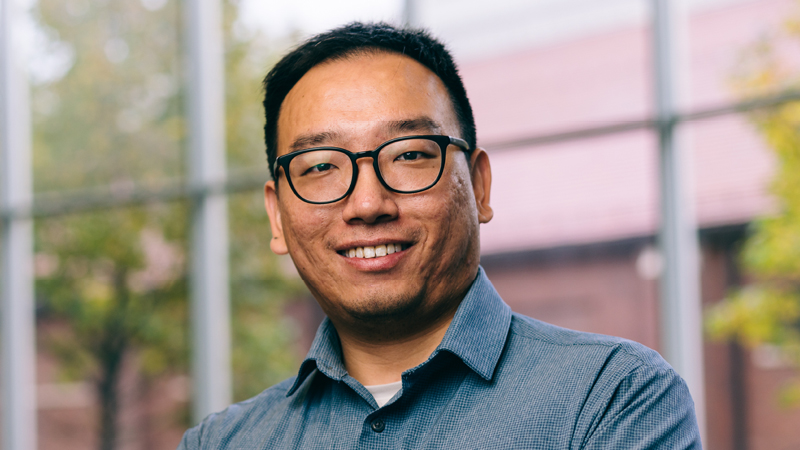
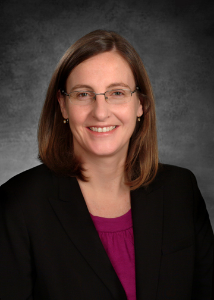
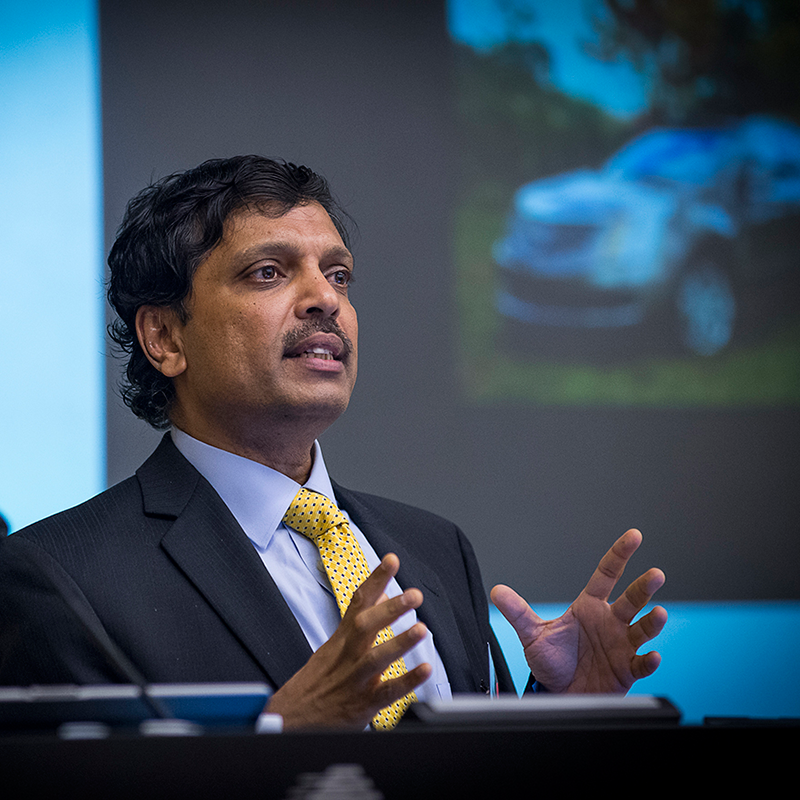
Dr. Benjamin C.K. Tee is an Associate Professor at the National University of Singapore (NUS), affiliated with the College of Engineering and the Department of Materials Science and Engineering. He leads the Sensors.AI Labs, focusing on transforming materials science, mechanics, and biology into cutting-edge technologies for robotics and healthcare in the AI era. His research explores novel materials and fabrication techniques to develop flexible, stretchable electronic sensors. These innovations enable applications in human-machine interfaces, biomedical devices, and AI-driven robotic systems. Key areas include self-healing materials, large-scale tactile sensing, and wireless health monitoring. His work has garnered international acclaim, including the James Dyson Foundation Prize (International Winner, 2021), MIT TR35 Innovator (2015), and recognition as a World Economic Forum Young Scientist (2019). His inventions have been commercialized through co-founded startups Privi Medical (acquired in 2021) and Hannah Life Technologies. Scientific Awards: National Research Foundation Fellowship (2017) MIT TR35 Innovator (Global) (2015) World Economic Forum Young Scientist (2019) James Dyson Foundation Prize - International Winner (2021) IES Prestigious Engineering Award (2020) Stanford University Top 2% Scientists (2021)
Marco Fritzsche is a Professor of Biophysical Immunology at the University of Oxford. He serves as the Scientific Director of the Oxford-ZEISS Centre of Excellence and leads the Biophysical Immunology Laboratory (www.bpi-oxford.com), which operates at the intersection of biophysics and immunology. BSc in Mathematics (2003–2006), University of Saarbrücken BSc in Physics (2003–2006), University of Saarbrücken MSc in Theoretical Physics (2006–2008), University of Saarbrücken PhD in Experimental Physics and Biology (2008–2012), University College London His research focuses on biophysical and mechanobiological mechanisms governing immune responses in health and disease. The BPI Laboratory develops advanced microscopy technologies to study these processes, integrating theoretical physics with experimental immunology. Recent publications highlight his work in quantitative imaging of biomolecular organization , traction force microscopy for immune cell dynamics, and trans-synaptic vesicle analysis in T-cell interactions. His studies bridge disciplines like biophysics, immunology, and cell mechanics. Rosalind Franklin Kennedy Trust Research Fellow The BPI Laboratory collaborates with institutions such as the Howard Hughes Medical Institute Janelia Farm and the Rosalind Franklin Institute . His roles include leadership in the Oxford-ZEISS Centre of Excellence and contributions to cutting-edge immunology research.
Kenneth Hoehn is an Assistant Professor in the Department of Biomedical Data Science at the Geisel School of Medicine, Dartmouth College. As a computational immunologist with expertise in evolutionary biology, he develops computational evolutionary approaches to trace cellular lineages, particularly B cells, in contexts such as infection, vaccination, cancer, and autoimmune diseases. His research focuses on understanding adaptive immunity in conditions like COVID-19 Food allergies Myasthenia gravis through collaborations with experimental teams. Key projects include: Phylogenetic modeling of B cell responses Evolutionary signatures in immune repertoires Tracking B cell dissemination in autoimmune diseases Epigenetic regulation of memory B cells Recent publications highlight trends in single-cell immunology , phylogenetic inference , and computational tools for analyzing B cell dynamics. His lab at Dartmouth integrates evolutionary genetics with high-resolution immune profiling.
Michael J. Freedman is the Robert E. Kahn Professor of Computer Science at Princeton University and co-founder/CTO of Timescale. He received his Ph.D. from NYU’s Courant Institute and degrees from MIT. Current roles: Professor, Co-founder & CTO Affiliations: Princeton University, SNS Group, CITP Associate Education: Ph.D. (NYU), S.B./M.Eng. (MIT) His research spans distributed systems, networking, and security, with innovations like CoralCDN, DONAR, and Ethane. His work impacts decentralized content delivery, software-defined networking, and privacy-enhancing technologies. His recent publications address scalable fusion algorithms, GPU acceleration for data systems, and distributed GPU resource management. These works intersect with cloud infrastructure, network optimization, and security. Scientific honors include: Presidential Early Career Award for Scientists and Engineers (PECASE) Sloan Fellowship NSF CAREER Award Office of Naval Research Young Investigator Award Test of Time Award (Theory of Crypto Conference) ACM SIGOPS Mark Weiser Award He advises graduate students like Sam Ginzburg and Ashwini Raina, who joined Meta AI and Timescale post-PhD. His projects have secured substantial grants, including $110M Series C funding for Timescale. Key labs/teams: Princeton SNS Group Co-founder, Timescale (enterprise data platform) Co-founder, iobeam (IoT analytics, acquired by Timescale) Collaboration with FCC on Consumer Broadband Test Contributions to OpenFlow/SDN standardization
Professor Omer Rana serves as Professor of Performance Engineering and International Dean for the Middle East at Cardiff University's School of Computer Science and Informatics. He also holds the prestigious position of Cross-Council Research Director for the UK National Edge AI Hub, demonstrating his leadership in national research initiatives. Previously, he led the Complex Systems research group and served as Dean of International for the Physical Sciences and Engineering College at Cardiff University. Professor Rana is a Fellow of both the Learned Society of Wales and the Higher Education Academy, and serves on the Advisory Board of the Welsh Ethnic Minority Professors Initiative (WEMPI). His research expertise centers on the intersection of intelligent systems and high performance distributed computing, with particular focus on applying intelligent techniques to resource management in distributed systems. His scholarly contributions span edge computing, cloud computing, Internet of Things (IoT), artificial intelligence, cybersecurity, federated learning, privacy-preserving systems, and sustainable computing. Professor Rana has published extensively in top-tier journals and conferences, with recent work emphasizing practical applications in industrial automation, smart buildings, and sustainable computing solutions. Professor Rana's publication record demonstrates consistent leadership in edge computing and distributed systems research, with a growing emphasis on practical implementations across diverse application domains. His work bridges theoretical computer science with real-world technological challenges, particularly in industrial automation, smart environments, and sustainable infrastructure. Fellow of the Learned Society of Wales Fellow of the Higher Education Academy Professor Rana actively supervises postgraduate students and has secured significant research funding for projects related to edge computing, IoT, and distributed systems. His international collaborations span Europe, Asia, and the Middle East, reflecting his global influence in the field. He serves as a sought-after keynote speaker, workshop chair, and panel moderator at major international conferences including IEEE/ACM Utility and Cloud Computing (UCC) and IEEE Edge Computing. He leads multiple research initiatives, most notably as Cross-Council Research Director for the UK National Edge AI Hub, where he shapes national research directions in edge computing and AI. His work has practical applications across industrial automation, smart building management, electric vehicle infrastructure, and sustainable computing solutions.
Tianyi Zhang is a Tenure-Track Assistant Professor in the Department of Computer Science at Purdue University, part of the College of Science. He leads the Human-Centered Software Systems Lab, focusing on AI-driven systems that synergize human expertise with machine intelligence to enhance programming productivity and software reliability. Prior to Purdue, he was a Postdoctoral Fellow at Harvard University under Dr. Elena Glassman and earned his Ph.D. from UCLA (2019) and B.Sc. from Huazhong University of Science and Technology (2013). Education: Ph.D. in Computer Science, University of California, Los Angeles (2019) Bachelor's in Computer Science, Huazhong University of Science and Technology (2013) Research Interests: His work spans Software Engineering, Human-Computer Interaction, and AI. Key areas include program synthesis, interactive debugging tools, autonomous driving system testing, and mitigating biases in AI models. He develops systems like Interpretable Program Synthesis and SQLucid to bridge human and machine intelligence. Recent Trends in Publications: Recent work emphasizes human-in-the-loop AI, including mixed-initiative systems for data wrangling (Dango), interactive program repair, and bias analysis in text representations (STILE). He also explores challenges in autonomous driving testing and LLM-based code generation errors. Awards & Grants: NSF Career Award (2024) Amazon Research Award Showalter Trust Research Award for pre-diabetes research $1.5M NSF grant for software supply chain security Best Paper Honorable Mentions at CHI and VAHC Advising & Teams: Supervises 12+ PhD/Master's students and 30+ research interns. Notable advisees include Bonan Kou (API misuse studies) and Yuan Tian (text-to-SQL systems). Collaborates with Harvard Medical School on healthcare data analysis. Labs & Initiatives: Directs Purdue's Human-Centered Software Systems Lab. Co-founded the Societal Impact Fellows program. Active in open-source projects like Examplore for API usage visualization and JShrink for Java debloating.
Rebecca Blatt is the Senior Associate Dean and Professor of Practice at the Walter Cronkite School of Journalism and Mass Communication, Arizona State University (ASU). She oversees master's program recruitment, curriculum, retention, and signature programs like Cronkite News and Carnegie-Knight News21. Previously, she led the Cronkite News Digital Production Bureau and directed the Cronkite Public Insight Network Bureau, which earned the ASU President’s Award for Innovation. Her expertise spans multimedia storytelling, data visualization, and audience engagement, with a focus on preparing students for evolving journalism landscapes. Education: M.B.A., American University’s Kogod School of Business M.A. in Mass Communication, University of North Carolina at Chapel Hill Bachelor’s degree, University of Pennsylvania (Phi Beta Kappa) Research & Leadership: Blatt’s work emphasizes innovation in journalism education and community engagement. She has held roles at NPR and WAMU 88.5 FM, producing award-winning documentaries and event coverage. Her curriculum development integrates reporting, entrepreneurship, and cross-platform collaboration. Awards: ASU President’s Award for Innovation (2016) Honors from Radio Television Digital News Association, Education Writers Association, and New York Festivals Radio Awards Teaching: Courses include principles of journalism, practicum, and applied projects, reflecting her commitment to practical skills and industry relevance.
Dr. María Lourdes Alarcón Fortepiani is an Associate Professor at the Rosenberg School of Optometry (RSO) at the University of the Incarnate Word (UIW) and holds an adjunct faculty position at the University of Texas Health Science Center at San Antonio (UTHSCSA) in the Department of Physiology. She earned her M.D. and Ph.D. in Physiology from Universidad de Murcia, Spain, with a dissertation on renal dysfunction mechanisms. Her work focuses on postmenopausal hypertension, diabetes mechanisms, and adapting patient education for underserved communities. She teaches Human/Ocular Physiology, Immunology, Pathology, Clinical Medicine, and Vision Science at RSO. Her research is funded by NIH, AHA, and AFAR, with collaborations in diabetes studies at UTHSCSA's Department of Ophthalmology. Dr. Fortepiani is a Fellow of the American Academy of Optometry and actively involved in STEM outreach, including PhUn Week and science fairs. She serves on UIW committees (Red Dress, Earth Day, Faculty Senate) and chairs the SRC committee for STEM Academy-Lee High School. Her interdisciplinary approach integrates sociodemographic factors into patient care education. Dr. Fortepiani’s professional service includes roles on the Women in Physiology committee (American Physiological Society) and judging at regional science fairs. Her academic journey includes postdoctoral training at the University of Mississippi Medical Center and prior roles as Research Assistant Professor at UTHSCSA.
Ning Nan is an Associate Professor at the University of British Columbia's Sauder School of Business, specifically within the Department of Accounting and Information Systems. With a BA from Peking University, an MA from the University of Minnesota, and a PhD from the University of Michigan, Dr. Nan focuses on digital business strategy, evolvable IT infrastructure, and complex adaptive systems. His research explores blockchain applications, agent-based modeling, and the intersection of AI with societal challenges like sustainability. Education: PhD in Information Systems, University of Michigan MA in Information Systems, University of Minnesota BA in Computer Science, Peking University Research Interests: Dr. Nan investigates how technology shapes organizational and societal systems, with a focus on AI ethics, sustainability through personalized recommendations, and blockchain's role in decentralized supply chains. He employs agent-based modeling to simulate complex phenomena like innovation diffusion and online community dynamics. Recent work addresses explainable AI in smart cities and carbon-reduction gamification strategies. Teaching: In 2024-2025, he teaches Data Management for Business Analytics , emphasizing practical applications of data-driven decision-making. Key Research Themes: His articles highlight trends in AI sustainability (e.g., carbon footprint impacts of recommendation systems), digital business strategy (blockchain governance, app update strategies), and foundational IS theory (hyperturbulence and IS strategy).
Raj Rajkumar is the George Westinghouse Professor of Electrical and Computer Engineering at Carnegie Mellon University (CMU), with a courtesy appointment in the Robotics Institute. He holds leadership roles as Director of the USDOT Mobility21 and Safety21 National University Transportation Centers, and Director of the Metro21: Smart Cities Institute. His work focuses on cyber-physical systems, autonomous driving, and vehicular networking. Education: Ph.D. in Electrical and Computer Engineering from CMU (1989). Research interests include connected/autonomous vehicles, cyber-physical systems, embedded systems, and vehicular networking. Key projects include the General Motors-CMU Collaborative Research Lab and the development of autonomous vehicle protocols like Ballroom Intersection Protocol. Notable awards include the 2016 National Academy of Inventors Fellowship and the 2017 Pittsburgh Business Times Innovation Award. His publications span real-time systems, sensor networks, and automotive cyber-physical frameworks. Rajkumar advises on autonomous vehicle safety, energy efficiency, and societal impacts, with frequent media engagements on self-driving technologies.
Neil Pembroke is a Lecturer in Studies in Religion at the University of Queensland , affiliated with the School of Historical and Philosophical Inquiry . His academic work bridges theology, philosophy, and pastoral care, with a focus on spiritual formation, healthcare ethics, and the intersection of psychology and religion. Education : B.Eng (Agric.), B.Th (B.C.T.), BA (Hons), PhD (Edin) Teaching interests : Jung and Human Spirituality, Religion and Health, Mysticism, Psychology of Religion, Religion and Psychotherapies His research explores therapeutic preaching, spiritual maturity, and the role of empathy in Christian and interfaith contexts. He has contributed to organizational spirituality, particularly in church-sponsored healthcare, and examined compassion fatigue through Christian and Buddhist perspectives. Publications include books like Divine Therapeia and the Sermon and Renewing Pastoral Practice , with over 50 journal articles and 10 book chapters. Collaborative projects span international studies on pastoral care models and interdisciplinary dialogues on ethics. Neil Pembroke's work emphasizes the integration of theological and psychological insights into personal and communal spiritual growth, with a particular focus on shame, identity, and the relational Trinity as frameworks for pastoral practice.
Sergei Gukov is the John D. MacArthur Professor of Theoretical Physics and Mathematics at the California Institute of Technology (Caltech), where he has been a faculty member since 2005. He serves in the Division of Physics, Mathematics and Astronomy, with primary affiliation in the Department of Mathematics. His research bridges the fields of mathematics and theoretical physics, focusing on deep connections between geometry, topology, and quantum field theory. Gukov received his B.S. from Moscow Institute of Physics and Technology in 1997, followed by an M.S. and Ph.D. from Princeton University in 2001. He joined Caltech as an Associate Professor in 2005, was promoted to Professor in 2007, and was named the John D. MacArthur Professor in 2021. His research spans several interconnected areas at the frontier of mathematics and physics. A central theme is the exploration of quantum topology and its connections to mathematical physics. He has made significant contributions to the geometric Langlands program, gauge theory, and the categorification of knot and 3-manifold invariants. His recent work increasingly incorporates machine learning approaches to mathematical problems, reflecting his interest in the intersection of traditional mathematical research and modern computational techniques. Gukov's work often reveals deep connections between seemingly disparate areas of mathematics and physics, such as the relationship between Rozansky-Witten geometry and Coulomb branches in supersymmetric gauge theories. Gukov's publications demonstrate a consistent focus on the mathematical structures underlying quantum field theories and their topological implications. His recent work shows an increasing emphasis on computational approaches to mathematical problems, particularly through his interest in mathematics and machine learning. The recurring themes across his research include the application of physical insights to solve mathematical problems and the discovery of new mathematical structures through physical reasoning. He serves on the editorial boards of several prestigious journals including the Journal of Knot Theory and Its Ramifications, Communications in Mathematical Physics, and Letters in Mathematical Physics. Gukov is also active in the academic community, having delivered plenary talks at major conferences such as the First International Congress of Basic Science and presenting at String Math 2023 on the potential impact of AI on mathematical research. Gukov teaches Ma 146 ab, Introduction to Knot Theory and Quantum Topology, a course that reflects his research interests. He also runs a seminar on Mathematics and Machine Learning, held Tuesdays from 2-3pm in East Bridge Conference room 114, demonstrating his commitment to fostering interdisciplinary research at the intersection of mathematics and computational methods.
Prof. Bruno Clerckx is a Professor of Wireless Communications and Signal Processing at Imperial College London's Department of Electrical and Electronic Engineering, Faculty of Engineering. He leads the Communications and Signal Processing Group and the Wireless Communications and Signal Processing Lab. Education: M.Sc. and Ph.D. in Electrical Engineering from Université Catholique de Louvain, Belgium Doctor of Science (DSc) from Imperial College London Research Interests: Focuses on wireless communications and signal processing for next-generation networks, including MIMO systems, reconfigurable intelligent surfaces (RIS), rate-splitting multiple access (RSMA), and integrated sensing and communications (ISAC). His work emphasizes 6G technologies, full-duplex systems, and energy-efficient architectures. Key contributions include pioneering research on beyond-diagonal RIS and RSMA prototyping. Awards: 2021 Blondel Medal (France) 2021 Adolphe Wetrems Prize (Royal Academy of Belgium) Fellowships from IEEE and IET IEEE Communications Society Distinguished Lecturer (2021-2023) Labs & Teams: Heads the Wireless Communications and Signal Processing Lab, and is affiliated with the IEEE Special Interest Groups on RSMA and BD-RIS. Collaborates with global institutions including Stanford University, Tsinghua University, and Samsung Electronics. Industry Experience: Former CTO of Silicon Austria Labs and contributor to 4G/5G standards at Samsung. Holds 80+ patents and authored two books on MIMO systems.
Professor Athanassios Manikas holds the Chair of Communications & Array Processing in the Department of Electrical & Electronic Engineering at Imperial College London, part of the Faculty of Engineering. He is a Fellow of both the IET and IMA, and has held significant editorial roles including Associate Editor for IEEE Transactions on Aerospace and Electronic Systems. His research focuses on wireless communications, radar systems, antenna array processing, and applied mathematics, with over 50 supervised PhD students and 150+ Masters projects. He leads Imperial's research group in array processing and has extensive industry collaborations, including technical leadership of the University Defence Technology Centre in Signal Processing (2008-2013). Awards include the IEEE PIMRC 2022 Best Paper Award and recognition as an IEEE COMSOC Distinguished Lecturer (2016-2017). His work integrates differential geometry principles with array processing, as detailed in his monograph Differential Geometry in Array Processing . Professor Manikas has served as an expert witness in high-profile cases and contributes to academic governance roles such as the Royal Society's International Fellowship Committee. His research group is affiliated with the Space Lab at Imperial, focusing on innovative applications of array signal processing in aerospace and defense systems.
Lisa Stevenson is an Associate Professor in the Department of Anthropology at McGill University. She holds a PhD from the University of California, Berkeley (2005). Her research focuses on imagistic forms of thought in contexts of violence, particularly among Inuit communities in the Canadian Arctic and Colombian refugees in Ecuador. She is the author of *Life Beside Itself: Imagining Care in the Canadian Arctic* (2014), which won the 2015 Victor Turner Book Prize and the 2020 Staley Prize. Stevenson’s work integrates experimental ethnographic methods, including filmmaking. Her films, such as *Into Unknown Parts* (2017) and *Era Un Lunes* (2018), explore the human impact of displacement and violence. She collaborates with researchers like Eduardo Kohn, blending anthropology with visual storytelling. Her recent projects include a Mellon New Directions Fellowship to study filmmaking, aiming to deepen her exploration of lived experiences of violence. She has also contributed to peer-reviewed journals and edited volumes on topics ranging from care ethics to the anthropology of sound and imagery. Awards: Victor Turner Book Prize (2015), Staley Prize (2020) Grants: Mellon New Directions Fellowship Collaborations: Eduardo Kohn (film projects), Cristiana Giordano (theatre experiments) Stevenson’s research bridges anthropology, film, and visual arts, emphasizing innovative ways to represent marginalized voices and experiences.