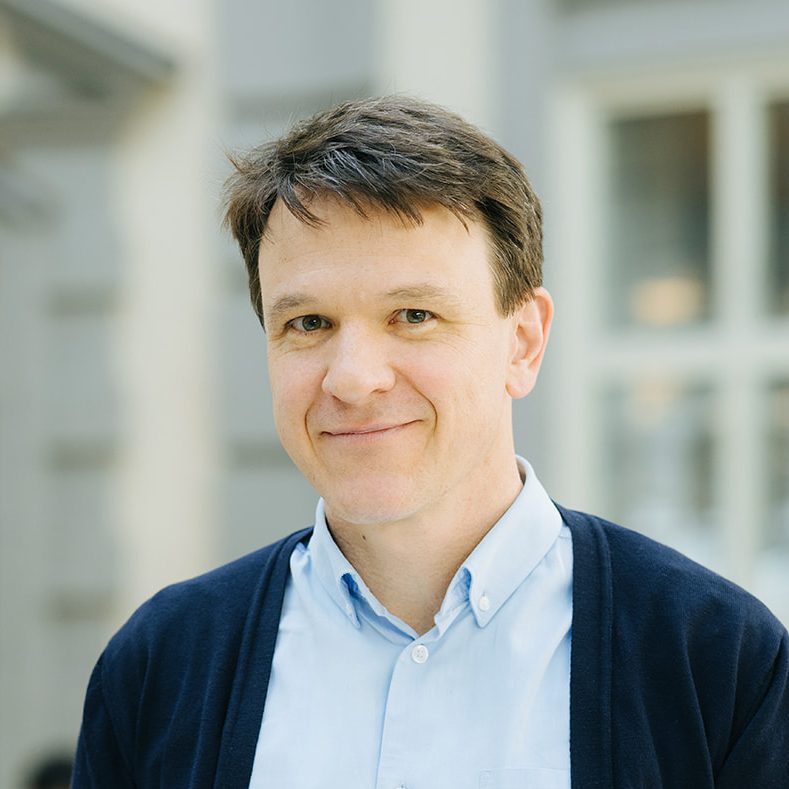
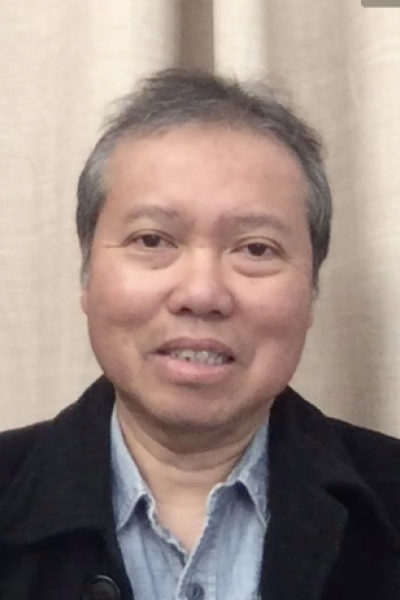
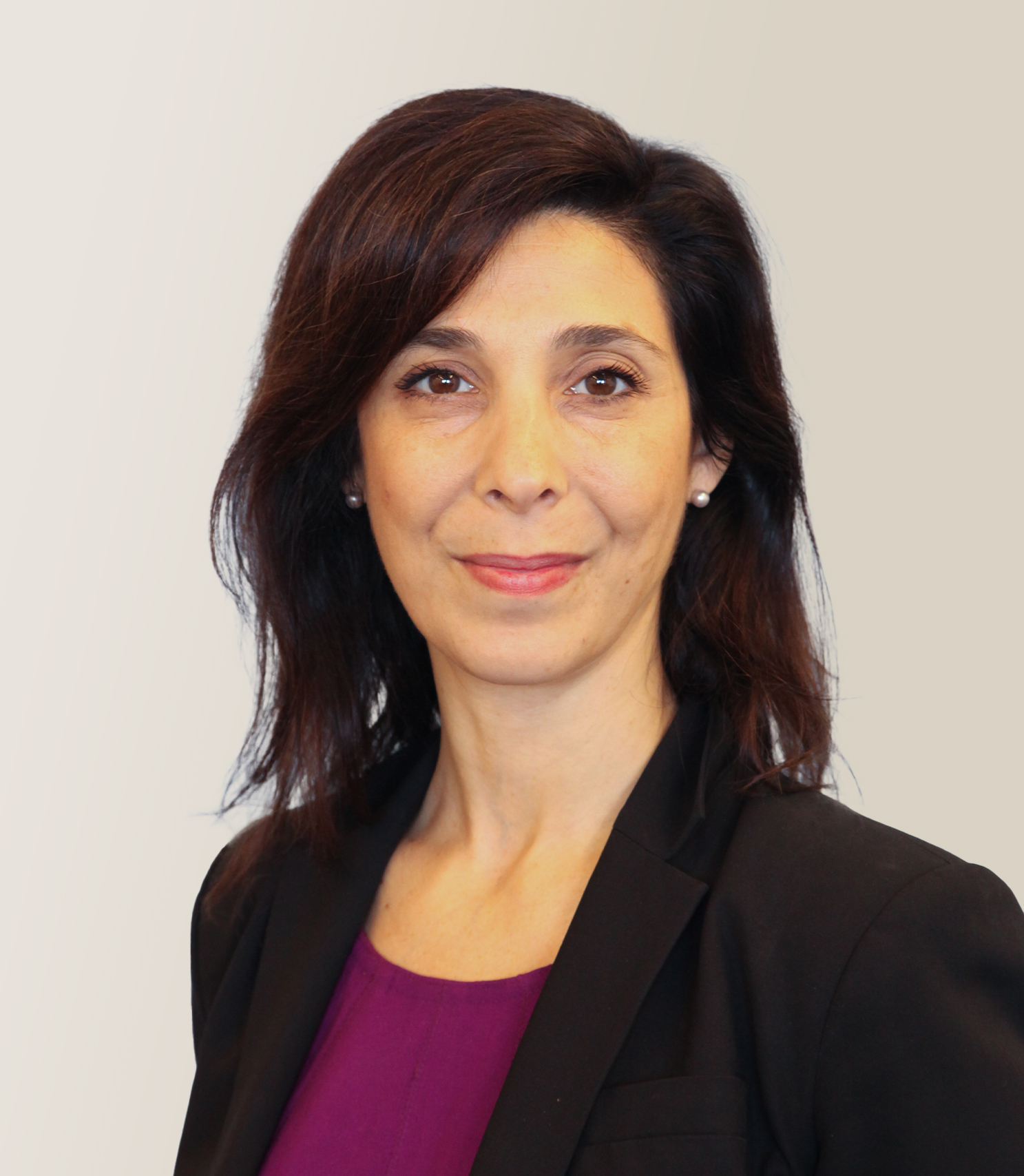
Guirong Yan is an Assistant Professor at Missouri University of Science and Technology, affiliated with the Department of Civil, Architectural and Environmental Engineering. Her research focuses on structural engineering , wind engineering , and disaster resilience , with particular emphasis on tornado impact analysis, typhoon wind field modeling, and community recovery frameworks. Research interests include: Tornado-structure interaction using CFD simulations Surface roughness and terrain effects on extreme wind dynamics Community resilience modeling for post-disaster recovery Solitary wave energetics in coastal engineering 3D concrete printing for resilient infrastructure Windborne debris and wind tunnel validation Key article trends show computational fluid dynamics applications to tornado and typhoon hazards , wind-structure interaction , and community recovery mechanisms . Her work bridges engineering simulation , disaster risk assessment , and policy-relevant resilience strategies .
Prof. Sonia Laszlo is a Professor of Economics at McGill University’s Faculty of Arts, specializing in applied microeconomic analysis within economic development. Her research focuses on decision-making under uncertainty among subsistence farmers and the microeconomic effects of social policies on women’s well-being, particularly in Peru, Kenya, Paraguay, and the Caribbean. She employs experimental methods such as laboratory experiments, surveys, and randomized controlled trials. She is affiliated with the Centre Interuniversitaire de Recherche en Organizations (CIRANO) and the Grupo de Análisis para el Desarrollo (GRADE). As a co-founder and executive member of the Canadian Development Economics Study Group (CDESG), she bridges academic and policy communities in Canada. From 2016 to 2019, she served as Director of McGill’s Institute for the Study of International Development. Her research themes include gender norms, social protection programs, childcare access, and flood risk mitigation in Amazonian agriculture. Recent projects examine the impact of childcare subsidies on women’s employment in Kenyan urban slums and the transformative potential of graduation programs targeting gender equality. Notable contributions include analyzing long-term health consequences of civil conflict in Peru, the distributional effects of bribery in developing economies, and the role of ambiguity aversion in farming decisions. Her work emphasizes policy relevance, particularly in post-pandemic childcare provision and equitable economic recovery strategies.
Xingfei Liu, PhD, is an Associate Professor in the Department of Economics at the University of Alberta's Faculty of Arts. His research focuses on labor economics and applied econometrics, with an emphasis on policy evaluation related to gender wage gaps, female labor participation, labor market institutions in China, and immigrant assimilation in the U.S. and Canada. He teaches courses such as Introductory Econometrics (ECON 399) and Econometric Theory and Applications (ECON 598), offering both undergraduate and graduate instruction in econometric methodologies. His research explores how public policies impact labor market outcomes, particularly for disadvantaged groups. Notable areas include the effects of housing policy on occupational mobility in China, the economic assimilation of immigrants, and the role of education expansion on crime reduction. Dr. Liu’s work employs advanced econometric techniques to analyze large datasets, providing evidence for policy design and evaluation. His publications span topics like hukou system reforms in China, risk attitudes influencing migration decisions, and the underestimation of U.S. immigrant earnings growth. While no awards are listed, his contributions to labor economics and policy analysis have been disseminated through peer-reviewed journals such as the China Economic Review and Quantitative Economics .
Christian Thomann is an Associate Professor of Corporate Finance at KTH Royal Institute of Technology, affiliated with the School of Industrial Engineering and Management. He concurrently serves as a Visiting Research Fellow at the Swedish House of Finance (SHoF) and an affiliated researcher at the Mistra Center for Sustainable Markets (MISUM). Previously, he held a senior advisory role at the Swedish Ministry of Finance's Tax and Customs Department (2010–2022) and was Vice Chair of the OECD's Tax Policy Analysis Working Party (2017–2021). He is a member of the Nordic Tax Research Council. Thomann's research focuses on corporate responses to environmental policies, particularly carbon taxation, technical change induced by regulation, and risk management strategies. His work bridges finance, environmental economics, and tax policy. Notable contributions include studies on the efficacy of carbon pricing mechanisms and their impact on emissions and R&D investments by firms. His research has been published in top journals such as the Review of Financial Studies and Journal of Risk and Insurance . Thomann's current projects are supported by grants from the Marianne och Marcus Wallenbergs Foundation, Jan Wallanders och Tom Hedelius Stiftelse, Trafikverket, and the City of Stockholm. He collaborates with St Erik, the City of Stockholm's captive insurance company, to reduce residential property losses through insurance data analysis. His professional affiliations include Digital Futures (KTH) and the Swedish Research Council. His interdisciplinary work emphasizes practical policy implications, with findings featured in outlets like the Financial Times and Swedish government reports.
Thiemo Fetzer is a Professor of Economics at the University of Warwick and the University of Bonn. He holds affiliations as a Visiting Fellow at the London School of Economics and a Fellow at the National Institute for Social and Economic Research (NIESR). His research focuses on applied economics, political economy, climate crisis, Brexit, and public health policy, with notable work on the UK's pandemic response and austerity's role in Brexit. He has won prestigious awards like the Leverhulme Trust Prize and an ERC Starting Grant. His recent projects include analyzing AI-generated production networks and the impact of media coverage on global crises. He advises policymakers globally and has published extensively on topics ranging from energy policy to institutional resilience. Education: PhD in Economics from the London School of Economics (2015), M.Res. (2010) and M.Sc. (2009) in Economics, B.Sc. in Management and Economics from Otto-von-Guericke University Magdeburg (2008). Research interests include the political economy of climate action, resilience of institutions, and the economic consequences of geopolitical events. His work bridges economics with real-world policy, addressing challenges like austerity's societal impacts and the role of media in shaping global responses to crises.
Antonia Settle is a Lecturer in Politics and International Relations at Monash University and Director of the AHURI Centre. Previously, she held a McKenzie Postdoctoral Fellowship at the Melbourne Institute of Economic and Social Research (Melbourne University). Her research focuses on household risk dynamics, particularly how households navigate financial, climate, and housing risks in relation to state and market systems. She employs mixed-methods approaches, including HILDA survey data, real estate analysis, and qualitative interviews with households and stakeholders. Dr. Settle’s education includes a PhD in Political Economy from the University of Sydney, a Graduate Certificate in Economics from La Trobe University, and a Bachelor of Arts in International Studies from RMIT University. Her work bridges political economy, development economics, and public policy, with a focus on financial inclusion, climate adaptation, and social equity. Her research has explored themes such as underinsurance in financially stressed households, climate vulnerability, and pension system disengagement. She has published in journals like New Political Economy and Ecological Economics , and her book on household risk was published by Cambridge University Press.
Tracy L. Kijewski-Correa is the William J. Pulte Director of the Pulte Institute for Global Development and Academic Director of the Integration Lab (i-Lab) at the University of Notre Dame's Keough School of Global Affairs. She holds a joint appointment as Professor of Civil Engineering and Global Affairs in the Department of Civil and Environmental Engineering & Earth Sciences. Her research focuses on civil infrastructure challenges in both developed and developing contexts, with particular emphasis on natural hazard assessment and mitigation. A co-founder of Engineering2Empower (E2E), she has developed comprehensive strategies for sustainable housing in Haiti, integrating community-led innovation and market-based solutions. Her work spans multiple regions including Haiti, United States, Latin America, Middle East, South Asia, and South Pacific/Oceania. Kijewski-Correa's recent publications demonstrate a clear trend toward leveraging open data and computational approaches for high-fidelity regional loss estimations, particularly for hurricane risk assessment. Her work increasingly integrates computer vision, Bayesian data integration, and component-level fragility modeling to advance the precision of disaster impact predictions while maintaining computational tractability across large building portfolios. Kellogg Institute Faculty Fellow (since 2011) Her research has been supported by multiple grants including projects focused on climate adaptation in Bangladesh and Haiti, community-driven development in Haiti, post-disaster sheltering programs, and technology incubators for sustainable development. As director of the Pulte Institute and Academic Director of the i-Lab, she leads interdisciplinary teams working at the intersection of engineering, global development, and disaster resilience.
Professor Budy Resosudarmo is a developmental and environmental economist at the Australian National University (ANU), specializing in the economy-wide impacts of policies on local economies, household incomes, and the environment. He heads the ANU Indonesia Project and is a Fellow of the Regional Science Association International. His research focuses on environmental policies, disaster management, energy transitions, and regional development in Southeast Asia. Education: BSc (Electrical Engineering, ITB), MSc (Operations Research, University of Delaware), PhD (Development Economics, Cornell University) Career Highlights: President of the Asian Association of Environmental and Resource Economics (2021–2023), Regional Science Association International (2017–2018), and multiple leadership roles in global and regional institutions. Research Interests: Development Economics, Environmental Economics, Public Policy, Computable General Equilibrium Modeling, Impact Evaluation, Spatial Analysis. Awards & Fellowships: Recognized for contributions to environmental and resource economics through leadership roles and fellowships at Harvard University and ANU.
Dr Paul O'Hare is a Senior Lecturer in Geography & Development at Manchester Metropolitan University, specializing in climate change adaptation, risk governance, and stakeholder engagement. His work bridges academic research with policy application, focusing on resilient infrastructure, community participation, and urban planning challenges. He chairs Manchester Climate Change Agency's Adaptation and Resilience Advisory Group and advises local authorities on climate policy. Education: Expertise in geography and development studies Key Projects: Co-developed the Six Steps for Flood Resilience framework (2013), advised Defra on flood resilience surveyors, and contributed to BSI building standard adaptations Awarded: UKRI Climate Science embedded researcher role (2020s) Research interests emphasize the governance of risk, critical interpretations of resilience concepts, and participatory approaches to decision-making. Recent work explores contingent resilience successes in flood-affected communities and innovative citizen science methods for environmental monitoring. Teaching spans undergraduate modules in human geography, research design, and fieldwork methodologies, including a Malta-based fieldtrip program.
Dr. Joseph Wenta is a Lecturer at the Newcastle Law School, University of Newcastle, and co-Convenor of the Juris Doctor programs. His research focuses on climate change law, administrative law, and environmental justice. He holds a PhD from the University of Tasmania and teaches subjects including Environmental Law, Criminal Law, and Constitutional Law. Wenta's work emphasizes equitable climate adaptation strategies and legal frameworks for resilience. He has secured over $6,400 in grants, including projects on soil stewardship and sustainability. His publications explore global climate governance, legal reflexivity in environmental policy, and regional insurance mechanisms for climate impacts. Education: PhD (University of Tasmania), BSc (Forensic) & LLB (both University of Newcastle), Graduate Certificate in Research (UTas) Research Interests: Climate Justice, Administrative Law, Law & Society Wenta has advised on three current PhD topics, including nature-based legal solutions and post-conviction review mechanisms. His work bridges legal theory and practice, addressing both domestic and international climate challenges.
Nazaré Couto is an Assistant Researcher at NOVA School of Science and Technology, NOVA University Lisbon, and coordinates the Bioresources and Green Technologies area at CENSE - Centre for Environmental and Sustainability Research. She holds a PhD in Environmental Sciences and Technology from the University of Porto (2011) and focuses on pollution control, soil remediation, and climate change mitigation. Education: Bachelor's, Master's, and PhD in Environmental Engineering/Sciences Leadership: Coordinates CENSE's Bioresources and Green Technologies area Teaching: Courses on soil pollution, management, and climate change Her research spans soil remediation technologies , climate change adaptation , and sustainable resource management , with recent work addressing pesticide contamination, hydrogen storage economics, and agricultural plastic waste valorization. Publications highlight electrochemical remediation , phytoremediation , and nanostructured materials for environmental restoration. Scientific contributions include: Advancing electrodialytic recovery of rare earth elements and phosphorus Developing hybrid remediation technologies for polar and conventional soils Investigating emerging contaminants in wastewater reuse systems
Samuel Rufat is a prominent researcher affiliated with the Institut Universitaire de France (IUF), focusing on disaster risk, resilience, social vulnerability, and urban risk perception. His work bridges geography, environmental policy, and crisis management, with extensive publications in top journals such as Nature , Global Environmental Change , and Annals of the American Association of Geographers . Institution: Institut Universitaire de France Research Focus: Risk perception, flood resilience, climate adaptation, urban vulnerability, video games in geography Geographic Scope: France, Romania (Bucharest), global mountain regions, urban Europe His research interests center on understanding how individuals and communities perceive and respond to environmental risks, particularly floods and climate change. He critically examines the social, political, and spatial dimensions of vulnerability and resilience, emphasizing the role of equity, governance, and public participation. His work on video games as tools for urban simulation and risk education highlights innovative methodological approaches in geography. The analysis of his recent publications reveals a strong trend toward interdisciplinary, policy-relevant research. Themes include the validation of social vulnerability models, risk communication strategies, evacuation behavior in cities, and the integration of local knowledge in disaster risk reduction. His work increasingly emphasizes methodological rigor, comparative analysis, and the need for theory-practice integration in resilience science. Scientific recognition includes membership in the prestigious Institut Universitaire de France, reflecting national scholarly excellence. He has contributed to major research projects funded by ANR and the European Commission (H2020, COST). Risks – Evacuations – Resilience (ANR) H2020 ResiLoc COST Land4Flood ERC FiBeGa Rufat actively collaborates with a broad network of researchers across Europe and has advised or co-authored with early-career scholars. His work often involves interdisciplinary teams and contributes to shaping public policy on climate adaptation and disaster risk management. He has no listed grants as principal investigator in the provided text, but his involvement in major projects indicates significant research funding support. He is also engaged in theoretical debates, notably challenging simplistic notions of resilience and advocating for more nuanced, context-sensitive approaches. He has contributed to collective works on open data, guerrilla cartography, and the spatial dynamics of post-socialist cities like Bucharest. His role in the IUF suggests a senior academic position, likely at a French university, though the specific host institution is not named in the provided material. He is active in research dissemination through conferences and publications, with no indication of teaching or administrative duties.
Rena Conti is an Associate Professor at the Questrom School of Business , Boston University , focusing on pharmaceutical policy, health economics, and prescription drug affordability. Her research addresses financial toxicity , drug pricing regulation , and pharmaceutical supply chain dynamics . Education: PhD in Health Economics (Harvard University), AB in Economics (Princeton University) Research Areas: Prescription drug policy, health economics, financial barriers in cancer care, and pharmaceutical supply chain resilience. Her recent articles examine Covid-19 drug stockpiling , 340B program impacts , Medicare drug negotiation , and gene therapy cost modeling . These works span pharmaceutical economics , public health policy , and clinical oncology finance . She has contributed to understanding financial hardship in cancer survivors , opioid prescription trends , and 340B drug pricing through collaborations with multidisciplinary teams. Her work informs Medicare reform , generic drug policies , and equitable healthcare access .
Mysiak Jaroslav is a Researcher at the Euro-Mediterranean Center on Climate Change (CMCC Foundation) , focusing on climate risk management , multi-hazard assessment , and disaster risk reduction . His work spans flood adaptation , nature-based solutions , and socio-ecological system modeling . Affiliated with the CMCC Foundation, a leading institution in climate science and policy. Active in developing frameworks for multi-risk governance and climate service tools for urban and financial sectors. Research Trends: Over the last six years, Mysiak has published extensively on climate risk assessment , flood hazard mapping , and nature-based solutions , with a focus on European policy and cross-border systemic risks . His methodological contributions include machine learning in hydrological modeling and Bayesian networks for damage evaluation. Scientific Leadership: Coordinated deliverables for EU projects like MYRIAD-EU and Climateurope2, emphasizing transboundary climate risks and community-driven adaptation . Developed Safer_RAIN and Smart Climate Hydropower Tool , integrating DEM-based algorithms and AI forecasting .
David Molitor is an Associate Professor in the Department of Finance at the Gies College of Business, University of Illinois. He also holds a joint appointment in the Department of Economics and serves as the Director of Gies Health Initiatives. Molitor is a Deloitte Scholar and Conrad W. and Shirley A. Hewitt Fellow, with additional affiliations at the National Center for Supercomputing Applications (NCSA). His research focuses on environmental economics, health economics, and labor economics, with particular attention to the impacts of air pollution, workplace wellness programs, and disability policy. He has received the NIHCM Foundation Research Award (2019). Research Interests: Molitor's work examines the intersection of environmental policies and human health, including studies on air pollution effects on labor markets, suicide risk, and mortality. He also investigates socioeconomic disparities in health outcomes, workplace wellness program effectiveness, and the economic implications of disability during recessions. His interdisciplinary approach combines econometric analysis with policy evaluation to address pressing societal challenges. Recent Articles: Molitor's 2024 studies on wildfire smoke's labor market impacts and urban environmental damage mitigation showcase his focus on climate-related health risks. Earlier work includes analyses of temperature adaptation (2021), workplace wellness programs (2020), and hurricane mortality patterns (2018). Recognition: His NIHCM award recognizes contributions to health policy research. Media engagements include coverage of his wildfire-smoke suicide risk study (2023) and disability Medicare research (2022). Leadership & Affiliations: As Director of Gies Health Initiatives, Molitor bridges academic research with practical health policy solutions. His NCSA affiliation supports computational approaches to large-scale health data analysis.