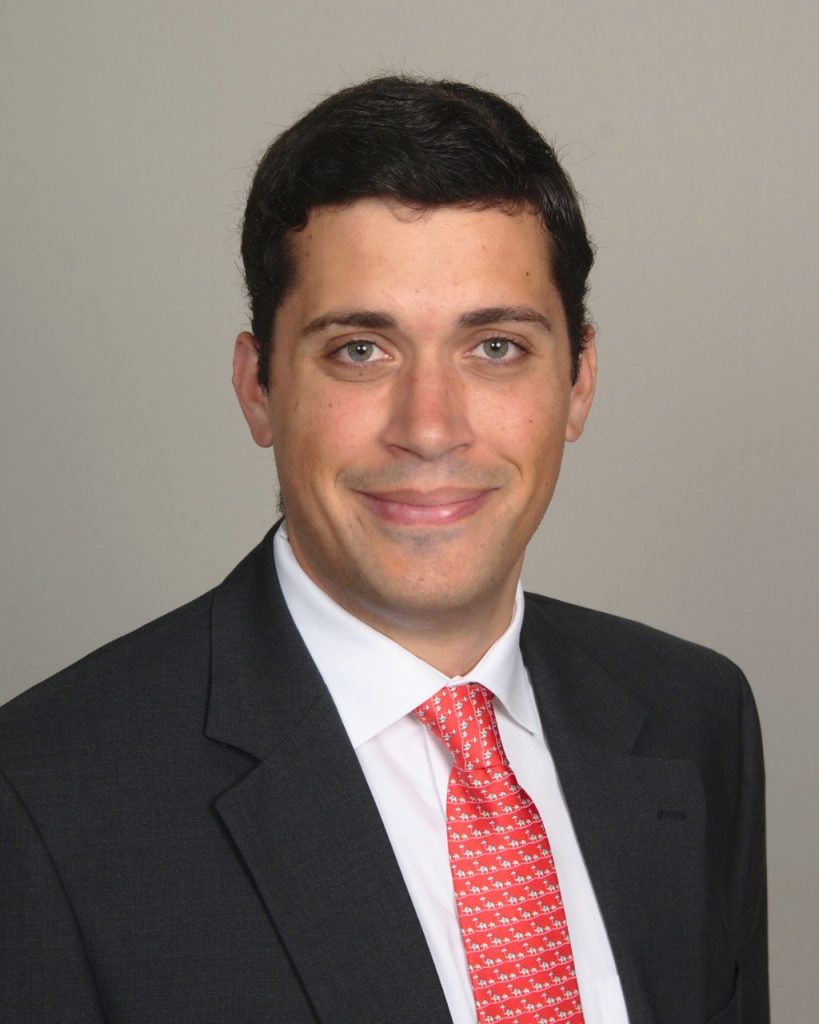
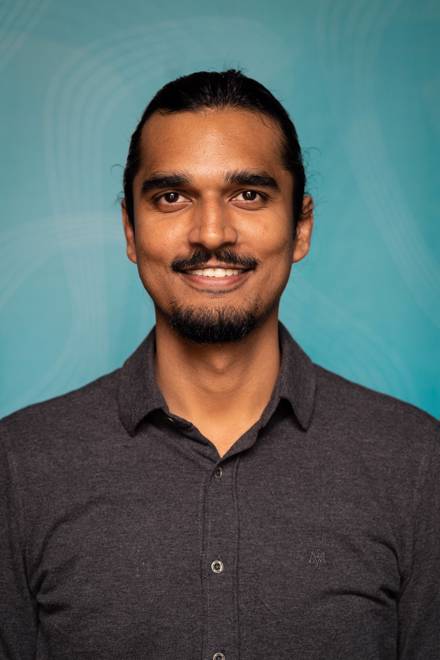
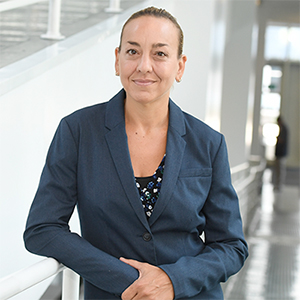
Chien Hsiu Lin is an Associate Professor at the Department of Finance , National Chengchi University 's College of Business , with a research focus on International Finance , Asset Pricing , and Applied Econometrics . The academic career spans from 2007 to present, including promotions from Assistant to Associate Professor. Education PhD in Economics, University of California, Los Angeles (2002-2007) MS in International Trade, National Chengchi University (1998-2000) Research interests examine financial market dynamics through the lenses of: Quantitative easing impacts on Asian financial markets Carry trade portfolio optimization under regime shifts Exchange rate exposure and macroeconomic determinants Foreign exchange option pricing with jump risks Volatility spillover effects in regional economies The publication trends reveal expertise in: Applied econometric modeling for financial markets Macroeconomic factors in currency returns Risk management in emerging market finance Regime-switching financial models Quantitative easing policy analysis Scientific Awards Senior Outstanding Teacher Award (2017) - National Chengchi University Grant Leadership : Principal investigator for 12 Ministry of Science and Technology projects (2007-2026) covering exchange rate expectations, market spillovers, jump risk modeling, and productivity analysis in financial sectors.
Ford Ramsey serves as an Associate Professor in the Department of Agricultural and Applied Economics at the University of Georgia's College of Agricultural and Environmental Sciences. Based at Conner Hall in Athens, Georgia, his research program addresses critical challenges in agricultural economics through advanced quantitative methods, with particular focus on risk management systems and market dynamics in food production sectors. Research Focus: Dr. Ramsey's scholarly work spans multiple interconnected domains: Econometric modeling of agricultural risk and insurance mechanisms Labor market volatility in meat processing and food manufacturing Climate change impacts on crop yield stability and adaptation strategies Historical analysis of agricultural market integration and price formation Bayesian statistical applications in yield forecasting and policy evaluation Regulatory impacts on livestock and grain market efficiency His methodological approach frequently combines traditional econometric techniques with machine learning innovations to analyze complex agricultural systems. Publication Trends: Examination of his 2023-2025 publications reveals three dominant research streams: (1) Climate-agriculture interactions, particularly warming effects on wheat production and adaptation through genetic diversity; (2) Supply chain resilience, with emphasis on labor dynamics during disruptions in food manufacturing; and (3) Crop insurance innovation, focusing on Bayesian forecast combination methods and historical weather integration. These strands consistently demonstrate policy relevance through analysis of regulatory impacts, market integration, and risk management solutions for agricultural producers. Professional Activities: While specific advising relationships and grant details aren't documented in available sources, Dr. Ramsey maintains active engagement through the Agricultural & Applied Economics department's research initiatives. His work connects with broader university efforts in agricultural risk management and food system analysis, as evidenced by departmental affiliations and publication themes.
Robert Nicholls is a Professor of Coastal Engineering at the University of Southampton , affiliated with the School of Engineering and the School of Ocean and Earth Sciences . He co-directs the MSc Engineering in the Coastal Environment and leads the Coastal Engineering and Management research group. Theme Champion, Society and Government at Southampton Marine and Maritime Institute Southampton Lead, Tyndall Centre for Climate Change Research Editorial Board, Anthropocene Coasts His research focuses on long-term coastal engineering and climate change adaptation , particularly sea-level rise and deltaic area vulnerability . Key projects include the Bangladesh Delta Plan 2100 and the development of the DIVA (Dynamic Interactive Vulnerability Assessment) model for global coastal risk analysis. Recent publications address compound flooding , coastal landfill risks , and adaptation frameworks for deltas . His work informs international policy through contributions to the IPCC , World Bank , and Asian Development Bank . Award Highlights: Roger Revelle Medal (2008) by UNESCO's Intergovernmental Oceanographic Commission Lloyd’s Science of Risk Prize (2012) for climate change research Robert leads major initiatives like the iCOASST Project and ESPA Delta Studies , while supervising PhD students in coastal resilience and flood management.
Richard Horan is a tenured Professor in the Department of Agricultural, Food, and Resource Economics at Michigan State University's College of Agriculture & Natural Resources. His research focuses on the intersection of economic and ecological systems, particularly in environmental economics, resource management, and infectious disease policy. Education : Ph.D. and M.A. from Pennsylvania State University; dual B.S. degrees in Agricultural Education and Business Administration from Appalachian State University. Horan's research examines coupled human-ecological systems, emphasizing: Feedback dynamics between economic and ecological processes Management of endangered species and invasive species Bioeconomics of wildlife and livestock diseases Agri-environmental policy design His recent publications address risks of animal/plant infectious diseases through trade, ecological thresholds, and market-based conservation strategies. He has served as Managing Editor of Resource and Energy Economics and Associate Editor for multiple journals. Scientific Recognition : MSU AgBioResearch Faculty Excellence Award (2014) Horan collaborates with interdisciplinary teams on projects like Risks of Animal and Plant Infectious Diseases Through Trade (Rapid Trade) , contributing policy insights to national committees including the National Academy of Sciences.
Samar Abbas Nawaz is a Senior Researcher at the Peace Research Institute Oslo (PRIO) with expertise at the intersection of law and technology. He holds a PhD in "Safe integration of civil drones: Law, self-operation & infrastructure" from the Department of Criminology & Sociology of Law at the University of Oslo. His current research focuses on regulatory challenges of emerging technologies, particularly Artificial Intelligence and unmanned systems. Dr. Nawaz has been professionally involved in the legal field for nearly a decade, serving as a practitioner, in-house advisor, and academic researcher. His doctoral research was conducted as part of the 'RegulAIR' project funded by the Research Council of Norway between 2021-2024 under the supervision of Bruno O. Martins and Kristin B. Sandvik. His primary research interests lie in the regulatory frameworks governing emerging technologies, with special focus on: Legal challenges of integrating civil drones into civilian airspace Regulation of artificial intelligence in security and border management contexts Human oversight requirements for autonomous systems Infrastructure challenges for drone operations (U-Space) Policy coherence in EU regulatory approaches to drone technology and AI Conceptual issues in defining "autonomous operation" and "remote pilot" Dr. Nawaz's scholarly work demonstrates a consistent focus on the intersection of law, technology, and regulatory frameworks. His publications reveal an evolving research trajectory from foundational drone law analysis towards more complex issues of AI integration, autonomy spectrums, and institutional policy coherence. A notable trend in his work is the application of Science and Technology Studies (STS) perspectives to legal analysis of emerging technologies, highlighting regulatory lag and conceptual challenges in current frameworks. As a Senior Researcher at PRIO, Dr. Nawaz is currently working on the EU-funded 'TRANSCEND' project, researching challenges for civil society engagement in border management technologies. He is also engaged in an internal project analyzing AI-related frameworks in Kenya, Brazil, and South Korea. Between 2021-2024, he conducted doctoral research as part of the 'RegulAIR' project funded by the Research Council of Norway. In 2022 and 2025, he co-facilitated the 'Peace Research' summer course in collaboration with the University of Oslo.
Ivar Alvik is a Norwegian legal scholar and Professor at the Scandinavian Institute of Maritime Law, Faculty of Law, University of Oslo, with a current term as Vice-Dean for Research (2025-2027). He holds advanced degrees including a Dr.juris (2007) and Cand.jur. (2000) from the University of Oslo, and a M.jur. from Oxford University (2001). Education: Cand.jur., University of Oslo (2000) M.jur., Oxford University (2001) Dr.juris, University of Oslo (2007) His research focuses on Contract Law, Arbitration, International Investment Law, and Petroleum Law , often examining intersections between economic regulation and legal frameworks. His publications analyze topics such as: Concessions in International Law Investor-state contracts Climate litigation Historical property rights Investment treaty arbitration He contributes to projects like ELAWNET (Energy Law in the Green Transition) and NorthWind (FME), and participates in research groups including: Dispute Resolution Law, Economy and Governance (LEGO) Research Group on International Law His professional background includes roles as an associate, senior advisor at the Norwegian Ministry of Foreign Affairs, and legal positions at law firms.
Diler Tamer is a distinguished Professor in the Private Law Department at Yeditepe University Faculty of Law , specializing in Roman Law and its influence on modern legal systems. With a career spanning over three decades, she has supervised numerous PhD and Master’s theses in Roman legal principles. Education : Doctorate (1993), Master’s (1987), and Bachelor’s (1980) in Roman Law from Istanbul University. Research Interests include: Roman Law’s impact on Turkish legal frameworks Contractual liability and fault determination Insurance and arbitration mechanisms in antiquity Gender rights and sumptuary legislation Domicile and citizenship principles Her recent publications (2016–2020) focus on arbitration, debt forgiveness, and Roman legal ethics. She has presented at international symposiums on Roman legal continuity and women’s rights in antiquity. Supervised Theses (2008–2022) cover topics such as legal capacity of women, insurance in Roman law, and contractual liability under Turkish law.
Jennifer D. Oliva is Professor of Law and Val Nolan Faculty Fellow at Indiana University Maurer School of Law, where she teaches and conducts research at the intersection of law, health policy, and technology. She also serves as a Research Scholar at Georgetown Law's O'Neill Institute for National & Global Health Law and a Senior Scholar with the UCSF/UC Law Consortium on Law, Science & Health Policy. Education: BS, United States Military Academy (West Point) MBA, University of Oxford JD, Georgetown University Law Center Professor Oliva's research focuses on critical issues in health law and policy, particularly where law intersects with public health crises, technology, and civil rights. Her work examines how legal frameworks shape healthcare access, privacy rights, and equity in medical treatment, with special attention to vulnerable populations including pregnant women, people with disabilities, and those affected by the opioid crisis. She has pioneered scholarship on prescription drug monitoring programs, algorithmic bias in healthcare, and the criminalization of drug use and pregnancy. Her extensive publication record demonstrates consistent engagement with emerging legal challenges in health policy, particularly the tension between public health approaches and punitive drug policies. Oliva's work shows a clear trajectory toward examining how technology and data systems impact healthcare equity, with recent articles addressing algorithmic bias, surveillance, and the intersection of civil rights law with healthcare delivery systems. Selected Awards: 2024 Indiana University Maurer School of Law Trustees Teaching Award 2024 Indiana University Maurer School of Law BLSA Outstanding Interactive Professor Award 2021 Health Law Community Service Award from the AALS Section on Law, Medicine, and Health Care 2019 Truman Scholarship Foundation Ike Skelton Award for commitment to public service 2021 Professor of the Year at Seton Hall University School of Law Professor Oliva has been actively involved in shaping health policy through her service as Chair of the AALS Section on Law, Medicine, and Health Care (2023) and currently as Chair-Elect of the AALS Section on Biolaw. She serves on the Johns Hopkins University/UCSF Opioid Industry Documents Archive National Advisory Committee and the National Pain Advocacy Center's Science & Policy Advisory Council, where she provides expert guidance on opioid litigation and pain management policy. Her scholarship has been instrumental in advocating for evidence-based approaches to drug policy and healthcare regulation. As an elected member of the American Law Institute, Professor Oliva contributes to the development of legal principles that shape American jurisprudence. Her military service background informs her unique perspective on veterans' issues and public service, having been selected for both Rhodes and Truman Scholarships during her time as a cadet at West Point.
Adalberto Alberici serves as Full Professor of Economics of Financial Intermediaries at the University of Milan and Fellow of Banking and Insurance at SDA Bocconi School of Management. He coordinates the Financial Times-ranked Executive Management Program in Banking (CIB) at SDA Bocconi, a position held since 1981, and has been affiliated with SDA Bocconi since 1971 conducting research and training programs with major Italian banks. His educational background includes: Degree in Economics and Commerce from Bocconi University Professor Alberici's research centers on critical banking and corporate governance frameworks. His work examines: Corporate governance structures and board effectiveness Compliance function design within regulatory environments Corporate social responsibility integration in financial institutions Risk assessment methodologies for banking operations Strategic responses to financial crises Internal control system optimization His publications from 2008-2018 reveal consistent focus on regulatory implementation (particularly MiFID), banking profession ethics, and innovation financing mechanisms, with recurring emphasis on Italian banking system dynamics and compliance-rigor relationships. Professional engagements include: President of Supervisory Bodies for multiple banks (including two listed enterprises) Board member of Banca Popolare Pugliese President of Quadrivio sgr Advisory Board member of Bancaria (Italian Banking Association journal) Scientific committee leadership for ABI's "Banche e mercati" book series He directs SDA Bocconi's CIB program while contributing to industry knowledge through F. Angeli's "Banche e professionalità" chief editorship and scientific committees for Banche&Banchieri.
Dale Thompson is a Professor in the Department of Ethics and Business Law at the University of St. Thomas Opus College of Business. He teaches courses in business law, health care law and ethics, and torts, with a focus on practical applications of legal principles in business decision-making. PhD in Economics, Stanford University MA in Economics, Stanford University JD in Economics, Stanford Law School BA (Hons) in Economics, Williams College His research centers on applied business policies, particularly in health care regulation, financial regulation, and arbitration. He explores intersections between law, economics, and ethics, analyzing topics like health data privacy, financial system stability, and environmental policy frameworks. His publications span 20 years, focusing on health care reform, financial regulation, environmental law, and federalism. Key themes include regulatory compliance, institutional transaction costs, and balancing legal and economic interests in complex policy systems. Ethics and Business Law Department 'Above and Beyond' Award (2014) Hoeber Research Excellence Award (2013) Master Teacher Award (2015) Thompson has held leadership roles such as Faculty Director of the Undergraduate Program (2015–2020) and served on the Water Resources Board of Rhode Island. He combines academic rigor with practical legal training through simulations and co-teaching models.
Prakash Nadkarni, MD, is a Lecturer at the Yale School of Public Health , specializing in health informatics, clinical research systems, and public health data science. He holds an MD from Bombay University (1982) and contributes extensively to healthcare financial management, medical imaging, and responsible clinical decision-making. Research Focus: Health informatics, clinical data repositories, electronic health records optimization, and machine learning applications in emergency medicine. Key Publications: 2024 works on financial statements in clinical practice, 2023 articles on clinical research information systems and pediatric sedation, and 2022 studies on tuberculosis diagnostics. Collaborations: Frequent partnerships with Perry Miller, Cynthia Brandt, and Yale colleagues in biostatistics and clinical computing.
Antonio Pietrabissa is an Associate Professor at the Department of Computer, Control, and Management Engineering “Antonio Ruberti” (DIAG) of the University of Rome Sapienza, where he earned his degree in Electronics Engineering (2000) and PhD in Systems Engineering (2004). He has been teaching Automatic Control and Process Automation since 2010 and holds the National Scientific Qualification as Full Professor in Systems and Control Engineering (09/G1). Research interests include networked systems, robust control, Markov decision processes, and deep reinforcement learning. His work spans telecommunications, biomedical applications, and space systems, with a focus on federated learning and decentralized control. He has authored ~70 journal papers (Scopus h-index 22) and co-invented a patent for model predictive control in motor disability assistance. Awards include the 2021 Cybersecurity Award and ETRI Journal Best Paper. Current projects are NANCY (6G networks) and CADUCEO (AI-driven medical diagnostics). He is also CEO of Sapienza startup Automation Intelligence and Control (AICO), commercializing AI solutions for space, telecom, and biomedical sectors.
Salvatore Polizzi is a Researcher in the Department of Economics, Business and Statistics at the University of Palermo . His work focuses on banking, financial regulation, and corporate governance, with a particular emphasis on transparency, risk disclosure, and ESG integration in financial institutions. Research Areas : Credit risk disclosure, corruption detection, ESG factors, securitization, market discipline, and sustainable finance. Teaching : Economics and Management of Financial Intermediaries (8 CFU) in the Economics and Business Administration program. Office Hours : Tuesdays from 9:00 to 13:00 at the Department of Economics, Business and Statistics, or by appointment via email. Contact : salvatore.polizzi@unipa.it His recent publications analyze corruption disclosure in banking, ESG's impact on asset quality, and the intersection of distributed ledger technology with financial systems. His work also explores environmental disclosure gaps, risk management frameworks, and methodological approaches in banking research. Current projects address transparency mechanisms, regulatory compliance, and the alignment of sustainability claims with lending practices in European banks.
Claudio Cacciamani serves as a Professor at the Department of Economic and Business Sciences, University of Parma, teaching core finance and risk management courses for both undergraduate ( Economics and Management ) and graduate ( Finance and Risk Management , Business Administration ) programs from academic year 2014/2015 through 2025/2026. His current appointments include Business Planning (2025/2026), Corporate Banking and Finance (2015/2016-2025/2026), and specialized courses in insurance, real estate finance, and investment banking across multiple programs. Research interests span regulatory finance, banking operations, and technological disruption in financial services, with primary focus on anti-money laundering compliance, AI integration in real estate, environmental governance in banking, and public concession valuation. His work bridges theoretical finance with practical regulatory frameworks, particularly examining Italian legislative updates like the 2023 Public Contracts Code. Recent publications (2023-2025) demonstrate a clear trend toward emerging regulatory challenges – analyzing high-risk jurisdictions for money laundering (2025), e-waste governance in banking (2024), and public contract valuation – alongside technology adoption in real estate finance (2024). The interdisciplinary approach connects finance with environmental policy and AI innovation. Scientific Awards No awards or fellowships were documented in the source material Advising and Grants While teaching appointments include student supervision activities, the text specifies no advisees, PhD students, or research grants. His role as teacher tutor for Finance and Risk Management students (2018/2019-2023/2024) confirms mentorship responsibilities without named advisees. Labs and Teams Cacciamani leads the Insurance Intermediation Lab – teaching both standard and advanced versions since 2014/2015 – which serves as his primary research/teaching team under the Finance and Risk Management program. The lab focuses on insurance sector operations and regulatory compliance training.
Onno J. Boxma is a Full Professor in the Department of Mathematics and Computer Science at Eindhoven University of Technology (TU/e). His research focuses on applied probability and stochastic operations research, particularly in insurance risk, queuing theory, and performance analysis of computer, communication, production, and traffic systems. He has authored or edited five books and 225 refereed papers. PhD in Mathematics from Utrecht University (1977, cum laude) Postdoctoral fellow at IBM Thomas J. Watson Research Center (1978-1979) His recent work examines polling systems on circular networks and finite customer-pool queues, advancing theoretical models for optimizing resource allocation and system efficiency in stochastic environments. These studies contribute to broader applications in network design and operational analytics. Notable scientific awards include: ACM SIGMETRICS Lifetime Achievement Award (2011) Arne Jensen Lifetime Award (2014) Blackwell Prize (2023) Honorary doctorates from Heriot-Watt University (2017) and University of Haifa (2009) Boxma has supervised over 70 academic works and collaborates with institutions like ACM Sigmetrics, Beta Research School, and Eurandom. He also serves as a liaison for industry partnerships with companies such as Philips Research and ARS (The Hague).