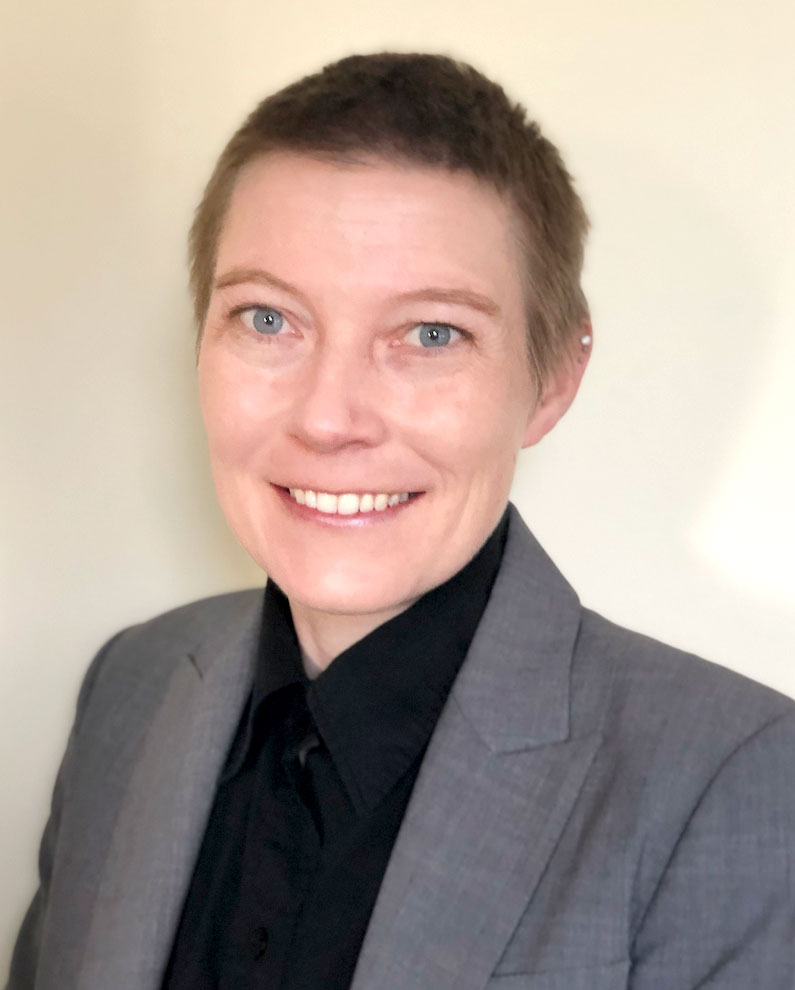
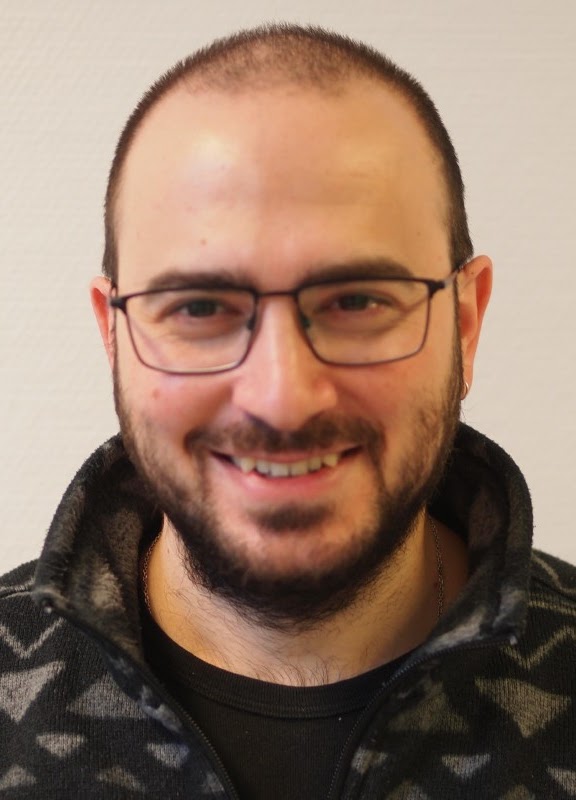
Sofía Ugarte is a social anthropologist and Research Fellow at the London School of Economics (LSE), Department of Anthropology. Her work focuses on care, racism, migration, and the life course in Chile and Latin America. She holds a PhD from the University of Cambridge, where she was an ESRC Postdoctoral Fellow and Teaching Associate before joining LSE in 2023 as a British Academy Postdoctoral Fellow. Her research explores intersections of gender, kinship, and state formation in postcolonial contexts. Notably, her doctoral study examined Haitian migrant women in Santiago, Chile, revealing how state and economic systems perpetuate racial and gendered inequalities. She is currently completing a book, ‘States of Care: Affective Labor and Racism in Migrant Chile,’ and launching a new project on care, intimacy, and politico-economic crises in urban Chile. Expertise: Chile/Latin America, care/gender, racism, migration, capitalism, decolonial methods Language Proficiency: English, French, Haitian Creole, Spanish Awards: British Academy Postdoctoral Fellowship, ESRC Postdoctoral Fellowship Her recent work analyzes retirement insecurity's impact on household economies in Chile, using ethnographic methods and audio-visual storytelling to explore aging, care, and capital in the cost-of-living crisis.
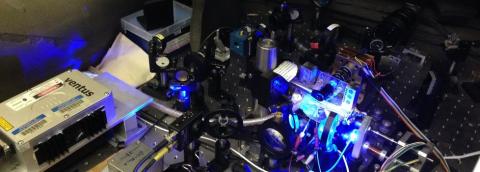
Simon Mochrie is a Professor of Physics and Applied Physics at Yale University, affiliated with the Department of Physics within the Faculty of Arts and Sciences. His research focuses on experimental biophysics and condensed matter physics, with emphasis on chromatin dynamics, nuclear mechanics, and super-resolution microscopy. He holds a Ph.D. from MIT (1985) and has pioneered techniques such as optical tweezers and STED microscopy to study biological systems like the ubiquitin-proteasome system in yeast. Current projects include single-molecule measurements on nucleosomes and developing novel imaging methods like LIVE-PAINT for live-cell super-resolution imaging. Educations: Ph.D., Physics, MIT (1985) Research interests center on understanding how chromatin organization influences nuclear mechanics, with studies on heterochromatin condensation, cohesin-driven loop extrusion, and chromatin-envelope interactions. His lab develops advanced microscopy techniques to visualize protein dynamics and subnuclear structures in real time. Recent work explores diffusive states of membrane proteins and the role of phase separation in heterochromatin mechanics. His articles demonstrate a focus on interdisciplinary approaches, combining biophysical experimentation with computational modeling to elucidate fundamental mechanisms in cell biology and soft matter physics. Notable themes include the interplay between chromatin structure and nuclear stiffness, loop extrusion dynamics, and quantitative analysis of intrachromosomal contacts. Teaching contributions include developing introductory physics courses tailored for life sciences students, emphasizing applications in biology and medicine. He actively participates in STEM education initiatives, including collaborative research networks for graduate students in physical biology. The Mochrie Lab also emphasizes instrumentation innovation, such as building fast-scanning STED microscopes and reversible peptide-based imaging systems.
Daniel Kühbacher is a Tutor and researcher at the Chair of Environmental Sensing and Modeling at Technische Universität München (TUM). He specializes in developing high-resolution urban emission inventories for CO2, CH4, and co-emitted species, and leads the setup of a 100-sensor CO2 network in Munich to assess sector-specific emission factors. His work bridges environmental monitoring, sensor technology, and urban climate science. Teaching roles include tutoring the Environmental Sensing and Modeling lecture and advanced seminar, as well as the joint practical course Gemeinschaftspraktikum MST . Research focuses on integrating traffic simulation data, mobile measurement units, and flux footprint modeling to quantify urban greenhouse gas emissions. Education: M.Sc. in Environmental Engineering Affiliations: Member of the ICOS Cities project and contributor to the ICOS Science Network Publications emphasize urban GHG monitoring innovations, including sensor network optimization, flux measurement validation, and inventory intercomparison studies. His work supports policy-relevant insights into emission hotspots and mitigation strategies. Currently develops the SCOUT project for street-level carbon observatories and explores human respiration emissions using mobile network data.
Jose Miguel Espi Huerta is an Associate Professor in the Department of Electronic Engineering at the School of Engineering, University of Valencia. He is an active researcher in power electronics and control systems, contributing significantly to grid-connected converters, renewable energy integration, and digital control techniques. His research interests include: Power Electronics and Inverter Control Predictive and Robust Control Strategies Renewable Energy Systems (Photovoltaic and Wind) Induction Heating Technologies Remote and Web-Based Educational Labs The analysis of his recent publications reveals a strong focus on improving the efficiency and reliability of grid-connected power converters using advanced control methods such as predictive current control and MPPT strategies. His work spans both industrial applications and academic education, particularly in developing remote laboratory platforms for control systems. Scientific awards and honors: No awards listed in the provided text. He has supervised academic theses and is affiliated with the LEII (Laboratory of Industrial Electronics and Instrumentation) research group. While no formal grants are listed, his extensive publication record indicates sustained research activity. He has contributed to the development of educational tools such as air levitation systems accessible via PLC and web interfaces, promoting innovative teaching methods in engineering education. The LEII research group focuses on industrial electronics, instrumentation, and power systems, providing a collaborative environment for applied research in energy conversion and control technologies.
Ricardo Cabral is an Associate Professor with tenure at ISEG (Institute for Economics and Management), University of Lisbon, where he teaches and conducts research in public finance, macroeconomics, currency and banking, and economic policy. He holds a PhD in Economics from the University of South Carolina and is a prolific author with over 40 scholarly publications, including journal articles, books, and policy papers. PhD in Economics – University of South Carolina (1998) His research interests span public finance , macroeconomic policy , banking union mechanisms , renewable energy economics , and fiscal sustainability in the Eurozone . He frequently contributes to public discourse through analytical writing, having published around 700 opinion pieces, notably in Público . His scholarly work critically examines the economic and monetary union, public debt management, and structural changes in the Eurozone. The most recent articles highlight a strong focus on Euro Area fiscal and monetary integration , banking regulation , and Portugal’s economic trajectory . His work combines empirical analysis with policy relevance, often using synthetic control methods and historical reviews to assess economic policies. Topics include the Dutch Disease in peripheral Euro countries, bail-in vs. bailout strategies, and the macroeconomic effects of renewable energy investments. Ricardo Cabral has co-authored significant policy proposals on restructuring Portugal’s external debt and has participated in public hearings at the Assembly of the Republic, the Legislative Assembly of Madeira, and the European Parliament, underscoring his role as a public intellectual and policy advisor. Co-authored two proposals for restructuring Portugal's external debt Regular contributor to national and international policy debates Testified before multiple legislative committees He actively supervises graduate students, including Master’s theses on public debt management and public sector wage expenditure, and a PhD on macroeconomics and structural change in the Eurozone. His teaching includes courses such as Macroeconomics II , Public Economics and Finance , and Economic Policy at both undergraduate and postgraduate levels. He is also involved in educational material development, including course reports and Euro Banking Union analyses.
Kirsty Garbett is a Senior Research Fellow at the Centre for Appearance Research, University of the West of England (UWE Bristol). She specializes in applied body image research, focusing on developing and validating interventions to improve body confidence across diverse populations. Her work spans cross-cultural adaptations of body image programs in India, Indonesia, and Brazil, emphasizing scalability and digital delivery. Key areas: Body image interventions, social media impact, cosmetic procedures, psychosocial measurement tools Collaborations: Dove Self-Esteem Project, international academics, media experts Methods: RCTs, cross-cultural validation, systematic reviews Kirsty's recent research includes systematic reviews of cosmetic surgery outcomes, social media-based interventions for Indonesian women, and school programs for adolescents. She also investigates the validation of psychological tools like the Body Esteem Scale and ChEDE-Q across languages and cultures. Her publications highlight trends in digital interventions , cross-cultural adaptation , and psychosocial measurement , with a focus on low- and middle-income settings. While no scientific awards are listed, her work demonstrates rigorous methodological innovation in scaling evidence-based programs. Qualifications: DPhil in Health Psychology (UWE Bristol, 2022), MSc in Health Psychology (Nottingham, 2013), BSc in Psychology (Strathclyde, 2011).
Henrik Nehler is a Senior Lecturer and Vice Dean at Linköping University , affiliated with the Faculty of Philosophy and the Department of Business Administration (FEK) under the Department of Economic and Industrial Development (IEI) . His expertise spans Management Control , Cost Accounting , and Sustainable Business Models , with a focus on Energy Management and Financial Performance in circular economies. Senior Lecturer in Business Administration Vice Dean at Faculty of Philosophy Department of Economic and Industrial Development (IEI) Henrik teaches Financial Management , Derivative Instruments , and Risk Management in MBA programs. His research explores the Role of Management Accountants in sustainability transitions, System Inertia in electrified circular transport systems, and Management Control Systems in energy markets. Notable contributions include leading the project 'The Controller - an unexplored actor in the transition towards sustainable energy systems' funded by the Swedish Energy Agency (4.6 million SEK) and co-authoring key literature on Energy Management in the pulp and paper industry. Current projects include Mistra REES and MESAM focusing on resource-efficient solutions and energy system transitions.
Agneszka Kiełkiewicz-Janowiak is a University Professor at Adam Mickiewicz University's Faculty of English in Poznań, Poland, with over 40 years of academic leadership. Holding a D.Litt. in English linguistics (2002), she directs research at the intersection of sociolinguistics, healthcare communication, and language policy reform. Educational Background: MA in English, Adam Mickiewicz University (1984) Ph.D. in English, Adam Mickiewicz University (1990) D.Litt. in English linguistics, Adam Mickiewicz University (2002) Research Focus: Her work critically examines language variation across social strata , specializing in gender dynamics in Polish , age-related communication patterns , and cross-cultural healthcare discourse . Recent projects analyze euphemisms in aging narratives, linguistic adaptation of Polish migrants in the UK, and feminist language reforms. She employs discourse analysis to expose power structures in medical consultations and public debates. Scholarly Evolution: Publications from 2015-2024 reveal a strategic pivot toward medical sociolinguistics (doctor-patient communication in migration contexts) and language policy activism (gender-neutral language advocacy). This trajectory demonstrates applied linguistics addressing healthcare disparities and sociopolitical change, particularly through analysis of online medical forums and institutional communication. Honors: National Ministerial Research Award (1997) Dual Rector's Prizes for Administrative Leadership (2010, 2012) National Board of Education Medal (2013) University Gold Service Medal (2017) Project Leadership: She secured €500k+ in international funding (Norwegian Financial Instrument) for the ADOPOLNOR Media project studying adolescent health communication. As principal organizer of the Erasmus Summer School (2014) and COMET 2025 conference, she builds global networks bridging linguistics and medical humanities. Academic Citizenship: Serving on editorial boards of Poznań Studies in Contemporary Linguistics and Advances in Historical Sociolinguistics since 2005/2013, she has shaped discourse through guest-edited special issues (2012) and co-organization of 12+ Poznań Linguistic Meetings. Her conference leadership creates platforms for emerging scholars in medical communication research.
Dr. Jason W. Coym serves as an Associate Professor in the Department of Chemistry within the College of Arts and Sciences at the University of South Alabama. His office is located in CHEM 235 at 6040 USA South Drive, Mobile, AL 36688, and he can be contacted via email at jwcoym@southalabama.edu or by phone at (251) 460-7431. Dr. Coym maintains an active research program focused on analytical chemistry with significant contributions to separation science. Dr. Coym earned his B.S. in Chemistry from the University of Texas (1998), followed by a Ph.D. in Chemistry from Florida State University (2004), and completed postdoctoral training at the University of Arizona (2004-2005). His educational background established the foundation for his specialization in chromatographic techniques. Dr. Coym's research centers on reversed-phase high performance liquid chromatography (RP-HPLC), investigating fundamental retention mechanisms—whether by adsorption, partitioning, or a combination—and the intermolecular interactions governing solute separation. His laboratory employs van't Hoff analysis and linear solvation energy relationships (LSER) to elucidate thermodynamic properties and interaction types. Key research areas include polar-group-containing stationary phases, novel mobile phase systems, and the development of analytical methods for monitoring invasive insects through trap and lure analysis. This work bridges theoretical chromatography with practical applications across pharmaceutical, environmental, forensic, and biochemical domains. Analysis of Dr. Coym's publication record (2011-2012) reveals a cohesive research trajectory focused on optimizing RP-HPLC through mechanistic studies and innovative applications. His work demonstrates consistent exploration of stationary phase modifications, mobile phase additives like methyl-β-cyclodextrin, and retention modeling, with direct relevance to pharmaceutical analysis, environmental monitoring, and entomological fieldwork. The integration of fundamental chromatography principles with real-world problem-solving characterizes his scholarly output. Dr. Coym's research program is supported by competitive external funding from the National Science Foundation (CHE-0910474) and the United States Department of Agriculture (USDA), supplemented by internal university grants. His laboratory provides extensive research training for students, as evidenced by undergraduate and graduate co-authorship on publications. Collaborative work with colleagues like Dr. Sandra Stenson enhances methodological capabilities through shared instrumentation and interdisciplinary projects. The Coym laboratory maintains dedicated HPLC infrastructure including two specialized systems (isocratic and gradient configurations) and shares access to a fully-automated gradient HPLC system. This equipment supports comprehensive investigations into chromatographic mechanisms and the development of novel analytical protocols for both fundamental research and applied environmental monitoring initiatives.
Naveen Chandrashekar is an Associate Professor in the Department of Mechanical and Mechatronics Engineering at the University of Waterloo. His work bridges orthopaedic biomechanics, biomedical device design, and tissue engineering with significant contributions to understanding anterior cruciate ligament (ACL) injuries. Doctorate in Mechanical Engineering (2005, Texas Tech University) Master's in Mechanical Engineering (2003, Texas Tech University) Bachelor's in Mechanical Engineering (2000, Bapuji Institute of Engineering and Technology) Research focuses on: Knee mechanics and ACL injury prevention Development of human knee simulators Sensor-integrated ligament damage measurement Virtual laboratory pedagogy effectiveness Tissue engineering applications Implant design and fixation devices Recent publications examine ACL strain mechanics, knee brace efficacy, and cervical spine dynamics. Key funding sources include: Natural Sciences and Engineering Research Council of Canada Ontario Centres of Excellence Canada Foundation for Innovation Scientific accolades include awards from Pi Tau Sigma, ASME, and Texas Tech University. Teaching portfolio covers core mechanical engineering subjects including: Mechanics of Deformable Solids (BME 281, ME 220) Finite Element Methods (ME 559) Statics (MTE 119)
Hannah Leslie serves as an Assistant Professor in the Division of Prevention Sciences at the University of California, San Francisco (UCSF), focusing on health systems research to improve care for marginalized populations globally. Her work spans HIV quality measurement, non-communicable disease management, and pandemic-responsive health service delivery across Latin America and South Africa. Education: PhD in Epidemiology, University of California, Berkeley Postdoctoral Fellowship in Health Systems, Harvard T.H. Chan School of Public Health Dr. Leslie develops innovative methodologies for health care quality assessment and identifies scalable health system interventions targeting inequities. Her research examines hypertension management, maternal-child health, HIV prevention (PrEP), and housing instability impacts on mental health, emphasizing context-specific solutions in resource-limited settings. She employs mixed-methods approaches including large-scale facility surveys, implementation science frameworks, and community-engaged co-creation processes. Recent publications (2024-2025) reveal consistent focus on health system measurement in Latin America and South Africa, with emerging themes around digital health solutions, post-pandemic recovery, and multi-level barriers to equitable care. Her work bridges epidemiological rigor with practical health policy applications, particularly through the QuEST LAC network for evidence-based policy in Latin America. Scientific Awards: CFAR Mentored Scientist Award (2021) for "Identifying clinic factors that shape population health outcomes in times of crisis" Dr. Leslie actively mentors through UCSF's CFAR program and collaborates with international networks including the QuEST LAC initiative. Her research is supported by competitive awards focusing on health systems strengthening during crises, with current projects examining hypertension management in Peru, PrEP delivery in South Africa, and digital interventions for breast cancer care in Mexico. Affiliated with UCSF's Center for AIDS Research (CFAR), she leads cross-national collaborations in Mexico, Peru, South Africa, and Nepal. Her work integrates health systems analysis with community engagement, particularly through the People's Voice Survey initiative measuring patient perspectives on care quality across Latin America.
Romney M. Humphries, Ph.D., D(ABMM), M(ASCP), is a Professor of Pathology, Microbiology, and Immunology at Vanderbilt University Medical Center, serving as Medical Director of the Microbiology Laboratory. Their research focuses on advancing diagnostic technologies for antibiotic-resistant infections and studying real-time evolution of antimicrobial resistance mechanisms. Academic Rank: Professor Department: Pathology, Microbiology, and Immunology Key research areas include antimicrobial resistance , diagnostic innovation , and clinical microbiology . The Humphries laboratory specializes in evaluating rapid identification methods for multidrug-resistant pathogens and novel antimicrobial development. Recent publications highlight advancements in MALDI-TOF MS, CRISPR diagnostics, and regulatory frameworks for laboratory-developed tests. Scientific contributions appear in journals such as New England Journal of Medicine , Clinical Infectious Diseases , and Journal of Clinical Microbiology . Current work emphasizes integrating genotypic/phenotypic testing for improved patient outcomes and informing federal policies on diagnostic standardization.
Romain Bordes is a Researcher in Applied Chemistry at Chalmers University of Technology, specializing in colloid and interface science with applications spanning sustainable materials development, art conservation science, and environmental remediation technologies. His work bridges fundamental chemical research with practical applications addressing contemporary challenges in cultural heritage preservation and green chemistry. Dr. Bordes' research interests focus on several interconnected domains: Development and application of amino acid-based surfactants and green chemistry solutions for sustainable applications Nanocellulose and biomaterials for art conservation, packaging, and textile applications Surface chemistry and interfacial phenomena in complex colloidal systems Novel separation techniques for environmental remediation, particularly heavy metal removal Sustainable materials development for cultural heritage preservation Analysis of Dr. Bordes' extensive publication record reveals a consistent trajectory toward increasingly sophisticated applications of colloid science. His recent work demonstrates a growing integration of advanced characterization techniques like acoustic levitation with traditional colloid chemistry approaches, enabling non-contact analysis of delicate materials. A significant portion of his research addresses practical challenges in art conservation, with particular emphasis on developing sustainable alternatives to traditional conservation methods. His work on beeswax nanoemulsions and nanocellulose-based consolidants represents innovative approaches to longstanding challenges in cultural heritage preservation. Dr. Bordes has secured substantial research funding from multiple prestigious sources including VINNOVA, the European Commission (EC), the Swedish Research Council (VR), and the Swedish Foundation for Strategic Research (SSF). His collaborative projects demonstrate strong interdisciplinary connections across chemistry, materials science, conservation science, and environmental engineering. The GREENART project (2022-2025) and NANORESTART project (2015-2018) particularly highlight his leadership in applying advanced materials science to cultural heritage challenges. His research group appears to focus on developing sustainable chemical solutions that address real-world problems at the intersection of environmental science, cultural preservation, and materials innovation, with particular emphasis on replacing hazardous chemicals with bio-based alternatives in conservation practices and industrial applications.
Georgios Arvanitidis is an Associate Professor at the Technical University of Denmark (DTU) in the Department of Applied Mathematics and Computer Science, specifically within the Section for Cognitive Systems (CogSys). He has established himself as a leading researcher in geometric machine learning, focusing on the application of differential geometry principles to enhance machine learning models. His work bridges theoretical mathematics with practical applications in artificial intelligence, with particular emphasis on understanding the geometric structure of data manifolds and latent spaces. Dr. Arvanitidis completed his educational journey with a Bachelor's degree from the Department of Informatics at the Aristotle University of Thessaloniki, followed by a Master's degree in Computer Science from Saarland University supported by the Max Planck Institute for Informatics. He earned his PhD at DTU's Cognitive Systems section under the supervision of Søren Hauberg, with additional research experience at Philipp Hennig's Probabilistic Numerics group. Prior to his current position as associate professor, he was a PostDoc at the Max Planck Institute for Intelligent Systems working with Bernhard Schölkopf. Dr. Arvanitidis's research primarily focuses on differential geometry in machine learning , where he explores how geometric structures can enhance representation learning and statistical modeling. His work in generative models investigates how learning the geometry of data manifolds can improve deep learning architectures. In the domain of deep learning theory , he examines why deep learning models generalize effectively on unseen data, with particular attention to the curvature properties of loss landscapes. His research in approximate Bayesian inference applies geometric principles to improve uncertainty quantification in neural networks. Through his innovative approaches, Dr. Arvanitidis has established himself as a leading researcher in geometric machine learning, contributing to both theoretical foundations and practical applications across various domains including robotics and life sciences. The publication trends of Dr. Arvanitidis reveal a consistent and evolving focus on geometric approaches to machine learning problems. His recent work (2023-2025) demonstrates increasing sophistication in applying Riemannian geometry to deep learning architectures, with particular emphasis on latent space geometry, optimization on manifolds, and geometric interpretations of neural network behavior. A notable pattern is the progression from foundational work on geometric representations to more applied research in areas like robotics and causal inference. His publications span top-tier conferences including NeurIPS, ICML, ICLR, and AISTATS, reflecting the high impact of his research. The interdisciplinary nature of his work is evident in collaborations across mathematics, computer science, and robotics domains, with recent papers addressing challenges in multimodal sampling, safety guarantees for dynamical systems, and counterfactual explanations. Dr. Arvanitidis has received several notable scientific awards and recognitions: Sapere Aude starting grant from the Independent Research Fund Denmark (DFF) GADL funding i-Rase, Pathfinder, and EIC (European Innovation Council) funding Best reviewer award for NeurIPS 2019 Best reviewer award for NeurIPS 2018 Best student paper award at Robotics: Science and Systems (R:SS) 2021 Dr. Arvanitidis actively mentors PhD students and researchers, currently supervising Alejandro Valverde, Johanna Gegenfurtner, and Albert Kjøller Jacobsen. He has previously co-supervised Alison Pouplin's PhD and worked with research assistant Georgios Pantis. His group receives substantial funding through multiple prestigious grants including the Sapere Aude starting grant from the Independent Research Fund Denmark, as well as European Innovation Council funding. He has been instrumental in creating opportunities for students interested in geometric machine learning, offering BSc and MSc thesis projects focused on generative models, deep learning theory, and optimization techniques. Dr. Arvanitidis also contributes significantly to the academic community as a reviewer for top conferences including ICLR and TMLR, and as an area chair for NeurIPS, ICML, AISTATS, and UAI. He co-organized the Machine Learning Summer School 2020 in Tübingen, further demonstrating his commitment to education and community building. Dr. Arvanitidis leads a vibrant research group focused on geometric machine learning within the Cognitive Systems section at DTU. His team includes multiple PhD students working on cutting-edge research at the intersection of differential geometry and artificial intelligence. The group has developed notable software tools, including the "geometric_ml" GitHub repository with over 70 stars, which contains implementations for applying Riemannian geometry in machine learning. His research has practical applications in robotics, where geometric approaches enable more robust motion planning, as evidenced by his work on "Reactive Motion Generation on Learned Riemannian Manifolds" which received a best student paper award. Additionally, his methodologies have found applications in life sciences, as mentioned in his 2022 AISTATS paper. The collaborative nature of his work is evident through extensive partnerships with researchers at institutions including the Max Planck Institute for Intelligent Systems, University of Cambridge, and various European universities. His recent news items indicate active engagement with the academic community through talks, conference presentations, and ongoing supervision of new PhD students joining his group.
Dan A. Black is a Professor at the University of Chicago Harris School of Public Policy , a Senior Fellow at the National Opinion Research Center (NORC) , and a Research Fellow at IZA . His work bridges labor economics, economic demography, urban economics, and applied econometrics, with a focus on policy-relevant empirical analysis. Education: BA and MA in History from the University of Kansas; MS and PhD in Economics from Purdue University. Black’s research explores labor market dynamics, including wage gaps, migration, human capital, and policy impacts. His methodological expertise spans econometrics, causal inference, and data reliability. He has also contributed to studies on racial and gender disparities, urban inequality, and public health economics. His recent publications highlight interdisciplinary trends: labor economics (training, job lock, wage disparities), demography (mortality estimation, migration), and urban economics (inequality, policy evaluation). Methodological themes include instrumental variables , matching estimators , and measurement error . Scientific Awards: Fellow of the Society of Labor Economists Senior Fellow at NORC Research Fellow at IZA Black has served on editorial boards for the Journal of Labor Economics , Labour Economics , and Journal of Urban Economics . He has advised panels for the U.S. Census Bureau, Department of Education, and Environmental Protection Agency, and consulted for governments in New Zealand, Australia, and the Inter-American Development Bank. His affiliations include the Committee on Quantitative Methods in Social, Behavioral, and Health Sciences at the University of Chicago.