- Salivary Diagnostics
- Oral Cancer Research
- Genomics
- +۷ مورد دیگر
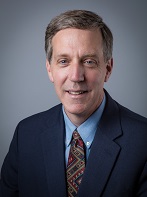
Dr. David T Wong is a Professor in the Dentistry Department and Head and Neck Surgery at the University of California Los Angeles. With dual appointments across departments, he leads groundbreaking research at the intersection of molecular biology, diagnostics, and oral medicine. His work has established UCLA as a global leader in salivary diagnostics research. Dr. Wong earned his BSc in Biochemistry from Simon Fraser University in 1977, followed by a DMD in Dental Medicine from the University of British Columbia in 1981. He completed advanced training at Harvard with a DMSc in Molecular Biology (1985) and a Certificate in Oral Pathology from Harvard School of Dental Medicine (1985). His research focuses on salivary diagnostics for disease detection, particularly in oral/head and neck cancer. Dr. Wong pioneered the field of "Salivaomics" - the comprehensive study of saliva as a diagnostic fluid containing proteomic, genomic, transcriptomic, metabolomic, and microbiome information. His laboratory spearheads high-throughput technologies to identify genomic and proteomic determinants of oral cancer progression, with emphasis on developing non-invasive diagnostic tools. Key areas include liquid biopsy technologies (particularly saliva-based), extracellular RNA communication, and the development of point-of-care diagnostic devices like the Oral Fluid NanoSensor Test (OFNASET). Analysis of his recent publications reveals a strong trend toward clinical translation of salivary biomarkers, with increasing focus on Sjögren's Syndrome diagnostics, liquid biopsy applications for cancer detection, and the development of novel technologies like EFIRM (Electric Field-Induced Release and Measurement) for ultra-sensitive detection of biomarkers in saliva. His work bridges basic science with clinical applications, particularly in early cancer detection and monitoring. Dr. Wong has received extensive NIH funding as Principal Investigator for numerous projects, including multiple R01, U01, and T32 grants focused on salivary diagnostics, oral cancer biomarkers, and dentist-scientist training programs. His research funding spans over two decades, demonstrating sustained impact and relevance in the field. He leads the Wong Lab, which functions as an interdisciplinary research hub bringing together experts in molecular biology, engineering, dentistry, and oncology. The lab has been instrumental in establishing saliva as a viable biofluid for liquid biopsy applications, particularly for detecting actionable mutations in human cancers. Current research directions include refining EFIRM technology for clinical implementation and expanding the applications of salivary diagnostics to systemic diseases beyond oral conditions.