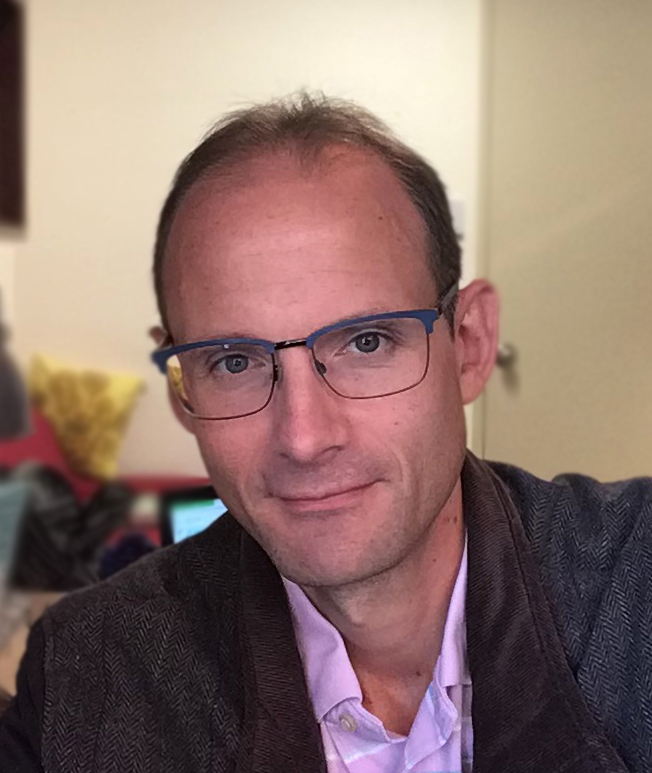
Leif Ristroph is an Assistant Professor of Mathematics at the Courant Institute of Mathematical Sciences , New York University . His research bridges experimental physics and applied mathematics , focusing on fluid-structure interactions in both biological and geophysical contexts. Key research areas include: Biophysical Flows : Aerodynamics of insect flight ( Applied Mathematics Laboratory ), hydrodynamics of fish schooling, and flow-sensing mechanisms via the fish lateral line system Geophysical Flows : Shape evolution during erosion, dissolution patterns in fluid flows, and bubble formation dynamics Recent publications (2019-2015) explore: Flow interactions in flapping swimmers and hovering systems Evolutionary optimization of wing shapes and self-sculpting processes Stability mechanisms in tandem flapping and insect flight His work has been featured in major media outlets like Nature , New York Times , and ScienceDaily . Ristroph's lab at NYU's Applied Mathematics Laboratory combines physical experiments, computational models, and theoretical analysis to study complex fluid-structure interactions.
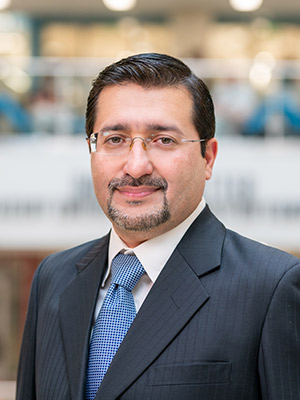
Dr. Muhammad Faeyz Karim is an Instructional Associate Professor in the Department of Engineering Technology and Industrial Distribution at Texas A&M University, with a faculty affiliation at the Texas A&M Energy Institute. His expertise spans microwave engineering, quantum photonics, and wireless systems. He holds a PhD in Electrical Engineering from Nanyang Technological University (2008), an MBA from Lancaster University (2012), and advanced degrees in Communication Engineering and Electrical Engineering. His research focuses on microwave/mmWave radar, wireless power transfer, quantum optics, and metamaterials. Key applications include bio-sensing, non-destructive testing (NDT), and energy harvesting. Notable achievements include a Best Paper Award at the 2004 Asia Pacific Conference and nominations for the Nanyang Education Award (2020/2021). Dr. Karim leads the MiWiRa Lab, advancing radar, wireless, and microwave technologies for healthcare monitoring and industrial applications. His work emphasizes collaboration across disciplines, with recent breakthroughs in quantum photonic chips for secure communication and AI-driven sensor systems. Publications span high-impact journals like Science Advances , Nature Communications , and ACS Photonics . Labs/Teams: MiWiRa Lab (Microwave, Wireless, and Radar Research) Grants: Active funding in quantum photonics, mmWave systems, and energy harvesting (details not specified) Teaching: Courses in engineering technology and industrial distribution
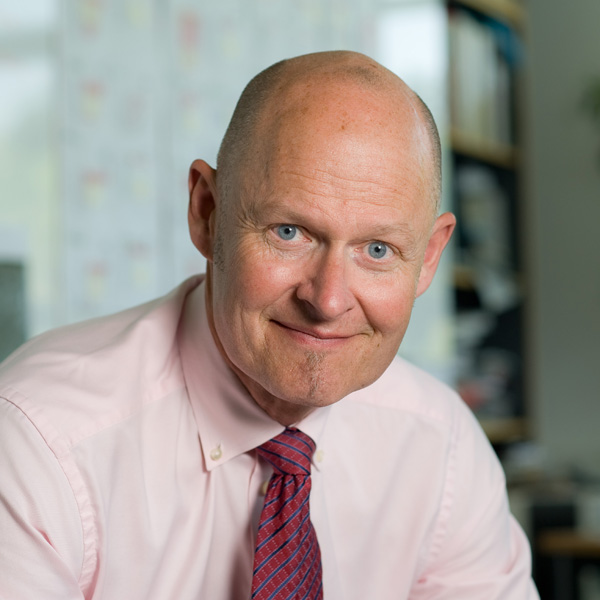
Amanda Callaghan is a Professor of Invertebrate Zoology at the University of Reading, where she serves as Curator of the Cole Museum of Zoology and School Director of Recruitment and Admissions. Her academic work spans teaching, research, and museum curation, with a focus on entomology and invertebrate zoology. Professor Callaghan's research interests primarily center around mosquito ecology and vector control, microplastics research in freshwater ecosystems, and museum specimen conservation. Her work has significant implications for public health, environmental management, and biodiversity conservation. She leads research projects on British mosquito ecology and control in collaboration with Public Health England, and British mosquito population modeling with the Centre for Ecology and Hydrology. Her recent publications demonstrate a strong focus on trends in vector ecology and environmental toxicology . Callaghan's work examines the intersection of environmental change, pollution (particularly microplastics), and vector-borne disease transmission. She has pioneered research on using natural predators for mosquito control and investigated how environmental factors influence mosquito behavior and population dynamics. Among her scientific honors , Callaghan is a: Senior Fellow of the Higher Education Academy Fellow of the Royal Society of Biology Fellow of the Royal Entomological Society Commonwealth Commission Postgraduate Scholarship Advisor She has also served as former editor of Antenna, the bulletin of the Royal Entomological Society. In terms of advising and research support , Professor Callaghan has supervised numerous PhD students over her career, both at the University of Reading and through collaborations with other institutions including the Centre for Ecology and Hydrology and Public Health England. Her current PhD students include Daniel Smith, Alex Vaux, and Claire Smith. She has received funding from various sources including NERC, Public Health England, and self-funding arrangements. Professor Callaghan is actively involved with the Cole Museum of Zoology , where she serves as Curator. She also engages in significant outreach activities, including media interviews on mosquito research and co-authoring the popular science booklets "Garden Entomology" for the Royal Entomological Society. Her international collaborations include researchers from South Africa, Nigeria, and the United States, while her national collaborations involve scientists from the Centre for Ecology and Hydrology, Queens University Belfast, and Public Health England.
John Carlson is the Eugene Higgins Professor of Molecular, Cellular, and Developmental Biology at Yale University, where he is a full Professor in the Department of Molecular, Cellular, and Developmental Biology (MCDB) within the Yale School of Medicine. He also holds affiliations with the Interdepartmental Neuroscience Program, Kavli Institute for Neuroscience, Wu Tsai Institute, and the Biological & Biomedical Sciences Graduate Program (BBS). Education: Ph.D. in Biochemistry, Stanford University (1982) A.B. in Biochemistry, Harvard University (1977) John Carlson’s research centers on the molecular and neural mechanisms of chemoreception. His lab investigates how Drosophila and disease-transmitting insects such as mosquitoes detect odors, tastes, and pheromones. His groundbreaking work includes the discovery of the first insect odor and taste receptors and the elucidation of the logic underlying sensory coding in olfactory and gustatory systems. His current research extends to understanding how these mechanisms influence behavior in vectors of global disease. His recent publications (2022–2025) highlight advances in insect chemoreception, including the structural basis of sugar detection, the function of ionotropic receptors in mate recognition, and the role of taste in mosquito biting behavior. These works reflect a strong trend toward integrating molecular genetics, structural biology, and behavioral analysis to decode sensory systems. Scientific Awards and Honors: Elected Member, National Academy of Sciences Elected Member, American Academy of Arts and Sciences Guggenheim Fellow Fellow, American Association for the Advancement of Science (AAAS) Genetics Society of America Medal Kornberg-Berg Lifetime Achievement Award (Stanford) Max Mozell Award for Outstanding Achievement in the Chemical Senses Yale College Dylan Hixon Prize for Teaching Excellence Yale College Byrnes/Sewall Teaching Prize Yale Postdoctoral Mentoring Prize John Carlson is a dedicated mentor and educator. Seventeen of his PhD students have won dissertation awards, and he has received multiple honors for teaching and mentoring. He leads an active research lab that fosters collaboration and interdisciplinary inquiry. His lab has frequent co-authors including Gaëlle J. S. Talross, Yichen Luo, Hany Dweck, and Lisa Baik, indicating a strong team-based research environment focused on sensory biology and vector behavior.
Brian Smith is a Professor at Arizona State University (ASU), affiliated with the School of Life Sciences and the Center for Evolution and Medicine. His research focuses on behavioral neuroscience, particularly learning and memory systems in insects and mammals, with applications to neurodegenerative diseases like Alzheimer's and Parkinson's. He investigates how animals use olfactory cues to predict environmental events, combining behavioral studies with electrophysiological, imaging, and computational techniques. Education : Ph.D. in Neuroscience from the University of Kansas (1985). Research Interests : Smith explores how environmental contaminants (e.g., fungicides, heavy metals) impact learning and memory in pollinators like honey bees. His work bridges molecular neuroscience, behavioral ecology, and computational modeling to understand neural mechanisms underlying olfactory processing and decision-making. Grants & Collaborations : Lead or co-PI on multiple NSF, NIH, and international grants (e.g., Ideas Lab Collaborative Research on olfactory coding, NIH-funded studies on dopamine receptors in honey bees). He also collaborates on projects integrating neurotechnology (e.g., virtual odor delivery systems) and environmental policy. Labs & Teams : Directs the Social Insect Research Group, focusing on collective behavior and cognitive ecology. Active in interdisciplinary initiatives like the Interdisciplinary Graduate Program in Neuroscience at ASU.
Bill S. Hansson is the Managing Director of the Max Planck Institute for Chemical Ecology (MPICE) in Jena, Germany, and Director of the Department of Evolutionary Neuroethology. Previously, he served as Professor and Head of Chemical Ecology Division at the Swedish University of Agricultural Sciences (SLU), Associate Dean at the Faculty for Landscape Planning, Horticulture and Agricultural Sciences, and held academic positions at Lund University spanning from Assistant to Associate Professor. His research focuses on the neuroethology of insect olfaction, examining its function, anatomy, and evolutionary basis. Key interests include olfactory coding, neural processing of chemical signals, and odor-dependent behaviors in model organisms like Drosophila and moths. His pioneering work includes developing calcium imaging in moth brains and demonstrating functional organization in insect olfactory systems. Hansson's extensive publication record (200+ papers) reveals consistent focus on insect sensory biology, with recent work exploring neural correlates of odor valence, deceptive pollination systems, and molecular mechanisms of odorant reception. His research integrates neurophysiology, molecular biology, and behavioral ecology approaches. Major Honors and Awards: ISCE Silverstein-Simeone Lecture Award (2014) AChemS Givaudan Lecture Award (2013) Letterstedt Prize (2009) Swedish Linnaeus Grant: €1M/year for 10 years (2006) Elected Fellow/Member of 5 national academies including Royal Swedish Academy of Sciences He leads a research department of approximately 60 members at MPICE, where he established evolutionary neuroethology as a core discipline. His team investigates olfactory modulation across evolutionary timescales using Drosophila and hawk moth models, supported by major funding including the Linnaeus Grant.
Dr. Emilia Reszczyńska is a Senior Lecturer at the Department of Plant Physiology and Biophysics, Faculty of Biology and Biotechnology, University of Maria Curie-Skłodowska (UMCS) in Lublin, Poland. Her research integrates plant biochemistry, molecular biophysics, and microbial interactions, with a focus on carotenoid-lipid membrane interactions, stress response mechanisms, and biomedical applications of plant-derived compounds. Current Post-Doc grant (2022-2025): Benchmarking Human Tissue Culture Systems to Mimic Tumor Microenvironment (Medical University of Lublin, NCN OPUS) Miniatura 3 grant (2019-2020): Fatty Acid Effects on Lutein Organization (NCN) MAESTRO 8 grant (2017-2021): Molecular Mechanisms of Photosynthetic Antenna Regulation (NCN) TEAM fellowship (2011-2015): Molecular Spectroscopy for Biomedical Studies (Foundation for Polish Science) Her scientific work spans plant membrane biophysics, stress tolerance strategies via microbial symbiosis, and cross-disciplinary studies on carotenoid behavior in biological and cancerous systems. Key trends include Her scientific achievements include the TEAM fellowship from the Foundation for Polish Science. Collaborations with institutions like Medical University of Lublin and international researchers highlight her interdisciplinary impact.
Atousa Hajshirmohammadi serves as a Senior Lecturer at Simon Fraser University's School of Engineering Science, where she has taught since 2004 after returning from industry experience at LSI Logic Inc. in Silicon Valley. Her academic journey includes B.Sc. and M.Sc. degrees in Electrical and Computer Engineering from Isfahan University of Technology and a Ph.D. in Communications Engineering from the University of Waterloo. Her research spans two primary domains: technical communications and engineering pedagogy. In digital communications, she focused on multimedia transmission, cognitive radio networks, and unequal error protection until approximately 2015. Her pedagogical research, which dominates recent work, investigates experiential learning, student wellbeing, time management strategies, and innovative teaching methods in engineering education. Her publication trend shows a clear shift from wireless communications research (2000-2015) to educational scholarship (2015-present), with significant contributions to IEEE Communications Magazine and Frontiers in Education conferences. Supported by multiple SFU Teaching and Learning Development Grants, she has developed tangible lab assignments, interactive online quizzes, and wellbeing-focused learning environments. Her outreach includes workshops like the Insect-Robot program for K-7 students and collaborations with SFU's Health Promotion unit. While her technical research involved graduate students, her primary role as teaching faculty emphasizes curriculum innovation rather than traditional graduate supervision.
Prof. Jérôme Casas is a Professor of Ecology at the University of Tours and Senior Member of the Institut Universitaire de France. He leads research in sensory ecology, biomimetic technologies, and insect physiology, focusing on the intersection of natural history, advanced technology, and modeling. His work spans organismal biology, ecology, and agroecology, with notable projects on insect flow sensing and olfactory systems. Casas holds a Carnot Chair at CEA-LETI, advancing bio-inspired micro-technologies. His research integrates interdisciplinary teams of biologists, physicists, and engineers. Education: PhD from ETH Zurich (1989), postdocs at University of California and Strathclyde University. Directed the Institut de Recherche sur la Biologie de l'Insecte (IRBI) from 2001-2008, fostering international collaborations. Awards include the Humboldt Prize and ETH Medal for thesis excellence. Editorial roles include co-editing Current Opinion in Insect Science . Key research themes include: sensory ecology of mimicry, flow sensing in insects, and climate change impacts on ecosystems. His lab uses advanced tools like microfluidics and neuromorphic circuits. Notable projects include modeling predator-prey dynamics and developing biomimetic sensors inspired by insect antennae. Grants and collaborations involve interdisciplinary projects on bio-inspired technologies, climate change, and agroecology. Students and postdocs under his mentorship have won major awards (e.g., Haldane, Elton, Allee). He advocates for entomology's role in addressing global ecological challenges. Labs/Teams: Head of the IRBI's physical ecology group, collaborating with CEA-LETI on bio-inspired systems. Active in networks like BIOKON (Biomimetics) and the Canada Research Chairs program.
Professor Mark Dickman, affiliated with the School of Chemical, Materials and Biological Engineering at the University of Sheffield, is a leading expert in Bioanalytical Science and Engineering . His research focuses on developing advanced analytical techniques for characterizing nucleic acid therapeutics, particularly oligonucleotide and mRNA-based drugs. Industry collaborations include ThermoFisher, AstraZeneca, Syngenta, and RedShift Bio. Academic Background : First Class BSc (Biochemistry/Chemistry), PhD at the Krebs Institute (University of Sheffield). Professional History : Research Scientist at Transgenomic Ltd (1993-2003), then academic staff at the University of Sheffield. Key research areas include: Bioseparations (HPLC, 2D-LC, ion-pair chromatography) Biological Mass Spectrometry for RNA and protein analysis Nucleic Acid Therapeutics (mRNA vaccines, oligonucleotide drugs) CRISPR-Cas Systems and RNA interference His publications (over 40) demonstrate expertise in chromatographic methods, bacterial cell wall analysis, and epigenetic studies. Recent work explores: mRNA critical quality attribute monitoring RNA biocontrol purification Peptidoglycan structural characterization Mass spectrometry-based RNA sequence mapping Professional memberships include the Royal Society of Chemistry and American Society for Mass Spectrometry . He contributes to teaching through the CPE 240 Engineering From Living Systems course.
Ryan Draft is a Lecturer in Molecular and Cellular Biology at Harvard University's Faculty of Arts and Sciences, where he serves as Assistant Director of the Harvard Neurobiology program and directs the undergraduate Neurobiology concentration. His office is located in the Biological Labs Building at Harvard. Dr. Draft specializes in neurobiology with research interests spanning developmental neurobiology, pain mechanisms, synaptic connectivity, and olfactory behavior. His current research focuses on ant olfactory behavior, specifically investigating antennae dynamics during odor tracking in Camponotus Pennsylvanicus to understand neural processing and decision making. Earlier in his career, he studied how synaptic circuitry develops and is refined using imaging techniques, physiology, and molecular genetics. His teaching portfolio includes MCB 115 (Cellular Basis of Neuronal Function), MCB 148 (The Neurobiology of Pain), and Neuro 103 (Building a Brain). His publications span developmental neurobiology, pain research, and olfactory behavior, showing an evolution from basic neural development to more specialized areas like pain pathways and sensory processing. His recent work emphasizes computational approaches to understanding neural decision-making in olfactory systems. Dr. Draft is deeply involved in undergraduate education as an academic advisor for Neurobiology students, helping guide them through curriculum choices, research opportunities, and career paths. He also co-directs summer research programs in Bangalore, India and Lisbon, Portugal.
Jian Zhou is an Assistant Professor in Mechanical Engineering at Binghamton University, joining in 2023. He holds a PhD in Mechanical Engineering from Binghamton University (2023) and completed postdoctoral research at Argonne National Laboratory in nanoengineering. His research focuses on nanoengineering, bio-inspired devices, and precision sensing tools addressing societal challenges in health, energy, and security. Notable contributions include the bio-inspired flow microphone commercialized by Soundskrit and studies on spider web acoustics featured in PNAS , Nature Physics , and BBC. His research group develops nanoscale materials, metamaterials, and ultrafast X-ray optics. Recent highlights include a 2023 Journal of Experimental Biology Outstanding Paper Prize for mosquito antennae research and an NSF grant for nano-opto-electro-mechanical systems (NOEMS). He was honored as a 'Career Champion' by students in 2024. The lab collaborates with institutions like Argonne, Penn State, Harvard, and Princeton. Publications span advanced materials, MEMS technology, and bio-inspired engineering, often appearing in interdisciplinary journals. Active areas include nanomechanical resonators, scale-dependent metamaterials, and acoustic flow sensing inspired by biological systems. Education : PhD in Mechanical Engineering (Binghamton University, 2023) Awards : 2023 Journal of Experimental Biology Prize, Career Champion (2024) Funding : NSF Award for NOEMS research (2024) His lab seeks PhD candidates interested in nanotechnology, MEMS, and bio-inspired systems. Contact via jianzhou@binghamton.edu for opportunities.
Russ Barrow is an Associate Professor and Gulbali Research Fellow at the Charles Sturt University's Gulbali Institute. His work focuses on chemical ecology and natural product chemistry, particularly in understanding how dung beetles contribute to ecosystem services in agricultural systems. He holds a PhD in Organic Chemistry from The University of Melbourne (1995) and an MPEd from Deakin University (1999). His research integrates field studies, lab-based chemical analyses, and community outreach to address challenges in sustainable agriculture. Key areas include volatile organic compound (VOC) interactions in dung beetles, traditional uses of fungi by Indigenous communities, and biocontrol strategies for crop pathogens. Barrow has published extensively in journals such as Insects , Plant Methods , and Frontiers in Microbiology , with over 90 peer-reviewed articles. He co-authored the textbook Chemistry in the Marketplace , translated into multiple languages, and has delivered lectures globally. His work aligns with UN Sustainable Development Goals related to climate action, responsible consumption, and sustainable agriculture. Recent projects include evaluating dung beetle population dynamics post-flooding events and developing chemical lures for pest management. He has secured grants, including a 2023 project on macroalgal species in marine ecosystems.
John Crimaldi is a Professor in the Department of Civil, Environmental, and Architectural Engineering at the University of Colorado Boulder, affiliated with the College of Engineering. He holds a B.S.E. from Princeton University and advanced degrees (M.S., Ph.D.) from Stanford University. His research focuses on experimental and numerical fluid mechanics, particularly physical-biological interactions and turbulent transport processes. He has contributed to understanding odor plume dynamics in turbulent environments, animal navigation strategies, and fluid dynamics in ecological systems. Crimaldi has been recognized with awards including the NSF CAREER Award and the Charles Hutchinson Teaching Award, reflecting his dual expertise in research and education. Research Interests: Fluid mechanics in natural and engineered systems Olfactory navigation and sensory-motor integration Environmental fluid dynamics (turbulent transport, plume structures) Biological applications (marine fertilization, animal behavior) Notable Awards: CAREER Award, National Science Foundation (2004–2009) Young Researcher Award (2004) Charles Hutchinson Teaching Award (2003) Advising & Grants: Crimaldi has advised graduate students such as Connor EG and True AC, focusing on projects like olfactory navigation and fluid-structure interactions. His grants include NSF-funded research on ecological fluid mechanics and groundwater remediation. Collaborations extend to applied mathematics and neurobiology. Labs & Teams: Affiliated with the Department of Applied Mathematics at CU Boulder, he contributes to interdisciplinary teams studying fluid dynamics in ecological and biomedical contexts.
Professor Subhas Chandra Mukhopadhyay is a Professor of Mechanical/Electronics Engineering at the School of Engineering, Macquarie University, Australia. He serves as the Discipline Leader of the Mechatronics Engineering Programme and Director of International Engagement for the School of Engineering. Professor Mukhopadhyay is also the Founding Chair of the IEEE Instrumentation and Measurement Society New South Wales Chapter and the IEEE Sensors Council New South Wales Chapter. His research interests focus on: Sensors and Sensing Technology Wireless sensor networks Internet of Things applications Instrumentation systems Mechatronics and Robotics Drone technology Professor Mukhopadhyay's recent publications demonstrate a strong focus on sensor technology and IoT applications, with significant contributions in RFID systems, environmental monitoring, biomedical applications, and agricultural technology. His work bridges theoretical advances with practical implementations across multiple domains including healthcare, environmental monitoring, and smart city infrastructure, showing particular innovation in flexible electronics, neuromorphic computing, and wireless communication systems for diverse applications. His scientific achievements have been recognized with several prestigious awards: Best Performing Topical Editor 2016, 2017, and 2018 Certificate of Distinction Distinguished Lecturer of the IEEE Sensors Council (2017-2022) Professor Mukhopadhyay has authored/co-authored 14 patents, 10 books, and over 450 papers in international journals. He has organized over 20 international conferences including serving as General Chair for the IEEE Sensors Conference 2009 and 2021. His research is supported by multiple active projects including 'Affordable Imaging for Identification of Grass Seed Infestation in Australian Sheep' and 'Embedded sensing system for continuous crack monitoring in concrete pavements.' He leads research initiatives through the Smart Green Cities Research Centre and Advanced Drone Systems Research Centre at Macquarie University, fostering interdisciplinary collaboration across engineering disciplines and maintaining strong industry partnerships for practical implementation of research outcomes.