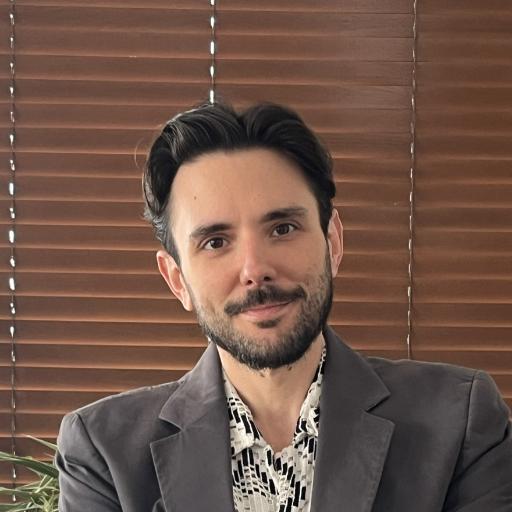
Markus Friedrich is a Professor in the Department of Biological Sciences at Wayne State University, affiliated with the College of Liberal Arts and Sciences. His research focuses on insect development, gene family evolution, and arthropod visual systems, with a particular interest in cave-adapted species. He has held roles including Editor-in-Chief of the Molecular Biology and Genomics Section for the journal Insects and advised on the Australian Research Council project DP230100731 (2023-2024). Education: PhD in Zoology from Ludwig-Maximilians-Universität München (1995), postdoctoral training at Caltech (1996–1999). His research interests span comparative genomics, evolutionary developmental biology, and the genetic basis of sensory adaptations. Notable work includes studies on opsin gene evolution, cave animal adaptations, and the genomic basis of arthropod diversification. Recent publications highlight discoveries in harvestmen relict eyes, horseshoe crab Pax6 homologs, and cave beetle sleep behavior. Teaching includes courses like BIO4220 Biological Dimensions of Evolutionary Psychology and BIO1500 Basic Life Diversity . He has supervised numerous students and volunteers, fostering a dynamic research lab environment. His work integrates genomic, developmental, and evolutionary approaches to unravel mechanisms of trait evolution in insects. Grants/Awards: Australian Research Council funding, editorial leadership in entomology journals. Labs/Teams: The Friedrich Lab focuses on evolutionary genetics, with projects involving Tribolium beetles, cave organisms, and comparative genomics.
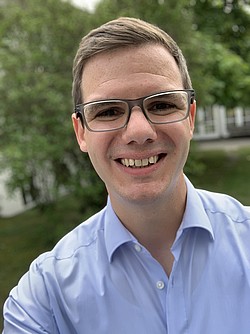
Prof. Dr. Florian Jeltsch leads the Plant Ecology and Nature Conservation research group at the Institute of Biology and Biochemistry, University of Potsdam. His work spans multiple ecological domains with a focus on understanding biodiversity patterns and processes in changing environments. His research group investigates community ecology across various landscapes including grasslands, agricultural systems, and drylands. Dr. Jeltsch's research interests encompass Community Ecology of Grasslands and Agricultural Landscapes, Community Ecology of Drylands, Biodiversity in Heterogeneous Environments, Movement Ecology and Biodiversity Dynamics, and Applied Regional Conservation. His work integrates theoretical and empirical approaches to address pressing ecological questions related to global change. He has been instrumental in developing and applying individual-based models to understand complex ecological systems. Analysis of Dr. Jeltsch's recent publications reveals a strong focus on individual-based ecological modeling, movement ecology, and the impacts of landscape heterogeneity on biodiversity. His work spans from theoretical foundations to practical conservation applications, with particular emphasis on savanna ecosystems, habitat fragmentation effects, and climate change impacts. The research demonstrates integration of multiple scales from individual energetics to community dynamics. Dr. Jeltsch has mentored numerous doctoral students and postdoctoral researchers who have gone on to establish their own research careers. His group has been involved in multiple collaborative projects including BioHet, GrassYear, BioMove, and ORYCS, addressing biodiversity conservation in heterogeneous environments. The Plant Ecology and Nature Conservation group maintains active research stations including the Gülpe Research Station, providing field-based research opportunities. The group's work bridges theoretical ecology with practical conservation applications, particularly in the context of global environmental change.
Prof. Ingo Grass is a Full Professor at the University of Hohenheim, heading the Department of Ecology of Tropical Agricultural Systems (490f) and serving as Deputy Head of the Department of Crop Production in the Tropics and Subtropics (490e). He is Director of the Hans Ruthenberg Institute for Tropical Agricultural Sciences and an Equal Opportunities Officer within the Faculty of Agricultural Sciences. His research focuses on agroecology, tropical agricultural systems, and biodiversity conservation in human-modified landscapes. Education: PhD in Biology from Philipps-Universität Marburg (2014). PostDoc at University of Göttingen (2014-2019) before moving to Hohenheim. Research Interests: Agroecosystem biodiversity, pollination ecology, land-use impacts on ecosystems, and sustainable farming practices. His work emphasizes reconciling productivity with biodiversity preservation, with a focus on tropical regions and temperate grasslands. Articles Trends: Recent work explores pesticide impacts on non-target insects, agroecological strategies to enhance pollination and biocontrol, and biodiversity benefits of diversified crops. He frequently collaborates on global studies involving tropical landscapes and urban agriculture dynamics. Awards: Maria Sibylla Merian Award (2013), Teaching Excellence Awards (2016 & 2018). Labs/Teams: Leads interdisciplinary teams in tropical agroecology, collaborating with institutes in Indonesia, Madagascar, and South Africa.
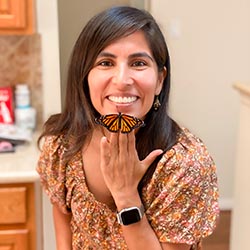
Lina Bernaola is an Assistant Professor in the Department of Entomology at Texas A&M University AgriLife Research. She holds a Ph.D. in Entomology and an M.S. in Agronomy from Louisiana State University, alongside a B.S. in Biology from Universidad Nacional Mayor de San Marcos (Peru). Her research focuses on plant-insect interactions, particularly rice pests, and explores the role of arbuscular mycorrhizal fungi (AMF) in enhancing plant defense systems. She develops sustainable pest management strategies integrating agronomy, biochemistry, and ecology. Her expertise spans Host Plant Resistance, Plant-Microbe-Insect Interactions, and Integrated Pest Management. Recent work includes studies on rice delphacid control, biocontrol mechanisms, and the ecological impacts of mycorrhizal symbiosis. She is recognized for her leadership, becoming the first Latina president of the Entomological Society of America (ESA). Education: B.S. Biology, Universidad Nacional Mayor de San Marcos M.S. Agronomy, Louisiana State University Ph.D. Entomology, Louisiana State University Awards/Honors: Incoming President, Entomological Society of America (2023). Her research bridges fundamental and applied entomology, aiming to improve crop resilience through multidisciplinary approaches. Collaborations emphasize translational science for practical agricultural solutions.
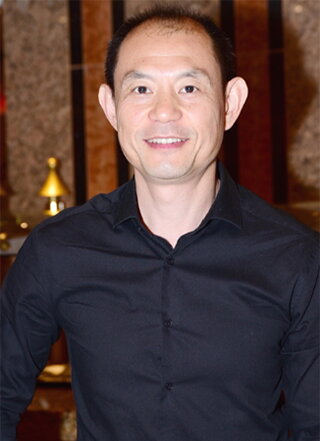
Xuguo (Joe) Zhou is a Professor of Entomology at the University of Illinois at Urbana-Champaign, holding the Kearns, Metcalf and Flint Endowed Chair. He is affiliated with the Carl R. Woese Institute for Genomic Biology and the College of Liberal Arts & Sciences. His research focuses on Behavior, physiology, and genomics of social insects Chemical communication in insect systems Insect-plant interactions Recent publications highlight his work in RNA interference mechanisms in beetles, CRISPR gene editing applications in insect pigmentation, and studies on herbicide degradation pathways. These contributions span molecular entomology, agricultural biotechnology, and environmental microbiology. Zhou's work integrates genomic approaches with ecological and physiological studies, particularly evident in his studies on gene function analysis in pest species and development of RNA-based biopesticide strategies. He is based in Morrill Hall, Urbana, Illinois, and can be contacted at xgzhou@illinois.edu.
Mark S. Hoddle is a Professor of Entomology and Biological Control Specialist at the University of California, Riverside (UCR), where he has headed research in his laboratory since 1997. He serves as the Director of the Center for Invasive Species Research and is a Principal Investigator focusing on biological control of invasive pests. His work bridges academic research with practical applications for California agriculture. Education: D.Sc. Zoology (2018), University of Auckland, New Zealand Ph.D. Entomology (1996), University of Massachusetts, Amherst M.S. Zoology (1991), University of Auckland, New Zealand B.S. Zoology (1988), University of Auckland, New Zealand Dr. Hoddle specializes in biological control, the intentional use of host-specific natural enemies to suppress pest populations. His research focuses on identifying pest problems amenable to biological control, locating and releasing natural enemies, and evaluating their impact on pest population growth. He works extensively with invasive species affecting California agriculture, particularly pests of citrus, avocado, palm trees, and other crops. His approach combines field evaluations with laboratory studies of pest and natural enemy biology and behavior. Analysis of Dr. Hoddle's recent publications reveals a strong focus on invasive species threatening California agriculture, particularly the Asian citrus psyllid, red palm weevil, and brown marmorated stink bug. His research integrates field and laboratory approaches, with emphasis on phenology modeling, natural enemy evaluation, and innovative control methods. Much of his work addresses the economic and ecological impacts of invasive pests on specialty crops. Scientific Awards: Entomological Society of America, Pacific Branch Entomology Team Leader Award (2023) UC-ANR Distinguished Service Award for Outstanding Research (2022) Fellow, Entomological Society of America (2018) California Department of Pesticide Regulations IPM Achievement Award for Asian Citrus Psyllid Biocontrol (2018) IOBC Distinguished Scientist of the Year (2015) Multiple awards from the Entomological Society of America (2007, 2012, 2013, 2014) Dr. Hoddle has mentored numerous students and researchers throughout his career, including postdoctoral scholars and specialists who contribute to his laboratory's work on invasive species. His research has been supported by various granting agencies, private institutions, and commodity boards, enabling extensive international projects focused on identifying and implementing biological control solutions for invasive pests. He has facilitated the Harry Scott Smith Scholarship Fund to support graduate students in biological control. Dr. Hoddle directs the Center for Invasive Species Research at UCR and leads a productive laboratory team that includes postdoctoral scholars, specialists, and students. The lab conducts research on multiple invasive species threatening California agriculture and natural ecosystems, with particular emphasis on citrus, avocado, and palm tree pests. Current projects include proactive biological control of the spotted lanternfly and research on invasive palm weevils, avocado pests, and other emerging threats.
Professor Tariq Butt of Swansea University's Faculty of Science and Engineering leads the Biocontrol and Natural Products (BANP) group , focusing on entomopathogenic fungi and natural product-based biopesticides for managing pests impacting food security , human health , and agriculture . He co-directs the Natural Products BioHub and Health Technology Solutions Research Institute . His cross-disciplinary research includes collaborations with Dr Joel Loveridge (Chemistry) for chemical ecology, Professor Chedly Tizoui (Engineering) for plant-based molluscicides, and Professor Dan Eastwood (Biosciences) for fungal biocontrol. Externally, he works with experts in Greece, Brazil, Turkey, Saudi Arabia , and companies like Certis Belchim and Lallemand . Recent publications highlight his work on fungal volatile organic compounds for pest control, mosquito repellents , and microbial consortia to reduce chemical dependencies. He has supervised over 35 PhD/MSc students and contributed to 174+ peer-reviewed articles and 14 book chapters .
Martin Kaltenpoth serves as Director at the Max Planck Institute for Chemical Ecology in Jena since 2020 and Professor for Evolutionary Ecology at Johannes Gutenberg University of Mainz since 2015. Previously, he led the Research Group Insect Symbiosis at the MPI for Chemical Ecology from 2009 to 2015. Education: PhD in Biology (summa cum laude), University of Würzburg, 2006 Diploma in Biology (with honors), University of Würzburg, 2003 His research centers on insect-bacterial symbioses , investigating evolutionary, ecological, and chemical dimensions of host-microbe interactions. Key foci include nutritional and defensive symbiosis in beetles, genomic adaptations of symbiotic bacteria, and chemical mediation of symbiotic relationships. His work bridges entomology, microbiology, and chemical ecology to unravel coevolutionary mechanisms. Analysis of recent publications reveals dominant trends in beetle-microbe systems, emphasizing symbiont roles in cuticle synthesis, antifungal defense, and host-plant adaptation. His studies frequently employ genomic, biochemical, and experimental approaches across diverse insect lineages. No scientific awards were documented in the source material. While specific advisees and grants remain unlisted, his leadership of research groups and dual academic appointments indicate active supervision of graduate researchers and externally funded projects in symbiosis evolution. Currently directing research at the Max Planck Institute, Kaltenpoth advances understanding of symbiotic systems with implications for evolutionary theory and sustainable pest management strategies.
Professor Michael W. Shaw is a distinguished academic at the University of Reading's School of Agriculture, Policy and Development, Department of Plant Sciences, with a research career spanning over two decades. His expertise lies at the intersection of plant pathology, disease epidemiology, and sustainable disease management strategies. Shaw's research interests encompass plant-pathogen interactions , particularly focusing on fungal diseases affecting major crops. His work investigates the epidemiology of plant diseases , fungicide resistance mechanisms , biological control strategies , and asymptomatic pathogen infections . He has made significant contributions to understanding pathogen evolution, host specificity, and the environmental factors influencing disease development. His recent publications demonstrate a consistent research trajectory examining the molecular, ecological, and epidemiological aspects of plant diseases. Shaw's work spans multiple pathosystems including Botrytis cinerea (gray mold), Venturia inaequalis (apple scab), begomoviruses affecting okra, and banana Xanthomonas wilt. His research integrates molecular techniques, field studies, and mathematical modeling to address complex plant health challenges. Professor Shaw has contributed significantly to the understanding of fungicide resistance development, particularly in cereal pathogens, and has explored innovative approaches to disease management through biological control agents and integrated strategies. His work on asymptomatic infections has revealed novel insights into host-pathogen relationships that extend beyond traditional disease paradigms. His collaborative research network spans internationally, with co-authors from multiple countries, reflecting the global relevance of his work in plant health and food security. Shaw's research has practical applications for sustainable agriculture and crop protection strategies worldwide.
Dr. Norman Q. Arancon is an Associate Professor of Horticulture and Director in the College of Agriculture, Forestry & Natural Resource Management (CAFNRM) at the University of Hawaiʻi at Hilo. He holds a B.S. from Xavier University (Philippines), and M.S. and Ph.D. degrees from The Ohio State University. His research focuses on vermicomposting, composting, soil ecology, and sustainable agricultural practices, particularly in tropical environments. Dr. Arancon has contributed extensively to understanding the role of vermicomposts in pest suppression, soil health, and crop productivity. His work emphasizes organic agriculture and tropical fruit crop production, with a strong emphasis on practical applications in field settings. Key areas of investigation include the biological control of nematodes, mites, and other pests using vermicompost-derived products, as well as the optimization of waste-to-resource systems for sustainable farming. Dr. Arancon’s academic contributions span peer-reviewed articles, book chapters, and conference proceedings, reflecting his expertise in integrating ecological principles with agricultural practices. He teaches courses such as Hydroponics and Vegetables (HORT 263), Plant Growth/Development (PPHY 310), and Orchard & Horticultural Crops (HORT 352). His research has been published in journals like Crop Protection , Biocycle , and European Journal of Soil Biology . Dr. Arancon collaborates on initiatives like the Global Agriculture Multidisciplinary International Conference (GAMIC) and contributes to programs within CAFNRM, emphasizing conservation biology and environmental science. His work bridges laboratory research and field applications, fostering sustainable agricultural solutions for tropical regions.
Dr. Janie McClurkin Moore is an Assistant Professor in the Department of Biological and Agricultural Engineering at Texas A&M University, part of the College of Agriculture & Life Sciences. Her research focuses on post-harvest technologies, food safety, and innovative engineering education strategies. She holds a PhD in Agricultural and Biological Engineering from Purdue University and has extensive expertise in applying cold plasma technology to agricultural challenges. Education: B.S., Bio-Environmental Engineering, North Carolina A&T State University (2006) M.S.A.B.E., Agricultural and Biological Engineering, Purdue University (2009) Ph.D., Agricultural and Biological Engineering, Purdue University (2015) Research interests span post-harvest treatment innovations, biomass valorization, and educational methodologies. Her work emphasizes non-thermal plasma applications for food safety, mycotoxin mitigation, and sustainable agriculture practices. Publications reveal a strong focus on plasma technology for pest control, food preservation, and hydroponic systems. Her engineering education research explores inclusive pedagogy and curriculum development in diverse educational settings. Advising and grants include contributions to the NSF Convergence Accelerator project addressing food security in extreme environments. She is affiliated with Texas A&M AgriLife Research, advancing applied agricultural solutions through interdisciplinary collaboration.
Gaetano Siscaro serves as Associate Professor of General and Applied Entomology (AGRI-05/A) at the Department of Agriculture, Food and Environment (Di3A), University of Catania, where he has held a permanent position since 2002 within the Faculty of Agriculture. His academic career spans over three decades at the same institution, transitioning from researcher to associate professor while maintaining continuous research activity. Education: Master's Degree in Agricultural Sciences, University of Catania (1985) PhD in Agricultural Entomology, University of Naples Federico II (1992) Dr. Siscaro's research focuses on sustainable pest management in Mediterranean agroecosystems, with specialized expertise in citrus and protected crops. His work integrates biological control strategies through the enhancement of natural enemy biocenoses, particularly targeting whiteflies, scale insects, and leaf miners. He emphasizes field-applicable solutions for economically significant pests while maintaining ecological balance. As an active participant in international scientific networks, he contributes to the IOBC/wprs Working Groups on Citrus IPM and Protected Crops, having organized the 2007 Catania meeting on citrus integrated pest management. His teaching responsibilities include courses such as Applied Entomology and Parasitology for undergraduate agriculture programs. Professional Affiliations: Italian Entomological Society (SEI) - Agricultural Entomology Section (since 1991) IOBC/wprs (since 1992) International Society of Citriculture (since 2004) Italian National Academy of Entomology (since 2018) Gioenia Academy of Catania (Resident Correspondent since 2021)
Xavier Martini is an Associate Professor in Entomology at the University of Florida's North Florida Research and Education Center (NFREC). His work focuses on integrated pest management (IPM), insect behavior, and chemical ecology, particularly targeting plant pest vectors like the Asian citrus psyllid and ambrosia beetles. He leads research on citrus greening disease, laurel wilt, and invasive species management. His roles include 70% research and 30% extension, bridging academic and applied pest control strategies. Research emphasizes vector biology, semiochemical-based pest control, and community engagement. He collaborates on publications addressing cucurbit production, onion pest management, and organic vegetable systems. Current projects include repellent development for citrus pests and biological control of invasive vines. His lab group works on ecological interactions between plants, pathogens, vectors, and predators. Key achievements include developing traps for small insect vectors and exploring floral resource enhancements for pollinator populations. He contributes to Florida's citrus and vegetable industries through extension guides and workshops, ensuring practical applications of his research.
Prof Anindita Ghosh is a Professor of Modern Indian History at the University of Manchester's Department of History. She holds a doctoral degree from the University of Cambridge and has been affiliated with Manchester since 1999, serving as a Simon Fellow and lecturer before her current role. Her research focuses on power dynamics, culture, and resistance in colonial South Asia, particularly Bengal. She has authored influential monographs such as Power in Print (2006) and Claiming the City (2016), exploring print culture, urban history, and gender studies. Ghosh has supervised nine PhD students and secured major grants, including a British Academy award. She chairs the British Association for South Asian Studies (BASAS) and contributes to public discourse through media appearances and academic events. Educated in India and Cambridge, her work bridges colonial and postcolonial studies, examining topics like women’s resistance, Calcutta’s material cultures, and revolutionary movements. She actively engages with interdisciplinary projects, such as the Global Urban History Project, and organizes public lectures on Bengali cultural heritage. Her research outputs span monographs, edited volumes, and peer-reviewed articles on colonial urbanism, print culture, and gender. While her articles encompass diverse themes—from bioremediation to nuclear chemistry—they reflect her broader engagement with interdisciplinary methodologies. Ghosh’s academic leadership includes mentoring early-career scholars and fostering collaborations across disciplines. Her advocacy for marginalized urban communities and historical preservation underscores her commitment to bridging academic research with public impact.
Jesse Arseneault is an Assistant Professor at Concordia University, specializing in African Cultural Studies. His research interrogates the intersections of animality, postcolonialism, queer theory, and posthumanism, with a focus on representations of human-animal relations in African cultural texts. He supervises graduate students in English, Humanities, and Individualized Programs, and teaches courses on postcolonial literature, decolonization, and multispecies ethics. PhD in English and Cultural Studies, McMaster University (2016) MA in English Literature, McMaster University (2010) BA in English Language and Literature, Brock University (2008) His current manuscript, Africa's Animalities , critiques anthropocentric frameworks in postcolonial discourse, while recent publications examine pestilence, reproductive control in animal trials, and South African student protests. He co-founded the Society, Politics Animals, and Materialities (SPAM) center and edits special issues on African cultural studies. Key research themes include: Postcolonial critiques of human-animal binaries Queer and posthumanist approaches to African literature Multispecies resilience and environmental justice Decolonial pedagogy and political movements Scientific contributions: FRQSC grant (2020-2024) for "The Radical Collectivity of Pests" Co-authored works on animal trials and resilience frameworks Editorial leadership in Critical Arts and Studies in Social Justice