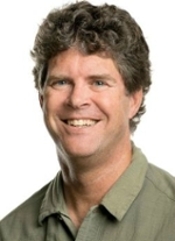
Mark Lewis is the Kennedy Chair in Mathematical Biology at the University of Victoria, holding joint appointments in the Departments of Mathematics and Statistics and Biology. His research focuses on spatial ecology and mathematical modeling, addressing ecological challenges such as animal movement, invasive species, and disease dynamics. Lewis earned his D.Phil. in Mathematical Biology from the University of Oxford and has been elected a Fellow of the Royal Society UK. His work integrates mathematical analysis, field studies, and interdisciplinary approaches to solve ecological problems. Current projects include modeling polar bear populations, cyanobacteria dynamics, and the impact of climate change on wildlife. Lewis supervises students across both UVic and his former University of Alberta lab. Education: D.Phil. in Mathematics (Mathematical Biology), University of Oxford Awards: Royal Society Fellowship, CRM-Fields-PIMS Prize, and Okubo Prize Key Research Areas: Animal movement modeling, aquatic ecology, wildlife disease, and invasive species management Publications highlight his contributions to understanding disease spread, parasite dynamics, and ecological responses to environmental changes. Lewis collaborates widely, applying mathematical tools to real-world conservation and health challenges.
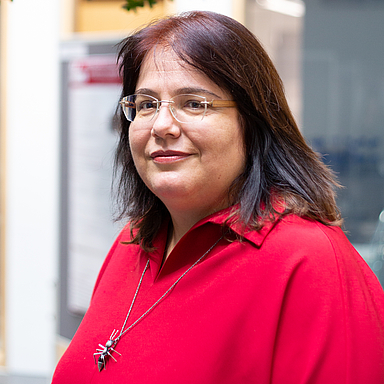
Teresa Bonacci is an Associate Professor in the Department of Biology, Ecology and Earth Sciences at the University of Calabria (UNICAL), where she conducts research and teaches in zoology with a focus on entomology. She is also the Scientific Director of the Zoology Museum within the university's museum system (SIMU). Her academic affiliations include membership in the PhD School of Life Science and Technology and leadership roles in degree program coordination. Laurea in Natural Sciences, University of Calabria PhD in Animal Biology, University of Calabria Socrates/Erasmus Scholarship, University of Kiel, Germany Research Grant (Assegno di ricerca), SSD BIO/05, University of Calabria National Scientific Qualification for Full Professor (I fascia) Her research spans applied and medico-veterinary entomology, forensic entomology, and conservation biology. She investigates saproxylic beetles (e.g., Cucujus spp.), pollinators (bees, flies, beetles), and insect behavior, especially in forensic contexts such as post-mortem interval estimation and myiasis. Her work integrates taxonomy, morphology, ecology, and chemical signaling, often in collaboration with chemists, legal experts, and conservation agencies. She has published extensively in high-impact journals, with over 80 scientific publications and strong citation metrics. The most recent articles reflect a multidisciplinary trend, combining taxonomy, forensic science, biodiversity monitoring, and veterinary entomology. Topics include the discovery of new insect species in Italy, the role of beetles in decomposition, insect damage in cultural heritage, and myiasis in domestic and wild animals. These works highlight her expertise in both fundamental zoological research and practical applications in forensics and conservation. Scientific Contributions: Over 80 scientific publications Scopus h-index: 15; Google Scholar h-index: 20 Key researcher in saproxylic beetle conservation Pioneer in forensic entomology studies in Southern Italy Active collaborator with legal and medical institutions She supervises numerous PhD and master's students and has directed over 90 theses. Her teaching responsibilities include courses in Zoology, Entomology, Forensic Entomology, and Medical-Veterinary Entomology. She is deeply involved in student mentorship, thesis supervision, and academic service, including examination boards and curriculum development. She also leads biodiversity monitoring projects in Calabrian national parks and has contributed to the development of machine learning tools for insect identification. Her research team collaborates with national and international institutions, including the CNR, University of Milan, and forensic pathology units. She leads projects on bioindicators, insect-plant interactions, and the impact of climate change on mountain species. The Zoology Museum under her direction supports both research and public outreach.
Prof. Dr. Susanne Foitzik is a Professor of Evolutionary Biology at Johannes Gutenberg University Mainz since 2010, where she leads the Evolution & Behavioral Ecology of Ants research group at the Institute of Organismic and Molecular Evolution (IOME). Previously, she was Professor in Behavioral Ecology at LMU Munich (2004-2010) and Assistant Professor in Zoology at the University of Regensburg (2000-2004). She earned her PhD in Biology from Julius Maximilian University, Würzburg in 1998. Her research integrates approaches from behavioral ecology through genomics to epigenetics, focusing on ants as model organisms to study complex social behaviors. Host-parasite coevolution and social parasitism in ants Molecular mechanisms underlying division of labor Reversal of the fecundity-longevity trade-off in social insects Gene regulation in phenotypic plasticity Evolution of chemical communication systems Analysis of her recent publications (2022-2025) reveals a strong focus on molecular mechanisms of social behavior, with particular emphasis on host-parasite interactions, epigenetic regulation of behavior, and genomic adaptations in social insects. Her work increasingly combines transcriptomic, proteomic, and functional genomic approaches to understand the molecular basis of social evolution. Among her notable scientific achievements: Speaker of Research Training Group 2626 GenEvo: Gene Regulation in Evolution (2019-present) Speaker of EES Master Program funded by VW foundation (2007-2010) DAAD Fellow at State University of New York (1992-93) Prof. Foitzik has supervised numerous PhD students and postdocs, including Maide Macit, Tom Sistermans, and Marcel Caminer. Her research is supported by multiple DFG-funded projects investigating host-parasite coevolution, the role of gene regulation in division of labor, and parasite interference in host gene expression. She serves as Handling Editor for Biology Letters and previously served on the editorial board of Insectes Sociaux. Her research group operates within the Institute of Organismic and Molecular Evolution (IOME) at Mainz, with laboratory facilities at the Biozentrum I. The group collaborates extensively with researchers across Germany and internationally, including partnerships with institutions in Frankfurt, Freiburg, Bristol, and Tel Aviv.
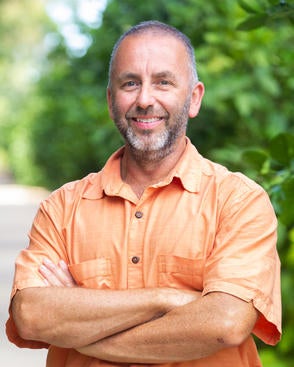
Philippe Christe is an Associate Professor in the Department of Ecology and Evolution at the University of Lausanne (UNIL), Faculty of Biology and Medicine. His research centers on host-parasite interactions, with a focus on bats, birds, and their ectoparasites, integrating behavioral, physiological, and genetic approaches. He leads the Christe Group, which investigates evolutionary and ecological dynamics in host-parasite systems, particularly avian malaria and bat-mite relationships. He is actively involved in conservation initiatives, including the Jorat Peri-Urban Nature Park, and collaborates with KORA on human-wildlife interactions. Bachelor's degree in biology, UNIL (1989) PhD in Zoology and Animal Ecology, UNIL (1994) Philippe Christe’s research interests lie at the intersection of parasitology, evolutionary ecology, and conservation biology. He investigates how host defenses evolve in response to parasitic pressures, examining trade-offs between immunity and life history traits such as reproduction and survival. His work often integrates field studies with experimental and molecular techniques. Key model systems include Parus major (great tit) and Culex pipiens in avian malaria, and bat species with their ectoparasitic mites. He also explores broader ecological interactions, including predator-prey dynamics and wildlife conservation in human-modified landscapes. His recent publications reflect a strong emphasis on disease ecology, wildlife conservation, and molecular methods. Articles span topics such as avian malaria transmission, lynx population dynamics, snow leopard behavior, and habitat fragmentation effects on insects. These works employ advanced techniques like DNA metabarcoding, spatial modeling, and long-term monitoring, demonstrating a trend toward interdisciplinary, data-driven ecological research with direct conservation applications. Dubois Foundation Prize for an educational CD-Rom on bats (2004) Communication Award from the Faculty of Biology and Medicine of UNIL (2017) Philippe Christe has supervised numerous PhD and Master’s students, contributing significantly to training the next generation of ecologists and evolutionary biologists. His group collaborates widely with institutions such as the Museum of Zoology in Lausanne and KORA, and participates in large-scale conservation projects involving snow leopards, lynx, and bats. He has been involved in research grants related to host-parasite coevolution, wildlife monitoring, and conservation strategies. His leadership in establishing the Jorat Peri-Urban Nature Park and involvement in the UNIL Interdisciplinary Center for Mountain Research highlight his commitment to applied science and environmental stewardship. He leads the Christe Group, which conducts research on host-parasite coevolution, with a focus on bats and their ectoparasites, and birds affected by avian malaria. The group combines fieldwork, laboratory experiments, and molecular analyses, and includes post-docs, PhD students, and technical staff. Collaborations extend to researchers in Bern, Paris, and Spain, fostering an international and interdisciplinary research environment.
Vera D'Urso is an Associate Professor of Zoology at the Department of Biological, Geological and Environmental Sciences, University of Catania, where she has been employed since 1994. Her academic career began with a CNR scholarship from 1977-1980, followed by work as a Confirmed Researcher at the Faculty of Natural and Mathematical Sciences, University of Catania from 1980-1994. She has received DAAD scholarships for research at the University of Marburg in Germany in 1984 and 1987. Dr. D'Urso earned her Degree in Biological Sciences from the University of Catania with a grade of 110 cum laude. She furthered her expertise with postgraduate courses in "Quantitative Methods in Ecology" at the International Center of Theoric Physics in Miramare, Trieste in 1980. Dr. D'Urso is a leading expert in several entomological fields, with primary research interests in: Insecta Homoptera Auchenorrhyncha (leafhoppers and related insects) Insecta Diptera Phlebotominae (sand flies) Systematics and biodiversity of Mediterranean insects Insect vectors of phytoplasmas affecting economically important plants Alien species and their ecological impact Tardigrades and their taxonomy Her extensive publication record spanning over 95 scientific papers demonstrates her expertise in insect systematics, morphology, and ecology. Recent research has focused on Mediterranean biodiversity, particularly examining alien species like Balclutha brevis and their impact on local ecosystems. She has also made significant contributions to understanding phytoplasma transmission in grapevines, sandfly vectors of leishmaniasis in Sicily, and tardigrade taxonomy in extreme environments including Antarctica. Dr. D'Urso has served on numerous scientific committees including the editorial board of Biodiversity Journal, and has been a referee for multiple prestigious journals. She has participated in research projects including "Morphology, Systematics, Biology and Biogeography of Rhynchota Insects" (1994-99) and studies on sandflies in areas with high canine leishmaniasis endemicity (2004-06). Her academic service includes membership on doctoral committees at the University of Catania, participation in national evaluation committees for associate professor positions in Zoology, and serving on the Department Board of the Department of Biological, Geological and Environmental Sciences (2018-2020). She has also conducted numerous entomological collection missions in Italy and abroad including Greece, Bulgaria, Macedonia, former Yugoslavia, Germany, Tunisia, Libya, and Malta.
Mark S. Hoddle is a Professor of Entomology and Biological Control Specialist at the University of California, Riverside (UCR), where he has headed research in his laboratory since 1997. He serves as the Director of the Center for Invasive Species Research and is a Principal Investigator focusing on biological control of invasive pests. His work bridges academic research with practical applications for California agriculture. Education: D.Sc. Zoology (2018), University of Auckland, New Zealand Ph.D. Entomology (1996), University of Massachusetts, Amherst M.S. Zoology (1991), University of Auckland, New Zealand B.S. Zoology (1988), University of Auckland, New Zealand Dr. Hoddle specializes in biological control, the intentional use of host-specific natural enemies to suppress pest populations. His research focuses on identifying pest problems amenable to biological control, locating and releasing natural enemies, and evaluating their impact on pest population growth. He works extensively with invasive species affecting California agriculture, particularly pests of citrus, avocado, palm trees, and other crops. His approach combines field evaluations with laboratory studies of pest and natural enemy biology and behavior. Analysis of Dr. Hoddle's recent publications reveals a strong focus on invasive species threatening California agriculture, particularly the Asian citrus psyllid, red palm weevil, and brown marmorated stink bug. His research integrates field and laboratory approaches, with emphasis on phenology modeling, natural enemy evaluation, and innovative control methods. Much of his work addresses the economic and ecological impacts of invasive pests on specialty crops. Scientific Awards: Entomological Society of America, Pacific Branch Entomology Team Leader Award (2023) UC-ANR Distinguished Service Award for Outstanding Research (2022) Fellow, Entomological Society of America (2018) California Department of Pesticide Regulations IPM Achievement Award for Asian Citrus Psyllid Biocontrol (2018) IOBC Distinguished Scientist of the Year (2015) Multiple awards from the Entomological Society of America (2007, 2012, 2013, 2014) Dr. Hoddle has mentored numerous students and researchers throughout his career, including postdoctoral scholars and specialists who contribute to his laboratory's work on invasive species. His research has been supported by various granting agencies, private institutions, and commodity boards, enabling extensive international projects focused on identifying and implementing biological control solutions for invasive pests. He has facilitated the Harry Scott Smith Scholarship Fund to support graduate students in biological control. Dr. Hoddle directs the Center for Invasive Species Research at UCR and leads a productive laboratory team that includes postdoctoral scholars, specialists, and students. The lab conducts research on multiple invasive species threatening California agriculture and natural ecosystems, with particular emphasis on citrus, avocado, and palm tree pests. Current projects include proactive biological control of the spotted lanternfly and research on invasive palm weevils, avocado pests, and other emerging threats.
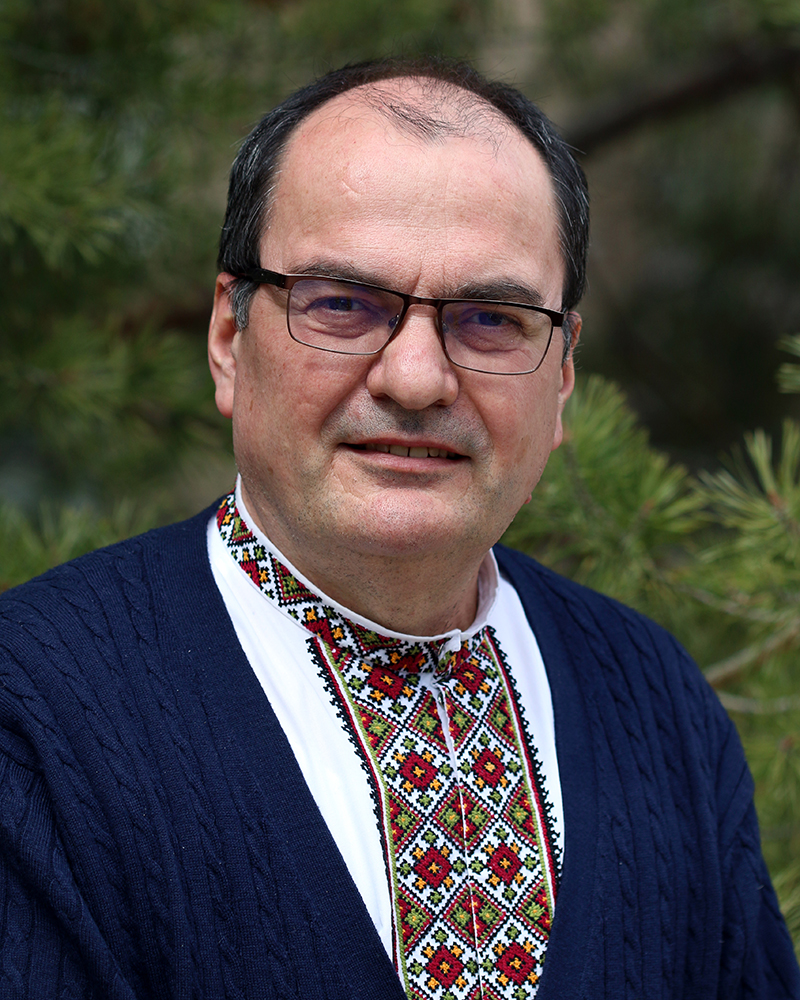
Dr. Elemir Simko is a Professor in the Department of Veterinary Pathology at the University of Saskatchewan, affiliated with Prairie Diagnostic Services. He holds a DVM from the University of Belgrade (Yugoslavia) and a DVSc from the University of Guelph, and is a Diplomate of the American College of Veterinary Pathologists. Since 1998, he has coordinated core anatomic pathology courses at both undergraduate and graduate levels. His research focuses on honey bee health, agricultural sustainability, comparative pathology, and innate immunity. Recent work includes studies on honey bee pathogen dynamics, pesticide impacts, and equine septic arthritis diagnostics using biomarkers. He collaborates extensively with researchers on investigative pathology and contributes to diagnostic services. Education: DVM (University of Belgrade), DVSc (University of Guelph), ACVP Diplomate Key Research Themes: Honey bee health, infectious disease pathogenesis, antimicrobial resistance, and diagnostic pathology Collaborations: Prairie Diagnostic Services, multiple veterinary and agricultural researchers Dr. Simko’s publications span veterinary pathology, honey bee health, and equine medicine. His recent articles highlight advancements in diagnostic techniques for septic arthritis in horses and interventions to mitigate honey bee colony threats. He has no listed awards but maintains active roles in teaching and applied research.
Niels Dingemanse is a tenured Professor of Behavioural Ecology at Ludwig Maximilians University (LMU) in Munich, Germany, and leads the Evolutionary Ecology of Variation research group at the Max Planck Institute for Ornithology. His academic journey includes roles as a Postdoctoral Research Fellow at the University of Groningen and the University of Wales, Bangor. He holds a PhD in natural sciences from Utrecht University (2003) and an M.Sc. in Ecology from the University of Groningen (1997). His research focuses on evolutionary and behavioural ecology, particularly the ecological and evolutionary significance of individual variation in behaviour, physiology, and life-history traits. Key themes include personality evolution, indirect genetic effects, and the integration of genomic approaches with ecological field studies. Dingemanse has contributed to projects like the Great Tit HapMap initiative, exploring genomic variation across continental scales. Publications emphasize interdisciplinary methods, combining field experiments with genomic and statistical tools. His work addresses topics such as mate choice evolution, the role of environmental fluctuations in shaping social plasticity, and the genetic basis of vocal rhythms in birds. Grants and fellowships include the Veni Innovational Research Incentives Scheme (Netherlands Organisation for Scientific Research) and ALW open competition grants. He has advised numerous postdoctoral researchers and leads collaborative projects across Europe.
Gaetano Siscaro serves as Associate Professor of General and Applied Entomology (AGRI-05/A) at the Department of Agriculture, Food and Environment (Di3A), University of Catania, where he has held a permanent position since 2002 within the Faculty of Agriculture. His academic career spans over three decades at the same institution, transitioning from researcher to associate professor while maintaining continuous research activity. Education: Master's Degree in Agricultural Sciences, University of Catania (1985) PhD in Agricultural Entomology, University of Naples Federico II (1992) Dr. Siscaro's research focuses on sustainable pest management in Mediterranean agroecosystems, with specialized expertise in citrus and protected crops. His work integrates biological control strategies through the enhancement of natural enemy biocenoses, particularly targeting whiteflies, scale insects, and leaf miners. He emphasizes field-applicable solutions for economically significant pests while maintaining ecological balance. As an active participant in international scientific networks, he contributes to the IOBC/wprs Working Groups on Citrus IPM and Protected Crops, having organized the 2007 Catania meeting on citrus integrated pest management. His teaching responsibilities include courses such as Applied Entomology and Parasitology for undergraduate agriculture programs. Professional Affiliations: Italian Entomological Society (SEI) - Agricultural Entomology Section (since 1991) IOBC/wprs (since 1992) International Society of Citriculture (since 2004) Italian National Academy of Entomology (since 2018) Gioenia Academy of Catania (Resident Correspondent since 2021)
Catherine E. Costello is the William Fairfield Warren Distinguished Professor and Director of the Center for Biomedical Mass Spectrometry Education at Boston University School of Medicine. She holds a PhD and MS from Georgetown University. Her research focuses on biopolymer structural studies and mass spectrometry method development, particularly in glycobiology. Her lab is an NIH-funded Resource Center advancing glycan characterization and structural analysis. Key research interests include carbohydrate conjugate analysis, glycoproteomics, and applications in disease mechanisms like cancer, infection, and immune response. Collaborations span institutions globally, addressing complex biomolecules and their roles in health and disease. Recent publications highlight advancements in glycoproteomic characterization, ion mobility spectrometry, and glycan identification. Awards include the distinguished professor title. Lab members include postdoctoral associates, research staff, and visiting scientists from institutions like MGH and Nutricia Research.
State University of New York at BuffaloUnited States
Derek J. Taylor is a Professor in the Department of Biological Sciences at the University at Buffalo (College of Arts and Sciences), specializing in evolutionary biology and molecular evolution. His research focuses on the evolutionary genetics of aquatic invertebrates, particularly cladocerans (e.g., Daphnia species), and integrates molecular, genomic, and phylogenetic approaches to study speciation, hybridization, species introductions, and paleovirology. He leads the Taylor Lab, which explores topics such as viral evolution in insects and microbats, and the evolutionary history of freshwater crustaceans. Education: PhD in Biology from the University of Guelph, followed by postdoctoral research at the University of Michigan. Research Interests: Molecular evolution of species complexes, host-virus coevolution, phylogeography, and the evolutionary maintenance of viral genes in host genomes. His work bridges genetics, ecology, and systematics to address questions in evolutionary biology. Key contributions include studies on filovirus evolution in bats, the phylogenetics of Daphnia species, and the origins of biodiversity in Holarctic freshwater ecosystems. His lab’s findings have been published in journals like Zoological Journal of the Linnean Society , Virus Evolution , and Ecography . Contact: Hochstetter Hall H530, Buffalo, NY | Office Hours: Thursdays 2:00–4:00 PM.
Prof Anindita Ghosh is a Professor of Modern Indian History at the University of Manchester's Department of History. She holds a doctoral degree from the University of Cambridge and has been affiliated with Manchester since 1999, serving as a Simon Fellow and lecturer before her current role. Her research focuses on power dynamics, culture, and resistance in colonial South Asia, particularly Bengal. She has authored influential monographs such as Power in Print (2006) and Claiming the City (2016), exploring print culture, urban history, and gender studies. Ghosh has supervised nine PhD students and secured major grants, including a British Academy award. She chairs the British Association for South Asian Studies (BASAS) and contributes to public discourse through media appearances and academic events. Educated in India and Cambridge, her work bridges colonial and postcolonial studies, examining topics like women’s resistance, Calcutta’s material cultures, and revolutionary movements. She actively engages with interdisciplinary projects, such as the Global Urban History Project, and organizes public lectures on Bengali cultural heritage. Her research outputs span monographs, edited volumes, and peer-reviewed articles on colonial urbanism, print culture, and gender. While her articles encompass diverse themes—from bioremediation to nuclear chemistry—they reflect her broader engagement with interdisciplinary methodologies. Ghosh’s academic leadership includes mentoring early-career scholars and fostering collaborations across disciplines. Her advocacy for marginalized urban communities and historical preservation underscores her commitment to bridging academic research with public impact.
Darrell Ross is a Professor in Entomology at the School of Natural Resource Sciences , North Dakota State University . Previously, he held professorial roles at Oregon State University in the Department of Forest Ecosystems and Society and served as Director of the Richardson Hall Quarantine Facility from 2006–2019. His academic journey began with a PhD in Entomology from the University of Georgia (1990), an MS in Forest Ecology from Oregon State University (1985), and a BS in Forest Science from Pennsylvania State University (1981). PhD , Entomology, University of Georgia, 1990 MS , Forest Ecology, Oregon State University, 1985 BS , Forest Science, Pennsylvania State University, 1981 Dr. Ross specializes in forest entomology, focusing on bark beetle ecology, pheromone-based management strategies, and biological control of invasive species like the hemlock woolly adelgid. His work integrates chemical ecology with forest health assessment and ecological restoration. His research emphasizes pheromone applications (e.g., MCH) for bark beetle control, predator-prey dynamics in biological control of adelgids, and habitat manipulation for pest management. Recent studies address biodegradable pheromone formulations, predator phenology for invasive species control, and post-outbreak ecological impacts on pollinators. At Oregon State University, he directed the Richardson Hall Quarantine Facility, contributing to large-scale forest protection strategies. Current work at NDSU continues his legacy in integrating chemical signaling with forest ecosystem management.
Niklas Janz is a Professor in Evolutionary Insect Ecology at the Department of Zoology, Stockholm University. He serves as Head of the Department of Biology Education (BIG) and Vice Chair of the Faculty of Science's Advisory Committee for Undergraduate Education, teaching courses like 'Ecology I' and 'Science in Biological Research and Investigation'. His research focuses on evolutionary dynamics between butterflies and host plants, investigating host shifts, speciation, and ecological network modularity. He leads research group Janz, analyzing how environmental changes affect herbivorous insect interactions through phylogenetic modeling and network analysis. Recent publications examine ancestral ecological network transitions, host repertoire evolution, and reconciling diversification hypotheses in phytophagous insects. Key findings demonstrate how gene expression patterns in generalist butterflies reflect evolutionary adaptation rather than plant phylogeny. Scientific awards and honors are not explicitly mentioned in the provided text. His laboratory specializes in butterfly-plant coevolutionary studies using advanced network-theoretical approaches.
Kim Bjerge serves as Associate Professor and Group Leader in Aarhus University's Department of Electrical and Computer Engineering, specializing in computer vision and machine learning applications for ecological monitoring. His research bridges engineering and environmental science to develop innovative solutions for insect biodiversity assessment and sustainable agriculture. His core research interests include computer vision, deep learning, and edge computing systems for real-world ecological monitoring. Dr. Bjerge develops time-lapse camera pipelines and deep learning models specifically for insect population tracking in natural environments, with emphasis on agricultural applications like black soldier fly farming and biodiversity conservation. His work integrates signal processing techniques with biological data to create field-deployable monitoring systems. Recent publications reveal a strong trend toward practical implementations of computer vision in entomology, particularly focusing on edge processing for camera traps, automated trait prediction in insect farming, and biodiversity monitoring systems. Key research areas include nocturnal insect monitoring, floral environment analysis, and developing specialized datasets like AMI for insect identification in wild settings. He leads multiple significant research projects funded through competitive grants: MAMBO: Modern Approaches to Monitoring Biodiversity (2022-2026) FLYgene: Sustainable Insect Production for Livestock Feed (2022-2026) Automatisk monitering af nataktive insekter: Automatic nocturnal insect monitoring (2024-2029) Pilotprojekt for automatisk registrering af invasive plantearter: Invasive species monitoring (2020-2021) As head of the Signal Processing and Machine Learning research group, Dr. Bjerge directs interdisciplinary teams developing computer vision solutions for biological monitoring systems. His laboratory focuses on creating robust field-deployable technologies including scanner-based arthropod imaging systems, time-lapse camera networks for floral environments, and edge AI processors for real-time insect monitoring in agricultural settings.