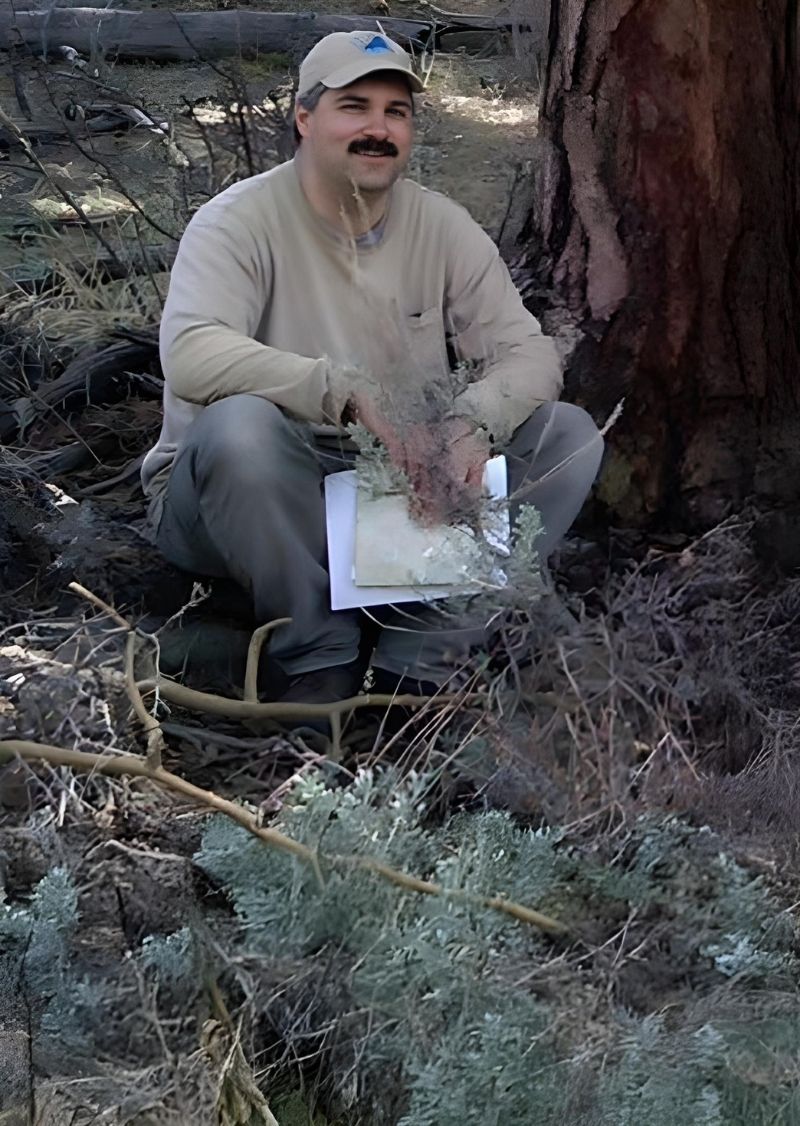
Leonard Munstermann is a Senior Research Scientist in the Department of Epidemiology of Microbial Diseases at Yale School of Public Health and an Affiliated Faculty member at the Yale Institute for Global Health. He also serves as the Head Curator of Entomology at the Yale Peabody Museum of Natural History, where he oversees one of North America's most significant entomological collections. With over four decades of experience, Dr. Munstermann has established himself as a leading expert in sand fly taxonomy and ecology, particularly focusing on the genus Lutzomyia comprising approximately 400 species of New World vectors of leishmaniasis. His educational background includes: PhD in Zoology from the University of Notre Dame (1979) MA in Zoology from the University of Minnesota (1968) BA in Psychology from the University of Minnesota Morris (1964) Dr. Munstermann's research spans insect biodiversity in tropical forests, development of new trap methods for insect vectors, and translating medical entomology research into K-12 teaching curricula. His scientific investigations examine epidemiological interactions between humans, sandflies, reservoir hosts, and parasites in novel epidemic situations of cutaneous leishmaniasis. His expertise encompasses vector-borne diseases, medical entomology, insect genetics, and public health education, with research interests including Biological Evolution, Entomology, Genetics, Global Health, Insect Vectors, Leishmaniasis, and Malaria. His extensive publication record demonstrates consistent contributions to vector biology, with recent work increasingly incorporating genomic approaches to study vector populations and disease transmission across different geographic regions. His research on Aedes albopictus population structure and genotyping arrays represents cutting-edge applications of molecular techniques to vector surveillance and control. Dr. Munstermann has received numerous scientific honors: Distinguished Alumnus of the Year, University of Minnesota, Morris (2004) Elected President, Connecticut Entomological Society (2001) Team Research Award from the Florida Entomological Society (2000) 14th Rozeboom Lecturer in Medical Entomology, John Hopkins University (1998) Published photographs of Insect Vectors of Disease in 42 newspapers, research journals and books, including Science, New York Times and Yale Medicine Throughout his career, Dr. Munstermann has secured significant grant funding, most notably a 15-year set of education grants focused on translating current research in medical entomology into K-12 teaching curricula. His Peace Corps experience teaching biology in Ghana and subsequent field work in tropical regions have informed his approach to public health education and vector-borne disease research. He has collaborated extensively with researchers across multiple institutions and countries, particularly in South America where leishmaniasis is endemic. As Head Curator of Entomology, Dr. Munstermann oversees collection management, research support, and public education initiatives related to insects. His work has included developing new trap methods using LED technology, as documented in his 2008 publication. His museum exhibits on vector-borne diseases, including the 'Invasion of the Bloodsuckers' exhibit, have reached wide audiences and contributed to public understanding of these important health issues.