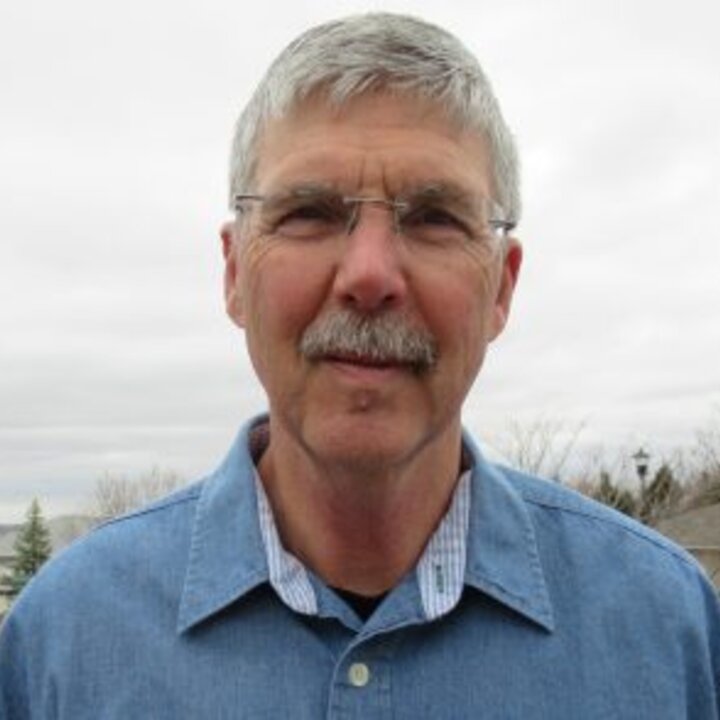
Dr. Corey T. Callaghan is an Assistant Professor in the Department of Wildlife Ecology and Conservation at the University of Florida . Based at the Fort Lauderdale Research and Education Center , his research focuses on global change ecology using big data from citizen science platforms like eBird and iNaturalist, combined with geospatial analyses and macroecological theory . Ph.D. (2019) from UNSW Sydney M.S. (2015) from Florida Atlantic University B.S. + B.S. (2013) from Canisius College His work examines urban ecology , including how species traits influence urban tolerance across birds, amphibians, and butterflies. He develops adaptive sampling frameworks to optimize citizen science data collection while addressing biases. Current projects analyze human-nature interactions through citizen science participation, secondary data in photographs, and machine learning for biodiversity monitoring. He actively contributes to conservation strategies for urban biodiversity and data-driven restoration efforts . Recent publications highlight his expertise in cross-taxa comparisons , continental-scale analyses , and ecosystem service quantification . He leads the Global Ecology Research Group at the University of Florida, emphasizing collaborative science and open-source methodologies .
Dr. Guillermo Amador is an Assistant Professor in the Experimental Zoology department at Wageningen University & Research. His research focuses on understanding how animals interact with complex environments through locomotion, adhesion, and fluid dynamics. He investigates biological systems like insects, plants, and marine organisms to inspire bio-engineered solutions for robotics, microfluidics, and material science. Amador received his PhD in Mechanical Engineering from Georgia Institute of Technology (USA), followed by postdoctoral research at the Max Planck Institute for Intelligent Systems (Germany) and a Marie Sklodowska-Curie fellowship at TU Delft (Netherlands). His expertise spans biophysics, biomaterials, and biomechanics, with a focus on self-cleaning mechanisms and bioadhesion. He collaborates with the 4TU consortium on Dutch Soft Robotics to develop bio-inspired designs. His work bridges fundamental biology with engineering applications, emphasizing interdisciplinary approaches to solve challenges in robotics and environmental science. Amador teaches courses including Biomimetics and Functional Zoology , integrating his research into education. His research highlights include studies on cuttlefish suction cups, stick insect adhesion, and pollen transport mechanisms in pollinators.
Arti Singh is an Assistant Professor in the Department of Agronomy at Iowa State University. Her research focuses on plant breeding, soybean diseases, genomics, and phenomics, with a strong emphasis on integrating artificial intelligence and high-throughput technologies into agricultural systems. She leads projects involving AI-driven disease identification, precision agriculture, and crop improvement strategies. Her expertise includes developing machine learning models for real-time weed and insect classification (e.g., WeedNet and InsectNet), deploying drones and ground robots for crop phenotyping, and leveraging genomic data to map traits like flowering time and disease resistance in legumes. Singh collaborates on initiatives like the AIIRA Institute for Resilient Agriculture and the BioTrove biodiversity dataset. Singh’s work spans plant stress phenotyping, digital twin technologies for plant sciences, and multi-sensor phenotyping for early disease detection. Her research bridges computational methods with traditional agronomy, aiming to enhance crop resilience and sustainability in the face of environmental challenges. Her recent projects include optimizing robotic navigation for precision agriculture, improving soybean yield estimation via video analysis, and dissecting genetic architectures of traits in mungbean and soybean using GWAS and genomic tools. She actively contributes to conferences and publishes in high-impact journals, advancing both foundational and applied aspects of agricultural science.
Michel M. Maharbiz is a Professor in the Department of Electrical Engineering and Computer Science at the University of California, Berkeley. He leads research on miniaturized bioelectronic interfaces, including neural dust implants and cyborg insects. He holds affiliations with the Berkeley Sensor & Actuator Center (BSAC), Center for Neural Engineering & Prostheses (CNEP), and SWARM Lab. His education includes a Ph.D. in EECS from UC Berkeley (2003) and a B.S. in EE from Cornell University (1997). Maharbiz's research integrates MEMS, ultrasonic systems, and synthetic biology to develop wireless neural interfaces, implantable sensors, and biohybrid devices. Key focus areas are neural dust technology for peripheral nerve recording, magnetoelastic strain sensors for medical applications, and electrochemical biosensing using bacterial flagellar motors. His publications emphasize neural interfaces, ultrasonic implants, and biomedical monitoring. Recent articles explore ultrasonic power delivery (2025), radiation detectors for oncology (2025), and fracture-healing smart plates (2019). Trends include miniaturization of wireless implants, closed-loop therapeutic systems, and novel biomaterials. Scientific Awards: McKnight Technological Innovations in Neuroscience Award (2017) Chan-Zuckerberg Biohub Investigator (2017) NSF CAREER Award (2009) MIT TR10 Top Emerging Technology (2009) Bakar Fellows Spark Award (2012) He directs the Maharbiz Lab, advancing neural dust and bioelectronic interfaces. Projects include impedance-based fracture monitoring, carbon fiber neural arrays, and hernia repair sensors. Funding includes NSF and industry partnerships for implantable device development.
Mark Lewis is the Kennedy Chair in Mathematical Biology at the University of Victoria, holding joint appointments in the Departments of Mathematics and Statistics and Biology. His research focuses on spatial ecology and mathematical modeling, addressing ecological challenges such as animal movement, invasive species, and disease dynamics. Lewis earned his D.Phil. in Mathematical Biology from the University of Oxford and has been elected a Fellow of the Royal Society UK. His work integrates mathematical analysis, field studies, and interdisciplinary approaches to solve ecological problems. Current projects include modeling polar bear populations, cyanobacteria dynamics, and the impact of climate change on wildlife. Lewis supervises students across both UVic and his former University of Alberta lab. Education: D.Phil. in Mathematics (Mathematical Biology), University of Oxford Awards: Royal Society Fellowship, CRM-Fields-PIMS Prize, and Okubo Prize Key Research Areas: Animal movement modeling, aquatic ecology, wildlife disease, and invasive species management Publications highlight his contributions to understanding disease spread, parasite dynamics, and ecological responses to environmental changes. Lewis collaborates widely, applying mathematical tools to real-world conservation and health challenges.
Nicolas Mathevon is a Professor at the University of Saint-Etienne, with a focus on Animal Behavior and Bioacoustics . He currently serves as Director of Studies at Ecole Pratique des Hautes Etudes and leads the ENES Team . His research explores acoustic communication across diverse species, including crocodiles, seals, penguins, and humans, with particular emphasis on vocal recognition, signal evolution, and neurobiological underpinnings. Major collaborations include Dr. T. Aubin (CNRS), Dr. I. Charrier (marine mammals), Dr. N. Grimault (crocodilian bioacoustics), and Prof. D. Reby (human communication). He also co-edits a new book, The Voices of Nature , published by Princeton University Press. His recent work spans ecoacoustic monitoring for conservation, multi-modal communication in crocodiles, and cross-species analysis of distress signals in bonobos, chimps, and humans. Neurobiological studies include brain activation patterns in response to vocalizations and sound localization mechanisms in reptiles. Scientific Awards include senior membership in the Institut universitaire de France .
Angel Xuan Chang is an Associate Professor at Simon Fraser University's School of Computing Science, affiliated with labs including 3DLG, GrUVi, SFU NatLang, SFU AI/ML, and VINCI. He holds a Canada CIFAR AI Chair and was a TUM-IAS Hans Fischer Fellow (2018-2022). His research bridges natural language processing (NLP), 3D scene understanding, and embodied AI, focusing on language-grounded 3D generation and biodiversity monitoring via DNA barcodes. Recent work includes NuiScene (unbounded outdoor scene generation), ViGiL3D (3D visual grounding dataset), and CLIBD (vision-genomics biodiversity analysis). He advises students in projects like BIOSCAN-5M insect dataset and embodied AI navigation. His 2025 highlights include multiple ICCV and ICLR papers, workshops at ICML and CVPR, and a CRV invited talk. Education: Ph.D. in Computer Science from Stanford University (2014), advised by Chris Manning. Previous roles include visiting research scientist at Facebook AI Research and researcher at Eloquent Labs.
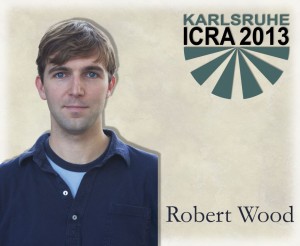
Robert Wood is the Charles River Professor of Engineering and Applied Sciences at Harvard University's School of Engineering and Applied Sciences and a founding core faculty member at the Wyss Institute for Biologically Inspired Engineering. He leads the Harvard Microrobotics Lab, focusing on the design and fabrication of biologically-inspired robots at the micro- to centimeter scale. His research spans microrobotics, microfabrication, soft robotics, and fluid mechanics of flapping wings . He develops novel manufacturing techniques and control systems for robots with extreme size and power constraints, notably advancing the field of insect-scale robotics. His work integrates principles from mechanical engineering, materials science, and biology to create morphable, autonomous systems. Wood's research has led to groundbreaking projects such as the NSF-sponsored RoboBees expedition, aiming to develop autonomous robotic bee colonies. His work emphasizes not only technological innovation but also broader impacts in STEM education, using robotics to inspire young learners. Scientific Awards: DARPA Young Faculty Award NSF Career Award ONR Young Investigator Award Air Force Young Investigator Award Technology Review TR35 Multiple Best Paper Awards Presidential Early Career Award for Scientists and Engineers (2010) Alan T. Waterman Award (2012) As principal investigator of major federally funded projects and leader of the Harvard Microrobotics Lab, Wood mentors students and researchers in cutting-edge robotics. His lab fosters interdisciplinary collaboration and innovation in biologically inspired engineering. While specific advisees are not listed, his role as a PhD advisor and research supervisor is central to his academic mission. The lab actively contributes to both fundamental science and practical applications, with future work likely expanding into swarm intelligence, environmental monitoring, and medical micro-robotics.
Kristofer Pister is a Professor in the Department of Electrical Engineering and Computer Sciences at the University of California, Berkeley. He co-directs the Berkeley Sensor and Actuator Center (BSAC) and the Ubiquitous Swarm Lab. His career spans groundbreaking innovations in Micro/Nano Electro Mechanical Systems (MEMS), Control Systems, and Low-Power Circuits, with a focus on Smart Dust and synthetic insects. Education: Ph.D. and M.S. in EECS from UC Berkeley (1992, 1989); B.A. in Applied Physics from UC San Diego (1986). His research areas include MEMS , Control Systems , Robotics , and Integrated Circuits , with recent work on self-powered micro-sensors, crystal-free radios, and interplanetary swarm networks. Key awards include the ISA Albert F. Sperry Founder Award (2009) , Alexander Schwarzkopf Prize (2006) , and the NSF CAREER Award (1996) . He has authored numerous influential publications in wireless sensor networks and microrobotics. His lab, Ubiquitous Swarm Lab , explores distributed robotics and swarm intelligence. Pister emphasizes open collaboration in research, ethical conduct in academia, and efficient resource utilization for graduate students.
Professor John Pickett serves as Chair of the School of Chemistry at Cardiff University, where he holds the position of Professor of Biological Chemistry. His research program has established him as a leading figure in chemical ecology with significant contributions to understanding chemically mediated interactions between organisms. Professor Pickett's research focuses on chemical ecology involving chemically mediated interactions between various organisms, particularly pests attacking plants and animals. His work encompasses the chemical characterisation of pheromones and other semiochemicals across plants and animals, including insect pests and beneficial organisms. He investigates stress-related chemical signalling by plants and vertebrates (including humans and farm animals), elucidates biosynthetic pathways to pheromones and other semiochemicals, and explores how these compounds can be exploited in pest management through ecological approaches and genetic modification. Analysis of Professor Pickett's recent publications reveals a sustained and impactful research trajectory spanning chemical ecology, agricultural science, and sustainable development. His work demonstrates remarkable continuity in investigating semiochemicals and pheromones while expanding into interdisciplinary areas including AI applications for sustainable futures and the economic impacts of agricultural innovations. A consistent theme throughout his career is the practical application of chemical ecology principles to develop sustainable pest management solutions, particularly through the development and refinement of push-pull farming systems that have transformed agricultural practices in Africa.
Ian Grettenberger is an Assistant Professor of Cooperative Extension in the Department of Entomology and Nematology at the University of California, Davis. He leads the Grettenberger Lab, focusing on applied entomology in agricultural ecosystems. His work emphasizes pest management strategies, biological control, and sustainable solutions for invasive species threatening California crops. Education: B.S. in Biology, Western Washington University Ph.D. in Entomology, Pennsylvania State University Research Interests: Grettenberger’s expertise spans pest management of field/vegetable crops, invasive species like the Bagrada bug and western striped cucumber beetle, and resistance management in pests such as the alfalfa weevil. He investigates biological control mechanisms, pesticide efficacy, and economic impacts of pest management policies. Key Contributions: Recent work includes studies on insecticide spray optimization, economic implications of pesticide regulations, and biological control of invasive species. His research bridges laboratory and field settings, addressing challenges in California’s agricultural landscapes. Labs/Teams: The Grettenberger Lab collaborates on applied entomology projects, advancing IPM practices and crop protection strategies.
Gregory Paradis is an Assistant Professor in the Department of Forest Resources Management at the University of British Columbia (UBC) Faculty of Forestry. His research focuses on sustainable forest management, integrating operations research, mathematical optimization, and systems modeling to address complex interactions between ecosystems, industries, and society. He works with the FRESH Lab and collaborates with the Integrated Remote Sensing Studio, emphasizing ecological and economic integration in forest planning. Sustainable Forest Management Operations Research Forest Economics Data Science Risk Assessment GIS-based Methods His research spans forest inventory optimization, climate change adaptation strategies, wildfire risk modeling, and decision support systems for invasive species. He develops computational frameworks to enhance wood supply planning, carbon management, and ecological resilience. Recent work includes machine learning applications for fire safety in timber structures and automated road planning tools for wildlife conservation. Paradis’s publications highlight trends in applying optimization methods to sustainable forestry, with a focus on biodiversity, climate adaptation, and value chain innovation. He advocates for interdisciplinary approaches that bridge silviculture, industrial engineering, and data science to tackle emerging challenges in forest ecosystems. As an educator, he seeks motivated students with quantitative and creative problem-solving skills. His lab collaborates on remote sensing integration, risk assessment models, and policy-relevant forest management strategies, ensuring plans account for uncertainties like insect infestations or windthrow events.
Dr. Albert Ruhi is Associate Professor in Environmental Science, Policy and Management at UC Berkeley. His research examines freshwater ecosystem responses to global change, with focus on hydrologic alteration and drought impacts across river networks. The Ruhi Lab integrates field experiments, time-series analysis, and hydrologic modeling to understand metacommunity dynamics and ecosystem resilience. Educational background: PhD in Ecology, University of Girona BS in Biology, University of Girona Research explores: Drought impacts on aquatic communities Climate change effects on stream metabolism Wetland restoration outcomes Metacommunity recovery pathways Ecohydrological feedbacks Recent publications address: Phenological shifts in estuarine food webs Flow alteration cascades in river networks Beaver-mediated drought resilience Groundwater-riparian interactions Awards and honors: NSF CAREER Award (2021) California Sea Grant Award (2021) Hellman Fellowship (2020) Winkler Scholar (2023) Research group includes 7 graduate students and postdocs studying: Urban river restoration Tidal marsh food webs Alpine stream thermal regimes Vernal pool seedbanks Field sites span Sierra Nevada streams, San Francisco Bay wetlands, and Mediterranean rivers.
Angel Xuan Chang is an Associate Professor at Simon Fraser University's School of Computing Science, where she leads research at the intersection of natural language processing, computer vision, and 3D scene understanding. She holds the prestigious Canada CIFAR AI Chair position and is affiliated with multiple research groups including 3DLG, GrUVi, SFU NatLang, SFU AI/ML, and VINCI. PhD in Computer Science, Stanford University MSc in Computer Science, Stanford University M.Eng in Electrical Engineering and Computer Science, MIT BSc in Computer Science and Engineering, MIT Professor Chang's research primarily focuses on connecting language to 3D representations of shapes and scenes, with particular emphasis on grounding language for embodied agents in indoor environments. Her work spans natural language processing and understanding, linking natural language with visual and 3D representations, multimodal grounding of language, embodied AI, and machine learning applications for biodiversity monitoring through the BIOSCAN project. She has developed methods for synthesizing 3D scenes and shapes from natural language and created various datasets for 3D scene understanding. Her recent publications reveal a strong trend toward integrating language understanding with 3D scene generation and manipulation, with increasing focus on practical applications in embodied AI and biodiversity monitoring. The research shows progression from foundational work on text-to-3D scene generation to more sophisticated approaches for evaluating semantic coherence in generated scenes and developing efficient methods for zero-shot scene modeling. Canada CIFAR AI Chair TUM-IAS Hans Fischer Fellow (2018-2022) Best paper award at 3DV 2025 for 'An Object is Worth 64x64 Pixels: Generating 3D Object via Image Diffusion' Professor Chang actively advises numerous graduate students who appear as first authors on her publications, indicating a strong mentoring program. Her research is supported through multiple channels including the CIFAR AI Chair position and likely various research grants supporting her BIOSCAN-related work and 3D scene understanding projects. She has been involved in organizing multiple workshops at major conferences including ICML, CVPR, and ICLR. Her research is conducted through several interconnected groups: 3DLG (3D Language and Graphics), GrUVi (Graphics, Vision, and Interaction), SFU NatLang (Natural Language Processing), SFU AI/ML, and VINCI. These groups work collaboratively on problems spanning language grounding, 3D scene understanding, embodied AI, and biodiversity applications, creating a rich interdisciplinary research environment.
Dr. Gary Brewer is a Professor in the Department of Entomology at the University of Nebraska-Lincoln, with a 60% research and 40% teaching appointment. He has served as department head at NDSU (1997-2006) and UNL (2006-2018). His research focuses on field crops entomology, IPM of pasture cattle flies, salt creek tiger beetle conservation, and pollinator health. He has pioneered a push-pull strategy using coconut oil-derived repellents and led curriculum design for Rwanda’s Conservation Agriculture program. Education: B.S. in Zoology, University of Nebraska-Lincoln (1974) M.S. in Entomology, University of Nebraska-Lincoln (1978) Ph.D. in Entomology, Kansas State University (1984) Research Interests: Brewer’s work spans insect ecology, pest management, and conservation. Key areas include stable fly and horn fly control, pollinator protection, and endangered species recovery (e.g., Salt Creek tiger beetle). His lab develops natural product-based pest repellents and evaluates biopesticides for sustainable agriculture. Grants & Contributions: $362,150 USDA grant for undergraduate research in beneficial insect protection (2018) $325,000 USDA grant for multi-tactic stable fly control (2017) NE Game and Parks funded salt creek tiger beetle reintroduction programs Labs & Teams: Brewer’s team collaborates with industry (e.g., Vestergaard Frandsen) and international partners to advance IPM strategies. His work bridges field research with applied solutions for farmers and conservationists.