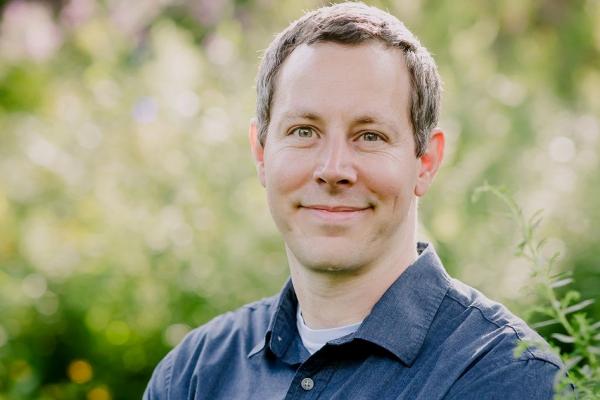
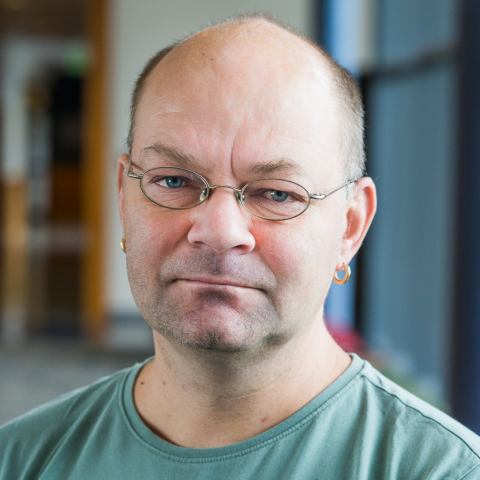
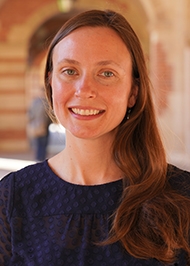
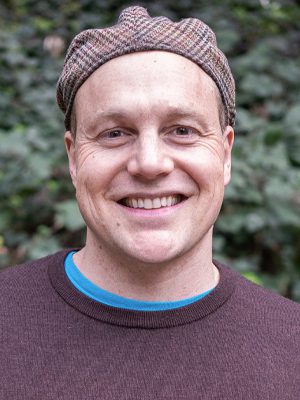
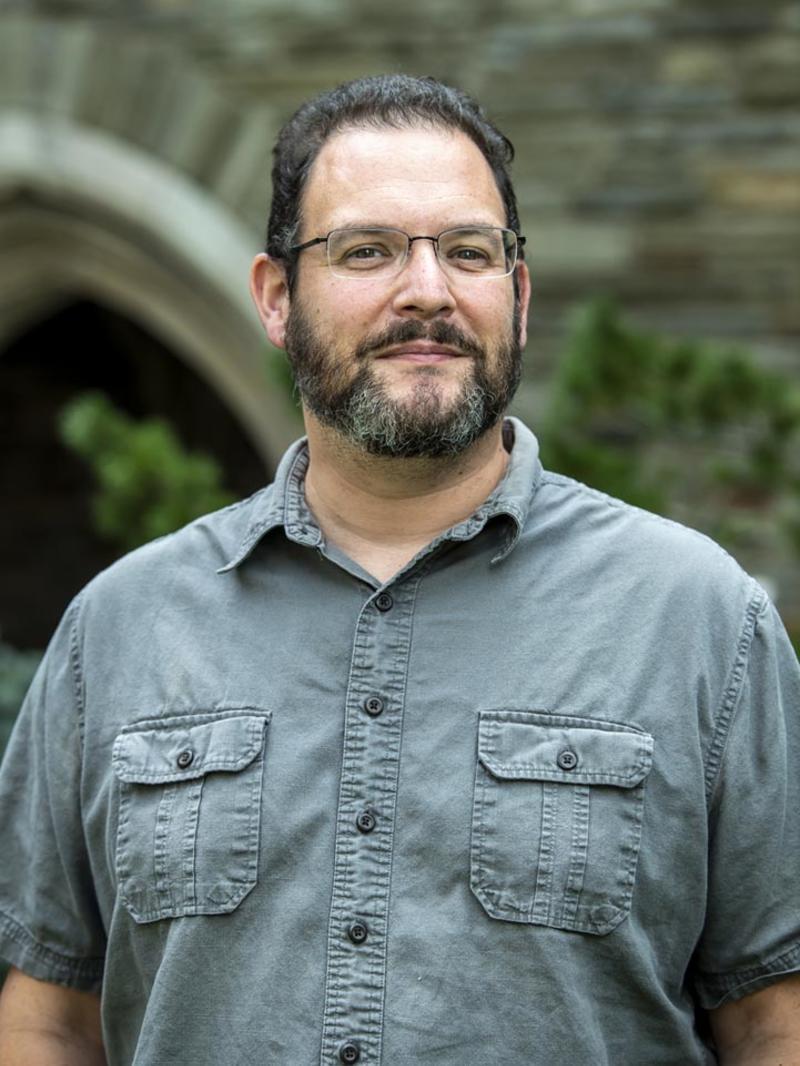
Andreas Kautt is Assistant Professor of Biology at Washington University in St. Louis, investigating evolutionary mechanisms driving biological diversity through integrative approaches combining genomics, behavioral experiments, and fieldwork. Research focuses on two primary systems: North American deer mice and Missouri crayfish. Research themes include: Genomic basis of behavioral divergence and sensory evolution Molecular mechanisms of speciation in cichlid fish radiations Genetic assimilation in morphological evolution Development of novel genomic tools for speciation research Recent work explores olfaction genetics in deer mice, parallel evolution in pigmentation, and hybrid speciation mechanisms. Publications demonstrate expertise in evolutionary genomics, behavioral ecology, and molecular evolution across diverse vertebrate systems.
Silvia Rondon is a Professor and Director of the Integrated Pest Management Center at Oregon State University (OSU), affiliated with the College of Agriculture and Department of Crop & Soil Science. She moved to OSU's Corvallis campus in September 2022 after extensive work in eastern Oregon. Education: PhD in Crop Sciences (2002), MS in Entomology (1999), BA in Biology/Zoology (1993) from Universidad Nacional Agraria La Molina (Peru) and University of Illinois. Research Focus: Ecological-based Integrated Pest Management for irrigated crops (potatoes, onions, corn, wheat) emphasizing insect ecology, biological/chemical control, and pest population dynamics. Her publications span potato psyllid management, zebra chip disease, wireworm genomics, and landscape-driven pest movement. Key awards include the Erasmus Teaching Award, Pacific Branch ESA Excellence in Extension, and multiple NACAA/OSU honors. She leads extension programs through on-farm demonstrations and train-the-trainer workshops, while mentoring graduate students in IPM research.
Yang Kuang is Professor of Mathematics at Arizona State University's School of Mathematical and Statistical Sciences, with joint affiliations with the CRESMET and Mathematical Computational Modeling Sciences Center. His research bridges mathematical biology, oncology, population dynamics, and delay differential equations. His cancer modeling investigates glioblastoma growth mechanisms, tumor-immune interactions, and prostate cancer treatment optimization. Ecological work pioneers stoichiometric modeling of producer-grazer systems and virus-host-environment interactions. He directs NSF-funded projects including 'Mathematical Classification of Complexity in Population Dynamics' and 'Predictive Modeling of Pattern Formation'. Publications demonstrate recurring themes: reaction-diffusion tumor models, wastewater-based epidemiology during pandemics, and ecological stoichiometry. His textbook Introduction to Mathematical Oncology establishes core frameworks for cancer modeling.
Ottar Bjornstad is a Distinguished Professor of Entomology and Biology at Pennsylvania State University, holding the Huck Chair of Epidemiology. He is affiliated with multiple research centers, including the Center for Infectious Disease Dynamics, One Health Microbiome Center, and Center for Mathematical Biology. His research focuses on population ecology, epidemiological modeling, and the mathematical foundations of infectious disease dynamics. He investigates how climate change affects ecological systems, transmission patterns of zoonotic diseases, and the interplay between host demographics and disease spread. Recent publications highlight his work on dengue virus transmission, vaccine distribution logistics, and age-structured epidemic models. His studies span disciplines including ecology, virology, and computational epidemiology. Elected to Norwegian Academy of Sciences and Letters (2021) He collaborates with institutions worldwide, addressing global health challenges like Lassa virus spread and measles persistence mechanisms. His methodological contributions include statistical frameworks for epidemic analysis and spatial synchrony metrics.
Peter Long is a Senior Lecturer in Ecology and Conservation at the University of Oxford Brookes, School of Biological and Medical Sciences . His research integrates satellite remote sensing, environmental modeling, and biodiversity assessment to address ecological and conservation challenges at landscape and global scales. Key research themes include: Developing algorithms for satellite data analysis Quantifying biodiversity and ecosystem services Building web-based ecological assessment tools Studying climate-agriculture interactions Assessing deforestation drivers in Madagascar Recent publications (2023–2025) focus on regenerative agriculture carbon impacts , Madagascar deforestation policy , and climate-induced habitat changes . He specializes in GIS, high-performance computing, and stakeholder engagement for environmental monitoring. Collaborations span Guatemala , Madagascar , and Europe , with tools like LEFT (web-based ecological value estimator) and BioTIME 2.0 (biodiversity time series database).
Prof. Dr. Mustafa Genç is a Professor in the Department of Traditional Turkish Arts at the Faculty of Fine Arts of Süleyman Demirel University. His academic journey includes an Associate Degree in Carpet Making (1993), a Bachelor's in Traditional Turkish Arts (1998), an M.A. from Marmara University (2003), and a Ph.D. from Yıldız Technical University (2016). His research focuses on traditional textiles, natural dyes, and cultural heritage preservation, with notable contributions to Anatolian kilim design, Yörük nomadic textiles, and historical dyeing practices. He serves as an editor for journals like ANADOLU TÜRK HALI KİLİM KÜLTÜRÜ and has authored multiple books on Turkish folk art and traditional crafts. Prof. Genç’s work bridges archaeology, ethnography, and material culture, with over 200 publications since 1999. His recent articles investigate insect-derived dyes, regional weaving techniques in Eastern Anatolia, and the intersection of nomadic migration with textile design. He teaches specialized courses including Natural Dyeing in Anatolian Culture , Carpets and Flat Weavings in the Turkish World , and Restoration and Conservation . His research emphasizes sustainable practices in traditional crafts and the documentation of endangered textile traditions. His academic contributions span editorship roles, international conferences, and collaborative projects on cultural preservation. Notable books include Türk Kilimleri: Kilim, Cicim, Zili, Palas (2023) and Yörük Araştırmaları I (2020). He actively engages with both academic and public audiences, advocating for the integration of traditional knowledge with modern design practices.
Dina Dechmann is Group Leader at the Max Planck Institute of Animal Behavior, Department of Migration in Radolfzell, Germany. She leads the Ephemeral Resource Adaptations Research Group, focusing on how animals adapt to fluctuating resource availability through behavioral, morphological, and physiological strategies. Her educational background includes: Ph.D. in Animal Behavior from University of Zürich (2005) MS in Systematics & Ecology from ETH Zürich (1999) Habilitation at University of Konstanz (2018) Dr. Dechmann identifies as a classical behavioral ecologist with a passion for evolution, increasingly focusing on how resource distribution in time and space influences animal adaptations. Her research examines movement patterns (particularly in flying foxes and bats), energetics, information transfer during foraging, and morphological adaptations like wing shape. A significant focus involves seasonal phenological changes, especially in brain structure, as seen in her work on Dehnel's Phenomenon in shrews. She is actively involved in the ICARUS satellite tracking initiative to monitor bat migration. Her recent publications reveal consistent themes across animal behavior, neuroecology, and conservation biology. The work demonstrates sophisticated integration of field studies with molecular and physiological approaches, particularly in studying how animals navigate resource ephemerality. Key trends include bat migration patterns, brain plasticity in response to seasonal changes, and methodological innovations in wildlife tracking. Her research bridges fundamental behavioral ecology with practical conservation applications, especially regarding common bat species. Dr. Dechmann mentors a diverse international team including postdocs, doctoral students, and technical staff. Her group maintains strong collaborations across European institutions and with international partners, particularly in Panama where some field studies occur. While specific grant details aren't provided, her work on the ICARUS initiative and extensive publications suggest substantial research funding. The Ephemeral Resource Adaptations Group operates as a small, international team focused on resource distribution challenges for animals. Current projects examine migration as an adaptation to seasonal change, hibernation energetics in climate change contexts, social information sharing for ephemeral resources, alternative wintering strategies in small mammals, and impacts of research methodologies on animal behavior.
Aleksi Lehikoinen is an Associate Professor at the University of Helsinki's Faculty of Biological and Environmental Sciences, holding a docentship and serving as Supervisor in the Doctoral Programme in Sustainable Use of Renewable Natural Resources and the Doctoral Programme in Wildlife Biology. He works in the Zoology Unit as Chief Superintendent and is based at the Biocenter 3 in Viikinkaari, Helsinki. His research focuses on ornithology, climate change impacts on biodiversity, and conservation biology, with extensive field work in Finnish ecosystems. Lehikoinen's research interests center on bird population monitoring, climate change effects on avian communities, and biodiversity conservation. His work examines how climate warming influences species distributions, community composition, and ecosystem functioning, particularly in boreal regions. He investigates the effectiveness of protected areas in mitigating climate change impacts and studies human-wildlife interactions through citizen science initiatives. His research combines long-term monitoring data with advanced statistical approaches to understand ecological patterns and processes. His recent publications (2024-2025) demonstrate a strong focus on climate change ecology, with particular attention to how warming temperatures affect bird communities in boreal regions. The research spans multiple scales from individual species responses to community-level changes, examining thermal niches, distribution shifts, and biodiversity-stability relationships. His work increasingly incorporates interdisciplinary approaches, connecting ecological monitoring with human dimensions of conservation through studies of citizen science and public engagement in bird monitoring. BirdLife Suomen kultainen ansiomerkki (2024) Environmental award of Sophie von Julins society to Hanko Bird Observatory (2010) Helsingin Seudun Lintutieteellisen yhdistyksen Tringan BirdLife -ansiomerkki (2011) Influencer of the year in the Finnish Museum of Natural History (2011) Newcomer of the year 2010 in the Museum of the Natural History (2010) Lehikoinen actively supervises doctoral students in sustainable resource use and wildlife biology programs. He leads multiple significant research projects including 'Lajien kumulatiiviset ja vuorovaikutteiset vasteet ilmastonmuutokseen' (2024-2028) funded by the Academy of Finland, 'HABITRACK RIA' (2024-2027) with the European Commission, and 'Digitaalinen kansalaistiedekeskus Erkko' (2024-2028) funded by the Jane and Aatos Erkko Foundation. His work combines scientific research with practical conservation applications. Lehikoinen is deeply involved in large-scale biodiversity monitoring initiatives, particularly bird population monitoring programs in Finland. He collaborates with the Finnish Museum of Natural History and participates in citizen science projects that engage the public in data collection. His work with the 'Lintuatlas' (Bird Atlas) project represents a significant contribution to understanding bird distribution changes across Finland, combining professional scientific monitoring with volunteer observations.
Alessandra Pesce is an Associate Professor at the Department of Physics (DIFI) of the University of Genoa, Italy. Her research focuses on structural biology of globins, protein aggregation, and cold-adapted enzymes, with applications in life sciences, environmental monitoring, and cultural heritage preservation. She teaches Applied Physics and Biophysics at both undergraduate and graduate levels in Physics and Biological Sciences. Her work spans from atomic-level characterization of protein crystals using Atomic Force Microscopy to large-scale ecological projects like the LIFE+ WHALESAFE initiative for sperm whale conservation through acoustic monitoring. Email: alessandra.pesce@unige.it Phone: +39 010 33 56243 Research Interests: Structural characterization of hexa-coordinated globins in marine organisms Thermodynamic and kinetic analysis of truncated hemoglobins in pathogenic bacteria Quaternary structure adaptations in Antarctic enzymes Development of acoustic monitoring systems for marine mammal conservation Protein aggregation mechanisms in amyloid-related diseases Publication Trends: Over 15 years, her research demonstrates expertise in combining X-ray crystallography with biophysical techniques to study globin family proteins across diverse species (from nematodes to whales). Key themes include heme reactivity modulation, ligand diffusion pathways, and structure-function relationships in extremophile proteins, with recent emphasis on marine conservation technology.
Abigail Bigham is an Associate Professor and Vice Chair for Undergraduate Studies in the Department of Anthropology at the University of California, Los Angeles (UCLA). Her research focuses on human population genetics, molecular evolution, and high-altitude adaptation, particularly in Andean and Tibetan populations. She holds a PhD in Anthropology from Penn State University (2008) and a BA in Anthropology from the University of Arizona (2001). Her team investigates genetic and epigenetic mechanisms underlying adaptation to hypoxia, diet, and infectious diseases. Key research areas include the genetic basis of altitude-related traits like hemoglobin concentration, pulmonary function, and metabolic adaptations. Her lab also explores the evolutionary impact of dietary changes (e.g., potato-rich diets in the Andes) and immune responses to pathogens such as HIV and dengue. Recent work includes epigenetic studies of high-altitude acclimatization and the functional validation of adaptive alleles. Dr. Bigham’s projects often involve interdisciplinary collaborations, integrating genomic data with physiological measurements and anthropological fieldwork. She has conducted field studies in Peru, Tibet, Guatemala, and Nepal, focusing on indigenous populations to understand how genetic variation contributes to survival in extreme environments. Her lab’s website (https://bigham-lab.anthro.ucla.edu/) provides access to datasets and research tools. Her academic contributions span over 50 peer-reviewed articles and grants addressing high-altitude physiology, evolutionary genetics, and global health. She actively advocates for ethical discussions on race and genetics, challenging simplistic biological determinism through public outreach and educational initiatives.
John Marshall is a Professor in the Department of Biostatistics and Epidemiology at the School of Public Health, University of California, Berkeley. His research focuses on using mathematical models to inform novel genetics-based strategies for mosquito control and to support efforts to control and eliminate mosquito-borne diseases such as malaria, dengue, and Zika virus. Dr. Marshall received his PhD in biomathematics from UCLA in 2008, with a dissertation on the use of GM mosquitoes to control malaria transmission. Prior to joining UC Berkeley, he worked on several aspects of this project as a PostDoc at the UCLA Center for Society & Genetics, the Malaria Research and Training Center in Mali, Caltech, and Imperial College London. His research interests include mathematical modeling of infectious diseases, genetics-based strategies for mosquito control, malaria elimination, dengue control, Zika virus control, gene drive systems, and vector control. He has developed the Mosquito Gene Drive Explorer (MGDrivE), a framework for testing gene-drive releases for mosquito-borne diseases control that models inheritance matrices, life-history, and migration across spatial landscapes. Dr. Marshall has secured significant funding for his research, including an $800,000 grant from the Bill & Melinda Gates Foundation in 2021 for genetics-based malaria mosquito control and an NIH grant in 2020 for mosquito movement and control research. He leads the Marshall Lab which collaborates with researchers from Tecnológico de Monterrey and IHME through the Mosquito Networks Taskforce (MoNeT). His recent publications demonstrate interdisciplinary work spanning epidemiology, genetics, computational biology, and vector control, with a focus on gene drive systems, surveillance methods, and cost-effectiveness analyses for malaria elimination. $800,000 grant from the Bill & Melinda Gates Foundation (2021) NIH grant for mosquito movement and control (2020) Dr. Marshall mentors numerous students and researchers including Héctor M. Sánchez C. (lead of MoNeT), Kevin Islas Abud, Luis Rodrigo Careaga Sotomayor, and others working on machine learning applications, network theory, and spatial analysis related to mosquito-borne diseases. He teaches courses PH 252B Modeling the dynamics of infectious disease processes and PH 295 Infectious disease modeling seminar at UC Berkeley.
Allen Hurlbert is a Professor in the Department of Biology at the University of North Carolina at Chapel Hill. His research focuses on macroecology, biodiversity, and the impacts of climate change on ecological communities. He leads the Hurlbert Lab, which investigates patterns in ecological communities, particularly bird migration timing, phenological mismatch, and the latitudinal diversity gradient. Key projects include the Caterpillars Count! citizen science initiative tracking arthropod phenology and the use of global datasets to model ecological processes. Education: Ph.D. in Biology from the University of New Mexico (2005), B.A. in Biology from Amherst College (1994). Postdoctoral work at the National Center for Ecological Analysis and Synthesis (NCEAS, 2005–2008). Research Interests: Hurlbert’s work spans macroecological patterns, climate-driven phenological shifts, and the role of human activities in biodiversity. His lab uses experimental, modeling, and citizen science approaches to study avian communities, phenology, and ecological processes. Recent projects highlight the importance of vegetation green-up timing for bird breeding success and the consequences of phenological asynchrony for population dynamics. Collaborations and Funding: Collaborates with institutions like UCLA, the Matute Lab (Drosophila research), and the Moore Foundation. Active in training graduate and undergraduate students, with a focus on fostering independent scientific inquiry and mentorship. Labs/Teams: Directs the Hurlbert Lab, emphasizing a collaborative environment with current and former members contributing to key publications and projects. Oversees the Caterpillars Count! initiative and the Avian Diet Database.
Jonathan T. Fingerut serves as Professor and Chair of the Department of Biology at Saint Joseph's University in Philadelphia, where he also directs the Environmental Science and Sustainability Program. His research integrates hydrodynamics and behavioral ecology to investigate spatial distribution patterns of aquatic invertebrates, with dual focus on black fly larvae in stream ecosystems and invasive spotted wing drosophila in agricultural contexts. His academic foundation includes: BA in Biology (1994) from Cornell University PhD in Biology (2003) from the University of California, Los Angeles Dr. Fingerut's research program examines how flow environments shape invertebrate ecology through two primary avenues: (1) silk-mediated dispersal mechanisms in Simulium tribulatum larvae that enable habitat selection in turbulent streams, and (2) population dynamics of Drosophila suzukii affecting soft fruit crops. His work bridges fluid mechanics, entomology, and ecological theory to address fundamental questions about larval settlement while providing applied insights for invasive species management. Laboratory exercises developed in his biomechanics research demonstrate his commitment to innovative science education. Analysis of his 14 publications (2003-2015) reveals consistent emphasis on hydrodynamic-biological interactions across freshwater and marine systems. Key contributions include elucidating silk's role in larval dispersal, quantifying flow effects on invertebrate behavior, and developing novel methods for studying aquatic ecosystems. His collaborative approach—evident in partnerships with the McRobert lab on drosophila research—produces transdisciplinary insights spanning from molecular tagging techniques to ecosystem engineering. He leads an active research laboratory investigating silk production mechanisms in black flies and overwintering strategies of invasive drosophila. Current projects combine field observations with controlled experiments to understand how climate change may alter hydrodynamic constraints on aquatic invertebrates while developing sustainable management approaches for agricultural pests through population genetics studies.
Adrian Parker is a Professor of Geography at Oxford Brookes University's School of Law and Social Sciences. He holds degrees including a DPhil from the University of Oxford. His research focuses on Quaternary science, geoarchaeology, and palaeoecology across the Middle East, North Africa, Southern Africa, and southern England. Key areas include multi-proxy environmental reconstruction using phytoliths, pollen, and geochemistry, with emphasis on understanding human-environment interactions during critical climatic transitions. Dr. Parker leads the Human Origins and Palaeo Environments (HOPE) group within the Centre for Environment and Society (CES). His fieldwork spans UAE, Saudi Arabia, Yemen, and Lesotho, addressing topics like Holocene socio-ecological systems, Neolithic settlement patterns, and climate change impacts. Recent projects include a £41,900 Ras al-Khaimah-funded geoheritage study and a £1,563 University of Michigan collaboration on phytolith analysis. He teaches modules on Quaternary Environmental Change and Arid Zone Environments. Professional accolades include Fellowships from the Society of Antiquaries, Royal Geographical Society, Royal Anthropological Institute, and Higher Education Academy. His advisory work includes mentoring two active PhD students: Sophie Edwards (hominoid craniodental morphology) and Kira Raith (Quaternary climate-landscape dynamics). Publications span over 40 peer-reviewed articles in journals like Quaternary Science Reviews , Scientific Reports , and Antiquity , with a focus on integrating geological and archaeological evidence to reconstruct past environments and human adaptations. His research bridges archaeology, geology, and environmental science, emphasizing interdisciplinary approaches to understanding long-term socio-ecological systems.
Sonia M. Altizer is a Professor and Department Head of Entomology at the University of Georgia's College of Agricultural and Environmental Sciences. Her research focuses on the intersection of insect ecology, animal migrations, and the ecology of infectious diseases in natural populations. With a Ph.D. from the University of Minnesota and a B.S. from Duke University, she has established herself as a leading expert on monarch butterfly migration and disease dynamics. Her work combines field studies, laboratory experiments, and mathematical modeling to understand host-parasite interactions in migratory systems. Ph.D. – University of Minnesota B.S. – Duke University Dr. Altizer investigates how migration affects disease transmission in wildlife populations, with particular emphasis on monarch butterflies and their protozoan parasites. Her research explores the evolution of host resistance, parasite virulence, and the impacts of climate change and anthropogenic factors on these interactions. She has pioneered studies on tropical milkweed's role in monarch disease risk and developed conservation strategies for declining migratory species. Dr. Altizer's recent articles examine thermal tolerance in butterfly-parasite systems, migratory phenology shifts, and the consequences of resource supplementation for disease dynamics. These publications consistently address climate change effects, pesticide impacts, and conservation-oriented solutions across ecological, evolutionary, and epidemiological contexts. 2025: UGA Distinguished Research Professor 2024: Fellow, Ecological Society of America 2020: AAAS Fellow 2018: Lamar Dodd Creative Research Award 2016: Lothar Tresp Outstanding Honors Professor 2014: UGA Athletic Association Professor of Ecology 2008: Presidential Early Career Award in Science and Engineering (PECASE) 2008: UGA Award for Teaching Excellence As head of the Altizer Lab (altizerlab.org), she leads interdisciplinary research teams investigating migratory animal health, with applications to conservation policy and practice. Her work has shaped understanding of how human-altered landscapes affect disease risks in wildlife populations, particularly for pollinators like monarch butterflies.