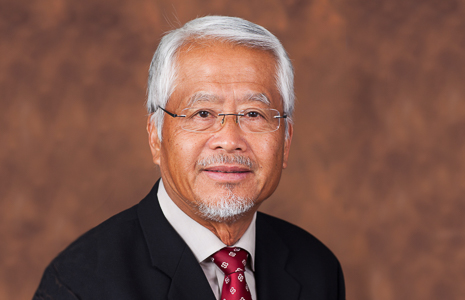
Ine van der Fels-Klerx is an Associate Professor in Business Economics at Wageningen University & Research, with a focus on food safety and risk management. She is also a Programme and Account Management lead, overseeing interdisciplinary projects. Her work integrates economic analysis with food safety challenges, particularly addressing mycotoxin contamination, climate change impacts, and circular economy solutions. Key collaborations include projects on early warning systems for mycotoxins and cost-effective monitoring strategies for contaminants in food supply chains. Her research spans topics such as alternative protein sources, insect-based feed production, and resilient supply chain designs. Notable projects include developing decision support tools for risk-based monitoring and assessing the economic feasibility of food safety interventions. She has advised multiple PhD candidates, including those studying mycotoxin management in maize and climate change effects on aflatoxins. Media contributions highlight her expertise in food safety, including interviews on predicting grain contamination and smart monitoring techniques. She actively participates in workshops and conferences, discussing digitalization in food systems and the role of artificial intelligence in food safety prevention.
Dr. Andrew Harrington is a Lecturer in the Department of Science at South-East Technological University. His research focuses on biodiversity assessment, conservation biology, and molecular biology techniques applied to ecological studies. He specializes in using environmental DNA (eDNA) and metabarcoding to analyze bat feces and other biological samples to understand ecosystem dynamics and species interactions. His work addresses topics such as insect biodiversity, vector species identification (e.g., mosquitoes), and the dietary habits of endangered bat species like Rhinolophus hipposideros. Collaborations include projects on Ireland’s biodiversity and the application of molecular methods to ecological monitoring. Dr. Harrington has contributed to peer-reviewed articles and conference presentations since 2018, emphasizing innovative approaches to ecological assessment. He is currently accepting PhD students interested in these research areas.
Dr. Heather Campbell is a Senior Lecturer in Entomology at Harper Adams University's Agriculture and Environment Department. Her research focuses on insect biodiversity conservation, community ecology, and social insects, particularly in arid ecosystems of southern Africa. She employs citizen science and explores insect-plant interactions to address ecological challenges. Professional affiliations include Fellowship of the Royal Entomological Society and membership in the British Ecological Society. Education includes a PhD, MSc, and BSc (Hons) in relevant fields. Key research interests span ant ecology, biopesticide development, and sustainable pest control strategies in agricultural systems. Recent work emphasizes integrating citizen science for biodiversity mapping and leveraging technology in ecological research education. Publications highlight innovative approaches to pest control, ant behavior studies, and global entomology priorities. Her work bridges academic research and practical applications, such as developing lure-and-kill systems for thrips and advancing biopesticide solutions for crop pests. Ongoing projects include exploring the impacts of climate change on insect communities in arid regions. Dr. Campbell actively advises on entomology education and outreach, contributing to public understanding of insect conservation through visual guides and media engagement. She leads the Entomology Group at Harper Adams University, fostering collaborative research networks across Africa and the UK.
Nan-Yao Su is a Professor at the University of Florida 's Department of Entomology and Nematology, based at the Fort Lauderdale Research and Education Center . Renowned as an authority on termites, his work focuses on termite biology, population ecology, and innovative control strategies. Established the Sentricon baiting system for termite population control, reducing global pesticide use by over 9,000 metric tons. Recipient of the Presidential Green Chemistry Challenge Award for environmentally sustainable pest management. Technical advisor to governments of New Zealand, China, and Vietnam on termite issues. Research Interests span termite foraging behaviors, microbe interactions within colonies, and development of novel termite control tools. His work bridges fundamental biology with practical area-wide management programs, funded by royalty income from the Sentricon system and USDA-ARS grants. Scientific Contributions include over 260 peer-reviewed publications, with key studies on Formosan subterranean termites' economic impact (e.g., $300M annual losses in New Orleans) and drywood termite dispersal mechanisms. His research has led to standardized identification keys for Florida termites and advanced detection methods like termite-sniffing dogs and chemical barriers. Publications reveal a focus on invasive termite species, chitin synthesis inhibitors, and eco-friendly pest management. Awards include: Presidential Green Chemistry Challenge Award (2019) Establishment of the Nan-Yao Su Award for Innovation in Entomology
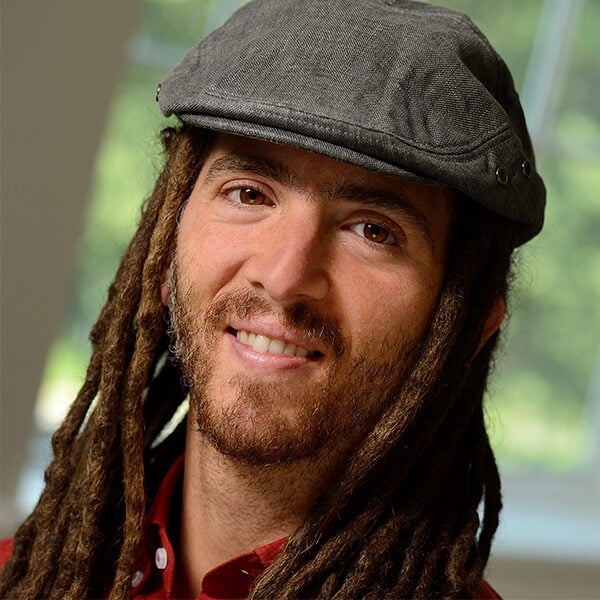
Dr. Joshua T. Vogelstein is an Associate Professor in the Department of Biomedical Engineering at Johns Hopkins University, holding joint appointments in Biostatistics, Applied Mathematics & Statistics, Neuroscience, and Computer Science. He leads the NeuroData lab, focusing on big data science, machine learning, and connectomics. Education: PhD and MSE in Neuroscience and Applied Mathematics from Johns Hopkins (2009), BS in Biomedical Engineering from Washington University (2002). Notable achievements include co-founding the Open Connectome Project (acquired by APL) and Gigantum (acquired by NVIDIA). Recognized with the NSF CAREER Award (2020), F1000 Prime (2014), and multiple Johns Hopkins Discovery Awards. Research emphasizes statistical connectomics, network science, and applying AI to biomedical challenges. Key contributions include mapping the first insect brain connectome (Science 2023) and developing open-source tools like CloudReg and BrainLine. Collaborates with Microsoft Research and industry partners, co-founding ventures like Global Domain Partners and Mind-X. Advised over 60 trainees, teaches machine learning and data science. Promotes open science through NeuroData's ecosystem of tools and data. Current work explores organoid intelligence, prospective learning, and neural network dynamics.
Terry A. Wheeler is a Professor at Texas A&M AgriLife Research in the Department of Plant Pathology and Microbiology , based in Lubbock. Her work focuses on managing soilborne pathogens affecting cotton, including nematodes and fungal diseases like Verticillium and Fusarium wilt. Research Interests : Identification and management of cotton plant pathogens Testing chemical/biological seed treatments for nematode control Systems-based projects analyzing tillage, irrigation, and crop rotation effects on pathogens Publication Trends : Recent articles emphasize cotton variety resistance to nematodes/fungal wilts, field trial methodologies, and integrated pest management strategies across Texas High Plains production systems. Scientific Contributions : Conducted multi-year variety screening trials for bacterial blight and wilt resistance Developed nematode management protocols for cotton producers Provided extension resources for regional pest/disease control Education : B.S. in Plant Science, Worcester Polytechnic Institute M.S. in Plant Pathology, Texas A&M University Ph.D. in Plant Pathology, North Carolina State University
Vivianne Vleeshouwers is an Associate Professor in Plant Breeding at Wageningen University and Research Centre, specializing in plant-pathogen interactions with a focus on potato disease resistance. Her research spans multiple projects related to Phytophthora infestans (the causal agent of late blight) and other potato pathogens. Her research interests center on plant immunity mechanisms, particularly how wild potato species recognize pathogens through immune receptors. She investigates effector biology, host-pathogen co-evolution, and molecular mechanisms of disease resistance. Her work combines molecular biology, genomics, and plant breeding approaches to develop durable resistance strategies against devastating potato diseases. Dr. Vleeshouwers has published 126 research outputs with recent work focusing on RXLR effectors, immune receptor diversification, and co-infection dynamics. Her publications show a strong trend toward understanding molecular plant-pathogen interactions at the genomic and proteomic levels, with increasing emphasis on translational research that can be applied to crop improvement. She actively supervises multiple PhD students and leads several research projects focused on potato disease resistance. Her team collaborates internationally with researchers across Europe and beyond, working on various aspects of plant pathology and resistance breeding. Dr. Vleeshouwers' laboratory focuses on effectoromics, immune receptor identification, and resistance gene deployment strategies. Her team utilizes advanced genomic techniques including genome sequencing, proximity labeling, and high-throughput phenotyping to understand and enhance plant disease resistance mechanisms.
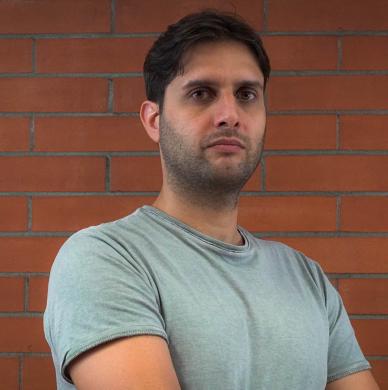
Donato Romano serves as Associate Professor at The BioRobotics Institute of Scuola Superiore Sant'Anna, Italy, where he coordinates the Bio-Robotic Ecosystems Lab and co-founded the spin-off company HUBILIFE srl. His interdisciplinary work bridges robotics, biology, and AI to develop biohybrid systems for biodiversity preservation, sustainable environmental management, and life support in extreme scenarios including space exploration. With over 90 publications and an H-index of 27 (Scopus, March 2025), he has established significant academic leadership through editorial roles across 12+ international journals. Romano's educational foundation includes advanced degrees with honors: an M.Sc. in Agriculture Science and Technologies (2014) and a PhD in BioRobotics (2018), both from Scuola Superiore Sant'Anna. His academic journey includes visiting scholar positions at Khalifa University and substantial industry-academia collaboration through HUBILIFE srl, which commercializes bioinspired devices for human daily life improvement. His research program focuses on bioinspired and biomimetic robotics with particular emphasis on animal-robot interaction, biohybrid systems, and natural intelligence. Key projects address critical global challenges: SENSORBEES develops biohybrid environmental surveillance for ecological monitoring; REGOLIFE investigates lunar soil-terrestrial organism interactions for space agriculture; and OCEAN ROBOCTO explores marine ecosystem solutions. This work demonstrates a strategic progression from fundamental behavioral studies toward applied ecological and extraterrestrial systems. Analysis of his recent publications reveals strong trends in AI-driven behavioral analysis, with deep learning increasingly applied to entomological studies and pest management. The research spans agricultural applications (precision monitoring traps, larval detection systems), ecological conservation (biodiversity surveillance), and extreme-environment adaptation (lunar regolith studies). A distinctive feature is the consistent integration of biohybrid approaches where living organisms and robotic systems create synergistic capabilities exceeding either component alone. Romano's scientific recognition includes election as Junior Fellow of the Italian Academy of Engineering and Technology (2025), the Lucani fuori dal Comune award (2024), and multiple best-thesis prizes. His editorial leadership spans high-impact journals including IEEE Transactions on Medical Robotics and Bionics and Pest Management Science, where he serves as Associate Editor. As principal investigator, Romano coordinates major international projects totaling over €15M in funding: HORIZON-EIC's SENSORBEES (2024-2029), ASI's REGOLIFE (2024-2027), National Geographic's OCEAN ROBOCTO (2024-2026), and PRIN's COSMIC (2023-2025). His teaching portfolio includes PhD courses in Biosystems for Biorobotics and M.Sc. instruction in Bionics Engineering at Scuola Superiore Sant'Anna and University of Pisa. The Bio-Robotic Ecosystems Lab under Romano's direction pioneers biohybrid technologies where living organisms and robotic systems create integrated solutions. Current initiatives include SENSORBEES' environmental monitoring swarms, REGOLIFE's moonworm colonization systems, and HUBILIFE's commercial vector-control devices. The lab maintains active collaborations with space agencies, agricultural institutes, and conservation organizations, positioning biohybrid systems as next-generation tools for planetary-scale challenges.
Niklas Wahlberg is a Professor in Biological Systematics at Lund University, Sweden. He holds roles including Museum Director of the Biological Museum and Principal Investigator in the BECC biodiversity initiative. His primary affiliation is with the Department of Biology, focusing on evolutionary biology and systematics of Lepidoptera. Education & Career: PhD in Evolutionary Biology from University of Helsinki (2000) Postdoc at Stockholm University (2000–2002) Academy Research Fellowship at University of Turku (2006–2011) Professor in Genetics at Turku (2014) before moving to Lund in 2015 Research Interests: His work centers on the evolutionary history of Lepidoptera, particularly diversification patterns linked to angiosperm evolution and mass extinction events. He employs molecular systematic methods, next-gen sequencing, and museum specimens to study clade origins and biogeography. Key topics include Cretaceous diversification, post-mass extinction radiation, and genomic discordance in butterflies. Awards & Recognition: Web of Science Highly Cited Researcher (2017, 2018) Elected to Kungliga Fysiografiska Sällskapet (2016) Grants & Projects: Swedish Research Council: Testing gene-trait associations in genome modifications (2025–2029) Infrastructure leader for museum collections and holistic specimen projects Labs & Collaborations: Head of the Systematic Biology Group at Lund, managing the Biological Museum’s collections. Active in global entomology networks and co-organizes major conferences like the International Congress of Entomology.
Andreas Kautt is Assistant Professor of Biology at Washington University in St. Louis, investigating evolutionary mechanisms driving biological diversity through integrative approaches combining genomics, behavioral experiments, and fieldwork. Research focuses on two primary systems: North American deer mice and Missouri crayfish. Research themes include: Genomic basis of behavioral divergence and sensory evolution Molecular mechanisms of speciation in cichlid fish radiations Genetic assimilation in morphological evolution Development of novel genomic tools for speciation research Recent work explores olfaction genetics in deer mice, parallel evolution in pigmentation, and hybrid speciation mechanisms. Publications demonstrate expertise in evolutionary genomics, behavioral ecology, and molecular evolution across diverse vertebrate systems.
Silvia Rondon is a Professor and Director of the Integrated Pest Management Center at Oregon State University (OSU), affiliated with the College of Agriculture and Department of Crop & Soil Science. She moved to OSU's Corvallis campus in September 2022 after extensive work in eastern Oregon. Education: PhD in Crop Sciences (2002), MS in Entomology (1999), BA in Biology/Zoology (1993) from Universidad Nacional Agraria La Molina (Peru) and University of Illinois. Research Focus: Ecological-based Integrated Pest Management for irrigated crops (potatoes, onions, corn, wheat) emphasizing insect ecology, biological/chemical control, and pest population dynamics. Her publications span potato psyllid management, zebra chip disease, wireworm genomics, and landscape-driven pest movement. Key awards include the Erasmus Teaching Award, Pacific Branch ESA Excellence in Extension, and multiple NACAA/OSU honors. She leads extension programs through on-farm demonstrations and train-the-trainer workshops, while mentoring graduate students in IPM research.
Daniel Erasmus is an Associate Professor in the Department of Chemistry at the University of Northern British Columbia (UNBC), Faculty of Science. He holds a PhD from the University of British Columbia and earned his MSc and BSc (Hons) from the University of Stellenbosch, South Africa. His work emphasizes integrating undergraduate students into authentic research experiences. Education: PhD, University of British Columbia MSc, University of Stellenbosch, South Africa BSc (Hons), University of Stellenbosch, South Africa Dr. Erasmus's research spans biochemistry, molecular biology, genetics, and aquatic entomology. He focuses on DNA as the blueprint of life, guiding students in population genetics of fish and DNA barcoding of aquatic insects in northern British Columbia. His work also extends to wine chemistry and microbiology, particularly the genetic and metabolic behavior of wine yeasts under stress. These interdisciplinary interests reflect a strong commitment to both fundamental science and applied research in environmental and food systems. His recent publications (2018–2024) highlight biodiversity studies, with a focus on discovering new species of aquatic insects in British Columbia using molecular techniques. Earlier works center on yeast genomics and wine fermentation science, demonstrating a long-standing interest in microbial stress responses and metabolic engineering. Collectively, his research bridges molecular biology with ecological and industrial applications. Scientific Awards: No awards listed in the provided text. Dr. Erasmus actively mentors undergraduate and graduate students, integrating them into research projects that combine laboratory and fieldwork. He has developed innovative educational methods, including remote-access laboratory technologies and interdisciplinary biochemistry curricula. While specific grant details are not mentioned, his sustained research output suggests active funding support. He is currently accepting graduate students, indicating an open and growing research group. His research is conducted through hands-on student projects and collaborations, particularly with colleagues like Dr. Dezene P.W. Huber. Though no formal lab name is given, his work forms a cohesive research program in molecular ecology and biochemical analysis, centered on both environmental and food-related systems.
Dina Dechmann is Group Leader at the Max Planck Institute of Animal Behavior, Department of Migration in Radolfzell, Germany. She leads the Ephemeral Resource Adaptations Research Group, focusing on how animals adapt to fluctuating resource availability through behavioral, morphological, and physiological strategies. Her educational background includes: Ph.D. in Animal Behavior from University of Zürich (2005) MS in Systematics & Ecology from ETH Zürich (1999) Habilitation at University of Konstanz (2018) Dr. Dechmann identifies as a classical behavioral ecologist with a passion for evolution, increasingly focusing on how resource distribution in time and space influences animal adaptations. Her research examines movement patterns (particularly in flying foxes and bats), energetics, information transfer during foraging, and morphological adaptations like wing shape. A significant focus involves seasonal phenological changes, especially in brain structure, as seen in her work on Dehnel's Phenomenon in shrews. She is actively involved in the ICARUS satellite tracking initiative to monitor bat migration. Her recent publications reveal consistent themes across animal behavior, neuroecology, and conservation biology. The work demonstrates sophisticated integration of field studies with molecular and physiological approaches, particularly in studying how animals navigate resource ephemerality. Key trends include bat migration patterns, brain plasticity in response to seasonal changes, and methodological innovations in wildlife tracking. Her research bridges fundamental behavioral ecology with practical conservation applications, especially regarding common bat species. Dr. Dechmann mentors a diverse international team including postdocs, doctoral students, and technical staff. Her group maintains strong collaborations across European institutions and with international partners, particularly in Panama where some field studies occur. While specific grant details aren't provided, her work on the ICARUS initiative and extensive publications suggest substantial research funding. The Ephemeral Resource Adaptations Group operates as a small, international team focused on resource distribution challenges for animals. Current projects examine migration as an adaptation to seasonal change, hibernation energetics in climate change contexts, social information sharing for ephemeral resources, alternative wintering strategies in small mammals, and impacts of research methodologies on animal behavior.
Dr. Christopher Adams is an Assistant Professor of Tree Fruit Entomology at Oregon State University's Mid-Columbia Agricultural Research and Extension Center (MCAREC) in Hood River. His research focuses on managing pests of pear and cherry crops, including invasive species like spotted wing drosophila and brown marmorated stink bug. He holds a Ph.D. in Entomology from Michigan State University (MSU) and completed a postdoctoral fellowship there, where he developed IPM strategies for codling moth control through sterile insect release. His work emphasizes applied entomology, biocontrol, and grower collaboration. Education: Ph.D. in Entomology (Michigan State University, 2016) Post-doctoral Research Assistant (MSU Tree Fruit Entomology Lab, 2016–2019) Research Interests: Dr. Adams studies pest ecology, trapping techniques, and sustainable IPM solutions. His lab investigates the landscape ecology of pear psylla, X-disease vectors in cherries, and biocontrol methods for invasive species. He collaborates with growers and extension specialists to translate research into actionable field practices. Awards: Robert Driesbach Award (2016) Dr. Eugenia McDaniel Teaching Award (2013) ESA YouTube Award (2012) Teaching & Outreach: He mentors students in field research and extension activities, emphasizing hands-on learning. His teaching excellence has inspired students to pursue entomology careers. He contributes to OSU Extension guides on pest management and regularly presents at grower workshops. Labs & Teams: Leads the MCAREC Entomology Program, collaborating with regional stakeholders to address tree fruit pest challenges. Active in the Pacific Northwest codling moth task force and international IPM initiatives.
Stephen Teale serves as Professor and Chair of the Department of Environmental Biology at the State University of New York College of Environmental Science and Forestry (SUNY-ESF), located in Illick Hall. His leadership spans academic administration and active research in forest entomology and chemical ecology. Teale's research centers on chemical signaling in forest insects, particularly pheromone systems of invasive species like Sirex noctilio (woodwasp) and Anoplophora glabripennis (Asian longhorn beetle). His work integrates chemical ecology with forest conservation, focusing on invasive species management through pheromone-based detection and biological control. Key themes include cuticular hydrocarbon communication, host-parasitoid interactions, and resin defense mechanisms in conifers. His publications demonstrate consistent expertise in identifying sex pheromones, optimizing chemical lures, and analyzing tri-trophic interactions between insects, fungi, and host trees. His recent publications reveal strong emphasis on invasive cerambycid beetles and siricid woodwasps, with frequent collaborations across North America and China. Notable contributions include the identification of female-produced pheromones in Anoplophora glabripennis and discovery of dual-attractant systems involving Amylostereum areolatum fungi. Research trends show progression from fundamental pheromone chemistry to applied pest management solutions. Teale actively mentors graduate students, currently advising Michaela Fitzgerald (PhD candidate in Environmental & Forest Biology). His teaching portfolio includes Entomology (EFB 352), Chemical Ecology (EFB 412/612), Insect Physiology (FCH 440), and Forest Health (EFB 570). As department chair, he shapes curriculum in forest entomology and chemical ecology. His scholarly impact is evident through 50+ publications since 1981, including the co-edited volume Forest Health: An Integrated Perspective (Cambridge University Press, 2011). Current research continues to address urgent forest health challenges through chemical ecology approaches.