

Jörg Bohlmann is a Professor in the Department of Forest and Conservation Sciences at the University of British Columbia , affiliated with the Michael Smith Laboratories, Botany Department (Faculty of Science), and Wine Research Centre. His research spans genomics, biochemistry, and chemical ecology of plant specialized metabolism, focusing on terpenoids and phenolics for applications in forest health and bioproducts. Research Streams : Plant defense against insects/pathogens, metabolic engineering of bioproducts, forest genomics, and molecular evolution of terpenoid pathways. Collaborations : National and international partnerships with academia, government, and biotech industries. Recent Publications highlight genomic insights into Western Redcedar (2023), including its low genetic diversity and adaptation mechanisms despite self-fertilization. Earlier work (2001–2022) covers conifer defense systems, Arabidopsis terpenoid pathways, cannabis flavor genetics, and mass spectrometry infrastructure. Scientific Awards include: NSERC E.W.R. Steacie Fellow (2015), Fellow of the Royal Society of Canada (2015), Feodor Lynen Postdoctoral Fellowship (1995–1998), and Distinguished University Scholar (UBC). Funding Sources : NSERC (Discovery/Strategic grants), CFI, Genome Canada/BC, provincial/federal agencies. Labs & Facilities : Michael Smith Laboratories (UBC), National Centre of Excellence, Forest Sciences Centre, and a dedicated mass spectrometry lab for metabolite analysis.
جستوجوی استاد و پژوهشگر
استاد راهنما، استاد دانشگاه یا پژوهشگر مناسب برای مسیر پژوهشیتان را پیدا کنید و با او ارتباط بگیرید.
نمایش ۱-۱۵ از ۲٬۵۷۵ استاد راهنما
اطلاعات این پروفایلها از صفحات عمومی دانشگاهها جمعآوری شده و ممکن است بهروز نباشد.

Nicolas Mathevon is a Professor at the University of Saint-Etienne, with a focus on Animal Behavior and Bioacoustics . He currently serves as Director of Studies at Ecole Pratique des Hautes Etudes and leads the ENES Team . His research explores acoustic communication across diverse species, including crocodiles, seals, penguins, and humans, with particular emphasis on vocal recognition, signal evolution, and neurobiological underpinnings. Major collaborations include Dr. T. Aubin (CNRS), Dr. I. Charrier (marine mammals), Dr. N. Grimault (crocodilian bioacoustics), and Prof. D. Reby (human communication). He also co-edits a new book, The Voices of Nature , published by Princeton University Press. His recent work spans ecoacoustic monitoring for conservation, multi-modal communication in crocodiles, and cross-species analysis of distress signals in bonobos, chimps, and humans. Neurobiological studies include brain activation patterns in response to vocalizations and sound localization mechanisms in reptiles. Scientific Awards include senior membership in the Institut universitaire de France .
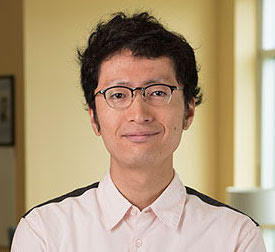
Takuya Tsunodaمشاهده پروفایل
استادیار
Takuya Tsunoda serves as Assistant Professor of Japanese Film and Media in the Department of East Asian Languages & Cultures at Columbia University, with prior teaching appointments at Colgate University and the University of Chicago. Currently on leave for spring 2022, he maintains his office in 416 Kent Hall (contact: (212) 854-5040, tt2101@columbia.edu). His academic credentials include: BA: Waseda University (2002), Columbia University (2005) MA: Columbia University (2008) PhD: Yale University (2015) Dr. Tsunoda's research centers on institutional-media interplay through historical and theoretical lenses, examining how technologies shape socio-cultural practices and knowledge formations. His seminal work investigates Iwanami Productions' evolution from educational/science film provider to New Cinema pioneer, arguing that Japan's 1960s cinematic revolution originated in institutionalized audio-visual pedagogy rather than political radicalism. Current explorations extend to media reflexivity, alpine photography, insect ecology, children's media engagement, and diegesis in contemporary visual culture. Teaching : Courses include East Asian Cinema, Japanese Contemporary Media Culture, Japanese New Wave Modernism, Documentary Film Studies, and Critical Approaches to East Asian Theory. His publication trajectory (2018-2022) reveals consistent focus on postwar Japanese media archaeology, connecting educational film, industrial cinema, and New Wave movements through archival analysis. Key themes include cross-medial academicism, mediascape transformations, and the socio-political dimensions of visual pedagogy in reconstructing cinematic modernism. Active research trajectories include transnational New Wave parameters, television documentary studies, and ecological media representations, with ongoing book project examining Iwanami Productions' institutional legacy.

- Systematics
- Taxonomy
- Phylogeny
- +۷ مورد دیگر
Thomas Pape is a Professor at The Natural History Museum of the University of Copenhagen, specializing in the systematics, taxonomy, phylogeny, biogeography and evolution of Diptera (two-winged insects), with special emphasis on Calyptratae families including Sarcophagidae, Oestridae, and Calliphoridae. He has been a professor since 2025 after serving as an Associate Professor from 2004-2024. PhD from Copenhagen University (1990) Docent at Stockholm University (1998) Associate Professor at Danish Bilharziasis Laboratory (1990-1992) Research Entomologist at Naturhistoriska Riksmuseet, Stockholm (1994-2004) His research spans taxonomy, systematics, phylogeny, biogeography and evolution of Diptera with special emphasis on calyptrate families. He collaborates on Systema Dipterorum, conducts comparative larval morphology studies, and investigates the phylogeny of Calyptrata. His work includes Diptera nomenclature and large-scale biodiversity inventories. Analysis of his recent publications reveals a strong trend toward molecular phylogenetics (using RAD-seq and anchored phylogenomics), forensic entomology applications, and biodiversity informatics. His research spans entomology, systematics, evolutionary biology, and increasingly intersects with bioinformatics and conservation science, with significant contributions to understanding flesh flies, bot flies, and blow flies. President of the International Council of Zoological Nomenclature (since 2016) Chair of the Council for the International Congresses of Dipterology (2010-2018) Member of editorial boards for Entomotropica, Studia dipterologica, Stuttgarter Beiträge zur Naturkunde, and Tijdschrift voor Entomologie Dr. Pape teaches courses in Entomology (structure, phylogeny and biology of terrestrial arthropods), Field Biology II - Zoology, and Ecology and Evolution of East Africa (a 2-week field course in Tanzania with Nikolaj Scharff). He has served on scientific panels for SYNTHESYS and as chair of the scientific advisory committee for Museum Koenig in Bonn (2006-2009). His research group employs both morphological and molecular approaches to address evolutionary questions in Diptera, with particular expertise in calyptrate families. The laboratory maintains active international collaborations across multiple continents, as evidenced by his extensive publication record and research network.
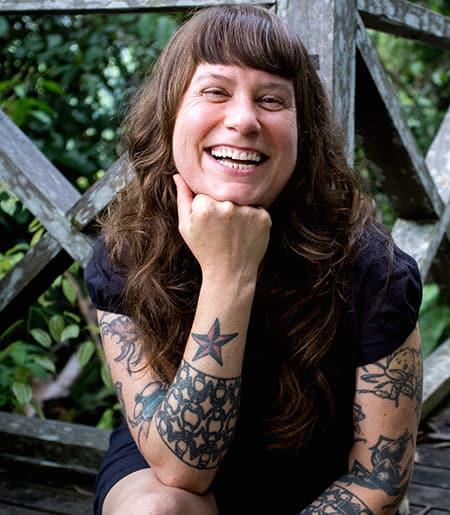
Corrie Moreau is the Martha N. & John C. Moser Professor of Arthropod Biosystematics and Biodiversity at Cornell University, serving as Director & Curator of the Cornell University Insect Collection. She holds affiliations with the Department of Ecology and Evolutionary Biology and the College of Arts and Sciences. Her research focuses on symbiotic factors driving speciation, adaptation, and diversification in insects, particularly ants. Moreau’s work integrates molecular methods, next-generation sequencing, and field-based research to study biodiversity across scales. Education: Ph.D. in Organismic and Evolutionary Biology from Harvard University (2007), M.Sc. in Biology from San Francisco State University/California Academy of Sciences (2003), B.S. in Biology from San Francisco State University (2000). Research Interests: Evolutionary patterns/processes, organismal biology, plant-animal interactions, chemical ecology, sustainability, and microbiome dynamics. Her lab (Moreau Lab) investigates ant-microbe symbioses, host-microbe interactions, and the role of symbioses in macroevolutionary processes. Recent work includes studies on ant phylogenetics, gut microbiome evolution, and the impact of invasive species on native ecosystems. Publications highlight her contributions to understanding ant evolution, microbial symbiosis, and biogeography. Grants include NSF-funded projects on ant genomics and symbiosis. She advocates for natural history collections and their role in biodiversity research and education.
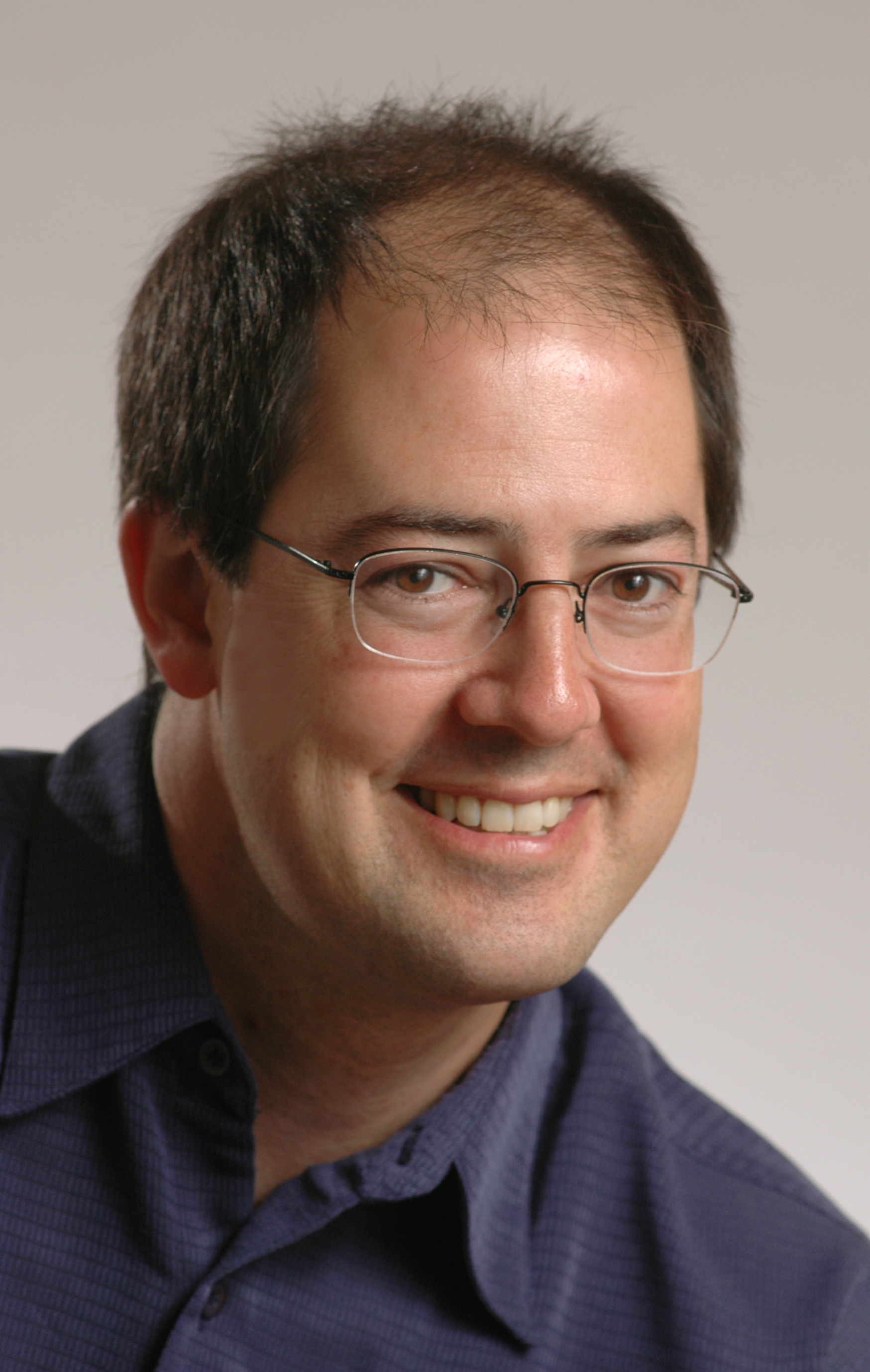
Kristofer Pister is a Professor in the Department of Electrical Engineering and Computer Sciences at the University of California, Berkeley. He co-directs the Berkeley Sensor and Actuator Center (BSAC) and the Ubiquitous Swarm Lab. His career spans groundbreaking innovations in Micro/Nano Electro Mechanical Systems (MEMS), Control Systems, and Low-Power Circuits, with a focus on Smart Dust and synthetic insects. Education: Ph.D. and M.S. in EECS from UC Berkeley (1992, 1989); B.A. in Applied Physics from UC San Diego (1986). His research areas include MEMS , Control Systems , Robotics , and Integrated Circuits , with recent work on self-powered micro-sensors, crystal-free radios, and interplanetary swarm networks. Key awards include the ISA Albert F. Sperry Founder Award (2009) , Alexander Schwarzkopf Prize (2006) , and the NSF CAREER Award (1996) . He has authored numerous influential publications in wireless sensor networks and microrobotics. His lab, Ubiquitous Swarm Lab , explores distributed robotics and swarm intelligence. Pister emphasizes open collaboration in research, ethical conduct in academia, and efficient resource utilization for graduate students.
- Chemical Ecology
- Pheromone Research
- Semiochemicals
- +۶ مورد دیگر
Professor John Pickett serves as Chair of the School of Chemistry at Cardiff University, where he holds the position of Professor of Biological Chemistry. His research program has established him as a leading figure in chemical ecology with significant contributions to understanding chemically mediated interactions between organisms. Professor Pickett's research focuses on chemical ecology involving chemically mediated interactions between various organisms, particularly pests attacking plants and animals. His work encompasses the chemical characterisation of pheromones and other semiochemicals across plants and animals, including insect pests and beneficial organisms. He investigates stress-related chemical signalling by plants and vertebrates (including humans and farm animals), elucidates biosynthetic pathways to pheromones and other semiochemicals, and explores how these compounds can be exploited in pest management through ecological approaches and genetic modification. Analysis of Professor Pickett's recent publications reveals a sustained and impactful research trajectory spanning chemical ecology, agricultural science, and sustainable development. His work demonstrates remarkable continuity in investigating semiochemicals and pheromones while expanding into interdisciplinary areas including AI applications for sustainable futures and the economic impacts of agricultural innovations. A consistent theme throughout his career is the practical application of chemical ecology principles to develop sustainable pest management solutions, particularly through the development and refinement of push-pull farming systems that have transformed agricultural practices in Africa.
- Insect Systematics
- Beetles
- Bees
- +۳ مورد دیگر
Dr. Michael Ivie is a Professor in the Department of Plant Sciences & Plant Pathology at Montana State University (MSU), affiliated with the College of Agriculture. His research focuses on insect systematics, faunistics, and taxonomy, with a particular emphasis on beetles and bees. He holds a Ph.D. in Systematic Entomology from The Ohio State University (1985), an M.S. in Entomology (1981), and a B.S. in Entomology from the University of California, Davis (1977). His research contributions include groundbreaking work on beetle phylogenetics, integrative taxonomy of Coleoptera, and biodiversity studies of North American insects. Notable projects include phylogenomic analyses of Phengodidae and revisions of Lycidae genera. He has authored or co-authored numerous articles in journals like the Zoological Journal of the Linnean Society and The Coleopterists Bulletin. Grants: Exotic Woodborer traps (MDA), Pollinator Surveys (US Forest Service), Wild Bees of Montana (MDA/BLM), and biodiversity studies funded by BLM. Awards: Nominated for Fellow of the Royal Entomological Society (1991) and Honorary Member of the Coleopterists Society (2009). Service: Editor for Zootaxa and ZooKeys, former President of the Bozeman Creek Neighborhood Association, and President of the Coleopterists Society. Dr. Ivie is the Curator of the Montana Entomology Collection (MTEC), a major repository of North American invertebrates, with strengths in Coleoptera, Diptera, and Apoidea. The collection supports regional and global research, including studies on pollinators and aquatic insects.
Wolfram Meyمشاهده پروفایل
پژوهشگر
- Taxonomy
- Biodiversity
- Biogeography
- +۵ مورد دیگر
Wolfram Mey serves as Curator of the Lepidoptera and Trichoptera Collection (Butterflies, Moths, Caddisflies) at the Museum of Natural History, Leibniz Institute for Evolution and Biodiversity Research in Berlin since 1990. His role encompasses collection management, providing specialized services to the international entomological community, and public outreach through lectures and information dissemination. Education: Biology studies at Martin Luther University Halle-Wittenberg (1973-1978) Doctorate in Natural Sciences (Dr. rer. nat.) from Martin Luther University Halle-Wittenberg (1980) Dr. Mey's research centers on the taxonomy, phylogeny, biogeography, and biodiversity of Lepidoptera and Trichoptera in the Old World, with significant fieldwork in southwestern Africa, the Philippines, and Colombia. His work integrates morphological analysis with ecological and historical biogeographical frameworks to document species diversity in understudied regions. Key methodologies include systematic revision of genera, fauna inventories, and development of identification tools for complex insect groups. His publication record demonstrates sustained focus on African Lepidoptera systematics (particularly the Brandberg Massif in Namibia) and global Trichoptera diversity. Recent works emphasize field-based inventory projects in biodiverse hotspots like the Colombian Páramo, reflecting a commitment to documenting micro-endemic species in threatened ecosystems. The 2002 Trichoptera symposium proceedings highlight his role in fostering international taxonomic collaboration. Research Leadership: Basic pattern of Lepidoptera diversity in southwestern Africa Identification book for Lepidoptera of southwestern Africa Caddisfly fauna survey of the Philippines Trichoptera and Micro-Lepidoptera inventory in Colombia's Páramo

- Paleobotany
- Paleobiology
- Paleoclimatology
- +۵ مورد دیگر
Peter Wilf is a Professor in the Department of Geosciences at Pennsylvania State University's College of Earth & Mineral Sciences. His research focuses on fossil plants as indicators of past climates, biodiversity, and environmental disturbances from the latest Cretaceous through middle Eocene (~67-45 million years ago). Wilf leads significant research projects including the Origins of Southeast Asian Rainforests from Paleobotany and Machine Learning and the Patagonia Paleofloras Project. His research interests span paleobotany, paleoclimatology, plant-insect interactions, and biogeography, with emphasis on how deep-time data illuminate modern ecosystems and their responses to anthropogenic change. Wilf's work primarily focuses on the latest Cretaceous through middle Eocene, examining global disturbances including warming and cooling events, the end-Cretaceous mass extinction, and recovery periods. His research has significant implications for understanding climate change, biodiversity conservation, and ecosystem dynamics. Wilf's extensive publication record demonstrates consistent high-impact research across paleobotany, with recent work focusing on Southeast Asian rainforests, Patagonian paleofloras, and the connections between Gondwanan landmasses. His research integrates fieldwork in Patagonia and Southeast Asia with advanced analytical techniques, including machine learning applications for fossil leaf identification. Fellow, American Association for the Advancement of Science (AAAS) 2022 Wilson Award for Excellence in Research, Penn State College of Earth & Mineral Sciences 2022 Fellow, Paleontological Society 2017 Fellow, Geological Society of America 2016 Paul F. Robertson Research Breakthrough of the Year Award, Penn State College of Earth & Mineral Sciences 2016 George W. Atherton Award for Excellence in Teaching, Pennsylvania State University 2013 Wilf maintains an active research program with numerous NSF-funded projects and international collaborations. He leads a productive lab group conducting extensive fieldwork in Patagonia, Argentina, and Southeast Asia. His research has transformed understanding of Southern Hemisphere floras, the role of Patagonia in plant evolution, and connections between ancient and modern ecosystems across continents. Wilf's laboratory serves as a hub for paleobotanical research, bringing together students, postdocs, and international collaborators to study fossil plant collections from around the world. The lab integrates traditional paleobotanical methods with cutting-edge technologies including machine learning for fossil identification and advanced imaging techniques for detailed morphological analysis.

Michael Z. Levy is a Professor of Epidemiology in the Department of Biostatistics and Epidemiology at the University of Pennsylvania Perelman School of Medicine. He co-directs the University of Pennsylvania/Universidad Peruana Cayetano Heredia Zoonotic Disease Research Laboratory in Arequipa, Peru, and holds secondary affiliations with the Center for Clinical Epidemiology and Biostatistics, Center for Public Health Initiatives, History and Sociology of Science, and Latin American and Latinx Studies. His research spans interdisciplinary domains including vector-borne diseases, computational biology, urban ecology, and social justice. Education: B.A. in Philosophy and Biology from Amherst College (1998), PhD in Population Biology, Ecology, and Evolution from Emory University (2007). Levy's work focuses on urban zoonotic diseases , particularly Chagas disease and canine rabies , integrating ecology, epidemiology, and computational methods. He investigates how insect vectors interact with social systems, housing policies, and climate change, extending to pandemic modeling during the Covid-19 crisis. His research group (28 members) collaborates with Peruvian Ministry of Health to control Chagas and rabies outbreaks in Arequipa. Notable contributions include novel geospatial surveillance models , behavioral economics applications for vector control, and bed bug epidemiology linking infestations to public health challenges. Recent publications highlight 2025-2024 trends in Chagas vector dynamics , zoonotic rabies control , vaccine strategies , and genomic outbreak analysis , emphasizing interdisciplinary approaches to urban disease ecology. He has participated in cluster randomized trials and behavioral design studies to improve community engagement in vector control campaigns in Peru, focusing on incentive mechanisms and surveillance equity . The Zoonotic Disease Research Lab in Arequipa employs interdisciplinary methods combining biological research , social science , and computational modeling to address urban disease transmission.
Lyn Cookمشاهده پروفایل
دانشیار
Dr. Lyn Cook is an Associate Professor specializing in evolutionary biology and systematics at the University of Queensland. Her research examines plant-insect interactions, biogeographic patterns, and taxonomic relationships using molecular phylogenetics. Research focuses on: Australian flora and insect coevolution Historical biogeography of Southern Hemisphere taxa Taxonomic revisions using genomic data Cryptic species discovery Conservation prioritization Recent work addresses taxonomic controversies in Eucalyptus classification and resolves biogeographic origins of Australian arachnids using phylogenetic methods. Fieldwork spans Australian biomes from rainforests to arid zones.

Andrew Gersick is a Lecturer in the Department of Ecology and Evolutionary Biology at Princeton University. His research focuses on animal behavior, particularly in large social species such as spotted hyenas, zebras, and cowbirds. He explores topics including collective behavior, social dynamics, communication systems, and ecological adaptations. His work integrates field studies with technological tools like accelerometers to analyze activity patterns and signaling mechanisms. Notably, he investigates how zebra stripes repel biting flies and how hyenas use vocalizations for individual recognition. Gersick also contributes to conservation efforts, such as the Great Grevy’s Rally in Kenya, and studies social learning in avian species like cowbirds. His recent articles highlight interdisciplinary approaches, combining ecology, physiology, and technology to understand animal behavior in natural and social contexts. While no awards are explicitly listed, his contributions to understanding collective behavior and conservation biology are significant. Advising and grants: No formal advisees or grant details are provided in the text. His work appears to focus on collaborative research and field-based methodologies. Labs/Teams: No specific laboratory or team affiliations are mentioned beyond his departmental role at Princeton.

Philippe Christe is an Associate Professor in the Department of Ecology and Evolution at the University of Lausanne (UNIL), Faculty of Biology and Medicine. His research centers on host-parasite interactions, with a focus on bats, birds, and their ectoparasites, integrating behavioral, physiological, and genetic approaches. He leads the Christe Group, which investigates evolutionary and ecological dynamics in host-parasite systems, particularly avian malaria and bat-mite relationships. He is actively involved in conservation initiatives, including the Jorat Peri-Urban Nature Park, and collaborates with KORA on human-wildlife interactions. Bachelor's degree in biology, UNIL (1989) PhD in Zoology and Animal Ecology, UNIL (1994) Philippe Christe’s research interests lie at the intersection of parasitology, evolutionary ecology, and conservation biology. He investigates how host defenses evolve in response to parasitic pressures, examining trade-offs between immunity and life history traits such as reproduction and survival. His work often integrates field studies with experimental and molecular techniques. Key model systems include Parus major (great tit) and Culex pipiens in avian malaria, and bat species with their ectoparasitic mites. He also explores broader ecological interactions, including predator-prey dynamics and wildlife conservation in human-modified landscapes. His recent publications reflect a strong emphasis on disease ecology, wildlife conservation, and molecular methods. Articles span topics such as avian malaria transmission, lynx population dynamics, snow leopard behavior, and habitat fragmentation effects on insects. These works employ advanced techniques like DNA metabarcoding, spatial modeling, and long-term monitoring, demonstrating a trend toward interdisciplinary, data-driven ecological research with direct conservation applications. Dubois Foundation Prize for an educational CD-Rom on bats (2004) Communication Award from the Faculty of Biology and Medicine of UNIL (2017) Philippe Christe has supervised numerous PhD and Master’s students, contributing significantly to training the next generation of ecologists and evolutionary biologists. His group collaborates widely with institutions such as the Museum of Zoology in Lausanne and KORA, and participates in large-scale conservation projects involving snow leopards, lynx, and bats. He has been involved in research grants related to host-parasite coevolution, wildlife monitoring, and conservation strategies. His leadership in establishing the Jorat Peri-Urban Nature Park and involvement in the UNIL Interdisciplinary Center for Mountain Research highlight his commitment to applied science and environmental stewardship. He leads the Christe Group, which conducts research on host-parasite coevolution, with a focus on bats and their ectoparasites, and birds affected by avian malaria. The group combines fieldwork, laboratory experiments, and molecular analyses, and includes post-docs, PhD students, and technical staff. Collaborations extend to researchers in Bern, Paris, and Spain, fostering an international and interdisciplinary research environment.
Thomas Whiteمشاهده پروفایل
مدرس ارشد
- Evolutionary Ecology
- Behavioral Ecology
- Entomology
- +۳ مورد دیگر
Dr Thomas White is a Senior Lecturer and ARC Discovery Early Career Fellow at the School of Life and Environmental Sciences, University of Sydney. He leads the Sensory and Evolutionary Ecology (SEE) Lab, focusing on understanding how organisms gather and exchange information to solve ecological challenges. His research spans adaptive evolution, communication systems, and the ecological consequences of sensory interactions, with particular emphasis on insects and invertebrates. Current research themes include predator-prey deception (e.g., spider lures), pollinator behavior, and the ethics of invertebrate welfare. He coordinates courses such as LIFE4000 and BIOL2033, integrating field experiments, modeling, and meta-analysis. Notable awards include the ARC DECRA Fellowship and grants from the Hermon Slade Foundation. His lab actively collaborates on interdisciplinary projects, including software tools for color analysis (e.g., pavo package in R). Students advised include Georgie Brennan, Kristin Hubakk, and Rui Shi, exploring topics like pollination systems and spider communication. Key Projects: Nocturnal pollination resilience, invertebrate sociality, and defensive displays Grants: ARC DECRA (2020), Australia & Pacific Science Foundation (2024) Labs/Teams: Sensory and Evolutionary Ecology (SEE) Lab at University of Sydney
فقط ۷۵۰ نتیجه اول نمایش داده میشود. برای رسیدن به نتایج دقیقتر، جستوجو را با فیلترها محدودتر کنید.