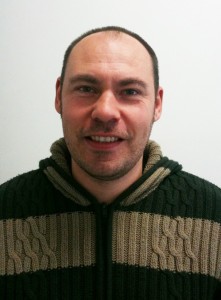
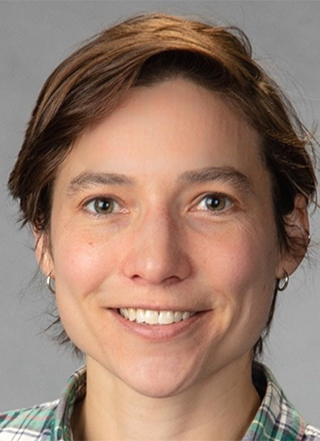
Peter Hore is Professor of Chemistry at the University of Oxford, where he has been affiliated since 1973. He received his education at Oxford (Chemistry student, 1973–1980) and completed postdoctoral research at the University of Groningen (1980–82). His career includes roles as a Junior Research Fellow (1982–83), Fellow of Corpus Christi College (1983–2023), and Professor of Chemistry (1983–present). His research focuses on Spin Chemistry and Magnetoreception , exploring magnetic effects on chemical reactivity, radical pair mechanisms in biological systems, and NMR techniques. Key areas include avian navigation via cryptochrome-based magnetic sensing, quantum effects in radical pairs, and magnetic field influences on biochemical reactions. His work bridges chemistry, biophysics, and ornithology. Recent publications emphasize cryptochrome dynamics , quantum magnetoreception , and spin-controlled nanomaterials . Trends show a shift toward in vivo validation of radical pair theories, interdisciplinary applications in oncology/nanotechnology, and high-precision spectroscopy. No scientific awards are listed in the provided text. He leads an active research group advising numerous PhD students (e.g., on spin dynamics, protein magnetosensitivity, and avian navigation). Labs utilize NMR, EPR, and computational tools to study magnetic field effects. Collaborative networks include the University of Oldenburg and the Timmel Group at Oxford.
Vincent Le Roux is a Lecturer and Researcher in Ecology and Entomology at the University of Picardy Jules Verne, where he is affiliated with the EDYSAN research unit (UMR 7058, CNRS). He teaches across multiple Master's programs including CAPES SVT competitive exam preparation, Childhood Education, and Ecosystems/Agrosystems/Sustainable Development, delivering specialized instruction in Life Sciences, Ecology, and Evolutionary Biology while supervising thesis research. His research program integrates three complementary axes: (1) Global change impacts on carabid beetle functional diversity across biogeographic, landscape, and local scales, evolving toward ecosystem service quantification; (2) Biological invasion mechanisms using Drosophila suzukii as a model system; and (3) Multitrophic interactions in agrosystems involving plants, insects, viruses, and beneficial organisms. Methodologically, he combines field ecology with advanced techniques including olfactometry, electropenetration graph (EPG) analysis, and remote sensing technologies. Analysis of his 15 most recent publications (2025-2017) reveals a pronounced methodological evolution toward integrating satellite remote sensing (Sentinel-1/2) and LiDAR with ecological field studies to map forest microclimate dynamics and assess biodiversity proxies for biological control services. His work demonstrates how small woodland fragments enhance pest control functionality through carabid beetle assemblages, while his invasion biology research has established D. suzukii 's unusually broad trophic niche as key to its European invasion success. Current trends emphasize cross-scale analysis from molecular interactions to landscape patterns. Le Roux has supervised PhD research including Ludmilla Martin's 2012-2015 thesis on arthropod communities in agricultural landscapes. His competitive grant portfolio includes ANR VIRAPHIPLANT (2014-2018) on aphid-virus-plant interactions, CREUSE (2014) on wooded ravines, ANOI (2013-2016) on industrial oilseeds, DIVA3 FORHAIE (2012-2015) on forest biodiversity conservation, and ERA-Net BiodivERsA smallFOREST (2012-2015) on small woodland ecosystem services. As Scientific Culture Correspondent for EDYSAN, he leads outreach initiatives connecting university research with public understanding of ecological issues. His work within the EDYSAN laboratory focuses on functional biodiversity assessment across European agricultural landscapes, with particular emphasis on how landscape configuration mediates climate change impacts on ecosystem service delivery.
Clare Rittschof is an Associate Professor at the Martin-Gatton College of Agriculture, Food and Environment, University of Kentucky. Her research integrates behavioral ecology, neuroscience, and genomics to investigate how social experiences and environmental factors shape behavioral expression in insects, particularly honey bees. Location: 405 Plant Sciences Building, Lexington, KY Email: clare.rittschof@uky.edu Phone: (859) 218-3343 Research focuses on: Social cue integration and behavioral plasticity Impact of early-life experiences on adult phenotypes Neurogenomic mechanisms of aggression and disease resistance Environmental stressors in agroecosystems Epigenetic regulation of social behavior Systems approaches to plant-pollinator interactions Recent publications highlight trends in honey bee aggression regulation, social context effects on behavior, transcriptomic responses to stress, and environmental impacts on colony dynamics. Her work bridges ecological and molecular perspectives through studies on brain mitochondrial bioenergetics, kleptobiotic events, and grooming behaviors. Scientific award: National Science Foundation CAREER Award for 'Signal to Noise' research on social information processing Mentoring initiatives emphasize undergraduate research opportunities, with lab social media platforms showcasing their NSF-funded work and bee behavior studies.
Lynne Rieske-Kinney is a Professor of Forest Entomology in the Department of Entomology at the Martin-Gatton College of Agriculture, Food and Environment , University of Kentucky. She holds the endowed Bobby C Pass Research Professorship, focusing on forest health and insect pest management. Research Focus : Invasion dynamics of forest pests (emerald ash borer, southern pine beetle), RNA interference for gene silencing, trophic interactions, and climate change impacts on forest ecosystems. Awards : Recipient of the prestigious AD Hopkins Award for southern forest entomology excellence. Outreach : Co-founder of the Urban Forest Initiative , promoting urban forestry education and tree conservation, and lead of the Healthy Trees – Healthy People program for citizen science engagement. Publications demonstrate leadership in RNA interference applications for forest pest control, with cross-disciplinary collaborations in biotechnology, ecology, and forest management. Her lab alumni hold prominent roles in academia, government, and industry.
Jocelyn Behm is an Associate Professor in the Department of Biology at Temple University's College of Science and Technology, where she investigates community assembly in human-dominated landscapes to inform sustainable landscape design. Her research examines how habitat development and invasive species affect species dispersal, habitat selection, and ecological interactions, with fieldwork focused on southeastern Pennsylvania and Caribbean ecosystems using integrated methodologies including field surveys, genetic techniques, and modeling. Her research program spans multiple critical ecological domains: Urban and Landscape Ecology : Quantifying impacts of urbanization on biodiversity and ecosystem services through studies of forest patch quality, urban birds, and green infrastructure. Invasive Species Dynamics : Leading research on spotted lanternfly dispersal, monitoring, and management, alongside investigations of exotic reptiles in Caribbean islands. Anthropocene Biogeography : Revising island biogeography theory through analysis of human-driven species introductions and extinctions, particularly in insular reptile communities. Functional Ecology : Linking species traits to ecosystem processes in decomposition, pest control, and service provision across urban and natural landscapes. Analysis of her 15 most recent publications (2023-2025) reveals a cohesive research trajectory centered on anthropogenic impacts, with three dominant threads: (1) Invasive species management (particularly spotted lanternfly studies spanning dispersal modeling, oviposition ecology, and computer-aided monitoring); (2) Urban ecosystem services (examining context-dependent benefits from wildlife across spatial scales); and (3) Anthropocene island biogeography (documenting human-accelerated species turnover and its conservation implications). Her work consistently integrates field data with computational approaches across taxonomic groups. No scientific awards were documented in the provided materials. Dr. Behm directs the iEcoLab (https://www.iecolab.org), where she mentors students in ecological research while securing external funding for projects spanning urban ecology, invasion biology, and island conservation. Her lab's translational focus bridges fundamental ecological questions with practical applications for sustainable landscape planning, particularly through trait-based approaches to green infrastructure design and invasive species management. The iEcoLab operates as an interdisciplinary hub conducting field research across southeastern Pennsylvania forests and Caribbean islands (notably Aruba), with current projects examining spotted lanternfly population dynamics, urban bird communities, and non-native herpetofauna. The lab combines traditional ecological methods with innovative technologies including computer vision for individual identification, landscape genetic analyses, and functional trait assessments to address pressing conservation challenges in human-altered environments.
Jessica Metcalf is a Professor of Ecology and Evolutionary Biology & Public Affairs at Princeton University, affiliated with the Global Health initiative. Her work bridges ecological, epidemiological, and policy-driven research to address global health challenges. She co-leads the Metcalf Lab, focusing on infectious disease dynamics, climate impacts on health, and vaccine strategies. Her research spans theoretical modeling, field studies, and policy analysis. Education details are not explicitly provided, but her academic roles suggest advanced training in ecological and public health disciplines. Research interests include pathogen evolution, climate-driven disease patterns, and microbial diversity conservation. She collaborates internationally, with significant work in Madagascar and sub-Saharan Africa. Her recent publications emphasize climate change's role in disease seasonality, vaccine design for animal populations, and the intersection of immunity patterns with environmental factors. She actively engages in global health policy through WHO advisory roles and contributes to open-source tools like the RSero R package for seroprevalence analysis. Advising and grants focus on interdisciplinary projects, though specific student names or grant amounts are not listed. The Metcalf Lab collaborates with institutions globally to address emerging infectious diseases and biodiversity loss, emphasizing practical solutions for public health systems in resource-limited settings.
Isaac Esquivel is an Assistant Professor of Entomology at the University of Florida's North Florida Research and Education Center, focusing on agronomic and forage crop entomology. His research examines spatial dynamics of plant-pest-natural enemy-pollinator interactions influenced by landscape structure, using GIS and remote sensing for improved pest management systems. Dr. Esquivel studies piercing-sucking pests of cotton and peanut while balancing ecological and economic values in agroecosystems, including biological control services and pollinator health. His work addresses priority pest management issues in the Florida panhandle. Recent publications demonstrate his focus on sustainable agriculture, including studies on native bees in agroecosystems, nutritional landscapes affecting pollinators, and innovative pest monitoring techniques.
Nikolas Johnston is a Lecturer at the University of Wollongong's School of Chemistry and Molecular Bioscience. His research focuses on insect genomics, forensic entomology, and the ecological roles of flies, particularly blowflies and flesh flies. He investigates antibiotic compounds from blowflies, forensic applications of maggot growth rates, and the potential of flies as pollinators. Johnston has described over 20 new fly species and contributed to global blowfly genomic phylogenies. Research Interests: Forensic entomology for postmortem interval estimation Insect molecular biology and genomics Species delimitation and integrative taxonomy Evolutionary biology of flies Funding: New Colombo Plan (2025) UOW Interdisciplinary Grant (2025) Australian Biological Resources Study (2022) Teaching & Supervision: Coordinates BIOL340: Cell Molecular Biology Supervising PhD projects on Polleniidae systematics and Australian blowfly diversity Labs/Teams: Active in the Molecular Horizons research group within the School of Science at the University of Wollongong.
Dr Adrian Brennan is an Associate Professor in the Department of Biosciences at the University of Durham, UK. He holds leadership roles including Academic Lead of the Durham Genomics and Bioinformatics Facility (since 2024), Academic Director of Durham Botanic Garden (since 2022), and Deputy International Exchange Coordinator (since 2023). His research focuses on the genomic basis of adaptive trait variation, speciation, hybridization, and invasive species biology, primarily in plants like Linum (flax), Haeterina damselflies, and Centaurea solstitialis. He has a PhD (DPhil) and BA from the University of Oxford. Research Interests : Genetic architecture of adaptive traits Plant speciation and hybridization Invasive species genomics Domestication and crop wild relatives Teaching : Coordinates the Genomics course and teaches Evolution, Genes and Diversity workshops, and Research Skills at undergraduate and postgraduate levels. He actively supervises PhD and MSc students in flax genetics, wildflower seed mix efficacy, and plant breeding. Editorial Roles : Associate editor for Frontiers in Plant Science , AoB Plants , and Evolutionary Ecology . His recent publications (2020–2025) span genomic analyses of hybrid speciation, plant invasion mechanisms, and crop disease resistance.
Andy Pereira is Professor of Plant Molecular Genetics at the University of Arkansas, holding the Anheuser-Busch and Arkansas Wholesalers Professorship. He directs the Experiment Station and teaches in the Department of Crop, Soil and Environmental Sciences. His research focuses on plant genetics, environmental stress responses, and climate adaptation strategies for crops. Education includes: Ph.D. in Plant Breeding and Cytogenetics from Iowa State University (1986) M.S. in Genetics from Indian Agricultural Research Institute (1981) B.Sc. in Agriculture and Animal Husbandry from Govind Ballabh Pant University of Agriculture and Technology (1979) Research examines molecular mechanisms of stress tolerance in crops, with recent studies on heat/drought responses, transposable elements, and QTL mapping for yield stability. Dr. Pereira is actively involved in climate change education, having presented research to teachers through the Andrill Climate Change program and participated in national science festivals. Publications demonstrate strong focus on abiotic stress responses in rice, particularly genomic approaches to heat/drought tolerance, with new methodologies for phenotyping and gene characterization emerging in recent works.
Casey Youngflesh is Assistant Professor in Biological Sciences at Clemson University, leading the Quantitative Ecology Lab. Research combines ecological theory with Bayesian modeling and AI to study biodiversity patterns under global change. Uses 'big data' from community science, satellites, and camera networks to analyze population dynamics, phenological shifts, and species responses to environmental change. Focuses on birds and marine mammals as model systems. Article Trends: Recent publications focus on climate change impacts on phenology (35%), biodiversity modeling (25%), methodological innovation (20%), Antarctic ecosystems (15%), and microbiome dynamics (5%). Integrates field data with computational approaches across spatial scales.
Wendy Monk is a Visiting Professor in the Department of Forestry and Environmental Management at the University of New Brunswick, Fredericton. Her research focuses on environmental flows, aquatic ecosystems, climate change impacts, and river management. She has contributed to studies on river temperature dynamics, sediment stress effects on invertebrates, and the implementation of environmental flow frameworks in Canada and globally. Her work integrates molecular techniques like DNA metabarcoding with traditional ecological methods to assess ecosystem health. Monk has collaborated on projects such as the Mactaquac Aquatic Ecosystem Study, addressing hydrological and climatological baselines for deltaic ecosystems. Her research emphasizes interdisciplinary approaches to conservation and policy development. Her studies span diverse ecosystems, including cold-region deltas like the Peace-Athabasca Delta and Atlantic coast rivers. Key themes include biodiversity monitoring, restoration ecology, and the effects of human activities on aquatic environments. Monk’s publications highlight innovative methods for assessing ecosystem responses to environmental change, with a focus on practical applications for resource management and climate adaptation strategies.
Dr. Adam D. Polinko is an Assistant Professor at Mississippi State University's Forest and Wildlife Research Center, specializing in silviculture and forest ecology. He holds a PhD in Forestry from the University of British Columbia. His research focuses on climate-resilient forest management strategies, hurricane impact mitigation, and biodiversity-productivity relationships in forests. Key projects include adapting timber supply strategies to climate change, optimizing crown lifting in loblolly pine plantations, and analyzing western spruce budworm effects on forest resilience. Dr. Polinko has received multiple awards, including the Mississippi State University Three Minute Thesis Peoples Choice Award and first place at the Graduate Research Symposium. Education: PhD in Forestry from University of British Columbia. Research Interests: Silvicultural adaptation to climate change, hurricane-resistant forest structures, and functional biodiversity in managed forests. His work bridges applied forest management with ecological resilience, emphasizing longleaf pine ecosystems and carbon dynamics. Recent publications highlight innovative thinning techniques for timber supply stability, hurricane resilience through structural diversity, and algorithmic tree growth modeling. His team explores biochar and microbial amendments for post-mined soil restoration. Awards: Recognized for impactful research communication and interdisciplinary contributions to silviculture. Active in professional societies including Ecological Society of America and Society of American Foresters.
Mark Bulling is a Senior Lecturer in Conservation Biology and Ecoscience at the College of Science and Engineering. His research focuses on biodiversity conservation, marine ecosystem health, and the application of environmental DNA (eDNA) technology. Key areas include coral microbiome dynamics, predator-prey interactions, and the impacts of human activities on wildlife populations. His work bridges ecological theory with practical conservation challenges, particularly in marine and freshwater systems. Research interests span coral health, biodiversity-ecosystem functioning, and the integration of marine ecosystems into health frameworks. Notable contributions include studies on coral disease mechanisms, ghost gear impacts on sea turtles, and predator effects on microbial diversity. His methodologies often combine field observations with molecular tools like eDNA and metabolomics. Recent work highlights biodiversity-production feedbacks in agriculture and urban wildlife management. Expertise in forensic entomology and microbiological influences on insect development. Advocacy for interdisciplinary approaches to address ecological degradation and conservation policy gaps.
Tracey N. Johnson is an Associate Professor in the Department of Fish & Wildlife Sciences and Director of Research at the Rinker Rock Creek Ranch, University of Idaho. She holds a Ph.D. in Wildlife Science from Oregon State University (2011), an M.S. in Biology from Kansas State University (2006), and a B.S. in Psychology from Texas A&M University (2001). Her research focuses on wildlife habitat ecology, population dynamics, and the impacts of disturbances like grazing and climate change on ecosystems. Key areas include avian ecology, sagebrush-steppe restoration, and wildlife-grazing interactions. Her work bridges applied ecology and conservation, addressing challenges in rangeland management, avian habitat conservation, and ecosystem resilience. Notable projects include studying greater sage-grouse habitat use, evaluating grazing strategies in mesic meadows, and assessing ecological responses to pinyon-juniper encroachment. She has contributed to outreach initiatives on bark beetle impacts and sagebrush restoration in Grand Teton National Park. Dr. Johnson’s research emphasizes practical solutions for balancing ecological health and human land use. She teaches courses such as Wildland Habitat Ecology, Riparian Ecology, and Integrated Field Studies in Rangelands. Her work has been recognized with the Savery Distinguished Doctoral Student Award (2010).