- Ecology
- Conservation Biology
- Habitat Fragmentation
- +۵ مورد دیگر
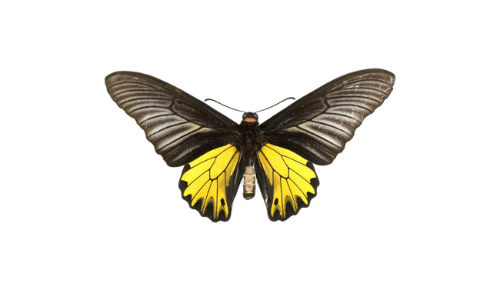
Nick Haddad is a Professor of Integrative Biology at Michigan State University and serves as the Director of the Long-Term Ecological Research (LTER) site at Kellogg Biological Station. His research focuses on ecological experimentation, particularly examining how habitat loss and fragmentation impact biodiversity and ecosystem functioning. He specializes in reversing these negative effects through landscape connectivity strategies and diversified working landscapes, with a strong emphasis on insect conservation, including critically endangered butterfly species. Role: Professor, Integrative Biology Directorship: KBS LTER Site Location: 322 Kellogg Biological Station Email: haddadn3@msu.edu Haddad's research spans habitat fragmentation, biodiversity conservation, climate change impacts, and agricultural sustainability. His lab conducts large-scale experiments like the Corridor Project and studies rare butterflies (e.g., St. Francis’ satyr, Miami blue) to understand extinction risks and recovery strategies. Recent work explores pesticide effects, prairie restoration, and long-term ecological trends. The 15 most recent publications highlight habitat fragmentation's ecological impacts, climate-driven phenological shifts, and innovative conservation approaches. Key themes include biodiversity monitoring, pesticide-driven declines, prairie restoration for pollinators, and climate adaptation strategies. His work leverages long-term datasets (e.g., 40-year LTER) and integrates theory with applied conservation. Lab activities include mentoring undergraduate and graduate students at KBS, leading the Haddad Lab, and collaborating on projects like the KBS-LTER and SRS Corridor initiatives. Research spans both terrestrial and agroecosystems, emphasizing actionable solutions for conservation and sustainable land use.