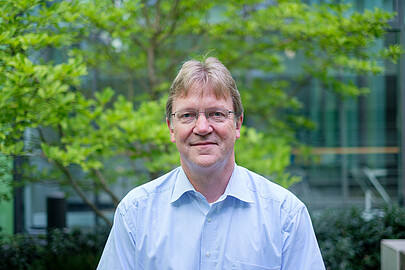
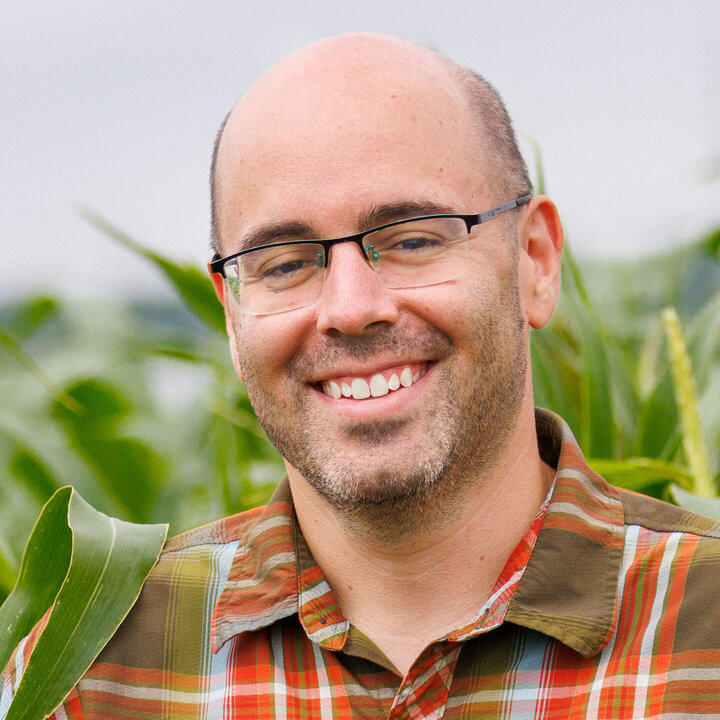
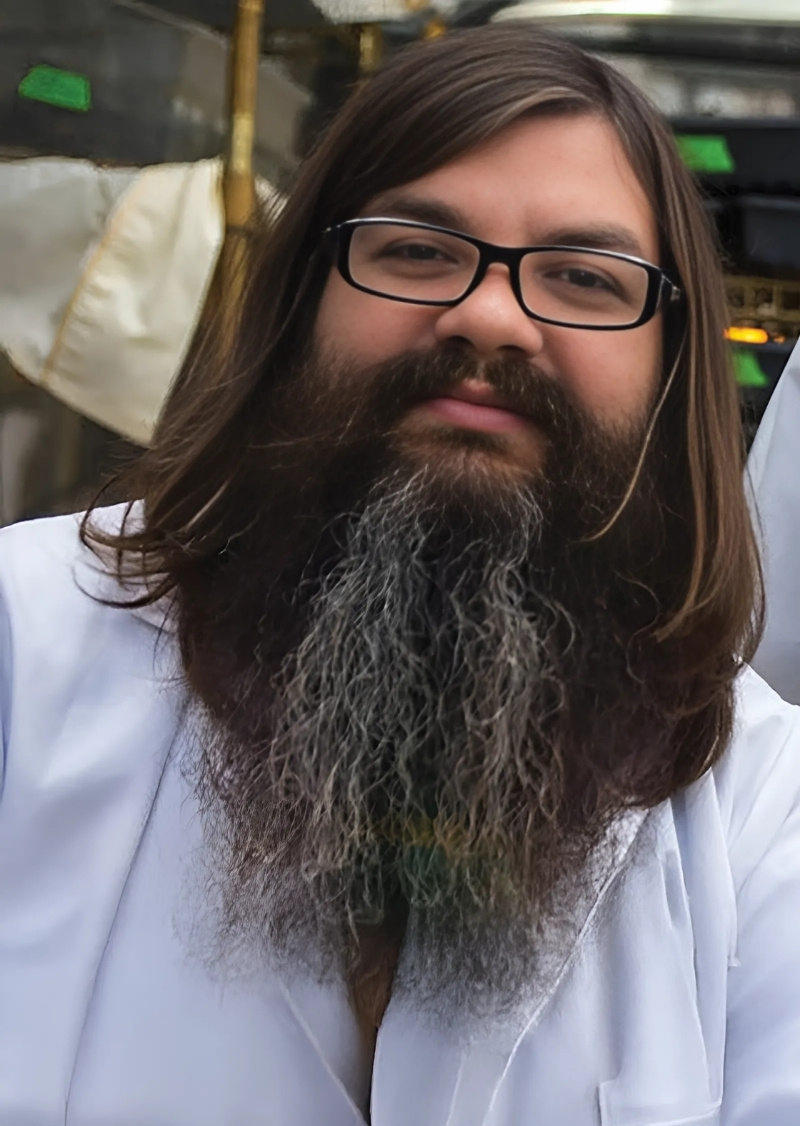
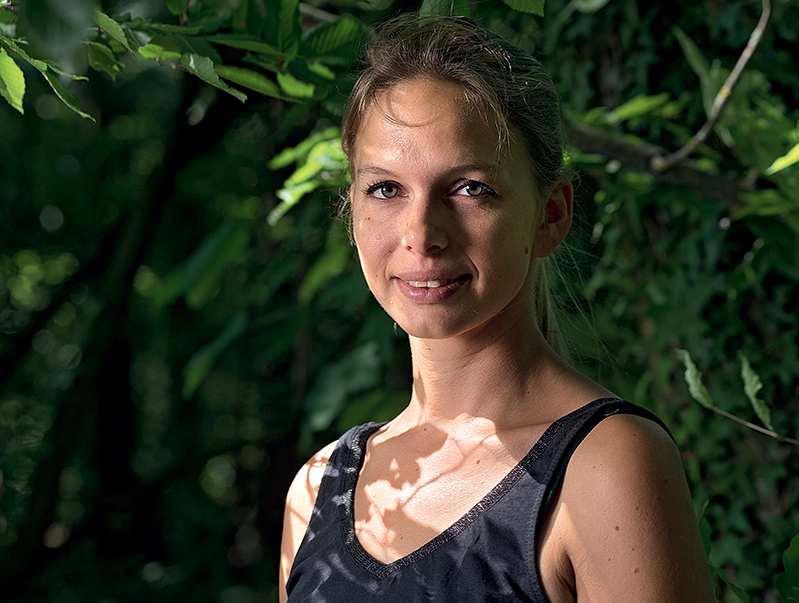
Professor Riikka Rinnan (University of Copenhagen) is a leading expert in ecosystem-atmosphere interactions, focusing on volatile organic compounds (VOCs) in Arctic environments. Her groundbreaking discovery of VOCs in permafrost has advanced climate prediction models, revealing complex interactions between climate warming, insect herbivory, microbial activity, and vegetation shifts. Current position: Professor, Department of Biology, University of Copenhagen Major research themes: Permafrost VOCs, Arctic climate feedbacks, plant-insect-microbial interactions International collaborations: China, Germany, Russia Her work combines field expeditions in extreme Arctic conditions with laboratory experiments and advanced VOC analysis. Climate warming experiments show VOC emissions could increase 40-fold with combined warming and insect attacks, while Arctic soils may act as unexpected VOC sinks. Key publications appear in Nature Communications , Nature Geoscience , and Global Change Biology . Riikka Rinnan has received prestigious awards including the EliteForsk Award, European Research Council Consolidator Grant, and Sapere Aude Research Leader. She leads international research teams, advises five PhD candidates, and supervises four postdocs (including two Marie Curie fellows). Her Siberian expedition plans demonstrate commitment to real-world scientific challenges.
Marcia R. Lee is an Associate Professor in the Department of Microbiology at Miami University, where she also serves as Director of Medical Laboratory Science. She is based in Pearson Hall and holds a D.V.M. from the University of Minnesota (1980). Her academic work bridges microbiology, medical laboratory science, and entomological applications of microbial physiology. Research Interests: Dr. Lee's research focuses on the use of ice-nucleating active (INA) bacteria and fungi to manipulate insect cold tolerance, particularly in freeze-intolerant pests like the Colorado potato beetle. She investigates how INA microbes reduce supercooling capacity, thereby decreasing insect survival in cold environments. Additionally, her lab studies the differential effects of antifungal agents on pathogenic fungi such as Aspergillus fumigatus , Fusarium oxysporum , and Candida albicans , with an emphasis on inhibiting hyphal growth and conidial germination using microtiter assays, flow cytometry, and fluorescent microscopy. Publication Trends: Her recent work demonstrates a consistent focus on microbial ecology, fungal biology, and biological pest control. The publications reflect interdisciplinary research combining microbiology, entomology, and environmental physiology, with applications in agriculture and clinical microbiology. Scientific Contributions: Published in journals such as Current Microbiology , Biological Control , CryoLetters , and Entomologia Experimentalis et Applicata . Presented at the Interscience Conference on Antimicrobial Agents and Chemotherapy (ICAAC). Advising and Grants: While specific students or grant funding are not listed in the text, her research program implies involvement in mentoring undergraduate and graduate researchers through laboratory projects and collaborative studies. Her work likely involves external or institutional support given the technical nature of the methodologies employed. Laboratory and Research Team: Dr. Lee leads a research laboratory focused on microbial applications in biological control and antifungal testing. Her team has collaborated with researchers such as R.E. Lee, L.A. Castrillo, and J.A. Wyman, indicating an active, collaborative research environment centered on microbial-entomological interactions.
Joshua Benoit is a Professor of Biological Sciences at the University of Cincinnati, specializing in insect physiology and stress biology. His research focuses on mechanisms of insect stress tolerance, hormonal regulation of metabolism, and reproductive physiology, with applications to vector biology and pest control. He holds a B.S. in Biochemistry from Wittenberg University (2005) and a Ph.D. in Entomology and Physiology from Ohio State University (2009). His work integrates molecular, organismal, and population-based approaches to study medically important insects such as mosquitoes, tsetse flies, and ticks. Key research areas include insect lactation, dehydration tolerance, and the role of insulin in nutrient regulation. He leads the Benoit Lab , which emphasizes training biologists in diverse techniques (bioinformatics, field research, lab methods). Dr. Benoit has secured over $4.5M in federal grants, including NIH and USDA funding for projects on mosquito hydration, tick biology, and parasite resistance. Recent studies explore how environmental stress impacts vector-borne disease transmission and insect reproductive bottlenecks. His work bridges fundamental biology and applied pest management strategies.
Professor David Bilton is a Professor of Aquatic Biology at the University of Plymouth and holds a Visiting Professorship at the University of Johannesburg's Department of Zoology. He serves as Deputy Director of the NERC ARIES Doctoral Training Partnership and leads postgraduate research activities in the Faculty of Science and Engineering. His research focuses on ecological and evolutionary questions using aquatic insects as models, with a strong emphasis on South African biodiversity. He has published over 200 papers and authored four books, contributing to global understanding of biogeography, conservation, and speciation. His teaching spans undergraduate modules in biodiversity, marine biology, ecology, and global change biology, with fieldwork in coastal ecosystems like South Africa's Western Cape. He supervises 6–10 student projects annually, covering topics from arthropod zoology to speciation mechanisms. His research highlights include discovering new species, analyzing thermal tolerance in insects, and assessing invasive species impacts. He has supervised 11 PhD students, contributing to projects on invertebrate dispersal, genetic diversity, and conservation strategies. Despite his extensive contributions, no scientific awards are explicitly mentioned in the provided texts. His work bridges field ecology with molecular techniques, advancing conservation efforts in aquatic ecosystems.
Katie Marshall is an Assistant Professor in the Department of Zoology at the University of British Columbia’s Faculty of Science. Her research focuses on the physiological and ecological mechanisms underlying species’ survival in cold environments, particularly in intertidal invertebrates and forest pest insects. She explores how low-temperature adaptation affects population growth and geographic range limits, aiming to predict climate change impacts on species distributions. Dr. Marshall is affiliated with the Biodiversity Research Centre and the Comparative Physiology Group, emphasizing interdisciplinary collaboration in ecology and evolutionary biology. Her work integrates biological and environmental disciplines, combining molecular studies with ecological observations. For instance, she investigates ice-binding proteins in marine invertebrates and metabolic adaptations in insects and mussels exposed to freezing conditions. She also utilizes advanced technologies like machine learning and DNA metabarcoding for species classification and ecosystem monitoring. Dr. Marshall’s research addresses key questions about why species have specific geographic ranges and how they might respond to environmental changes. Recent studies highlight themes such as the evolutionary origins of cold tolerance, the effects of temperature fluctuations on insect survival, and the interplay between climate variables and organismal physiology. She emphasizes understanding functional traits and eco-evolutionary dynamics to improve predictive models for species range shifts and ecosystem management. Though no specific scientific awards or grants are listed in the provided texts, her contributions to biodiversity and physiological ecology are evident through her active research and lab leadership. The Marshall Lab collaborates broadly within the Zoology Department and across UBC’s Biodiversity Research Centre to advance knowledge in these critical areas.
Felix Sperling is a Professor in the Biological Sciences Department at the University of Alberta's Faculty of Science. His research focuses on insect systematics, evolution, and biodiversity, with a particular emphasis on Lepidoptera (butterflies and moths) and Coleoptera (beetles). He leads the Sperling Lab, which integrates molecular genetics, morphological analysis, and computational tools to study speciation, phylogenetics, and conservation. Current projects include investigating mountain pine beetles, spruce budworms, and swallowtail butterflies, with applications to pest management and biodiversity preservation. Courses taught include BIOL 335 (Principles of Systematics), ENT 327 (Terrestrial Arthropod Diversity), and ENT 527 (Advanced Terrestrial Arthropod Diversity). His lab trains students in taxonomy and genomics, with recent alumni including Leah Jackson (MSc 2024), Oksana Vernygora (PhD 2020), and Victor Shegelski (PhD 2020). The lab’s work frequently involves collaborations with museums and conservation agencies, leveraging natural history collections and genomic data to address ecological and evolutionary questions. Notable achievements include groundbreaking studies on species delimitation in butterflies and beetles, as well as the development of interactive tools for taxonomic analysis. The lab has also contributed to understanding the genetic basis of dispersal in forest pests like the mountain pine beetle.
Heath MacMillan is an Associate Professor in the Department of Biology at Carleton University, Faculty of Science. His research focuses on integrative insect physiology, particularly how environmental stressors like extreme temperatures, microplastics, and dietary changes affect molecular, biochemical, and whole-organism performance. Research Themes: Cold tolerance mechanisms, ionoregulatory collapse, microplastic pollution impacts, thermal acclimation physiology, and nutritional ecology for edible insects. Model Systems: Drosophila melanogaster, Gryllodes sigillatus, Aedes aegypti, and tropical butterflies. Techniques: Transcriptomics, metabolomics, in vitro osmoregulation assays, thermal gradient devices, and fluorescent microplastic tracking. His lab collaborates with Environment and Climate Change Canada, Dr. Jennifer Provencher, and Entomo Farms to address both fundamental physiological questions and applied problems in sustainable insect protein production. Current work explores how thermal plasticity and cross-tolerance mechanisms interact with ecological stressors like hypoxia and desiccation. Publications highlight his team's development of the ionoregulatory collapse model for cold tolerance, discovery of microplastic impacts on cricket growth, and characterization of thermal acclimation's role in maintaining central nervous system function. Research integrates molecular mechanisms with ecological predictions about species distribution and abundance under climate change. Lab opportunities emphasize collaborative, interdisciplinary work across physiology, biochemistry, and ecology. Graduate students and postdocs are encouraged to develop independent projects within the lab's existing frameworks. Undergraduates gain hands-on experience through volunteer work and independent studies.
Vincent Foray is a Researcher at the University of Tours, affiliated with the Research Institute on Insect Biology (IRBI) and the Department of Animal Biology and Genetics. He specializes in thermal biology, symbiotic interactions, and the impacts of climate change on insects. His work focuses on how temperature and endosymbiotic bacteria influence insect phenotypes and fitness, particularly in aphids. Research themes include: (1) Thermal biology, exploring how temperature fluctuations affect insect performance and adaptation, and (2) Symbiotic interactions, studying the role of endosymbionts like Serratia symbiotica and Wolbachia in thermal tolerance and host-symbiont dynamics. He teaches courses in population genetics and organism biology. Publications span topics like aphid-parasitoid dynamics, microbial symbiont effects on host fitness, and thermal adaptation mechanisms. Collaborations include studies on Drosophila suzukii invasions and metabolic impacts of dietary shifts. His work is grounded in integrative approaches combining molecular, physiological, and behavioral data.
Dr. Michael Dillon is Professor and L. Floyd Clarke Chair in Zoology and Physiology at the University of Wyoming. He studies insect responses to environmental challenges across elevation gradients. Education includes a PhD in Biology from the University of Washington. Research integrates field studies with physiological measurements to understand thermal adaptation, flight energetics, and overwintering strategies in bumble bees. Current NSF-funded projects investigate molecular mechanisms of cold tolerance and climate impacts on alpine insects. Recent publications demonstrate advances in microclimate modeling, metabolomic profiling, and functional genomics in ecophysiology. Research consistently addresses how climate variability affects insect persistence across spatial scales. Awards include the Presidential Scholarly Achievement Award and endowed chair recognition. Current advisees include doctoral candidates studying overwintering physiology, flight adaptations, and thermal performance.
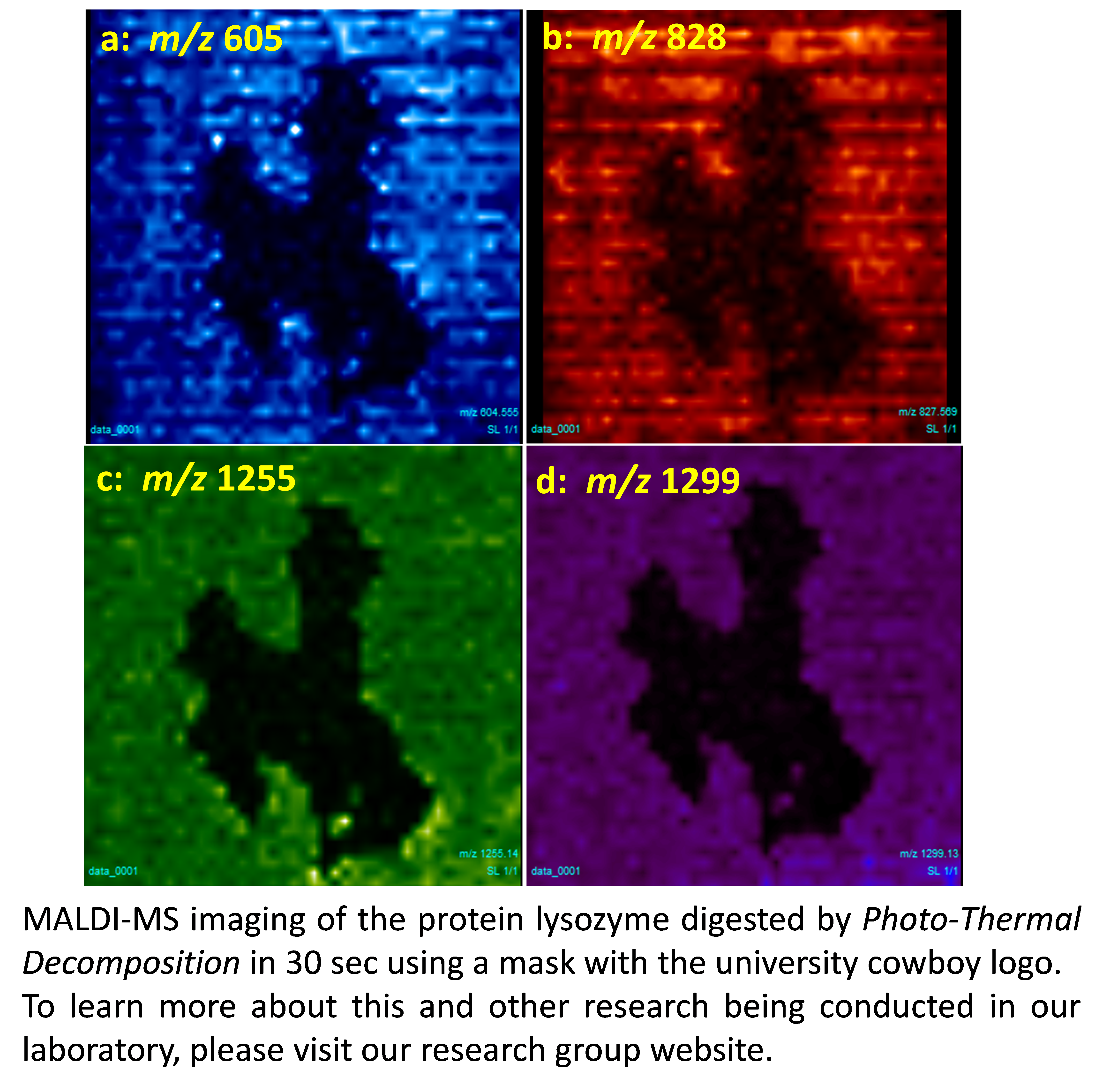
Franco Basile is a Professor in the Department of Chemistry at the University of Wyoming, specializing in Analytical Chemistry and Bioanalytical Mass Spectrometry . His research focuses on developing rapid, non-enzymatic sample preparation techniques for proteomics and metabolomics of biological and environmental samples, including microorganisms, bees, plants, and coal deposits. Education: B.S. in Chemistry (University of Wisconsin-Eau Claire, 1985), Ph.D. in Analytical Chemistry (Purdue University, 1992) Research Interests include: Analytical Mass Spectrometry : Pioneering thermal/microwave digestion for on-tissue proteomics and imaging-MS Metabolomics and Lipidomics : Analyzing root exudates, invasive grasses, and insect cold tolerance Microbial Ecology : Investigating sterol synthesis in bacteria and soil metaproteomics Article Trends span from 2025 to 2012 , emphasizing MALDI- and ESI-MS applications in proteomics, metabolomics, and environmental analysis. Recent work includes non-intrusive laser techniques for protein denaturation monitoring and sterol gene studies in planctomycetes. Scientific Awards : NSF CAREER Award R&D 100 Award ACS Outstanding Professor Award Lindbergh Foundation Research Award Funding sources include NSF, NIH, USDA, and DTRA for projects on insect cryobiology , microbial methane production , and field-portable biodetection systems . The Biodetection and Mass Spectrometry Laboratory houses advanced instrumentation like Q-Exactive HF-X Orbitrap and MALDI-ToF/ToF-MS, supporting interdisciplinary collaborations across ecology, geology, and biomedical sciences.
Dr. Rainer Meyhöfer is an Adjunct Professor at the Department of Phytomedicine , Institute for Horticultural Production Systems , within the Faculty of Natural Sciences at Leibniz University Hannover . His work focuses on biological control strategies for greenhouse and field pests, particularly whiteflies and thrips. Key research areas: Biological Control , Integrated Pest Management , Entomology , Sustainable Agriculture Recent projects include the LuMoS initiative (2024-2027) for mobile LED-laser pest systems and ORDIAmur (2019-2022) analyzing soil mesofauna in replant disease. His 93+ publications emphasize light-based pest monitoring, plant resistance mechanisms, and natural enemy conservation. Advising 12 theses , he has mentored researchers on topics ranging from thrips resistance in chrysanthemums to endophyte impacts on insect pests. Collaborative grants with institutions like the Julius Kühn Institute highlight his interdisciplinary approach.
James Schnable serves as the Charles O. Gardner Professor of Agronomy in the Department of Agronomy and Horticulture at the University of Nebraska-Lincoln. His research integrates genomic, phenomic, and environmental data to advance crop breeding methodologies for maize and sorghum, with particular emphasis on climate-resilient varieties. Dr. Schnable's research program spans plant genomics , high-throughput phenomics , and quantitative genetics , focusing on genetic dissection of nitrogen use efficiency, photosynthetic traits, and stress tolerance mechanisms. His laboratory pioneers UAV- and satellite-based phenotyping systems, machine learning applications for image analysis, and genomic prediction models that bridge genotype-phenotype gaps under variable environmental conditions. Key innovations include nighttime fluorescence phenotyping to reduce environmental noise and spectral feature extraction for accelerated trait assessment. Analysis of his 2021-2025 publications reveals consistent leadership in genotype-environment interaction studies and computational phenotyping , with dominant themes including transcription factor binding site variation explaining heritability, nonphotochemical quenching kinetics in stress responses, and scalable satellite-based yield prediction methods. His work frequently employs the Genomes to Fields Initiative infrastructure for multi-state field validation. Charles O. Gardner Professorship Dr. Schnable directs an active research program involving advanced sensor networks, genomic selection pipelines, and multi-institutional field trials. His team develops computational frameworks like PlantSegNet for 3D plant reconstruction and SPARC-LoRa for agricultural IoT applications. While specific grant details aren't provided in source materials, his extensive publication record in high-impact journals indicates sustained funding from major agricultural research programs. The laboratory maintains cutting-edge phenotyping infrastructure including UAV fleets, hyperspectral imaging systems, and gas sensor networks for early stress detection. Current projects focus on nitrogen-responsive growth trajectories, chilling tolerance mechanisms in panicoid grasses, and gut microbiome interactions with grain composition, reflecting an integrative approach from molecular mechanisms to field performance.
Uwe Hacke is a Professor in the Department of Renewable Resources at the University of Alberta, serving as Graduate Program Coordinator. His research focuses on tree-water relations, xylem hydraulics, and climate change impacts on forests. Key interests include drought resistance, embolism dynamics, and phloem function. He has received prestigious awards, including the David J. Gifford Award (2017) and the Tier 2 Canada Research Chair (2007–2016). Research highlights include studies on xylem vulnerability to drought, foliar water uptake mechanisms, and adaptation strategies of boreal tree species to climate shifts. His work bridges plant physiology and ecology, addressing critical questions about tree survival under environmental stressors. Teaching responsibilities include courses on plant science and research methodology. Awards: 2017: David J. Gifford Award in Tree Biology 2013: CD Nelson Award for Plant Biology Research 2008: Faculty Teacher of the Year Grants: Tier 2 Canada Research Chair (2007–2016) Research emphasizes the interplay between hydraulic architecture, environmental stress, and tree resilience. Collaborative projects explore assisted migration strategies for boreal species, such as white spruce, under changing climates. Lab activities focus on xylem embolism, aquaporin regulation, and seasonal callose deposition dynamics.
Glen Hood is an Associate Professor in the Department of Biological Sciences at Wayne State University's College of Liberal Arts and Sciences, specializing in evolutionary ecology and speciation. His research examines multi-trophic interactions using insect-plant systems, particularly Rhagoletis fruit flies and oak gall wasps, with applications in urban evolution and environmental monitoring. His educational background includes: B.Sc. in Biology from Texas State University (2006) M.Sc. in Population and Conservation Biology from Texas State University (2009) Ph.D. in Biological Sciences from the University of Notre Dame (2016) Post-Doctoral Fellowship at Rice University (2016-2018) Hood investigates adaptation mechanisms through ceccidology (gall formation) and phytoscreening (using plants as pollution detectors), focusing on how host shifts, geographic isolation, and life history traits drive speciation. His work integrates genomic approaches with field studies across trophic levels, from host plants to parasitoids. His publication analysis reveals dominant themes in speciation-with-gene-flow, diapause timing, and urban evolutionary responses. Recent work emphasizes parallel adaptation in global urban environments through the GLUE project and Wolbachia-mediated reproductive isolation in agricultural pests. Hood leads the Hood Lab, which explores evolutionary processes in natural and urban ecosystems. His research has been featured in media for explaining earwig behavior, phytoscreening applications, and northward expansion of disease vectors like kissing bugs. He teaches core courses including General Ecology and General Entomology. Actively involved in the Global Urban Evolution Project (GLUE), Hood studies white clover adaptation across 160 cities worldwide. His grant-funded research examines insect-plant coevolution and urban environmental impacts, while mentoring graduate students and collaborators in evolutionary biology.
Cleo Bertelsmeier is an Associate Professor in the Department of Ecology and Evolution at the University of Lausanne (UNIL), Faculty of Biology and Medicine, a position she has held since November 1, 2023. She leads the Bertelsmeier Group, focusing on invasion ecology, particularly the spread and establishment of invasive insects in the context of globalization and climate change. Education: 2006: German Abitur & French Baccalaureate, Frankfurt, Germany 2006–2009: Bachelor of Biology, University of Oxford, United Kingdom 2009–2010: Master’s in Ecology, Biodiversity and Evolution, University of Paris XI, France 2010–2013: Doctorate in Ecology, Systematics and Evolution, University of Paris XI, France 2014: Postdoctoral Fellow, Institute of the Environment, University of Adelaide, Australia 2015–2018: Postdoctorate, Department of Ecology and Evolution, UNIL Her research centers on two major themes: (1) the global spread of invasive species driven by trade and human mobility, and (2) the establishment of these species under novel climatic conditions. She frequently uses ants as model organisms due to their ecological diversity and invasive success. Her work combines macro-ecological modeling, data analysis, and experimental approaches to understand invasion dynamics across spatial and temporal scales. She investigates how historical socio-economic processes, trade networks, and climate filtering influence invasion patterns, and whether invasive species undergo niche shifts or use behavioral buffering to survive in new environments. Her recent publications reveal trends in global insect invasions, the role of plant introductions in facilitating insect invasions, climatic filtering in establishment, and the homogenization of ant communities worldwide. She has also explored citizen science for monitoring ant biodiversity and the risks associated with the pet trade. Scientific Awards: Young Researcher in Basic Sciences Award, FBM (2018) FBM Communication Award (2020) Sandoz Family Foundation's Academic Success Program (2020) ERC Starting Grant (2022) for the SPREAD project on globalized trade and insect invasions She advises several PhD and Master’s students, including Aymeric Bonnamour, Olivia Bates, and Gyda Fenn-Moltu. Her group has secured significant research funding, notably the ERC grant, and collaborates widely. She has also authored the popular science book The Secret Wars of the Ants - Sex, Murders and Territorial Invasions (2019). The Bertelsmeier Group is an active research team comprising postdocs, graduate students, and scientific collaborators. They investigate invasion ecology using interdisciplinary methods and contribute to public understanding through media engagement and outreach.