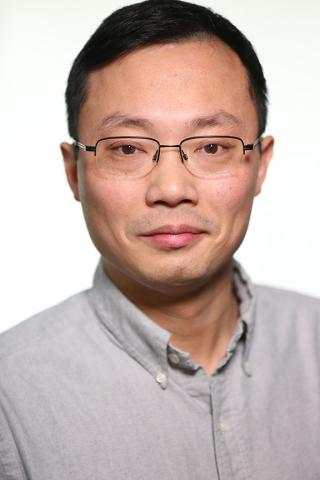
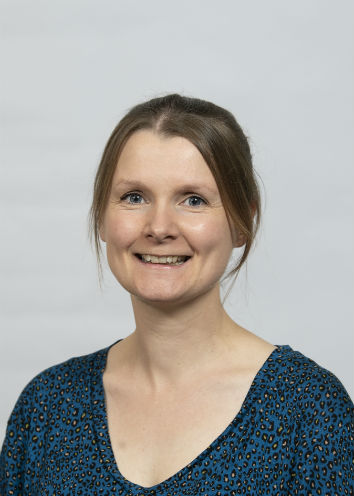
Professor Jacob Höglund is a distinguished academic at Uppsala University, where he serves as Professor of Animal Conservation Biology in the Department of Ecology and Genetics, specializing in Animal Ecology. His research focuses on the importance of genetic variation for the persistence of small and fragmented populations, with primary emphasis on vertebrates though he has also contributed to insect conservation projects. Höglund has held significant positions at Uppsala University, including: Professor, Animal Conservation Biology, Department of Ecology and Genetics (2006-present) Head of Department, Division of Population Biology and Conservation Biology (1999-2005) Senior lecturer/Associate Professor in Evolutionary Biology, Department of Zoology (1993-1998) Assistant Professor, Department of Zoology (1989-1993) Höglund's research program spans conservation genetics, population genomics, and evolutionary biology, with particular emphasis on understanding how genetic variation influences population viability. His work frequently examines MHC (Major Histocompatibility Complex) diversity, population structure, and the application of genomic approaches to conservation challenges. While primarily focused on avian species (particularly grouse and other game birds), his research extends to amphibians, mammals, and insects, reflecting a broad ecological perspective on conservation genetics. His recent publications reveal a strong trend toward applying cutting-edge genomic techniques to conservation problems. Höglund has been instrumental in developing chromosome-level genome assemblies for threatened species, analyzing population structure and genetic diversity, and investigating the impacts of inbreeding and outbreeding depression. His work often combines field studies with sophisticated genomic analyses to address critical questions in wildlife conservation. Höglund has made significant contributions to bridging the gap between genomic research and practical conservation applications, helping establish frameworks for using genomic data in conservation decision-making for species with small or fragmented populations. His collaborative research spans multiple continents and involves numerous international partners, reflecting the global relevance of his work in conservation genomics.