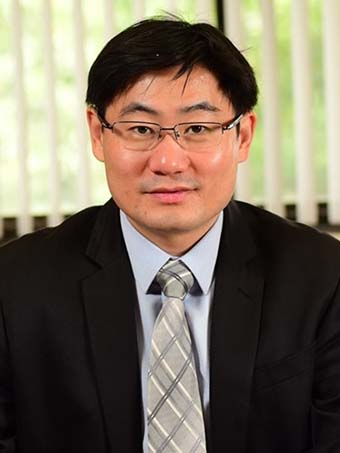
Professor CHEN Wei (National University of Singapore) holds the Provost's Chair Professorship (2023-2026) and serves as Vice-Dean (Research) with joint appointments in the Departments of Chemistry and Physics. His research focuses on molecular-scale interface engineering for 2D materials-based devices and interface-controlled nanocatalysis in energy/environmental applications. PhD in Material Science, NUS (2004) Lee Kuan Yew Research Fellow (2006-2008) Established Surface and Interface Lab (2009) Director, NUS Research Institute (Fuzhou) His work on 2D optoelectronic memory (Nat. Comm. 2018), Kagome lattice design (Nano Lett. 2020), and single-atom catalysis (Nat. Comm. 2021) has been recognized by multiple high-impact publications and the Clarivate Highly Cited Researcher status (2017-2021). Awards include the NRF Investigatorship (2023) , Mitsui Chemicals-SNIC Industry Award (2020) , and Singapore Young Scientist Award (2012) . Grants from NUS, Singapore MOE, CREATE/CRP programs, and A*STAR support his exploration of interface engineering for neuromorphic computing and energy-efficient nanocatalysts . Current projects include monolayer blue phosphorus synthesis and solid electrolyte interphase engineering for lithium batteries.
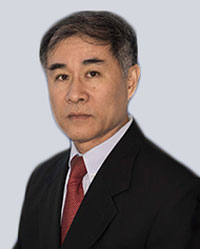
Prof. Li LU is a Professor at the Department of Mechanical Engineering, National University of Singapore (NUS). His research focuses on energy storage materials, ferroelectric systems, and advanced battery technologies. He holds editorial roles at Functional Materials Letters and Materials Technology – Advanced Functional Materials . Education: PhD from KU Leuven (Belgium), M.Eng and B.Eng from Tsinghua University (China). Research interests include thin film deposition, nanostructured materials, and solid-state electrolytes. His work addresses challenges in lithium/ sodium-ion batteries, solid-state interfaces, and high-performance energy storage systems. Recent studies emphasize aerosol deposition techniques, composite electrolytes, and interfacial stability. Publications highlight advancements in battery materials and electrolyte design. Notable contributions include ultra-stable sodium-ion batteries, ferroelectric-engineered electrolytes, and optimizing lithium metal anodes. His research bridges fundamental material science with practical energy solutions.
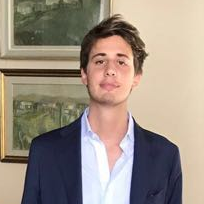
Dr. Tommaso Marcato is a Lecturer at the Department of Chemistry and Applied Biosciences, ETH Zürich. He earned his MSc in Chemical and Bioengineering from ETH Zürich after completing his BSc in Chemical Engineering at Politecnico di Milano, Italy. His research focuses on perovskite light-emitting diodes (PeLEDs), emission anisotropy, and light-outcoupling efficiency, with a particular emphasis on transition dipole moment orientation and nanocrystal self-assembly. His publications span topics such as Stabilization of CsPbI₃ nanoplatelets via metal iodide doping Molecular orientation engineering in OLEDs Ultraflexible self-powered optoelectronics Electroluminescent metasurfaces using perovskite nanocrystals His work aims to overcome photon trapping in devices by manipulating emitter orientation and exploring quantum confinement effects. Dr. Marcato's recent articles (2019–2025) demonstrate expertise in Hybrid perovskite systems Quantum dot applications Photonic device architecture Surface passivation techniques . He is part of the Shih group at ETH Zurich and has received funding from ETH-33 18-2 for his research on graphene-templated molecular alignment in LEDs.
Dr. Sungjin Kim is an Assistant Professor in the Department of Chemical and Biological Engineering at The University of New Mexico (UNM). He earned his Ph.D. in Materials Science and Engineering from MIT (2020) as a Samsung Scholarship Fellow, with prior degrees from KAIST (M.S. 2011, B.S. 2009) and exchange experience at Georgia Tech (2008). His research focuses on bioinspired, energy-efficient materials design for sustainability and healthcare. Education: Ph.D., MIT (2020) M.S. and B.S., KAIST (2011, 2009) Exchange Student, Georgia Tech (2008) Research Interests: Dynamic crosslinking in polymers, bioinspired mineralization for CO2 utilization and hard-tissue engineering, vitrimers for recyclable composites, and sustainable additive manufacturing. His work bridges fundamental chemistry (e.g., metal-coordinate bonds) and applied engineering (e.g., 3D printing). Notable Publications (2025-2022): Explore polyisocyanurate foams, dynamic vitrimer composites, and bioinspired mineralization strategies. Common themes include sustainable materials, dynamic bonding, and hybrid organic-inorganic systems. Awards: Samsung Scholarship Fellow (2014-2019) Government Scholarship (Korea, 2009-2011) Research Report of the Year Award (2012, SKC Co., Ltd.) Outstanding New Researcher Award (2011, SKC Co., Ltd.) Students: Advisees include graduate students Leila Shahriari and Michael Nelwood, and undergraduates Tyrus Antonson and Jacqueline Buenviaje. Former members include Catherine Biju (M.S. candidate) and Lillian Elam (undergraduate).
Michael McAlpine is a Professor in the Mechanical Engineering department at the University of Minnesota . He also holds affiliations with the Biomedical Engineering and Electrical and Computer Engineering departments. His research focuses on 3D printing functional materials & devices , Nanoscale inks , Biomedical devices , Bioelectronics , and Flexible Microsystems . Research Interests : 3D Printing, Biomedical Engineering, Nanotechnology, Flexible Electronics, Microfluidics Labs : ME 361/363 Contact : mcalpine@umn.edu , (612) 626-3303, ME 117 Recent Research Trends include 3D Printed Biomedical Devices , Flexible Electronics , and Bioprinting Applications . His work spans from Spinal Organoid Formation to Programmable Drug Release Capsules . Scientific Award : Circulation Research 2020 Best Manuscript Award
Stéphane BAUDRON is a CNRS Research Director at the Laboratory for the Synthesis and Functions of Molecular Architectures within the Faculty of Chemistry at the University of Strasbourg. His research spans multiple areas of molecular materials chemistry, with particular expertise in coordination polymers, metal-organic frameworks, and supramolecular architectures. Dr. BAUDRON's educational background includes undergraduate studies at the National School of Chemistry of Paris (1998), a Ph.D. from the University of Angers under Dr. Patrick Batail (2002), and postdoctoral research at the University of California Berkeley with Prof. Jeffrey R. Long (2002-2004). He joined CNRS as a researcher in 2004, received his Habilitation from the University of Strasbourg in 2009, and was promoted to CNRS Research Director in 2019. His primary research interests focus on dipyrrin-based complexes and assemblies for luminescent materials and heterometallic frameworks, conducting coordination polymers using redox-active ligands, and the application of deep eutectic solvents for sustainable synthesis of porous materials. His work bridges fundamental coordination chemistry with practical applications in materials science. Analysis of his recent publications reveals a strong trend toward green chemistry approaches for synthesizing metal-organic frameworks, with increasing focus on deep eutectic solvents as environmentally friendly alternatives to traditional solvents. His research spans both fundamental coordination chemistry and applied materials science, with particular emphasis on structure-property relationships in crystalline materials. Lavoisier fellowship (French Ministry of Foreign Affairs) JSPS short-term invitation fellowship at Kyoto University USIAS fellowship ANR DEEPCatCOF project (Principal Investigator) Dr. BAUDRON has successfully mentored numerous graduate students who have gone on to careers in both industry and academia, including positions at Michelin, BASF, and various universities. His current research is supported by multiple grants, including the ANR DEEPCatCOF project focused on deep eutectic solvents for catalytic metal-organic frameworks. His laboratory maintains strong international collaborations with research groups in Japan, Portugal, and other European institutions. Based at the University of Strasbourg's Institute Le Bel, Dr. BAUDRON leads a research team within the Laboratory for the Synthesis and Functions of Molecular Architectures, which is part of the larger Faculty of Chemistry structure. His group actively collaborates with other laboratories within the chemistry faculty, particularly those working on spectroscopy, mass spectrometry, and molecular modeling.
Professor Hala Zreiqat AM is a leading biomedical engineer at The University of Sydney , serving as the Director of the ARC Training Centre for Innovative BioEngineering . A Fellow of all major Australian academies (AAS, ATSE, FAHMS, FRSN), she develops 3D printed bioceramics for bone regeneration while championing diversity through initiatives like the IDEAL Society and BIOTech Futures mentorship program. Her work bridges academia, clinical practice, and industry in musculoskeletal research . Research Focus: Her lab creates synthetic bone scaffolds that mimic natural bone architecture, strength, and porosity, enabling non-rejected bone regeneration via patient-matched implants. Key applications include orthopaedic, dental, and maxillofacial repair , with over $18M in competitive funding and multiple patents. Current projects explore AI-driven scaffold performance prediction and anti-senescence strategies for aging-related bone loss. Scientific Trends: Recent publications highlight 3D printed nanovoxelated ceramics , antisenescence biomaterials , and multifunctional theranostic platforms . Her team integrates machine learning for scaffold design, atom probe tomography for interface analysis, and two-photon imaging for cellular monitoring in 3D environments. 2021-2022 Fulbright Senior Scholar 2018 NSW Premier's Woman of the Year 2019 Eureka Prize for Innovative Use of Technology Fellow of Australian Academy of Science (2021) Over $18M in research funding Teaching & Leadership: She designed core courses like Tissue Engineering and Nanomaterials in Medicine , mentoring 158 students in 2020 alone. As Chair of CAAR (2020-2023), she strengthens Australia-Arab collaborations. Her lab trains early-career researchers , with alumni now in academia and industry.
Kumar Varoon Agrawal is an Associate Professor at École Polytechnique Fédérale de Lausanne (EPFL), holding the Gaznat Chair for Advanced Separations. He is affiliated with the School of Basic Sciences (SB), the Institute of Chemical Sciences and Engineering (ISIC), and the Laboratory of Advanced Separations (LAS) in Sion, Switzerland. Additionally, he contributes to the Swiss Doctoral School in Chemical and Bioengineering (SCGC) and serves as Vice President of the Confédération des Chimistes et des Génie Chimique (CCE). Research Focus: Material Chemistry & Engineering at the Ångström scale for high-performance inorganic and hybrid membranes, emphasizing energy-efficient molecular separations. Teaching: Courses include Fundamentals of separation processes , Diffusion and mass transfer , and Chemical engineering product design . Scientific Contributions: His 15 most recent publications (2025-2020) span topics like graphene pore engineering , 2D material synthesis , carbon capture , and gas separation membranes , with keywords such as Nanotechnology , Materials Science , and Molecular Transport . Subfields include Atomic-Scale Pores , Membrane Stability , and Industrial Scalability . Students and Collaborations: He advises 10 current PhD students and has mentored 9 past PhD candidates in areas like graphene membranes , ion separation , and MOF films . He is an Academic Referent for the EPFL Carbon Team and a committee member for the EDCH Doctoral Program in Chemistry and Chemical Engineering.
Professor George Britovsek (FRSC) is a leading figure in catalysis and sustainable carbon management at Imperial College London . As Director of the MRes in Catalysis & Engineering and Head of Teaching in Inorganic Chemistry, he bridges academic leadership with cutting-edge research. His work focuses on transition metal complexes for converting ethylene , alkanes , biomass , and CO₂ into valuable chemicals and fuels through industrial collaborations. Education : M.Sc. (Technical University of Aachen, 1990), Ph.D. (Aachen, 1993) under Prof. W. Keim Postdoctoral Training : University of Tasmania (1994-1996), Imperial College London (1996-2000) His research interests span: Selective oxidation of alkanes using bio-inspired iron complexes Alkene conversions to functional polymers via novel catalysts CO₂ valorization into polymers and cyclic carbonates Biomass-derived feedstocks for chemical synthesis Recent catalysis trends highlight his work on: Designing Fe-N/C catalysts for epoxidation Developing PN3P pincer ligands for H₂ activation Creating degradable polyethylene via iron-catalyzed chain growth Modeling alternating α-olefin distributions in chromium systems Awards : Fellow of the Royal Society of Chemistry (FRSC) Students & Collaborators actively engage in: Photocatalytic polymer degradation Electrocatalytic CO₂ conversion Functionalized polymeric materials 3D-printed catalytic scaffolds His Britovsek Research Group operates at the Molecular Sciences Research Hub, White City Campus, advancing both homogeneous and heterogeneous catalysis through experimental and computational approaches.
Professor Kevin Sivula is a Full Professor of Chemical Engineering at École Polytechnique Fédérale de Lausanne (EPFL), where he leads the Laboratory of Molecular Engineering of Optoelectronic Nanomaterials (LIMNO) and serves as Director of the Institute of Chemical Sciences and Engineering (ISIC). He teaches courses on Transport Phenomena, Chemical Engineering Practicals, Product design, and solar energy conversion systems. His research focuses on photoelectrochemical solar energy conversion, particularly developing novel nanomaterials for renewable energy applications. Professor Sivula's work bridges chemical engineering, materials science, and renewable energy technologies with emphasis on solar water splitting and hydrogen production. His research group explores organic semiconductors, transition metal dichalcogenides, perovskite materials, and metal oxide photoelectrodes for solar fuel generation. Professor Sivula's recent publications (2023-2025) demonstrate his leadership in advancing perovskite solar cell technology, developing novel photoelectrochemical systems for hydrogen production, and engineering semiconductor interfaces for improved energy conversion efficiency. His work spans fundamental materials characterization to device engineering, with particular emphasis on stability and scalability of solar fuel production systems. As an academic leader, Professor Sivula has supervised numerous PhD students whose research spans organic semiconductor nanoparticles for solar hydrogen production, perovskite materials engineering, photoelectrochemical CO 2 reduction, and nanomaterials for energy conversion. His research has been supported by various grants focused on advancing sustainable energy technologies.
Kay Severin is a full professor at the Laboratory of Supramolecular Chemistry (LCS) within École Polytechnique Fédérale de Lausanne (EPFL) , Switzerland. His research focuses on the design and reactivity of metal-ligand assemblies, including coordination cages, metalloligands, and supramolecular receptors. He has pioneered the use of metalloligands for constructing heterometallic architectures and developed systems for anion extraction and stimuli-responsive hydrogels. Key funder: Swiss National Science Foundation (FNS) Collaborative work with Rosario Scopelliti and Farzaneh Fadaei Tirani Research Interests: Severin's work spans supramolecular chemistry, organometallic synthesis, and functional materials. Recent projects include: Dynamic palladium-based hydrogels with anion-responsive crosslinks Gold(I)-driven nano-onion structures via π-stacking Triazene-derived ligands for Sandmeyer-type reactions Metalloligand assembly of Fe/Pd/Au heterotrimetallic cages Publication Trends: Over 300 publications since 1994, with recent emphasis on: Coordination-driven self-assembly (2024: 6 articles) Triazene and diazoolefin reactivity (2025: 4 articles) Metal-ligand interactions in nanogels and vesicles (2024-2025: 3 articles) Environmental applications in anion extraction (2025: 1 article)
Andreas Jentys is a Professor at the Department of Technical Chemistry within the TUM School of Natural Sciences at Technische Universität München (TUM). His research focuses on understanding surface reactions and transport phenomena in mesostructured, micro- and mesoporous oxides with acid/base or redox properties, as well as supported metal catalysts for gas and condensed phase reactions. He prepares materials with tailored functionality and studies their sorptive and catalytic properties using in situ electron and vibrational spectroscopy combined with microkinetic experiments. Education: PhD (Dr. techn.) in Chemistry from TU Wien (1991) Postdoctoral: Royal Institution of Great Britain (1992-1993) with Prof. Richard Catlow Academic Career: TU Wien (1998: Associate Professor), TUM (1999: Senior Scientist; 2011: Professor) Teaching: Active in TUM Asia since 2006 Research interests span catalysis, surface chemistry, material science, and chemical reaction engineering. He specializes in zeolites, bimetallic catalysts, and in situ spectroscopic methods. Recent work examines: Hydrogen evolution and carbon-carbon coupling on Cu Methane activation via Co²⁺ sites in ZSM-5 Photocatalytic systems using metal-organic frameworks Solvent effects in palladium-catalyzed hydrogenation CO₂ hydrogenation over bifunctional catalysts Publications trend toward heterogeneous catalysis, with emphasis on: Design of mesoporous and microporous materials Characterization of metal clusters and oxo species Microkinetic modeling of catalytic systems Environmental applications (NOx/CO₂ reduction) Hydrogen and hydrocarbon processing Teaching includes courses on: Reaction Engineering and Kinetics Industrial Chemical Processes I & II Fundamentals of Catalysis TC Praktikum (internship)
Prof. Dr. Saim Özkar is a distinguished Professor in the Department of Chemistry at Middle East Technical University (METU), Ankara, Turkey. He earned his BS (1972) and MSc (1972) from the Technical University of Istanbul and his PhD (1976) from the Technical University of Munich, Germany. His career includes roles as Assistant Professor (1979–1982), Associate Professor (1982–1988), and full Professor (1988–present) at METU, with visiting positions at the University of Toronto and Colorado State University. His research focuses on homogeneous and heterogeneous catalysis , transition metal nanoparticles , hydrogen storage materials , and organometallic chemistry . Key areas include catalytic hydrogen release from solid-state storage systems and nanoparticle synthesis for sustainable energy solutions. Özkar has published extensively on nanocatalysts for hydrogen generation, with recent work emphasizing ruthenium, rhodium, and nickel nanoparticles. His articles consistently explore catalytic efficiency, stability, and applications in green energy. Awards & Grants: Science Prize, Scientific and Technical Research Council of Turkey (1996) Permanent Member, Turkish Academy of Sciences (1996) Fulbright Scholarship (2000), Volkswagen Foundation Grants (1982–1984, 1992–1994), NATO Research Grant (1981–1983) He has mentored students including Prof. Dr. Yalçın Tonbul and Dr. Joydev Manna. His lab specializes in advanced nanocatalyst design and collaborates with international institutions like Colorado State University.
Dr. Rajendra Kurapati is an Assistant Professor at the School of Chemistry , Indian Institute of Science Education and Research Thiruvananthapuram (IISER TVM) . His research focuses on biodegradable 2D materials for biomedical applications, addressing nanomaterial biopersistence issues through enzymatic degradation studies. He leads the Biomaterials Lab and collaborates with institutions across France, Ireland, Portugal, and the UK. Born in Andhra Pradesh, India B.Sc. & M.Sc. in Chemistry (Acharya Nagarjuna University, University of Hyderabad) Ph.D. in Materials Engineering (Indian Institute of Science, 2014) Postdoc: CNRS Strasbourg (2014-2017), CÚRAM Galway (2018-2020) His research explores 2D material-biopolymer hybrids for drug/gene delivery , nanotheranostics , and antimicrobial coatings . Key article trends include: Graphene/MoS2 biodegradation by human enzymes Antibacterial coatings for medical implants Microplastics' environmental impact Lipid nanoparticles for mRNA vaccines ZnO quantum dots for bioimaging Polymer multilayer drug delivery systems Major scientific awards : DBT Ramalingaswami Fellowship (INR 40 lakhs over 5 years) SERB Start-up Grant (32 lakhs over 2 years) SERB Special Grant (45 lakhs over 3 years) DBT Mission Innovation Grant (18 lakhs over 6 months) His academic contributions span 15+ high-impact publications in journals like Advanced Materials , Nanoscale , and Chemical Communications , covering topics from graphene biodegradation to antimicrobial coatings and bioimaging . 10+ alumni students have graduated from his lab, with placements at institutions including University of Strasbourg and Dublin City University.
Niladri Banerjee is a Senior Lecturer in the Department of Physics at Imperial College London, serving as Research Representative of the Matter Community in Physics. His research focuses on atomic-precision growth of materials, advanced electronic and magnetic characterisation, and modelling to develop emergent quantum phases in low-dimensional systems including thin films and van der Waals materials. Education PhD, University of Cambridge Postdoctoral Research Associate, University of Cambridge Junior Research Fellow, Wolfson College, Cambridge Research Interests His work spans critical areas in quantum technology development: Quantum Materials: Engineering emergent quantum phases through atomic-precision synthesis of low-dimensional materials. Spintronics: Investigating spin-orbit coupling effects and triplet supercurrents in superconducting hybrid structures. Superconductivity: Developing superconducting switches, diodes, and proximity-effect devices for quantum computing. Nanomaterials: Characterising thin films and van der Waals heterostructures for next-generation electronic applications. Recent Publications His 2021-2025 publications demonstrate sustained leadership in superconducting spintronics and topological quantum materials. Key contributions include realising de Gennes' superconducting switch, roadmap development for quantum technologies, and flux-pinning mediated superconducting diodes. His work consistently bridges experimental synthesis with theoretical modelling to address challenges in quantum computing and neuromorphic technologies. Scientific Awards No scientific awards were mentioned in the provided materials. Advising and Grants Details regarding student advising and research grants were not specified in the available information. Labs and Teams As an active member of Imperial's Matter Community in Physics, Dr. Banerjee collaborates on advanced characterisation techniques and quantum device engineering, focusing on spin-orbit coupled materials and topological phenomena for quantum technology applications.