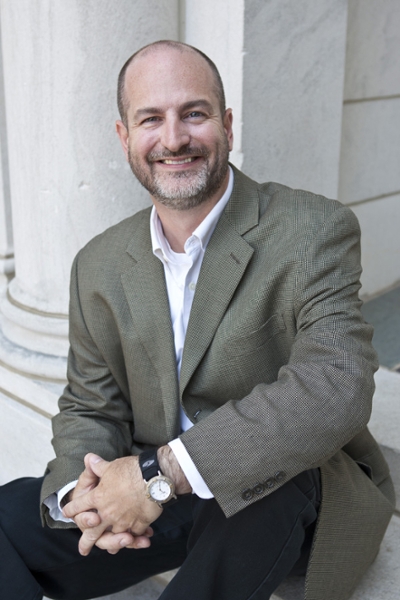
Prof William Tooman is the Head of the School of Divinity and Principal of St Mary's College at the University of St Andrews. He holds the rank of Professor of Hebrew Bible and Ancient Judaism. His research focuses on the literary conventions and hermeneutics of ancient Jewish writers, particularly examining how poetics and textual evolution influenced interpretation. A co-PI of the Texture project, he explores historical poetics of ancient Jewish literature with Prof Andrew Teeter. Tooman earned his PhD in Hebrew and Semitic Studies from the University of Wisconsin-Madison (2006) and has held roles including Lecturer at St Andrews (2009) and co-director of the Institute of Bible, Theology, and Hermeneutics (2018). Teaching spans undergraduate modules like DI1003 Old Testament 1 and postgraduate courses such as Textual Criticism. His research areas include textual criticism, inner-biblical interpretation, and scribal practices, with notable publications on Ezekiel, Targum Jonathan, and Qumran texts. Awards include an Honorary Research Fellowship at Manchester and grants from Harvard and Swiss-European programs. His advising includes five PhD students focusing on ancient Jewish literature. Key grants include the Texture project (2022–2027), exploring how ancient Jewish writers used literary techniques to transmit and reinterpret scripture. Labs/teams include the Institute of Bible, Theology, and Hermeneutics, emphasizing interdisciplinary biblical studies.
Konrad Zawadzki is an Assistant Professor at the Department of Latin Philology, Institute of Literary Studies, Faculty of Humanities, John Paul II Catholic University of Lublin (KUL) in Poland. He also holds the position of Associate Professor at the University of Salzburg, Austria. His academic career spans multiple European institutions, with significant research experience at the Faculty of Theology in Trier, Germany. His educational background includes: 2024: Habilitation at KUL (Poland) 2020: Habilitation at University of Salzburg (Austria) 2013: PhD at Faculty of Theology in Trier (Germany) 2011: Master's Degree in Classical Philology at University of Trier (Germany) 2007: Diploma in Catholic Theology at Faculty of Theology in Trier (Germany) Zawadzki's research focuses on early Christian literature and textual criticism, with particular expertise in the works of Cyril of Alexandria and other Church Fathers. His scholarly interests encompass: Early Christian interpretations of the Bible Editions of ancient Christian texts Syntax of Greek, Latin, Syriac, and Armenian languages Latinitas viva (living Latin) Byzantine catenae (biblical commentaries) History of ancient Christian oriental communities (Syria and Armenia) His research output demonstrates a consistent focus on recovering and analyzing fragments of early Christian commentaries, particularly those of Cyril of Alexandria on the Pauline epistles. Zawadzki has made significant contributions to the field through his critical editions and analyses of previously unknown or under-studied texts across multiple ancient languages. His scholarly recognition includes: Inner Reward Award for the best-scoring publication in 2024 Inner Reward Award for the best-scoring publication in 2022 Zawadzki has received substantial research funding, including a €256,000 grant from the Deutsche Forschungsgemeinschaft for his project on Cyril of Alexandria's commentary on 2 Corinthians. He has also participated in international research collaborations, notably the "Nouvelle histoire de la littérature grecque chrétienne" project at Université Paris-Sorbonne (2015-2021) and the "Anathema in lateinischen Inschriften" project at the Berlin-Brandenburg Academy of Sciences (2018-2019). He serves as a peer reviewer for several prestigious journals including Biblica, Commentaria Classica, Religions, Sacris Erudiri, Vox Patrum, and Zeitschrift für antikes Christentum, demonstrating his standing in multiple academic communities. Zawadzki is an active member of the International Association of Patristic Studies (IAPS) and the German Arbeitskreis Patristik.
PD Dr. Jens Wolff is a German theologian and researcher at the Faculty of Theology, University of Rostock . His work bridges image theory , cultural hermeneutics , and negative theology , with a focus on Lutheran theology and its intersections with literature and art . Education : Studied at Eberhard-Karls-Universität Tübingen, Martin-Luther-Universität Halle/Wittenberg, Ludwig-Maximilians-Universität München. Academic Timeline : 1995–1998 Heidelberg Academy researcher, 1998–2002 assistant at Münster's Faculty, 2003 PhD, 2005 ordained pastor, 2009–2012 DFG project on Sigmund von Birken, 2012–2015 DFG project on Image Theory, 2015 habilitation. Wolff's research explores image and media theory through theological lenses, interrogating figurative knowledge , religious rhetoric , and intercultural hermeneutics . His work connects Baroque literature (e.g., Klopstock, Hamann) with contemporary philological and deconstructive methods , examining tensions between sacralization and secularization . His recent publications analyze the word of God as performative polysemy in Lutheran thought, death and utopia in Stefan Andres' work, and iconic anthropology in Reformation contexts. He co-edited the two-volume Bild und Tod (2016), a foundational text on image-death relations. Awards: Martin-Luther-Preis für den akademischen Nachwuchs (2005) for his dissertation on Metapher und Kreuz . Wolff's advising and collaborative work focus on interdisciplinary image studies , including DFG-funded projects and symposia like the Image and Sound conference (2014). He maintains links to institutions in Bratislava , Frankfurt , and Brazil .
Ida Zilio-Grandi is an Associate Professor in the Department of Asian and North African Studies at Ca' Foscari University of Venice, where she specializes in Arabic Language and Literature (SSD L/OR-12). She also holds teaching responsibilities in Islamic Thought and Theology (SSD L/OR-10) and has been actively involved in multiple interdisciplinary programs, including Master’s degrees in Interfaith Dialogue, Islamic Philosophy, and Mediterranean Studies. From 2019 to 2023, she served as Director of the Italian Cultural Institute in Abu Dhabi under the Ministry of Foreign Affairs, reflecting her deep engagement with cultural diplomacy. Education Graduated in Oriental Languages and Literatures (Arabic) from Ca' Foscari University of Venice. PhD in “Studies on the Middle East and the Maghreb from the founding of Islam to the Present day” at the University of Naples “L’Orientale”. Research Interests Her scholarly work centers on Quranic studies, Islamic ethics, and Arabic literature. She investigates religious figures in the Quran (e.g., Mary, Cain, Pharaoh, Jonah), Islamic moral concepts such as gratitude (šukr), patience (ṣabr), tolerance, and mercy, and the ethical dimensions of employment, speech, and hospitality. Her research draws on classical exegesis, adab literature, and contemporary Islamic thought, bridging historical analysis with modern applications. She also explores interfaith dialogue, particularly between Islam, Christianity, and Judaism, and cultural relations between the Islamic world and the West. Publication Trends Her recent publications (2020–2025) reflect a sustained focus on Islamic virtues, ethics, and Quranic interpretation. These include monographs on the moral life of Muslims, studies on Sufism in the UAE, Abraham’s legacy, and environmental ethics in Islam. Her work combines rigorous philological analysis with philosophical insight, often published in high-impact journals and academic volumes. Scientific Service and Recognition Member of the “Committee for Islam in Italy” at the Ministry of Interior (since 2015). Member of the Scientific Committee of the “Dialogue méditerranéen sur la modernité et le religieux” at Collège des Bernardins, Paris. Sits on the editorial boards of Annali di Ca’ Foscari , Islamo-Christiana , and L’opera Comune . Invited Researcher at the Pontificio Istituto di Studi Arabi e d’Islamistica (PISAI), Rome (since 2017). Advising, Grants, and Leadership She has coordinated several Master’s programs at Ca' Foscari, including the LM “Languages, Economies and Societies of Asia and Mediterranean Africa (LEISAAM)” and the international LM “MIM – Crossing the Mediterranean.” She is the Erasmus+ Coordinator for partnerships with the University of Jordan and Mohammed V University in Rabat. She led the research project The Languages of the Absolute (2011–2015), funded by Ca' Foscari University. Though no formal students are listed, her mentorship is evident through her academic leadership and editorial roles. Labs and Research Groups She is affiliated with several research centers, including the Ca' Foscari Center for Studies on Human Rights (CESTUDIR), the Center for Contemporary Middle East Studies (CEM), and the Religion, Law and Economy in the Mediterranean Area Center (REDESM). She is also a member of the Arab-Christian Research Group (GRAC) and the Lay Association for Biblical Culture “Biblia.”
Amy Faulkner is a Lecturer in Old and Middle English Literature at University College London (UCL), Department of English Language and Literature, since August 2024. Prior to this, she served as an Associate Lecturer (Teaching) at UCL from September 2020 to July 2024. She has previously taught at the University of Oxford, University of Cambridge, and Royal Holloway, University of London. Education: DPhil in Old English Literature (University of Oxford) Her research focuses on Old English literature, particularly Alfred the Great's translations and their cultural-historical contexts. Key themes include material culture, the representation of the mind, and the role of Scripture in medieval texts. Her monograph Wealth and the Material World in the Old English Alfredian Corpus (2023) explores wealth and immaterial values in Alfredian prose. Amy's recent publications analyze topics such as wisdom in the Pastoral Care (2025), materiality in the Phoenix (2023), and life course themes in Genesis A and Beowulf (2021). Her work bridges literary analysis with medieval cultural studies. Teaching interests span Old and Middle English language and literature, including courses on Chaucer, medieval poetry, and graduate-level medieval book studies. She is available for supervision, mentoring, and collaborative research projects.
Dr. Joseph Azize is an Honorary Associate in Studies in Religion at the University of Sydney's Faculty of Arts and Social Sciences. Despite the university website indicating "There is no academic staff / higher degree research student with the URLID joseph.azize," his active publications through 2024 confirm his ongoing scholarly engagement. He holds multiple degrees from the University of Sydney including BA, LLB, MA qualifying, M.Phil, and PhD. Dr. Azize's research spans multiple domains within religious studies, with particular expertise in: Gurdjieff studies and Fourth Way teachings Ancient Near Eastern religions, especially Phoenician solar theology Early Christian studies and patristics Comparative mysticism and esoteric traditions Religious symbolism and contemplative practices His scholarly output demonstrates consistent engagement with complex religious phenomena across historical periods. His publications reveal a distinctive interdisciplinary approach that bridges textual analysis, historical investigation, and phenomenological examination of religious experience. Particularly notable is his sustained focus on G.I. Gurdjieff's teachings, which he examines not merely as historical subject matter but as living spiritual tradition with contemporary relevance. Dr. Azize has published in numerous prestigious journals including Religions , Postscripts , Aries , and Correspondences . His work shows increasing specialization in Gurdjieff studies in recent years, while maintaining connections to his earlier work on Ancient Near Eastern religions. The thematic evolution in his scholarship suggests a trajectory from historical and textual studies toward more phenomenological and experiential dimensions of religious practice. Among his notable achievements are: Gurdjieff: Mysticism, Contemplation, and Exercises (Oxford University Press, 2020) The Phoenician Solar Theology (Gorgias Press, 2005) Co-editing Ancient Near Eastern Studies, Supplement 21: Gilgames and the World of Assyria (2007) As an Honorary Associate, Dr. Azize appears to maintain active research and publication activities without a formal teaching position. His work bridges academic religious studies with practical spiritual concerns, offering scholarly perspectives on traditions often marginalized in conventional religious studies.
Daniel Schumann is a Research Fellow in New Testament and Ancient Judaism at the Protestant Theology Faculty of Eberhard Karls Universität Tübingen. He completed his theological studies in Jena and Leipzig (2002-2011), with additional studies in rabbinic literature at the Hebrew University in Jerusalem (2006-2007). He earned his doctorate summa cum laude in 2018 and has held research positions at prestigious institutions including Oxford University (as a Marie Skłodowska-Curie Fellow and Keble Research Associate) and the Centre for the Study of the Bible in the Humanities. Eberhard Karls Universität Tübingen (2020-present): Research position under Prof. Dr. Tilly Oxford University (2018-2020): Marie Skłodowska-Curie Fellow University of Münster (2014-2018): Research position under Prof. Dr. L. Doering University of Tübingen (2012-2014): Research position under Prof. Dr. M. Tilly University of Leipzig (2011-2012): Research position under Prof. Dr. R. Lux Schumann's research focuses on the intersection of New Testament studies and Ancient Judaism, with particular expertise in Rabbinic literature, Second Temple Judaism, and early Christian origins. His work demonstrates how Jewish and Christian traditions developed in dialogue with each other, especially regarding topics like vows, exodus narratives, and anthropological concepts. His scholarship combines textual criticism with historical analysis to illuminate the complex relationship between early Judaism and Christianity. His publications reveal a consistent interest in how Jewish traditions influenced early Christian thought, particularly in Pauline literature and the development of early Christian identity. Schumann's work on the Tosefta and Mishnah provides valuable insights into rabbinic approaches to religious practice that contextualize early Christian developments. Hanns-Lilje-Preis (2020) Schumann has successfully secured significant research funding, including a European Research Council grant (Horizon 2020) for his project on the Dead Sea Scrolls and cognate literature, with total third-party funding amounting to approximately 200,000 euros. His current habilitation project focuses on 'Romans 7 in Context.' He is affiliated with several scholarly societies including the Society of Biblical Literature and the Studiorum Novi Testamenti Societas.
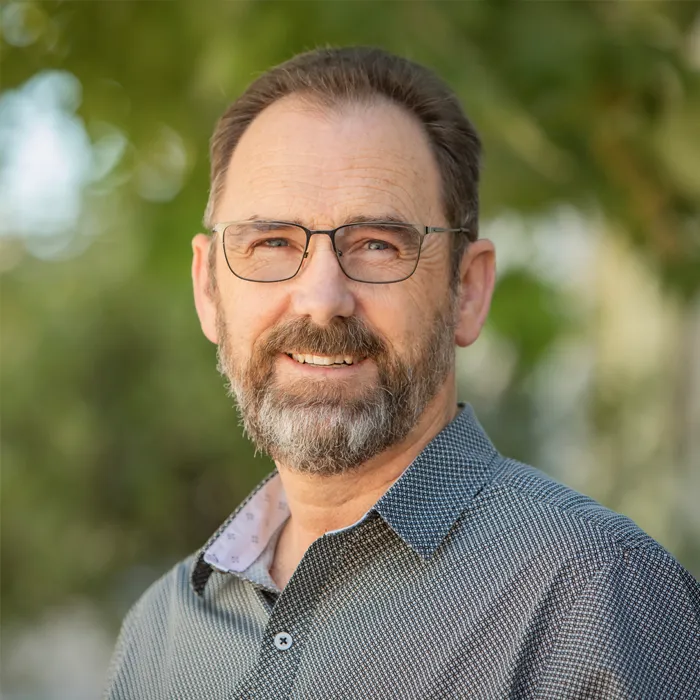
Richard Schultz serves as the Blanchard Professor of Old Testament in the Graduate School at Wheaton College, a position he assumed in 2012 after holding the Armerding Chair from 1995 to 2012. He previously taught for a decade at the Freie Theologische Hochschule in Giessen, Germany, where he witnessed Eastern European political transformations firsthand. His academic credentials include: Ph.D. in Religious Studies - Old Testament from Yale University (1989) M.A. in Religious Studies - Old Testament from Yale University (1980) M.Div. from Trinity Evangelical Divinity School (1977) B.A. in English and German from Michigan State University (1973) Schultz's scholarship centers on Old Testament studies with emphases on Biblical Theology, Inerrancy, and Biblical Criticism. His research explores the evangelical doctrine of Scripture, wisdom literature's role in faith-learning integration, contemporary OT criticism methodologies, and Isaiah's compositional unity. He approaches texts through historical-grammatical exegesis while engaging modern critical methods from an evangelical perspective. Analysis of his 2009-2019 publications reveals sustained focus on intertextual relationships (particularly between Deuteronomy and Ecclesiastes), theological coherence in wisdom literature, and Isaiah's authorship debates. His work consistently bridges academic rigor with doctrinal commitment to scriptural authority, demonstrating how textual criticism serves theological understanding within evangelical frameworks. Schultz actively mentors doctoral students as a Ph.D. supervisor and second reader while teaching advanced undergraduate and graduate courses including OT Hermeneutics, OT Theology, and specialized seminars on Isaiah and Wisdom Theology. His academic leadership extended to department chairmanship (2002-2005), where he shaped Wheaton College's biblical studies curriculum. He maintains active membership in the Evangelical Theological Society, Institute for Biblical Research, and Society of Biblical Literature, contributing to scholarly discourse through conference presentations and editorial collaborations.
Jeffery M. Leonard is a Professor in the Department of Biblical and Religious Studies at Samford University's Howard College of Arts and Sciences. He specializes in Hebrew, the Hebrew Bible, and the ancient Near East, teaching courses like Elementary Hebrew and Creation and Covenant. A highly regarded educator, he has received multiple awards for teaching excellence, including the 2016 Joe O. Lewis Faculty Scholar Award and the 2019 Howard College Outstanding Teaching Award. Leonard's research focuses on inner-biblical allusions, particularly in historical psalms and the relationship between Torah traditions. His notable publications include Creation Rediscovered (2020) and a two-volume commentary on Exodus (2023). He also explores themes like biblical creation narratives and the intersection of theology with historical texts. His academic journey includes a PhD from Brandeis University (2006) and an MDiv from Alliance Theological Seminary (1995). Beyond academia, Leonard is an ordained minister and actively engages with local communities through lectures and presentations on biblical themes.
Rev. Dr. Krzysztof Napora serves as an Assistant Professor in the Department of Exegesis of Historical, Prophetic and Sapiential Books at the Institute of Biblical Studies within the Faculty of Theology at John Paul II Catholic University of Lublin. Since 2012, he has been actively engaged in biblical scholarship and teaching, while also lecturing in Old Testament studies at the Major Missionary Seminary of the Sacred Heart of Jesus in Stadniki. Born in Puławy in 1974, Napora completed his secondary education at the KEN High School Complex in Puławy. He entered religious life in 1994 with the Congregation of the Priests of the Sacred Heart of Jesus in Stopnica. His academic journey includes philosophical and theological studies at the Major Missionary Seminary of the Sacred Heart of Jesus in Stadniki (1994-2000), where he earned his master's degree from the Pontifical Academy of Theology in Krakow. He furthered his biblical expertise through specialized studies at the Pontifical Biblical Institute in Rome (2002-2006), including a year at the Rothberg International School of the Hebrew University (2003-2004), culminating in doctoral studies at the École biblique et archéologique française de Jérusalem (2007-2010). Napora's research focuses intensively on the exegesis of Genesis 1-11, with particular expertise in priestly source analysis, biblical chronology, and theological interpretation of creation narratives. His work demonstrates deep engagement with Hebrew language, ancient Near Eastern context, and Jewish interpretive traditions. He has made significant contributions to understanding topics such as the sin of Sodom, time concepts in creation accounts, the silence of God in the Hebrew Bible, and gender roles in Genesis. His scholarly output reveals a consistent pattern of examining foundational biblical texts through multiple lenses—historical, linguistic, theological, and comparative. Rather than focusing on isolated verses, Napora's work typically explores extended narrative units, revealing how smaller textual elements contribute to larger theological frameworks within the Pentateuch. His publications span peer-reviewed academic journals, books, conference presentations, and popular theological magazines, demonstrating his ability to communicate complex biblical scholarship to diverse audiences. Medal of the National Education Commission National departmental decoration Inner Reward Nagroda Rektora KUL III stopnia (2018) While specific grant information isn't detailed in the available materials, Napora has conducted significant scholarly research, including library inquiries at the École Biblique in Jerusalem. He has co-organized biblical courses as part of the Dabar Bible School in cooperation with EBAF and delivered numerous lecture series for religious communities including the Franciscan Missionary Sisters of Mary and the Elizabethan Sisters. His academic leadership extends to editorial roles as secretary of Verbum Vitae journal and membership on various editorial boards. Napora maintains active participation in scholarly communities through the Society of Biblical Literature, Association of Polish Biblical Scholars, and European Seraphic Theological Commission. His work bridges academic biblical scholarship with pastoral application, as evidenced by his popular theological articles and specialized lectures for religious communities across Poland.
Dr. David Timms is the Dean of the School of Theology & Leadership at Jessup University since 2015. He holds a Ph.D. in Ancient History & New Testament from Macquarie University (2001), an M.A. in Religion (New Testament) from Emmanuel School of Religion (1988), and a B.A. in Bible & Preaching from Johnson University (1986). His work focuses on biblical studies, Christian leadership, and spiritual formation, with notable publications including 40 Days in Israel (2020) and Shape Your World (2018). As Dean, he oversees academic programs, faculty development, and initiatives like the Center for ASL and Hispanic/Latino Ministry. He actively engages in fundraising, grant writing, and community outreach, emphasizing leadership development and competency-based education. Dr. Timms has spearheaded several institutional projects, including launching new academic centers and rebranding efforts. His research integrates theological reflection with practical ministry, evident in his Lenten devotionals and studies on cultural ethics. He regularly speaks at churches and events and maintains an active blog, "Because of Grace," exploring grace-centered living. His leadership philosophy emphasizes clarity, teamwork, and visionary thinking within the academic community.
José Manuel Brissos Lino is an Assistant Professor at Lusófona University of Humanities and Technologies, where he contributes to the field of Social Sciences with a focus on Psychology and Religious Studies. He holds a PhD in Psychology from the Autonomous University of Lisbon (2015) and has published extensively on the psychological and sociological dimensions of religion. PhD in Psychology, Autonomous University of Lisbon (2015) Master's in Helping Relationship Postgraduate studies in Helping Relationship and Stress Management His research centers on the psychology of religion , exploring topics such as glossolalia , spiritual discernment , religious freedom , and the emotional dynamics of faith communities . He investigates how religious beliefs interact with personal identity, moral reasoning, and societal challenges, particularly in the context of contemporary Portugal and global Pentecostal movements. The trends in his recent publications reveal a strong interdisciplinary approach, blending theology, psychology, and sociology. His work frequently addresses the impact of crisis (e.g., pandemics, digital transformation) on religious life, the role of emotion in belief , and ethical issues in religious institutions , such as clericalism and gender roles. He often publishes with Lusófona University Editions, indicating strong institutional academic engagement. Notable contributions include analyses of religious populism , the death penalty , and women in religions , reflecting a commitment to social justice and critical religious inquiry. He has authored or contributed to several books and edited volumes, including Religious Populism and Secularization (2021), That Strange Speech (2018), and numerous book chapters on pandemic psychology and theological ethics. José Manuel Brissos Lino is actively involved in academic discourse through publications and institutional affiliations. While no formal grants or advising relationships are listed, his extensive publication record suggests mentorship and scholarly leadership. He is likely involved in research groups or centers at Lusófona University related to psychology, religion, and social integration.
Rev. Dr. hab. Janusz Lekan, Professor at John Paul II Catholic University of Lublin (KUL), is a prominent theologian in the Department of Christology and Christian Personalism. His research focuses on Mariology, Christology, sacraments, holiness, and ecclesiology. Fields of Interest: Mariology, Christology, Sacraments, Holiness, Laity, Ecumenism, Dogmatic Theology. Awards: Inner Reward First Degree Team Award (2004) for organizing the 7th Congress of Polish Theologians. His 15 most recent publications (2025–2010) explore topics like apocatastasis, Divine motherhood, liturgical practices, and interfaith dialogues. Key trends include Mariological studies, sacramental theology, and post-conciliar theological debates. He has reviewed doctoral and habilitation theses, participated in international conferences, and led projects such as 'Popular Piety as Humanization Modus' (2023) funded by NCN. He serves on editorial boards and is actively involved in academic and pastoral theological discourse.
Matthias Henze is the Isla Carroll and Percy E. Turner Professor of Biblical Studies and Founding Director of Rice University’s Program in Jewish Studies, where he has taught since 1997. His work bridges Hebrew Bible scholarship, early Jewish literature, and Syriac studies, focusing on texts outside the canonical Bible such as the Apocrypha, Pseudepigrapha, and Dead Sea Scrolls. Ph.D., Harvard University (1997) M.A., Harvard University (1996) Master of Divinity, University of Heidelberg (1992) Research Interests Dr. Henze’s research centers on the literary history of early Judaism, apocalyptic literature, biblical ethics, textual transmission, and the history of biblical interpretation. He emphasizes the interconnections between canonical and non-canonical texts from the Second Temple period (4th century BCE–2nd century CE). Key Academic Contributions He has authored and edited nine major works, including a critical commentary on 2 Baruch and a three-volume analysis of the textual history of the Deuterocanonical scriptures. His publications reflect a commitment to making ancient texts accessible to modern audiences while maintaining scholarly rigor. Awards & Recognition George R. Brown Award for Superior Teaching (2009, 2010, 2015) Phi Beta Kappa Teaching Prize (2003) Graduate Student Association Teaching and Mentoring Award (2015) John Freeman Faculty Teaching and Mentoring Award (2022) Faculty Award for Excellence in Research, Teaching, and Service (2019) Leadership & Innovation In 2009, he founded Rice’s Program in Jewish Studies, fostering interdisciplinary research on Jewish cultures from antiquity to the present. He co-founded the Joan and Stanford Alexander South Texas Jewish Archives in 2017 to preserve regional Jewish heritage and has led initiatives on antisemitism studies.
Regina Polak is a Professor at the Department of Practical Theology within the Faculty of Catholic Theology at the University of Vienna. Her work spans practical-theological ecclesiology, ecumenical engagement, and interdisciplinary reflections on religion in secular and plural contexts. She teaches courses such as Learning Christian Faith in Secular and Plural Contexts and Practical-theological Ecclesiology , emphasizing experiential and contextual theological inquiry. Her research focuses on Practical Theology , Ecumenism , and the intersection of Religion and Democracy . Recent publications explore themes like Migration Theology , Interreligious Dialogue , and Synodal Governance , reflecting her commitment to addressing societal challenges through theological frameworks. Regina Polak’s academic contributions include analyzing the role of religion in democratic societies, theological responses to migration, and biblical interpretations for modern ethical dilemmas. Her work appears in media outlets such as ORF and Ö1, where she contextualizes theological concepts for public discourse. She also contributes to interdisciplinary projects like the European Values Study , examining religiosity’s impact on social attitudes.



/prod02/channel_1/media/faculty/Richard-Schultz-3452.jpg)