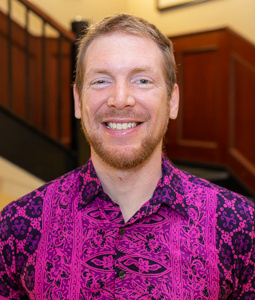
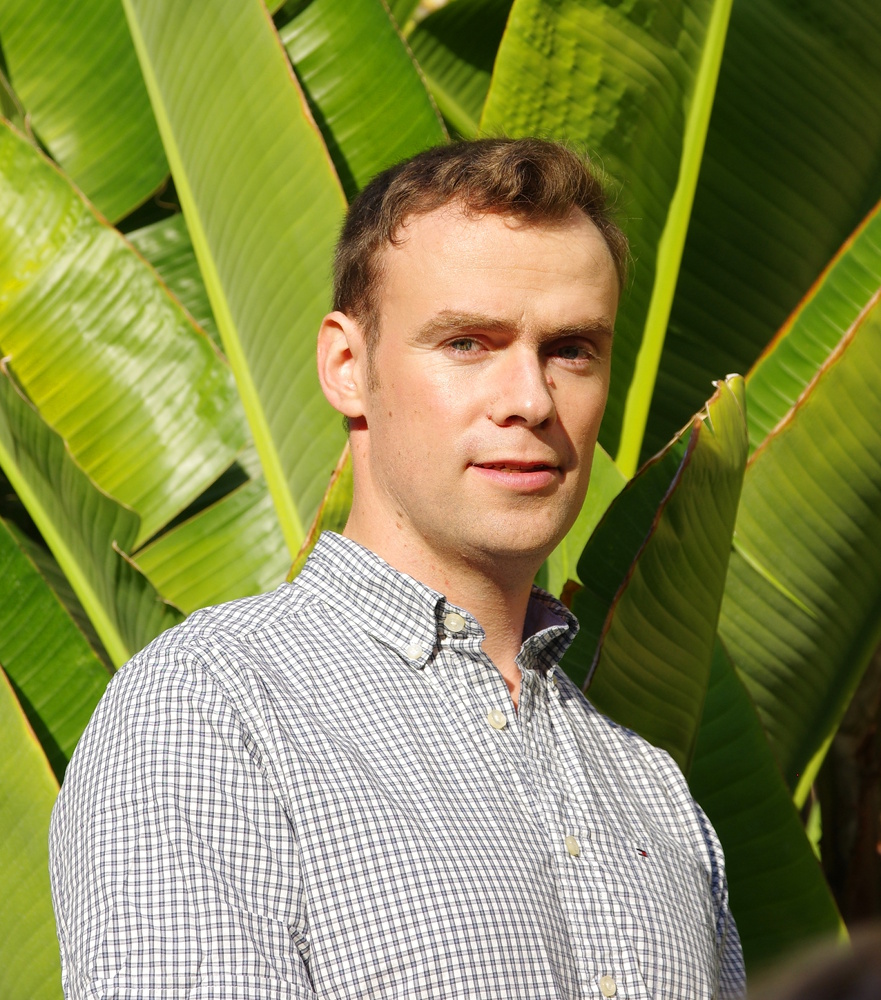
Dan Frost is an Assistant Professor at the University of South Carolina , affiliated with the McCausland College of Arts and Sciences and the School of the Earth, Ocean, & Environment . His research bridges geophysics and seismology to explore Earth's structure and evolution. Position: Assistant Professor, University of South Carolina Email: dfrost@seoe.sc.edu Research Focus: Dan investigates Earth's interior using high-frequency seismic waves. Key areas include: Whole Earth structure and mantle convection Inner core dynamics and seismic scattering Tomographic inversion and array seismology Chemical heterogeneity and D00 complexity Methodological advancements in seismic analysis Recent Publications (2014–2022): His work spans core-mantle boundary modeling, inner core growth patterns, mantle slab dynamics, and deep mantle heterogeneity. Articles appear in journals like Nature Geoscience and Earth and Planetary Science Letters .
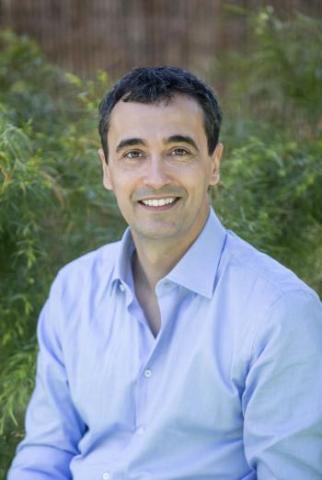
Josefine Vilsbøll Sundgaard is a Postdoctoral Researcher in the Visual Computing section of the Department of Applied Mathematics and Computer Science (DTU Compute) at the Technical University of Denmark (DTU), Faculty of Engineering. Her work centers on medical image analysis using deep learning techniques for disease diagnosis and biomarker discovery in clinical settings. She earned her PhD from DTU in 2022 through research on deep learning methods for pediatric middle ear diagnostics, supervised by R. R. Paulsen and A. N. Christensen. Her educational background includes specialized training in computational methods for medical applications. Her research spans medical image analysis with emphasis on deep learning, reinforcement learning, and anomaly detection. Key applications include otitis media diagnosis using tympanometry and normative data, cardiovascular imaging for coronary artery segmentation and left ventricular remodeling analysis, and liver disease diagnosis through MRI biomarker identification for nonalcoholic fatty liver disease and fibrosis. She integrates computer vision with clinical diagnostics to address pediatric and adult conditions. Analysis of her 2024-2025 publications reveals a strong trend toward deep learning applications in cardiovascular and hepatic imaging. Her work demonstrates expertise in active learning frameworks, segmentation optimization, and anomaly detection systems using clinical CT and MRI data, with significant contributions to coronary artery analysis, cardiac adipose tissue quantification, and liver fibrosis identification in large-scale biobanks. Scientific awards: No awards or fellowships were documented in the provided materials. She actively supervises three PhD candidates: Radutoiu, A.-T. (focusing on HFpEF disease manifestations), Aspe, A. W. (analyzing cardiometabolic image biomarkers in CT), and Belmpeisi, R. A. (identifying abdominal MRI biomarkers). Her research is supported by five major projects including Deep learning for identifying biomarkers in medical images and AI driven analysis of cardiometabolic image biomarkers, with funding extending through 2028. As a core member of DTU Compute's Visual Computing research group, she collaborates extensively with medical institutions including Rigshospitalet, contributing to interdisciplinary teams that develop AI solutions for clinical diagnostics across otolaryngology, cardiology, and hepatology.
V. Music is a Research Fellow specializing in ultrafast molecular dynamics using free-electron laser technology. They completed their PhD at the University of Kassel in 2024 with a dissertation titled 'Towards the investigation of ultrafast dynamics in chiral systems using free-electron lasers.' Their primary affiliation appears to be with research groups utilizing facilities like the European XFEL and FLASH (Free-Electron-LASer in Hamburg). Dr. Music's research focuses on the interaction of intense XUV/X-ray radiation with chiral and polyatomic molecules. Their work encompasses photodissociation studies, photoelectron circular dichroism, and ultrafast structural dynamics. They have made significant contributions to understanding wavelength-dependent fragmentation patterns, particularly in chiral systems like 1-iodo-2-methyl-butane. Recent publications demonstrate expertise in advanced experimental techniques including pump-probe schemes, ion velocity-map imaging, and electron time-of-flight spectroscopy. Their research often involves collaboration with major European facilities like the Small Quantum Systems (SQS) instrument at European XFEL and the FLASH facility in Hamburg. Key research trends include the study of chiral photochemistry, molecular fragmentation dynamics under intense X-ray pulses, and the development of methodologies for time-resolved, site-specific investigations of randomly orientated chiral molecules. Their work bridges atomic, molecular, and optical physics with chemical dynamics. Dr. Music has established themselves as a significant contributor to the field of ultrafast molecular science with numerous publications in high-impact journals including Scientific Reports, Physical Review series, and Nature Communications.
Larry Ward is an Associate Research Professor at the Center for Coastal and Ocean Mapping and the Department of Earth Sciences at the University of New Hampshire, with affiliations to the Jackson Estuarine Laboratory . He holds a Ph.D. in Marine Technology (1978) from the University of South Carolina and a B.A. in Earth Sciences from the University of New Hampshire. Teaching: Geological oceanography, seafloor characterization, and coastal sedimentology Research: Coastal and inner shelf sedimentology, sea level change impacts, lidar-based seafloor mapping Grants: 26 funded projects from 1991-2024, including NOAA and US DOI collaborations His publications focus on coastal geomorphology , lidar applications , and sediment dynamics , with work spanning from storm sediment transport to delta system sustainability . Collaborators include John Hughes Clarke and Yuri Rzhanov.
Françoise Combes is a Professor at the Collège de France since 2014, holding the Galaxies and Cosmology chair. She serves as President of the French Academy of Sciences (2025), following roles as President of the Space Research Committee and editor of Astronomy & Astrophysics since 2003. Her research spans galaxy formation, dark matter dynamics, and cosmological evolution. Education : PhD in Astrophysics (1980) at École normale supérieure Research Interests : Combes pioneers galaxy secular evolution through 3D N-body simulations, discovering bar-induced bulge formation via Lindblad resonances . She leads studies on high-redshift molecular gas , gravitational lensing effects, and dark matter as cold molecular hydrogen . Her work connects galaxy morphology to cosmological parameters and star formation laws. Publication Trends : Recent articles focus on ALMA nuclear ring observations , cosmological reionization simulations , and fractal interstellar medium models . Keywords reflect astrophysics, cosmology, and computational physics. Awards : - 2020 CNRS Gold Medal - 2021 L'Oréal-Unesco International Prize Advising Legacy : Supervised 19 PhD students over her career, including notable works on galactic shells , polar rings , and high-redshift galaxy surveys .
Dr. Olivia Jensen is a Full Professor at McGill University's Department of Earth and Planetary Sciences (Faculty of Science). She specializes in geophysics, seismology, and planetary mechanics, with expertise in stochastic modeling and fractal analysis. She earned her BSc, MSc, and PhD from the University of British Columbia. Her research investigates: Complexity in geophysical systems Mechanics of Earth/planetary interiors Fractal models for geological data Publications focus on gravimeter data noise reduction (1995), seismic deconvolution, and fractal spatial modeling. Her work integrates physics and advanced signal processing to analyze Earth's core dynamics and subsurface structures.
Agostino Marinelli is Assistant Professor of Photon Science and Particle Physics and Astrophysics at SLAC National Accelerator Laboratory, Stanford University. He leads the free-electron laser physics department and co-directs the FEL R&D program, focusing on X-ray free-electron lasers and ultrafast light sources. His research integrates accelerator physics, photon science, and quantum optics to develop advanced light sources. Recent publications demonstrate strong thematic coherence across attosecond science, beam manipulation, and instrumentation innovation. His articles show consistent exploration of pulse control mechanisms, beam dynamics, and novel diagnostic methods, with applications spanning quantum dynamics, materials science, and instrumentation development.
Professor Brigitte Malgrange is Research Director at the Belgian National Fund for Scientific Research (FNRS) and General Director of the GIGA Interdisciplinary Center for Biomedical Research at the University of Liège. She also serves as Vice-Director of GIGA-R and holds an appointment within the Faculty of Medicine, Department of Clinical Sciences, and the Neurology unit. Education: Doctor of Pharmacy, University of Paris, 1989 European DEA in Fundamental and Applied Toxicology, 1990 PhD in Experimental Biomedical Sciences, University of Liège, 1994 Research Interests: Professor Malgrange’s research is centered on developmental neurobiology and neuroscience , with particular emphasis on the inner ear and hearing loss . Her laboratory investigates mechanisms of cochlear hair cell regeneration , neuroprotection following stroke , and cell fate decisions during development. She employs stem cell models , nanomedicine-based drug delivery , and mouse genetics to translate fundamental discoveries into therapeutic strategies for sensorineural hearing loss and neurodegenerative diseases . Across her recent publications, a clear trend emerges toward nanomedicine approaches for sustained drug delivery to the inner ear, molecular regulation of cochlear cell fate , and epigenetic control of neural development . These studies collectively advance both basic understanding and translational applications in auditory neuroscience. Scientific Awards: Galien Prize (1996) Alverenga de Piauhy Prize (2004) Comte de Launoit Prize, Friends of ULiège (2005) Grant Leadership & Collaborations: Professor Malgrange coordinates major European initiatives, including the NANOEAR project funded under the EuroNanoMed3 Horizon 2020 program, uniting academic and industrial partners across France, Spain, Belgium, and Turkey to advance nanomedicine for hearing disorders. Laboratory & Platforms: She leads the Developmental Neurobiology Unit within GIGA-Neurosciences, leveraging access to cutting-edge core facilities such as Genomics , In vitro and In vivo Imaging , Viral Vectors and Gene Editing , and Animal Facilities (Mouse & Zebrafish), positioning her team at the forefront of biomedical innovation at the University of Liège.
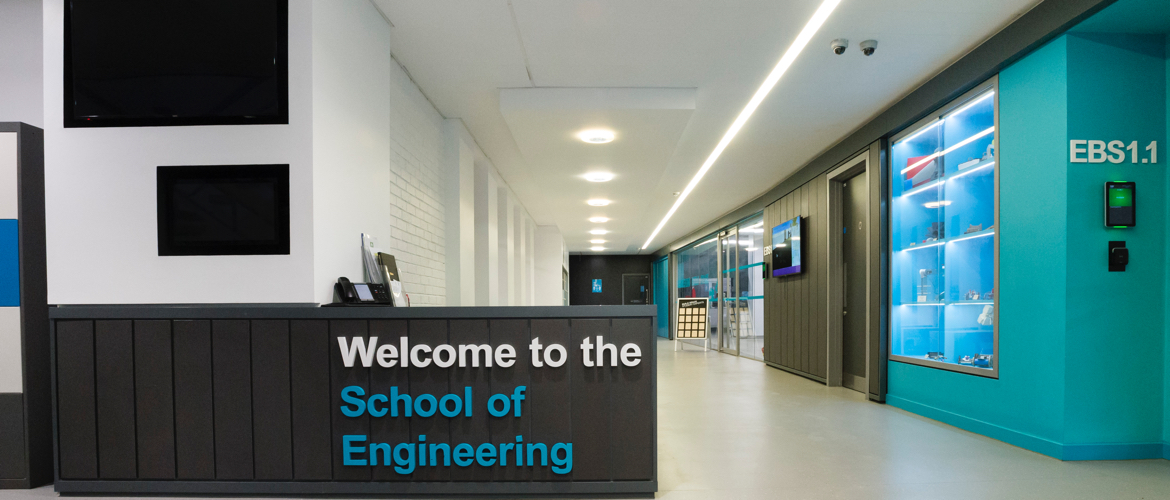
Yongmann Chung is an Associate Professor at the School of Engineering, University of Warwick. His research focuses on Computational Fluid Dynamics (CFD), turbulence modeling, and flow control with applications in aerospace engineering and electrochemistry. He specializes in Large Eddy Simulation (LES) and Direct Numerical Simulation (DNS) of complex flows, including micro-fluid dynamics in electrochemical systems and drag reduction strategies. His work spans unsteady turbulent flows, heat transfer, and aerodynamic phenomena in systems like flying cars and quadcopters. Teaching interests include fluid mechanics (ES2A7), computational fluid dynamics (ES440), and scientific computing (MA5P9). Recent publications explore battery health prediction using graph neural networks, vortex ring state analysis, and computational models for droplet dispersion in public spaces. Chung’s research also addresses industrial challenges such as cavitation erosion monitoring and turbulent flow control via Lorentz force actuation. Office hours are Fridays 10 am–12 pm during term time. He advises projects and grants in fluid dynamics and thermal engineering, with a focus on both fundamental turbulence research and applied energy systems. His work extends to bio-inspired design, exemplified by studies on dolphin kick swimmers, and environmental health modeling for airborne disease transmission.
Mario Flock is a Researcher and Group Lead of the 'Unveiling planet formation by simulations and observations (UFOS group)' at the Max Planck Institute for Astronomy (MPIA) in Heidelberg since 2018. His research focuses on protoplanetary disks, planet formation, and radiation hydrodynamics, combining numerical simulations with observational data from facilities like ALMA. He leads a team investigating disk dynamics, instabilities, and the interplay between dust and gas in astrophysical environments. Research interests include the vertical shear instability (VSI), dust dynamics, and the evolution of protoplanetary disks. His work bridges theoretical models with observational constraints, addressing topics like disk turbulence, radiative transfer, and planet-disk interactions. Recent studies highlight contributions to understanding disk substructures, dust opacity effects, and the role of instabilities in disk evolution. Notable collaborative projects include the exoALMA survey, which uses ALMA data to study gas and dust in protoplanetary disks. His group’s work has been supported by grants such as ERC UFOS/RAPTOR, enabling advanced simulations and observational campaigns. Recent research outputs (2024–2025) emphasize topics like the inner disk rim structure, dust mass determinations with porous opacities, and the impact of turbulence on planet formation. His team’s findings are disseminated through high-impact journals and international conferences, reflecting his role as a leading researcher in disk astrophysics.
Professor Sebastian Hoenig is the Head of School at the University of Southampton's Department of Physics and Astronomy. His research focuses on Active Galactic Nuclei (AGN), dust dynamics, radiative transfer, and time-domain astrophysics. He leads major projects like the STFC-funded 'Towards dynamical black hole masses at cosmic noon' and Horizon Europe's 'SMBH FACTORY.' Key research interests include AGN torus structure, dust emission modeling, and feedback mechanisms studied via JWST, SOFIA, and NuSTAR observatories. He collaborates with global teams on infrared interferometry and multi-wavelength surveys like GATOS. His work addresses cosmic evolution through AGN outflows and galactic feedback processes. Current PhD advisees include Matthew Stepney (Physics & Astronomy) and Nora Christina Drewes (Physics). Research grants total over £X million from STFC and EU Horizon programs. He is a core member of the Southampton Theory Astrophysics and Gravity (STAG) Research Centre, advancing theoretical and observational astrophysics.
Prof. Dr. Stefan Westermann is a Full Professor of Molecular Genetics at the University of Duisburg-Essen, Faculty of Biology, and leads the Molecular Genetics I research group at the Center of Medical Biotechnology (ZMB). He is actively involved in the DFG-funded Collaborative Research Centre 1430, focusing on the molecular control of kinetochore-microtubule interactions during cell division. His work bridges biochemical reconstitution, yeast genetics, and advanced fluorescence microscopy to dissect the mechanisms of chromosome segregation. Stefan Westermann's research centers on understanding how genomes are accurately passed from one cell generation to the next. His laboratory investigates two core questions: (1) How are kinetochores constructed to enable precise chromosome segregation in eukaryotic cells? This involves detailed functional and biochemical reconstitution of the budding yeast kinetochore. (2) How are microtubules organized and regulated to move chromosomes? His team studies molecular motors, plus-end tracking proteins, and other microtubule-associated proteins to understand their roles in mitosis. The group employs a multidisciplinary approach combining in vitro biochemical reconstitution , yeast genetics , and advanced fluorescence imaging techniques such as total internal reflection microscopy and dynamic microtubule assays. The recent publications (2023–2025) reveal a strong trend in dissecting protein complexes at the kinetochore-microtubule interface, including regulation by phosphorylation, assembly of the Dam1 and Ndc80 complexes, and the role of EB1 and kinesins in spindle dynamics. His work increasingly integrates structural insights, chemical biology tools (e.g., molecular tweezers), and systems-level analysis of microtubule networks, demonstrating a shift toward mechanistic and therapeutic exploration of mitotic fidelity. Stefan Westermann leads an active research group with several scientific coworkers such as Dr. Kerstin Killinger, Richard Pleuger, and Christian Cozma. He is principal investigator of Project A01 in CRC 1430, which investigates the molecular control of kinetochore-microtubule interactions at the metaphase-anaphase transition. While specific grant amounts are not listed, his ongoing involvement in DFG-funded projects indicates sustained external funding. He has previously led an independent group at the Research Institute of Molecular Pathology (IMP) in Vienna and conducted postdoctoral work at UC Berkeley. His laboratory is embedded within the Center of Medical Biotechnology (ZMB), a collaborative research environment at the University of Duisburg-Essen focused on molecular and chemical cell biology, oncology, and immunology. The group benefits from central facilities and interdisciplinary interactions within the ZMB and CRC networks.
Dr. Mai-Lan Ho is a Physician Scientist and Professor in Radiology at the University of Missouri School of Medicine, with core appointments in the MU Institute for Data Science and Informatics. She specializes in neuroradiology, quantitative imaging, and imaging genomics, leading federally funded projects on advanced MRI, AI integration, and translational neuroimaging. Her research develops computational tools for pediatric and adult neurological disorders, synthetic CT from MRI, perfusion imaging standardization, and radiomic biomarker discovery. Recent work includes guidelines for pediatric back pain imaging, neurofluid dynamics, vestibular aqueduct classification, and congenital brain malformation diagnostics. She chairs international committees for pediatric MRI standardization and advocates for AI in neuro-oncology and epilepsy.
Lan Cheng is an Assistant Professor in the Department of Chemistry at Johns Hopkins University, specializing in theoretical and computational chemistry. He leads a research group focused on the development of advanced electronic structure methods for heavy-element systems, with applications in spectroscopy, quantum science, and precision measurement. His work bridges chemistry and physics, particularly in the context of actinide and lanthanide chemistry. Education: Ph.D. in Theoretical Chemistry, Peking University (2009) B.S. in Chemistry, Tsinghua University (2001) Research Interests: His research is centered on relativistic quantum chemistry, including the development of spin-orbit coupled-cluster methods, exact two-component theories, and unitary coupled-cluster approaches for excited states. He applies these methods to study actinide chemistry, X-ray spectroscopy, and the electronic structure of molecules relevant to laser cooling and fundamental physics searches. His group develops computational tools that are integrated into the CFOUR program package. The recent publications reflect a strong trend toward high-accuracy quantum chemical methods for core-level spectroscopies, relativistic effects in heavy atoms, and the prediction of molecular properties critical for quantum information and precision measurement. His work often involves close collaboration with experimental groups at institutions such as Harvard, Argonne National Laboratory, and JILA. Scientific Awards and Funding: Department of Energy Early Career Award (2019–2024) DOE subcontract with Argonne National Laboratory (2020–2023) National Science Foundation Grant (2020–2023) Air Force Office of Scientific Research subcontract (2022–2027) Advising and Grants: Dr. Cheng mentors multiple graduate students and has advised postdoctoral researchers who have gone on to faculty and research positions. His group is supported by major federal grants that enable the development of novel computational methods and their application to challenging problems in heavy-element chemistry. He actively collaborates with experimentalists to validate theoretical predictions and guide new discoveries. Labs and Teams: The Cheng Group is a computational theory group that contributes to the CFOUR quantum chemistry software. The team focuses on algorithm development, implementation in Fortran and C++, and high-performance computing for molecular simulations.
Christine Thomas is a Professor at the Institute of Geophysics, University of Münster, Germany, where she has been a faculty member since January 2009. She also holds an adjunct professorship at the Geological Survey of Denmark and Greenland (GEUS) starting November 2024. Her research is centered on global and array seismology, with a focus on the Earth's deep interior, including the lower mantle, core-mantle boundary (D" region), and mantle transition zone. She investigates seismic anisotropy, mantle dynamics, and the impact of wind turbine noise on seismic stations, as well as wavefield prediction for gravitational wave detection and icequakes in polar regions. PhD, University of Göttingen (1996–1999) Diploma, University of Erlangen-Nuremberg Pre-Diploma, University of Marburg Her research interests span global seismology , array seismology , deep Earth structure , mantle dynamics , seismic anisotropy , and environmental seismology . She employs advanced seismic array techniques, tomography, and numerical modeling to study mantle heterogeneities, phase transitions, and core-mantle interactions. Her work integrates geodynamic modeling with observational seismology to interpret complex seismic signals. The trends in her recent publications (2020–2023) reflect a strong focus on the lowermost mantle and core-mantle boundary , utilizing PKP and other core-reflected phases to image structures, investigate scattering layers, and infer flow patterns. She also explores seismic noise mitigation , particularly from wind turbines, and applies array methods to mining and volcanic environments. Her interdisciplinary reach extends to biomedical sensing , as seen in her 2021 paper on smartwatch diagnostics. Christine Thomas leads and participates in numerous funded projects, including: DFG Individual Grants (e.g., TH 1530/25-1, TH 1530/16-3) ErUM-Wave (Federal Ministry, 05D23PM1) LASSIE (DFG, TH 1530/24-1) Deep Earth Rotational Seismology (DFG, AB 887/1-1) CREEP (EU H2020, 642029) AlpArray (SPP 2017, TH 1530/15-1) She has supervised or collaborated with numerous researchers and students, contributing significantly to the training of early-career scientists. Her work is supported by major national and international funding bodies, including the DFG, BMBF, and EU. She is a key contributor to large-scale seismic experiments like AlpArray and RHUM-RUM. Her lab and research team at Münster focus on seismic data analysis, array processing, and geodynamic modeling, often in collaboration with international institutions. She continues to be actively involved in advancing methodologies in seismology and expanding the applications of seismic techniques.