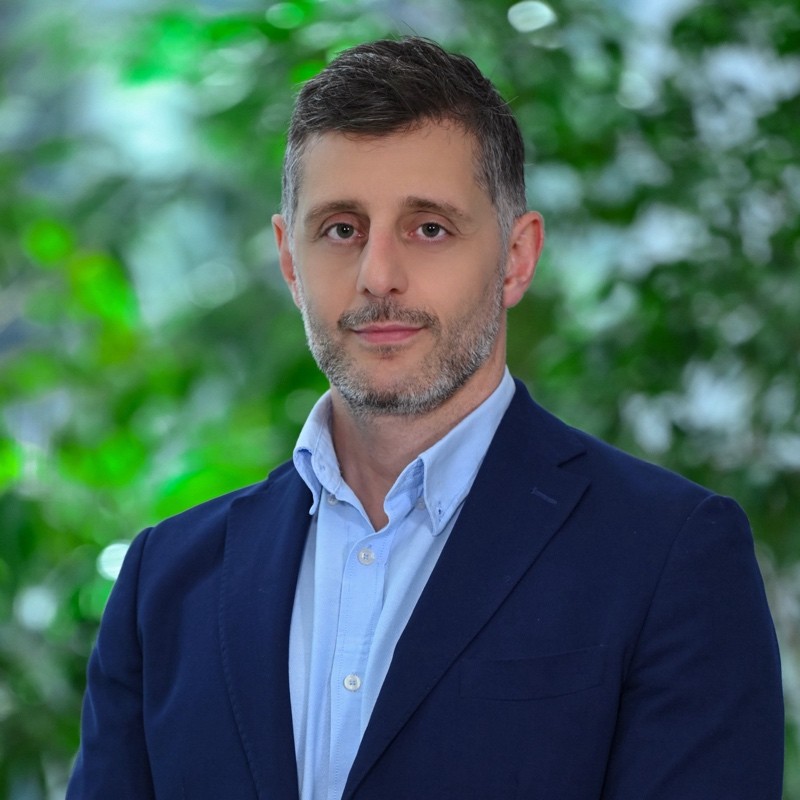
Peyman Karami is a Postdoctoral Researcher at the Laboratory of Biomechanical Orthopedics (LBO) within École Polytechnique Fédérale de Lausanne (EPFL)'s College of Engineering . Research focuses on adhesive hydrogels for cartilage repair and orthopedic applications Investigates biomimetic stimuli (hydrostatic pressure, temperature) in chondrocyte homeostasis Develops ligin-based multifunctional hydrogels for sustainable biomedical applications Expertise in mechanobiology and thermomechanical regulation of tissue-engineered constructs Scientific Contributions: Leads 15+ publications on hydrogel technologies for cartilage regeneration, thermomechanical stimulation effects, and lignin functionalization, including breakthrough work in NIR-light photocuring , malacic trachea repair , and biomimetic temperature gradients . Current Research Trends: Prioritizes injectable adhesive hydrogels , noninvasive tissue repair , and multi-functional biomaterials that couple mechanical and biochemical cues for enhanced regeneration.
Christopher B. Highley is Assistant Professor of Biomedical Engineering and Chemical Engineering at the University of Virginia School of Engineering and Applied Science. His research develops materials and fabrication technologies for complex cellular and material systems, addressing fundamental and translational biomedical challenges. Education includes: Ph.D. in Biomedical Engineering from Carnegie Mellon University B.S.E. in Biomedical Engineering from Duke University The Highley Lab specializes in: Advanced biomanufacturing and 3D bioprinting Hydrogel design for tissue engineering In vitro disease models Implantable biomaterial devices His publications focus on innovative hydrogel systems for tissue regeneration, with recent advances in granular hydrogels, stem cell encapsulation, and supramolecular biomaterials. Research demonstrates consistent innovation in bioprinting technologies and biomaterial design for regenerative applications. He received the International Society for Biofabrication Young Investigator Award in 2017. His NIH-funded research builds biophysical and biochemical complexity in 3D tissue constructs. Teaching includes Biomaterials (BME 4414) and Biotransport (BME 3240) courses, training students in biomedical engineering fundamentals.
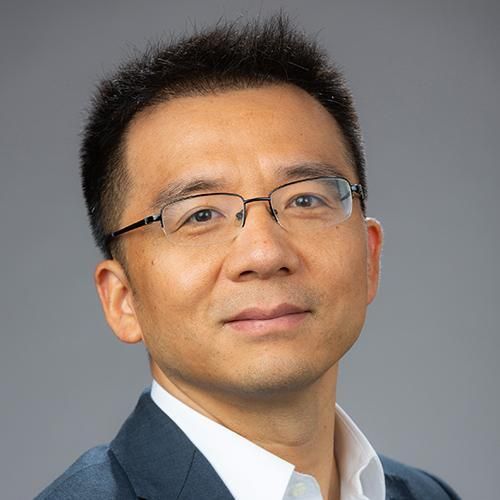
Dr. Kibret Mequanint is a full Professor at Western University's Department of Chemical and Biochemical Engineering, with cross-appointments in Biomedical Engineering. Holding a PhD from University of Stellenbosch and postdoctoral experience at Technical University of Darmstadt and McMaster University, his research bridges polymer science, materials engineering, and life sciences with applications in Biomaterials , Tissue Engineering , and Regenerative Medicine . His work spans both fundamental and translational research in cell-material interactions , polymer biomaterial design , and therapeutic radiation dosimeters , with technologies transferred to commercial applications. Leading scholar and educator with awards from NSERC, CIHR, and Western University Fellow of: American Institute for Medical and Biological Engineering (AIMBE), Ethiopian Academy of Sciences, International Union of Societies for Biomaterials Science and Engineering, Canadian Academy of Engineering Extensive editorial and panel service for NSERC, CIHR, and international journals His research program has produced over 170 refereed publications, focusing on conductive hydrogels , bioadhesives , and vascular tissue engineering . Recent work on endoscopy-deliverable bioadhesives and snake venom-derived hemostatic gels has attracted global media attention. He has served in leadership roles at the Canadian Biomaterials Society and university governance bodies including Senate and Board of Governors.
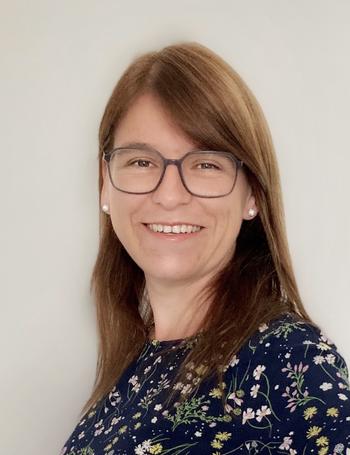
Liqiu Hu is a Doctoral Researcher at the Laboratory of Natural Materials Technology , affiliated with the Faculty of Science and Engineering at Åbo Akademi University. Their research focuses on bio-based materials , polymerization techniques , and nanocellulose applications , contributing to Sustainable Development Goals like responsible consumption and climate action. Key research areas: Lignin, Nanocellulose, Polymerization, Bio-based films, Green chemistry, Biocomposites Recent work trends: In-situ polymerization, Pickering emulsions, Drug delivery systems, Agricultural waste upcycling, Aqueous dispersion processing Collaborations include researchers from Åbo Akademi University and TAPPI Press. Publications span from 2017 to 2025, highlighting innovations in biopolymer interfaces and sustainable packaging . The laboratory's fingerprint indicates strong alignment with lignin (100%), nanocellulose (75%), and polymerization (66%) research.
Jingyi Chen is a Professor in the Department of Chemistry and Biochemistry at the University of Arkansas. She serves as Vice Chair in the College of Arts & Sciences and leads the Chen Research Group focused on rational design and synthesis of functional nanomaterials for energy conversion and human-health applications. PhD, Chemistry & Nanotechnology – University of Washington (2006) MA, Chemistry – State University of New York College at Buffalo (2002) BS, Chemistry – Sun Yat-sen University (1997) Her research spans three major projects: Project I: Developing cost-effective catalysts for fuel cell applications through precise synthesis of copper-based bimetallic nanocrystals. Project II: Surface modification of nanoparticles with polydopamine for bio-related applications like low-friction coatings. Project III: Creating nanoplatforms for targeted drug delivery against antibiotic-resistant infections and cancer. Recent publications focus on nickel phosphide nanoparticles (2024), perovskite oxide oxygen evolution catalysts (2023-2024), and silver nanoparticle antimicrobial mechanisms (2020-2023). Her group has produced 15+ recent publications in journals like ACS Nano , J. Phys. Chem. C , and ACS Infectious Diseases . Award highlights include: Thomson Reuters Top 1% Highly Cited Researcher (2015-2018) Arkansas Research Alliance Fellow (2018) Women’s Giving Circle Award (2014) Ralph E. Powe Junior Faculty Enhancement Award (2011) She has mentored over 20 graduate and undergraduate students , including Ryan Manso (PhD 2022), Isabelle Niyonshuti (PhD 2021), and David Thompson (DOE SCGSR awardee 2022). Her lab (CHBC 304/306/309) employs advanced tools like synthesis setups , electrochemical stations , and laser irradiation systems .
Dr. Charalampos (Babis) Pitsalidis is an Assistant Professor at the Department of Physics, Khalifa University, and a Visiting Scholar at the University of Cambridge. He directs the Laboratory of Biosystems and Bioelectronics on Chip (LAB-BBC), focusing on interdisciplinary research at the intersection of electronics and biology. Education: BSc in Physics (University of Crete, 2004), MSc in Nanosciences & Nanotechnologies (Aristotle University of Thessaloniki, 2010), PhD in Physics (Aristotle University of Thessaloniki, 2014) His research themes span bioelectronics, energy harvesting, and wearable technologies, with emphasis on triboelectric nanogenerators (TENGs) for biomedical applications. Projects include SENSE-MS (self-powered wearables for monitoring multiple sclerosis) and BioTENG (bio-derived materials for sustainable energy devices). Recent publications highlight advancements in biodegradable TENGs, injectable hydrogels, and multimodal imaging contrast agents. Awards include the Heraclitus II PhD Scholarship. Key affiliations: Khalifa University, University of Cambridge Labs: Director of LAB-BBC
Molly S. Shoichet serves as a University Professor at the University of Toronto's Faculty of Applied Science and Engineering, holding the Pamela and Paul Austin Chair in Precision and Regenerative Medicine and previously the Michael E. Charles Chair in Chemical Engineering. She leads the Shoichet Laboratory (Room 514, 160 College Street) focused on biomaterials-driven solutions for regenerative medicine and drug delivery challenges. Her educational foundation includes a B.Sc. from MIT and M.Sc./Ph.D. from the University of Massachusetts. This training underpins her cross-disciplinary approach integrating engineering, chemistry, and biology to address unmet medical needs. Shoichet's research centers on four synergistic pillars: (1) Targeted cancer delivery using colloidal drug aggregates for breast, brain, lung, and lymphoma; (2) Injectable hydrogels enabling sustained biomolecule release to the CNS for spinal cord/retinal repair; (3) 3D biomimetic scaffolds modeling disease microenvironments for drug screening; and (4) Cell delivery systems enhancing stem cell survival in blindness/stroke applications. Her lab emphasizes translational impact through commercialization efforts like AmacaThera. Analysis of her 2021-2025 publications reveals accelerating innovation in RNA delivery platforms, neural repair strategies, and disease-specific hydrogel systems, with strong emphasis on pulmonary delivery, stroke recovery mechanisms, and ocular therapeutics. These works bridge nanomedicine, regenerative biology, and clinical translation across cancer and neurological disorders. Her exceptional contributions are recognized through over 30 major honors including: Gerhard Herzberg Canada Gold Medal (2020) Killam Prize in Engineering (2017) Foreign Membership in US National Academy of Engineering (2016) Fellowship in The Royal Society (2019) Officer of the Order of Canada (2018) L’Oréal-UNESCO For Women in Science Laureate (2015) Shoichet actively mentors graduate students (including OGS/QEII scholars Chris Ling, Nadiyah Khan, and Riley Li) and secures major funding from Natural Sciences and Engineering Research Council (NSERC), Canadian Institutes of Health Research (CIHR), Canada First Research Excellence Fund (Medicine by Design), Krembil Foundation, and McEwen Foundation. Her lab operates as a multidisciplinary hub collaborating with stem cell biologists, neurosurgeons, and cancer researchers to advance therapeutic pipelines. The Shoichet Lab maintains state-of-the-art facilities for polymer synthesis, cell culture, and in vivo testing, with current projects focused on RNA delivery stabilization, glaucoma treatment systems, and stroke recovery mechanisms. Her TERMIS-Americas leadership and commercialization initiatives demonstrate commitment to translating biomaterials innovations into clinical impact.
LaShanda T. J. Korley is a Distinguished Professor of Engineering at the University of Delaware with joint appointments in Materials Science and Engineering and Chemical & Biomolecular Engineering. She directs the Department of Energy's Center for Plastics Innovation (CPI), co-directs the UD CHARM Materials Research Science and Engineering Center, leads the NSF PIRE project on Bio-inspired Materials and Systems, and serves as Associate Director of the Center for Research in Soft matter & Polymers (CRiSP). Her research program pioneers bio-inspired sustainable materials through a bioeconomy framework, focusing on molecular design of functional polymeric systems including thermoplastics, networks, composites, and gels. Core interests span plastics deconstruction/upgrading, sustainable materials development, and novel fiber/composite manufacturing, with emphasis on lignin-derivable polymers and peptide-polymer hybrids for circular polymer solutions. Recent publications (2024-2025) reveal intense focus on polymer upcycling through advanced depolymerization techniques for polyurethanes, polystyrene, and polyethylene. Her group innovates across catalytic conversion, enzymatic deconstruction, vitrimer chemistry, and bio-hybrid hydrogels, demonstrating interdisciplinary approaches to transform plastic waste into high-value materials while addressing performance-sustainability tradeoffs. Scientific Awards 2023 ACS Fellow 2023 RSC Fellow 2023 AIChE Fellow 2023 ACS POLY Fellow 2023 U.S. Science Envoy 2022 AIChE MAC William W. Grimes Award for Excellence in Chemical Engineering 2022 APS Fellow 2022 ACS PMSE Fellow 2021 AIChE MAC Gerry Lessells Award 2021 Chemical and Engineering News Black Trailblazer 2020 AIMBE Fellow 2019 NOBCChE Lloyd N. Ferguson Young Scientist Award Korley secures major federal funding to advance sustainable polymer science, including DOE support for catalytic plastic waste deconstruction and NSF backing for international bio-inspired materials research. Her grants portfolio drives interdisciplinary collaboration across chemistry, engineering, and environmental science to develop circular economy solutions. She mentors a dynamic research group training next-generation scientists in advanced materials characterization and sustainable design principles. Her laboratories at the University of Delaware integrate molecular synthesis, catalytic testing, and advanced characterization to develop next-generation polymer systems. The research environment emphasizes cross-disciplinary teamwork between chemists, materials scientists, and engineers to tackle plastics sustainability challenges through fundamental molecular design and scalable process innovation.
Kevin McHugh is an Assistant Professor of Bioengineering at Rice University and a CPRIT Scholar in Cancer Research. He leads the McHugh Lab, which focuses on developing biomaterial microdevices for drug delivery, cancer immunotherapy, and tissue engineering using advanced fabrication techniques like multi-photon 3D printing. His work bridges materials science, immunology, and global health, with a particular emphasis on single-injection vaccines and controlled-release systems. Education Ph.D., Biomedical Engineering, Boston University (2014) M.S., Biomedical Engineering, Boston University (2012) B.S., Biomedical Engineering, Case Western Reserve University (2009) Research Interests McHugh’s lab explores three core areas: Drug Delivery: Designing systems for targeted drug release to improve vaccine efficacy and chronic disease management. Cancer Immunotherapy: Developing localized immunostimulatory therapies to enhance anti-tumor responses. Tissue Engineering: Creating bioinstructive scaffolds for functional tissue regeneration. Recent projects include a $2M CPRIT grant for cancer immunotherapy and Gates Foundation funding to develop combination vaccines for the developing world. Grants & Awards CPRIT Scholar in Cancer Research NIH R21 Award (2024) NIH R25 Award (2024) Gates Foundation Grant (2024) Lab & Collaborations The McHugh Lab collaborates on translational research, with a focus on clinical feasibility. Notable achievements include microneedle-based vaccination record systems and heat-stable vaccine microparticles. The lab actively trains students in bioengineering, materials science, and immunology.
Tony Jun Huang is the William Bevan Distinguished Professor of Mechanical Engineering and Materials Science at Duke University, with additional professorships in Electrical and Computer Engineering and Biomedical Engineering. His research focuses on acoustofluidics, optofluidics, and micro/nano systems for biomedical diagnostics and therapeutics. Ph.D. in Mechanical and Aerospace Engineering (UCLA, 2005) Huang's research has revolutionized biomedical microsystems through acoustofluidic technologies, enabling contactless particle manipulation, exosome isolation, and advanced diagnostic platforms. His work has been cited over 36,000 times (h-index: 102) with 30 issued/pending patents. Recent publications highlight his innovations in acoustic tweezers, extracellular vesicle analysis, topological acoustofluidics, and AI-assisted biomimetic imaging. His lab develops technologies for single-cell analysis, non-invasive diagnostics, and programmable material systems. 2023 Highly Cited Researcher (Web of Science) 2020 Fellow of the National Academy of Inventors (NAI) 2019 Van C. Mow Medal (ASME) 2017 Analytical Chemistry Young Innovator Award (ACS) 2010 NIH Director's New Innovator Award Huang has taught courses including ME 535: Biomedical Microsystems and mentored numerous graduate students through his Duke Acoustofluidics Lab. His lab's technologies are applied in cancer biomarker detection, Alzheimer's diagnostics, and wound healing hydrogels.
Anne Seidlitz is a Professor of Pharmaceutical Technology at the Free University of Berlin since October 2024, previously holding the same position at Heinrich Heine University Düsseldorf (2021-2024). Affiliated with the Institute of Pharmacy , she leads the Seidlitz Pharmaceutical Technology Group , focusing on solid dosage forms and biorelevant drug release studies using 3D printing and hydrogel compartments . Doctorate in Pharmaceutical Technology (Greifswald, 2009) Habilitation in Natural Sciences (Greifswald, 2015) Qualified Person under German Medicines Act (AMG) Visiting Professorships: Hamburg, Jena Research Interests: Formulation development for implants , intravitreal injections , and subcutaneous delivery systems , with emphasis on biorelevant dissolution testing under physiological flow/movement conditions. Her group pioneers 3D-printed drug delivery devices and custom hydrogel models for vitreal , ear canal , and vascular implants . Publication Trends: Recent articles focus on thermal stability of steroids during extrusion, individualized implant design , and hydrogel compartments for non-oral dissolution testing . Key collaborations include EUFEPS Network and APV (Association for Pharmaceutical Process Engineering). Scientific Involvement: Member of EUFEPS Network on Bioavailability Scientific Council, German Federal Chamber of Pharmacists Active in APV (Arbeitsgemeinschaft für Pharmazeutische Verfahrenstechnik) Student Supervision: Mentored 24+ theses including 3D-printed tablets , implant coatings , and vitreal drug distribution . Collaborates with institutions in Düsseldorf , Jena , and Hamburg .
Dr. Cedryck Vaquette is a Research Fellow at the School of Dentistry, Faculty of Health, Medicine and Behavioural Sciences at the University of Queensland. He is also an Affiliate of the Centre for Orofacial Regeneration, Reconstruction and Rehabilitation (COR3). His research focuses on developing innovative biomaterials and scaffold designs for dental and orthopedic applications. Dr. Vaquette holds a Doctor of Philosophy degree and has established himself as a leading researcher in tissue engineering with a particular focus on dental and bone regeneration. His work bridges the gap between materials science and clinical dentistry, developing solutions for complex regenerative challenges. University of Queensland - School of Dentistry Centre for Orofacial Regeneration, Reconstruction and Rehabilitation (COR3) His primary research interests include tissue engineering, biomaterials development, 3D printing for medical applications, dental implants, bone regeneration, and periodontal regeneration. Dr. Vaquette's work often involves the design and testing of novel scaffolds for soft and hard tissue regeneration, with a particular emphasis on creating clinically viable solutions for dental and orthopedic applications. Dr. Vaquette has secured significant funding from various sources including the International Team for Implantology Foundation, Australian Dental Research Fund Inc, University of Zurich, and Osteology Foundation. His current projects include understanding resorption patterns in vertically augmented bone and developing fiber-guiding scaffolds functionalized with Emdogain for periodontal regeneration. Understanding resorption patterns in vertically augmented bone (2023-2025) A Fibre guiding scaffold functionalised with Emdogain for periodontal regeneration (2023-2024) Dimensionally stable vertical bone augmentation using release bone morphogenetic protein 2 loaded 3D-printed Gelatine Methacrylate/mesoporous bioglass (2022-2024) Dr. Vaquette is actively supervising multiple PhD and Master's students, both as principal advisor and associate advisor. He frequently collaborates with Professor Saso Ivanovski on research projects and student supervision. His supervision portfolio includes projects on melt electrowritten scaffolds for oral soft tissue augmentation, tissue scaffolds for facial reconstruction, and bioresorbable metals as alternatives to titanium. His research has resulted in numerous publications spanning from 2004 to 2025, with a strong focus on scaffold design, biomaterials characterization, and regenerative approaches for dental and orthopedic applications.
Liu Hongmei is a Researcher and Master's Supervisor at Southern University of Science and Technology's Department of Biomedical Engineering. Holding a Ph.D. from the Chinese Academy of Sciences, she specializes in micro-nano robotics and tissue engineering for tumor therapy, with over 66 publications and 12 patents. Her work bridges biomedical engineering and nanotechnology for precision cancer treatments. B.S., Biological Sciences, Harbin Normal University (2005) M.S., Botany, Northeast Agricultural University (2008) Ph.D., Biochemical Engineering, Chinese Academy of Sciences (2015) Her research focuses on biomaterials engineering , nanoparticle drug delivery , and microenvironment-responsive hydrogels . Key areas include glioma therapy, traumatic brain injury recovery, and intervertebral disc degeneration treatments. Recent work explores pH/ROS/inflammation-triggered hydrogels and bioengineered bacteria for disease modulation. Article trends show a strong emphasis on nanoparticle design (2014-2025) for glioma, hydrogel development (2017-2025) for tissue repair, and biomimetic material synthesis (2023-2025) inspired by spider silk and meniscus structures. Sub-fields span pyroptosis inhibition, epigenetic reprogramming, and microbiome engineering. Jiangsu Science and Technology Award (2020) Jiangsu Medical Science and Technology Award (2020) Jiangsu Educational Science Research Award (2021) Chinese Medical Doctor Association's Outstanding Young Scientist (2018) Liu has supervised numerous projects including National Natural Science Foundation of China grants, Jiangsu Province Key R&D Program funding, and Shenzhen City General Projects. She holds 12 Chinese invention patents and collaborates with institutions like the UNESCO Centre for Higher Education Innovation.
Eric Appel is an Associate Professor of Materials Science and Engineering at Stanford University, with courtesy appointments in Pediatrics (Endocrinology) and Bioengineering. He is also a Senior Fellow at the Woods Institute for the Environment. His research focuses on biomimetic polymeric materials for healthcare solutions, including drug delivery, tissue engineering, and vaccine optimization. He holds a PhD in Chemistry from the University of Cambridge (2012), an MS in Polymer Science from Cal Poly SLO (2008), and a BS in Chemistry from the same institution (2008). His postdoctoral work at MIT with Robert Langer advanced supramolecular biomaterials. Key research interests include injectable hydrogels for sustained drug delivery, anti-inflammatory biomaterials, and immunomodulatory technologies. He has pioneered depot hydrogels that enhance vaccine efficacy and reduce administration frequency. His work bridges polymer chemistry, immunology, and clinical translation, with over 100 publications and 35 patents. Three startups have emerged from his lab, commercializing technologies like ocular drug delivery systems and antimicrobial polymers. Notable awards include the IUPAC Hanwha-Total Young Polymer Scientist Award (2022), Society for Biomaterials Young Investigator Award (2023), and Royal Society of Chemistry’s Biomaterials Science Lectureship (2023). His labs focus on translating biomaterials into clinical applications, with projects addressing diabetes management, wildfire protection via advanced hydrogels, and cancer immunotherapy improvements. He collaborates broadly across engineering, medicine, and environmental science.
Dr Christopher Spicer is a Lecturer in Chemistry at the Department of Chemistry, University of York. His research focuses on developing synthetic biomolecules and materials to modulate biological systems, with particular emphasis on tissue regeneration and biomaterial design. The Spicer Lab employs interdisciplinary approaches combining chemical biology, materials chemistry, and bioengineering to create platforms that mimic natural regenerative processes. Key research areas include bioconjugation chemistry, dynamic material systems, and the design of 3D scaffolds for controlled cellular behavior. The lab's work bridges chemistry, biology, and materials science to address challenges in regenerative medicine. Current PhD opportunities are available in these fields. Dr Spicer's research emphasizes modular biomaterial platforms, enzymatically triggered delivery systems, and the development of novel bioactive materials. His work is supported by cutting-edge techniques such as solid-phase peptide synthesis, metadynamics simulations, and advanced microscopy. Contact: chris.spicer@york.ac.uk / Spicer Lab Website