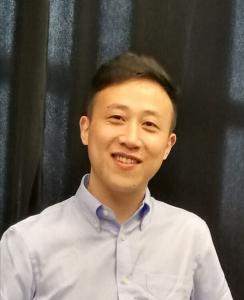
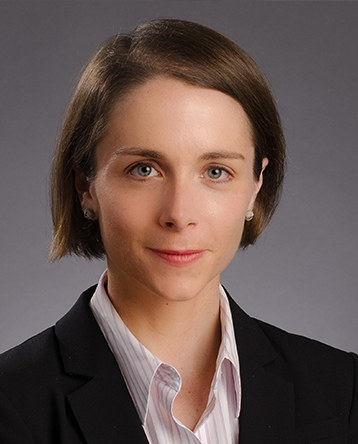
Alejandro Tirachini is an Associate Professor in Transport Planning at the University of Chile, specializing in transportation systems research with emphasis on public transport optimization, emerging technologies, and socio-economic impacts. His work bridges engineering, urban planning, and policy analysis to address global mobility challenges. His research spans public transport operations, road transportation systems, autonomous vehicle integration, and sustainable mobility solutions. Key methodologies include agent-based modeling, statistical analysis, and mathematical programming for optimization. Tirachini investigates environmental externalities, economic systems in transport, and behavioral responses to innovations like real-time information apps and teleworking. Analysis of his 2023-2025 publications reveals a strong focus on practical transport solutions: bus scheduling algorithms, electrification barriers, real-time information impacts, and railway barrier effects. His work consistently compares developed and developing country contexts, with significant Chilean case studies. Methodologically, he combines quantitative techniques with socio-technical analysis to evaluate policy interventions across environmental, economic, and behavioral dimensions.
James F. English is the John Welsh Centennial Professor of English at the University of Pennsylvania and former Faculty Director of the Price Lab for Digital Humanities (2015-2024). He previously directed the Penn Humanities Forum (2011-2018), served as Chair of the English Department, and has held interim leadership roles including Director of Cinema Studies and Moderator of the University Council. Currently teaching courses in British Cinema and The Economics of Literature and Film in the 21st Century for Fall 2025, he remains an active scholar despite being on leave Spring 2025. English's research spans multiple interconnected fields including 20th and 21st century British and American literature, digital humanities, literary sociology, and the study of literary awards and prestige systems. His influential work examines how literary value circulates through institutional channels, with particular focus on globalization's impact on English studies. His approach combines historical analysis with contemporary cultural theory, examining how literature functions within broader economic and social systems. His publications reveal consistent engagement with questions of scale, value, and institutional structures in literary production. The articles demonstrate his evolution from studying literary prizes and cultural prestige to examining contemporary issues like digital reading practices, temporal dimensions of fiction, and interdisciplinary approaches to literary sociology. His work consistently bridges traditional literary scholarship with sociological and economic frameworks. 2025 Dennis M. DeTurck Award for Innovation in Teaching 2016 Ira Abrams Memorial Award for Distinguished Teaching 1995 Penn Mortar Board Alumni Association Award For Outstanding Teacher Professor English has directed 25 doctoral dissertations across diverse topics in contemporary literature, globalization, and literary theory, while serving on nearly 50 doctoral committees. His teaching grants have supported innovative approaches to literary studies, particularly in digital humanities and the study of literary markets. His leadership in establishing the Price Lab for Digital Humanities has created significant infrastructure for digital scholarship at Penn. As founder and former director of the Price Lab for Digital Humanities, English established one of the leading digital humanities centers in the country, fostering interdisciplinary collaboration across humanities disciplines. His work with the Wolf Humanities Center (formerly Penn Humanities Forum) further demonstrates his commitment to creating institutional frameworks that support innovative humanities research.
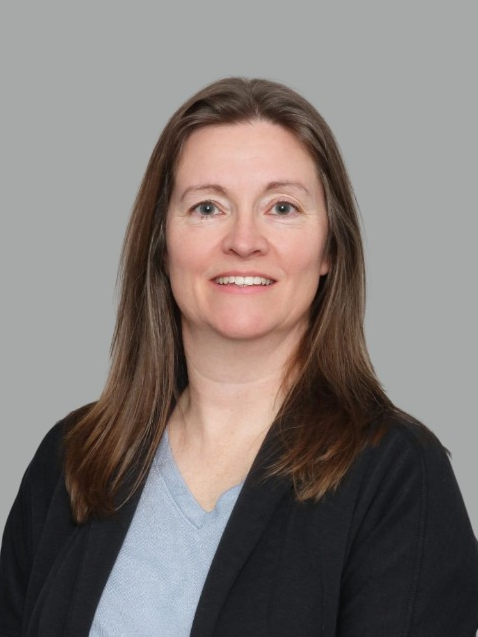
Carolyn Sparrey is an Associate Professor and Graduate Student Supervisor in the School of Mechatronic Systems Engineering at Simon Fraser University (SFU). She leads the Neurospine Biomechanics Laboratory, focusing on injury prevention and management through biomechanical research. Her work bridges engineering principles with clinical applications, collaborating with Vancouver General Hospital and accident reconstruction experts. Dr. Sparrey holds a Ph.D. in Mechanical Engineering (UC Berkeley, 2008), M.A.Sc. (UBC, 2004), and B.A.Sc. (University of Waterloo, 2001). Her research emphasizes spinal cord injury mechanics, tissue material characterization, and patient-specific modeling. She teaches courses like MSE 420 (Biomechanical Engineering) and MSE 222 (Kinematics and Dynamics). Her lab’s current projects include mechanical characterization of neurological tissues, thermodynamic modeling of spinal cord injury treatments, and injury prevention device design. Funding opportunities are available for exceptional graduate students through NSERC and CIHR awards. Undergraduate and co-op students can engage in projects aimed at publishing or presenting results. Dr. Sparrey actively promotes interdisciplinary collaboration, with a focus on translating engineering solutions into clinical practice. Her teaching philosophy prioritizes preparing students for industry, research, and societal contributions through innovative curricula.
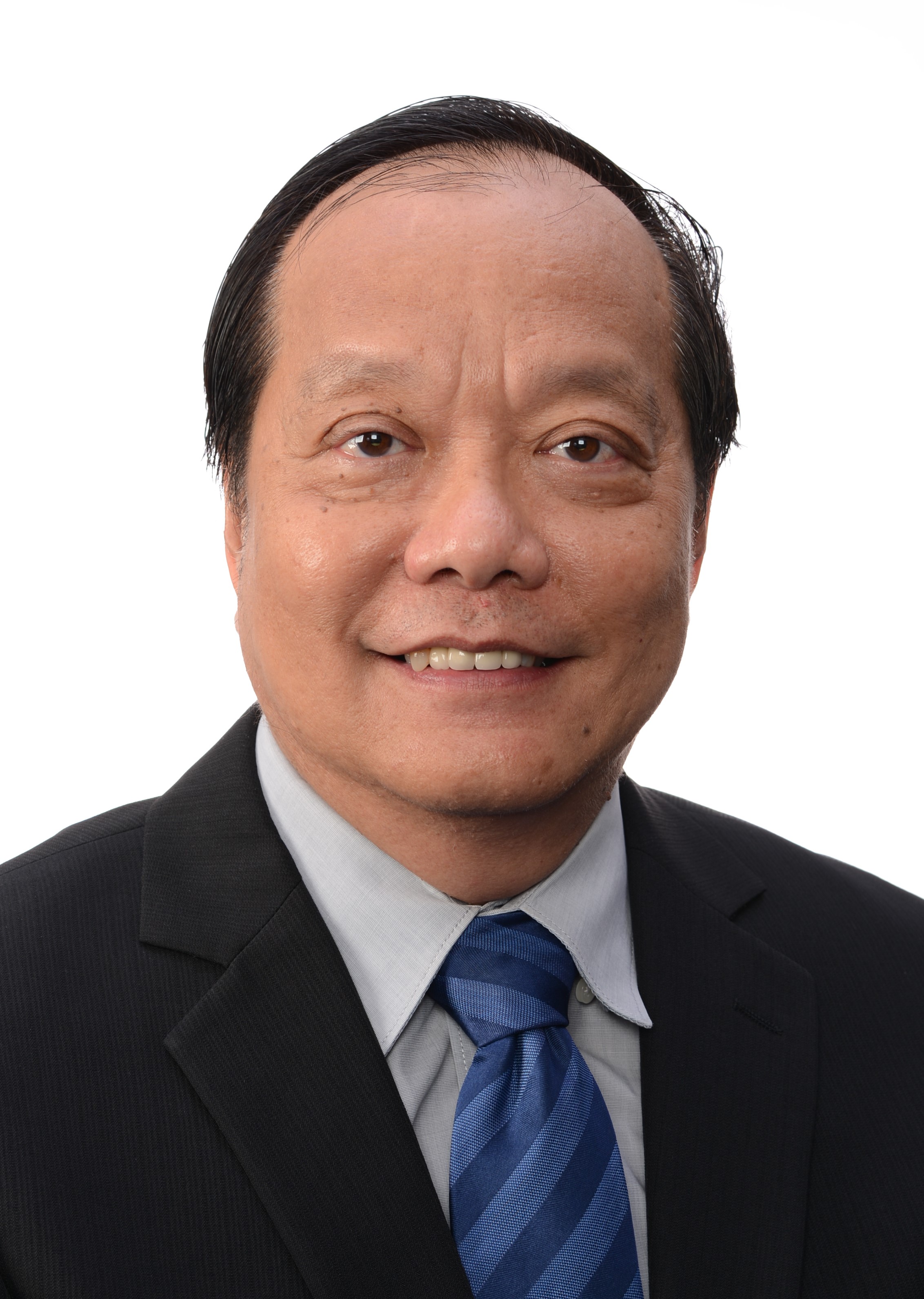
Professor Chin Hoong Chor is a Professor in the Department of Civil Engineering at the National University of Singapore (NUS), affiliated with the Faculty of Engineering. He specializes in transportation systems modeling, safety assessment, and congestion management. As a registered professional engineer and road safety auditor, he has contributed to numerous projects with Singapore’s land authorities and private companies. He holds leadership roles including Vice Chairman of the Chartered Institute of Logistics and Transport and Editorial Board membership for the International Journal of Transport Management. Qualifications include a BEng and MEng from NUS and a PhD in Transportation Engineering from the University of Southampton. His research interests span vehicle detection using image processing, traffic conflict analysis, and public transport optimization. Notable awards include the NUS Faculty Innovative Teaching (Gold) Award (2001/2002) and the UK Institution of Civil Engineers Webb Prize (2003). Education: BEng in Civil Engineering, National University of Singapore MEng in Civil Engineering, National University of Singapore PhD in Transportation Engineering, University of Southampton His research focuses on quantitative safety analysis, traffic flow modeling, and smart city initiatives. Recent work explores maritime collision risk modeling and sentiment analysis for transportation planning. He actively contributes to government committees and has authored over 40 peer-reviewed papers on traffic management and safety. Awards: Faculty Innovative Teaching (Gold) Award, 2001/2002 UK Institution of Civil Engineers Webb Prize 2003 Prof Chin has undertaken traffic impact studies and road safety reviews in Singapore, collaborating with public and private sectors. His work bridges academic research and practical policy implementation, emphasizing sustainable urban mobility solutions.
Zakir Durumeric is an Assistant Professor of Computer Science at Stanford University, leading the Stanford Empirical Security Research Group. His research focuses on Internet security, trust, and safety, emphasizing large-scale network measurement and open-source tool development. He founded Censys, a platform providing global Internet device data, and maintains tools like ZMap, ZGrab, and Retina. Research interests include cybercrime prevention, censorship analysis, disinformation tracking, and platform governance for online harassment. Notable contributions include studies on the Mirai botnet, TLS certificate ecosystems, and vulnerabilities like Heartbleed and Logjam. Awards include the IRTF Applied Networking Research Prize (2015) and a Test of Time Award (2022). Teaches courses: CS155 (Computer & Network Security), CS356 (Systems & Network Security), and CS249i (Modern Internet). Advises over 20 students, including Catherine Han, Kimberly Ruth, and Liz Izhikevich. Develops open-source software such as ZMap Toolkit and ASdb, and maintains datasets like CrUX Top Million Websites. Recent work explores toxic online behavior, misinformation ecosystems, and regional censorship mechanisms in China. His lab’s tools are widely adopted in academia and industry for security research and policy guidance.
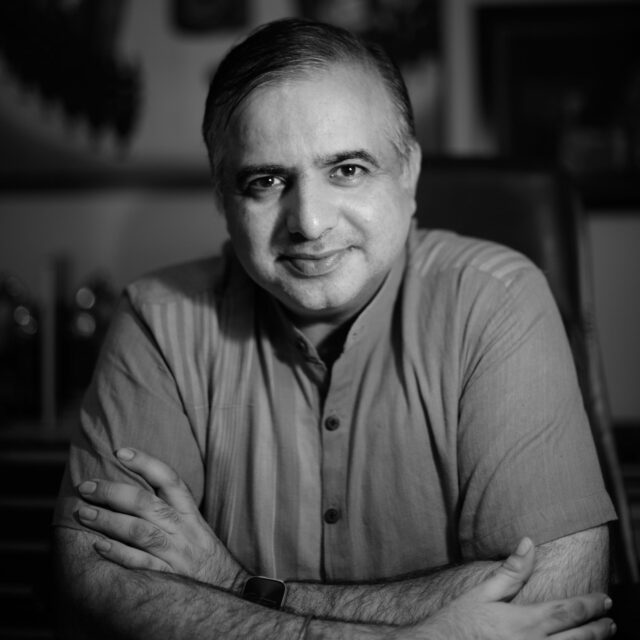
Prof. Gaurav Raheja is a Professor at the Department of Architecture & Planning, IIT Roorkee, and Co-coordinator of the Design Innovation Centre. He holds joint faculty positions at the Centre for Transportation Systems and is Professor-in-charge of Inclusion and Accessibility Services. His academic journey includes a PhD (2008) and M.Arch (2002) from IIT Roorkee, and a B.Arch from PTU Jalandhar (2000). His research focuses on universal design, inclusive mobility, urban sustainability, and accessibility for marginalized groups such as persons with disabilities, children, and the elderly. He leads the Laboratory of Inclusive Design (LID) and advises India’s government on accessibility policies. Notable awards include the Mphasis Universal Design Award (2010) and DAAD Research Ambassadorship (2018–2022). He has authored over 50 publications, including books on universal design and accessibility. His recent work explores children’s independent mobility in urban areas, inclusive urban futures, and accessibility in pilgrimage towns. He collaborates with global institutions like TU Berlin and TU Dresden through DAAD-funded programs. His teaching spans courses on universal design, architectural theory, and sustainable urban planning.
Francisco Camara Pereira is a Professor and Head of Section at the Department of Technology, Management and Economics at the Technical University of Denmark (DTU). His research focuses on Intelligent Transportation Systems, Machine Learning, and Data-Driven Decision-Making in transportation contexts. He actively contributes to advancing transportation science through interdisciplinary approaches combining simulation, optimization, and AI techniques. His work addresses challenges in public transport analysis, charging infrastructure planning, and multimodal demand prediction. Recent projects include developing graph-based optimization methods for electric vehicle networks and causal discovery frameworks for transportation systems. He supervises multiple PhD students in areas like federated learning for cyclist safety, causal graph neural networks, and socially aware AI models. Key contributions include publications on smart card data analysis for travel surveys, stochastic infrastructure expansion models, and transfer learning for bike-share systems. His research aligns with UN Sustainable Development Goals related to sustainable cities and innovation. Dr. Pereira collaborates internationally on transportation policy and infrastructure projects. His lab focuses on translating theoretical advancements into practical solutions for urban mobility challenges.
Brian Larkin is Professor of Anthropology at Barnard College, Columbia University, and Codirector of Columbia's Center for Comparative Media. He holds a PhD from NYU (1998) and studies media technologies through anthropological frameworks. Research examines media infrastructures in Nigeria: Religious media in Islamic and Christian contexts Nigerian film (Nollywood) circulation Urban soundscapes and loudspeaker culture Infrastructure politics and colonial legacies Authored Signal and Noise: Media, Infrastructure, and Urban Culture in Nigeria (Duke, 2008) and co-edited Media Worlds: Anthropology on New Terrain (California, 2002). Current work explores the relationship between media forms, religious transformations, and urban experience in postcolonial contexts.
Professor Mia Woodruff is a leading academic at Queensland University of Technology (QUT), holding the position of Professor in the School of Mechanical, Medical and Process Engineering within the Faculty of Engineering. She is the Group Leader of the Biofabrication and Tissue Morphology Group and Acting Director of the Herston Biofabrication Institute. Her research focuses on biofabrication, tissue engineering, and 3D printing applications in medicine, particularly in bone regeneration, vascular surgery, and personalized prosthetics. Woodruff holds a PhD in Materials Engineering from the University of Nottingham, UK. She has led over $40 million in external grants, including ARC and Advance Queensland funding. Her work emphasizes translating biofabrication technologies into clinical practice, such as developing patient-specific implants and surgical tools. She has published over 120 peer-reviewed articles and co-founded initiatives like the Herston Biofabrication Institute to bridge clinical, research, and industry collaboration. Key research areas include composite biomaterials, 3D scanning/modelling, electrospinning, and large-animal models for bone regeneration. She has been awarded the QUT Vice Chancellor’s Research Fellowship and ARC Fellowship. Her outreach efforts include promoting STEM through media appearances and school programs, such as the 3D Printing in All High Schools initiative. Grants & Awards $40M Innovation Manufacturing CRC (Co-Investigator) $3.72M ARC Industrial Transformation Training Center (Additive Biomanufacturing) Advance Queensland Fellowships ($1.2M Cluster Grant for Biofabrication) Media & Engagement Featured in SCOPE TV, SBS The Feed , and ABC News Keynote speaker at global conferences (e.g., TERMIS, ORS) Research Infrastructure Herston Biofabrication Institute: Integrates 3D printing, clinical trials, and patient collaboration World-first Biofabrication Master’s program launched in 2014
Dr. Carsten Nowak serves as Head of Conservation Genetics at the Senckenberg Research Institute and Natural History Museum Frankfurt, where he leads the national reference center for genetic analyses of wolves and lynx. His work bridges cutting-edge molecular methods with practical conservation applications, focusing on wildlife monitoring and species preservation. Since 2010, his laboratory has been responsible for central examination of all samples collected through Germany's nationwide wolf and lynx monitoring programs. Nowak's research interests center on developing highly sensitive molecular marker systems for wildlife monitoring, with particular expertise in environmental DNA (eDNA) methods and SNP chips optimized for genotyping forensic and non-invasively collected environmental samples. His work addresses critical questions in conservation biology, including inbreeding, genetic impoverishment, population origins, and human environmental impacts on genetic population structures of native species. He investigates how genetic methods can clarify previously unanswered questions in nature conservation, where data limitations often hinder efficient and targeted conservation measures. His extensive publication record (2023-2025) reveals a strong focus on wolf population dynamics across Europe, hybridization detection methodologies, and conservation genomics of endangered species like the garden dormouse. Nowak's research demonstrates sophisticated approaches to tracking animal movements across national borders, assessing genetic diversity in recovering populations, and developing practical tools for non-invasive wildlife monitoring. His work on wolf-dog hybridization has particular policy relevance as wolf populations expand across Europe. As a public-facing scientist, Nowak regularly engages with policymakers and the public through presentations, media appearances, and citizen science projects. He has participated in high-profile events including briefings for Federal Environment Minister Svenja Schulze and numerous public lectures on wildlife conservation topics. His leadership extends to coordinating international research collaborations, including the CEwolf Consortium and various transboundary monitoring networks. Nowak directs the Center for Wildlife Genetics in Gelnhausen, where his team conducts DNA-based analyses of predator-prey interactions, livestock depredation incidents, and wildlife population monitoring. His laboratory serves as the national reference center for genetic analyses of wolves and lynx in Germany, processing samples from across the country to distinguish individuals, determine relatedness, and monitor population health. The center also develops molecular methods for detecting wolf-dog hybrids and other conservation genetics applications.
Dr. Jing Wang is a Professor in the Department of Bioinformatics at Southern Medical University's School of Medicine, with extensive research at the intersection of artificial intelligence and biomedical applications. Her work demonstrates strong cross-disciplinary collaboration across medical institutions, engineering departments, and computer science research groups. Her primary research interests include Artificial Intelligence in Healthcare , Biomedical Engineering , and Traditional Chinese Medicine Informatics , with recent publications showing particular expertise in medical imaging analysis, diagnostic assistance systems, and clinical decision support. Her work spans both theoretical algorithm development and practical clinical implementations. Analysis of her 15 most recent publications (2025-2026) reveals a strong trend toward clinically applicable AI systems, with approximately 60% of publications focused on medical diagnostics and treatment support systems. The remaining publications demonstrate expertise in industrial applications of computer vision and fundamental AI research. Her work shows consistent collaboration with both domestic Chinese institutions and international research groups. Notable scientific contributions include: Development of 'Tianyi', a traditional Chinese medicine language model for clinical practice Innovations in bionic soft robotics for rehabilitation assistance Novel approaches to medical image analysis for cancer diagnostics Her research program appears well-funded with consistent publication output across high-impact journals in biomedical engineering, AI, and medical informatics. Current work suggests strong emphasis on translating AI research into clinical practice, particularly in diagnostic support systems and rehabilitation technology.
Dr. Mohammadreza Arani is an Assistant Professor and Canada Research Chair (CRC) in Smart Grid Cyber-Physical Security at Toronto Metropolitan University's Department of Electrical, Computer, and Biomedical Engineering. He joined the university in 2019, bringing expertise in renewable energy, microgrids, and cybersecurity. His research focuses on enhancing smart grid stability, renewable integration, and cyber-physical security. Education: BSc: Sharif University of Technology (2009) MASc: University of Waterloo (2012) PhD: University of Alberta (2017) Research Interests: Arani specializes in cyber-physical security of smart grids, microgrid dynamics, renewable energy systems, and power system stability. His work bridges urban infrastructure needs and advanced energy technologies, emphasizing practical solutions for modern grid challenges. Awards: NSERC Postdoctoral Fellowship (2017–2019) Alberta Innovates Technology Future Student Scholarship (2014–2017) Advising & Collaboration: Arani views graduate students as future colleagues, fostering independent research and collaboration. He emphasizes interdisciplinary approaches and industry-academia partnerships, leveraging Toronto's urban environment for applied research. Labs & Teams: While no specific lab is named, his research benefits from Toronto Metropolitan's facilities and collaboration networks in power systems and cybersecurity.
Andrew S. Whittaker is a SUNY Distinguished Professor in the Department of Civil, Structural and Environmental Engineering at the University at Buffalo, State University of New York . He serves as Director of the Institute of Bridge Engineering and Interim Director of the Stephen Still Institute for Sustainable Transportation and Logistics , both within the School of Engineering and Applied Sciences . A registered Civil and Structural Engineer in California, Whittaker specializes in structural and earthquake engineering, bridge engineering, blast and impact engineering, performance-based engineering, and nuclear structures. Research Interests: His work focuses on seismic isolation systems for nuclear reactors, fluid-structure interaction in advanced reactor vessels, gamma radiation effects on materials, and the dynamic behavior of graphite blocks in high-temperature gas reactors (HTGRs). He also explores the commodification of microreactors and soil-structure interaction for seismically isolated facilities. Scientific Awards: Distinguished Member, American Society of Civil Engineers (2025) Untermyer & Cisler Reactor Technology Medal (2023) Nathan M. Newmark Medal (2023) Fellow of multiple societies (ASCE, SEI, ACI) Awards and grants highlight his leadership in nuclear safety, seismic engineering, and reactor design.
Hui Luan is an Assistant Professor in the Department of Public Health at the Peter O’Donnell Jr. School of Public Health, UT Southwestern Medical Center. He joined UT Southwestern in 2024 after serving as an Associate Professor (tenured) at the University of Oregon (2018–2024). His research focuses on spatial epidemiology, Bayesian spatiotemporal statistics, and GIS applications to address health disparities and environmental determinants of disease. Education: Ph.D. in Planning, University of Waterloo, 2017 M.S. in Cartography and GIS, Wuhan University, 2011 B.S. in GIS, Wuhan University, 2009 Research Interests: Dr. Luan investigates spatial and temporal variations in health outcomes, particularly HIV incidence, and the role of social, physical, and built environments. He develops Bayesian models and spatial analytics to inform geographically tailored interventions. Current projects include optimizing PrEP accessibility, analyzing food environment equity, and leveraging spatial data science for public health policy. Key Achievements: Lead investigator of an NIH-funded R01 project on reducing HIV incidence via spatial data science Editorial board member of Spatial and Spatiotemporal Epidemiology Recipient of the Vu Fellowship (2021–22) Teaching: Teaches courses on GIS in Public Health, Spatial Analysis, and Big Data applications in geography. Recent courses include GIS and Public Health and Spatial and Spatiotemporal Analysis at the University of Oregon. Labs/Teams: Leads the Spatial Data Science Lab focused on advancing Bayesian methods for health data analysis and promoting GIS applications in public health practice.
Valerie Karplus is a Professor in the Department of Engineering and Public Policy at Carnegie Mellon University (CMU) and Associate Director of the Wilton E. Scott Institute for Energy Innovation. She holds a Ph.D. in Engineering Systems from MIT and a B.S. in Biochemistry and Political Science from Yale University. Her research focuses on resource and environmental management in global industrial contexts, emphasizing institutions, management practices, and policy design. Key areas include decarbonization pathways, hydrogen energy systems, and the intersection of public policy with workforce resilience. Dr. Karplus leads the Laboratory for Energy and Organizations (LEO) at CMU and is affiliated with MIT’s Energy Initiative and environmental policy centers. She previously directed the MIT-Tsinghua China Energy and Climate Project (2011–2016), analyzing China’s energy policies and their global impacts. Her work bridges academia and practice, addressing challenges like steel industry decarbonization and clean energy workforce development through interdisciplinary approaches. Notable contributions include modeling China’s carbon neutrality targets (C-REM 4.0), evaluating hydrogen hub risks, and assessing energy audit effectiveness. She has secured grants such as a $500,000 ARISE planning grant to analyze Appalachian workforce skills for decarbonization. Media engagements include commentary on EU energy strategies, green hydrogen viability, and nuclear energy for AI systems.