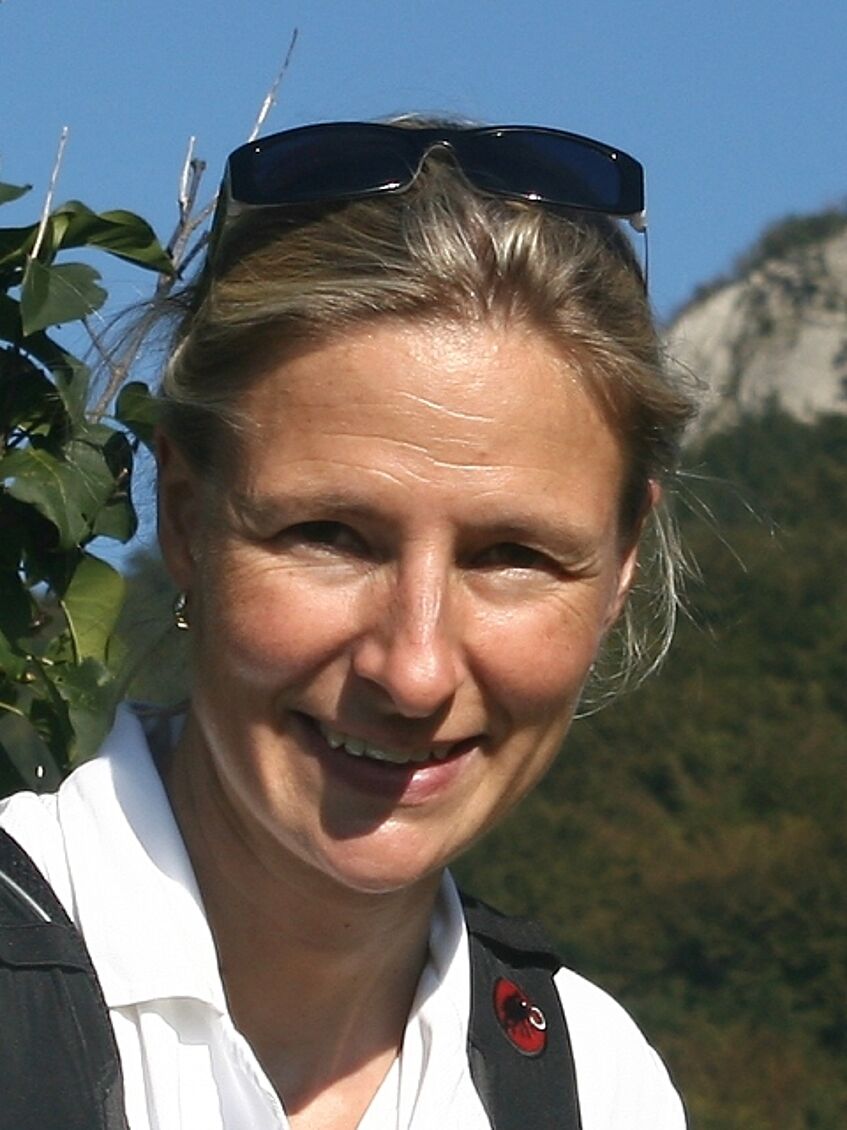
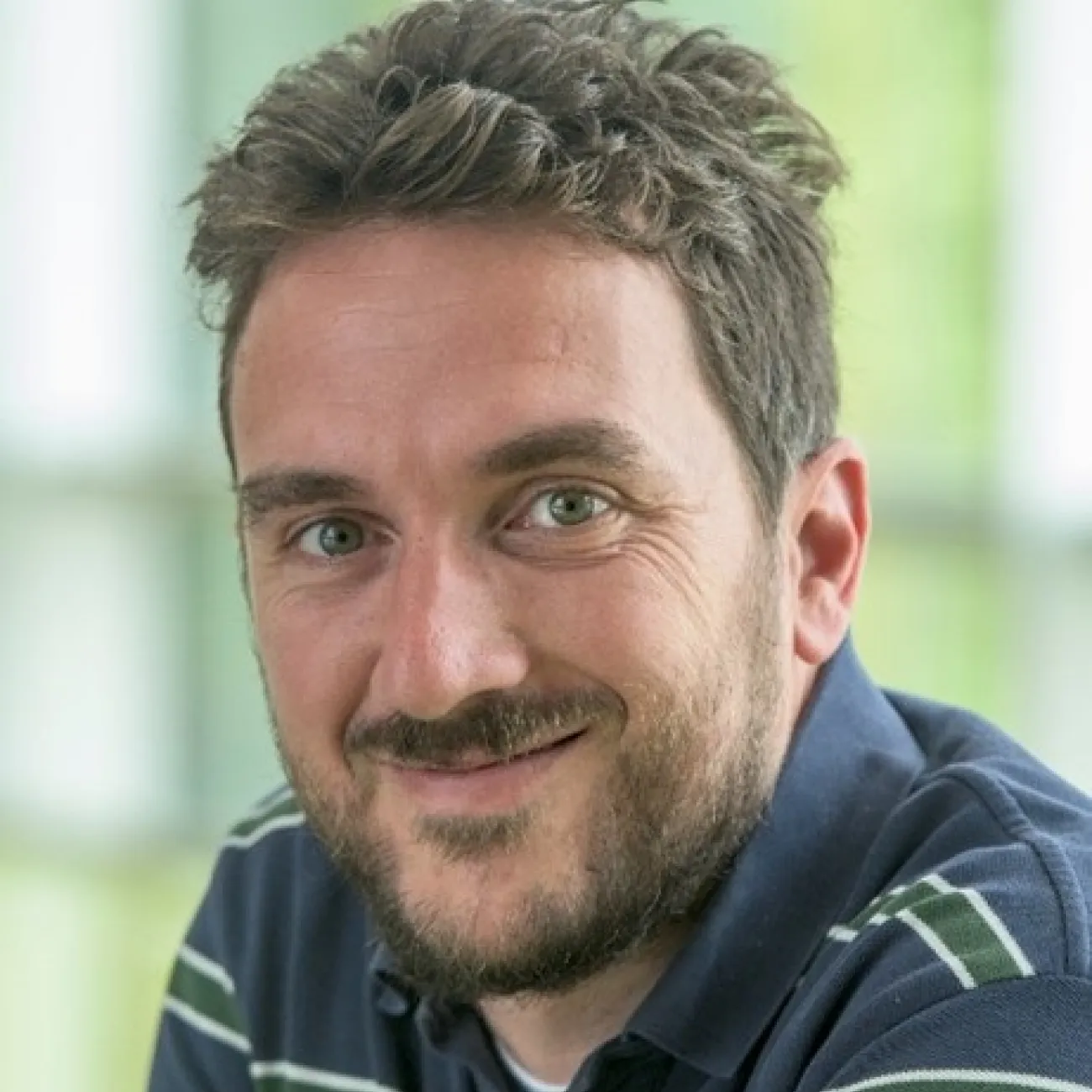
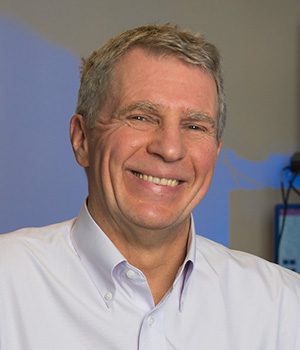
Sabine Glasl-Tazreiter is a Lecturer at the University of Vienna's Faculty of Life Sciences , specifically within the Department of Pharmaceutical Sciences and its Division of Pharmacognosy . Her office is located in room 2E 412 on the 4th floor at Josef-Holaubek-Platz 2, Vienna, Austria (1090). Contact details include telephone number +43-1-4277-55207 and email sabine.glasl@univie.ac.at . Principal research focus: Phytochemistry & Biodiscovery Specialization: Secondary metabolites from ethnomedicinally used plants across Europe, Mongolia, and Latin America Key techniques: Isolation of bioactive compounds, structural elucidation, pharmacological evaluation Quality control expertise: Macroscopic/microscopic identification, chemical analytics Recent publications highlight her work in: 2024 - Development of the VOLKSMED Database for Austrian folk medicine wound healing plants 2025 - Advanced mucociliary clearance research in respiratory systems 2023 - Innovations in optoacoustic imaging technology 2019 - Structure-function analysis of phycobiliproteins for medical imaging 2017 - Phytochemical characterization of Latin American antidiabetic plants
Dr. Alexandre Mermillod-Blondin is a Principal Investigator heading a DFG-funded project on 'Micromachining with few-cycle pulses' at the Max Born Institute. His research focuses on fundamental laser-matter interactions and direct laser writing of 3D micro-optical systems in transparent materials. Key investigations include plasma formation mechanisms in dielectrics, relaxation dynamics, and applications in photonic device fabrication. His group utilizes phase-contrast microscopy and time-resolved techniques to characterize ultrafast processes.
Dr. Anna Baldycheva is a Senior Lecturer in Electronic Engineering at the University of Exeter, within the College of Engineering, Mathematics and Physical Sciences. She leads the interdisciplinary STEMM Laboratory, focusing on applied R&D in smart materials, photonics, AI, and IoT. With prior research experience at MIT, Trinity College Dublin, and Tyndall National Institute, she has established herself as an internationally recognized innovator and entrepreneur in emerging technologies. PhD in Electronic and Electrical Engineering, Trinity College Dublin (2008–2012) BSc (Hons) in Physics, St. Petersburg State University (2003–2008) Postgraduate Certificate in Academic Practice, University of Exeter (2016–2017) Postgraduate Certificate in Technology Management, Smurfit Business School (2009–2010) Her research spans Nano-Engineering, Opto-Electronics, Photonics, AI, and IoT , with a strong emphasis on real-world applications. She pioneers work in fluid opto-electronics , graphene nanocoatings , and AI-driven emotion recognition and early cancer detection . Her lab develops smart composite materials for flexible electronics, e-textiles, and structural applications, integrating machine learning into healthcare, education, and communications systems. The recent publications highlight a strong trend toward applied interdisciplinary innovation , combining materials science with AI and photonics for healthcare diagnostics, energy-efficient computing, and educational technology. Her work frequently bridges fundamental physics with commercialization potential, as seen in spin-out technologies like GSurf and the Electronic-Nose for lung cancer detection. Fellow, Royal Microscopical Society (RMS) Fellow, Higher Education Academy (FHEA) Expert, Future and Emerging Technologies, European Commission Featured in Forbes and Forbes Tech Council Editor-in-Chief, InSTEMM Journal Associate Editor, Nature Scientific Reports and Discover Nano Trustee, Royal Microscopical Society Founder, STEMM Global Scientific Society Founder, It’s Her! Women in STEMM Initiative Dr. Baldycheva actively supervises PhD students and has secured industrial collaborations with organizations such as Qinetiq and Lumentum. She leads multiple outreach initiatives, including STEMM Junior for underprivileged children, and serves on the committee for the Jocelyn Bell Brunel PhD Scholarship. She has raised significant research funding through national and international grants, though specific grant names are not listed. She leads the STEMM Laboratory , a multidisciplinary research group with divisions in Smart Composite Materials, Machine Learning & AI, and Opto-Electronics & Photonics. The lab emphasizes industry collaboration and technology transfer, having produced a university spin-out (GSurf) and multiple media-highlighted innovations.
Professor Francesco Poletti is a Professorial Fellow-Research at the University of Southampton's Optoelectronics Research Centre (ORC), specializing in advanced optical fiber technologies. He leads multiple high-impact research projects funded by prestigious organizations including EPSRC, the European Union, Royal Society, and industry partners like Microsoft Corporation. His research focuses on: Hollow Core Optical Fibres design and fabrication Optical Communications for high capacity and low latency systems Novel active and passive optical fibres Applications of hollow core optical fibres Optical fibre guidance mechanisms Professor Poletti's recent publications demonstrate leadership in hollow core fiber technology, with significant advancements in manufacturing techniques, optical performance, and practical applications. His 2024-2025 publications show particular emphasis on improving fiber compatibility with existing infrastructure, developing mid-infrared capabilities, enhancing laser integration, and creating novel sensing applications. His scientific recognition includes a prestigious Royal Society Fellowship. Current major projects include FASTNET (revolutionary hollow core low-latency fibres), research contracts with Microsoft, and EU-funded initiatives like WISDOM and EMPRESS. Professor Poletti actively supervises PhD students and accepts new applications, currently mentoring Rene Andres Reynolds Hamel, Mahmudur Rahman, Amalie Gjelsvik, and Chiang Ping Saw. His research group is a core component of the Hollow Core Fibre and Fibres and Communications research teams at the ORC.
Dr Ian Davidson is a Senior Research Fellow at the Optoelectronics Research Centre (ORC), University of Southampton, Faculty of Engineering and Physical Sciences. He is a key researcher in the Hollow-Core Fibre group, focusing on advanced optical fibre fabrication, characterization, and application in photonic systems. His research interests include: Hollow-Core Fibre Technology Micro-Structured Optical Fibres Photonics and Quantum Optics Semiconductor Deposition and Integrated Optics Optical Fibre Sensing and Raman Spectroscopy Fibre-Based Gas Dynamics and Pressure Sensing Dr Davidson's recent publications (2022–2025) demonstrate a strong trend in developing next-generation hollow-core fibres with enhanced stability, reduced loss, and novel functionalities for applications in sensing, spectroscopy, and laser delivery. His work spans high-impact journals such as Science Advances , Optics Express , ACS Photonics , and IEEE Journal of Selected Topics in Quantum Electronics , reflecting his leadership in the field of optical fibre innovation. He currently supervises PhD students Elizaveta Elistratova and Abhishek Vijayakumar, contributing to training the next generation of photonics researchers. No scientific awards or prizes are currently listed in the provided text. Dr Davidson collaborates extensively within the ORC and with external partners on projects involving fibre fabrication, gas dynamics, and photonic device integration. He has no listed teaching responsibilities, but his research supervision plays a central role in academic mentorship. He is affiliated with advanced research infrastructure at the Optoelectronics Research Centre, a world-leading institute in photonics.
Joel Rosenthal is Professor and Chair of the Department of Chemistry and Biochemistry at the University of Delaware, where he also serves as Associate Dean for Research and Graduate Affairs in the College of Arts and Sciences. His group integrates inorganic synthesis, electrochemistry, and photochemistry to create functional materials and catalysts for energy, environmental, and biomedical challenges. Education & Training B.S. with Honors, New York University (2001) Ph.D., Massachusetts Institute of Technology (2007) NIH Postdoctoral Fellow, MIT (2007-2010) Research Directions The Rosenthal Research Lab pursues four intertwined themes: Environmental & energy sustainability via CO₂ reduction and solar-to-fuel conversion. Design of catalytic platforms for small-molecule up-conversion. Light-activated therapeutics targeting cancer and other diseases. Electrosynthetic routes to advanced inorganic materials and coordination complexes. To tackle these goals, the group synthesizes non-traditional tetrapyrroles, porous inorganic frameworks, and metal alloys, then interrogates them with electrochemical, spectroscopic, and ultrafast methods in collaboration with colleagues across UD, other universities, and National Laboratories. Recent Publication Trends Between 2021-2025 the group has published extensively on (i) selective electrochemical CO₂ reduction using bismuth, tin, and alloy catalysts, (ii) structure–function relationships in palladium and ruthenium tetrapyrrole complexes for singlet-oxygen generation, and (iii) new metal–organic framework (MOF) electrosyntheses. The work bridges fundamental mechanistic insights with practical device demonstrations, including 3-D-printed flow cells and solar-powered reactors. Scientific Awards & Honors While specific awards are not enumerated in the provided text, Prof. Rosenthal has garnered recognition through sustained federal funding, invited colloquia, and extensive peer-reviewed publication records. Students, Collaborators & Infrastructure The group actively recruits graduate students, post-docs, and undergraduates interested in interdisciplinary research. Trainees gain expertise spanning chemical synthesis, electrochemical cell design, ultrafast spectroscopy, computational modeling, and biological assays through partnerships both on campus and at national user facilities. The lab maintains state-of-the-art instrumentation for electrochemistry, photochemistry, and materials characterization, and communicates its latest findings via Twitter @rosenthal_lab .
Professor Brant Gibson is a Deputy Dean of Research and Innovation and holds the rank of Professor in the School of Science at RMIT University. His research focuses on quantum technologies, particularly diamond-based systems including nitrogen-vacancy (NV) centers, fluorescent nanoprobes, and hybrid materials for sensing applications. He leads projects in quantum magnetometry, photonics, and biomedical imaging, with an emphasis on translating lab-based innovations into practical devices for fields like medical diagnostics and environmental monitoring. Brant’s work spans condensed matter physics, nanotechnology, and optical engineering, with notable contributions to diamond-doped optical fibers, quantum sensor development, and the application of nanodiamonds in biophotonics. His research integrates experimental physics with computational modeling to optimize material properties and sensor performance. He is actively involved in student supervision, offering guidance for Masters and PhD candidates in quantum engineering, materials science, and interdisciplinary applications. Current projects include quantum tensor gradiometry for navigation, bioimaging with near-infrared emitters, and silk-diamond composites for wound monitoring. Brant’s academic contributions are further reflected in over 150 peer-reviewed publications and collaborations across academia and industry. His work bridges fundamental research with real-world applications, emphasizing Australia’s role in global quantum technology advancements.
Michelle Foster is an Associate Professor in the Department of Chemistry at the University of Massachusetts Boston. She joined UMass Boston in 1999 and specializes in experimental physical chemistry with a focus on surface science and nanotechnology. Her research integrates advanced analytical techniques to study chemical processes at complex interfaces. PhD in Chemical Physics, University of Texas at Austin BS in Chemistry (ACS certified), University of Texas at Austin Research Interests: Green/Environmental Chemistry: Surface reactions on metal oxide nanoparticles for heterogeneous catalysis and environmental remediation Materials Science: Design and characterization of core-shell nanomaterials Smart Nanoparticles: Biodegradable liquid metal nanocarriers for cancer therapy Key Techniques: Diffuse Reflectance Infrared Fourier Transform Spectroscopy (DRIFTS), Atomic Force Microscopy (AFM), Raman Spectroscopy Recent Publication Trends: Her work increasingly explores biomedical applications of nanoparticles, particularly in photodynamic cancer therapy, alongside continued environmental chemistry research involving metal oxides. Lab Team: The Foster group employs optical and scanning probe microscopies to investigate interfacial chemical reactions, with student collaborators contributing to studies on nanocatalysts, liquid metal systems, and amyloid fibril dynamics.
Wenbin Lu is an Assistant Professor in the Department of Astronomy at the University of California Berkeley, where he conducts theoretical research on high-energy transient phenomena. He is also affiliated with the Theoretical Astrophysics Center at UC Berkeley. PhD in Astronomy, University of Texas at Austin (2018) Bachelor in Physics, Peking University (2013) Professor Lu specializes in extreme astrophysical events that serve as natural laboratories for studying physics under conditions of high energy density, strong gravity, and intense magnetic fields. His work integrates multiple physical domains including plasma physics, relativistic hydrodynamics, radiative transfer, and stellar dynamics. He maintains active collaborations with researchers worldwide and encourages student involvement in his projects. Analysis of his recent publications reveals a strong focus on tidal disruption events and fast radio bursts, with increasing emphasis on multi-messenger approaches and theoretical modeling of observational data from facilities like JWST, Chandra, and radio telescopes. His work demonstrates consistent theoretical innovation in explaining complex transient phenomena. Burke Fellow at Caltech (2018-2021) Lyman Spitzer Fellow at Princeton University (2021-2022) Professor Lu actively mentors students and postdocs, with many projects originating from discussions with junior researchers. He teaches courses in Radiation and Stars at UC Berkeley. His research is supported by multiple grants that enable computational modeling and observational collaborations across various wavelengths. His theoretical work often involves complex numerical simulations of astrophysical phenomena, particularly focusing on the hydrodynamic evolution of stellar debris in tidal disruption events and plasma processes in fast radio burst emission mechanisms.
Konstantin Vodopyanov is a Professor and 21st Century Scholar Chair in Optics & Photonics at the University of Central Florida (UCF), affiliated with CREOL, the College of Optics and Photonics, and the Department of Electrical & Computer Engineering. He holds academic appointments in both Optics and Physics. His career includes roles as a Royal Society postdoctoral fellow at Imperial College London, industry leadership at Inrad, Inc., and technical guidance for multiple companies. He is a Fellow of APS, OSA, SPIE, and the UK Institute of Physics. Education: MS from Moscow Institute of Physics and Technology, PhD and DSc (Habilitation) from Lebedev Physical Institute (Moscow). Research focuses on mid-IR and terahertz photonics, frequency combs, nonlinear optics, and their applications in spectroscopy and biomedical diagnostics. His group develops ultra-broadband mid-IR combs, trace gas sensors, and nano-IR technologies. He has authored over 350 publications and chairs major conferences like CLEO. Research Interests: Nonlinear optics, mid-IR/THz generation, frequency combs, biomedical sensing, supercontinuum generation, and spectroscopic applications. Awards: 2023 CREOL Teaching Award, multiple fellowships in optics societies. Lab Team: Includes postdocs (Dmitrii Konnov), research scientists (Andrey Muraviev), graduate students (Woraprach Kusolthossakul), and undergraduates in CREOL labs. Publications emphasize dual-comb spectroscopy, electro-optic sampling, and novel mid-IR sources. His work bridges academia and industry, with innovations in laser systems and biomedical diagnostics. Current projects include real-time spectral analysis and high-resolution molecular sensing across 2–200 µm wavelengths.
Miguel Castillo is an Associate Professor in the Crop and Soil Sciences Department at North Carolina State University (NC State), leading the Forage & Grassland Program and serving as Grassland Science Specialist. He holds a Ph.D. in Agronomy from the University of Florida and an MBA from NC State. His work focuses on improving ecosystem services in agricultural and pasture-based livestock systems through integration of silvopasture, agroforestry, and advanced technologies like near infrared spectroscopy (NIRS) for management decisions. Dr. Castillo's education includes a B.S. in Plant and Animal Sciences from Zamorano University (2006), followed by M.S. and Ph.D. in Agronomy from the University of Florida (2009, 2013). His research spans international collaborations in tropical/sub-tropical environments, with expertise in forage crop management, bioenergy grasses, and sustainable livestock systems. He is fluent in Spanish and Portuguese. Research Interests: Forage-Livestock Systems Optimization Silvopasture Development Bioenergy Crop Production NIRS Applications in Agriculture Pasture-Based Livestock Management Climate Resilient Forage Crops Recent work emphasizes NIRS for rapid forage quality analysis, evaluating new bermudagrass cultivars, and advancing silvopasture systems in the southeastern U.S. and Peruvian Amazon. His publications address topics like poultry litter impacts, switchgrass management post-freeze, and frost-seeding clover into tall fescue pastures. Grant-supported research includes USDA-funded projects on forage conservation techniques and bioenergy crop development. He advises graduate students on forage systems and collaborates with industry partners on applied agronomic solutions. Labs/Teams: Directs the Forage & Grassland Program at NC State, collaborating with USDA and international research networks. Active in extension programs, publishing guides on forage management, hay production, and silvopasture implementation.
Malin Malmsjö is a Professor and Consultant at Lund University's Ophthalmology Department , affiliated with the Faculty of Engineering (LTH) . She leads the Ophthalmology Imaging Research Group and contributes to Photon Science and Technology and Light and Materials profile areas. Key Research Focus: Development of laser speckle contrast imaging , diffuse reflectance spectroscopy , and photoacoustic imaging for periorbital tumor margin analysis and reconstructive surgery optimization. Clinical Applications: Non-invasive diagnostics for giant cell arteritis , diabetic retinopathy , and breast cancer through interdisciplinary collaborations. Infrastructure: Manager of Vevo-LAZR-X , a laser-based imaging system for tissue analysis. Her work intersects ophthalmology , biophotonics , and medical imaging , addressing challenges in tumor excision, flap survival, and ocular reconstruction. She actively supervises PhD students and contributes to technology implementation in clinical settings.
Dr. Maryam Ghahramani is a Senior Lecturer in AI & Robotics at the Faculty of Science & Technology, University of Canberra, Australia. She holds a BSc in Electrical Engineering from Shiraz University, Iran, and a PhD in Biometric Gait Analysis from the University of Wollongong, Australia. Biomedical Engineering Researcher Machine Learning Specialist Human Motion Analysis Expert Her research focuses on applying machine learning to human motion analysis for rehabilitation purposes, particularly in three key areas: Parkinson's Disease: Using fNIRS and machine learning for disease detection and motor function assessment Fall Prevention: Analyzing postural sway and risk of falls in older adults Spatial Disorientation: Studying balance in hypoxic aviation environments Recent publications demonstrate her work at the intersection of biomedical engineering, machine learning, and clinical rehabilitation. Current projects include: Young Onset Dementia Detection with 12-week Home-Based Exercise Programs Mild Hypoxia Analysis for Aviation Safety Balancing Mat Performance Evaluation
Stephen W. Hoag is a Professor in the Department of Pharmaceutical Sciences at the University of Maryland School of Pharmacy. His research spans pharmaceutical formulation, process development, and analytical technologies, with a strong emphasis on solid oral dosage forms and controlled release systems. University: University of Maryland School: School of Pharmacy Department: Department of Pharmaceutical Sciences Email: shoag@umaryland.edu Phone: (410) 706-6865 Fax: (410) 706-0346 Address: 20 North Pine Street, Baltimore, MD 21201 Education: B.S. in Biochemistry, University of Wisconsin–Madison, 1982 Ph.D. in Pharmaceutics, University of Minnesota, Twin Cities, 1990 Dr. Hoag's research is centered on two primary areas: (1) the development of systematic methods for formulating immediate and controlled release tablets, utilizing instrumented tablet presses, shear cell analysis, and process analytical technology (PAT) such as Near-Infrared (NIR) and Raman spectroscopy; and (2) the application of mathematical models to understand mass transport in hydrogels, including calcium alginate and silk-elastinlike protein polymers. His work on folic acid supplementation and prenatal vitamins has important public health implications due to the role of folic acid in preventing neural tube defects. Although no recent publications are listed in the provided text, his research output is evident through his co-editorship of the widely used reference work Pharmaceutical Dosage Forms: Tablets (3rd edition, 2008), and his leadership in developing best practices for PAT in pharmaceutical manufacturing. Scientific Awards: No specific awards mentioned in the provided text. Dr. Hoag has actively mentored a large number of graduate students, postdoctoral fellows, and visiting scientists, contributing significantly to pharmaceutical education and workforce development. His laboratory is equipped with state-of-the-art instrumentation for preformulation, formulation, tableting, coating, dissolution testing, and analytical characterization. The lab supports both non-clinical and GMP-level manufacturing research, enabling translational development of dosage forms. He also leads a hands-on short course on tablets and capsules, further extending his educational impact. Research Facilities: Thermal analysis (DSC, MDSC) Solubility and viscosity measurement Moisture analysis (Karl Fisher, LOD) Mechanical testing (Instron) Flow characterization (shear cell, angle of repose) Particle size analysis (laser diffraction, SEM, sieve) Tablet presses (Stoke’s B2, Manesty Beta, fully instrumented) Coating systems (fluid bed, pan coaters) UV/Vis, HPLC, GC, MS instrumentation Environmental stability chambers Granulation, milling, blending equipment Dissolution testing with autosampler
Prof. Ady Arie is a Professor of Electrical Engineering at Tel Aviv University, where he serves as the Head of the Tel Aviv University Center for Light-Matter Interaction and holds the Marko and Lucie Chaoul Chair in Nano-Photonics. He has been a faculty member at the Iby and Aladar Fleischman Faculty of Engineering since 1993, previously serving as Head of the School of Electrical Engineering (2013-2017) and Vice Dean of Research (2011-2013). His educational background includes: B.Sc. in Mathematics and Physics from Hebrew University of Jerusalem (1983) M.Sc. in Physics from Tel-Aviv University (1986) Ph.D. in Engineering from Tel-Aviv University (1992) Prof. Arie's research spans multiple frontiers of optics and photonics. His work in nonlinear optics focuses on advanced frequency conversion techniques and shaping of light parameters using nonlinear photonic crystals. In quantum optics , he develops quantum light sources based on spontaneous parametric down conversion and explores applications in quantum sensing and communication. His plasmonics research investigates manipulation of surface plasmon polaritons on metal surfaces. In electron optics , he studies electron-matter-light interactions and techniques for sculpting electron wave functions. His lab also explores hydrodynamics through quantum simulations with water waves, creating analogies to quantum mechanical phenomena. Analysis of Prof. Arie's recent publications (2023-2025) reveals a strong focus on quantum technologies, particularly in quantum light generation, quantum sensing, and quantum information processing. His work increasingly integrates concepts from nonlinear optics, electron microscopy, and quantum physics, with growing emphasis on practical applications in quantum communication and computation. The research shows sophisticated manipulation of light-matter interactions across multiple platforms including nonlinear photonic crystals, plasmonic structures, and electron beams. Prof. Arie has received significant recognition for his work: Kadar Foundation Award for Excellence in Research (2016) Fellow of the Optical Society of America Editorial roles including Topical Editor of Optics Letters (2008-2014) and Associate Editor of Optica (since 2018) Prof. Arie leads the Nonlinear Optics and Wave Propagation Laboratory at Tel Aviv University, where his team investigates diverse wave phenomena from light frequency conversion to electron beam manipulation. He has served as chair of the national steering committee of the Israeli Planning and Budgeting Committee on Quantum Science and Technology. His research has been supported by various grants enabling the development of novel optical technologies and quantum systems. While specific grant details aren't provided in the text, his extensive publication record and leadership positions suggest substantial research funding. Prof. Arie's laboratory focuses on the intersection of classical and quantum wave phenomena. The lab investigates light manipulation through nonlinear optical processes, plasmonic structures, and electron microscopy techniques. Current research directions include quantum light generation, electron-photon interactions, and hydrodynamic analogs to quantum systems. The lab appears well-equipped for advanced optical experimentation with capabilities spanning visible to infrared wavelengths, nonlinear crystal engineering, and electron beam characterization.