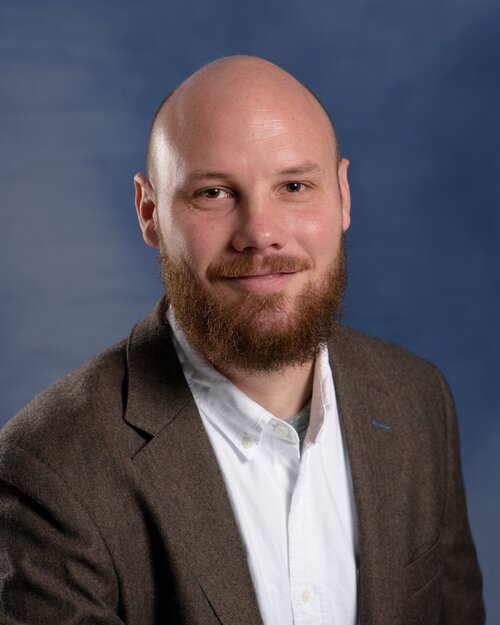
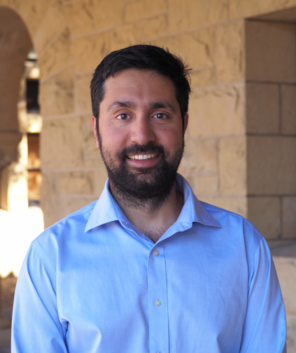
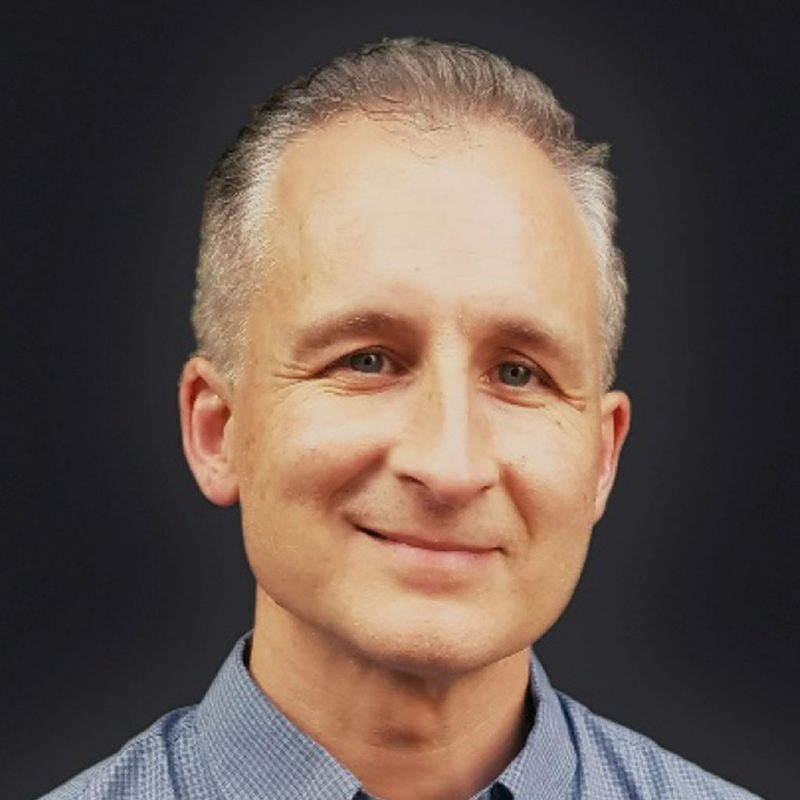
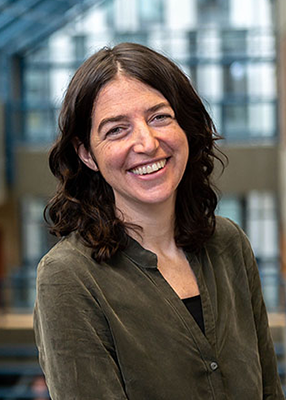
Daniel Hyde is an Associate Professor in the Department of Psychology at the University of Illinois Urbana-Champaign, affiliated with the College of Liberal Arts & Sciences and the Neuroscience Program. His research explores the nature and development of abstract conceptual knowledge through behavioral and neural measures. PhD in Psychology from Harvard University Hyde investigates cognitive development from infancy to adulthood, focusing on quantitative reasoning , spatial reasoning , and psychological reasoning using techniques like event-related brain potentials (ERPs) , functional near-infrared spectroscopy (fNIRS) , and behavioral assessments. His recent work examines how symbolic number knowledge builds on non-symbolic foundations and how neural sensitivity to mental states in infancy predicts later theory of mind abilities. Hyde's publications demonstrate a consistent focus on numerical cognition, multisensory integration, and developmental neuroscience. He leads the Brain and Cognitive Development Lab , participates in global initiatives like ManyNumbers and ManyBabies , and collaborates across disciplines to apply developmental insights to education and public health contexts.
Professor Senthil Murugan Ganapathy is a Professor at the Optoelectronics Research Centre (ORC) at the University of Southampton, where he serves as Head of the Integrated Photonic Devices Group and Deputy Head of School (ORC) - Education. He also holds an Adjunct Professor position at the Indian Institute of Technology - Madras, Chennai, India. His research focuses on integrated photonic devices for biomedical and environmental applications, with particular expertise in Mid-IR materials and devices for point-of-care diagnostics. Professor Ganapathy received his Ph.D. in Photonic Materials in 2001 from the Indian Institute of Science, Bangalore. Following his doctorate, he completed post-doctoral fellowships at the University of Bordeaux, France (2001-2005) and Toyota Technological Institute, Japan (2001-2005) before joining the University of Southampton in April 2005. His research spans photonic materials to photonic systems, with current focus on Mid-IR/high-contrast materials and devices for biomedical sensing , on-chip spectroscopy , on-chip nanoscopy , environmental monitoring , and optical communication applications . He has made pioneering contributions in the field of novel optical microresonators and established a major Mid-IR characterization facility worth approximately £1M, which is unique for waveguide spectroscopy in the 2-13 μm spectral region. Recent publications demonstrate a strong trend toward biomedical applications of photonics, particularly in point-of-care diagnostics for conditions like neonatal respiratory distress syndrome. His work increasingly integrates photonics with data science approaches to enhance diagnostic capabilities, with multiple publications on liposome analysis, biomarker detection, and on-chip spectroscopy systems. Notable recognitions include: Dean's Award for 2012/2013 for "Outstanding Contributions in Teaching" for MSc (Photonic Technologies) Fellow of The Higher Education Academy of the UK Professor Ganapathy actively mentors the next generation of photonics researchers, currently supervising six PhD students. He has secured over £8 million in research funding as Principal Investigator and Co-Investigator, supporting projects including "MISSION (Mid-Infrared Silicon Photonic Sensors for Healthcare and Environmental Monitoring)" funded by EPSRC. His research group includes Dr. Aneesh Vincent Veluthandath and Dr. Waseem Ahmed, working collaboratively on cutting-edge photonic device development. He leads the Integrated Photonic Devices Group at the ORC, which operates the major Mid-IR characterization facility and has developed rapid bedside tests for diagnosing neonatal respiratory distress syndrome in premature babies, as featured in news outlets like News Medical and The Engineer.
Amir Safavi-Naeini is an Associate Professor of Applied Physics at Stanford University's School of Humanities and Sciences, with a courtesy appointment in Electrical Engineering. He leads the Laboratory for Integrated Nano-Quantum Systems (LINQS), focusing on chip-scale quantum technologies at the intersection of photonics, optomechanics, and nanofabrication. Ph.D., California Institute of Technology, Applied Physics (2013) B.ASc., University of Waterloo, Electrical Engineering (2008) His research centers on quantum acoustics , optomechanical transduction , and microwave-to-optical conversion , aiming to create scalable quantum devices for sensing and communication. Recent work includes developing 2D optomechanical crystals, vacuum beam guides for quantum networks, and programmable microwave delay lines. Scientific Awards 2022 Moore Inventor Fellowship ($825,000 over 3 years) He has supervised doctoral students including Sultan Malik, Felix Mayor, Wentao Jiang, and Oliver Hitchcock, while collaborating with Caltech's Michael Roukes on quantum mass spectrometry systems. His lab acknowledges funding from NSF (CAREER, MOLINO), DARPA, DOE (Q-NEXT), NIH, Moore Foundation, Packard Foundation, and industry partners like AWS and NTT. LINQS Lab develops lithium niobate photonic circuits for quantum applications, with expertise in cryogenic optomechanics, parametric amplification, and nonlinear optical processes. Current projects include protein identification chips, quantum acoustic processors, and ultra-broadband mid-infrared generation.
Prof. Dr. Ioachim Pupeza serves as Group Leader in the Department of Spectroscopy/Imaging at the Leibniz Institute of Photonic Technology (Leibniz-IPHT) in Jena, Germany. His research focuses on advanced optical measurement techniques, particularly in the field of field-resolved spectroscopy and precision optical measurements. Dr. Pupeza's research interests center around optical spectroscopy with a particular emphasis on field-resolved techniques that capture the complete electric field waveform of light-matter interactions. His work spans infrared spectroscopy , molecular fingerprinting , ultrafast laser technology , and precision optical measurements . He has made significant contributions to electro-optic sampling techniques, which enable characterization of electric-field waveforms across the terahertz to visible spectral range. His research also extends to mid-infrared light generation , terahertz spintronic emitters , and cavity-enhanced spectroscopy , with applications ranging from fundamental physics to medical diagnostics. Analysis of Dr. Pupeza's recent publications reveals a strong trend toward increasingly sophisticated field-resolved spectroscopy techniques with applications in both fundamental science and practical diagnostics. His work has evolved from basic measurement techniques to applications in cancer detection through molecular fingerprinting of biofluids. A consistent theme across his publications is the pursuit of higher precision, broader bandwidth, and improved sensitivity in optical measurements, often achieving attosecond-level precision. His research bridges physics, engineering, and medical applications, demonstrating how fundamental optical advances can translate to real-world diagnostic tools. Dr. Pupeza leads the research group "Field-Resolved Optical Precision Measurement Methods" at Leibniz-IPHT, which appears to collaborate extensively with other research institutions and groups. His work involves sophisticated laser systems including high-power Yb:YAG thin-disk oscillators, femtosecond enhancement cavities, and dual-oscillator systems for precision measurements. The group's research has implications for molecular spectroscopy, medical diagnostics, and fundamental studies of light-matter interactions at the most fundamental time scales.
Matt Nowinski is a Collegiate Associate Professor in the Department of Mechanical Engineering at Virginia Tech's College of Engineering. His professional roles include advisory board memberships and leadership positions within the department. He holds multiple degrees including a Ph.D. in Mechanical Engineering from ETH Zurich (1999), an M.S. in Computer Science from Syracuse University (2022), and prior mechanical/aerospace engineering degrees from Virginia Tech. His research focuses on asteroid dynamics (particularly D-type and V-type asteroids), gas turbine engines, aeroelasticity, and education technology. Notable areas include lightcurve analysis, surface mineralogy modeling, and machine learning applications in astronomy. His work bridges aerospace engineering with astrophysics, leveraging both experimental and computational methods. Dr. Nowinski has over 24 years of industry experience as a Boeing subject matter expert in military communications systems, complemented by academic roles at George Mason University and University of Chicago. He is a recipient of the John Jones Faculty Fellowship and Society of Distinguished Alumni honor. His research contributions span asteroid characterization, turbine blade flutter mechanisms, and telescope instrumentation. Current work emphasizes observational astronomy through the Stone Edge Observatory and Slack-based collaborative platforms. He actively contributes to advancing STEM education through innovative curricula and research integration.
Dr. Lauren Emberson (she/her/hers) is an Associate Professor in the Department of Psychology at the University of British Columbia, Faculty of Arts. She directs the Baby Learning Lab, which is part of UBC's Early Development Research Group, a consortium focused on infant and child development. Prior to her position at UBC, Dr. Emberson was an Assistant Professor at Princeton University where she co-founded and co-directed the Princeton Baby and Princeton Kid Labs. Education: Postdoctoral Associate, University of Rochester (PI Aslin) Ph.D, Cornell University (PIs Amso, Goldstein, Spivey) B.Sc, University of British Columbia Dr. Emberson's research focuses on learning, perception (audition, vision, crossmodal or multisensory), language development, face/object perception, and attention in infants. She investigates these capacities using behavioral and neuroimaging techniques, particularly fNIRS (functional near infrared spectroscopy), working primarily with very young infants (birth through 1 year) and preterm/premature infants. Her work examines how infants' learning capacities contribute to rapid development of perception in ecological contexts, with implications for understanding how early life experiences affect later outcomes. Analysis of Dr. Emberson's recent publications reveals a consistent focus on infant perception, learning mechanisms, and neuroimaging methodology. Her work increasingly incorporates advanced fNIRS techniques while maintaining focus on fundamental questions about how infants learn from their environment. There's a growing emphasis on individual differences, cross-cultural comparisons, and applications to infants facing developmental challenges. Dr. Emberson serves on the editorial board of Infancy (journal of the International Congress of Infancy Studies) and is a consulting editor for the Journal of Cognitive Neuroscience . Her research has been published in top journals including PNAS, Current Biology, Psychological Science, Cognition, Developmental Science, and the Journal of Neuroscience. Dr. Emberson has secured significant research funding from prestigious organizations including the Bill and Melinda Gates Foundation, James S. McDonnell Foundation, Natural Sciences and Engineering Research Council (NSERC), Canadian Institutes of Health Research (CIHR), and the National Institutes of Health (NIH). She collaborates with clinicians at BC Women's and Children's Hospitals to understand how different early life experiences impact learning and brain development. Dr. Emberson is currently accepting graduate students into her research program. The Baby Learning Lab, under Dr. Emberson's direction, is part of UBC's Early Developmental Research Group and collaborates with multiple institutions. The lab strives to provide interactive research experiences for infants and families while advancing scientific understanding of early cognitive development. The lab acknowledges that it operates on the traditional, ancestral, and unceded territory of the xʷməθkʷəy̓əm (Musqueam) people.
Professor Liu Xiaogang is a Distinguished Professor in the Department of Chemistry at the National University of Singapore (NUS). He holds a B. Eng from Beijing Technology and Business University, M.Sc. and Ph.D. degrees in Chemistry from East Carolina University and Northwestern University (USA), respectively, and completed postdoctoral research at MIT. His research focuses on supramolecular coordination chemistry, catalysis, chemical sensors, optogenetics, photon upconversion, and X-ray photonics. Key achievements include pioneering work on metal-organic complexes for optoelectronics and developing advanced X-ray scintillators for medical imaging. Education: B. Eng, Beijing Technology and Business University, China M.Sc. Chemistry, East Carolina University, USA Ph.D. Chemistry, Northwestern University, USA Postdoctoral Associate, Massachusetts Institute of Technology, USA Research Highlights: Professor Liu’s lab has produced groundbreaking advancements in luminescent materials, including directive giant upconversion via supercritical bound states and real-time single-proton counting scintillators. His work bridges chemistry, materials science, and biomedical applications, with notable contributions to photon upconversion, X-ray imaging technologies, and nanotheranostics. Awards: RSC Centenary Prize (2024) President’s Science Award (2016) Advising & Grants: As Principal Investigator of the Liu Lab at NUS, he oversees a dynamic research group focused on cutting-edge nanomaterials and their applications in healthcare and photonics. His grants include support for projects on X-ray luminescence imaging and optogenetic tools. Labs & Teams: The Liu Lab operates within NUS’s Department of Chemistry, collaborating with interdisciplinary teams to advance materials innovation for biomedical and environmental challenges.
Hasan Ayaz, PhD, is an Associate Professor at Drexel University’s School of Biomedical Engineering, Science and Health Systems, and the Department of Psychology in the College of Arts and Sciences. He is a core member of the CONQUER Collaborative and has affiliations with the University of Pennsylvania and Children’s Hospital of Philadelphia. His research focuses on neuroengineering, neuroergonomics, and clinical applications of optical brain imaging, particularly using fNIRS and EEG. He has over 200 publications and has secured funding from federal agencies and industry partners. Dr. Ayaz serves on editorial boards for journals like PLOS One and Frontiers in Human Neuroscience and has organized international neuroergonomics conferences. Education: BSc (Electrical and Electronics Engineering, Boğaziçi University, Turkey), MSc and PhD (Drexel University). Research Interests: Neuroergonomics, functional neuroimaging, biomedical signal processing, neuroengineering, fNIRS, EEG, brain-computer interfaces, and mobile neuroimaging. His work aims to develop next-generation brain imaging technologies for applications ranging from aerospace to healthcare. Key Awards: Received a Wellcome LEAP Grant for Addiction Research in 2024. Grants & Advising: Extensive federal and corporate funding; no explicit student list provided. His research involves interdisciplinary collaborations and clinical partnerships. Labs/Teams: Leads the CONQUER Collaborative and contributes to the Cognitive Neuroengineering group at Drexel.
Dr. Chathura Bandutunga is a Research Fellow at the Centre for Gravitational Astrophysics within the Research School of Physics at the Australian National University (ANU). His research focuses on advanced optical techniques for precision measurement, with significant contributions to gravitational wave detection technology, molecular spectroscopy, and space exploration instrumentation. Dr. Bandutunga's research expertise spans digital interferometry, fiber optic sensors, and precision optical measurement systems. His work has pioneered digitally enhanced interferometric techniques that have enabled new capabilities in molecular dispersion spectroscopy, gravitational wave detection, and optical frequency referencing. He has developed innovative methods for phase noise suppression, common-mode noise rejection, and thermal-noise-limited optical measurements that operate at the boundaries of physical possibility. His publication record demonstrates consistent innovation in optical measurement technology, with recent work advancing fiber optic gyroscopes, frequency comb technology, and applications for interstellar propulsion systems like the Breakthrough Starshot program. His research bridges fundamental optical physics with practical applications in both terrestrial scientific instrumentation and space-based technologies. Dr. Bandutunga is actively involved in the Centre for Gravitational Astrophysics at ANU, contributing to Australia's participation in international gravitational wave research collaborations. His technical leadership in precision optical measurement systems directly supports next-generation gravitational wave detectors and related technologies requiring unprecedented measurement stability.
Prof. Dr. Christian Mayer is a Professor in Physical Chemistry at the Faculty of Chemistry, University of Duisburg-Essen. He serves as Head of the working group focusing on origin of life research, nanocapsules, and NMR spectroscopy techniques. His research group is located at Universitätsstraße 5, D-45141 Essen, Germany, with contact information including phone number +49 201 183-2570. Prof. Mayer's research interests primarily focus on the origin of life in deep tectonic fault zones of the first continental fragments, where he collaborates with Prof. Dr. Ulrich Schreiber from the Faculty of Biology and Prof. Dr. Oliver Schmitz from Applied Analytical Chemistry. His work investigates how vesicle formation occurs in tectonic fault systems through cyclic phase transitions of carbon dioxide, creating ideal conditions for molecular evolution. He specializes in pulsed field gradient NMR (PFG-NMR), high-resolution NMR, and solid-state NMR techniques to characterize nanoscale systems including nanocapsules, vesicles, and microemulsions. His recent publication trends reveal a strong interdisciplinary focus spanning physical chemistry, prebiotic chemistry, and astrobiology. The articles demonstrate increasing integration of computational methods with experimental approaches, particularly in analyzing molecular structures and dynamics. His research has evolved from fundamental studies of nanocapsule systems to broader investigations of protocell formation mechanisms under early Earth conditions, with recent work extending to astrobiological contexts including potential life formation on Titan. Prof. Mayer has established significant collaborations across multiple disciplines, particularly with geologists and biologists, to investigate the physical chemical processes that could have led to the emergence of life. His work bridges fundamental physical chemistry with practical applications in nanomedicine, particularly in developing artificial oxygen carriers based on nanocapsule technology. His laboratory utilizes high-pressure facilities to simulate early Earth crust conditions, with a particular focus on supercritical CO 2 environments. The working group combines experimental approaches with theoretical modeling to understand vesicle formation processes and their implications for the origin of cellular life.
Nick Gys is a Research Fellow in the Department of Materials and Chemistry at Vrije Universiteit Brussel (VUB), Brussels, Belgium, specializing in surface modification of materials and sustainable engineering applications. His work bridges experimental and computational approaches to address challenges in materials science and environmental remediation. Dr. Gys's research centers on the surface chemistry of metal oxides, particularly titanium dioxide functionalized with organophosphonic acids. He investigates how molecular parameters like chain length and pH influence binding modes, photooxidation stability, and metal recovery efficiency. His methodology integrates spectroscopic techniques (XPS, IR, EPR) with density functional theory (DFT) simulations to elucidate structure-property relationships at molecular interfaces. Key application areas include selective palladium recovery from industrial waste streams and designing photo-stable functional coatings. His 2022-2023 publications reveal a cohesive research trajectory focused on organophosphonate-grafted surfaces, with increasing emphasis on computational validation of experimental findings. The work demonstrates how molecular engineering of surface modifiers directly impacts performance in environmental applications, particularly in metal adsorption and photochemical degradation processes. No scientific awards were documented in the source material. Collaborative Framework: Works within VUB's Materials and Chemistry research ecosystem alongside Prof. Meynen, Prof. Adriaensens, and Prof. Hauffman Project Scope: Leads interdisciplinary efforts in sustainable materials engineering, including TiO 2 functionalization for metal recovery and photooxidation studies Dr. Gys operates within VUB's Sustainable Materials Engineering initiative, contributing to laboratory-based experimental work and computational modeling teams focused on advancing surface modification technologies for circular economy applications.
Privatdozent Dr. Andreas Faust is a leading researcher at the European Institute for Molecular Imaging (EIMI) at the University of Münster, where he heads the Chemical Targeting Lab. His work focuses on developing innovative imaging agents for medical diagnostics, particularly in radiopharmaceutical chemistry and molecular imaging. He maintains strong affiliations with the Department of Nuclear Medicine at the University Hospital Münster and participates in the "Cells in Motion" excellence cluster, contributing to cutting-edge research at the intersection of chemistry, medicine, and imaging technology. Dr. Faust completed his chemistry studies at the University of Münster, earning his Diploma in 1999, followed by his doctoral degree (Dr. rer. nat.) in 2003 with research on artificial caffeine receptors. His academic journey continued with positions at the Department of Organic Chemistry and the Department of Nuclear Medicine before becoming head of the chemistry group at EIMI in 2011. Dr. Faust's research centers on organic and medicinal chemistry with specialization in radiopharmaceutical chemistry . His team develops novel tracers for diagnostic molecular imaging using positron emission tomography (PET), single-photon emission computed tomography (SPECT), optical imaging, and photoacoustic imaging. A significant portion of his work focuses on creating specific ligands for the alarmins S100A8/S100A9 and bacteria-specific tracers based on complex carbohydrates or siderophores. His research has important applications in inflammation imaging, infection diagnostics, and cancer theranostics, with emphasis on improving metabolic stability and target specificity of imaging agents. His publication record demonstrates consistent contributions to molecular imaging, with recent work emphasizing bacteria-specific PET tracers, inflammation imaging targeting S100 proteins, and novel optical imaging probes. The research shows a clear trajectory toward developing clinically applicable imaging agents with improved specificity and metabolic stability, particularly in the areas of infection diagnostics and inflammation monitoring. 2017: Best Poster Award at Symposium "Molecular Imaging Agents in Medicine," Groningen 2009: Young Investigator Award at Deutscher Röntgenkongress, Berlin 2005: Best Scientific Poster Award at 4th Annual Meeting of the Society of Molecular Imaging, Köln Dr. Faust leads multiple significant research projects, including as Coordinator of a project on immune cell distribution imaging (2019-2024) and as Principal Investigator for CRC-project A03 "Targeting of S100A8/A9 for imaging of inflammatory disorders" and research on vascular graft infections (both 2021-2024). His Chemical Targeting Lab comprises a multidisciplinary team working at the intersection of chemistry, microbiology, and medical imaging, securing substantial funding from the Innovative Medicines Initiative and DFG Collaborative Research Centre. The Chemical Targeting Lab maintains state-of-the-art facilities for chemical synthesis, radiochemistry, and biological testing. The lab collaborates extensively with microbiologists, clinicians, and imaging specialists to translate basic research into clinical applications. Current research directions include optimizing bacterial imaging probes for clinical diagnostics and developing new inflammation-specific tracers for early disease detection, with particular focus on S100A9-targeted imaging and siderophore-based bacterial detection systems.
Sabine Glasl-Tazreiter is a Lecturer at the University of Vienna's Faculty of Life Sciences , specifically within the Department of Pharmaceutical Sciences and its Division of Pharmacognosy . Her office is located in room 2E 412 on the 4th floor at Josef-Holaubek-Platz 2, Vienna, Austria (1090). Contact details include telephone number +43-1-4277-55207 and email sabine.glasl@univie.ac.at . Principal research focus: Phytochemistry & Biodiscovery Specialization: Secondary metabolites from ethnomedicinally used plants across Europe, Mongolia, and Latin America Key techniques: Isolation of bioactive compounds, structural elucidation, pharmacological evaluation Quality control expertise: Macroscopic/microscopic identification, chemical analytics Recent publications highlight her work in: 2024 - Development of the VOLKSMED Database for Austrian folk medicine wound healing plants 2025 - Advanced mucociliary clearance research in respiratory systems 2023 - Innovations in optoacoustic imaging technology 2019 - Structure-function analysis of phycobiliproteins for medical imaging 2017 - Phytochemical characterization of Latin American antidiabetic plants
Dr. Alexandre Mermillod-Blondin is a Principal Investigator heading a DFG-funded project on 'Micromachining with few-cycle pulses' at the Max Born Institute. His research focuses on fundamental laser-matter interactions and direct laser writing of 3D micro-optical systems in transparent materials. Key investigations include plasma formation mechanisms in dielectrics, relaxation dynamics, and applications in photonic device fabrication. His group utilizes phase-contrast microscopy and time-resolved techniques to characterize ultrafast processes.
Lukas Seitner is a researcher at the Technical University of Munich (TUM), affiliated with the School of Computation, Information and Technology and the Department of Electrical Engineering. He operates within the Associate Professorship of Computational Photonics led by Prof. Christian Jirauschek, focusing on advanced modeling of quantum cascade devices and terahertz photonics systems. His research spans quantum cascade lasers (QCLs), terahertz frequency combs, optical solitons, and computational photonics. Seitner has developed sophisticated simulation frameworks including Maxwell-Bloch and density matrix approaches to study nonlinear dynamics in optoelectronic devices. Key contributions involve passive mode-locking mechanisms in THz QCLs, graphene-integrated saturable absorbers for pulse generation, and backscattering effects in ring-cavity soliton formation. His work bridges theoretical modeling with practical device engineering for next-generation terahertz sources. As an educator, Seitner serves as assistant lecturer for multiple courses including Computational Photonics Laboratory (5 PR), Partial Differential Equations for Electrical Engineering (4 VI), and Simulation of Quantum Devices (4 VI). He actively participates in doctoral candidate seminars and specialized courses on quantum engineering, demonstrating strong commitment to academic training in photonics and quantum device physics. His teaching integrates cutting-edge research concepts into practical computational exercises. Seitner maintains active collaboration within the EU Project QOMBS and contributes to TUM's Computational Photonics group research infrastructure. His technical expertise encompasses numerical methods for partial differential equations, semiconductor device simulation, and nonlinear optical modeling. Current projects focus on optimizing THz comb sources for spectroscopic applications and extending quantum walk models for novel frequency comb generation mechanisms.