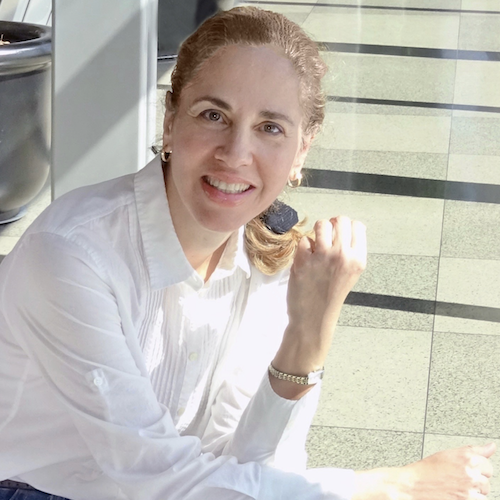
Professor Fay Couceiro is a Professor of Environmental Pollution in the School of Civil Engineering and Surveying at the University of Portsmouth. She leads the Microplastics Research Group and the 'Evaluating change across the plastics lifecycle' theme for the Revolution Plastics Institute, focusing on pollution sources, interventions, and collaborations with industry. She holds editorial roles at Cambridge Prisms: Plastics and peer reviews for multiple journals and funding bodies. Education: BSc in Marine Biology (Queen's University Belfast), PhD in Biogeochemistry (funded project on Strangford Lough), postdoctoral research at the University of Plymouth. Research Interests: Contaminants' fate, microplastics' environmental and health impacts, nutrient dynamics, heavy metals, and organic pollutants like PAHs. Her work integrates pure science with civil engineering solutions. Publications span 2007–2025, emphasizing microplastic toxicity, soil-oil interactions, and pollution mitigation strategies. Over 27 peer-reviewed articles highlight her contributions to environmental science. Advising & Grants: Supervises MSc/PhD students and collaborates with companies like Southern Water. Active in STEM outreach and UK research policy, including the EU's HR Excellence in Research accreditation process. Labs/Teams: Microplastics Research Group, Revolution Plastics Institute, and interdisciplinary teams in environmental technology and resilience.
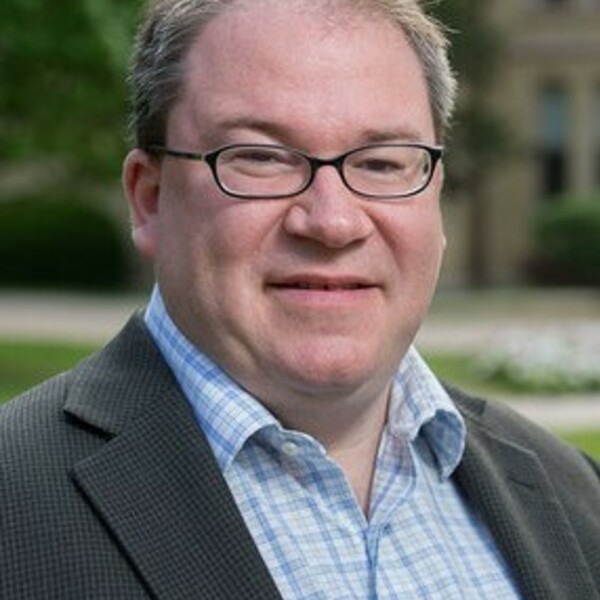
Dr. Daniel Roxbury is an Associate Professor and Graduate Director at the Department of Chemical, Biomolecular and Materials Engineering within the University of Rhode Island's College of Engineering. With expertise in nanoscience and carbon nanomaterials, his research focuses on nano-bio interactions, developing functionalized nanotubes for biomedical applications and environmental monitoring through his NanoBio Engineering Laboratory. His work spans multiple disciplines including: Biomedical nanosensors Smart wearable biomaterials Targeted drug delivery systems Environmental nanotechnology Single-molecule imaging Nanotoxicology Recent publications emphasize machine learning-enhanced spectral analysis, coral reef conservation nanotechnology, and wearable stress monitoring textiles. His 2024 ACS Nano study introduces AI-driven macrophage phenotyping, while 2023 Nature Nanotechnology work explores coral reef restoration strategies using nanomaterials. Awarded the 2019 NSF CAREER grant for cellular nanometrology, he leads multiple NIH-funded projects including: $820,000 NSF CAREER: Spectral Imaging for Sub-Cellular Nanometrology $140,000 Miriam Hospital COBRE: Cortisol Detection Textiles $700,000 NSF EAGER: Multiplexed Wound Biomarker Detection His laboratory houses state-of-the-art equipment including: Near Infrared Hyperspectral Microscope Custom NIR Fluorescence Spectrometer Jasco UV/VIS/NIR Spectrophotometer Biosafety Cabinet Cell Culture Incubator Cryo-Storage System
Erkki Ikonen is a Professor of Measurement Science and Technology at Aalto University since 1995, with a joint appointment at VTT Technical Research Centre of Finland Ltd since 2005. His roles include membership in the Board of Directors of EURAMET, Chairmanship of the EMPIR Committee (2016–2021), and Vice President Technical of the CIE (2015–2019). He holds M.Sc. and Dr.Sc.Tech. degrees from Helsinki University of Technology (now part of Aalto University). His research focuses on optical measurements, particularly in metrology of complex micro/nanostructures, aerosol analysis, and photovoltaic characterization. He has supervised 35 doctoral students and authored over 190 peer-reviewed publications. Key contributions include advanced reflectometry techniques, field-deployable sensors, and international metrology standards. Education: M.Sc. (Tech.), Helsinki University of Technology, 1982 Dr.Sc.Tech., Helsinki University of Technology, 1988 Awards: Working Community Award 2008 (Helsinki University of Technology) Grants/Advising: 35 supervised doctoral theses; active in international metrology programs like EMPIR. Labs/Teams: Metrology Research Institute at Aalto University.
Maiken Mikkelsen is the James N. and Elizabeth H. Barton Associate Professor of Electrical and Computer Engineering at Duke University, promoted to Professor in 2025. She holds a secondary appointment as Associate Professor of Physics (2023–present) within Trinity College of Arts & Sciences. Her research bridges Nanophotonics , Quantum Materials , and Ultrafast Spectroscopy , focusing on plasmonic nanostructures and nonlinear metasurfaces for quantum optics and optoelectronic applications. Education: Ph.D. in Physics (University of California, Santa Barbara, 2009), B.S. in Physics (University of Copenhagen, 2004), postdoctoral work at University of California, Berkeley. Her work explores Plasmonics and Quantum Optics to engineer nanoscale light-matter interactions, enabling transformative technologies in Single-Photon Sources , Ultrafast Photodetectors , and Active Metasurfaces . Recent projects include real-time tunable lasing and polarization-controlled nanocavity systems. Her 2016–2025 publications highlight breakthroughs in plasmonic fluorescence enhancement, hot electron dynamics, and room-temperature quantum devices. Grants include Nano Solutions On-Chip (Triad National Security, LLC, 2025–2029) and Meta-Imaging (Air Force Office of Scientific Research, 2021–2026). Her lab, jointly based in Electrical & Computer Engineering and Physics, has graduated PhD students Eunso Shin and Hengming Li, and actively engages in STEM outreach initiatives.
Du Changwen is a Researcher (Professor) at the Nanjing Institute of Soil Science, Chinese Academy of Sciences, serving as Deputy Director of the National Engineering Laboratory for Soil Nutrient Management. He supervises doctoral and master's students in soil science and agricultural technology development. His academic journey includes: Bachelor's degree from Huazhong Agricultural University's College of Resources and Environmental Science (1997) Master's degree from Huazhong Agricultural University's Trace Element Laboratory (2000) PhD from Nanjing Institute of Soil Science, Chinese Academy of Sciences (joint program with Technion - Israel Institute of Technology) (2003) Dr. Du's pioneering research focuses on precision fertilization technologies, particularly polymer-coated controlled-release fertilizers developed through model membrane and water-based reaction film-forming techniques. His work integrates Fourier Transform Infrared spectroscopy (ATR and PAS modes) with engineering mathematics to monitor nutrient release dynamics, soil chemistry processes, and plant nutrition in real-time. This interdisciplinary approach bridges agricultural chemistry, materials science, and environmental engineering to optimize fertilizer efficiency while minimizing ecological impact. Analysis of his 2015-2017 publications reveals a consistent emphasis on spectroscopic methods for soil-plant system analysis, with dominant themes in controlled-release fertilizer development, soil organic matter characterization, and in-situ nutrient monitoring. His work demonstrates strong cross-disciplinary integration between agricultural technology, analytical chemistry, and environmental science. His scientific recognition includes: Special Award of the First China Agricultural Science and Technology Innovation and Entrepreneurship Competition First Prize of Jiangsu Science and Technology Award First Jiangsu Youth Entrepreneurship Award Second Prize of Chinese Academy of Sciences Science and Technology Contribution Award First Prize of China Agricultural Science and Technology Award Dr. Du has secured major research funding including National Natural Science Foundation projects (key, general, youth), National '973' Basic Research Program, '13th Five-Year' R&D Plan sub-projects, '863' High-tech Program sub-projects, and Jiangsu Provincial Science and Technology Support Plan initiatives. His leadership in the National Engineering Laboratory for Soil Nutrient Management drives innovation in fertilizer technology, with significant outputs including 198 academic papers (89 SCI, 35 EI), 6 monographs, 1 international patent, 8 national patents, and 2 software copyrights. His laboratory specializes in advanced spectral analysis of soil-plant systems, utilizing FTIR-ATR and FTIR-PAS technologies for real-time monitoring of nutrient dynamics and polymer membrane reactions. Current research focuses on next-generation controlled-release fertilizers, machine learning-enhanced spectral analysis, and precision nutrient management systems for sustainable agriculture.
Ares J. Rosakis is the Theodore von Kármán Professor of Aeronautics and Mechanical Engineering at the California Institute of Technology (Caltech), where he served as Chair of the Division of Engineering and Applied Science from 2009-2015 and previously as Director of the Graduate Aerospace Laboratories (GALCIT). He has held numerous prestigious visiting professorships including at Nanyang Technological University, Northwestern University, Columbia University, Oxford University, and École Normale Supérieure in Paris. Rosakis earned his B.A. and M.A. in Engineering Science from Oxford University in 1978, followed by his Sc.M. (1980) and Ph.D. (1982) in Engineering (Solid Mechanics) from Brown University. He joined Caltech as an Assistant Professor in 1982, was promoted to Associate Professor in 1988, and to full Professor in 1993. In 2004, he was named the Theodore von Kármán Professor, one of Caltech's most distinguished named chairs. Rosakis is globally recognized as the foremost expert in dynamic failure mechanics of solid materials. His pioneering contributions span the dynamic failure of metals, composites, and interfaces. He invented Coherent Gradient Sensing (CGS) interferometry, a novel optical method sensitive to gradients of optical path differences that has been widely adopted in fracture mechanics and thin film stress measurements. His research encompasses dynamic shear-dominated rupture of heterogeneous materials, rupture mechanics of crustal earthquakes (where he experimentally discovered 'intersonic' or 'supershear' ruptures), and reliability of thin films and in-situ wafer level metrology. His work bridges engineering science, materials mechanics, and geophysics with remarkable interdisciplinary impact. His recent publications demonstrate a strong focus on earthquake mechanics and laboratory simulations of seismic events, particularly supershear earthquake ruptures. The research connects fundamental fracture mechanics with real-world geophysical phenomena, revealing how laboratory-scale experiments can illuminate the physics of large-scale earthquakes. His work has established critical links between theoretical models, experimental observations, and geological field evidence. Rosakis has received numerous prestigious awards including: 2024 Foreign Member of the Royal Society, UK 2023 Honorary PhD from National Technical University of Athens 2023 Honorary Degree of Doctor of Engineering from University of Illinois 2021 Zdeněk P. Bažant Medal for Failure and Damage Prevention 2018 Timoshenko Medal from ASME 2016 Elected to the National Academy of Sciences 2011 Elected to the National Academy of Engineering Throughout his distinguished career at Caltech, Rosakis has mentored numerous graduate students and postdoctoral researchers, many of whom have become leaders in their fields. His research has been continuously supported by major grants from the National Science Foundation, Department of Energy, and other federal agencies, focusing on dynamic fracture, earthquake mechanics, and advanced optical measurement techniques. He has served on numerous editorial boards and advisory committees for major scientific organizations. At Caltech, Rosakis leads research in the Graduate Aerospace Laboratories (GALCIT), where he has established world-class experimental facilities for studying dynamic fracture and earthquake mechanics. His laboratory features high-speed imaging systems capable of millions of frames per second, infrared diagnostics for temperature field measurements, and specialized equipment for simulating earthquake ruptures at laboratory scale. His research group combines experimental, theoretical, and computational approaches to address fundamental questions in solid mechanics and their applications to geophysics and materials engineering.
Celeste Sagui is a Professor in the Department of Physics at North Carolina State University (NC State), affiliated with the College of Sciences. She holds additional roles as a faculty affiliate in Genomics Sciences at NC State and is a member of the Center for High Performance Simulation. Her research focuses on computational biophysics, biomolecular simulations, and free energy methods applied to nucleic acid structures, protein dynamics, and nanotechnology systems. She has contributed to the AMBER simulation package development, co-authoring versions from 10 to 14. Education: Doctorate in Physics, University of Toronto (1995) Licentiate degree, National University of San Luis, Argentina Research Interests: Sagui’s work explores DNA/RNA structure and phase transitions, electrostatic interactions, and methodologies for large-scale molecular simulations. Recent studies include nucleic acid hairpin instabilities linked to neurodegenerative diseases, polyglutamine aggregation mechanisms, and novel DNA motifs like the eGZ structure in Z-DNA. She employs quantum chemistry, density functional theory, and phase-field models to investigate systems ranging from biomolecules to nanomaterials. Publications: Her recent work emphasizes nucleic acid dynamics, free energy landscapes, and computational methods for studying diseases such as Friedreich’s ataxia and polyglutamine disorders. Key contributions include advancements in laser-driven simulations and infrared spectroscopy analysis of protein structures. Labs/Teams: Active in the Center for High Performance Simulation, focusing on high-throughput computational modeling and collaborative software development for biomolecular research.
Prof. Dr.-Ing. Ahmad Osman is a Professor at the Saarland University of Applied Sciences (htw saar), specializing in Test Technologies and Test Methods within the Faculty of Engineering. He also holds an Adjunct Professor position at Laval University in Quebec, Canada, in the Department of Electrical Engineering and Computer Science. His research focuses on Artificial Intelligence applications in Signal and Image Processing for Non-destructive Testing (NDT) , with extensive work on Deep Learning , 3D Ultrasound Tomography , and Sensor Data Fusion in industrial contexts. Engineering Artificial Intelligence Signal Processing Image Processing Non-destructive Testing Quality Control Augmented Reality Osman leads the AutomaTiQ research group and serves as Head of the Algorithms/Signal and Data Processing Department at Fraunhofer IZFP . His recent publications (2017–2022) emphasize Deep Learning for defect detection in CFRP , Terahertz Imaging for artwork diagnostics, and Acoustic Sensors for agricultural quality control. He has organized international conferences on Structural Health Monitoring and contributed to Springer books on NDT technologies. His projects include ComforTex-AI (2024) and development of 3D positioners for ultrasound measurements. Collaborations span institutions in Germany, Canada, Italy, and Brazil, with advisory roles in the German Society for NDT and technical committees for conferences in Montreal and Egypt.
Thomas Smith is an Associate Professor in Environmental Geography at the London School of Economics (LSE), specializing in wildland fires, tropical environmental change, and peatland management. He joined LSE in 2018 after lecturing at King’s College London and has held visiting fellowships at institutions including the National University of Singapore and Monash University Malaysia. His research focuses on biomass burning’s role in the Earth system, particularly greenhouse gas emissions from tropical peatlands and savannas. Smith’s expertise includes infrared spectroscopy, wildfire modeling, and land management decision support. He emphasizes interdisciplinary approaches to address fire emissions, agricultural practices, and their environmental impacts. Notable awards include being Highly Commended for Research Guidance & Support at the LSESU Teaching Excellence Awards 2019. His recent work involves field experiments (e.g., GAMBUT project) and citizen science initiatives to measure air pollution. Collaborative research spans global wildfire dynamics, climate change impacts, and policy interventions in Southeast Asia’s haze season. Smith contributes to both academic discourse and practical solutions for sustainable land use and climate resilience.
Markus Schmidt is a Professor of Fiber Optics at Friedrich Schiller University Jena and serves as Head of the Research Department of Fiber Photonics at the Leibniz Institute for Photonic Technologies (IPHT), where he leads the Hybrid Fibers work group. He previously held a team leadership position at the Max Planck Institute for the Science of Light (2006–2012) and conducted research at Imperial College London (2011). His research integrates fiber optics and photonics for applications in biophotonics, optofluidics, plasmonics, and nonlinear optics. Key innovations include 3D nanoprinted holograms for remote focus control, liquid-core fibers for stable supercontinuum generation, and fiber-integrated platforms for nanorheology and quantum spectroscopy. His work bridges materials science and applied photonics , enabling advancements in telecommunications, environmental monitoring, and bioanalytics. Scientific awards and student mentorship details are not explicitly mentioned in the provided texts. His email is markus.schmidt@leibniz-ipht.de .
Steven A. Corcelli is a Professor and Interim Dean of the College of Science at the University of Notre Dame, with a research focus on Theoretical Chemistry and Molecular Dynamics Simulations . His work bridges Physical Chemistry and Biochemistry , targeting Energy Applications and Biomolecular Binding Mechanisms . He leads the Computational Molecular Science & Engineering Laboratory (CoMSEL). Ph.D., Chemistry, Yale University (2001) Sc.B., Chemistry, Brown University (1997) Research interests span ionic liquids for Carbon Capture , aqueous electrolytes in battery technologies , and molecular binding processes in immunology and DNA interactions . His group employs GPU-accelerated simulations and weighted ensemble methods to uncover structural and dynamic motifs. Recent publications highlight trends in vibrational spectroscopy , TCR-MHC binding , and CO2 solvation mechanisms . Awards include the Thomas P. Madden Award (2020) , ACS Fellowship (2016) , and NSF CAREER Award (2009) . Staff: Erin Brossard (Ph.D.), Nell Karpinski, Shuang Wu, Noah Vasconez, Kaitlyn Handy, Isabel Thompson
David Patterson is an Associate Professor in the Department of Physics at the University of California Santa Barbara (UCSB). His research focuses on extending atomic, molecular, and optical (AMO) physics tools to prepare polyatomic molecules in single quantum states for the first time. Key areas of interest include quantum information systems, high precision spectroscopy, parity violation in molecular spectra, and single-molecule chemical/chiral analysis. Developed single molecule inelastic recoil spectroscopy for ultraprecise analysis Created non-destructive single molecule infrared spectroscopy (2022 breakthrough) Engineered a "ping-pong" double-well ion trap for Sr+ atoms and molecular ions Collaborates with the Schlemmer group (Cologne) on Doppler-limited spectroscopy The group's work aims to achieve unprecedented resolution (2-3 orders of magnitude improvement) in polyatomic molecule spectroscopy, addressing fundamental questions in nanoanalytics.
Michal Lipson serves as the Eugene Higgins Professor of Electrical Engineering and Professor of Applied Physics at Columbia University's Fu Foundation School of Engineering and Applied Science. Elected to both the National Academy of Engineering and National Academy of Sciences, she pioneered critical building blocks in silicon photonics that have transformed the field, with over 50,000 related publications annually. Her research has generated more than 250 scientific publications and 45 issued patents. Lipson's research focuses on nanophotonics and silicon photonics, where she demonstrated the ability to tailor electro-optic properties of silicon in landmark 2004 and 2005 Nature papers. Her work has enabled the development of photonic devices and circuits that now form the foundation of over 1,000 papers published yearly. She investigates novel optical phenomena while developing practical applications that address major bottlenecks in microelectronics. Her research spans fundamental physics to practical device implementation, with particular emphasis on integrated photonic systems. Analysis of her recent publications reveals a strategic expansion from foundational silicon photonics into emerging applications including quantum information processing, machine learning acceleration, biomedical sensing, and topological photonics. While maintaining core expertise in silicon-based devices, her work increasingly incorporates 2D materials, heterogeneous integration, and novel optical phenomena to push performance boundaries. The research demonstrates consistent progression from fundamental device physics to system-level implementations with practical applications. National Academy of Engineering (2025) National Academy of Sciences MacArthur Fellowship Blavatnik Award Optica's R.W. Wood Prize IEEE Photonics Award John Tyndall Award NAS Comstock Prize in Physics Thomson Reuters Top 1% Highly Cited Researcher (annually since 2014) Professor Lipson has mentored an exceptional research group, graduating 40 PhD students and 2 MS students, with numerous postdocs and visiting researchers. Her alumni occupy prominent positions including professorships at major universities (Rochester, Ottawa, UNICAMP, Johns Hopkins), leadership roles at Intel, Bell Labs, and startups she co-founded (HyperLight, Voyant Photonics). Her laboratory has received substantial research funding supporting cutting-edge work in nanofabrication, optical characterization, and device development. Current research directions include quantum photonics, AI-accelerated optical systems, and novel materials integration. The Lipson Research Group operates state-of-the-art facilities for nanophotonic device design, fabrication, and characterization. The team comprises principal investigators, postdoctoral researchers, PhD students, and administrative staff working collaboratively across disciplines including electrical engineering, materials science, physics, and applied physics. The group maintains strong industry partnerships while pursuing fundamental scientific advances in light-matter interactions at the nanoscale.
Pengyu Chen is Francis Family Associate Professor and Ginn Faculty Achievement Fellow in Materials Engineering at Auburn University. His NIH-funded research develops nanoplasmonic biosensors for rapid disease diagnosis and immune monitoring, with applications in precision medicine and cancer immunotherapy. Research focuses on: Rapid diagnostic technologies for COVID-19 and other diseases Single-cell analysis platforms Nanoparticle-based cancer therapies Food/environmental safety monitoring Recent publications demonstrate innovations in nanoplasmonic sensing, targeted drug delivery, 3D-printed implants, and tumor microenvironment analysis. His work integrates nanotechnology, immunology, and microfluidics for biomedical applications.
Professor Christopher Roland is a faculty member in the Department of Physics at North Carolina State University, part of the College of Sciences. He holds the rank of Professor since 2002, joining the university in 1993 after completing his PhD in Physics at McGill University, Canada, and postdoctoral work at the University of Toronto and AT&T Bell Laboratories. His research focuses on theoretical condensed matter physics and biophysics, particularly investigating nucleic acid structures (DNA and RNA) associated with neurodegenerative and neuromuscular disorders like Trinucleotide Repeat Expansion Diseases (TREDs). Key areas include DNA/RNA hairpin dynamics, free energy calculations, and molecular mechanisms underlying genetic mutations. Recent publications emphasize structural and computational studies of nucleic acid conformations, such as Z-DNA motifs, triplex formations, and disease-linked repeat sequences. His work bridges quantum transport simulations, biomolecular modeling, and disease prediction. No scientific awards are explicitly listed in the provided materials. His research is supported by grants from NC State University and collaborations within the Department of Physics. Laboratory and team details are not specified, though his work aligns with computational biophysics and condensed matter research groups at NC State.