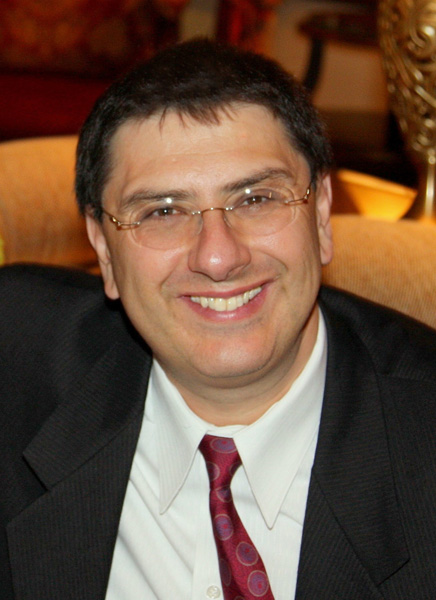
Rafail Ostrovsky is a Professor of Computer Science and Mathematics at UCLA , affiliated with the Center for Information and Computation Security at the Henry Samueli School of Engineering and Applied Science. He earned his Ph.D. in Computer Science from MIT in 1992 under Silvio Micali. Research Focus: His work spans cryptography, algorithms, and theoretical computer science, emphasizing secure multi-party computation, zero-knowledge proofs, oblivious RAM, and high-dimensional data analysis. Applications include privacy-preserving data mining, systems security, and quantum cryptography. Article Trends: Recent publications address concurrent security protocols, robust secret sharing via expander graphs, and efficient multi-party computation. Topics intersect computational complexity, cryptographic reductions, and practical security implementations. Awards: Recipient of the 2018 RSA Conference Excellence in Mathematics Award , 2017 IEEE Fellow , and multiple IEEE/ACM honors. Holds 14 U.S. patents and over 290 refereed papers. Advising: Supervised 27 Ph.D. students, many now professors at top institutions. Served on 40+ program committees, including FOCS 2011 Chair. Labs: Leads the CICS research center, fostering interdisciplinary work in information security and cryptographic systems.
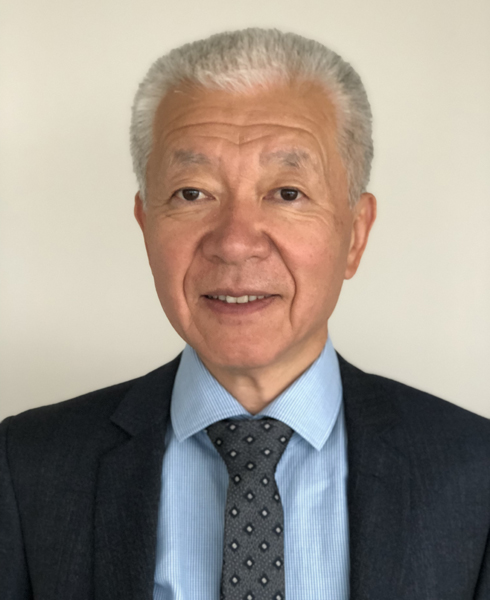
Zhang Yi-Cheng is a Full Professor of Theoretical Physics at the University of Fribourg, Switzerland, since 1992. His academic career includes visiting professorships at Nordita (Denmark) and INFN (Italy), and postdoctoral research at Brookhaven National Lab (USA). He specializes in interdisciplinary fields such as Econophysics , Statistical physics , and Complex network sciences , focusing on applications in financial markets, social systems, and global trade networks. His research explores topics like market dynamics, network structures, and algorithmic ranking systems. Notable awards include the 2011 Honorary Director of the Complexity Sciences Research Center and recognition as a 2011 Chinese '1000 Talents' awardee . His work bridges physics-based methodologies with socio-economic systems, addressing challenges in information-driven economies and networked societies. Zhang has contributed to influential studies on ranking algorithms, percolation theory in networks, and the interplay between economic complexity and trade. His interdisciplinary approach has led to advancements in understanding systemic risks, market inefficiencies, and the role of information in shaping global economic interactions.
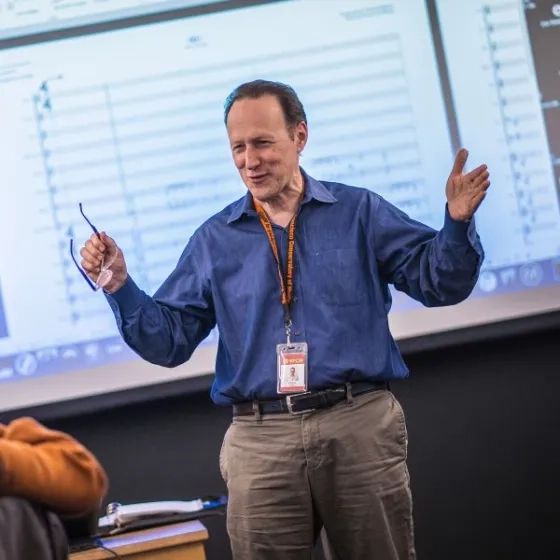
Lennie Moore serves as a faculty member in the Technology and Applied Composition (TAC) program at the San Francisco Conservatory of Music (SFCM), where he teaches Applied Lessons, Tools, Techniques and Analysis, and Orchestration for the Media Composer. With decades of experience as a composer, arranger, and orchestrator for video games, commercials, film, and television, Moore brings real-world industry expertise to his academic role. His teaching extends beyond SFCM, having developed and taught courses in Composing for Video Games at USC and UCLA Extension. Moore's research interests focus on the complex puzzle of video game scoring, emphasizing the deconstructionist approach required for interactive media. His work explores how to break down compositions into vertical layers and horizontal procedural components that can be implemented into music playback systems in real-time based on player choices. He specializes in open-world environments where music must smoothly transition through different game areas. His passion for building computers and video games outside of traditional music informs his innovative approach to media composition. His recent work includes the 2024 release of Outcast: A New Beginning , a sequel to his groundbreaking 1999 score for the original Outcast game, which was one of the first live orchestra and choir scores in gaming history. This new project involved approximately two hours and fifteen minutes of music with complex interactive elements, recorded during the pandemic with remote sessions. Best Soundtrack Album, G.A.N.G. Awards, 2011 Best Interactive Score, G.A.N.G. Awards, 2011 Best Audio — Other, G.A.N.G. Awards, 2008 Moore actively mentors students in the TAC program, with notable alumni including Kyle Randall (winner of the American Prize in composition), Shengyuan Li (Top 10 Finalist in the Berlin International Film Scoring Competition 2023), and Shawne Workman (now SFCM TAC faculty). His 2023 album Mentors pays tribute to his influences including Weather Report, Steps Ahead, Arif Mardin, Michael Gibbs, Don Grolnick, David Mash, Nick & Andy, Ken Kraintz, and Toshiko Akiyoshi. Moore emphasizes to students that 'Failure is an option' and encourages them to consider 'Who am I as an artist?' early in their development.
Shahin Jabbari is an Assistant Professor in the Computer Science Department at the College of Computing & Informatics, Drexel University, where he is a member of the EconCS research group. His research lies at the intersection of machine learning, game theory, and algorithmic fairness, with a focus on ethical AI and its societal implications. Prior to Drexel, he was a CRCS postdoctoral fellow at Harvard University's School of Engineering and Applied Sciences, hosted by Milind Tambe, and affiliated with the EconCS group. Education: PhD in Computer and Information Science, University of Pennsylvania (2013–2019), advised by Michael Kearns Master's in Computing Science, University of Alberta, advised by Robert Holte and Sandra Zilles Bachelor's in Computer Engineering, Sharif University of Technology His research interests center on machine learning, algorithmic fairness, and game theory, particularly focusing on how AI systems can be designed to be more equitable, interpretable, and robust. He investigates ethical aspects of algorithmic decision-making, aiming to ensure AI technologies contribute positively to society. His work often integrates human behavior modeling and experimental validation, especially in cybersecurity and public health domains. His recent publications span top venues including ICML, NeurIPS, AAAI, AAMAS, PNAS, and TMLR. The research trends show a consistent focus on fairness in AI, explainability, robustness, and strategic interactions in complex systems. Topics include fair influence maximization, adaptive phishing training, cyber deception games, and ethical machine learning frameworks. These works reflect a multidisciplinary approach combining theoretical rigor with real-world applicability. Scientific Awards and Recognitions: Best Paper Finalist, AAMAS 2021 Best Paper, GameSec 2020 Spotlight Presentation, ICML 2021 Best Paper, KI 2012 Shahin Jabbari actively contributes to the academic community through advising, teaching, and service. He teaches graduate courses such as CS 589: Responsible Machine Learning and CS 590: Privacy. He has served on the senior program committees of ICML and NeurIPS, is an Action Editor for TMLR, and has reviewed for numerous top-tier conferences and journals. He mentors students through research projects and invites prospective PhD candidates to apply through Drexel’s formal channels. He is involved in the Drexel Computer Science Theory Reading Group and contributes to advancing responsible AI practices. He is affiliated with the EconCS group at Drexel, which focuses on economic and computational aspects of AI, including game theory, mechanism design, and multi-agent systems. His lab integrates tools from machine learning, behavioral modeling, and optimization to develop AI systems that are not only intelligent but also fair and trustworthy. Future work is expected to further explore human-AI collaboration, ethical AI deployment, and policy-aware algorithm design.
Nanneke Winters is an Assistant Professor at the International Institute of Social Studies (ISS), Erasmus University Rotterdam, where she conducts research and teaches on migration, im/mobility, and multimethod approaches. Her work is deeply interdisciplinary, rooted in anthropology, feminist geography, and critical development studies, with a regional focus on Central America and transnational migration routes. She holds a PhD in Development Studies from the University of Antwerp, a MA in Development Studies (with Cultural Anthropology) from Radboud University Nijmegen, and a MA in Latin American Studies from the University of Amsterdam. Her academic journey reflects a sustained commitment to understanding migration through ethnographic and translocal lenses. Her research explores the intersections of migration, care work, racialization, and displacement, particularly in contexts of securitization and informal humanitarianism. She employs multi-sited ethnographic methods, including financial diaries, social mapping, and longitudinal fieldwork, to capture the complexity of migrant experiences. Her work contributes to critical debates on the migration-development nexus and the lived realities of people on the move. The recent body of her publications reveals a strong thematic focus on racialized politics of migrant accompaniment, place-making among mobile populations, and the ambivalent dynamics of emplacement in border zones. These works highlight conceptual innovations in understanding migration beyond linear trajectories, emphasizing temporality, informality, and localized agency. MA Thesis Award 'Gerrit Huizer' (2007) She has supervised and co-organized research initiatives, including the Migration Research Seminar Series and Development Research Series at ISS. Her collaborative projects, such as the African trajectories across Central America study funded by the German Research Foundation, demonstrate her engagement with international research networks and interdisciplinary teams. She welcomes PhD candidates interested in migration, im/mobility, and ethnographic methods. Her work is closely aligned with UN Sustainable Development Goals, particularly those related to reducing inequalities, promoting decent work, and fostering inclusive communities. She continues to advance critical perspectives on migration through field-based research, teaching, and academic leadership.
Dr. Armando Guevara Gil is a Peruvian legal anthropologist and historian currently serving as Director of Research at the Universidad para el Desarrollo Andino (UDEA, Huancavelica, Perú), Professor of Law at the Universidad Peruana de Ciencias Aplicadas (UPC, Lima), and Associate Researcher at the Instituto del Perú (USMP, Lima). He has held visiting positions at the University of Torino (2019) and as a guest researcher at the Max Planck Institute for European Legal History (Frankfurt, 2019-2020). His academic background includes: Law degree from Pontificia Universidad Católica del Perú Master's degree in cultural anthropology from University of Wisconsin-Madison Doctorate in law from University of Amsterdam Dr. Guevara Gil specializes in legal pluralism, colonial and republican law in the Andes, water law, and indigenous rights. His research explores historical normativity regimes in Andean societies, examining how indigenous communities maintain and assert their legal systems within modern nation-states. He employs interdisciplinary approaches combining legal history, anthropology, and political science to analyze the complex interactions between official state law and indigenous legal traditions, with particular focus on water rights, land tenure, and prior consultation processes. His scholarly work demonstrates consistent thematic development around Andean legal systems, evolving from colonial legal history to contemporary issues of indigenous rights recognition. Recent publications reveal increasing attention to the concept of 'multiversos narrativos' - exploring alternative historical narratives of water and land rights in the Andes through oral history methodologies. His research consistently challenges essentialist approaches to indigenous identity and legal recognition, documenting how bureaucratic and administrative practices often undermine indigenous rights despite international legal frameworks. Dr. Guevara Gil's research has been recognized through numerous fellowships and awards: Postdoc Scholarship at Max Planck Institute for European Legal History (2019-2020) Multiple fellowships at Max Planck Institutes (2012-2014) Eight research prizes from Pontificia Universidad Católica del Perú (2008-2018) MacArthur Foundation Scholar Grant (1994-1995) Wenner-Gren Foundation Fellowship (1988-1989) As principal investigator, Dr. Guevara Gil has secured significant research funding for projects examining legal pluralism in Andean communities. He currently co-directs the 'Multiversos Narrativos' research project with Thomas Duve at the Max Planck Institute for Legal History and Legal Theory, which employs dialogical and participatory methodologies to document communal narratives about water rights, land, and natural resources in Huancavelica, Peru. His work with the Universidad para el Desarrollo Andino focuses on community-based legal research and capacity building. Dr. Guevara Gil maintains active affiliations with multiple research networks including the American Anthropological Association, Commission on Legal Pluralism, Instituto Internacional de Historia del Derecho Indiano, Latin American Studies Association, and Law and Society Association. His current research examines how Peruvian administrative practices undermine indigenous rights through essentialist interpretations of indigenous identity, particularly in mining contexts where consultation processes are frequently circumvented.
Ralph Hertwig is the Director of the Research Department of Adaptive Rationality and Deputy Managing Director of the Max Planck Institute for Human Development in Berlin. He holds honorary professorships at both the Free University of Berlin (since 2016) and Humboldt University of Berlin (since 2013). His research focuses on models of limited and ecological rationality, experience-based decisions, psychology of risk, development of decision-making processes across the lifespan, and evidence-based interventions to increase decision-making and self-control skills (boosting). Hertwig's work bridges cognitive science, psychology, and practical applications for improving decision-making in complex environments. Hertwig's recent publications reveal a strong focus on behavioral interventions against misinformation, risk perception across the lifespan, cross-species comparisons of decision-making, and the development of boosting techniques as alternatives to traditional nudging approaches. His work increasingly addresses digital challenges, misinformation, and democratic discourse in the attention economy. Selected honors: Gottfried Wilhelm Leibniz Prize (2017) Charlotte and Karl Bühler Prize (2006) Fellow, Association for Psychological Science (2011) Member, German National Academy of Sciences Leopoldina Hertwig actively contributes to multiple academic initiatives including the International Max Planck Research School on the Life Course (LIFE), the Max Planck School of Cognition, and the International Max Planck Research School for Computational Methods in Psychiatry and Aging Research (COMP2PSYCH). His keynote speeches worldwide demonstrate the broad impact of his research on decision-making science.
Jonathan Glover is the George O. May Professor of Financial Accounting at Columbia Business School’s Accounting Division. His research focuses on the economics of accounting practices, including corporate financial reporting, governance, and incentive design. He holds editorial roles in journals like Foundations and Trends in Accounting and previously served as Head of the PhD Program at Carnegie Mellon University’s Tepper School of Business. With over 50 publications, his work spans earnings management, managerial compensation, and multi-agent contracting. Glover earned his PhD from The Ohio State University (1992) and received the Beta Alpha Psi Alumnus of the Year Award (2016). His research interests include corporate governance mechanisms, the role of accounting in long-term firm performance, and the interplay between financial reporting standards and preparer behavior. Recent studies explore team incentives, diversity impacts on collusion prevention, and relational contracting dynamics. He has advised the U.S. Securities and Exchange Commission and contributed to debates on financial engineering’s regulatory challenges. Key awards include recognition for his academic contributions and editorial leadership. His courses focus on earnings quality and fundamental analysis for MBAs, and advanced topics in accounting economics for PhD students.
Anders Brandt is an Associate Professor (Docent) in Geospatial Information Science and Senior Lecturer in Geomatics at the University of Gävle, Sweden, within the Department of Computer and Geospatial Sciences under the Faculty of Engineering and Sustainable Development. His research focuses on flood risk mapping uncertainties, agent-based modeling of pedestrian movement, and spatial decision-support systems for sustainable urban planning. He holds a PhD in Physical Geography from the University of Copenhagen and has extensive international collaboration experience. Education: PhD in Physical Geography (University of Copenhagen, Denmark), focusing on fluvial geomorphology of Costa Rica’s Reventazón River Master’s Degree in Physical Geography (Uppsala University, Sweden) Research Interests: Brandt’s work addresses uncertainties in flood modeling, spatial decision analysis, and geospatial data applications for urban resilience. His projects include the 'Big Data Methodology for Experiential and Cognitively Sustainable Urban Growth' initiative, emphasizing ecosystem service mapping and spatial MCDA methods. His agent-based modeling research explores emergent urban path systems to optimize pedestrian infrastructure. Publications Trends: Recent work spans flood risk visualization, blue-green infrastructure roles in climate resilience, and urban form complexity metrics. His 2025 papers highlight innovative applications of agent-based modeling and systematic reviews of climate hazard mitigation strategies. Advising & Grants: While no formal advisee list is provided, his collaborative publications suggest involvement in student projects. His grants include international initiatives like Mongolia’s land administration capacity-building programs. Labs/Teams: Co-founded GeoVega , a consulting firm specializing in flood risk mapping and geospatial solutions. Active in educational initiatives like harmonizing GIS curricula in Swedish universities.
Jared M Hotaling is an Assistant Professor in the Department of Psychology at the University of Illinois Urbana-Champaign. His research investigates complex human decision-making processes through cognitive psychology frameworks, focusing on scenarios involving information search, experiential learning, and future planning. He bridges psychology with economics, marketing, AI, and public policy using behavioral experiments and computational modeling. Education: Ph.D. from Indiana University Research Focus: Hotaling examines decision mechanisms through psychological constructs like attention, perception, and memory. His fingerprint analysis reveals core expertise in Decision Field Theory (100%), Decisions from Experience (86%), and Dynamic Decision Making (86%). Current work emphasizes cognitive modeling of sequential choices and risk assessment in reactive environments, with applications spanning behavioral economics and human-computer interaction. Publication Trends: Recent articles (2020-2022) demonstrate increasing integration of computational modeling with empirical decision research. Key themes include attentional modulation in risky choices, memory-based decision frameworks (e.g., MEM-EX model), and extensions of decision field theory to multistage planning. His work shows growing interdisciplinary impact, particularly in cognitive psychology and economic decision theory. Awards: Psychonomic Society Fellow (2024) Bruno de Finetti Prize, European Association for Decision Making (2015) Academic Contributions: Hotaling teaches graduate courses in Computational Cognitive Modeling, Decisions & Judgments, and Learning & Decision Making. His research group conducts behavioral experiments and develops mathematical models of decision processes, though specific grant details aren't provided in the source material. The high citation counts (e.g., 20 citations for PNAS attention study) indicate significant scholarly influence in decision science.
Michael J. Fischer is a Professor of Computer Science at Yale University, renowned for foundational contributions to distributed systems theory, cryptography, and parallel algorithms. His work includes the seminal impossibility result for distributed consensus with faulty processes and the development of the parallel prefix algorithm fundamental to modern parallel computing. His educational background: B.S. in Mathematics, University of Michigan (1963) M.A. in Applied Mathematics, Harvard University (1965) Ph.D. in Applied Mathematics, Harvard University (1968) Fischer's research spans theoretical and applied computer science with emphasis on distributed systems (consensus protocols, fault tolerance), cryptography (information-theoretic security, card-based protocols), and electronic voting systems . His work bridges abstract theory with practical security applications, particularly in trust modeling for e-commerce. Current investigations focus on algorithmic approaches to establishing trust relationships in distributed environments. His publication trajectory reveals evolving expertise from early parallel algorithms (1970-80s) to distributed consensus breakthroughs (mid-1980s), then cryptographic protocols and secure e-voting systems (1985-2000s), with recent work synthesizing these domains through trust frameworks. Key thematic threads include fault tolerance in unreliable networks and verifiable security mechanisms. Scientific recognition: ACM Fellow Fischer has held significant leadership roles including Editor-in-Chief of the Journal of the ACM , chair of the Max-Planck-Institute for Computer Science International Scientific Advisory Board, and founding member of the Computing Research Association's subcommittee on Women in Computer Science. His advisory work extends to the National Science Foundation and Wuhan University's State Key Laboratory on Software Engineering. Outside academia, he actively participates in the Yale Figure Skating Club, having served multiple terms as president. He maintains international collaborations as Guest Professor at Wuhan University and through editorial roles including Acta Informatica , while continuing to teach core computer science courses from data structures to cryptography at Yale.
Virginia Pallante is a Postdoctoral Researcher at the Netherlands Institute for the Study of Crime and Law Enforcement (NSCR) since 2020, specializing in ethological analysis of human behavior within criminological contexts. Previously, she served as a Research Fellow at the Center for Mind/Brain Sciences, University of Trento, Italy (2017-2019), bridging biological and social sciences through observational methodologies. Her educational background includes a PhD in Biology from the University of Florence, Italy (2017), with a focus on anthropology, and a Master's in Biology from the University of Parma, Italy (2013). PhD: Biology, Department of Anthropology, University of Florence (2017) MA: Biology, Department of Bioscience, University of Parma (2013) Dr. Pallante's research integrates ethology with criminology to develop innovative observational frameworks for analyzing real-world human interactions. Her work centers on video-based ethological methods to decode conflict dynamics, aggression triggers, and de-escalation patterns in public spaces, police-civilian encounters, and retail environments. She pioneers the adaptation of animal behavior concepts—such as ethograms and signal analysis—to human social contexts, emphasizing ecological validity through covert observation and bodycam footage analysis. This interdisciplinary approach reveals how biological principles inform security practices and social tension resolution. Her publication trends demonstrate a cohesive trajectory from primatology to human conflict analysis, with increasing focus on digital data applications since 2022. Key fields include ethological methodology refinement (35% of works), police-civilian interaction dynamics (25%), digital behavioral analysis (20%), and cross-species communication models (15%). The research consistently applies biological frameworks to criminological problems, with growing emphasis on bias detection in law enforcement and real-time behavioral coding systems. Dr. Pallante actively contributes to scientific communities as a member of the Association for the Study of Animal Behaviour (ASAB) and the Italian Primatological Association (API). Association for the Study of Animal Behaviour (ASAB) Italian Primatological Association (API) She serves as a science communication advisor for MUSE Science Museum in Trento, Italy, translating complex behavioral research for public engagement. Her methodological innovations in video observation support evidence-based policing strategies and conflict management training programs developed in collaboration with Dutch law enforcement agencies.
Sidonie Christophe is a Senior Researcher (Directrice de Recherche, DR1) at UMR LASTIG, a joint research unit of Université Gustave Eiffel, IGN-ENSG, and EIVP. She serves as co-director of the LASTIG laboratory and leads research in geovisualization, map design, and interactive spatial data exploration. She also holds a part-time advisory role (60%) at the French Ministry of Higher Education and Research in the domain of digital technology, environment, climate, and sustainable urban development. PhD in Geographic Information Sciences Senior Researcher, DR1, MTECT Co-Director, LASTIG Laboratory (since 2021) Former Team Leader, GEOVIS (Geovisualization, Interaction, and Immersion) Advisor, Environment and Urban Climate, French Ministry of Higher Education & Research Her research centers on innovative methods for 2D/3D and nD geospatial data visualization, with a focus on enabling spatio-temporal understanding through visual and non-visual spatial thinking. Her work integrates principles from geographic information science, human-computer interaction, and computer graphics. Key areas include urban climate visualization, tactile and augmented reality for accessibility, expressive cartographic rendering, and cognitive aspects of map design. She investigates how aesthetic and semiotic choices impact map comprehension and utility. The 15 most recent publications reflect a strong trend in interactive and accessible geovisualization, particularly for urban and environmental applications. Topics include neural map style transfer, 3D urban climate analysis, tactile maps for the visually impaired, augmented reality in geography, and visual analytics for crisis and climate data. There is a consistent emphasis on user-centered design, interdisciplinary integration, and the development of tools for decision-making under uncertainty. Scientific Recognition and Service: Invited speaker at major conferences (IEEEVIS, AGILE, ICC, CPGIS) Co-organizer of international workshops (e.g., GeoVIS, ISPRS AR/VR sessions) Leader of national research projects (ANR ORACLES, ANR ACTIVmap, ANR ECOCIM) Recipient of international mobility grants (AMICI I-SITE FUTURE) Contributor to national glossaries and research strategy (e.g., French photogrammetry glossary) Advising and Grants: Sidonie Christophe actively supervises PhD students and postdoctoral researchers, including Markie Jiang, Maria-Jesus Lobo, and Alexandre Mielniczek. She leads or participates in multiple funded research projects such as ANR ORACLES (marine flooding visualization), ANR ACTIVmap (tactile 3D maps), and ANR ECOCIM (eco-design of city information models). Her advisory role at the MESR involves shaping national research strategy in digital and environmental sciences. Labs and Research Teams: She is a core member of the GEOVIS team (Geovisualization, Interaction, and Immersion) at LASTIG and previously served as its leader. As co-director of LASTIG, she plays a central role in the leadership and strategic direction of the entire laboratory, which comprises over 100 researchers across four teams: ACTE, GEOVIS, MEIG, and STRUDEL.
Luca D'Acci is an Associate Professor in Sustainable Urban Forms and Evaluations at the Polytechnic of Turin, affiliated with the Interuniversity Department of Territorial Sciences, Planning and Policies (DIST). He holds additional affiliations as a Senior Research Fellow at the University of Portsmouth and as a member of research networks at the University of Birmingham and Erasmus University Rotterdam. His academic journey includes international roles such as Head of Urban Environment at Erasmus University Rotterdam and visiting researcher positions at the University of Oxford, University of Cambridge, and ETH Zurich. Education: MSc in Architecture-Science of Cities, Polytechnic of Turin (2003, cum laude) PhD in Economic Assessments, Polytechnic of Turin (2007) BSc in Mathematics, University of Turin (2007) BSc in Construction Engineering, Polytechnic of Turin (2009, cum laude) Post-PhD in Urbanism, University of Campinas (2010) Anthropology, University of Oxford (2020, 20 credits) Luca D'Acci’s research focuses on urban morphology, urban allometry, isobenefit urbanism, and the socio-economic-environmental impacts of urban form. His work bridges humanistic and quantitative approaches, integrating engineering, architecture, economics, and anthropology. He investigates how urbanicity, urban form, and spatial configuration influence well-being, sustainability, and resilience. His recent publications (2023–2025) reveal a strong trend toward computational modeling and simulation of urban growth, particularly through the lens of isobenefit urbanism —a concept he has pioneered. These works combine cellular automata, agent-based modeling, and morphogenetic frameworks to simulate sustainable urban futures. He also explores fractal patterns in housing markets, the psychology of urban living, and the mental costs of urbanicity. His research spans disciplines including urban science, environmental psychology, urban economics, and complex systems. Scientific Awards and Honors: Fellow, Erasmus Happiness Economics Research Organisation (EHERO), Erasmus University Rotterdam (2022–) Senior Research Fellow, University of Portsmouth (2017–) Fellow, Cluster for Sustainable Cities, University of Portsmouth (2017–2020) Fellow, Urban Morphology Research Group, University of Birmingham (2016–2021) Member, Cambridge Networks Network, University of Cambridge (2016–) Honorary Fellow, University of Birmingham (2016–) Luca D'Acci actively advises PhD students as a member of the Doctoral Collegium for Urban and Regional Development at Politecnico di Torino (2020–2024). He has secured and contributed to significant research grants, including projects funded by the World Bank, Asian Development Bank, European Commission, EPSRC, Lincoln Institute of Land Policy, and University College London (Future Urban Growth Lab). His editorial roles include membership on the boards of PLOS ONE , PLOS Mental Health , and Humanities & Social Sciences Communications . Labs and Research Networks: Future Urban Growth Lab (UCL, 2019–) LEUr Urban Ecology Lab (UFSC, 2022–) URban Evolution Morphology (UReM, 2024–) Erasmus Universiteit Rotterdam (EHERO, 2022–2024) Spatial Intelligence Unit (SPIN Unit), Estonia (2013–) International Society of Biourbanism (2013–)
Helen Oleynikova is a Lecturer at the Department of Mechanical and Process Engineering at ETH Zürich, where she is part of the Autonomous Systems Lab. She works on the intersection of perception and planning, particularly for micro-aerial vehicles. Her research focuses on real-time onboard mapping, planning, and localization using visual-inertial systems and signed distance fields. Research Interests: Helen's work spans robotics, autonomous systems, and computer vision, with a focus on enabling safe and efficient navigation in complex environments. She specializes in visual-inertial odometry, SLAM, 3D mapping using signed distance fields, and real-time path planning for MAVs. Her projects often involve embedded systems and FPGA-based high-speed vision for obstacle avoidance. Publication Trends: Her recent publications (2023–2019) show a consistent focus on real-time, onboard algorithms for autonomous navigation. Key themes include signed distance function maps, collision-free motion generation, global localization, and efficient exploration. She frequently publishes in top-tier robotics conferences such as ICRA and IROS, and journals like IEEE RA-L and Journal of Field Robotics. Professional Experience: Senior Researcher, Autonomous Systems Lab, ETH Zürich Senior Software Engineer, Isaac 3D Perception, Nvidia Senior Scientist, Microsoft Mixed Reality and AI Lab, Zürich Software Engineer, Google (StreetView) Contributor, Willow Garage (ROS, TurtleBot Arm) Education: PhD in Robotics, ETH Zürich (2019) MSc in Robotics, ETH Zürich BSc in Robotics, Olin College of Engineering (2011) Advising and Grants: While no formal students are listed, she has collaborated extensively with researchers at ETH Zürich and industry labs. Her work has been supported through institutional affiliations and industry research roles. She has contributed to open-source robotics software, particularly in ROS-based systems for manipulation and navigation. Labs and Teams: Helen is a key member of the Mobile Manipulation team at the Autonomous Systems Lab at ETH Zürich. She has also been involved in projects at Nvidia, Microsoft, Google, and Willow Garage, focusing on real-world deployment of autonomous systems.