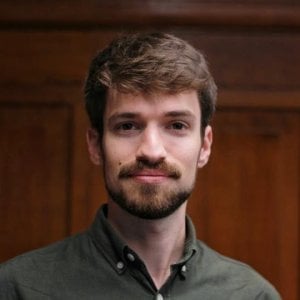
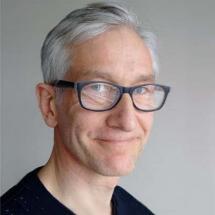
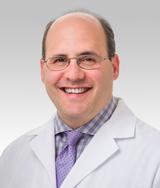
Santiago F. González is a Group Leader at the Institute for Research in Biomedicine (IRB) in Bellinzona, Switzerland, and an extraordinary professor at the University of Italian Switzerland (USI). He earned dual PhDs in microbiology (University of Santiago de Compostela, Spain) and immunology (University of Copenhagen, Denmark), followed by postdoctoral work (2007–2011) at Harvard Medical School's Immune Disease Institute under Michael Carroll. PhD in Microbiology, University of Santiago de Compostela PhD in Immunology, University of Copenhagen His research focuses on immune system dynamics during respiratory viral infections, vaccination, and cancer metastasis. Key areas include influenza recognition , lymph node inflammation , and immune cell behavior in vivo. He pioneered studies on C-type lectin receptors (e.g., SIGN-R1) in viral immunity and epigenetic modulators for inflammation. Recent publications highlight his work in epigenetic drug development , nanovaccines , and computational tools for immune cell tracking. His group uses two-photon intravital microscopy and spatial-temporal modeling to dissect immune responses. Scientific awards include three EU Marie Curie Fellowships (2004–2013), enabling his transition to independent research. His collaborations span Harvard, USI, and European institutions, with grants from the EU and Swiss research bodies. His lab at IRB, established via the 2013 Marie Curie Career Integration Grant , develops novel imaging approaches and therapeutic strategies for infectious and immune-mediated diseases.
Lieuwke Kranenburg is an Assistant Professor at the Faculty of Veterinary Medicine , Utrecht University , specializing in Equine Internal Medicine . She provides patient care at the University Equine Clinic and teaches Master's courses in equine digestion , infectious diseases , and skin problems . Research Focus: Equine internal medicine, digestive diseases, infectious pathogens, metabolic disorders Professional Certifications: EBVS® European Veterinary Specialist in Equine Internal Medicine International Collaboration: Trained Chinese veterinarians at Heilan Equestrian Centre Publications highlight her work on equine gastric disease management, diagnostic imaging, infectious disease epidemiology, and metabolic research. She contributes to equine clinical research through peer-reviewed journals and conference abstracts. Professional Involvement: Former board member of the Equine Medicine Group and current GGP representative for FEEVA, maintaining professional networks and advancing equine veterinary practice.
Alex V. Levin, M.D., M.H.Sc., serves as Professor in the Department of Ophthalmology at the University of Rochester School of Medicine and Dentistry, holding the Adeline Lutz - Steven S.T. Ching, M.D. Distinguished Professorship. He concurrently holds joint appointments in the Center for Visual Science and the Department of Pediatrics, Genetics. As Chief of the Flaum Eye Institute's Pediatric Ophthalmology and Ocular Genetics team and Chief of Clinical Genetics at URMC, he leads cross-functional teams comprising ophthalmologists, optometrists, pediatric specialists, geneticists, nurses, and genetic counselors. Medical Degree: Jefferson Medical College Residency: Pediatrics at Children's Hospital of Philadelphia Residency: Ophthalmology at Wills Eye Hospital Fellowship: Pediatric Ophthalmology and Strabismus at Toronto's Hospital for Sick Children Masters of Health Science in Bioethics: University of Toronto (2001) Dr. Levin's research spans ocular genetics and gene therapy, children's vision screening, pediatric glaucoma/cataract/uveitis, ocular manifestations of child abuse, and bioethics. His work integrates clinical expertise in pediatric anterior segment eye conditions with scientific investigation into genetic eye diseases. He maintains the only simultaneous US Board Certifications in pediatrics, ophthalmology, and child abuse pediatrics worldwide. Analysis of his 15 most recent publications reveals predominant focus on genetic eye disorders (73%), with significant emphasis on retinal hemorrhage patterns in trauma (13%) and pediatric glaucoma (7%). His research demonstrates consistent translational application from basic science to clinical practice, particularly in ocular genetics and abusive head trauma diagnostics. Resident Guardian Award (2022) Edward A. Jaeger and John B. Jeffers Citizenship Award (2020) Albert Marquis Lifetime Achievement Award (2018) Al Biglan Medal in Pediatric Ophthalmology (2014) Ray E. Helfer Society Award for Child Abuse Research (2011) With over 35 years of experience and hundreds of peer-reviewed publications, Dr. Levin has secured funding from the National Institutes of Health, Canadian Institute of Health, and private foundations. His research portfolio demonstrates exceptional continuity in pediatric ophthalmology and ocular genetics, with recent emphasis on deep learning applications for retinal hemorrhage analysis and international registry development for childhood glaucoma. He has established comprehensive vision screening programs for underserved urban populations and pioneered ethical frameworks for genetic testing in pediatric ophthalmology. Dr. Levin directs the Ocular Genetics Program at URMC, which provides multidisciplinary care through the Pediatric Ophthalmology and Ocular Genetics team. His laboratory investigations focus on nascent chromatin structure in fibrosis and protein modeling for inherited retinal diseases, with active collaborations across the Montalcino Aortic Consortium and Sturge-Weber Foundation research networks.
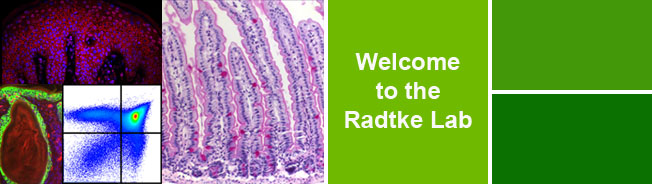
Freddy Radtke is a Full Professor at the School of Life Sciences at École polytechnique fédérale de Lausanne (EPFL), where he leads the Radtke Lab (UPRAD) within the Swiss Institute for Experimental Cancer Research (ISREC). He holds multiple affiliations across EPFL, including in the SSV-ENS and EDMS-ENS programs, reflecting his broad engagement in teaching and doctoral education in life sciences. His research is centered on the molecular mechanisms of stem cell maintenance and differentiation, particularly through the Notch signaling pathway. His work spans several self-renewing systems: the hematopoietic system, skin, and gut. Key findings include the identification of Delta-like 4 as the essential Notch1 ligand for T cell commitment, the tumor suppressor role of Notch1 in skin, and its critical function as a gatekeeper of intestinal progenitor cells by repressing CDK inhibitors. These discoveries have significant implications for understanding cancer development and regenerative processes. The recent publications highlight a consistent focus on Notch signaling across diverse biological contexts—hematopoiesis, skin development, intestinal regeneration, and stem cell systems biology. The keywords and subfields reflect deep mechanistic investigations into cell fate decisions, signal transduction, and tissue homeostasis, with strong translational relevance to cancer and inflammatory diseases. Freddy Radtke has mentored numerous Ph.D. students and is actively involved in teaching courses such as Stem Cells and Organoids and Scientific Project Design in Translational Oncology . His lab conducts research supported by external funding, and he collaborates across disciplines to integrate systems biology with stem cell research. The lab includes scientists, doctoral assistants, technicians, and administrative staff, indicating a vibrant and multidisciplinary research team.
Alexander Clarke is an Associate Professor at the University of Oxford's Kennedy Institute of Rheumatology within the Nuffield Department of Orthopaedics, Rheumatology and Musculoskeletal Sciences, and serves as an Honorary Consultant Rheumatologist at the Nuffield Orthopaedic Centre. His educational background includes medical qualification from UCL in 2001, rheumatology training in London, and a PhD on autophagy in lupus completed in 2013 under Tim Vyse at King's College London. He joined Oxford in 2014 as a postdoctoral fellow with Katja Simon at the Weatherall Institute of Molecular Medicine before establishing his independent research group in 2018. Clarke's research focuses on the intersection of immunology and metabolism, particularly investigating how metabolic pathways regulate immune cell function in autoimmune diseases. His work primarily examines B cell metabolism, autophagy mechanisms, and their roles in conditions like systemic lupus erythematosus. He leads the Clarke Group dedicated to 'Metabolism and Immunity' research. Analysis of his recent publications (2022-2025) reveals a consistent research trajectory centered on immunometabolism, with particular emphasis on germinal center B cells, mitochondrial regulation in lymphocytes, and connections between metabolic pathways and autoimmune pathogenesis. His work bridges fundamental cellular mechanisms with clinical applications in rheumatology. His major scientific recognitions include: Wellcome Trust Clinical Research Training Fellowship Wellcome Trust Clinical Research Career Development Fellowship (2018) Clarke's research program is supported by prestigious Wellcome Trust funding, enabling his group to investigate critical questions at the interface of immunology and metabolism. His work has significant implications for understanding autoimmune disease mechanisms and developing novel therapeutic approaches targeting metabolic pathways in immune cells. The Clarke Group maintains active research programs investigating how metabolic regulation influences immune cell function, with particular focus on B cells in germinal center reactions and their dysregulation in autoimmune conditions.
Univ.-Prof. Dr. med. Martin A. Kriegel serves as full Professor and Department Head of the Department of Translational Rheumatology and Immunology at the Institute of Musculoskeletal Medicine, University of Münster, while maintaining an active laboratory at Yale School of Medicine. He leads the Section for Rheumatology and Clinical Immunology (SRKI) at Medical Clinic D, where his team integrates clinical care with cutting-edge microbiome research. His department operates from Röntgenstraße 21 and Von-Esmarch-Str. 54 in Münster, Germany, with extensive collaborations including the "Cells in Motion" research initiative and the CiM-IMPRS graduate program. Dr. Kriegel's research program focuses on the critical interface between host immunity and microbiota, particularly investigating how gut commensals translocate to host tissues and trigger autoimmune responses. His laboratory pioneered the discovery that specific pathobionts like Enterococcus gallinarum and certain Lactobacillus strains can translocate from the gut to mesenteric lymph nodes, liver, and other sites, driving autoimmune responses through molecular mimicry of human autoantigens. His work has established fundamental mechanisms by which microbiota influence rheumatic diseases, cutaneous autoimmunity, and cancer immunology, with particular emphasis on Ro60 autoantigen mimicry, TLR7-dependent pathways, and diet-microbiome interactions. The laboratory employs advanced techniques including gnotobiotic mouse models, humanized systems, and detailed molecular characterization of host-pathobiont interactions. Analysis of Dr. Kriegel's publication record reveals a consistent trajectory of high-impact research connecting microbiome dynamics to autoimmune pathogenesis. His most recent work (2023-2025) demonstrates increasingly sophisticated understanding of how specific bacterial strains influence disease phenotypes across multiple autoimmune conditions, with notable advances in identifying shared microbiome signatures across lupus and inflammatory bowel disease. The publications show progressive refinement from initial observations of microbial translocation to detailed mechanistic insights into tryptophan catabolism pathways, structural basis of molecular mimicry, and diet-sensitive microbial triggers. Dr. Kriegel's scientific recognition includes US Patent No. 11,058,756 B2 for compositions treating autoimmune diseases by reducing enterococcus, reflecting the translational potential of his research. His laboratory receives substantial funding, most notably a $3 million award from the Lupus Research Alliance for the TransLuMi project investigating gut pathobiont translocation in systemic lupus erythematosus. As an educator and mentor, Dr. Kriegel directs a substantial research team including multiple postdocs (Drs. Marcia Pereira, Nathalie Becker), PhD candidates (Anna Brinkhege, Carina Brune, Helen Fuhrmann), and laboratory specialists. He participates in the CiM-IMPRS graduate program and supervises medical students through the MedK program. His laboratory currently manages multiple significant research projects including: (A) intestinal wall permeability and pathobiont translocation in autoimmunity; (B) diet-environment-microbiome interactions; (C) microbiota disruption of immunological tolerance; and (D) microbiome roles in lymphoma development. The Kriegel laboratory maintains state-of-the-art facilities at both Münster and Yale, with specialized capabilities in gnotobiotic research, microbiome analysis, and immune profiling. His team collaborates with international partners including Dr. Eran Elinav at Weizmann Institute, Dr. Nissan Yissachar at Bar-Ilan University, Prof. George Tsokos at Harvard, and Prof. Ilana Brito at Cornell University. The laboratory's website (https://www.medizin.uni-muenster.de/mikrobiom/startseite/) details ongoing projects and research opportunities.
Professor Sinead Langan is a leading clinical epidemiologist at the London School of Hygiene & Tropical Medicine (School of Epidemiology and Population Health, Department of Non-communicable Disease Epidemiology). She maintains dual roles as a clinical dermatologist at St John's Institute of Dermatology, Guy's and St Thomas' Hospital, and as academic director for Health Data Research UK London. Queen's University Belfast (MD) - 2005 University of Nottingham (PhD) - 2011 University of Pennsylvania (Visiting Scholar) - Postdoctoral Her research spans two critical domains: Immune-Mediated Inflammatory Conditions : Leading groundbreaking work on atopic eczema and psoriasis using 17 million patient records through OpenSAFELY platform, revealing novel associations between severe eczema and cardiovascular outcomes Health Data Methodology : Co-founder of the RECORD initiative (www.record-statement.org) that establishes international standards for observational health data reporting Recent publications analyze: Gene-environment interactions in eczema Development of standardized protocols for routine health data analysis Cardiovascular risks in inflammatory skin diseases Long-term developmental impacts of atopic disease Pandemic effects on healthcare delivery Key awards include: Fellow of Association of Physicians (2025) National Clinical Impact Award (2022-2027) ONS Excellence & People's Choice Awards (2022) British Society Medical Dermatology Prize (2022) She directs: Coronavirus School Infection Survey (150 schools) NHS indirect effects monitoring during pandemic
Lisa A. Mandl is an Associate Professor of Population Health Sciences and Medicine at Weill Cornell Medical College, Cornell University. She also serves as an Associate Attending Physician at NewYork-Presbyterian Hospital. Her work bridges rheumatology and population health through clinical practice, education, and research. M.P.H., Harvard School of Public Health (2000) M.D., University of British Columbia Faculty of Medicine (1993) B.A., Williams College (1988) Lisa Mandl's research focuses on rheumatoid arthritis , psoriatic arthritis , ankylosing spondylitis , osteoarthritis , and systemic lupus erythematosus . She investigates frailty , patient-reported outcomes , and total joint arthroplasty with particular attention to social determinants of health , geriatric rheumatology , and clinical decision-making . Her work spans infectious disease implications in rheumatology patients and interdisciplinary care models . Her recent publications examine social isolation and mental health in lupus patients, vaccine safety in osteoarthritis, and novel patient-reported outcome measures for autoimmune skin conditions. She has published extensively in Arthritis & Rheumatology , The Journal of Rheumatology , and Osteoarthritis and Cartilage , with recurring themes in clinical epidemiology and health services research . Scientific Awards & Recognitions Awards for teaching excellence Dr. Mandl has mentored numerous rheumatology trainees and led NIH-funded research on patient-reported outcome measures and surgical decision-making frameworks. She co-developed core domains for total joint replacement trials and contributes to health literacy and medical education initiatives.
Professor Sabine Eming is a Principal Investigator at the Department of Dermatology & FMNS at the University of Cologne, affiliated with the CMMC and collaborating with CECAD. Her research focuses on the molecular basis of age-related skin pathologies and regenerative responses. Investigates tissue regeneration, immunometabolism, and TOR signaling Develops therapeutic strategies for injured/aging tissues Uses cross-species models (mice, zebrafish, Drosophila, humans) Her work bridges basic science and clinical expertise to translate findings into therapeutic approaches, particularly examining: Metabolic reprogramming in wound healing Immune system's role in regeneration vs. scarring Lipid synthesis and filaggrin processing in skin barrier formation Scarless repair mechanisms in zebrafish vs. mammals She leads research into molecular control systems including: Cell death regulation (FADD-RIPK3 pathways) Nutrient-sensing TOR pathway in skin aging Glutamine metabolism in stem cell maintenance Her group develops genetically modified mouse models and collaborates on clinical trials for impaired healing conditions.
Dr. Julian Matthewman is a Research Fellow in the Department of Non-communicable Disease Epidemiology within the Faculty of Epidemiology and Population Health at the London School of Hygiene & Tropical Medicine (LSHTM). He is also an academic liaison for the Alan Turing Institute, the UK's national institute for data science and artificial intelligence, and serves as a theme lead for LSHTM's Centre for Data and Statistical Science for Health (DASH). Dr. Matthewman completed his medical degree at the Medical University of Vienna, followed by an MSc and PhD in Epidemiology at LSHTM. His educational background reflects a strong foundation in both clinical medicine and epidemiological research methods. As a clinically-trained epidemiologist, Dr. Matthewman focuses on electronic health records research related to non-communicable diseases, with particular emphasis on skin and inflammatory conditions including eczema and psoriasis. His work spans multiple areas including pharmacoepidemiology, mental health comorbidities in dermatological conditions, and methodological research for electronic health record analysis. His research often involves large-scale population studies using UK primary care data. His publication record demonstrates a consistent focus on methodological rigor in electronic health record research, with recent work examining comorbidities in atopic eczema, developing codelists for routine health data research, and investigating medication safety. His articles frequently address the intersection of dermatology, epidemiology, and data science, with notable contributions to understanding the broader health implications of skin conditions. Dr. Matthewman actively contributes to education by organizing the short course "Introduction to Pharmacoepidemiology" and teaching on courses including "Analysis of Electronic Health Records" and "Data Challenge". He supervises summer projects for MSc Epidemiology and MSc Health Data Science students and organizes LSHTM's R user group, supporting computational skills development within the institution. His work spans multiple collaborative projects, particularly those involving the Alan Turing Institute and LSHTM's Centre for Data and Statistical Science for Health. He has developed numerous codelists and computational tools that support reproducible research in electronic health records, contributing significantly to methodological standards in the field.
Christian Becker is an Associate Professor in the Department of Dermatology at the University of Münster, where he leads the Becker Research Group focused on "Adaptive and innate T cell Immunity." His work bridges immunology, dermatology, and vascular biology, with particular emphasis on understanding T cell responses in inflammatory conditions and thrombosis. Dr. Becker's research interests include: T cell function and differentiation Myeloid cell differentiation Nanoparticle-mediated tumor therapy Humanized mouse models Regulatory T cells in tissue repair Monocytes in chronic venous insufficiency His recent work has explored how cyclic adenosine monophosphate (cAMP) serves as a signaling messenger in immune regulation, how specialized regulatory T cells control venous blood clot resolution through SPARC, and how nanoparticle-based therapies can be used for melanoma treatment. His research combines molecular immunology with translational approaches to develop novel therapeutic strategies for inflammatory and thrombotic conditions. Dr. Becker has published extensively in high-impact journals including Nature Communications, Blood, and Circulation Research. His publication record demonstrates a consistent focus on the intersection of immunology and vascular biology, particularly examining how T cells and monocytes interact in thrombotic and inflammatory conditions across multiple disease contexts. His laboratory recently relocated from Mainz to Münster, where he continues to expand his research program. Dr. Becker actively mentors doctoral student Doğa Uncuer and master's student Friederike Pauline Neesen, and is seeking additional talented scientists to join his team.
Vernon M. Chinchilli is a Distinguished Professor of Public Health Sciences and Professor of Statistics at The Pennsylvania State University. He holds appointments in the Department of Public Health Sciences (Division of Biostatistics and Bioinformatics) and the Department of Statistics. His primary affiliation is with the College of Medicine. Dr. Chinchilli received his PhD in Statistics from the University of North Carolina at Chapel Hill (1979) and a BS in Mathematics from Penn State (1974). His research focuses on biostatistical methodology for multi-center clinical trials, multivariate analysis of longitudinal data, and statistical methods for crossover designs. He has led NIH-funded Data Coordinating Centers for studies on lung disease, kidney disease, and acute kidney injury (AKI). Notable roles include Principal Investigator for the Natural History of AKI Consortium and the Biostatistics Research Center for Impaired Awareness of Hypoglycemia. Dr. Chinchilli teaches doctoral courses in multivariate analysis (PHS 523) and statistical methods in public health (PHS 554/555). He has advised 35 PhD and 40 MS students. His honors include Fellow of the American Statistical Association (1997) and extensive contributions to methodological advancements in clinical trial design and analysis. Key areas of investigation include: 1) statistical methods for agreement assessment and equivalence testing in clinical trials, 2) biomarker development for kidney function decline, and 3) application of machine learning in predicting post-hospitalization outcomes. He collaborates internationally on projects like the ENICTO cancer treatment outcomes initiative and the S-AKI sepsis biomarker study. Recent work explores: cognitive change measurement in aging populations, opioid alternative therapies for chronic pain, and vaccine efficacy in immunocompromised patients. His research spans 541 peer-reviewed publications and 15 active NIH grants, with particular emphasis on translating statistical innovations into clinical practice.
Yi-Ling Chen, DPhil, is a Career Development Fellow at the Nuffield Department of Medicine, University of Oxford, where she leads the Chen Group dedicated to lipid-mediated T cell immunity research. Research Focus: Her work centers on Immunology and T cell Biology, specifically investigating lipid-reactive T cells in immune regulation, tissue homeostasis, and microbial defense. She employs high-dimensional proteotranscriptomics, T cell clonality analysis, and human immune organoid approaches to uncover molecular mechanisms for inflammatory and infectious disease interventions. Key interests include: Lipid antigen presentation via CD1 molecules T cell responses in psoriasis and skin inflammation Host-pathogen interactions with Group A Streptococcus and Staphylococcus aureus Translational applications for immune-mediated conditions Publication Trends: Analysis of her 15 most recent publications (2020-2024) reveals consistent focus on CD1-mediated lipid antigen presentation across infectious diseases (dengue, COVID-19, bacterial infections) and inflammatory conditions (psoriasis). Her work bridges molecular immunology with clinical applications, featuring in journals like Nature Immunology , Cell , and Science Immunology , with emphasis on therapeutic target discovery. Laboratory: The Chen Group operates within Oxford's Nuffield Department of Medicine, utilizing advanced immunological techniques to study T cell immunity in human disease contexts.
Harris R Perlman is Chief of Rheumatology in the Department of Medicine at Northwestern University Feinberg School of Medicine and holds the Mabel Greene Myers Professor of Medicine. His research focuses on macrophage biology, inflammatory arthritis, and fibrotic diseases like systemic sclerosis and pulmonary fibrosis. Affiliation: Northwestern University Academic Rank: Professor Key Institutes: Center for Human Immunobiology, NUCATS, Lurie Cancer Center Research Interests: His work explores: Macrophage heterogeneity in arthritis and fibrosis Complement pathway activation in rheumatoid arthritis Profibrotic monocyte-derived macrophages in lung disease Role of Wnt-beta catenin in macrophage pathogenesis Transcriptional profiling for precision medicine in autoimmune diseases Age-related immune dysregulation in inflammatory conditions Scientific Awards: Mentor of the Year (2022) Clinical Trials: Synovial Macrophage Transcriptional Signatures for Predicting Therapeutic Efficacy Pathogenic Wnt-beta catenin target genes in macrophages and fibrosis
Brigitta Stockinger is a distinguished Professor at the Francis Crick Institute, leading research in the Division of Molecular Immunology. With a career spanning over three decades, she has established herself as a leading authority in immunology, particularly in the study of T cell biology and the aryl hydrocarbon receptor (AHR) pathway. PhD in Biology from the University of Mainz Postdoctoral training in London, Cambridge, and Heidelberg Member of the Basel Institute for Immunology (1985-1991) Group leader at MRC National Institute for Medical Research (1991-present, now part of Francis Crick Institute) Head of Division of Molecular Immunology (2010-present) Professor Stockinger's research has evolved from studying immune tolerance using T cell receptor transgenic mouse models to pioneering work on immunological memory with CD4 memory T cells. Her lab made seminal discoveries regarding Th17 cell differentiation factors, which led to groundbreaking research on the aryl hydrocarbon receptor (AHR) as an environmental sensor in the immune system. Her work spans fundamental immunology, infection responses, inflammation, and the intersection of environmental factors with immune regulation. Analysis of her extensive publication record (over 65 Crick publications) reveals a strong focus on Immunology (38 publications), followed by Model Organisms (12), Genetics & Genomics (10), and Tumour Biology (9). Her most influential work appears in top journals including Nature (5 papers), Nature Immunology (6 papers), and Immunity (6 papers), demonstrating the high impact of her research on understanding T cell plasticity, AHR signaling, and mucosal immunity. Fellow of the Academy of Medical Sciences (2005) EMBO fellow (2008) Fellow of the Royal Society (2013) ERC Advanced Investigator grant (2009) Wellcome Senior Investigator Grant (2013) CRUK grant (2015) Wellcome Investigator Grant (2018) Professor Stockinger's laboratory investigates how environmental factors influence immune responses through the AHR pathway, with particular emphasis on intestinal immunity, inflammation, and host-microbe interactions. Her work has significant implications for understanding inflammatory bowel diseases, infection responses, and the role of dietary components in immune regulation. She has established numerous collaborations across the Francis Crick Institute and maintains active research programs examining AHR's role in both innate and adaptive immunity.