
Vitaly Kheyfets, PhD, serves as Associate Professor in the Department of Pediatrics-Critical Care Medicine at the University of Colorado Anschutz Medical Campus School of Medicine, where he directs research at the intersection of pediatric critical care and cardiopulmonary pathophysiology with emphasis on pulmonary arterial hypertension (PAH). His primary research focuses on right ventricular adaptation to pulmonary hypertension, utilizing machine learning-driven multi-omics analysis to identify disease biomarkers and molecular networks. He pioneers computational fluid dynamics approaches for hemodynamic modeling in congenital heart conditions like Glenn physiology, while also investigating sleep oscillatory patterns as neurodegenerative biomarkers. His methodology integrates proteomics, spatial transcriptomics, and pressure waveform analysis to dissect vascular remodeling mechanisms. Publication trends reveal a strong emphasis on translating computational models into clinical applications for PAH prognostication, with recent work developing AI-cooperative diagnostic platforms and characterizing microvascular changes in the right ventricle. Cross-disciplinary collaborations span proteomics, imaging, and sleep neuroscience, demonstrating consistent innovation in both pulmonary hypertension and neurodegenerative disease biomarker discovery.
جستوجوی استاد و پژوهشگر
استاد راهنما، استاد دانشگاه یا پژوهشگر مناسب برای مسیر پژوهشیتان را پیدا کنید و با او ارتباط بگیرید.
نمایش ۱۶-۳۰ از ۳٬۳۹۰ استاد راهنما
اطلاعات این پروفایلها از صفحات عمومی دانشگاهها جمعآوری شده و ممکن است بهروز نباشد.
- Microbiomics
- Genomics
- Complex Diseases
- +۴ مورد دیگر
Elin Org is a Professor of Microbiomics at the University of Tartu's Institute of Genomics, where she also serves as Head of the Estonian Genome Centre and Vice Director of the Institute. Her academic career spans over two decades with significant contributions to microbiome and genomic research. Education: PhD in Genetics, University of Tartu (2006) Master's Degree in Molecular Biotechnology and Biomedicine, University of Tartu (2000) Bachelor's Degree, University of Tartu (1997) Classical Singing, Heino Eller Tartu Music School (1996) Professor Org's research primarily focuses on the intricate relationships between host and gut microbiota and their influence on metabolism and common complex diseases. Her work bridges microbiomics, genomics, and complex disease research, with particular emphasis on understanding how gut microbiome composition affects human health. She has pioneered research connecting long-term antibiotic usage with microbiota-dependent effects and has made significant contributions to understanding the role of gut microbiome in conditions such as gestational diabetes, endometriosis, and polycystic ovary syndrome. Her approach integrates advanced computational methods with comprehensive health data to uncover causal relationships in microbiome research. Her recent publications demonstrate a strong trend toward integrating microbiome data with extensive digital health metrics, using machine learning approaches to identify microbial predictors of health outcomes. This work is increasingly focused on translating microbiome research into clinical applications for disease prediction and personalized medicine approaches, particularly in the context of the Estonian Biobank initiative. Major Scientific Recognition: 2025 National Science Award in medical and health sciences 2023 and 2022: Recognized among the world's top 1% most cited researchers by Clarivate Analytics 2020: Member of AcademiaNet, a portal for top female researchers 2017: EMBO Installation grant 2013: Marie Curie International Outgoing Fellowship Professor Org has secured substantial research funding as principal investigator for multiple significant projects, including 'DISCERN - Discovering the causes of three poorly understood cancers in Europe' (€245,466, European Commission) and 'Improving colorectal cancer screening and prediction using microbiome-based biomarkers' (€760,450, Estonian Research Council). She has served as an opponent for numerous PhD theses across European institutions, contributing to the development of emerging researchers in her field. As Head of the Estonian Genome Centre, Professor Org leads a multidisciplinary research team that plays a crucial role in Estonia's transition from biobanking to personalized medicine applications. She is actively involved in international collaborations through COST networks including INFOGUT (focused on in vitro colon models) and ML4Microbiome (statistical and machine learning techniques in human microbiome studies), positioning her at the forefront of global microbiome research initiatives.
Guangyao Liمشاهده پروفایل
پژوهشگر ارشد
Dr. Guangyao Li is a Research Fellow in the Department of Applied Mathematics and Theoretical Physics (DAMTP) at the University of Cambridge, affiliated with the Quantum Fluids research group. His work focuses on theoretical and computational studies of quantum fluids, particularly exciton-polaritons in semiconductor microcavities and their interactions with electrons and photons. His research bridges condensed matter physics, quantum optics, and nanotechnology. Dr. Li's interdisciplinary interests also extend to pharmacology and clinical medicine, evidenced by collaborative studies on drug efficacy, drug-related problems in hospital settings, and guidelines for off-label drug use in ophthalmology. These studies address topics such as glucocorticoid therapy complications, proton pump inhibitor utilization, and anti-vascular endothelial growth factor treatments for ocular diseases. His quantum physics publications explore polariton scattering, Bose-Einstein condensates, and chiral edge states in quantum fluids. Recent medical studies analyze drug safety, self-monitoring in diabetes, and inappropriate medication use in elderly cardiac patients. These works highlight his dual contribution to fundamental physics research and applied clinical pharmacology. No academic awards or grants are explicitly stated in available records. He advises no known students but collaborates across disciplines in Cambridge and Chinese medical institutions. His research is conducted within the Quantum Fluids group at DAMTP, leveraging advanced theoretical models and computational simulations.
Prof. Dr. Dr. Elisabeth Binder is the Director of the Max Planck Institute of Psychiatry and leads the Max Planck Research Group "Genes and Environment" in Munich, Germany. Her research focuses on molecular mechanisms underlying psychiatric disorders, particularly how genetic and environmental factors interact in disease development. Education: Medicine (University of Vienna), Neuroscience (Emory University) Affiliations: Max Planck Institute of Psychiatry, International Max-Planck Research School Translational Psychiatry, Graduate School of Systemic Neuroscience Research Interests: Elisabeth Binder investigates gene-environment interactions in psychiatric disorders, emphasizing early trauma and stress response. Her work employs next-generation sequencing, epigenetic analysis, and induced pluripotent stem cells to identify biological markers for disease prevention and treatment. Scientific Awards: Theodore Reich Young Investigator Award (2010) Max Hamilton Memorial Prize (2012) Eva King-Killam Research Award (2016) Carus Medal (2017) Ron the Kloet Award for Stress Research (2019) Leadership Roles: She is a member of the German National Academy of Sciences (Leopoldina), a Fellow of the American College of Neuropsychopharmacology, and serves on multiple international advisory committees and executive boards in psychiatry and neuroscience.
Vignesh Ram Somnath is a Professor in the Biosciences of Sports at the University of Hildesheim since 2018. Previously, he served as an Acting Professor (2016-2018) and Research Associate (2010-2016) at the Institute of Sports Science, German Sports School Cologne. His work bridges molecular biology with sports science, focusing on skeletal muscle adaptation. Current: University Professor W2, University of Hildesheim 2016-2018: Acting Professor, University of Hildesheim 2010-2016: Research Associate, German Sports School Cologne 2005-2007: Research Assistant, German Sports School Cologne Research Interests: Regulation of molecular signaling pathways in skeletal muscle Mechanoprotective mechanisms during exercise Protein degradation dynamics Optimization of training and nutrition in competitive sports Integration of molecular biology with traditional sports science Key Publications (2020-2017) demonstrate expertise in: Metabolomics of muscle hypertrophy AMPK signaling in training Mitochondrial adaptations Extracellular vesicle analysis Calcium signaling pathways

- Post-Traumatic Stress Disorder
- Violence
- Trauma
- +۵ مورد دیگر
Karestan C. Koenen is Professor of Psychiatric Epidemiology at the Harvard T.H. Chan School of Public Health and an Associate Member at the Broad Institute of MIT and Harvard . She also serves as Affiliated Faculty at the Harvard University Center for the Environment , advising students in Epidemiology and Social Behavioral Sciences. BA in Economics, Wellesley College MA in Developmental Psychology, Columbia University PhD in Clinical Psychology, Boston University Post-doctoral Fellowship in Psychiatric Epidemiology, Columbia University Dr. Koenen's research focuses on three areas: (1) understanding PTSD resilience, (2) trauma's long-term physical health impacts, and (3) expanding access to evidence-based mental health treatments. Her work bridges genetics, global mental health, and trauma epidemiology, with recent studies on epigenetic aging, cognitive outcomes after trauma, and substance use comorbidities. Her 2025 publications span psychiatric genetics, trauma neurobiology, and women's health, emphasizing machine learning, neuroimaging, and population-level interventions. Current projects include the Broad Trauma Initiative and NIMH-funded training programs. 2025 Junior Faculty Mentoring Award 2021 Pamela Sklar Innovation Award 2017 Distinguished Alumnae Award 2015 Robert S. Laufer Memorial Award Dr. Koenen actively trains graduate students through the Trauma Epidemiology and Population Mental Health Research Group . She integrates advocacy into her work, having testified before Congress and consulted on documentaries about trauma, while publishing in outlets like the Boston Globe and Psychology Today . Her lab collaborates on mental health policy and global trauma research.
Nancy L. Sinمشاهده پروفایل
دانشیار
- stress
- Well-being
- Adult development and aging
- +۱۱ مورد دیگر
Dr. Nancy L. Sin is an Associate Professor in the Department of Psychology within the Faculty of Arts at the University of British Columbia. She teaches undergraduate and graduate courses in health psychology and supervises students at multiple levels. She is Co-Chair of the Antiracism Task Force for the Society for Biopsychosocial Science and Medicine and a member of the Steering Committee at the UBC Edwin S.H. Leong Centre for Healthy Aging. Previously, she served on the Executive Committee for the American Psychological Association's Division on Adult Development and Aging and established the Diversity Mentorship Program. PhD, University of California, Riverside, 2012 Dr. Sin's research focuses on biological and behavioural pathways linking daily well-being and stress to health. Her work demonstrates that emotional responses to daily stressors are associated with inflammatory, neuroendocrine, and autonomic mechanisms implicated in aging-related conditions like cardiovascular disease. She investigates daily positive events as protective factors for stress processes and health, with particular interest in emotional well-being and aging, stress-sleep cycles, and health equity. Her research spans multiple disciplines including health psychology, gerontology, and social psychology. Analysis of Dr. Sin's recent publications reveals consistent focus on daily stress processes, positive emotions, and health outcomes across the lifespan. Her work increasingly examines pandemic-related stressors, social determinants of health, and health disparities, with strong emphasis on methodological rigor through daily diary and longitudinal approaches. The publications demonstrate interdisciplinary collaboration across psychology, public health, and medicine, with growing attention to diversity, equity, and inclusion in health research. Distinguished Alumni Award, Department of Psychology, University of California, Riverside (2025) Fellow, Gerontological Society of America (2025) Innovative Research on Aging Award (Bronze Award) from the Mather Institute (2021) Michael Smith Foundation for Health Research Scholar (2020) Springer Early Career Achievement Award in Research on Adult Development and Aging (2019) Gerontological Society of America's Behavioral and Social Sciences Student Research Award Editor's Choice article at Annals of Behavioral Medicine Dr. Sin actively supervises undergraduate, MA, and PhD students, with a current focus on Health Psychology graduate students specializing in adult development and aging, stress, and health equity/disparities. Her research has been supported by significant grants as PI or Co-I from the U.S. National Institute on Aging, Social Sciences and Humanities Research Council of Canada, Canadian Institutes of Health Research, Canada Foundation for Innovation, and the Michael Smith Foundation for Health Research. She has established a strong research program examining daily experiences and their health implications across adulthood. Dr. Sin directs the UPLIFT Health Lab (Understanding Pathways Linking Inter- and Intraindividual Factors To Health), which explores psychosocial well-being and biobehavioural mechanisms underlying healthy aging. The lab investigates how daily positive events promote health through lower inflammation, adaptive cortisol profiles, and better health behaviors, with particular attention to how positive emotions buffer stress processes. The lab actively recruits community participants for studies on daily experiences and health, contributing to intervention development for promoting psychological and physical well-being across adulthood.
Gary M. Shawمشاهده پروفایل
عضو هیئت علمی
- Epidemiology of Birth Defects
- Gene-Environment Interactions in Perinatal Health
- Nutrition and Reproductive Outcomes
- +۴ مورد دیگر
Gary M. Shaw is the Rosemarie Hess Professor and Professor (Research) at Stanford University , with courtesy appointments in the Department of Epidemiology and Population Health and Department of Obstetrics & Gynecology - Maternal Fetal Medicine . He serves as Co-PI of the March of Dimes Prematurity Research Center at Stanford and PI of the California Center for Finding Causes and Preventives of Birth Defects . His research focuses on the Epidemiology of birth defects Gene-environment interactions in perinatal outcomes Nutritional factors in reproductive health . He has developed machine learning approaches for precision parenteral nutrition and predictive models for preterm birth, while investigating persistent metabolomic signatures following hypertensive pregnancy disorders. Shaw's recent work explores Climate change impacts on reproductive health Maternal-fetal immune interactions Epigenetic mechanisms in perinatal disease with applications of multiomics to neonatal intensive care units. As a member of Bio-X and the Maternal & Child Health Research Institute , he contributes to translational research networks while serving as Associate Editor for Birth Defects Research and American Journal of Medical Genetics . He supervises Med Scholar Project student Richard Liang Doctoral co-advisor for Saskia Comess and Richard Liang Master's advisor for Lenae Joe while leading the Division of Neonatology as Associate Chair for Clinical Research (2012-2025). His laboratory work integrates Metabolomic profiling Proteomic analysis Computational modeling Machine learning for biomedical data to advance neonatal care through precision medicine approaches.
- Oral Health
- Geriatric Dentistry
- Dental Caries
- +۷ مورد دیگر
Ana Cristina Manso serves as Associate Professor, Vice-Rector, and Member of the Scientific Council at Egas Moniz University Institute. She directs multiple Preventive and Community Dentistry courses within the Integrated Master's Degree in Dentistry program and serves as a researcher at the Egas Moniz Interdisciplinary Research Center. Her clinical practice includes work at the Oral Health Unit - Clinical Center at the Bankers' Union of the South and Islands. Her educational background includes a PhD in Research in Stomatology (2008) from the University of Granada and a Dentistry Degree (1993) from the Higher Institute of Health Sciences South. She has completed numerous specialized trainings including Pedagogical Training, Quality Assurance Systems, and Social Responsibility seminars at Egas Moniz. Manso's research focuses on geriatric oral health, preventive dentistry, and community-based dental care. Her work examines self-perception of oral health among elderly populations using tools like GOHAI, investigates halitosis treatments including cinnamon-based solutions, and studies caries prevention through remineralization techniques. She has published extensively on dental erosion, temporomandibular disorders, and socioeconomic factors affecting oral health outcomes in Portuguese populations. Her recent publications reveal strong trends in geriatric dentistry and health disparities research, with significant focus on oral health literacy, socioeconomic determinants of oral health, and interdisciplinary approaches to managing conditions like xerostomia and temporomandibular disorders. Methodologically, her work combines clinical trials, cross-sectional analyses, and systematic reviews. Manso has supervised 57 master's dissertations (co-supervising 20), 1 doctoral thesis (co-supervised), and 2 undergraduate theses. Her research projects include ADAPTAR - Projeto EduCom and the Egas Moniz Interdisciplinary Research Center (UID/BIM/04585/2019). She actively participates in quality assurance initiatives as a Member of the Quality Assurance Commission for Egas Moniz Teaching. As Director of the Egas Moniz Interdisciplinary Research Center, she leads research on community dentistry and oral health promotion. Her work extends to social responsibility initiatives including oral health programs for prison populations and elderly community outreach through the 'Primeiro Dente, Primeira escovagem' program.

- Circadian Rhythms
- Sleep Medicine
- Chronobiology
- +۵ مورد دیگر
Malcolm von Schantz is a Professor and Deputy Faculty Pro Vice-Chancellor at Northumbria University, affiliated with the HLS Faculty Management and Administration. Previously, he held leadership roles at the University of Surrey, including Associate Dean (International) and acting Pro-Vice Chancellor (International Relations). He is also an Honorary Professor at the University of the Witwatersrand, South Africa. He holds a PhD in Zoology from an unspecified institution (awarded 10 Dec 1994). His research focuses on human circadian rhythms and sleep, their molecular determinants, and links to physical/mental health. He has secured over £6.4M in research funding from bodies like the MRC, Wellcome Trust, and NIH. Key research areas include sleep architecture, chronotype variability, HIV-related sleep disruptions, and cardiometabolic health correlations. His work has been published in high-impact journals and widely featured in media. He actively participates in international conferences and public outreach, including translating sleep education materials into multiple languages. Notable collaborations include the BioClocks UK initiative and the Baependi Heart Study in Brazil. His recent articles address daylight saving policies, gender-specific sleep-cardiovascular links, and light sensitivity in bipolar disorder. He supervises PhD students and engages in editorial roles across journals. Public impacts include translating educational comics and participating in community health events. His research emphasizes global health equity, particularly in low-resource settings.

Qin Liمشاهده پروفایل
استادیار
- RNA Editing
- Immunology
- Genetics
- +۳ مورد دیگر
Dr. Qin Li is an Assistant Professor of Genetics at the University of Pennsylvania Perelman School of Medicine, affiliated with the Penn Institute for Immunology & Immune Health (I3H), the Penn Institute for RNA Innovation, and the Penn Center for Genomic Integrity. He earned his BS and PhD in Biological Science and Biochemistry & Molecular Biology from Peking University, followed by postdoctoral training at Stanford University. Education : BS (Peking University, 2009), PhD (Peking University, 2014) Dr. Li’s research focuses on the ADAR1-dsRNA-MDA5 axis, exploring how RNA editing mediates self/non-self discrimination in the immune system. His work connects RNA editing quantitative trait loci (edQTLs) to inflammatory disease heritability and develops computational/experimental tools for RNA editing and sensing. Recent publications highlight his contributions to understanding RNA editing’s role in autoimmune diseases, CRISPR-based regulatory principles, and novel RNA ligand engineering. He mentors PhD and Master’s students in Bioengineering, Cell and Molecular Biology, and related programs.

- Molecular Ecology
- Bioinformatics
- Genomics
- +۵ مورد دیگر
Patrick M. Gillevet is a Professor and Director of the Microbiome Analysis Center at George Mason University, with a primary appointment in the Biology Department and affiliate faculty status in the School of Systems Biology. His career focuses on integrating genomics, bioinformatics, and molecular ecology to study microbiome interactions in human health and environmental systems, including the development of multitag sequencing for high-throughput microbial analysis. Education: Ph.D., Biochemistry, University of Manitoba (1982) B.S., Microbiology, University of Toronto (1976) His research explores dysbiosis in the human microbiome (gut, mouth, urogenital, respiratory tracts) and its role in diseases, cognitive function, and social behavior. He pioneered the concept of the "metabiome" to describe host-microbiome interactions in systems biology. Key projects include analyzing multitag sequencing for evolutionary studies and microbial community characterization in ecosystems. Recent publications highlight collaborations on gut microbiome trends in cirrhosis, alcohol use disorder, and antibiotic resistance, with a focus on cross-sectional and longitudinal analyses. His work spans clinical trials (e.g., griffithsin gel), dietary interventions, and environmental microbiome studies.
- Neurosurgery
- Neuro-oncology
- Molecular Neurobiology
- +۵ مورد دیگر
Prof. Dr. med. Franz Lennard Ricklefs is a Senior Physician and Head of the Working Group at the Department of Neurosurgery, University of Hamburg Faculty of Medicine. He is a Medical Specialist in Neurosurgery with cross-disciplinary expertise in neuro-oncology, molecular pathology, and extracellular vesicle research. Affiliations: University Medical Center Hamburg-Eppendorf (UKE), European Liquid Biopsy Society (ELBS), International Consortium on Meningiomas (ICOM) Research Interests: His work focuses on neurosurgical oncology, particularly glioblastoma and meningioma pathobiology. He investigates DNA methylation patterns, extracellular vesicle biomarkers, and liquid biopsy implementation in clinical neuro-oncology. Additional interests include surgical outcomes for epilepsy and aneurysm management. Article Trends: Over the last decade, Dr. Ricklefs has published extensively on: Extracellular vesicle applications as liquid biopsy markers DNA methylation subclasses for glioblastoma and meningioma Multicenter surgical outcome benchmarking Immune evasion mechanisms in neuro-oncology Technological innovations in neurosurgical visualization Molecular characterization of rare CNS tumors Professional Contributions: He co-authored the MISEV2023 guidelines for extracellular vesicle studies and participates in international consensus reviews for meningioma classification. His collaborations span institutions across Europe and North America.
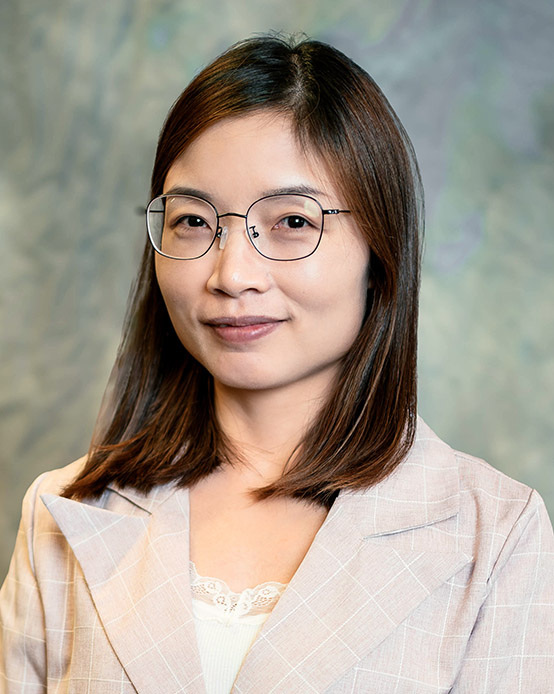
Guizhen Zhaoمشاهده پروفایل
استادیار
Guizhen Zhao is an Assistant Professor at the University of Houston College of Pharmacy , Department of Pharmacological and Pharmaceutical Sciences. Her research focuses on epigenetic and molecular mechanisms in cardiovascular diseases (CVD), particularly aortic aneurysm, dissection, and atherosclerosis, with a goal to drive drug discovery innovations. Major research areas: Metaboloepigenetic properties of vascular cells, chromatin remodeling, vascular cell crosstalk Methodologies: bulk RNA-seq, single-cell RNA-seq, ChIP-seq, ATAC-seq, spatial transcriptomics, metabolomics Ongoing projects include studying BAF60c-dependent epigenetic modifications in smooth muscle cell biology, BAF60c-mediated iPSC differentiation, BAF60a in endothelial dysfunction, and vascular cell interactions in CVD development. Scientific contributions include 15+ publications on abdominal aortic aneurysm, atherosclerosis, and chromatin remodeling mechanisms, with recent work on adenosine kinase inhibition and KLF11 as therapeutic targets. 2023-25: Career Development Award, American Heart Association 2021-22: Postdoctoral Fellowship, American Heart Association 2019: Young Investigator Award, American Heart Association

Professor Moritz Rossner serves as Head of the Department of Molecular and Behavioral Neurobiology at the Department of Psychiatry and Psychotherapy, Faculty of Medicine, Ludwig-Maximilians-Universität München (LMU). His research integrates molecular and behavioral approaches to understand the neurobiological underpinnings of psychiatric disorders, particularly schizophrenia and bipolar disorder. Rossner's research interests focus on molecular neurobiology and behavioral analysis using mouse models. His laboratory employs advanced techniques including mouse genetics , behavioral phenotyping , biosensors , next-generation sequencing , and transcriptomics to investigate psychiatric risk genes and pathways. His work bridges cellular and molecular mechanisms with behavioral outcomes, particularly in schizophrenia and bipolar disorder research. Analysis of Rossner's 15 most recent publications (2025) reveals a strong focus on precision psychiatry , neuroimaging biomarkers , and genetic mechanisms underlying psychiatric disorders. His research increasingly incorporates multimodal approaches combining neuroimaging, genomics, and clinical phenotyping to develop biologically informed diagnostic and treatment frameworks. Key themes include blood-brain barrier dysfunction in schizophrenia, inflammatory contributions to symptom severity, and pathway-specific polygenic scores for treatment prediction. Rossner leads the Molecular & Behavioural Neurobiology working group at LMU's Department of Psychiatry and Psychotherapy, which includes specialized units like the Mouse Behavioral Unit. His research program appears well-funded through multiple collaborative projects focused on understanding the molecular basis of psychiatric disorders and developing novel therapeutic approaches.