Patricia Bartsch is a Researcher at the Institute of Medical Microbiology, Virology and Hygiene within the Faculty of Medicine at the University of Hamburg. She specializes in Medical Microbiology and Immunology, focusing on host-pathogen interactions, T-cell biology, and autoimmune processes triggered by infections. Her work bridges clinical diagnostics with translational research, particularly in understanding bacterial pathogenesis mechanisms and immunological responses in chronic infections. Key research areas include: Staphylococcus species pathogenesis T-cell plasticity and memory mechanisms Autoimmune renal disease amplification Host defense mechanisms against bacterial infections Contact: p.bartsch@uke.de | O22 Building, Room 202
Dr. Lina Herhaus holds dual roles as a Research Group Leader at the Helmholtz Centre for Infection Research (HZI) and a W1 Professor at Hannover Medical School (MHH). Her research focuses on immune signaling, autophagy, and molecular mechanisms underlying immune pathways. She leads the "Immune Signaling" group at HZI, funded by the MICROSTAR Program, and has prior leadership at Goethe University Frankfurt (2020–2024) and the Frankfurt Cancer Institute (2019–2020). Education: PhD in Biochemistry and Cell Signaling (2014) – MRC, University of Dundee Double Degree in Molecular Biology and Applied Biology (First-Class Honors, 2010) – Hochschule Bonn-Rhein-Sieg and University of Dundee Early research at ECOSUR, Mexico (2006–2007) Research Interests: Immune signaling pathways Autophagy regulation and its role in disease Molecular mechanisms of bacterial pathogenesis Host-pathogen interactions in Salmonella and HCMV infections Therapeutic targeting of autophagy pathways Awards: Signal Transduction Society (STS) Science Award (2024) AIM Council of International Rising Stars (2024) Tim Hunt Prize for Cell Biology (2013) Grants & Leadership: Lead HZI’s Immune Signaling Group since 2024 Previously led Immune Signaling Group at Goethe University (2020–2024) Funded by MICROSTAR Program (HZI) and MHH Labs/Teams: Immune Signaling Group at HZI Campus, collaborating on autophagy, immune pathways, and infectious disease research.
Dr. Francesco Siracusa is a researcher at the Department of General, Visceral and Thoracic Surgery at University Medical Center Hamburg-Eppendorf. His research focuses on the intersection of immunology, gut microbiota, and dietary influences on immune responses. He holds a Dr. Rer. Nat. degree and has established himself as a significant contributor to the field of mucosal immunology through his extensive publication record. Dr. Siracusa's research primarily investigates how dietary components and gut microbiota shape immune responses, with particular emphasis on T cell biology. His work spans multiple areas including the role of short-chain fatty acids in immune regulation, the impact of diet on mucosal immunity, and the characterization of T cell subsets in inflammatory conditions such as NASH and autoimmune diseases. His research combines molecular, cellular, and translational approaches to understand fundamental immunological mechanisms. His publication record shows consistent high-impact contributions to immunology journals, with recent work focusing on diet-immune interactions, T cell responses in liver disease, and methodological advances in metabolite quantification. His research demonstrates a cohesive trajectory exploring how environmental factors like diet modulate immune cell function and contribute to health and disease. Dr. Siracusa collaborates extensively with researchers across immunology, hepatology, and microbiology fields, reflecting the interdisciplinary nature of his work. His publications appear in top-tier journals including Nature Immunology, Science Immunology, and Trends in Immunology, demonstrating the significance and impact of his research contributions.
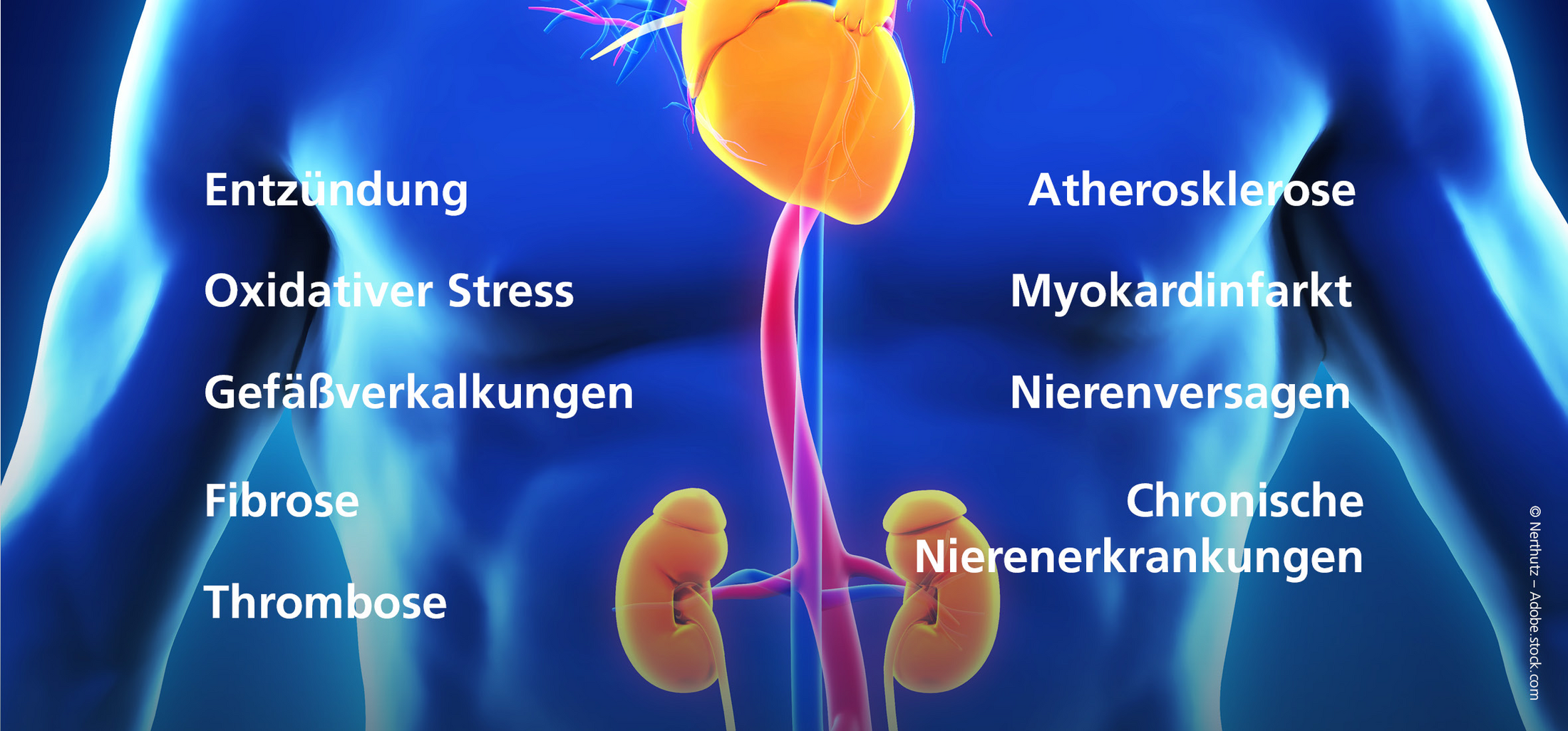
Dr. Emiel van der Vorst is a cardiovascular researcher focusing on atherosclerosis, immunometabolism, and translational medicine . His work spans molecular mechanisms, therapeutic targeting, and omics-based approaches. Affiliation: Institute for Molecular Cardiovascular Research (IMCAR) Research Focus: Chemokine signaling, microRNA therapeutics, immune-metabolic interactions Research Trends: Recent publications highlight his exploration of microRNA-26b in metabolic liver disease GPR55 receptor in cardiomyocyte adaptation calcium-sensing receptor in sex-specific atherosclerosis aryl hydrocarbon receptor in gut-liver-cardiovascular axis His work integrates nanomedicine, genetic models, and clinical biomarker development .
Valery Grinevich is a Professor at the Central Institute for Mental Health, Mannheim , focusing on neuropeptide research in psychiatry. His career spans from PhD studies in Saint-Petersburg (1992-1996) to leading a research team exploring oxytocin's central actions on pain, fear, and socio-sexual behaviors. Education : PhD (1992-1996) in Saint-Petersburg Institution : Central Institute for Mental Health, Mannheim Research Focus : Neuropeptide signaling, oxytocin neurobiology, pain processing, social behavior, and emotional regulation His research investigates how oxytocin modulates fear responses , social communication , and stress-induced behaviors , with key contributions to understanding hypothalamic oxytocin systems and central amygdala circuits . Publications reveal a focus on neuroplasticity , neuroendocrine interactions , and rodent models of psychiatric conditions. Current work examines astrocyte-neuron interactions , chemogenetic activation of oxytocin neurons, and inter-female communication mechanisms. The team utilizes advanced techniques to study parvocellular/magnocellular neuron dynamics and emotional discrimination .
Lydia Sorokin is a Professor at the Institute of Physiological Chemistry and Pathobiochemistry within the University of Münster , Germany. She serves as Spokesperson for the Cells in Motion Interfaculty Centre and actively contributes to the Imaging Network and CiM-IMPRS graduate program . Research Focus: Cell-matrix interactions, leukocyte extravasation, blood vessel biology, secondary lymphoid organs, and neuroinflammatory processes. Key Contributions: Elucidating laminin functions in vascular integrity, neuroinflammatory disease mechanisms, and extracellular matrix regulation of immune cell migration. Publication Trends: Recent studies (2022-2024) explore CNS macrophage heterogeneity , endothelial-laminin interactions , and neurovascular unit dysfunction in diseases like multiple sclerosis and cerebral small vessel disease. Earlier work (2012-2020) established roles for laminins and matrix metalloproteinases in blood-brain barrier regulation, immune cell trafficking, and tissue-specific matrix responses. Collaborations & Networks: Active in Cells in Motion , Imaging Network , and CiM-IMPRS graduate program. Collaborates with institutions across Europe on neurovascular and immunology research. Contact: sorokin@uni-muenster.de
Prof. Dr. Thomas Langer leads the Department of Mitochondrial Proteostasis at the Max Planck Institute for Biology of Ageing. His research focuses on mitochondrial proteases, their role in cellular aging, and age-related diseases. He investigates how mitochondrial dynamics, lipid trafficking, and proteostasis impact neurodegeneration and metabolic disorders. Key Grants: DFG CRC 1218 & 1403, German-Israel MitoBalance, Marie Sklodovska-Curie ITN Remix Notable Awards: Humboldt Foundation & EMBO Postdoctoral Fellowships His work spans mitochondrial membrane dynamics, lipid homeostasis, calcium signaling, and stress responses. Recent studies highlight connections between OMA1 protease activation, ferroptosis, and cardiomyopathy, as well as prohibitin-mediated membrane organization in neurodegenerative diseases. Collaborative projects with institutions in Germany and Japan further expand his research impact. Publications show consistent contributions to journals like Nature , Cell Metabolism , and Nature Cell Biology , with recurring themes in mitochondrial fragmentation, metabolic reprogramming, and neuroprotection. His lab trains a large cohort of PhD students and postdocs, fostering next-generation scientists in mitochondrial biology.
Dr. Cordova R. is a researcher at the German Cancer Research Center (DKFZ) , focusing on nutritional epidemiology and cancer risk factors with a particular interest in the interplay between cardiometabolic diseases , body weight dynamics , and chronic disease outcomes . Their work spans large-scale multinational cohort studies including the European Prospective Investigation into Cancer and Nutrition (EPIC) and UK Biobank . Research interests include: Role of ultra-processed foods in weight gain and obesity Impact of advanced glycation endproducts (AGEs) on cancer risk Genetic and environmental predictors of adiposity gain Association between socioeconomic position and multimorbidity Dietary patterns and CRC molecular pathways Recent publications analyze: Dicarbonyl compounds and weight regulation Stress-induced glucocorticoids and inflammation PLAG1 fusions in CNS tumors Labs/Tasks: EPIC cohort analysis Physical Activity, Nutrition, Alcohol, Cessation of smoking (PANACEA) study International cancer epidemiology collaborations
Katia Cosentino is a Junior Professor (equivalent to Assistant Professor) in the Department of Biology at Osnabrück University, where she leads the research group Molecular Cell Biophysics . Her work bridges molecular biophysics and cell biology, focusing on the mechanisms of regulated cell death, particularly pyroptosis and apoptosis, through the lens of pore-forming proteins (PFPs). Her research centers on the spatio-temporal assembly of Gasdermin pores during pyroptosis, how membrane environment modulates pore formation , and the crosstalk between apoptosis and pyroptosis . She investigates how these processes influence cell death outcomes, with relevance to disease mechanisms in cancer, neurodegeneration, and immune disorders. The recent publications highlight a strong focus on Gasdermin D (GSDMD) regulation via palmitoylation and membrane targeting, as well as the interplay between BAX/BAK in apoptotic pore dynamics and inflammation. These works reflect a consistent theme in membrane biophysics, protein-lipid interactions, and cell death signaling , employing cutting-edge techniques like single-molecule imaging and super-resolution microscopy. While no scientific awards are listed in the provided text, her research is published in high-impact journals such as The EMBO Journal and Molecular Cell , indicating strong recognition in the field. There is no information available about student advising or external grants. Her lab utilizes advanced model systems including artificial membranes (liposomes, nanodiscs), mammalian cells expressing PFPs, and isolated organelles, combined with methods like fluorescence imaging, atomic force microscopy, and stoichiometric analysis of protein complexes.
Felix Sommer is a Researcher and Group Leader of the Functional Host-Microbiome Research group at the Institute of Clinical Molecular Biology (IKMB) of Kiel University and University Medical Center Schleswig-Holstein (UKSH). He heads the Systems Immunology Microbiome Platform and leads the Junior Research Group Functional Host-Microbiome Research and Systems Immunology, which was established in 2020. His work focuses on understanding the intricate interactions between the host, microbiome, and environmental factors in health and disease. Felix Sommer received his PhD in cell biology in 2010 from Kiel University and completed postdoctoral training in the lab of Fredrik Bäckhed in Gothenburg, Sweden, from 2010 to 2015 before joining IKMB. His research centers on host-microbiome interactions, particularly how the microbiome influences host metabolism (such as glycolysis) and immune responses, with implications for inflammatory bowel disease, cancer, and metabolic disorders. His work employs gnotobiotic in vivo conditional knockout models, functional in vitro organoid systems, and high-throughput 'omics' technologies including next-generation sequencing and metabolomics. Analysis of his recent publications reveals a strong focus on the metabolic aspects of host-microbiome interactions, particularly how microbial metabolites influence host immune responses and disease states. His work spans multiple disease models including inflammatory bowel disease, cancer, metabolic disorders, and aging, with a consistent theme of identifying specific molecular pathways that could be targeted therapeutically. Recent work has increasingly focused on hexokinase regulation, gut barrier function, and the therapeutic potential of microbiome modulation. Felix Sommer leads a research team that includes doctoral researchers Xue Gu, Hongshu Huang, Lea Järke, Xiangyu Meng, and Saskia Weber-Stiehl. His group is supported by funding from the German Research Foundation (DFG) for the project 'Role of DUOX2 in shaping the intestinal microbiota and effects on inflammation, cancer and metabolic disease' (SO1141/10-1), the Research Group 'miTarget – The Microbiome as a Target in Inflammatory Bowel Diseases' (FOR5042), and the Excellence Cluster 'Precision Medicine in Chronic Inflammation' (EXS2167). The Functional Host-Microbiome Research group operates within the Institute of Clinical Molecular Biology at Kiel University, utilizing specialized facilities including gnotobiotic models and advanced 'omics' technologies. The group aims to develop novel strategies for treating metabolic and inflammatory disorders by targeting the intestinal microbiome through nutritional or probiotic interventions, with a particular focus on understanding the molecular mechanisms underlying host-microbiome crosstalk.
Elisabeth Binder is a Professor and Director of the Department of Translational Research in Psychiatry at the Max Planck Institute of Psychiatry in Munich, Germany. She holds dual doctorates in medicine (University of Vienna) and neuroscience (Emory University) and has previously served as faculty at Emory University's Department of Psychiatry and Behavioral Sciences. Research Interests focus on creating a biology-based taxonomy of psychiatric diseases through: Investigating genetic and epigenetic factors in stress response Identifying biomarkers for psychiatric disorders Characterizing molecular pathways of risk and resilience Developing transdiagnostic approaches to mental health Studying the FKBP5 gene as a therapeutic target Exploring stress impacts across developmental stages Recent publications demonstrate expertise in epigenetics, stress-related disorders, and gene-environment interactions, with notable work on cortisol signaling (2015), PTSD biomarkers (2013), and brain aging mechanisms (2024). Her research combines genomic profiling with translational approaches to identify early intervention targets. Awards & Memberships : Elected to the National Academy of Medicine (2020) Received Eva King-Killam Research Award (2016) Honored with Carus Medal from Leopoldina (2017) Key roles in international societies including ACNP and ISPG Lab Leadership includes graduate school affiliations with the International Max Planck Research School and supervision of multiple PhD students including Laura Leuchs and Maximilian Schneider.
Professor D. Fischer holds the Chair of Pharmaceutical Technology at the Department of Chemistry and Pharmacy, Faculty of Natural Sciences, Friedrich-Alexander-Universität Erlangen-Nürnberg (FAU). With extensive teaching responsibilities across multiple pharmacy and life science engineering programs, Prof. Fischer leads courses in Pharmaceutical Technology, Biopharmacy, Quality Assurance, and related fields for both undergraduate and graduate students. Prof. Fischer's research spans multiple cutting-edge areas in pharmaceutical sciences, with particular emphasis on advanced drug delivery systems. The research portfolio demonstrates deep expertise in nanocarrier development, bacterial nanocellulose applications, and sustainable pharmaceutical formulations. Recent work shows a strong focus on gene delivery vectors, polymer-based delivery systems, and innovative approaches to overcome biological barriers in drug administration. Analysis of recent publications reveals a consistent trajectory toward increasingly sophisticated delivery systems, with growing emphasis on sustainability in pharmaceutical manufacturing. The research integrates materials science, polymer chemistry, and biological testing to develop novel solutions for drug delivery challenges, particularly in areas like transdermal delivery, biofilm penetration, and targeted gene therapy. Prof. Fischer serves as primary instructor for multiple core courses in the pharmacy curriculum, including Pharmaceutical Technology lectures and internships for third- and fourth-year pharmacy students, Biopharmacy seminars, and Quality Assurance training. The teaching extends to the Molecular Science Master's program, demonstrating cross-disciplinary engagement within the Faculty of Natural Sciences.
Caroline Cummings, PhD, is an Assistant Professor in the Department of Psychological Sciences at Texas Tech University, serving as Director of the Pediatric Health, Affect, and Biobehavioral (PHAB) Lab. She holds a Ph.D. from the University of Nevada, Reno, and completed a pre-doctoral clinical internship at Oregon Health and Science University. Her research focuses on the interplay between affect, biobehavioral processes, and health outcomes in youths and young adults with chronic medical conditions such as type 1 diabetes, obesity, and substance use. Emphasizing sociocultural factors, her work explores individual and dyadic (e.g., parent-child) dynamics, with a goal to develop mobile health interventions. Dr. Cummings has been recognized with honors including the 2022 Society of Behavioral Medicine Citation Award and Emerging Leader designation. Her lab includes undergraduate and graduate researchers, such as Haley Coronado and Maddy McClinchie, who have received notable awards. The PHAB Lab also collaborates with institutions like the University of Vermont and Dartmouth College on studies addressing pediatric health equity and behavioral interventions. Key research themes include emotion regulation in adolescents, diabetes self-management habits, and the impact of digital health programs on physical activity. Dr. Cummings’ recent studies examine how daily emotional experiences and sociocultural contexts influence health behaviors, particularly in vulnerable populations. She has secured funding through grants like the Faculty Research & Support Diversity Program (2022).
Prof. Hannelore Ehrenreich is a distinguished academic in clinical and experimental medicine, holding dual roles as Professor of Neurology & Psychiatry at the University of Göttingen and Head of Experimental Medicine at the Central Institute of Mental Health, Medical Faculty Mannheim, Heidelberg University. She also leads the Clinical Neuroscience department at the Max Planck Institute for Multidisciplinary Sciences (until 2023). Her expertise spans translational neuroscience, focusing on neuropsychiatric disease mechanisms, neuroprotection, and autoimmune processes. Education: Doctor of Veterinary Medicine (1981), University of Munich Doctor of Medicine (1989), University of Munich Habilitation in Neurology/Psychiatry (1994), University of Göttingen Research Interests: Genetic/environmental underpinnings of neuropsychiatric diseases Endogenous neuroprotection via the brain erythropoietin system Autoimmune/inflammatory contributions to neuropsychiatric phenotypes Key Contributions: Her lab has pioneered work on erythropoietin's role in neuroplasticity, functional hypoxia in brain activity, and autoantibody mechanisms in encephalitis. Recent publications highlight translational research bridging basic science and clinical applications. Awards: Jean Delay Prize (WPA, 2020) Leopoldina Membership (2016) 2008 Honorary Professorship (University of Göttingen) Leadership & Collaborations: She has served as Vice President of the University of Göttingen (2000-2002), led major research institutes, and maintains affiliations with the Max Planck Society and Göttingen's IMPRS neuroscience training programs.
Dr. Wendy Liermann is a researcher at the Research Institute for Farm Animal Biology (FBN), focusing on metabolic health in farm animals. Her work primarily investigates gastrointestinal physiology, immune system development, and nutritional programming effects in neonatal calves and poultry. Key affiliations: Research Institute for Farm Animal Biology (FBN), Leibniz Association Research areas: Maternal nutrition, intestinal mucosa transcriptomics, fatty acid supplementation, microbiome-immune interactions Recent research highlights include studies on Cryptosporidium parvum infections in calves, colostrum quality, and feed processing techniques in broilers. She frequently collaborates with Harald Michael Hammon and other veterinary scientists. Publications span 2017-2024 Active in experimental animal facilities Her work contributes to neonatal calf nutrition, antimicrobial resistance research, and optimized feeding strategies for poultry.